Attractions and Places To See around Neiva - Top 20
Attractions and places to see around Neiva, Portugal, offer a blend of historical landmarks, architectural marvels, and scenic river views. This region, centered around the Neiva River, provides diverse points of interest for exploration. Visitors can discover significant religious sites and impressive engineering structures. The area is characterized by its coastal proximity and historical fortifications.
Best attractions and places to see around Neiva
- The most popular attractions is Stone Bridge over the Neiva River, a bridge that is located…
Last updated: June 4, 2026
Stone Bridge over the Neiva River
Highlight • Bridge
Translated by Google •
Tip by

Eiffel Bridge (Ponte Eiffel)
Highlight • Bridge
Translated by Google •
Tip by
Sign up now to discover places like this
Get recommendations on the best single tracks, peaks, & plenty of other exciting outdoor places.
Sign up for free
São João Baptista Fort and Lighthouse, Esposende
Highlight • Historical Site
Translated by Google •
Tip by
Sanctuary of Santa Luzia
Highlight • Religious Site
Translated by Google •
Tip by

Viana do Castelo Cathedral
Highlight • Religious Site
Translated by Google •
Tip by
Sign up for free to discover even more attractions around Neiva.
Sign up for free
Already have an account?
Start today with a free account
Your next adventure awaits.
Login or Signup

Tips from the Community

Key Information Location: Neiva River, on the border of the municipalities of Esposende and Viana do Castelo, Portugal. History: The original bridge was built in 1930 at the behest of the owner of a watermill and a fishing lodge that existed on the site at that time. Renovation: Over time, the bridge suffered damage due to the impact of fallen trees during storms. In 2020, the reconstruction of the bridge was announced, in a project financed in equal parts by the two neighboring municipalities. North Coast Ecovia: The stone bridge (reconstructed or restored) is part of a set of green infrastructures that make up the North Coast Ecovia, a pedestrian and cycle path that enhances the Neiva River estuary and connects the two municipalities, offering a bucolic and tranquil environment for walks. The bridge is a picturesque spot, frequently visited by those traveling along the ecovia, inviting a peaceful stroll and observation of the surrounding nature.
2
0
The Stone Bridge over the Neiva River, also known as Sebastião's Bridge, is a historic bridge that connects the banks of the Neiva River, serving as a border between the municipalities of Esposende (Antas parish) and Viana do Castelo (Castelo do Neiva parish), in Portugal.
2
0
Viana do Castelo is a charming city in Northern Portugal, known for its rich maritime history, stunning architecture, and natural landscapes where the Lima River flows into the Atlantic Ocean. The city is considered a "Mecca of contemporary architecture" and an important cultural center.
1
0

It looks more like a castle than a cathedral.
1
0

Beautiful both inside and out. A must-visit if you're in the area. The hike up the mountain is a bit strenuous, so it's better to go by car or bus. Parking is free.
3
0

The Roman Catholic Cathedral of Viana do Castelo (Portuguese: Sé Catedral de Santa Maria Maior), dedicated to the Virgin Mary, is the cathedral of the Diocese of Viana do Castelo in the northern Portuguese coastal town of Viana do Castelo. Despite its Romanesque-early Gothic appearance, the church was only built in the 15th/16th centuries; the interior was repeatedly remodeled until the 19th century, so that today it represents a mixture of Baroque and Neoclassical styles. There is no admission charge, and it is very well maintained. https://de.wikipedia.org/wiki/Kathedrale_von_Viana_do_Castelo
3
1


From the bridge, you have a good view of the Lima River and the city of Viana. However, the pedestrian lane (only the one downstream is open) is very narrow and not really designed for two-way traffic. In Eiffel's time, the entire upper bridge was probably intended for pedestrians and oxcarts. The railway runs one level below: https://pt.wikipedia.org/wiki/Ponte_Eiffel
2
0
Frequently Asked Questions
What are the most popular attractions around Neiva, Portugal?
Visitors frequently enjoy the Stone Bridge over the Neiva River, known for its idyllic setting amidst eucalyptus forests and small waterfalls. Another highly rated spot is the Sanctuary of Santa Luzia, offering panoramic views of Viana do Castelo, the Lima River, and the coast. The ingenious Eiffel Bridge (Ponte Eiffel), designed by Gustave Eiffel, is also a must-see for its architectural significance and exceptional river views.
Are there any historical sites to visit near Neiva?
Yes, the region boasts several historical sites. The Sanctuary of Santa Luzia is a significant religious building and historical landmark. Additionally, the São João Baptista Fort and Lighthouse in Esposende, built between 1669 and 1702, offers a glimpse into the region's defensive past. The Viana do Castelo Cathedral, an episcopal church from the fifteenth century, is another notable historical attraction.
What natural features can I explore around Neiva?
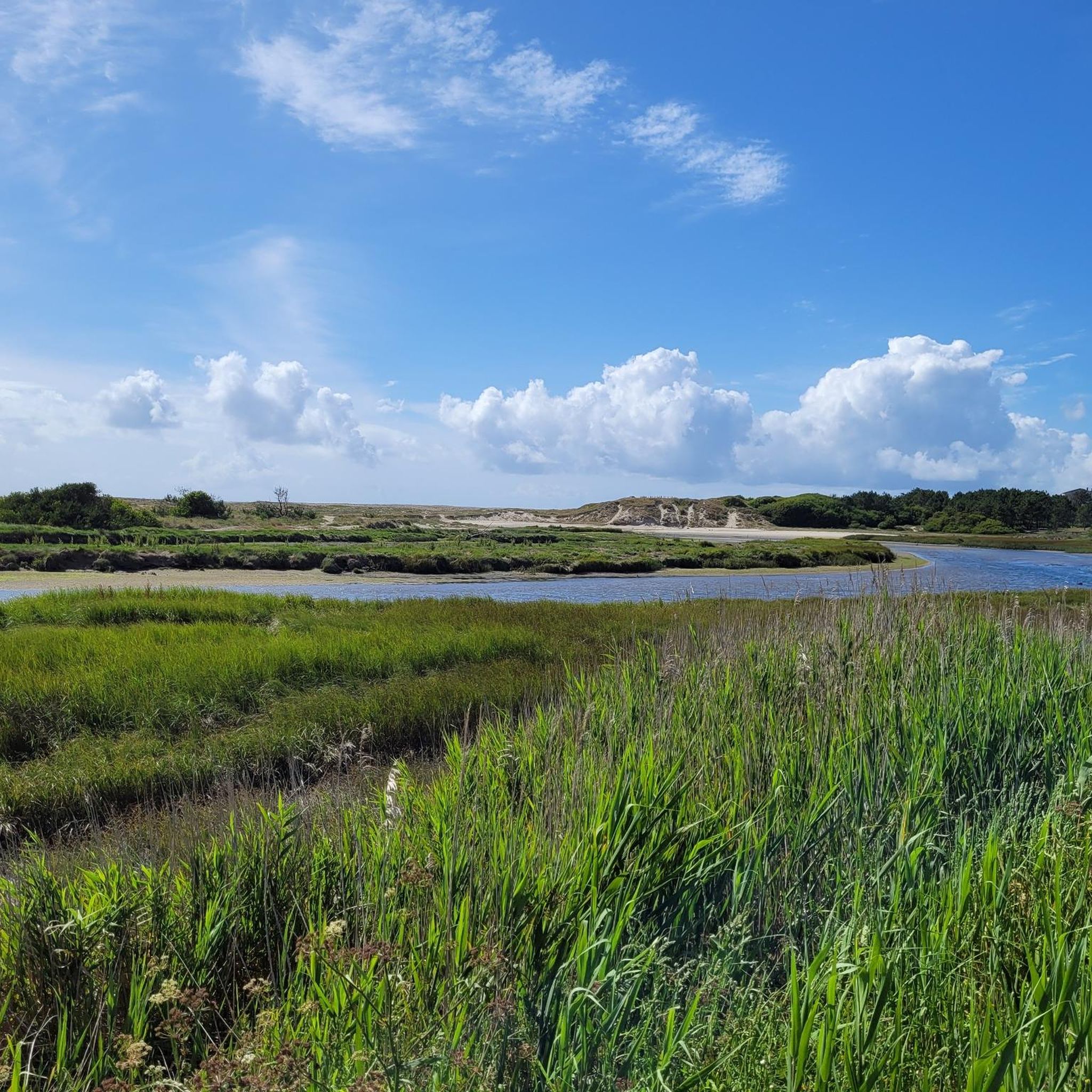
The Neiva region is characterized by its riverine and coastal landscapes. The Neiva River itself offers scenic spots, particularly around the Stone Bridge where you can enjoy the scent of eucalyptus forests and the sound of waterfalls. The nearby coast and the mouth of the Lima River, visible from viewpoints like the Sanctuary of Santa Luzia, provide beautiful natural vistas.
Are there family-friendly attractions in the Neiva area?
Yes, the Sanctuary of Santa Luzia is considered family-friendly, offering impressive views and a unique experience, including the option to take a funicular up. The Viana do Castelo Cathedral is also suitable for families interested in historical and architectural exploration.
Where can I find the best viewpoints around Neiva?
For breathtaking panoramic views, head to the Sanctuary of Santa Luzia. From its dome, you can enjoy a 360° vista over Viana do Castelo, the Lima River, the Atlantic Ocean, and the surrounding mountains. The Eiffel Bridge (Ponte Eiffel) also provides exceptional views of both banks of the Lima River as you cross it.
What outdoor activities can I do near these attractions?
The region around Neiva offers various outdoor activities. You can find numerous cycling routes, including long-distance options like the 'Carreço Beach – Ecovia Litoral Norte' loop. There are also gravel biking trails and running routes, such as the 'Boardwalk and Beach View loop' from Amorosa. For more details on these activities, explore the Cycling around Neiva, Gravel biking around Neiva, and Running Trails around Neiva guides.
Are there any hiking trails near the attractions?
While specific hiking trails directly linked to the attractions aren't detailed, the area around the Sanctuary of Santa Luzia offers paths through the forest, and a hike into the valley is possible from there. For dedicated running and walking routes, you can check the Running Trails around Neiva guide, which includes routes like the 'Boardwalk and Beach View loop'.
What do visitors enjoy most about the attractions around Neiva?
Visitors particularly appreciate the scenic beauty and tranquility of places like the Stone Bridge over the Neiva River, noting the pleasant smell of eucalyptus and the sound of waterfalls. The panoramic views from the Sanctuary of Santa Luzia are also a major highlight, with many recommending the 360° view from the dome. The architectural ingenuity of the Eiffel Bridge is also frequently praised.
Is there a good time of year to visit Neiva's attractions?
While specific seasonal data isn't provided, the region's coastal proximity and outdoor activities suggest that spring and early autumn would offer pleasant weather for exploring historical sites, enjoying viewpoints, and engaging in cycling or running routes without extreme heat or cold.
Can I find any unique architectural structures in the area?
Absolutely. The Eiffel Bridge (Ponte Eiffel) is a prime example, designed by Gustave Eiffel, connecting Viana do Castelo with Darque with its distinctive metal structure. The Sanctuary of Santa Luzia also features unique architecture, making it a prominent landmark.
Are there any coastal or river-related attractions?
Yes, the region is defined by its connection to water. The Stone Bridge over the Neiva River is a beautiful spot directly on the river. The Eiffel Bridge spans the Lima River, offering views of its mouth. Additionally, the São João Baptista Fort and Lighthouse is located at the mouth of the Cávado River, providing a coastal historical experience.
Most popular attractions around Neiva

Get inspired with the komoot mobile app


Explore more
Still not found the Highlight you’re looking for? See guides of the top attractions in other regions:
