Top 6 Castles around Gosen-Neu Zittau
Best castles around Gosen-Neu Zittau provide a glimpse into the region's rich history and architectural heritage. While Gosen-Neu Zittau is known for its natural surroundings, the nearby area features several historic buildings. These sites offer diverse architectural styles and historical narratives. Visitors can explore these castles, which contribute to the cultural landscape of the wider Brandenburg area.
Best castles around Gosen-Neu Zittau
- The most popular castles is Schulzendorf Castle, a castle that was built in the neo-Renaissance style in…
Last updated: May 20, 2026
Regatta Course Berlin-Grünau
Highlight • Lake
Translated by Google •
Tip by

Schulzendorf Castle
Highlight • Castle
Translated by Google •
Tip by

Sign up now to discover places like this
Get recommendations on the best single tracks, peaks, & plenty of other exciting outdoor places.
Sign up for free
Volkspark Köpenick
Highlight • Forest
Translated by Google •
Tip by

Skaby Castle and Berlin Wall Remnants
Highlight • Historical Site
Translated by Google •
Tip by

Start today with a free account
Your next adventure awaits.
Login or Signup
Tips from the Community

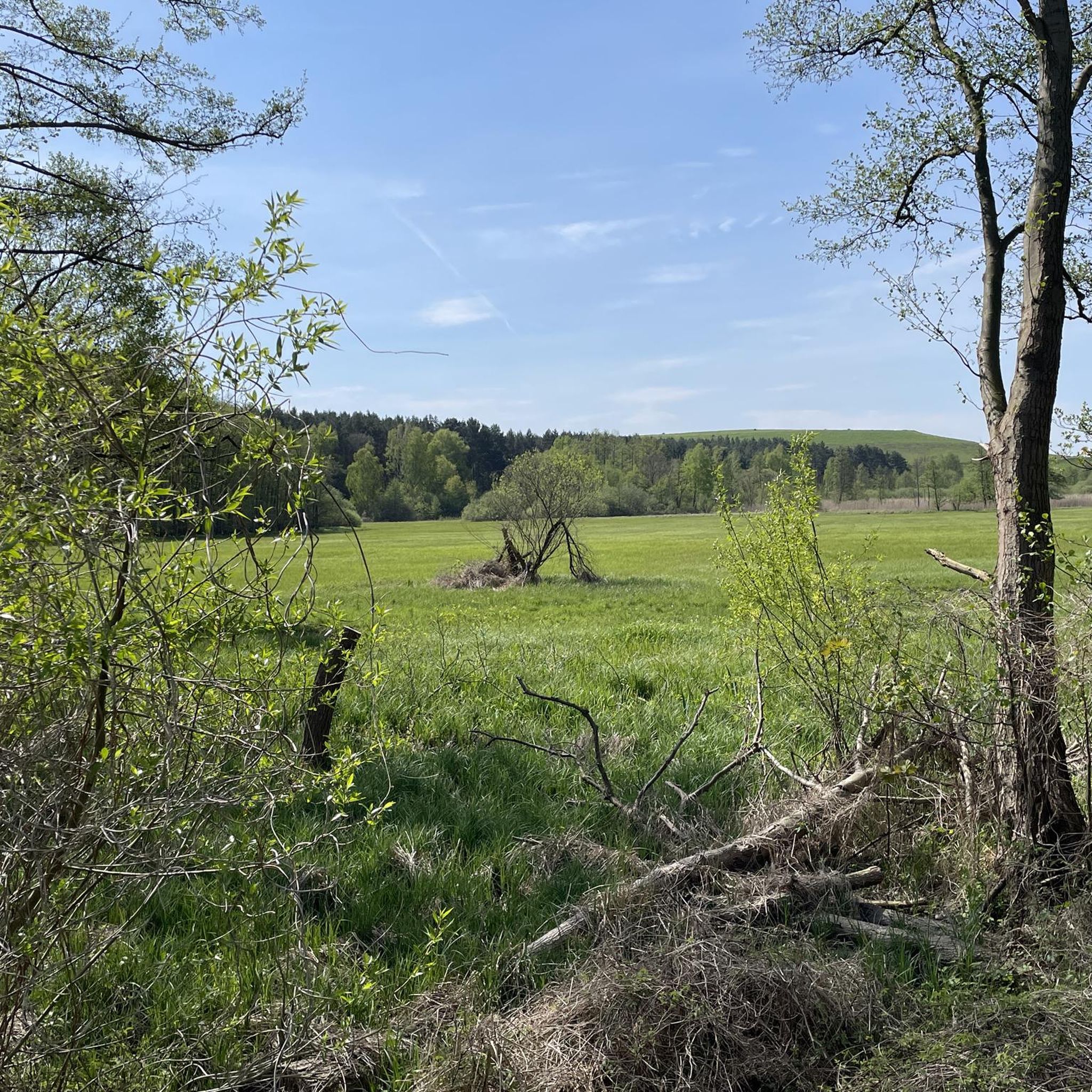
Hello everyone. We did this tour yesterday with the Komoot app. At the level of the Skabi Torfsee, the district forester came towards us and asked us what we were doing here and how we got here. We explained the route from Spreenhagen to him and that we were hiking with the Komoot app. He didn't think that was so great and said that there were already legal proceedings against Komoot because this route goes over private property. We should have seen 3 signs, which unfortunately we didn't, apart from signs such as Danger to life mining lake and former military training area. We were supposed to go past the wall and then right through the open barrier, where one of these signs said no entry to private property. Do any of you know this case? Maybe Frank Meyer, who hikes a lot? Would something happen to me if I made my tour public? Greetings, Sille.
0
0

6ha recreation park with walking paths and playground.
0
0

Today's fountain was built on the site of the so-called Spindlerbrunnen, which once stood here and has a complex building history. With the completion of the Köpenick hospital in 1913, the Köpenick council decided to redesign an area to the west of about seven hectares into a public park. But it was only after the First World War, between 1926 and 1929, that the Köpenicker Volkspark was created under the direction of the Berlin gardening director Erwin Barth. The design typical of the time consisted mainly of a central meadow area, which was bordered by dense woodland on the northern and southern edges. In its overall orientation, the park referred axially to the entrance portal of the hospital complex to the east, to which it opened with a garden square. A representative fountain, the Spindlerbrunnen, was erected on the square in 1929 as the heart of the Volkspark. The fountain - a double bowl fountain made of red granite - was originally created in 1891 for the Spittelmarkt, but had to make way for the construction of the U-Bahn there in the 1920s. In the Volkspark, it now formed a central focal point for the main building of the hospital and, since Salvador-Allende-Straße did not yet exist, it was a popular area for the hospital facilities. In the 1970s and 1980s, the park underwent various redesign measures during the GDR era, during which the historic fountain was moved back to its old location in Berlin-Mitte in 1980. It was replaced by a simple sandstone bowl with a seat edge that was equipped with spring jets, which, however, had been "not in use for several years" as early as 1996. In 1993 the park was placed under monument protection..... Source and more: https://bildhauerei-in-berlin.de/bildwerk/springbrunnen-8103/
1
0

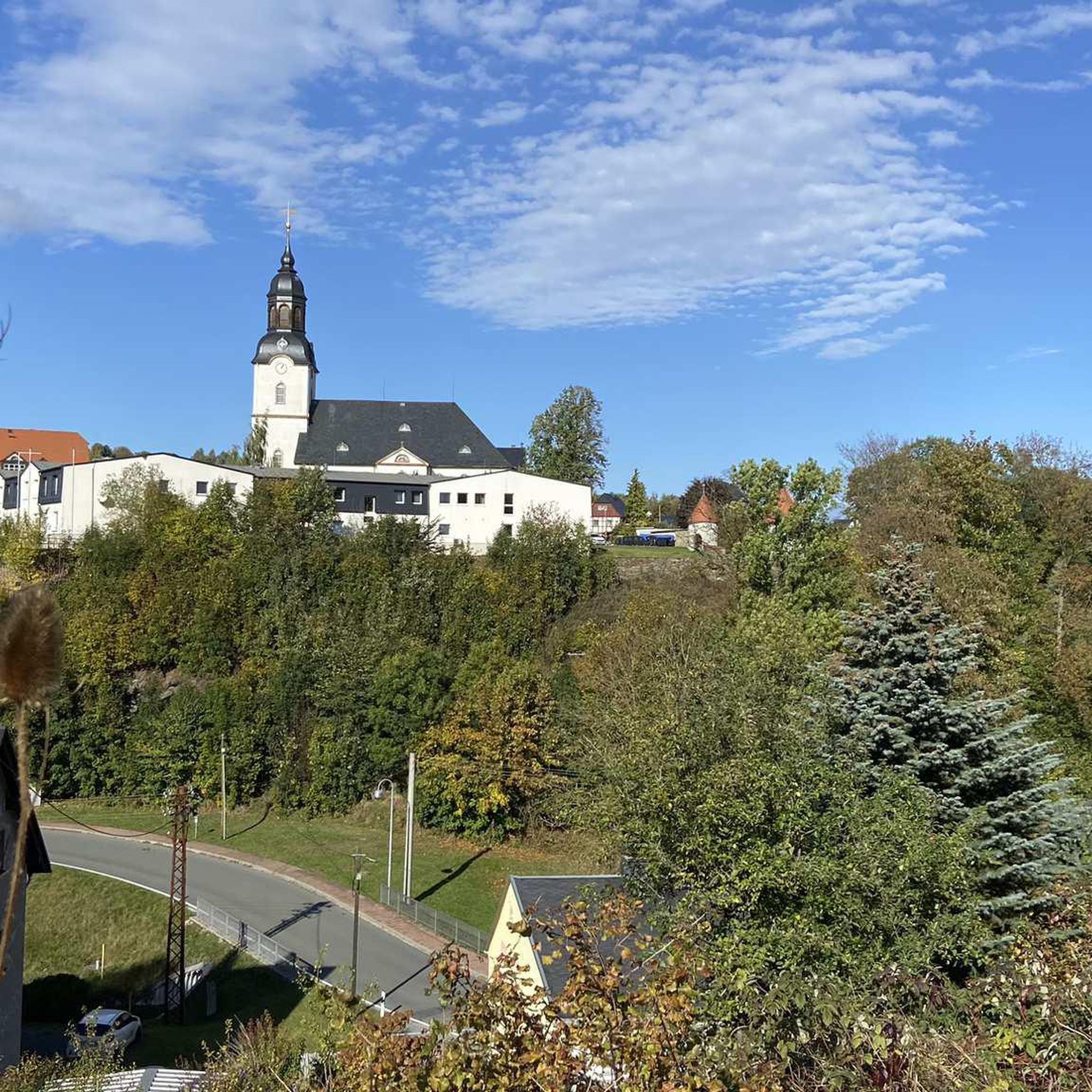
It looks a bit run down but has charm. Especially with the Schulzendorf village church in front of the castle. Today it is often used for filming.
0
0

In this beautiful park with a fountain there are also benches to rest
0
0

The site may not be entered, even the access roads are private and should not be entered...
2
1

Schulzendorf, a typical single-family house settlement in the commuter belt southeast of Berlin, also has an old village center. The old Schulzendorf is dominated by the so-called »Schloss«, which has two unique architectural elements. First, there is a square tower that seems to grow out of the castle and towers over it by far. It reminds me of towers in Tuscan cities or maybe a keep. In addition to the tower, you can also see the glass roof of a conservatory or greenhouse above the gable.
0
0
Königs Wusterhausen is a large town in the Dahme-Spreewald district in Brandenburg. It is located in the south of the Berlin metropolitan area. A common regional abbreviation for Königs Wusterhausen is KW. This old church is located in the district of Schulzendorf.
0
0
Frequently Asked Questions
What are some notable castles near Gosen-Neu Zittau?
While Gosen-Neu Zittau itself is known for its natural surroundings, the nearby area features several historic castles. These include the neo-Renaissance style Schulzendorf Castle, the historically significant Skaby Castle and Berlin Wall Remnants, and the intriguing Rittergut Schloss Skaby. Further afield, you can explore the Baroque water palace Schloss Köpenick, the former residence of the "Soldier King" Schloss Königs Wusterhausen, and the medieval Burg Storkow.
What kind of history and architecture can I expect to see at these castles?
The castles near Gosen-Neu Zittau showcase a range of architectural styles and historical periods. You'll find the neo-Renaissance design of Schulzendorf Castle, the Dutch Baroque elegance of Schloss Köpenick, and the simpler, yet historically rich, Schloss Königs Wusterhausen. Burg Storkow offers a glimpse into medieval lowland castle architecture, with parts dating back to the 12th century.
Are there any family-friendly castles to visit in the region?
Many castles offer features that can be interesting for families. Schloss Köpenick, with its beautiful waterside location and decorative arts museum, can be engaging. Burg Storkow, after its reconstruction, now serves as a cultural and tourist hub with exhibitions on nature and local history, which can be educational for children. While specific family activities vary, exploring the grounds and learning about history can be a fun outing.
What unique stories are associated with these castles?
Skaby Castle has a particularly turbulent history, having served various purposes from a peat-cutting site to a recreational facility for mentally ill Russian officers, and even a place for private parties for GDR leadership. Uniquely, during the GDR era, a 3-meter high concrete wall was built around its grounds using elements from the Berlin Wall. Schulzendorf Castle was a wedding gift in 1889 and later, during the Nazi era, the Israel family was forced to leave the manor.
Can I combine a castle visit with outdoor activities?
Absolutely. The region around Gosen-Neu Zittau is ideal for combining historical exploration with nature. You can find numerous outdoor routes nearby, such as easy hikes like the 'Along the Müggelspree – Spree River loop' or 'Sunbathing lawn at Seddinsee – Path Between Two Lakes loop'. For cycling enthusiasts, there are road cycling routes like the 'Cycle path Trebus–Jänickendorf – Kagel–Kienbaum Cycle Path loop'. You can find more details on these and other activities in the easy hikes guide, road cycling guide, and running trails guide for the area.
What is the best time to visit the castles near Gosen-Neu Zittau?
The castles can be visited year-round, but spring and autumn offer pleasant weather for exploring the grounds and surrounding areas. Summer allows for enjoying the waterside settings of places like Schloss Köpenick. In winter, some castles might have reduced opening hours, but the historical buildings can still be appreciated, often with fewer crowds.
Are there exhibitions or cultural events at any of these castles?
Yes, several castles host cultural events and exhibitions. Schloss Köpenick houses the 'RoomArt' permanent exhibition of the Kunstgewerbemuseum (Museum of Decorative Arts), showcasing masterworks of interior design. Concerts are also frequently held in its palace church. Burg Storkow features the exhibition 'Mensch und Natur - eine Zeitreise' (Man and Nature - a Journey Through Time) and offers a wide range of cultural events, including concerts, readings, and theater performances.
How can I get to these castles using public transport?
Specific public transport options vary for each castle. Schloss Köpenick is well-connected within Berlin's public transport network. Schloss Königs Wusterhausen is located in the town of Königs Wusterhausen, which is accessible by regional train. For detailed public transport information to specific castles, it's best to check local transport websites or the castle's official site before your visit.
What do visitors enjoy most about the castles in this region?
Visitors appreciate the rich history and diverse architecture of the castles. The komoot community has shared over 50 photos and given more than 870 upvotes for the castles around Gosen-Neu Zittau, highlighting their appeal. Many enjoy the unique stories, the blend of historical exploration with natural surroundings, and the cultural offerings like exhibitions and events.
Are there any castles with beautiful natural surroundings or viewpoints?
Schloss Köpenick is beautifully situated on an island in the River Dahme, offering stunning waterside views. Burg Storkow, a medieval lowland castle, has a tower that provides expansive views of the surrounding area. While Schulzendorf Castle is set on a 12.7-hectare property, parts of which are in a nature reserve, offering a blend of historical architecture and natural beauty.
Is there parking available at the castles?
Parking availability varies by location. Larger, more established castles like Schloss Köpenick and Schloss Königs Wusterhausen typically have designated parking areas nearby, though these may be paid. For smaller or less developed sites like Skaby Castle, parking might be less formal or require a short walk. It's advisable to check specific castle websites for parking details before your visit.
Most popular routes around Gosen-Neu Zittau
Most popular attractions around Gosen-Neu Zittau

Get inspired with the komoot mobile app


Explore more
Looking for the best castles somewhere else? Discover other guides around Gosen-Neu Zittau:
