The best cycling routes around Cervos
4.4
(14)
62
riders
7
rides
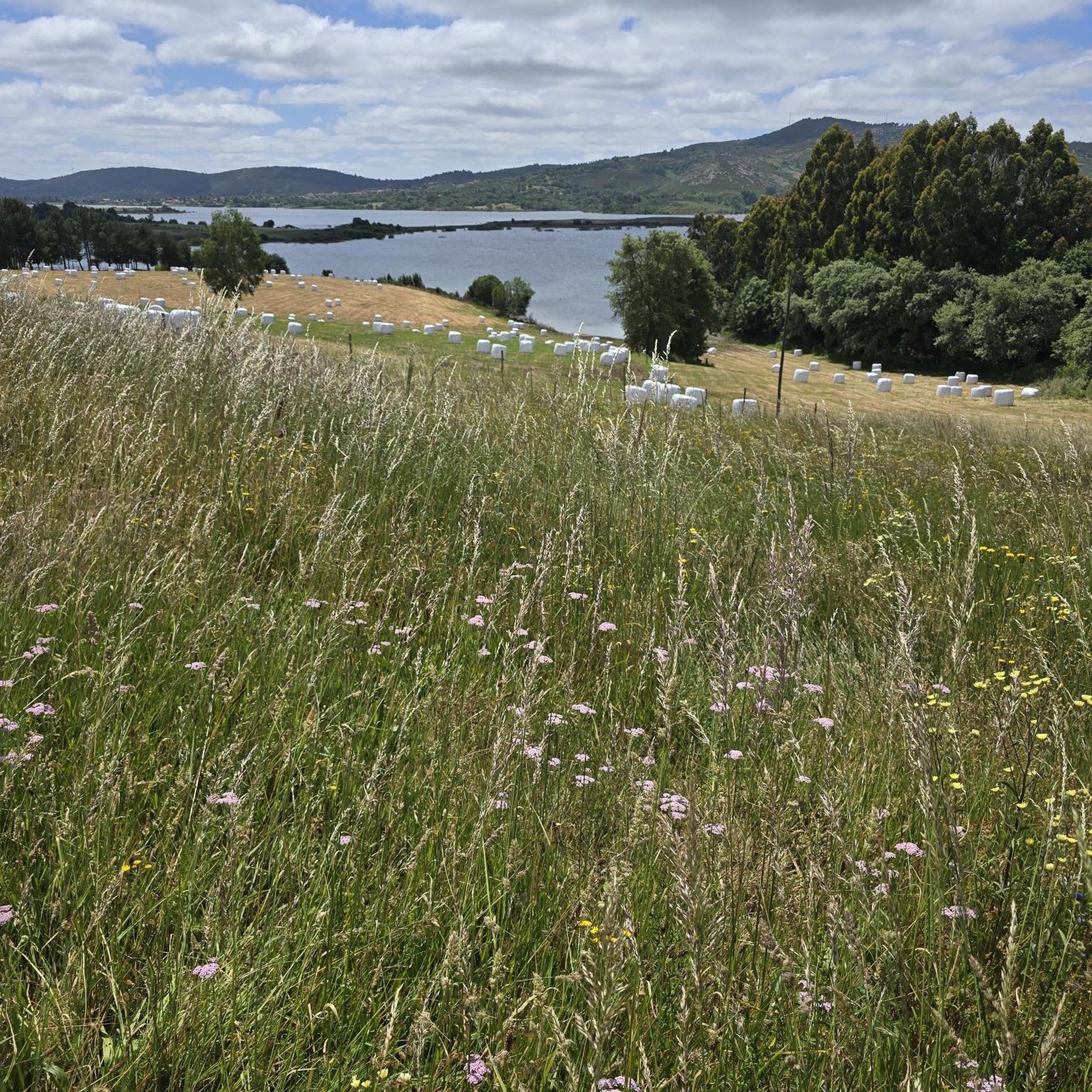
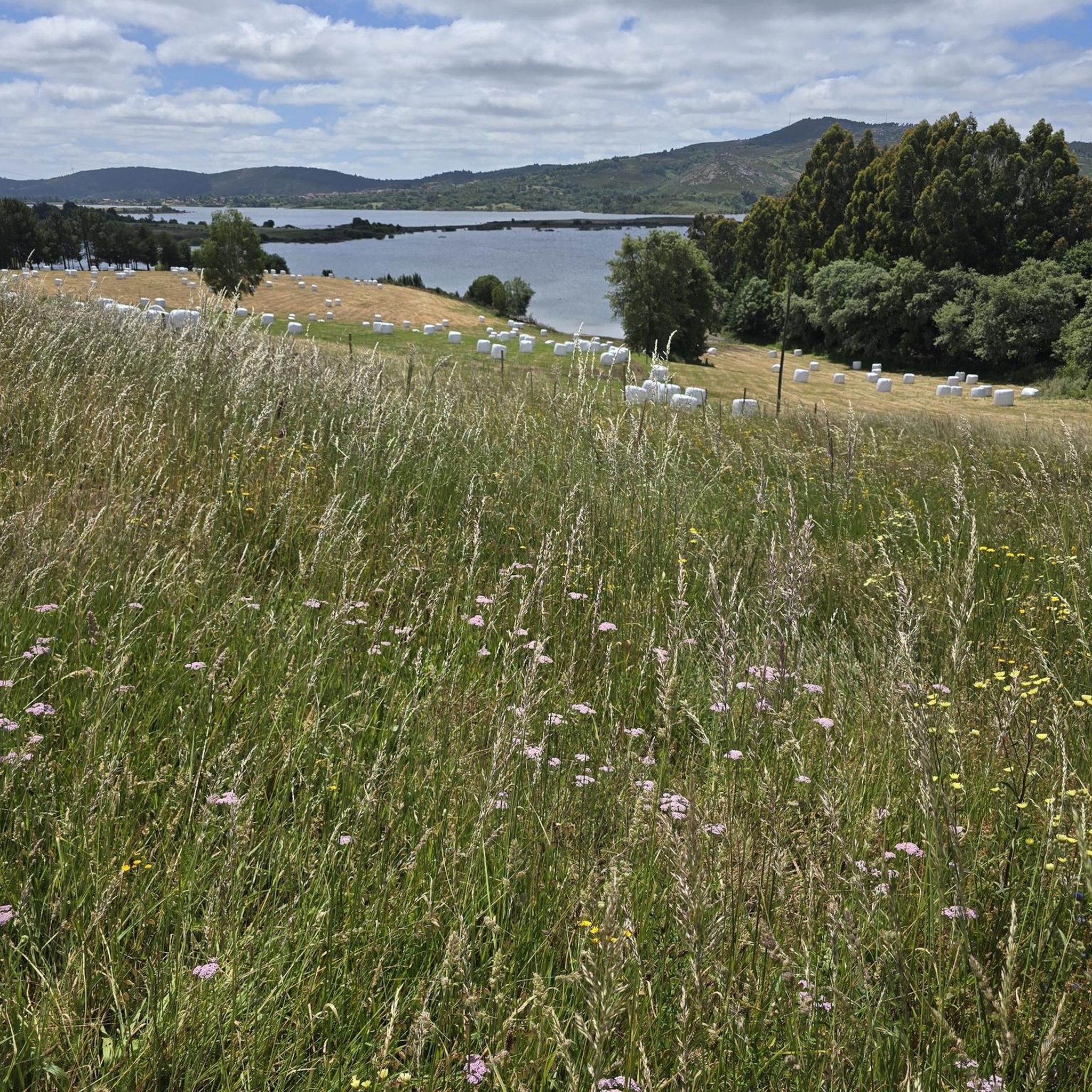
Touring cycling routes around Cervos are characterized by a diverse inland landscape, featuring rolling hills and more challenging mountainous terrain. The region offers a mix of open country and forested areas, with routes often traversing river valleys and elevated plateaus. Cyclists can expect varied elevations, from moderate climbs to significant ascents, providing a range of experiences.
Best touring cycling routes around Cervos
- The most popular touring cycling route is Montalegre – Montalegre Castle loop from Penedones, a 28.2 miles…
Last updated: October 29, 2026
3.9
(8)
24
riders
45.5km
02:58
640m
640m
Hard bike ride. Very good fitness required. Mostly paved surfaces.
16
riders
57.3km
05:21
1,290m
1,290m
Hard bike ride. Very good fitness required. Mostly paved surfaces.

6
riders
7.75km
00:47
210m
210m
Moderate bike ride. Good fitness required. Mostly paved surfaces.
5
riders
62.6km
04:19
1,020m
1,020m
Hard bike ride. Very good fitness required. Mostly paved surfaces.
Get access to more routes and recommendations from other explorers.
Already have an account?
Our route recommendations are based on thousands of hikes, rides, and runs completed by other people on komoot.
Tips from the Community

The Roman Baths Museum, recently opened, is a must-see. It is located in Largo do Arrabalde, very close to the current baths. It is the largest Roman bath complex in the Iberian Peninsula. What makes this museum special is that, after an earthquake in the 4th century, the structures collapsed and remained "frozen" in time until they were rediscovered a few years ago. You can see the huge original stone pools where Roman legionaries bathed 2,000 years ago. The Roman Baths Museum What to see: It is the largest Roman bath complex in the Iberian Peninsula. What makes this museum special is that, following an earthquake in the 4th century, the structures collapsed and remained "frozen" in time until they were rediscovered a few years ago. You can see the huge original stone pools where Roman legionaries bathed 2,000 years ago.
0
0
The Bridge of Trajan (often simply called the Roman Bridge) is, without a doubt, the most important monument in Chaves. It is worth visiting because it is not just an "old stone bridge"; it is a masterpiece of engineering that defines the city's identity. Here are the 4 main reasons why: 1. Walking on 2,000 Years of History This is one of the best-preserved Roman bridges in the entire Iberian Peninsula. It was built between the late 1st and early 2nd century AD, during the reign of Emperor Trajan. The Feeling: Crossing it on foot (cars are forbidden) means you are literally walking on the same stones as Roman legions, medieval merchants, and Napoleonic troops. It is an instant trip back in time. 2. Engineering that Defies Time It is worth looking closely at the structure to understand why it is still standing. The Tâmega River is known for its violent floods, yet the bridge has withstood them for two millennia. The Secret: If you go down to the riverbank, notice the cutwaters (the triangular structures at the base of the pillars). They were designed to "cut" the force of the water and prevent the bridge from collapsing. It is a live lesson in ancient architecture. 3. The Stones that "Speak" (Milestones) In the middle of the bridge, you will find two cylindrical stone columns (milestones) with Latin inscriptions. One of them is particularly important: the "Padrão dos Povos" (Standard of the Peoples). The inscription lists the 10 local tribes of the region (the "Aquiflavienses") who contributed to the construction of the bridge. It is a historical document carved in stone that has survived to this day. 4. The Photogenic Scenery The bridge connects the historic center to the Madalena neighborhood and is set within a beautiful public garden (Jardim do Tabolado). It is the perfect spot to watch the sunset, seeing the reflection of the arches in the water with the Castle of Chaves dominating the landscape high above. Visitor Tip: After crossing the bridge coming from the historic center, turn left and walk along the landscaped riverbanks. There are stepping stones (pedras poldras) nearby in the water that allow you to see the grandeur of Trajan's Bridge from an impressive low angle.
2
0

Recommended
0
0

Excellent point to stock up on fresh water.
1
0
Very good bread and pastries. You can have a coffee or a beer.
0
0

This area is characterized by an unspoiled mountain landscape, typical of the Serra do Gerês and Serra da Cabreira, integral parts of the Peneda-Gerês National Park. The region is known for its wild nature, glacial valleys, mountain pastures and rock formations, elements that contribute to its biodiversity and landscape value.
0
0
Montalegre is a mountain town, characterized by rugged and uncontaminated landscapes. The medieval castle dominates the landscape and in the surroundings there are prehistoric dolmens that keep alive the link with the past.
0
0
This is a church that reflects the traditional architecture of the region, often characterized by simple but robust elements, in line with the surrounding rural environment.
0
0
Frequently Asked Questions
What kind of terrain can I expect when touring cycling around Cervos?
Touring cycling routes around Cervos feature a diverse inland landscape, characterized by rolling hills and more challenging mountainous terrain. You'll encounter a mix of open country and forested areas, with routes often traversing river valleys and elevated plateaus. Expect varied elevations, from moderate climbs to significant ascents, offering a range of experiences.
Are there any easy touring cycling routes in Cervos for beginners?
While many routes in Cervos are rated as difficult, there is at least one moderate option available. For a shorter, less strenuous ride, consider the Montalegre loop from Montalegre, which covers 7.6 km.
What are some challenging touring cycling routes in the Cervos area?
For experienced riders seeking a challenge, Cervos offers several difficult routes with substantial elevation gains. Options include the Montalegre Castle – View of Pitões Waterfall loop from Montalegre, a 59.1 km path with extensive views, or the Camillo Station – Castle of Chaves loop from Redondelo, which is 62.7 km long and leads through varied rural landscapes.
How many touring cycling routes are available in Cervos?
There are 8 touring cycling routes documented in Cervos, catering to various skill levels. The majority of these, 7 out of 8, are rated as difficult, with one moderate option available.
What do other touring cyclists say about the routes in Cervos?
The touring cycling routes in Cervos are highly rated by the komoot community, with an average score of 4.1 stars from over 10 reviews. Cyclists often praise the challenging climbs, extensive views, and the diverse inland landscapes that transition from rolling hills to mountainous terrain.
Are there any circular touring cycling routes in Cervos?
Yes, many of the touring cycling routes in Cervos are designed as loops, allowing you to start and finish in the same location. Examples include the Montalegre – Montalegre Castle loop from Penedones and the Montalegre loop from Montalegre.
What is the best time of year to go touring cycling in Cervos?
Cervo, located in the Ligurian Riviera, benefits from a Mediterranean climate. Spring and autumn generally offer the most pleasant conditions for touring cycling, with milder temperatures and less intense sun than the summer months. This allows for comfortable exploration of both coastal and inland routes.
Are there any routes that feature waterfalls or significant natural landmarks?
Yes, for those interested in natural landmarks, the Montalegre Castle – View of Pitões Waterfall loop from Montalegre is a notable route. This difficult 59.1 km path offers extensive views and leads towards the Pitões Waterfall, providing a scenic highlight.
Can I find routes that are part of famous cycling races in the Cervos area?
While the specific routes listed in Cervos are not directly part of major professional races, the broader Ligurian coast, where Cervo is located, is famously traversed by the Milano-Sanremo race. This historic race follows the SS1 Aurelia highway along the coast, featuring challenging sections like the 'Capos' (Capo Mele, Capo Cervo, and Capo Berta) which offer similar terrain and scenic views to some local coastal rides.
What kind of landscapes will I see on a touring cycling trip in Cervos?
Your touring cycling trip in Cervos will showcase a captivating blend of coastal and hinterland scenery. You can experience the dramatic contrasts of the Ligurian Sea and the nearby Apennine mountains. Routes often lead through olive groves, quiet villages, vineyards, and varied landscapes that transition from plains to the distinct Ligurian coastal environment.
Are there any routes that explore charming villages or historical sites?
Many routes in Cervos venture inland, offering opportunities to explore charming, quiet villages and historical sites. For example, the Camillo Station – Castle of Chaves loop from Redondelo leads through varied rural landscapes, often passing by historical points of interest like the Castle of Chaves.
Most popular routes around Cervos

Get inspired with the komoot mobile app


Explore more
Browse the best Cycling routes in other regions.
