The best walks and hikes around Lajeosa Do Dão
4.5
(6)
21
hikers
4
hikes
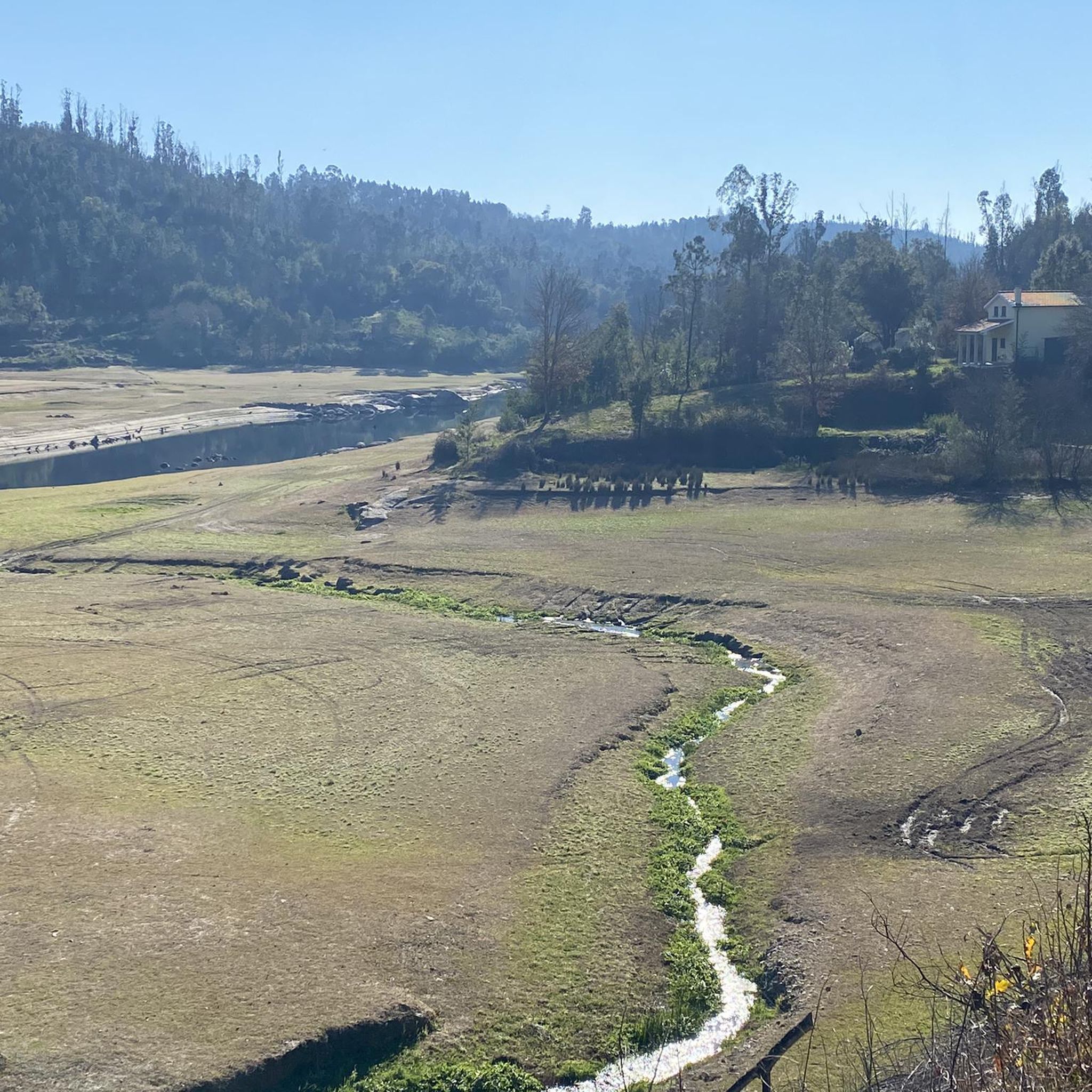
Hiking around Lajeosa Do Dão offers diverse landscapes characterized by rural tranquility and historical significance. The region features the Dão River valley, with trails winding through old oak woodlands and past centennial chestnut trees. Hikers can explore thick woodlands, open floodplains, and areas with significant megalithic monuments. The terrain includes gentle river paths and routes with moderate elevation gains, providing varied experiences for outdoor enthusiasts.
Best hiking trails around Lajeosa Do Dão
- The most popular hiking route is Anta da…
Last updated: May 19, 2026
5.0
(4)
11
hikers
8.72km
02:22
120m
120m
Moderate hike. Good fitness required. Easily-accessible paths. Suitable for all skill levels.
2
hikers
7.25km
02:01
140m
140m
Moderate hike. Good fitness required. Easily-accessible paths. Suitable for all skill levels.

Sign up for free
4
hikers
9.79km
02:51
250m
250m
Moderate hike. Good fitness required. Easily-accessible paths. Suitable for all skill levels.
2
hikers
11.3km
03:07
190m
190m
Moderate hike. Good fitness required. Easily-accessible paths. Suitable for all skill levels.
4.0
(2)
2
hikers
7.51km
02:03
110m
110m
Moderate hike. Good fitness required. Easily-accessible paths. Suitable for all skill levels.
Our route recommendations are based on thousands of hikes, rides, and runs completed by other people on komoot.
Start today with a free account
Your next adventure awaits.
Login or Signup



Tips from the Community

Designated a National Monument since 1974, this structure retains the nine upright stones of its main chamber, which is three meters high, and the capstone (covering slab) practically intact. The access corridor to the chamber has 15 upright stones and preserves all the covering slabs, with the dolmen being inserted into a tumulus (or mound, which originally covered the entire stone structure of the monument) approximately 20 meters in diameter. Its construction is believed to have occurred during the Neolithic-Chalcolithic period (between the end of the Neolithic and the beginning of the Chalcolithic), corresponding to the end of the 4th millennium BC. The region where the Orca Dolmen is located shows traces of continuous human activity and occupation since the prehistoric period. It is situated in an area with orographic characteristics conducive to human settlement, being close to a watercourse (the Mondego River) and possessing vast hunting resources. We know that shepherding has been a source of livelihood and income for centuries for the populations of the region, situated on a livestock route between the highlands of the Serra da Estrela and the Mondego valley.
1
0

This Orca/Anta is part of a tour circuit: PREHISTORIC CIRCUIT OF FIAIS/AZENHA in Carregal do Sal. https://www.cm-carregal.pt/pages/1027?poi_id=129 ORCA/ANTA from PALHEIRA is located in the megalithic nucleus of Fiais/Ameal. It is a monument of considerable size, which can be placed, architecturally, within the large group of monuments of Beira. It has a polygonal chamber with nine pillars, with an elongated corridor. However, its peculiar characteristics make this monument the rarest and most representative example of the circuit, given that at a somewhat later and yet to be determined period, a considerable barn was built around its central structure, which is part of that farm. Thus, the dolmen remained incorporated within it and was used as a dwelling until the 1970s.
2
0

It is one of the largest dolmens in Portugal and one of the best preserved.
3
0


Unlike the vast majority of railway stations on the old Dão line, which are now part of the Ecopista do Dão attraction, Treixedo station has not been restored. There have already been several projects for its reuse, but for some reason they have not progressed.
2
0
Frequently Asked Questions
How many hiking trails are available around Lajeosa Do Dão?
Lajeosa Do Dão offers a selection of 5 hiking routes, all rated as moderate difficulty. These trails explore diverse landscapes, from river valleys to ancient megalithic sites.
What kind of natural features can I expect to see on hikes in Lajeosa Do Dão?
Hiking in Lajeosa Do Dão allows you to experience the scenic Dão River valley, with trails winding through old oak woodlands and past centennial chestnut trees. You'll also find thick forests, open floodplains, and the opportunity to spot local wildlife. One route, the Small Waterfall loop from Molelos, specifically features a small waterfall.
Are there any historical landmarks to explore while hiking in the region?
Yes, Lajeosa Do Dão is rich in history, particularly with its impressive megalithic monuments. You can visit the Lapa da Orca Dolmen, one of Portugal's largest and best-preserved dolmens, and the Anta da Palheira. The Anta da Palheira – Lapa da Orca Dolmen loop from Oliveira do Conde is a great way to explore these ancient sites.
What do other hikers enjoy most about the trails in Lajeosa Do Dão?
The hiking routes in Lajeosa Do Dão are highly rated by the komoot community, with an average score of 4.5 stars from 5 reviews. Hikers often praise the rural tranquility, the blend of natural beauty with historical sites, and the varied scenery that includes river paths and woodlands.
Are there any circular hiking routes available?
Yes, all 5 hiking routes listed for Lajeosa Do Dão are circular loops. This includes trails like the River Beach loop from Treixedo e Nagozela and the Levada das Dairas loop from Silgueiros, allowing you to start and end at the same point.
What is the best time of year to go hiking in Lajeosa Do Dão?
Lajeosa Do Dão offers pleasant hiking conditions for much of the year. Spring and autumn are ideal for comfortable temperatures and vibrant natural colors. Summer can be warm, making early morning or late afternoon hikes preferable, especially along the Dão River for opportunities to cool off. Winter offers a different charm with cooler weather, but trails remain accessible.
Are there any family-friendly hiking options in Lajeosa Do Dão?
While all routes are rated moderate, their lengths and elevation gains vary. Trails like the Small Waterfall loop from Molelos (4.5 miles / 7.3 km) or the Cimalinhas Trail loop from Cabanas de Viriato (4.7 miles / 7.5 km) offer manageable distances for families with some hiking experience. The region's diverse landscapes and historical sites can also keep younger hikers engaged.
Can I bring my dog on the hiking trails in Lajeosa Do Dão?
Generally, dogs are welcome on trails in rural Portugal, especially if kept on a leash and under control. The natural and rural settings of Lajeosa Do Dão, with its woodlands and river paths, are suitable for dog walking. Always ensure your dog is well-behaved and that you clean up after them to maintain the natural environment for everyone.
Are there places to eat or stay near the hiking trails in Lajeosa Do Dão?
Lajeosa Do Dão and its surrounding villages offer local amenities. The region is characterized by rural settings, so you can find small cafes and restaurants in the villages. For example, the Station Alive Restaurant – Farminhão is one option in the vicinity. Accommodation typically includes guesthouses or rural tourism options within the villages, providing a tranquil base for your hiking adventures.
Is there public transport or parking available for accessing the trailheads?
Access to Lajeosa Do Dão is primarily by car, with parking generally available in the villages where trailheads are located. Public transport options to and within this rural area may be limited, so planning your journey by car is often the most convenient way to reach the various starting points for hikes.
What is the Ecopista do Dão and can I hike on it?
The Ecopista do Dão is a renowned cycling path in Portugal, known for its peaceful and scenic nature. While primarily designed for cyclists, its car-free and tranquil environment makes it highly suitable for walking and experiencing the local landscape. It's a great option for a relaxed stroll or a longer walk.
Most popular routes around Lajeosa Do Dão
Most popular attractions around Lajeosa Do Dão

Get inspired with the komoot mobile app


Explore more
Browse the best Hikes in other regions.
