The best cycling routes around okres Trnava
4.6
(13)
295
riders
20
rides
Touring cycling around okres Trnava offers diverse landscapes, from the rolling hills of the Little Carpathians to the flat expanses of the Záhorská and Danubian lowlands. The region is characterized by its varied terrain, including forest paths, picturesque vineyards, and river plains along the Váh and Little Danube. Cyclists can explore routes with gentle elevation changes in the lowlands or more challenging climbs within the mountain ranges. This blend of natural features provides a range of touring cycling experiences across the district.
Best touring cycling routes around okres Trnava
- The most popular touring cycling route is Smolenice Castle – View of Smolenice Castle loop from Smolenice, a 26.4 miles (42.4 km) trail that takes 3 hours 29 minutes to complete. This difficult route features significant elevation gain through the Little Carpathians, offering views of Smolenice Castle.
- Another top favourite among local touring cyclists is View of Smolenice Castle – Smolenice Castle loop from Smolenice, a moderate 8.8 miles (14.2 km) path. This route provides a shorter, scenic loop around Smolenice Castle, navigating the foothills of the Little Carpathians.
- Local touring cyclists also love the St. Nicholas Basilica, Trnava – Smolenice Castle loop from Trnava predmestie, a 41.6 miles (66.9 km) trail leading through the Trnava lowlands and towards the Little Carpathians, often completed in about 3 hours 57 minutes.
- Touring cycling around okres Trnava is defined by the Little Carpathians mountain range, extensive lowlands, and river plains. The network offers options for different ability levels, from easy rides on flatter terrain to more challenging routes with notable elevation changes.
- The routes in okres Trnava are highly rated by the komoot community with an average score of 4.9 stars from over 8 reviews. More than 150 touring cyclists have used komoot to explore okres Trnava's varied terrain.
Last updated: May 20, 2026
40
riders
42.4km
03:34
780m
780m
Hard bike ride. Very good fitness required. Mostly paved surfaces. Suitable for all skill levels.
10
riders
14.2km
01:10
300m
300m
Moderate bike ride. Good fitness required. Mostly paved surfaces. Suitable for all skill levels.

Sign up for free
7
riders
Moderate bike ride. Good fitness required. Mostly paved surfaces. Suitable for all skill levels.
7
riders
51.0km
03:05
280m
280m
Moderate bike ride. Good fitness required. Mostly paved surfaces. Suitable for all skill levels.
7
riders
Moderate bike ride. Good fitness required. Mostly paved surfaces. Suitable for all skill levels.
5.0
(1)
7
riders
22.6km
01:20
80m
80m
Easy bike ride. Great for any fitness level. Mostly paved surfaces. Suitable for all skill levels.
6
riders
38.9km
03:14
150m
150m
Moderate bike ride. Good fitness required. Mostly paved surfaces. Suitable for all skill levels.
4
riders
38.9km
03:15
670m
670m
Hard bike ride. Very good fitness required. Mostly paved surfaces. Suitable for all skill levels.
2
riders
28.5km
02:06
510m
510m
Hard bike ride. Very good fitness required. Mostly paved surfaces. Suitable for all skill levels.
3
riders
Hard bike ride. Very good fitness required. You may need to push your bike for some segments of this route.
Get access to more routes and recommendations from other explorers.
Sign up for free
Already have an account?
Our route recommendations are based on thousands of hikes, rides, and runs completed by other people on komoot.
Start today with a free account
Your next adventure awaits.
Login or Signup
Tips from the Community


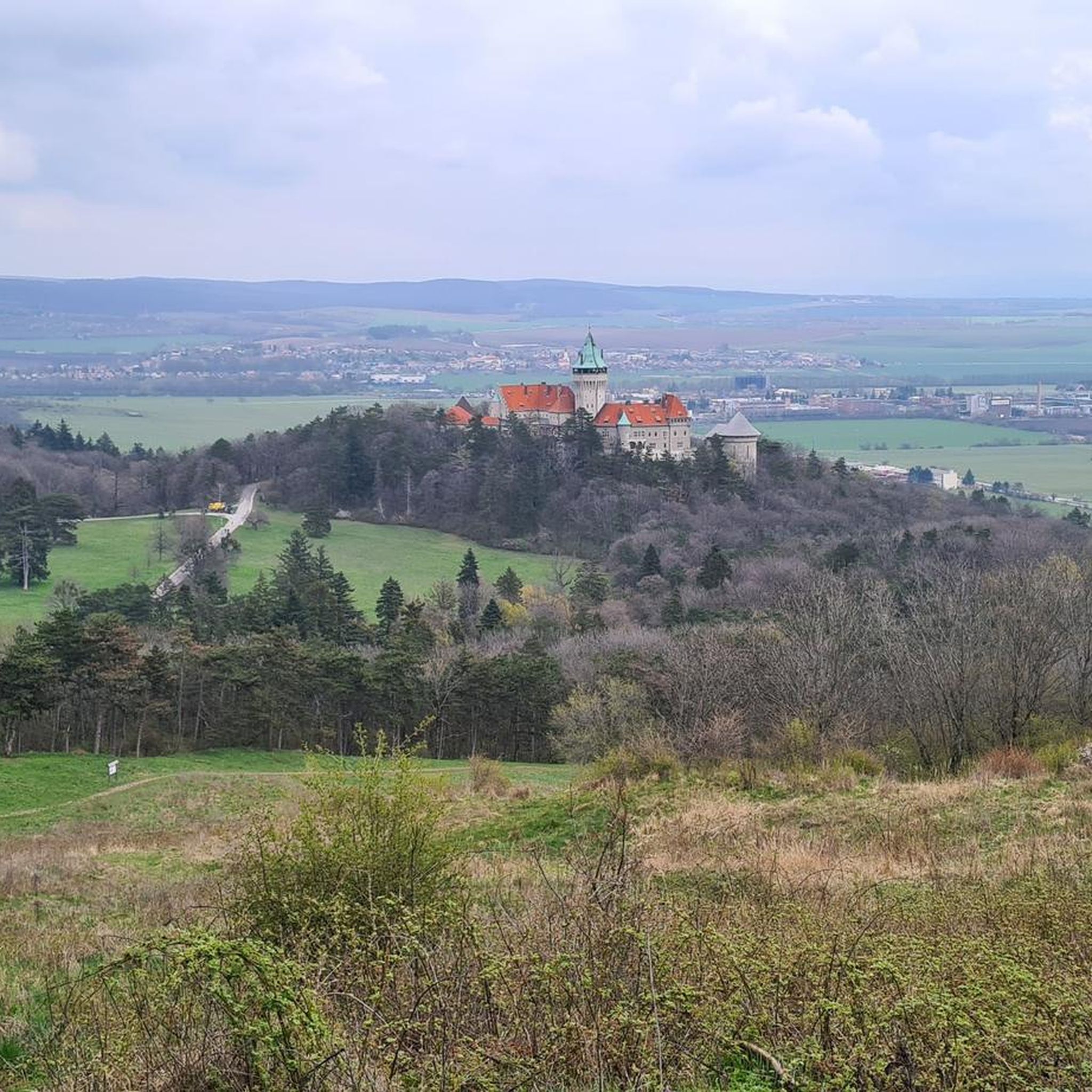
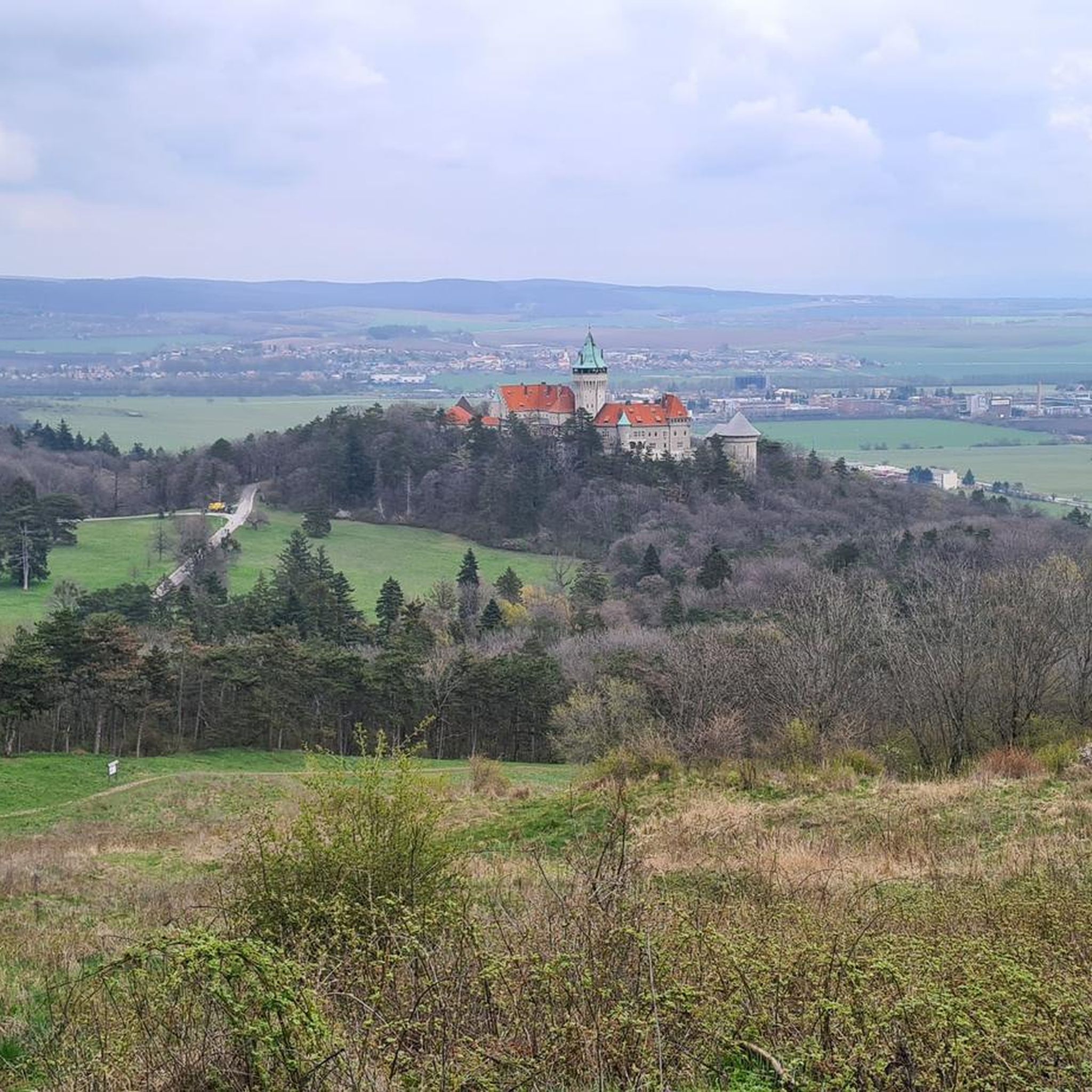
Smolenice Castle is a castle at the eastern foot of the Little Carpathians, north of the municipality of Smolenice in Slovakia. Originally a 14th-century castle, Smolenice Castle served to protect the border passes in the Carpathian Mountains. The castle was also located on the Bohemian Way, a trade route leading from Prague to Saxony.
0
0
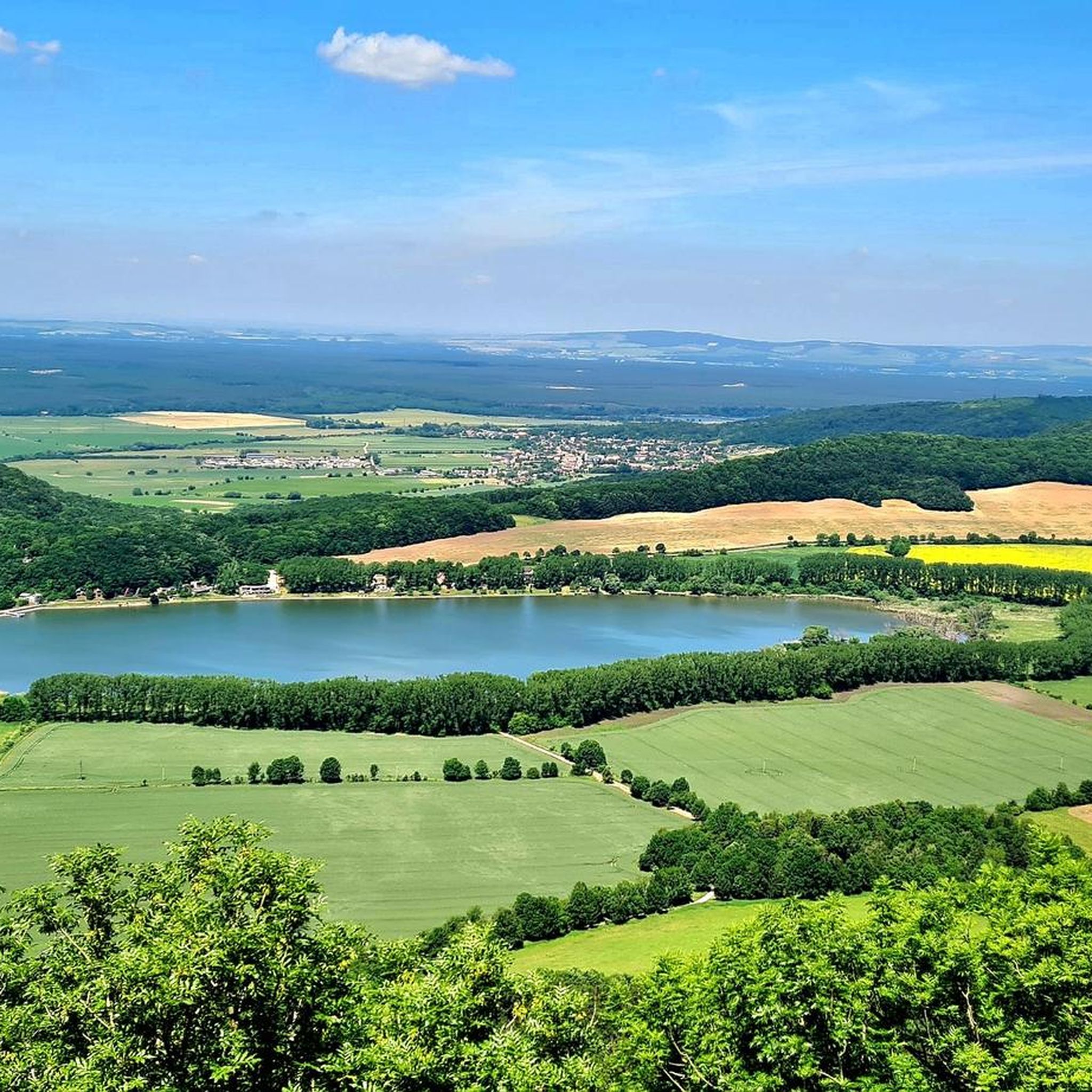
High above Budmerice, with a view of the Little Carpathians, lies this magnificent rest area – an ideal place for a great overnight camping experience!
0
0

Saint Nicholas, Bishop of Myra, to whom the church in Trnava is dedicated, is - alongside Saint Martin - one of the most popular saints of all. His memorial day, December 6th, is probably known to almost every child in Germany - and far beyond. On the eve of this day, children used to put their shoes or boots - which had of course been carefully polished - in front of the door so that Saint Nicholas could fill them with gifts during the night. In more agricultural areas, it was also customary for children to put out a small gift of food for the donkey, Saint Nicholas's mount (according to another tradition, it was a white horse).
0
0

One of the greatest attractions of the eastern foot of the Little Carpathians is the "fairytale castle" of Smolenice. It is one of the most important buildings in Slovakia, modeled on the castles of central France and rebuilt in the Romantic style. The castle was built on the site of a 14th century castle. The castle protected the border passes in the Carpathians and the Bohemian Way. From 1777 it was owned by the Pálffys, who rebuilt it in the Romantic style in the second half of the 19th century. Smolenice Castle is dominated by a mighty tower with a viewing terrace. The steep roofs, towers, the fortified courtyard with a chapel and bastions, and the beautiful greenery complete the fairytale charm. Today the castle is the seat of the Slovak Academy of Sciences - the Slovak Academy of Sciences Congress Centre, and numerous conferences and symposia are held there throughout the year. Every Saturday, newlyweds stroll in and around the castle to take photos and film. During the summer months of July and August, the castle is open to the public. The romantic appearance of the castle is also reinforced by the surrounding park, which merges into a dense forest.
0
0

A historical pillory in front of the church.
0
0

Trnava arose at the crossroads of old trade routes with evidence of settlement since prehistoric times. Finds from the Old Bronze Age and the Celtic period are particularly numerous. Today's town arose from a place that continued to develop even after the collapse of Great Moravia. In the 13th century, the Slavic settlement was repopulated by German settlers, whose share gradually decreased again as a result. The city was first mentioned in writing in 1211 (see below). The title of Royal Free City was granted in 1238 by the Hungarian King Béla IV. Due to more favorable trading conditions, the agricultural town developed into a center of trade and crafts. Its importance was further increased by the market right to hold eight large annual markets. In 1418 the city was conquered by the Hussites, who stayed here until 1425. After the Hungarian defeat at the Battle of Mohács in 1526 and the Ottoman occupation of Gran in 1543, the archbishop's headquarters and chapter were moved to Tyrnau and was the seat of the Archdiocese of Gran until 1820 (it was once again its own archdiocese from 1978). Thus the city became the ecclesiastical and cultural center of Ottoman-unoccupied Royal Hungary, which included modern-day Slovakia, Burgenland, western Hungary and Croatia, in contrast to Pressburg, which became the political center. In the long period of the Turkish wars, the city lost a large part of its inhabitants, on the other hand, many Hungarians were added.
0
0

Is made from forest honey and is considered one of the best. In a small shop you can also buy sweets, etc. Next door is the castle park and a rose garden.
0
0
Frequently Asked Questions
What kind of terrain can I expect when touring cycling in okres Trnava?
The okres Trnava region offers a diverse range of terrain for touring cyclists. You'll find rolling hills and forest paths within the Little Carpathians, which are generally considered family-friendly due to smaller elevation changes. The region also features extensive lowlands and river plains, particularly along the Váh and Little Danube rivers, providing flatter terrain ideal for more relaxed cycling. Routes can include both paved roads and natural forest paths.
Are there touring cycling routes suitable for beginners or families in okres Trnava?
Yes, okres Trnava offers several routes suitable for beginners and families. The lowlands provide flatter terrain for relaxed cycling, and many trails in the Little Carpathians are considered family-friendly. For an easy option, consider the Bike loop from Trnava predmestie, which covers 22.2 km with minimal elevation gain.
Are there more challenging touring cycling routes for experienced cyclists in okres Trnava?
Absolutely. For experienced cyclists seeking a challenge, the Little Carpathians offer routes with significant elevation changes. A difficult option is the Smolenice Castle – View of Smolenice Castle loop from Smolenice, which spans 42.4 km with over 770 meters of ascent. Another challenging route is the Smolenický Castle – Smolenice Castle loop from Horné Orešany, featuring over 670 meters of elevation gain over 38.9 km.
Are there circular touring cycling routes available in okres Trnava?
Many touring cycling routes in okres Trnava are designed as loops, allowing you to start and finish at the same point. Examples include the popular View of Smolenice Castle – Smolenice Castle loop from Smolenice, a moderate 14.2 km ride, or the longer City Tower Trnava – St. Nicholas Basilica, Trnava loop from Trnava, which covers 50.9 km.
What historical landmarks can I explore while cycling in okres Trnava?
The region is rich in history. You can cycle to the stunning Smolenice Castle, or visit the impressive St. Nicholas Basilica in Trnava. The ruins of Katarínka Monastery and Church, nestled in a forest, are another popular destination. The city of Trnava itself, known as 'Little Rome,' offers a charming historical center with many churches and the City Tower.
Are there natural sights or viewpoints to enjoy along the touring cycling routes?
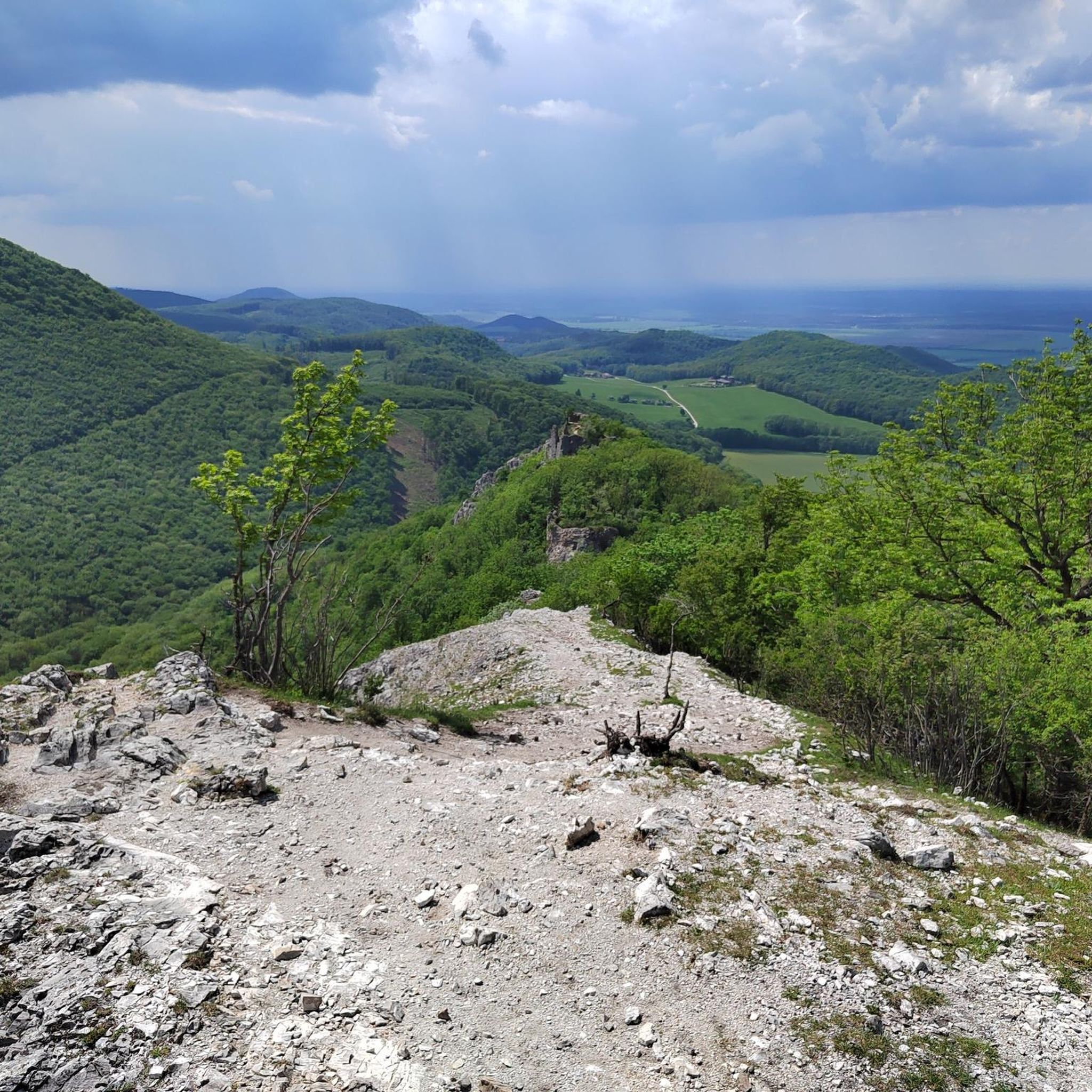
Yes, okres Trnava offers beautiful natural scenery. The Little Carpathians provide picturesque vineyards and scenic views. You can also find viewpoints like View of the Malé Karpaty Mountains and the Záruby Summit Cross. The Trnava Ponds are a unique water and swamp biotope, interesting for birdwatching, while areas like Kamenný mlyn feature adapted wet flooded forests.
Is it possible to bring my dog on touring cycling routes in okres Trnava?
While many outdoor areas in okres Trnava are generally dog-friendly, it's always recommended to check specific trail regulations, especially in protected natural areas or private lands. When cycling with your dog, ensure they are well-behaved, on a leash where required, and that you carry enough water for both of you.
What is the best time of year for touring cycling in okres Trnava?
The best time for touring cycling in okres Trnava is typically from spring through autumn. During these seasons, the weather is generally pleasant, and the landscapes are vibrant. Spring offers blooming vineyards, while autumn provides beautiful fall foliage. Summer is also suitable, but it's advisable to start earlier in the day to avoid the midday heat.
Are there places to eat or drink along the touring cycling routes in okres Trnava?
Many cycling routes in okres Trnava pass through charming villages and towns where you can find cafes, pubs, and restaurants. The region is known for its wine-growing areas, so you might encounter local wineries. For example, routes near Smolenice or through the Trnava lowlands often have opportunities for food stops.
How many touring cycling routes are available in okres Trnava?
There are over 20 touring cycling routes available in okres Trnava, catering to various preferences and skill levels. These include 5 easy routes, 8 moderate routes, and 8 difficult routes, ensuring options for everyone from beginners to advanced cyclists.
What do other touring cyclists enjoy the most about touring cycling in okres Trnava?
The touring cycling routes in okres Trnava are highly rated by the komoot community, with an average score of 4.9 stars from over 8 reviews. Cyclists often praise the diverse landscapes, from the scenic Little Carpathians to the peaceful lowlands, and the opportunity to explore historical landmarks and charming villages along the way.
Can I combine touring cycling with visits to nearby attractions?
Absolutely. Many touring cycling routes are designed to pass by or lead directly to significant attractions. For instance, you can cycle to Smolenice Castle, or explore the historical center of Trnava with its City Tower and numerous churches. The region's rich history and natural beauty are easily accessible by bike.
Are there any routes that explore the wine-growing regions of Trnava?
Yes, the Little Carpathians region, which forms a significant part of Trnava District, is known for its picturesque vineyards and charming wine-growing villages. Many cycling routes traverse these areas, allowing you to enjoy the scenery and potentially visit local wineries. The Beethoven Memorial Dolná Krupá – Villa Apimed Meadery loop from Trnava predmestie is an example of a route that takes you through the countryside where such experiences can be found.
Most popular routes around okres Trnava
Most popular attractions around okres Trnava

Get inspired with the komoot mobile app


Didn’t find what you were looking for?
Check out more Cycling routes throughout okres Trnava below and find the perfect route in your destination.
Explore more
Browse the best Cycling routes in other regions.
