Attractions and Places To See around Žalec - Top 8
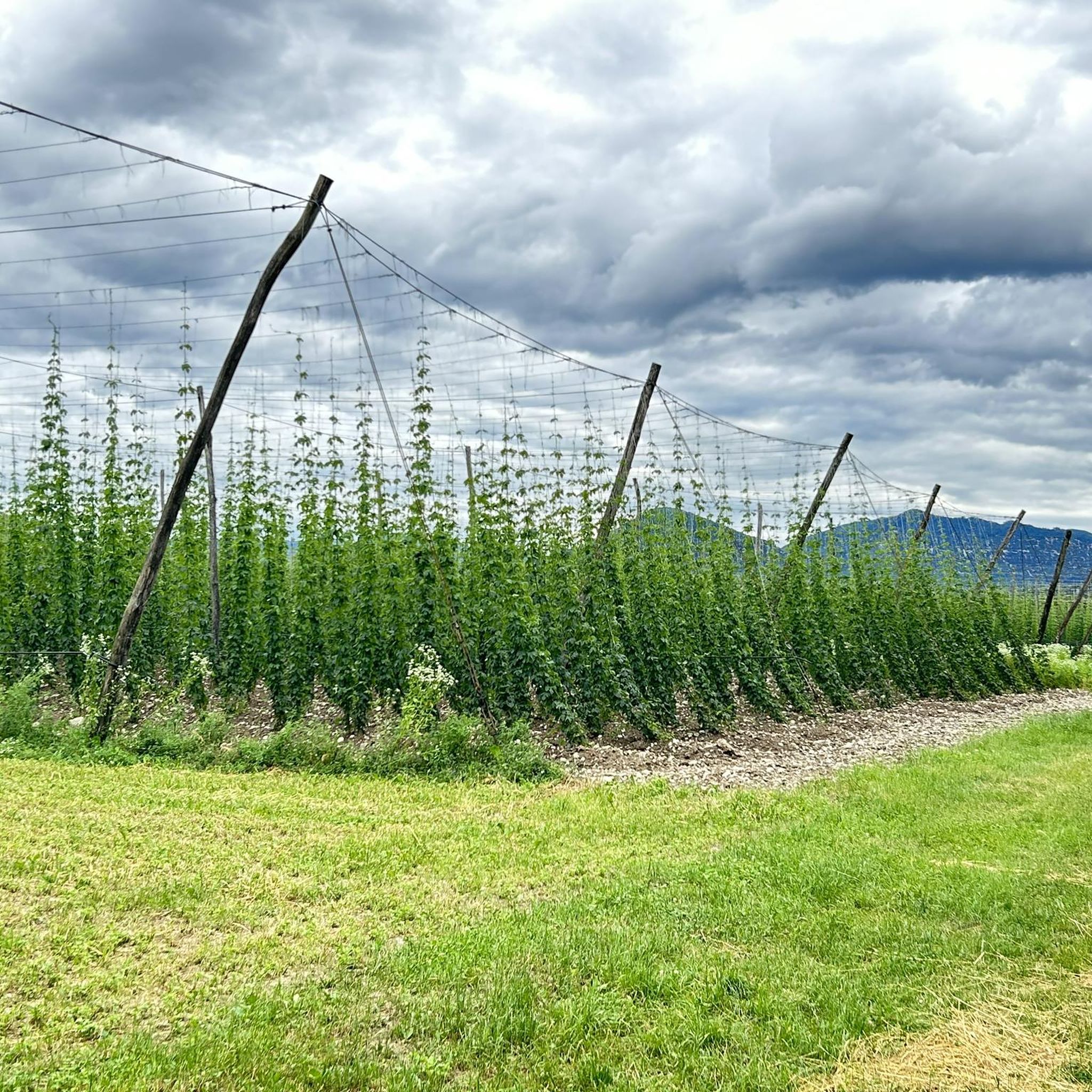
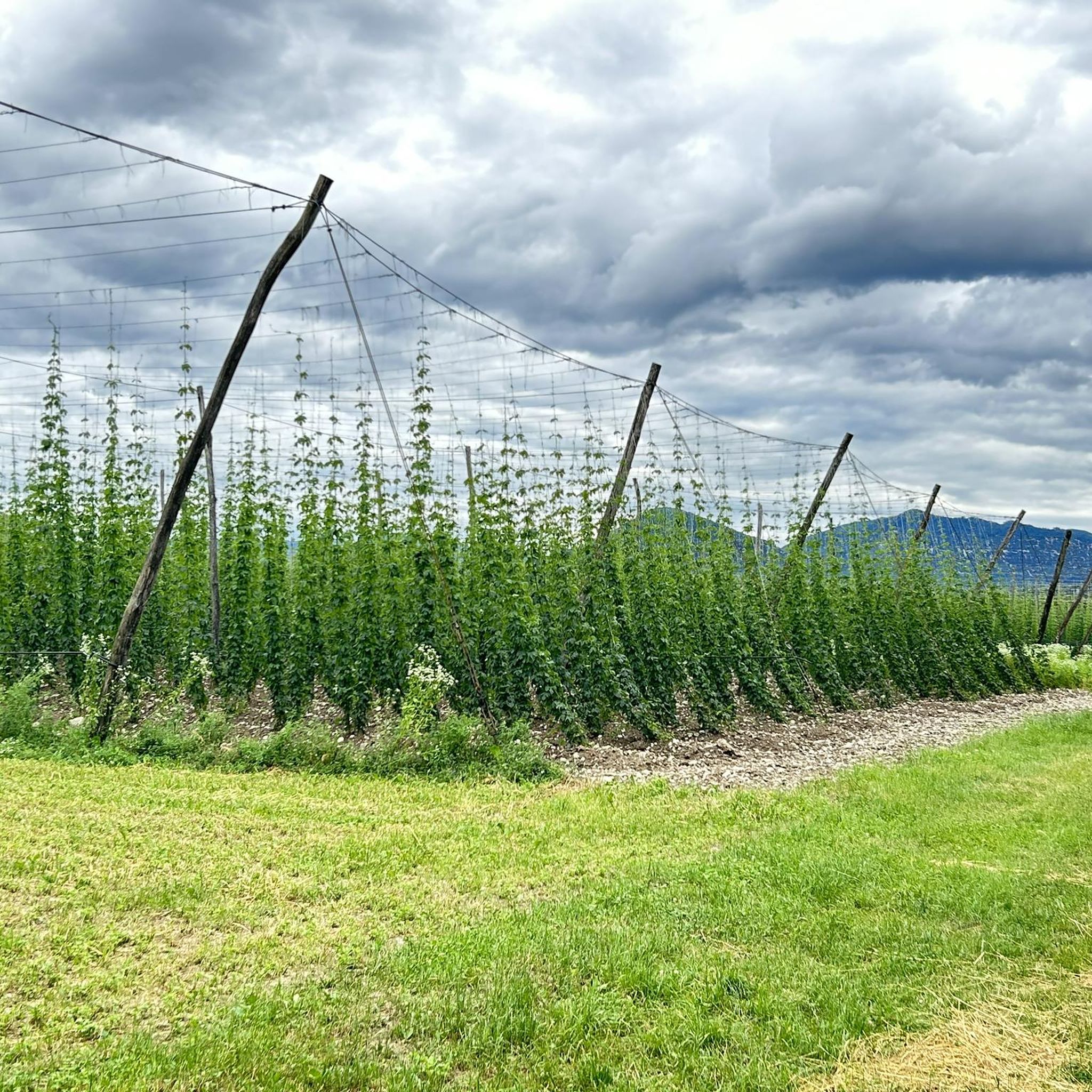
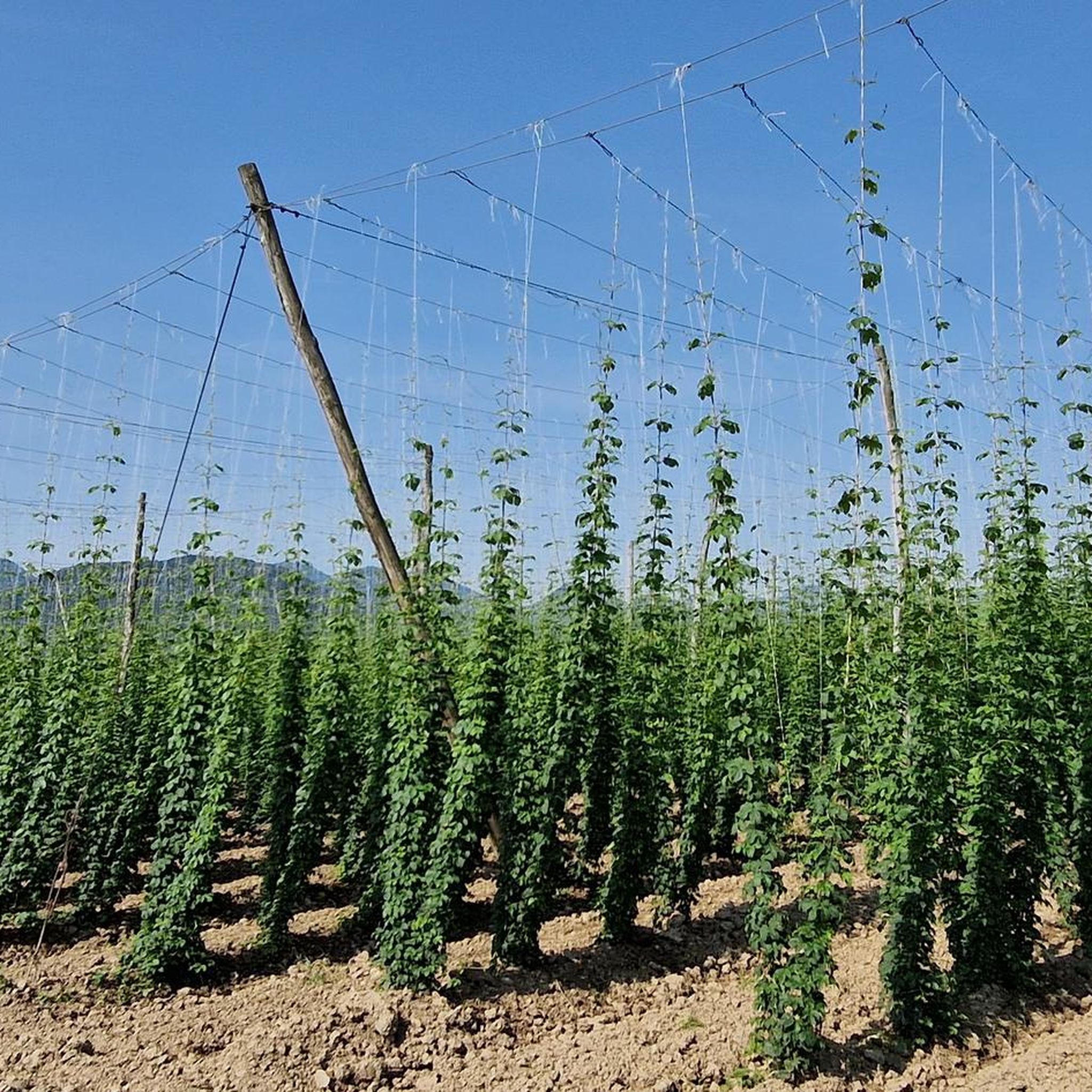
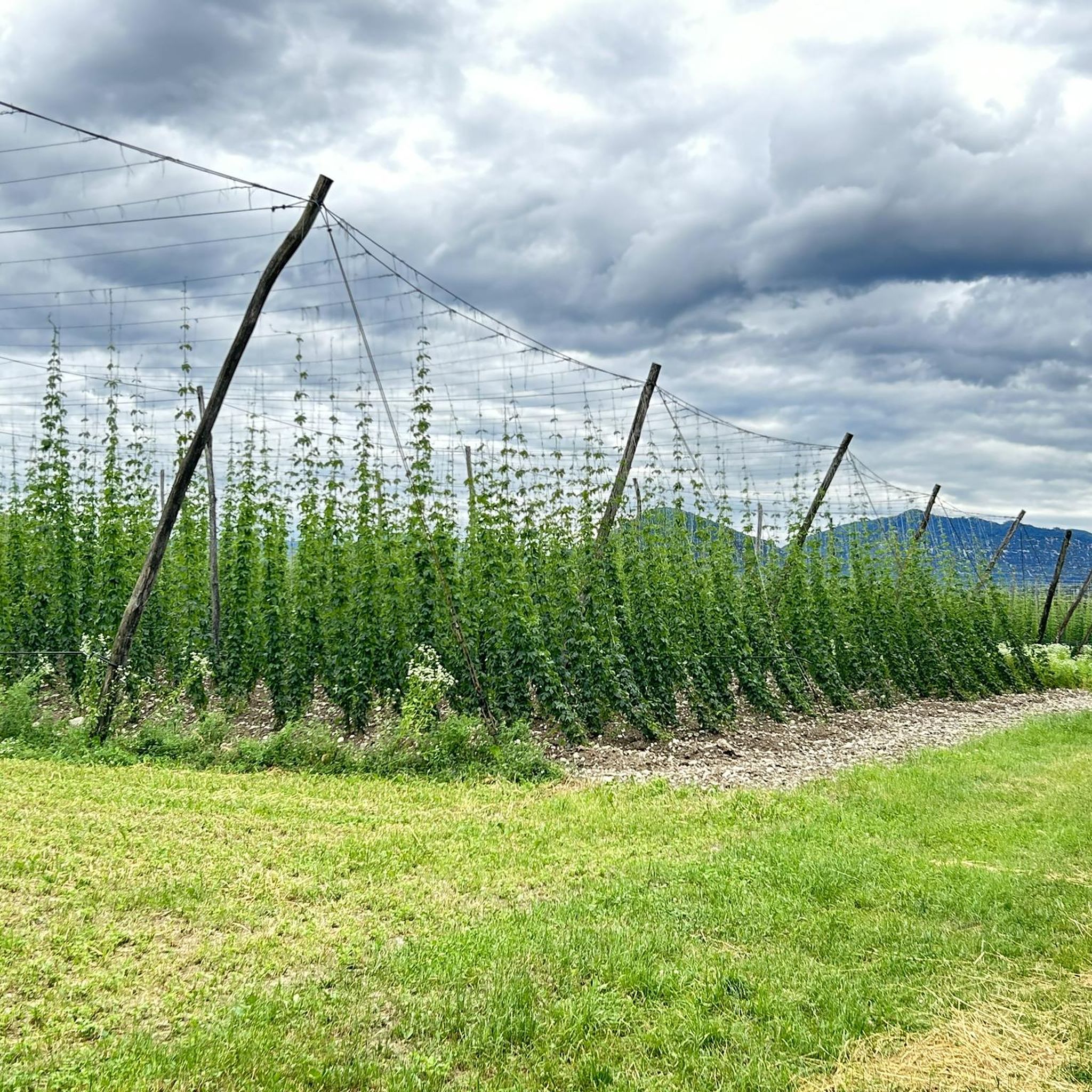
Best attractions and places to see around Žalec include a blend of historical sites, natural landscapes, and cultural experiences. Situated in Slovenia's "Land of Green Gold," the region is known for its significant hop-growing heritage. The area features the Savinja River, karst phenomena, and lush countryside, offering diverse outdoor activities. Visitors can explore ancient Roman remnants and unique modern attractions.
Best attractions and places to see around Žalec
- The most popular attraction is Vrbje Pond, a lake that is an ecologically important site preserving habitats like floodplain forests. It is a crucial habitat for rare animal species, and an eco-learning trail of about 3 km runs around the pond.
- Another must-see spot is Green Gold Beer Fountain, Žalec, a man-made monument. This is the world's first beer fountain, allowing visitors to taste various local beers. It serves as a tribute to the region's significant hop-growing heritage.
- Visitors also love Planinski Dom na Brnici, a hut offering great views towards Kotečnik and Hom. This mountain hut serves home-cooked food and is open during the summer months.
- Žalec is known for historical sites, natural features, and cultural attractions. The region offers a variety of places to see and explore, from ancient Roman history to unique modern experiences.
- The attractions around Žalec are appreciated by the komoot community, with over 77 upvotes and 63 photos shared by visitors.
Last updated: July 15, 2026
Roman Necropolis
Highlight • Historical Site
Translated by Google •
Tip by

Green Gold Beer Fountain, Žalec
Highlight • Monument
Fontana beer Green gold is set in a city park, in the city center, next to the market. The base for the architectural design of the fountain is a symbolic honeybee, which is expressed in two semicircles or two fountains, one beer and others, water. The semi-circles are clad in a copper lace, which symbolizes the foam on the beer.
Translated by Google •
Tip by
Sign up now to discover places like this
Get recommendations on the best single tracks, peaks, & plenty of other exciting outdoor places.
Sign up for free
House on Mrzlice
Highlight • Mountain Hut
Translated by Google •
Tip by
Tomb of Spectatius
Highlight • Historical Site
C. SPECTATIVS C. FIL. CLA(udia tribu) / PRISCIANO II VIR(o) I(iure) D(icundo) / AN (norum) XL / V / C. SPECTATIVS FINITVS / II VIR / I(ure)D(icundo) CL(audiae) CEL(eiae) PATER / INFELICIS/SIMVS FECIT …../ ….) MATV /…./ …
Roman grave inscriptions are always very formulaic and interspersed with numerous abbreviations, which the expert understood immediately. The translation is:
Gaius Spectatius Finitus erected the monument for himself and his father Gaius Spectatius Priscianus.
In nearby Celeia (Cilli, Celje) both had been duoviri, a kind of mayor.
Translated by Google •
Tip by

Planinski Dom na Brnici
Highlight • Mountain Hut
Tip by

Vrbje Pond
Highlight • Lake
Translated by Google •
Tip by

Savinja River Cycleway
Highlight (Segment) • Cycleway
Tip by

Ponikovski Kras Landscape Park
Highlight (Segment) • Natural Monument
Translated by Google •
Tip by
Start today with a free account
Your next adventure awaits.
Login or Signup

Tips from the Community

Coming east there is a nice cafe in the summer months.
0
0

beautiful gravel route along Savinja (fine pebbles)
0
0

Very nice cycleway along the river to go to/ come from Celje. Perfectly equiped with signs (Cycle route G13), trash bins and picnic tables. Most parts are shaded.
0
0

There is a place in the village where there are some beer columns for tasting different beers
0
1

The depiction of a married couple with a small child is only half visible; the man's face and the outline of his body were only indicated in the reconstruction because several parts of the monument could no longer be found. The grave inscription is also incomplete and only partially present, but can be supplemented. It reads: D(iis) M(anibus) C. SP(ectatius) SECV / NDINVS / V(ivus) F(ecit) S(ibi) ET TVT(oriae) AVITAE / CON(iugi carissimae) / AN(norum) LV / ET C. SP(ectatio) CERVE FIL(io) AN(norum) XXVIII / Et C(aio) RVSTICIO TUTORI / NEPOTI AN(norum) XII / ET RVSTICIVM ALBINV F(ilium) / XXX. Also on the right: SPECT(atiae) SEV / ERIN(a)E AN(norum) XXV and further: SPECTATIVS AVITUS AN(norum) LXXX ….AVRELIA SEVERINA… This means: To the gods and the manes. Gaius Spectatius built the tomb during his lifetime for himself, his wife Tutoria Avita, who died at the age of 55, for his son Spectatius Cervus, who was 28 years old, his twelve-year-old nephew Rusticius Tutorius and his thirty-year-old son Rusticius Albinus.
0
0
Here the dead are completely preserved. They are Oppidana and Ennius and their daughter Kalendina from the Ennian family. The couple stands in front of the viewer as a half-figure. The man is dressed in Roman tunic and toga, has a full beard and proudly holds a scroll with which he was granted Roman citizenship. It is, so to speak, his "proof of citizenship". His wife Oppidana, on the other hand, is depicted in a completely Celtic-Noric manner. Her undergarment is held in place by two brooches and on her head she wears the typical Noric cap. A small crescent moon (Latin lunula) hanging downwards can be seen as a decoration on a necklace, which is also typical of a lady who has remained Celtic in appearance. The daughter Kalendina, one row below, is dressed like her mother. As is often the case with young people depicted on graves, she is holding a fruit, probably an apple, in her hand.
0
0
The preserved grave inscription (lat. titulus) names the owner of the grave: C. SPECTATIVS C. FIL. CLA(udia tribu) / PRISCIANO II VIR(o) I(iure) D(icundo) / AN (norum) XL / V / C. SPECTATIVS FINITVS / II VIR / I(ure)D(icundo) CL(audiae) CEL(eiae) PATER / INFELICIS/SIMVS FECIT …../ ….) MATV /…./ … Roman grave inscriptions are always very formulaic and interspersed with numerous abbreviations, which the expert understood immediately. The translation is: Gaius Spectatius Finitus erected the monument for himself and his father Gaius Spectatius Priscianus. In nearby Celeia (Cilli, Celje) both had been duoviri, a kind of mayor.
0
0
The Roman necropolis in the now Slovenian town of Sempeter, which was once called St. Peter am Draufeld in the old Lower Styria, is today one of the most interesting archaeological sites of ancient grave architecture in Central Europe. Here it was not man who destroyed this unique cemetery of important Roman settlers. A huge flood of the Savinja River in the 3rd century AD must have torn even the largest tombs from their foundations and overturned them, so that the families of these dead probably no longer had the strength or time to restore everything to its previous state in honor of the deceased. They had enough to do with saving and restoring their villas and estates. The graves near the rising river collapsed because the foundations had been washed away, fell into the Savinja and were soon covered with sediment, disappeared and were only discovered again by chance almost two thousand years later during excavation work. The monuments further away from the river also collapsed, but were not covered by the river. Their marble components were later reused as welcome building material or were burned to make mortar lime and thus disappeared. It was not until the 20th century that the buried grave monuments saw the light of day again. In 1952, the first debris was discovered by chance and archaeology was called in, which was already exemplary in Slovenia at that time. These excavations lasted until 1956. Even then, there were plans for permanent preservation and public presentation on site. The reconstruction plans were ready in 1959. The findings so far have shown that at least this part of the cemetery must have been created in the 1st to 2nd centuries AD.
0
0
Frequently Asked Questions
What natural attractions can I explore around Žalec?
Žalec offers several natural highlights. You can visit Vrbje Pond, an ecologically important site with an eco-learning trail. The Ponikovski Kras Landscape Park features unique karst phenomena like sinkholes and caves, including the fascinating Pekel Cave. The Savinja River also provides scenic views and opportunities for fishing.
Are there hiking opportunities near Žalec?
Yes, the Žalec area offers various hiking trails. You can hike to Planinski Dom na Brnici, a mountain hut with great views and home-cooked food. The House on Mrzlice is another popular hiking destination. Additionally, the 14 km Hop Trail winds through hop gardens, and the Healthy Heart Walking Trail (2.3 km) around Vrbje Pond offers an easy scenic walk. For more detailed routes, explore the Running Trails around Žalec guide.
What historical sites can I visit in the Žalec area?
The region is rich in history. The Roman Necropolis in Šempeter is one of Slovenia's most significant archaeological monuments, featuring over 100 richly decorated Roman graves. You can also see the Tomb of Spectatius within the necropolis, known for its unique reliefs.
What is the Green Gold Beer Fountain, and how does it work?
The Green Gold Beer Fountain, Žalec is the world's first beer fountain, located in the city park. It's a tribute to the region's hop-growing heritage. Visitors can purchase a special glass with a chip to taste various local beers from multiple taps. It's a unique way to experience the local brewing culture.
What cycling routes are available around Žalec?
Žalec and its surroundings provide excellent cycling opportunities. You can find numerous trails, including the Hop Trail. For specific routes, check out the Road Cycling Routes around Žalec guide or the Gravel biking around Žalec guide, which feature routes like the 'Green Gold Brewing – Beer Fountain Žalec loop'.
Are there family-friendly attractions around Žalec?
Many attractions in Žalec are suitable for families. The Vrbje Pond offers an easy eco-learning trail. The Roman Necropolis is an accessible archaeological park. The Green Gold Beer Fountain is also considered family-friendly, offering a unique experience for all ages (with beer tasting for adults). Pekel Cave is another exciting natural site for families to explore.
What is the significance of hop-growing in Žalec, and how can I learn more?
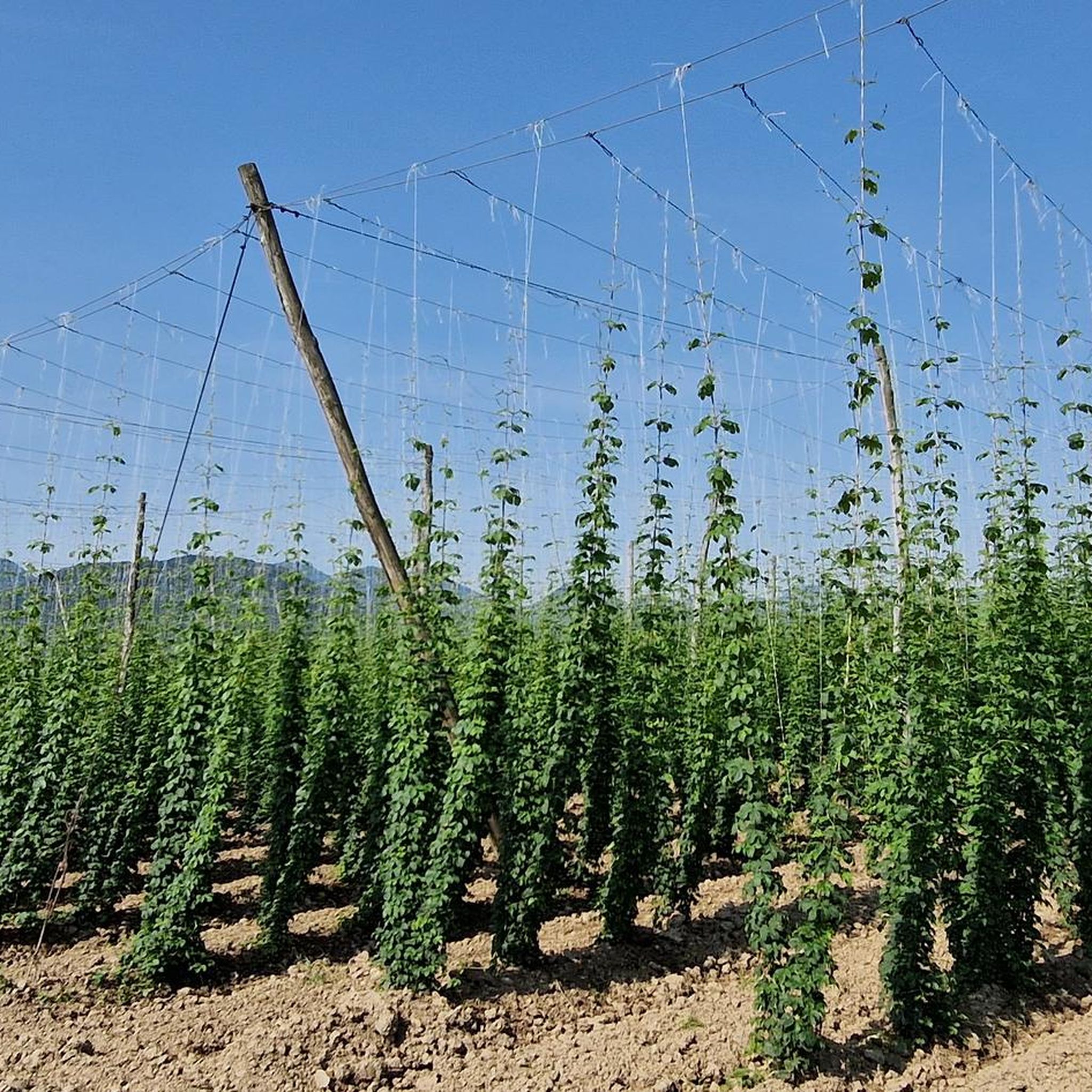
Žalec is at the heart of Slovenia's 'Land of Green Gold' and is a major hop-producing region. You can learn about this heritage at the Eco-Museum of Hop-Growing and Brewing, which offers insights into the tradition and brewing process. The Green Gold Beer Fountain also celebrates this tradition, allowing you to taste local beers.
When is the best time to visit Žalec for outdoor activities?
The summer months are ideal for enjoying outdoor activities around Žalec, as mountain huts like Planinski Dom na Brnici are open and serving food. The weather is generally pleasant for hiking, cycling, and exploring natural sites. If you're interested in the hop culture, visiting during the hop harvest season (late summer/early autumn) can offer a unique experience.
Are there any accessible attractions for visitors with mobility needs?
The Green Gold Beer Fountain, Žalec is noted as wheelchair accessible, making it a welcoming attraction for visitors with mobility needs. The Roman Necropolis is also designed as an accessible park.
What do visitors particularly enjoy about the attractions in Žalec?
Visitors frequently praise the unique experience of the Green Gold Beer Fountain, highlighting the opportunity to taste various local beers. The scenic views from mountain huts like Planinski Dom na Brnici and the House on Mrzlice are also highly appreciated, often accompanied by good food. The historical significance and well-preserved reliefs of the Roman Necropolis also receive positive feedback.
Where can I find a peaceful natural escape near Žalec?
For a peaceful natural escape, consider visiting Vrbje Pond. This ecologically important site, located between the Savinja and Struga rivers, offers a tranquil environment with floodplain forests and an eco-learning trail. The Ponikovski Kras Landscape Park also provides a serene setting to explore karst features away from crowds.
Is there a place for climbing enthusiasts near Žalec?
Yes, for adventure enthusiasts, Kotečnik is one of Slovenia's best sport climbing locations. It offers around 300 climbing routes of varying difficulty levels, suitable for all seasons. It's located near Planinski Dom na Brnici.
Most popular routes around Žalec

Get inspired with the komoot mobile app


Explore more
Still not found the Highlight you’re looking for? See guides of the top attractions in other regions:
