Attractions and Places To See around Artstetten-Pöbring - Top 20
Best attractions and places to see around Artstetten-Pöbring, a market town in Lower Austria, blend historical significance with natural beauty. Situated at 390 meters above sea level, the area offers views over the Danube Valley. Visitors can explore landmarks, natural features, and cultural sites. The region provides opportunities for historical exploration and enjoying the natural landscape.
Best attractions and places to see around Artstetten-Pöbring
- The most popular attractions is View of Maria Taferl from the Danube cycle path near Krummnussbaum…
Last updated: May 9, 2026
Melk Abbey
Highlight • Religious Site
Translated by Google •
Tip by

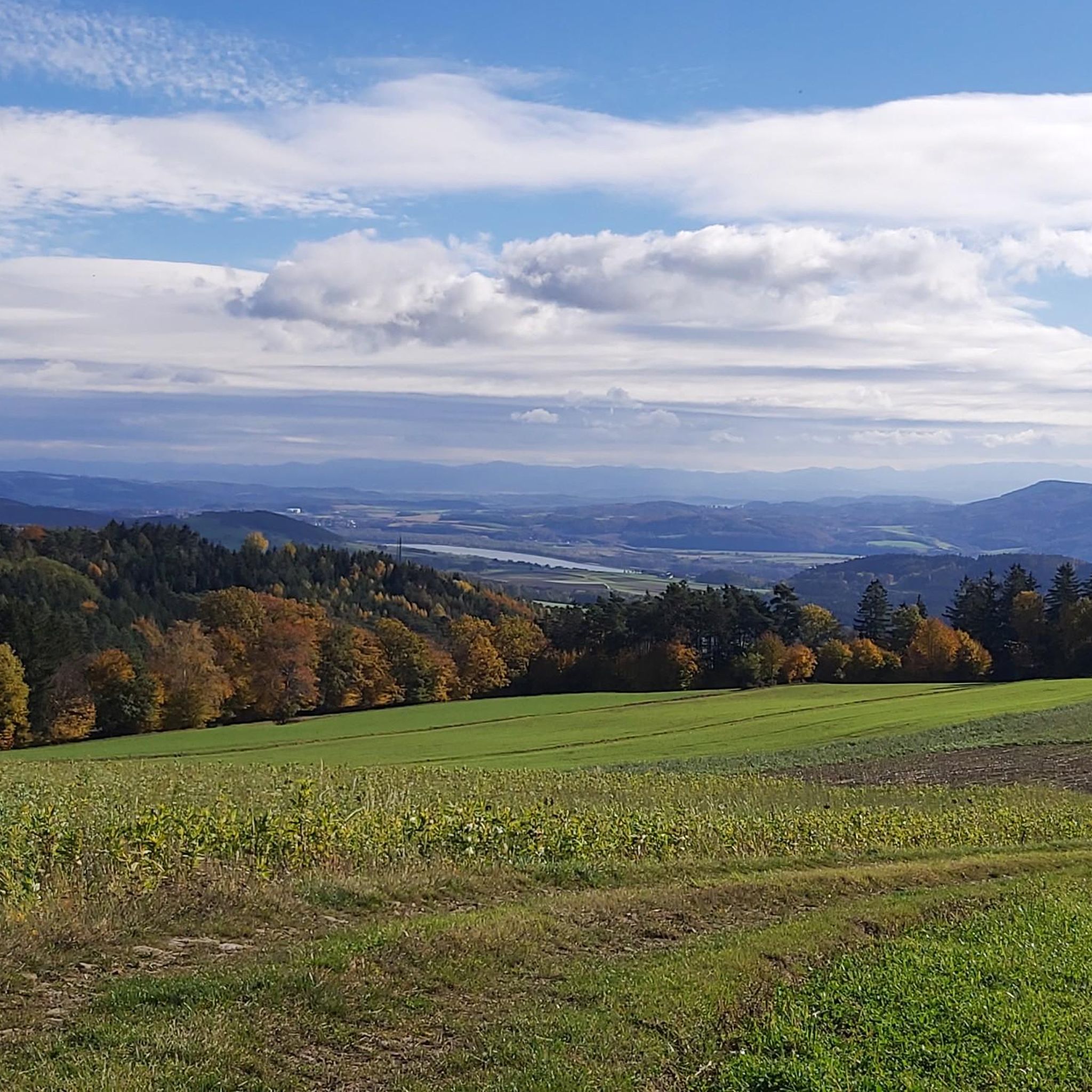
View of Maria Taferl from the Danube cycle path near Krummnussbaum
Highlight (Segment) • Viewpoint
Translated by Google •
Tip by

Sign up now to discover places like this
Get recommendations on the best single tracks, peaks, & plenty of other exciting outdoor places.
Sign up for free
View of Melk Abbey from the Danube cycle path
Highlight • Viewpoint
Translated by Google •
Tip by

Ybbs Old Town
Highlight • Settlement
Translated by Google •
Tip by

Melk Town Square
Highlight • Settlement
Translated by Google •
Tip by
Sign up for free to discover even more attractions around Artstetten-Pöbring.
Sign up for free
Already have an account?
Start today with a free account
Your next adventure awaits.
Login or Signup
Tips from the Community

It is the most important pilgrimage site in Lower Austria and the second largest in Austria after Mariazell. The basilica is an impressive early Baroque building with a striking twin-tower facade.
1
0

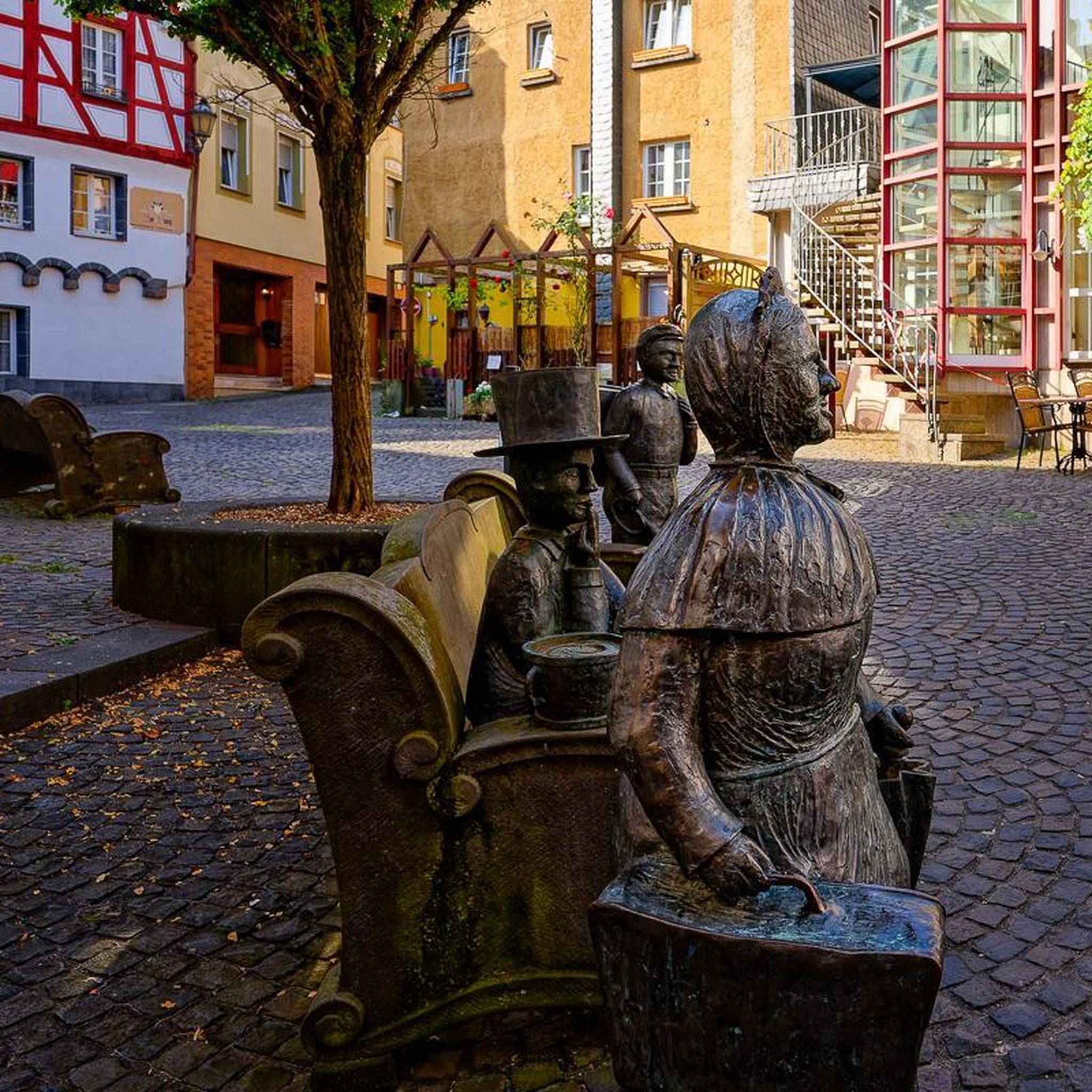
Melk's town square forms the historic and vibrant center of the town. Surrounded by well-preserved house facades, cafés, and shops, it invites you to stroll and linger. Particularly striking is its proximity to Melk Abbey, which towers high above the square. As the town's central meeting place, the square regularly serves as the setting for markets, festivals, and cultural events, while also providing an ideal starting point for exploring the town and its surroundings.
2
0


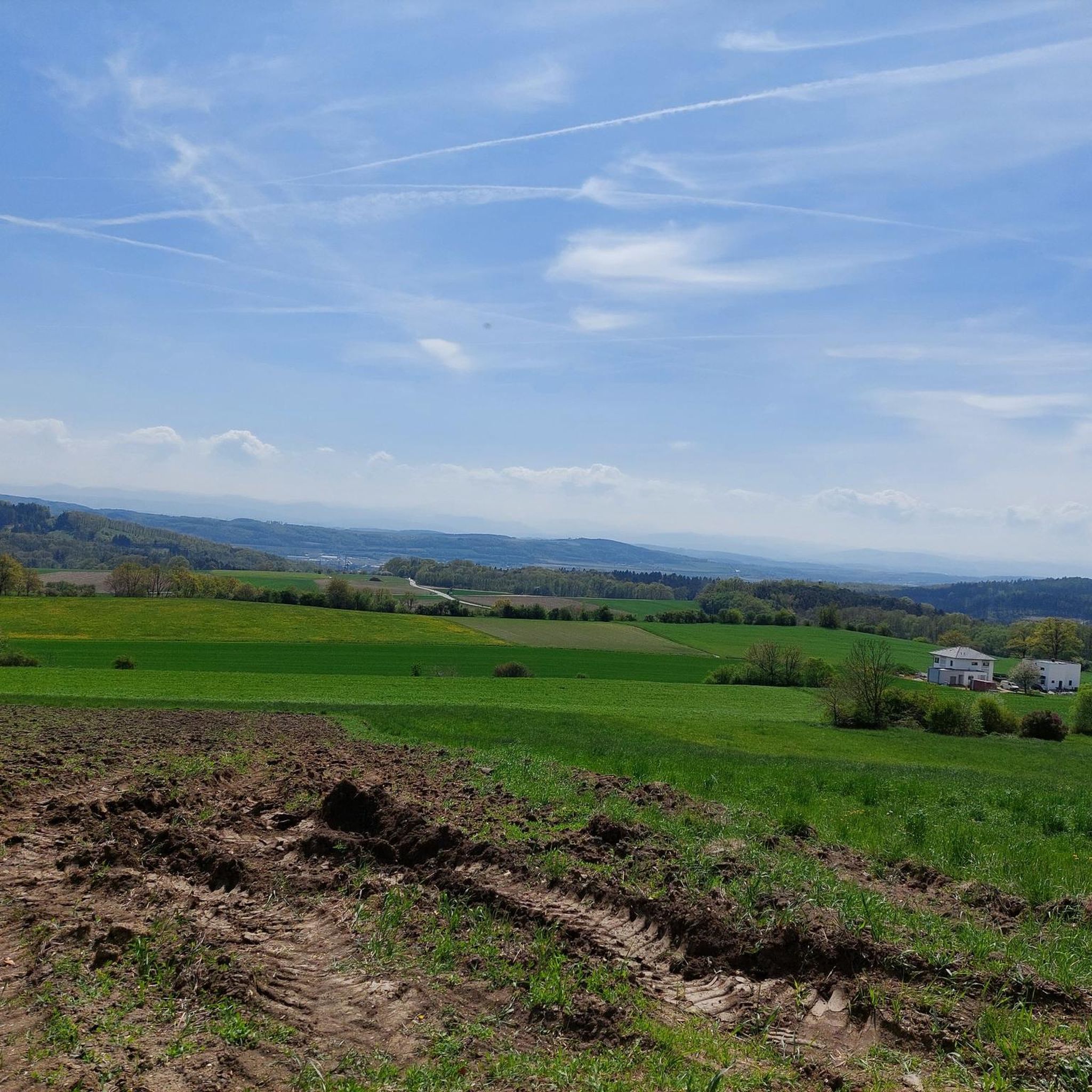
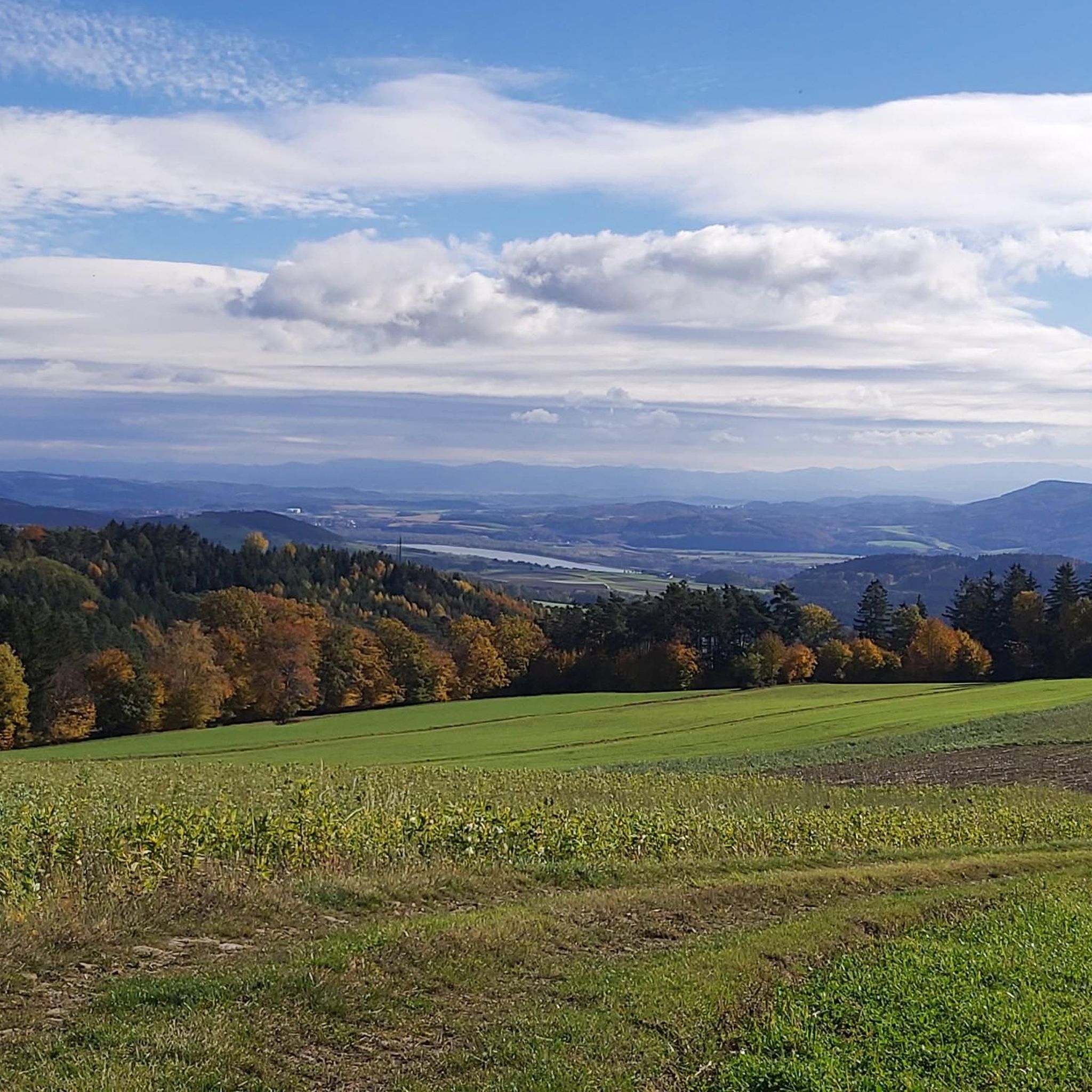
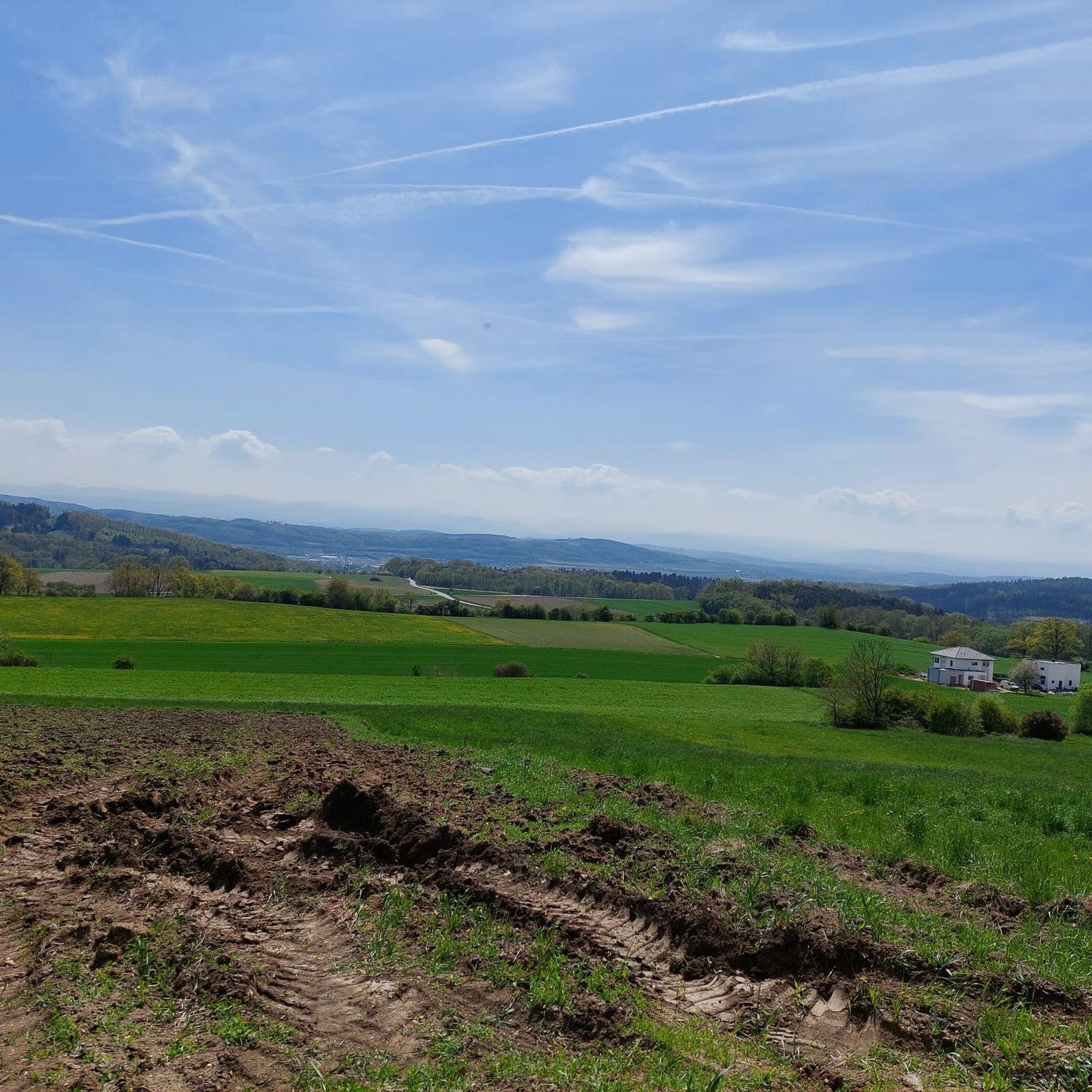
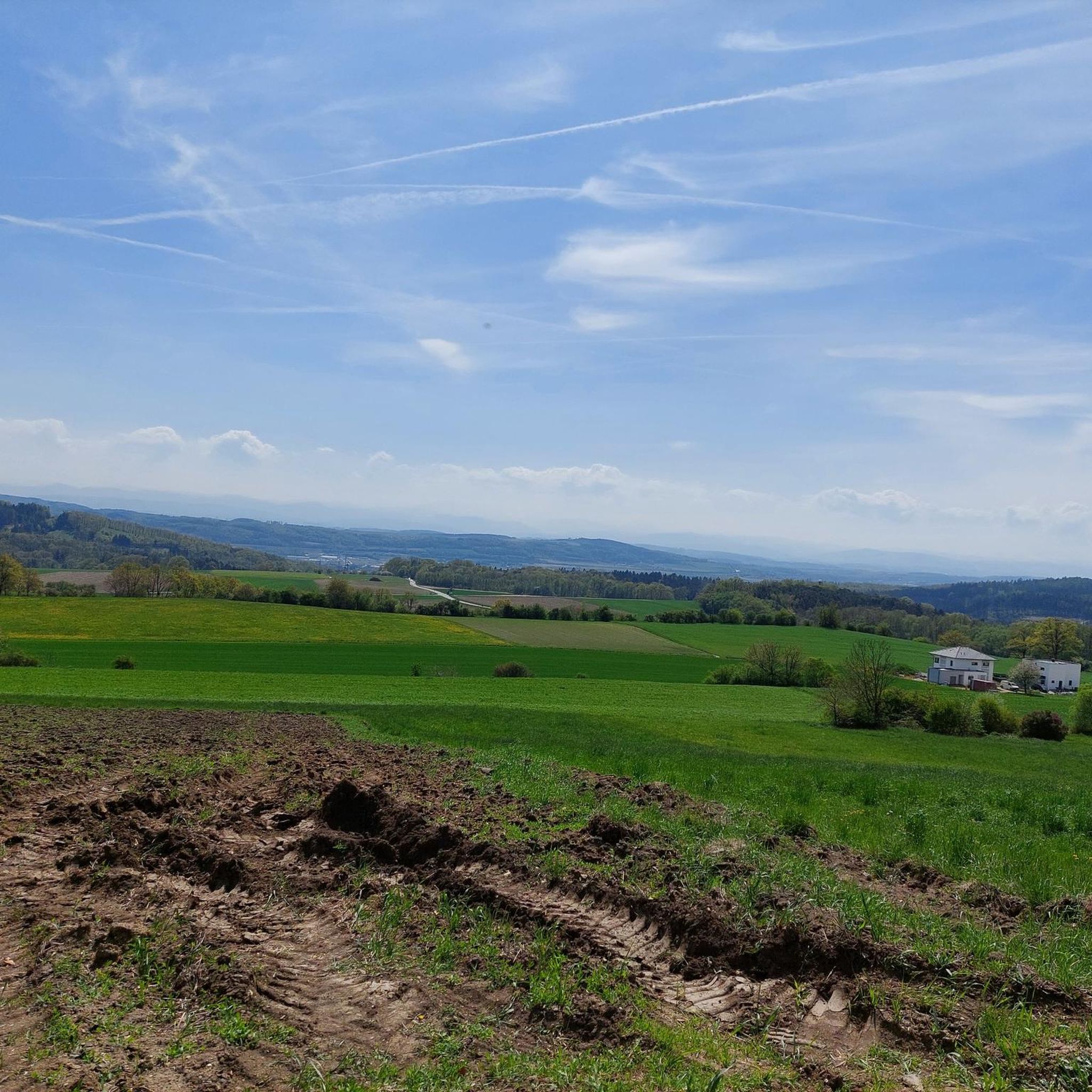
Here you have a great view
3
0
Here you have a great view
1
0
Melk is a very beautiful place, where you can take a short break at two squares below the monastery. One of these is the town square, lined with historic buildings. Even while enjoying a cup of coffee, you can see the monastery, towering over the town. This spot isn't exactly an insider tip, but it's not that crowded early in the day. The town square in Melk – often called the Rathausplatz – forms the historic center of the Lower Austrian town and is located directly below the world-famous Melk Abbey. This square is not only an important urban hub, but also a lively meeting place with a long history. As early as the 16th century, an economic and social center developed here, which is still characterized by its striking Baroque facades. After several town fires in the 19th century, many buildings were redesigned, retaining or enhancing the Baroque style. In the center of the square is the Kolomani Fountain, originally created in 1687 for the Prelate's Court of the Abbey and moved to its current location in 1722. The statue depicts Saint Koloman, venerated as the patron saint of Melk. The fountain is now considered an important cultural monument of Lower Austria. A particularly distinctive building is the Old Town Hall, whose origins also date back to the 16th century. The current facade features Baroque design elements and houses, among other things, a bust of Abbot Alexander Karl, who played a key role in shaping Melk's townscape in the 19th century. Today, the town square is a car-free zone and invites you to linger with its cafés, small shops, and comfortable seating. It serves not only as a promenade but also as a starting point for sights such as Melk Abbey, the medieval city walls, or the paths down to the Danube. Markets and events are held here regularly, bringing the square to life and highlighting its historical setting. In its present form, Melk's town square impressively combines history, culture and modern city life – always dominated by the baroque abbey that towers above the old town.
5
0
A magical place! Quote: "As if its builders wanted to be a little closer to heaven: Melk Abbey is the most magnificent building in the Wachau. Everything here is splendor, and everything strives upwards. And the Danube flows below." That's right, that sums it up. An imposing, magnificent building, built in a prominent location. A visit is a MUST if you are in the region. Highly recommended, the experience will stay with you forever.
4
0
From the Danube Cycle Path near Krummnussbaum, cyclists are treated to a particularly beautiful view of Maria Taferl, which sits picturesquely perched above the Danube. The pilgrimage church, with its distinctive dome, rises impressively above the river and is a defining feature of the Wachau landscape. The cycle path is very well maintained, paved, and easy to ride. The combination of stunning views and a comfortable route makes the tour especially relaxing. I've cycled this route several times now – and each time it's a delightful experience.
10
0
Frequently Asked Questions
What historical sites can I visit in Artstetten-Pöbring?
The most prominent historical site is Artstetten Castle, which served as a summer residence for the Habsburg dynasty and is the final resting place of Archduke Franz Ferdinand. You can also explore the Pöbring Parish Church and traces of an old post road with Roman bridges.
What is the significance of Artstetten Castle?
Artstetten Castle is historically significant as the former summer residence of the Habsburgs and the burial site of Archduke Franz Ferdinand and his wife, whose assassination triggered World War I. The castle houses the Archduke Franz Ferdinand Museum, offering insights into their lives and the historical context.
Are there any natural parks or scenic areas to explore?
Yes, the Artstetten Castle Park is a private natural park considered one of Austria's most important historical parks. It features original park designs, a chestnut avenue, a rose garden, and over 1,000 peonies in bloom from May to July. The municipality also offers remarkable panoramic views over the Danube Valley from its elevation.
What hiking opportunities are available around Artstetten-Pöbring?
Artstetten-Pöbring is known for its hiking trails, including the Austrian Way of St. James. Recommended routes include the moderate 'Glücksweg' (Happiness Trail) which passes viewpoints and historical sites, and the shorter '1000-Schritte-Weg' (1000-Step Trail). For more options, explore the easy hikes around Artstetten-Pöbring.
Are there cycling routes near Artstetten-Pöbring?
Yes, the area offers various cycling routes. You can enjoy scenic rides along the Danube Cycle Path, which provides views of landmarks like Maria Taferl and Melk Abbey. For more detailed routes, check out the cycling guide for Artstetten-Pöbring.
What activities are suitable for families with children?
Families can enjoy the large adventure playground, a solar-heated swimming pool, and sports facilities. The Artstetten Castle Park is also a great place for children to explore. Additionally, the Danube Cycle Path near Krummnussbaum is well-maintained and easy to ride, making it suitable for family bike rides.
What is the best time of year to visit Artstetten-Pöbring?
The spring and summer months are ideal, especially from May to July when over 1,000 peonies are in bloom in the Artstetten Castle Park. This period is also excellent for hiking and enjoying the natural beauty and outdoor activities.
Are there other notable attractions nearby for a day trip?
Absolutely. The world-famous Melk Abbey, an imposing Baroque structure and UNESCO World Heritage site, is a significant highlight in the nearby region. Below the abbey, you can also explore the historic Melk Town Square with its charming buildings and cafés.
Where can I find scenic viewpoints in the area?
The municipality itself, situated at 390 meters above sea level, offers remarkable panoramic views over the Danube Valley. Specific viewpoints include the View of Maria Taferl from the Danube cycle path near Krummnussbaum and the View of Melk Abbey from the Danube cycle path, both offering stunning perspectives of the region's landmarks.
What do visitors enjoy most about Artstetten-Pöbring?
Visitors particularly appreciate the blend of historical exploration, cultural experiences, and opportunities to enjoy the natural landscape. The area is highly regarded for its historical landmarks like Artstetten Castle, its beautiful natural parks, and the scenic viewpoints overlooking the Danube.
Are there mountain biking trails around Artstetten-Pöbring?
Yes, for mountain biking enthusiasts, there are several trails available. You can find routes like the 'Bee Park – Artstetten Castle loop from Pöchlarn' or the 'View of Maria Taferl – Pöchlarn Danube Bridge loop from Leiben'. More options are detailed in the MTB Trails around Artstetten-Pöbring guide.
Most popular routes around Artstetten-Pöbring
Most popular attractions around Artstetten-Pöbring

Get inspired with the komoot mobile app


Explore more
Still not found the Highlight you’re looking for? See guides of the top attractions in other regions:
