Top 20 Gorges around Wildermieming
Best canyons around Wildermieming are found in the surrounding region, offering dramatic natural experiences. Wildermieming itself is known for its Mieminger Plateau and extensive hiking opportunities. The area provides access to significant natural spectacles, characterized by unique geological formations, waterfalls, and dedicated hiking paths. These features make the region a destination for nature lovers and hikers seeking immersive experiences.
Best canyons around Wildermieming
- The most popular canyons is Partnach Gorge, a gorge up to 80 meters deep. It features impressive rock formations and is accessible through tunnels and passages blasted into the rock.
- Another must-see spot is Höllental Gorge, a gorge with numerous waterfalls, small tunnels, and illuminated passages. Visitors can expect an uphill climb to reach the entrance, followed by a journey through towering rock walls.
- Visitors also love Klammweg, a gorge that leads to the Höllental Gorge. It is appreciated for its scenic path and natural beauty.
- Wildermieming is known for its dramatic gorges and natural monuments. The region offers a variety of gorges to see and explore, featuring waterfalls, rock formations, and well-maintained paths.
- The canyons around Wildermieming are appreciated by the komoot community, with more than 8000 upvotes and over 9000 photos shared.
Last updated: May 26, 2026
Partnach Gorge
Highlight (Segment) • Gorge
Translated by Google •
Tip by

Höllental Gorge
Highlight (Segment) • Gorge
In the snow-free period, around mid-May to the end of October, the gorge is open 24 hours a day. Please don't forget to bring appropriate clothing, as it is quite humid in the gorge and even in summer the temperatures are sometimes cool. The Höllentalangerhütte at an altitude of 1,387 meters invites you to stop off afterwards. You can also stay overnight here. There are drying rooms for clothes if it gets too wet. From the Höllentalangerhütte, further climbs are possible, for example to the Alpspitze, the Matheisenkar or even to the Zugspitze. Information at: grainau.de/hoellentalklamm.
Translated by Google •
Tip by

Sign up now to discover places like this
Get recommendations on the best single tracks, peaks, & plenty of other exciting outdoor places.
Sign up for free
Waterfall in Höllentalklamm
Highlight • Waterfall
Translated by Google •
Tip by

Klammweg
Highlight (Segment) • Gorge
Translated by Google •
Tip by

Entrance to the Partnach Gorge
Highlight • Gorge
Translated by Google •
Tip by

Sign up for free to discover even more gorges around Wildermieming.
Sign up for free
Already have an account?
Start today with a free account
Your next adventure awaits.
Login or Signup
Popular around Wildermieming
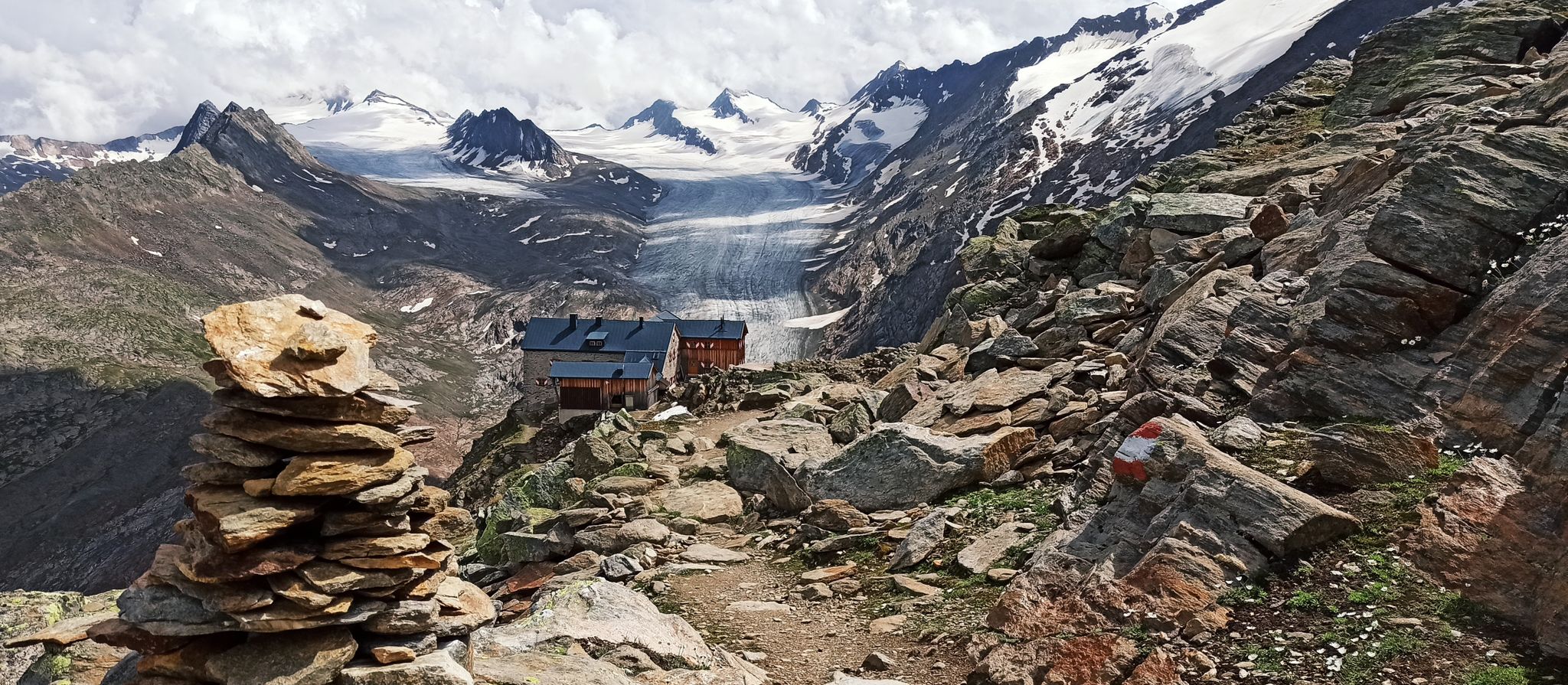
L1 from Garmisch to Brescia – Far from the classic Alpine crossings
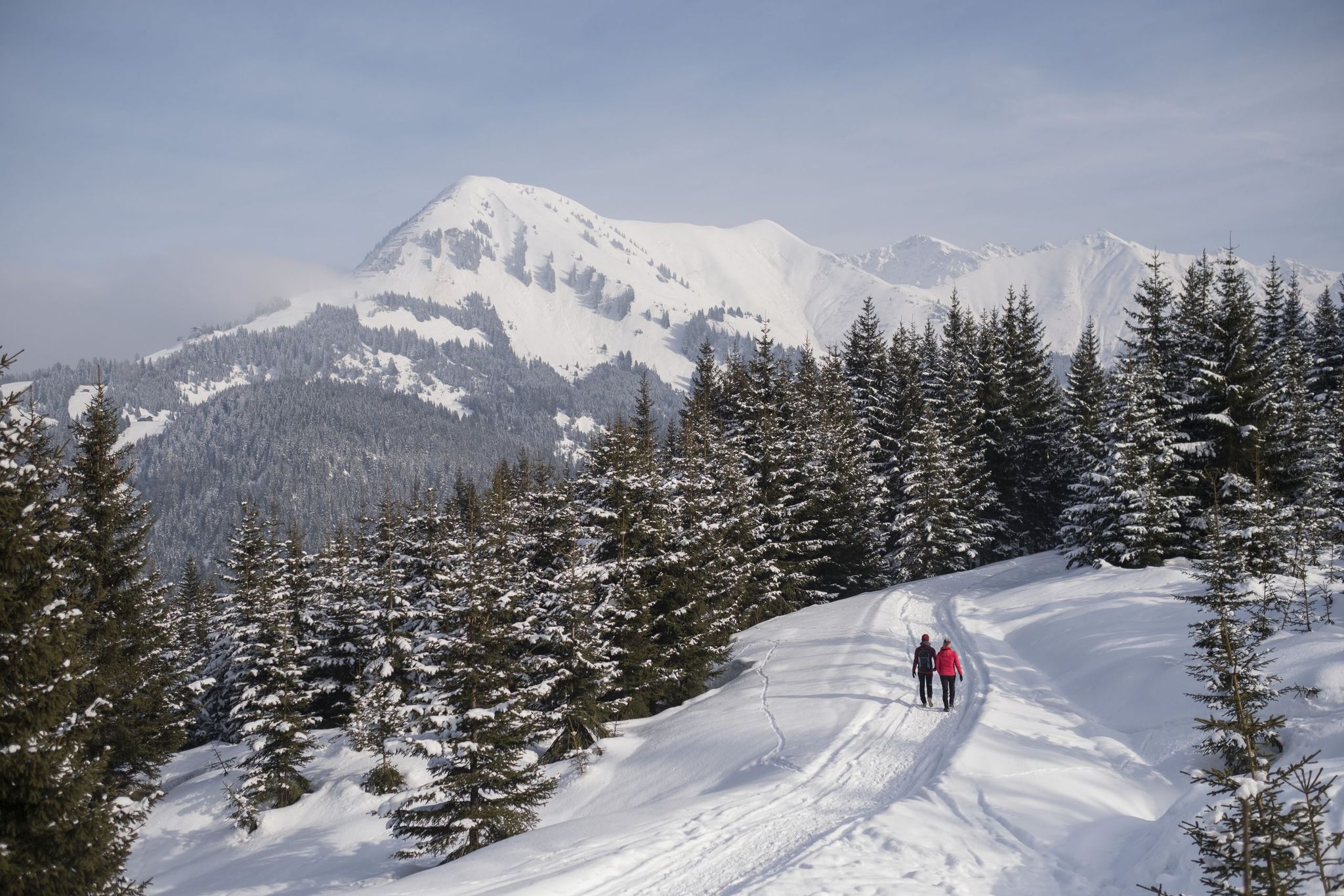
The 10 most beautiful winter hikes in Tyrol – snow guaranteed
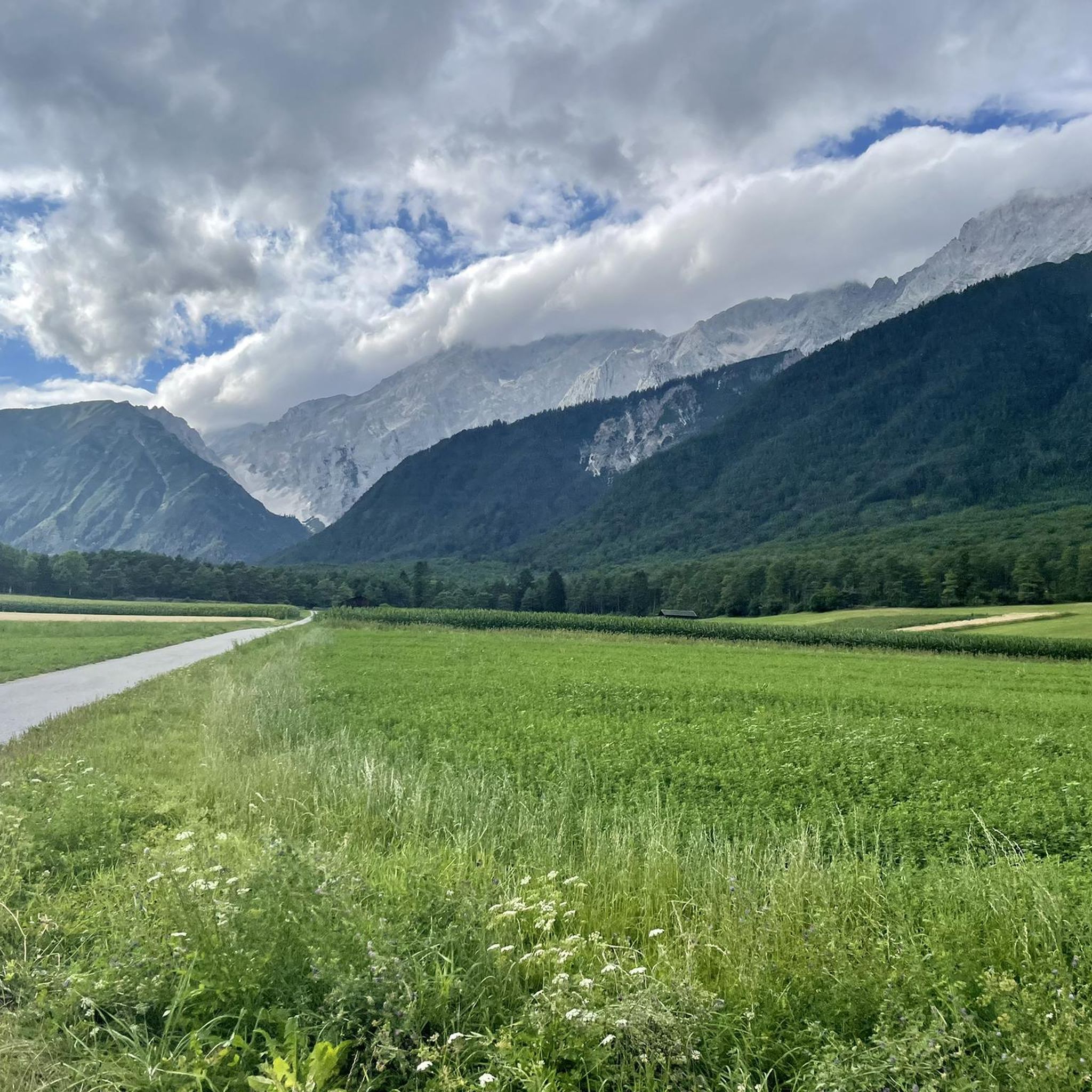
Hiking around Wildermieming
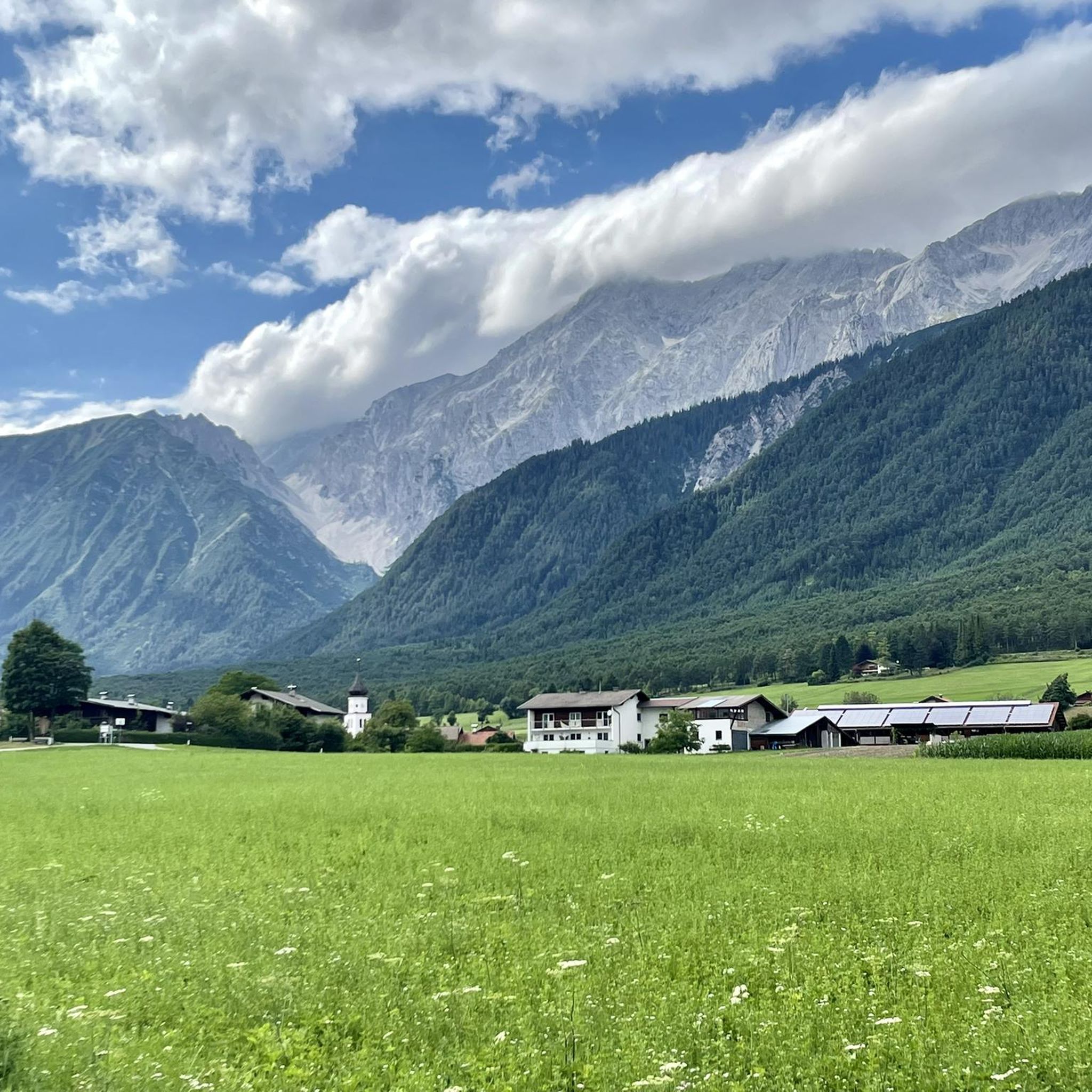
Cycling around Wildermieming
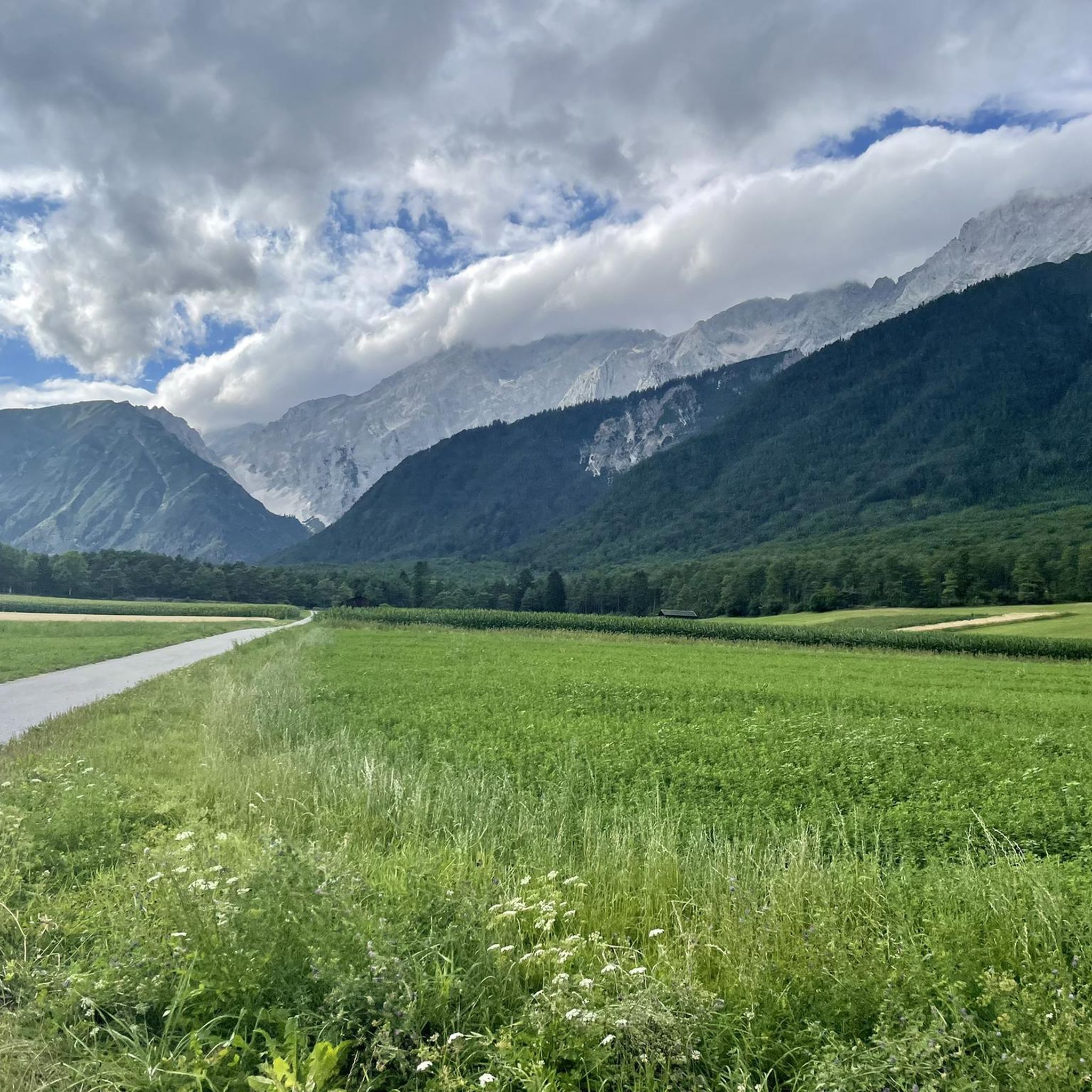
MTB Trails around Wildermieming
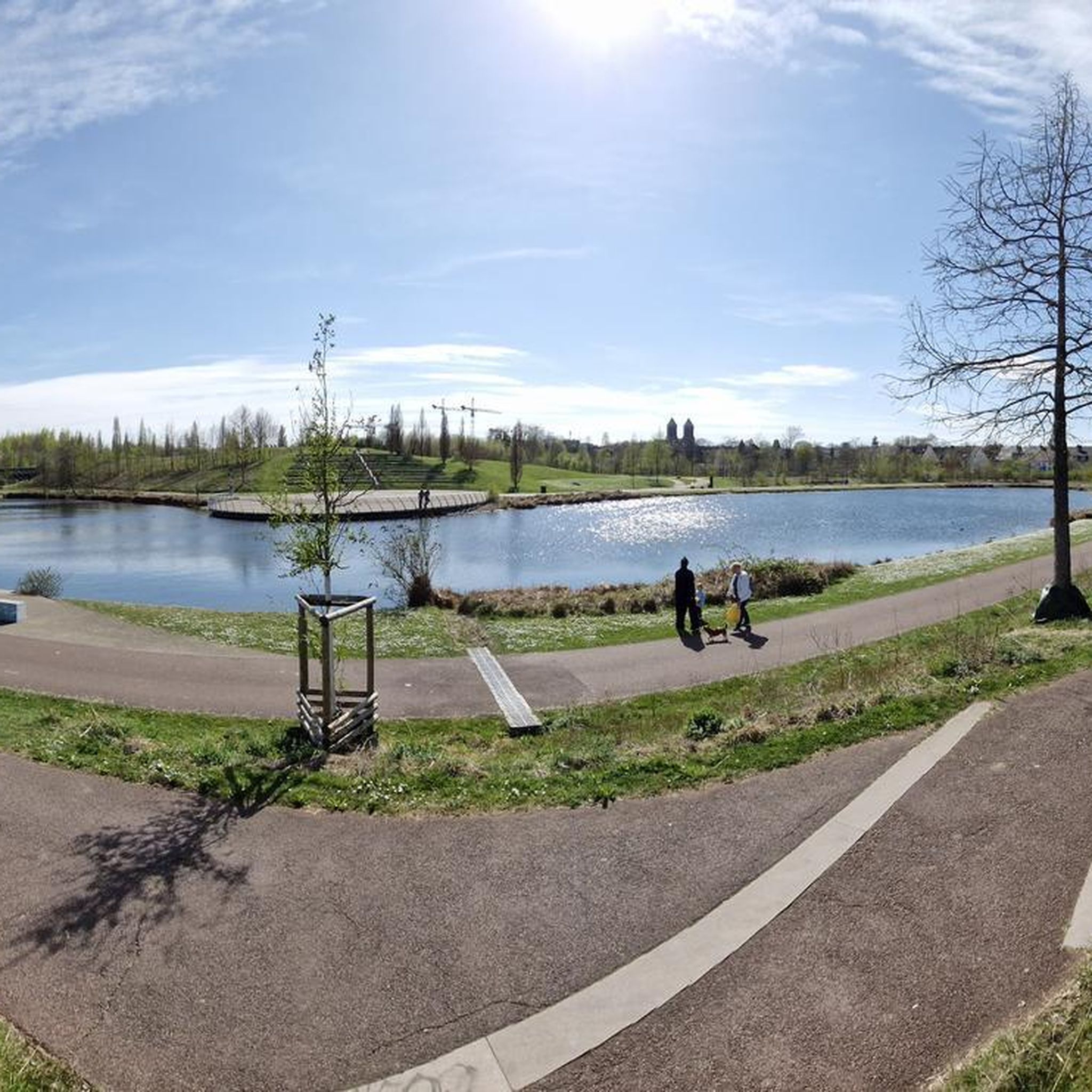
Mountain Hikes around Wildermieming
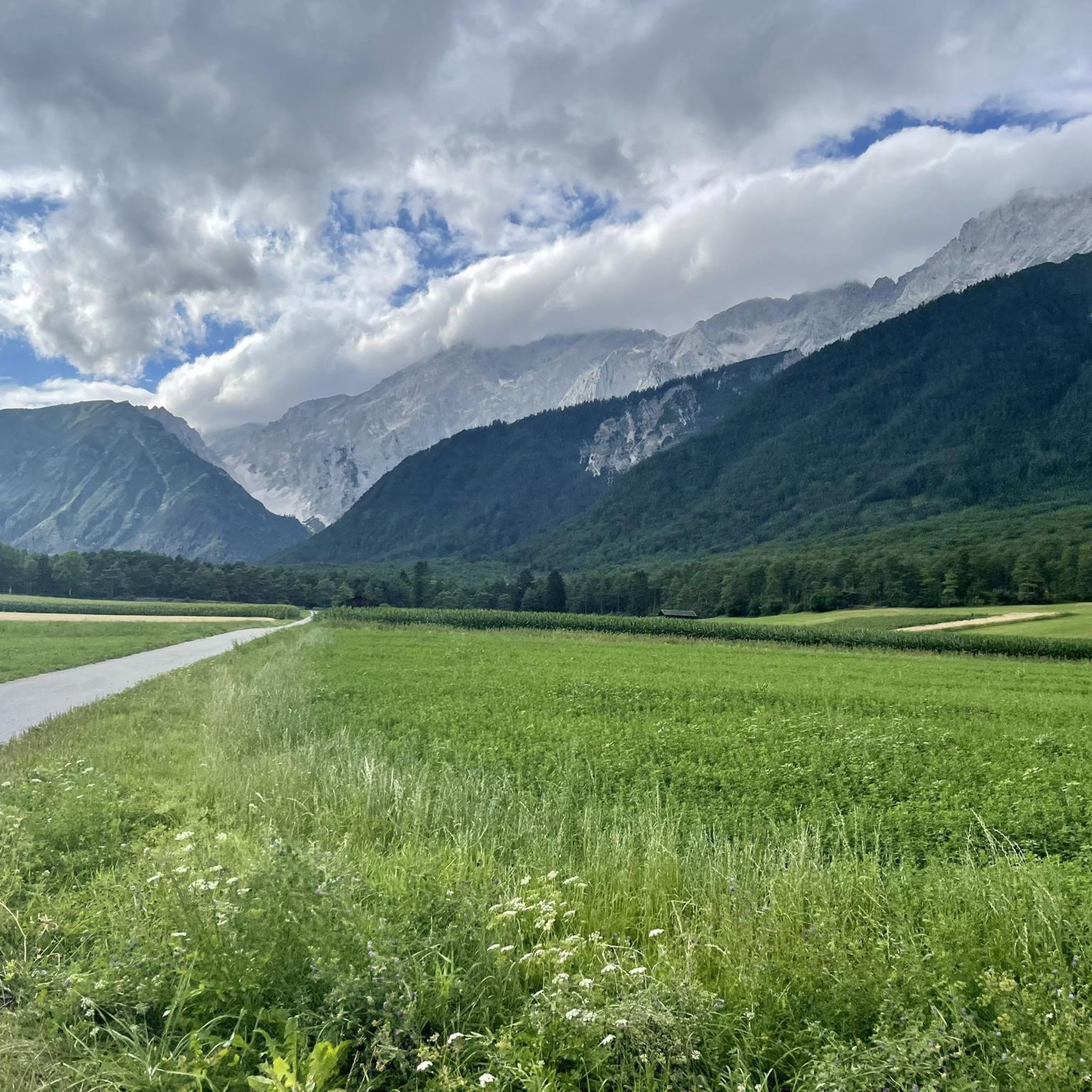
Road Cycling Routes around Wildermieming
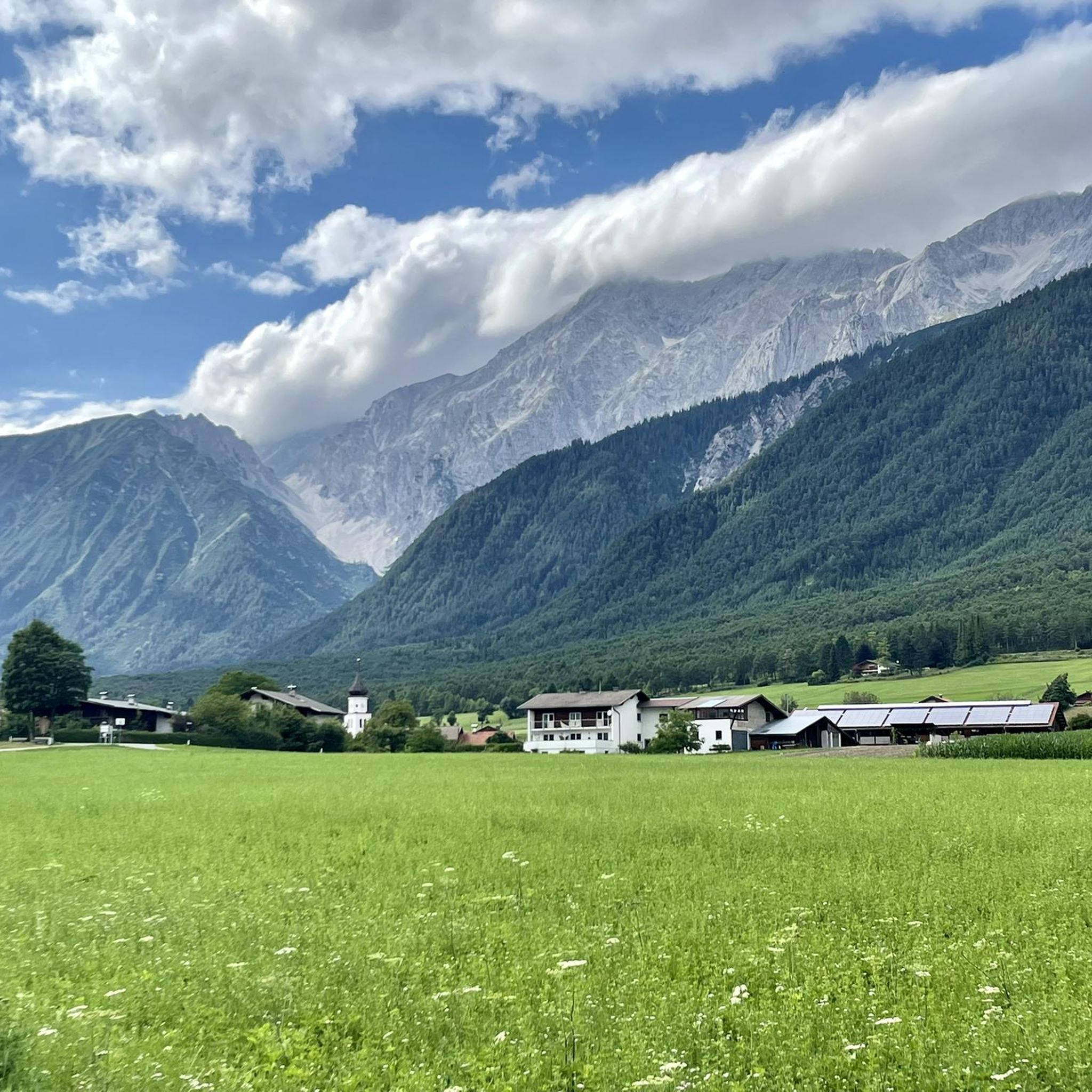
Running Trails around Wildermieming
Gravel biking around Wildermieming


Tips from the Community

Force of nature and man becomes very small
10
0
The waterfalls are very impressive
5
0


From 1910 to 1912, the Partnach Gorge, which is up to 80 meters deep, was opened up for tourism under the most difficult conditions and at great financial expense.
11
0

The sign above the entrance to the gorge, a popular photo motif, shows the time it was opened up in the years 1910-1920.
13
0

Lower entrance to the gorge. here you can buy the tickets
12
0

The Partnach Gorge is a 700-meter-long gorge in the Reintal near Garmisch-Partenkirchen, cut by the Partnach torrent to a depth of more than 80 meters in places. The valley floor is at about 800 m above sea level in the middle of the gorge. In 1912, the Partnach Gorge was declared a natural monument. The path always runs on the right side of the stream. In the Middle Triassic, around 240 million years ago, dark gray, relatively hard layers of alpine shell limestone, known as Wurstel limestone or Knollenkalk, were deposited on the bottom of a shallow sea in the area of today's Partnach Gorge. On the bulging layers of this rock, you can still often see traces of burrowing and feeding by the sea creatures of that time. Around five million years later, significantly softer marls were deposited in the same sea basin, which are now known as the Partnach layers. During the later Alpine folding, the so-called Wamberger Saddle was formed from these rock layers. The erosion power of the Partnach, fed by the Schneeferner on the Zugspitzplatt, was great enough to quickly erode the softer layers, keep pace with the ongoing uplift of the terrain and thus also cut into the hard alpine Muschelkalk. Today, the river forms the typical narrow valley shape of a gorge in the Muschelkalk area, while to the north and south of it, in the areas of the softer Partnach layers, wider valley shapes predominate. Source: https://de.wikipedia.org/wiki/Partnachklamm
10
0

June - September: 08:00 - 20:00 October - May: 08:00 - 18:00 The Partnachklamm is open all year round, but may be closed for safety reasons. If this is the case, there are two other ways to avoid the gorge.
10
0
Frequently Asked Questions
What are the most notable gorges to visit around Wildermieming?
While Wildermieming itself is known for its Mieminger Plateau, the most impressive gorges are found nearby. Two prominent examples are the Partnach Gorge, a powerful natural monument up to 80 meters deep, and the Höllental Gorge, which features numerous waterfalls, small tunnels, and illuminated passages.
Are there family-friendly gorges to explore near Wildermieming?
Yes, the Partnach Gorge is considered family-friendly. Its well-maintained paths allow visitors of various ages to experience the impressive rock formations and the raw power of the water. Leashed dogs are also welcome.
What natural features can I expect to see in these gorges?
The gorges around Wildermieming offer dramatic natural spectacles. You'll encounter towering rock walls, cascading waterfalls, crystal-clear waters, and unique geological formations. For instance, the Höllental Gorge is known for its many waterfalls and illuminated passages, while the Partnach Gorge showcases impressive rock formations and deep chasms.
What is the best time to visit the gorges near Wildermieming?
The Höllental Gorge is generally open from mid-May to the end of October. While the Partnach Gorge is accessible even in winter, when bizarre ice formations add a special charm. For comfortable hiking and to experience the full flow of water, the snow-free period from late spring to early autumn is often ideal.
What should I wear when visiting the gorges?
For both the Partnach Gorge and the Höllental Gorge, sturdy shoes are mandatory. A rain jacket is also highly recommended, as it can be quite humid and cool inside the gorges, even in summer, and you might get wet from the spray of waterfalls.
Are there any viewpoints or specific landmarks within the gorges?
Yes, both the Partnach Gorge and Höllental Gorge offer spectacular viewpoints. The Partnach Gorge features an iron bridge built in 1914, 68 meters above the river, offering a unique perspective. The Höllental Gorge has numerous spots to admire waterfalls and the towering rock walls through its tunnels and passages.
What hiking opportunities are available after passing through the gorges?
After exploring the gorges, numerous hiking routes expand into the surrounding mountains. From the Partnach Gorge, you can hike to places like Partnachalm, Graseck, the Eckbauer, or Wamberg. From the Höllental Gorge, further climbs are possible to peaks like the Alpspitze or the Zugspitze, with the Höllentalangerhütte offering a place to stop or even stay overnight.
Are there any cafes or places to eat near the gorges?
Yes, after visiting the Höllental Gorge, the Höllentalangerhütte at 1,387 meters invites you to stop for a break. For the Partnach Gorge, you can find options at Partnachalm or Graseck after exiting the gorge.
What other outdoor activities can I do near Wildermieming's gorges?
Beyond the gorges themselves, the Wildermieming area offers extensive opportunities for various outdoor activities. You can find numerous hiking trails, including easy options like the 'Zauscherhof Farm Shop – Archery Course loop' or more challenging routes like 'View of Hohe Munde – Mountain View Shelter loop'. There are also running trails available, such as the 'Colorful Hay Wagon loop'.
Is there an entrance fee for the gorges?
Yes, both the Partnach Gorge and the Höllental Gorge have an entrance fee. For the Höllental Gorge, the admission includes a visit to a small, informative museum at the gorge's entrance hut. Members of the Alpine Club often receive reduced admission.
What is the 'Klammweg' and how does it relate to the Höllental Gorge?
The Klammweg is a scenic path that leads visitors to the entrance of the Höllental Gorge. It is appreciated for its natural beauty and serves as the initial part of the journey before entering the main gorge itself. The ascent along the Klammweg can be quite uphill and strenuous.
What do visitors enjoy most about the gorges around Wildermieming?
Visitors consistently praise the gorges for their breathtaking natural spectacle and the immersive experience they offer. The raw power of the water, the impressive rock formations, and the unique paths through tunnels and passages are frequently highlighted. Many find the experience fascinating, even on repeat visits, appreciating the well-maintained access despite the dramatic terrain.
Most popular routes around Wildermieming
Most popular attractions around Wildermieming

Get inspired with the komoot mobile app


Explore more
Already discovered everything in this region? See additional gorges around Wildermieming for your next adventure:
