Top 20 Castles around Furth bei Göttweig
Best castles around Furth bei Göttweig are found within the Wachau Valley, a UNESCO World Heritage Site known for its cultural landscape and the Danube River. The area is characterized by its historic settlements, vineyards, and significant architectural landmarks. This region offers a blend of historical sites, from medieval ruins to grand Baroque structures. It serves as a focal point for exploring centuries of history and regional heritage.
Best castles around Furth bei Göttweig
- The most popular castles is Dürnstein…
Last updated: May 11, 2026
Dürnstein Castle Ruins
Highlight • Castle
Translated by Google •
Tip by

Dürnstein Old Town
Highlight • Historical Site
Translated by Google •
Tip by

Sign up now to discover places like this
Get recommendations on the best single tracks, peaks, & plenty of other exciting outdoor places.
Sign up for free
View of historic Dürnstein
Highlight • Historical Site
Translated by Google •
Tip by

Gobelsburg Castle
Highlight • Castle
Translated by Google •
Tip by

Grafenegg Castle
Highlight • Castle
The castle is rich in historical evidence and its origins date back to 1435. From then on, it underwent several metamorphoses over the centuries until it finally became …
Translated by Google •
Tip by

Sign up for free to discover even more castles around Furth bei Göttweig.
Sign up for free
Already have an account?
Start today with a free account
Your next adventure awaits.
Login or Signup
Popular around Furth bei Göttweig
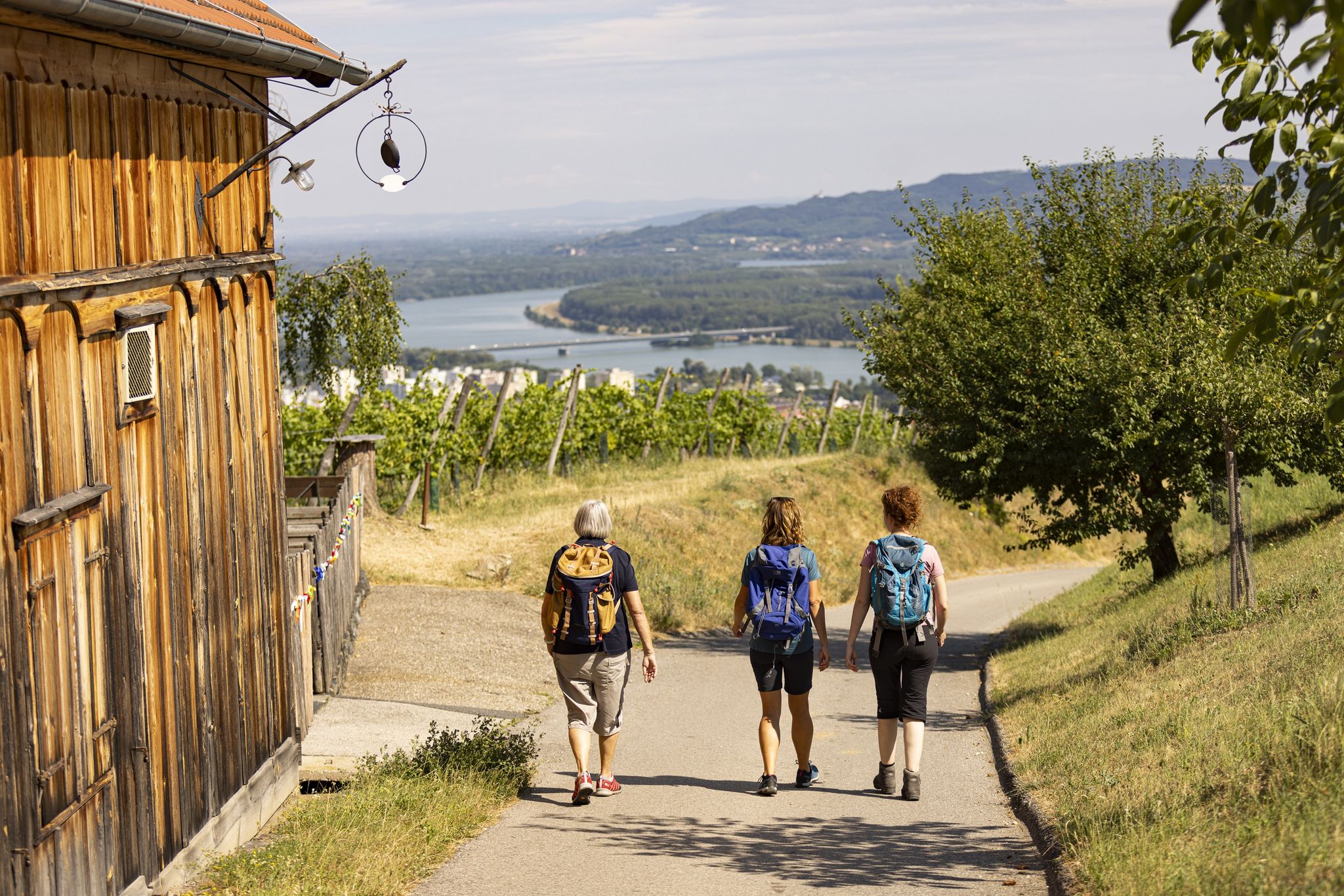
Into the valley of wine - Kremstal-Danube Long Distance Trail
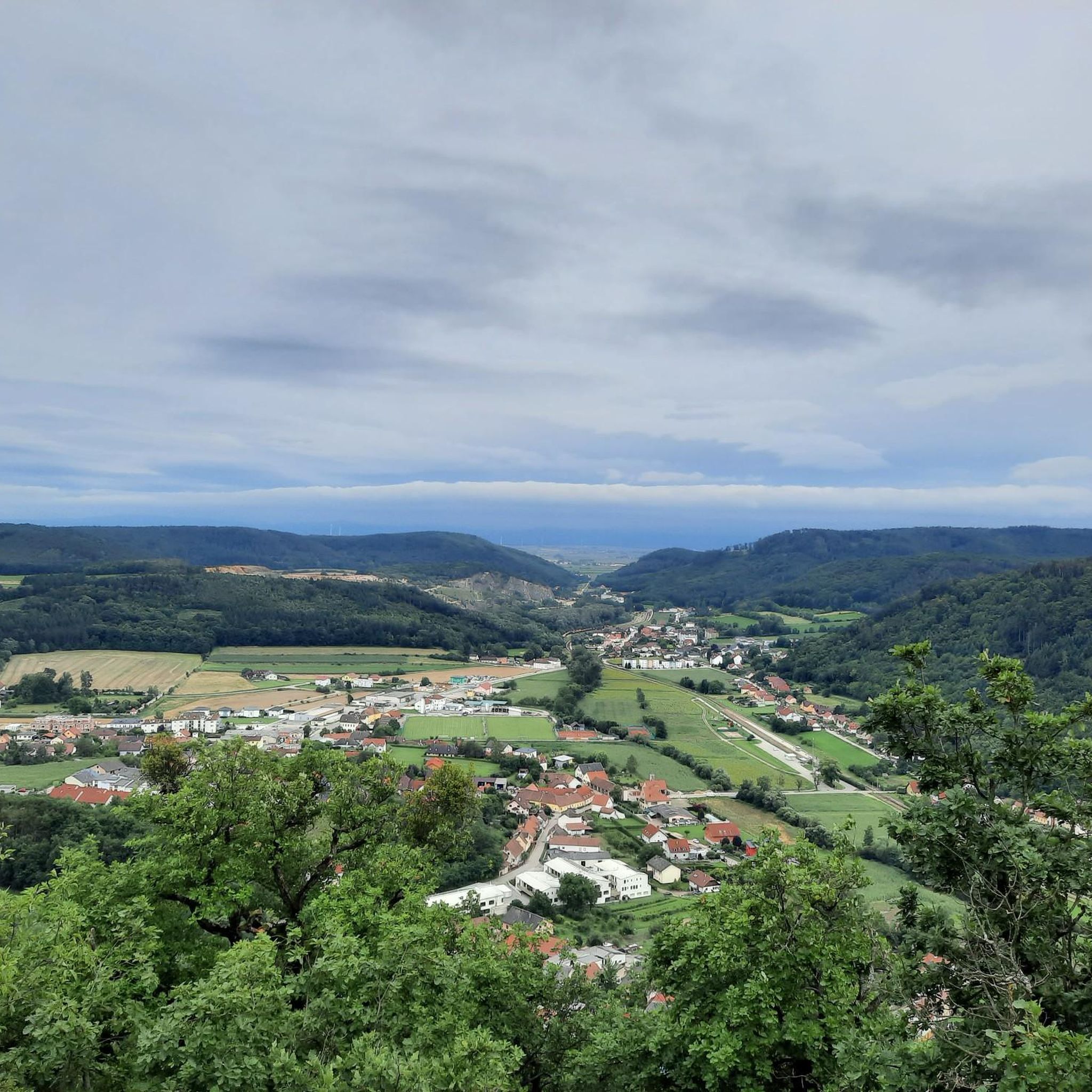
Hiking around Furth bei Göttweig
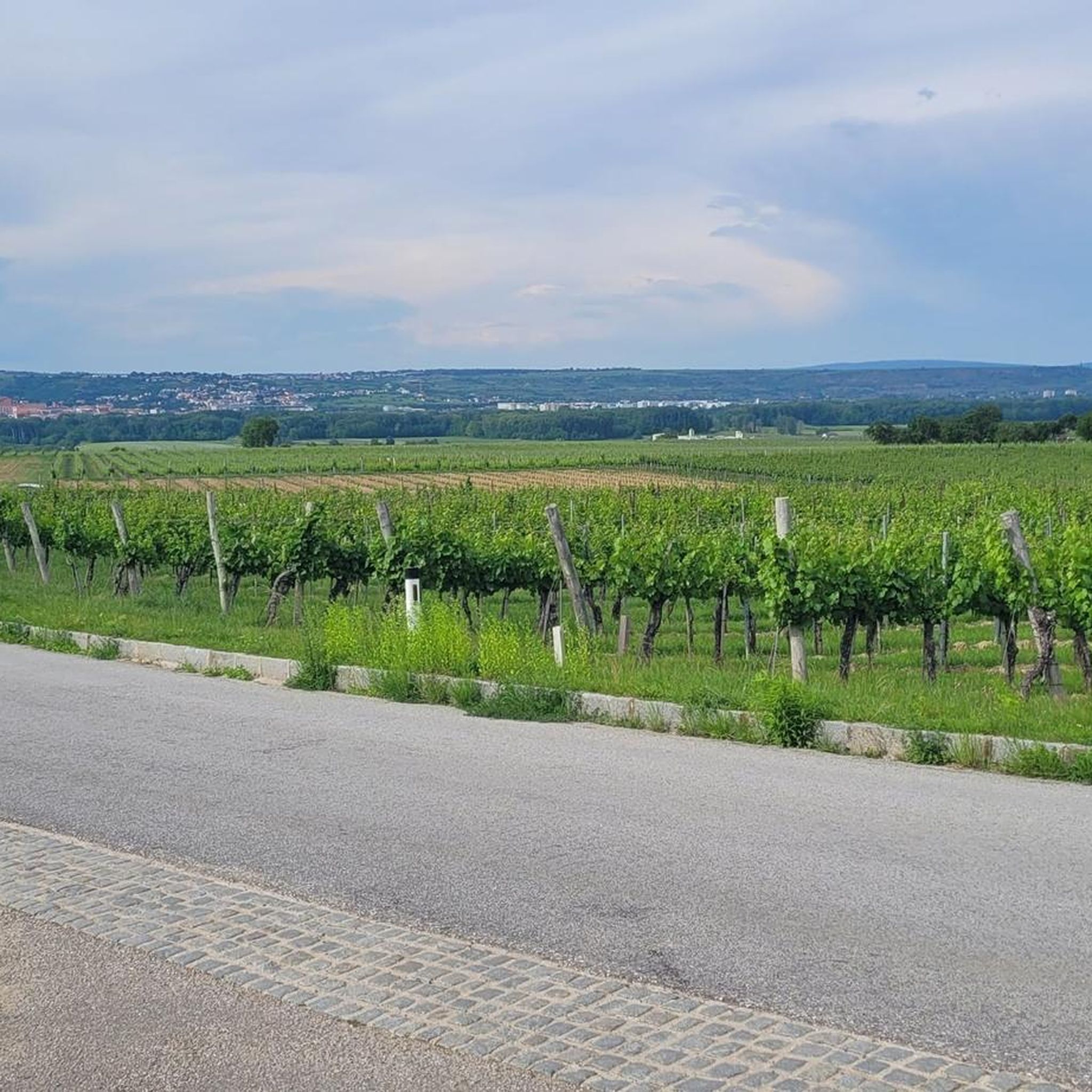
Cycling around Furth bei Göttweig
Road Cycling Routes around Furth bei Göttweig
MTB Trails around Furth bei Göttweig
Running Trails around Furth bei Göttweig
Gravel biking around Furth bei Göttweig
Mountain Hikes around Furth bei Göttweig
Other adventures around Furth bei Göttweig

Tips from the Community

Dürnstein is a small old town with many tourists.
0
0

Wonderful castle with impressive grounds.
1
0

The winery today belongs to the Cistercian Abbey of Zwettl in the Waldviertel region, which acquired the castle from a nobleman in 1740. The abbey owned extensive lands in Kammern and Gobelsburg as early as 1171, and of course, vineyards in the best locations. From 1958 onward, the later Abbot of Zwettl, Father Bertrand Baumann, an excellent expert, managed the winery with a steady hand. He turned the "Gobelsburg Mass Wine" into a widely recognized brand. The aged wines from his era impressively demonstrate his skills.
2
0

Gobelsburg Castle in Lower Austria's Kamptal Valley is not only a historic building, but also one of Austria's oldest and most renowned wineries. The beginnings of winemaking at this site date back to 1171; the present castle, with its Renaissance core, was rebuilt in the Baroque style in the 18th century. It has belonged to the Cistercian monastery of Zwettl since 1740, and since 1996, the winery has been managed by Michael and Eva Moosbrugger together with Willi Bründlmayer. On approximately 75 hectares of vineyards, they produce award-winning white and red wines – primarily Grüner Veltliner and Riesling.
5
0

The view from Dürnstein Castle is breathtakingly beautiful!
8
0


Beautiful castle and good wine 🍷 are also available here 😉 ... right next to it is the parish church Gobelsburg
5
0
Frequently Asked Questions
What historical significance do the castles around Furth bei Göttweig hold?
The castles in this region are steeped in history. For instance, the Dürnstein Castle Ruins are famous as the prison of England's King Richard the Lionheart in the late 12th century. Burgruine Aggstein, a dramatic ruin above the Danube, was once a strategic stronghold and a base for robber barons. Göttweig Abbey, a magnificent Benedictine monastery, showcases centuries of monastic life and Baroque grandeur, earning it the nickname 'Austrian Monte Cassino'.
Are there any family-friendly castles to visit near Furth bei Göttweig?
Yes, several castles offer enjoyable experiences for families. Grafenegg Castle is known for its beautiful grounds and cultural events. Walpersdorf Castle, a Renaissance castle, features a castle kitchen and animals in its moat, which children often enjoy. The revitalized Burgruine Aggstein is also easily accessible and offers extensive ruins to explore, making it suitable for families.
Which castles offer the best panoramic views of the Wachau Valley?
For breathtaking views, you should visit the Dürnstein Castle Ruins, which offer fantastic vistas from their elevated position above the town. Burgruine Aggstein, perched dramatically on a rocky outcrop, provides stunning panoramic views of the Danube River and the surrounding countryside. Göttweig Abbey also boasts impressive terraces with wide views over the Danube, vineyards, and towns of the Wachau Valley.
What kind of architectural styles can I expect to see among the castles?
The region showcases a diverse range of architectural styles. Göttweig Abbey is a prime example of Baroque splendor, rebuilt after a fire in 1718 with an elaborate Imperial Staircase and ornate church. Grafenegg Castle was rebuilt in the 19th century in the romantic historicism style, resembling a Tudor castle. You'll also find medieval castle ruins like Dürnstein and Aggstein, alongside Renaissance structures such as Walpersdorf Castle.
What outdoor activities can I do near these castles?
The area around Furth bei Göttweig and its castles is excellent for outdoor activities. You can find numerous cycling routes, such as those detailed in the Cycling around Furth bei Göttweig guide, which includes loops past Göttweig Abbey and Mautern. For gravel biking, explore routes like the 'Wachau Vineyards Route' found in the Gravel biking around Furth bei Göttweig guide. Road cycling enthusiasts can also find routes, including one past the 'Ruins of Senftenberg Castle' in the Road Cycling Routes around Furth bei Göttweig guide.
Are there any hidden gem castles in the Wachau Valley worth discovering?
While not fully accessible inside, Schloss Mautern, also known as Passauer Schloss, is a historic castle complex in Mautern an der Donau. Its publicly accessible courtyard, featuring a protected ancient plane tree, offers a glimpse into its long history as a seat of authority. It's a less-frequented spot that provides a quiet historical experience.
What is the best time of year to visit the castles in this region?
The Wachau Valley is beautiful year-round, but spring (April-May) and autumn (September-October) are particularly pleasant. During these seasons, the weather is mild, ideal for exploring ruins like Burgruine Aggstein and Dürnstein Castle Ruins, and the vineyards offer stunning scenery. Summer (June-August) is also popular, though it can be warmer, and winter visits can offer a unique, serene atmosphere, especially for places like Göttweig Abbey.
Can I visit Göttweig Abbey and what are its main attractions?
Yes, Göttweig Abbey is open to visitors and is a major cultural highlight. Its main attractions include the magnificent Baroque buildings, the grand Imperial Staircase with its elaborate ceiling fresco by Paul Troger, and the ornate Abbey Church. The abbey also houses a historic library with valuable collections and offers breathtaking panoramic views from its terraces. You can find more information on lower-austria.info.
Are there options for dining or refreshments near the castles?
Yes, several castles and nearby towns offer dining options. Walpersdorf Castle features the Blauenstein castle kitchen, known for excellent dining. Göttweig Abbey has its own restaurant where visitors can enjoy regional dishes and wines from the monastery's vineyards. The towns of Dürnstein and Mautern, near their respective castles, also provide various cafes and restaurants.
What makes Burgruine Aggstein a unique castle ruin to visit?
Burgruine Aggstein is unique due to its dramatic location 300 meters above the Danube and its rich history, including tales of robber barons. A particularly infamous feature is the 'Rosengärtlein' (Rose Garden), a rocky ledge that served as an escape-proof prison. The comprehensive revitalization work has made the extensive ruins easily accessible, and an observation tower provides even better views, making it a highlight for history and nature lovers.
How accessible are the castles for visitors with mobility considerations?
Accessibility varies by castle. Burgruine Aggstein has undergone revitalization work to make it easily accessible for visitors. Göttweig Abbey, as a major cultural site, generally offers good accessibility, though specific areas might have limitations due to its historic nature. For detailed information on specific accessibility features, it's advisable to check the individual castle's official website before your visit.
What do visitors enjoy most about the castles around Furth bei Göttweig?
Visitors frequently praise the stunning views, especially from places like Dürnstein Castle Ruins, describing them as 'indescribable' and 'breathtakingly beautiful.' The rich history, particularly the stories of figures like Richard the Lionheart, and the architectural grandeur of sites like Göttweig Abbey are also highly appreciated. The overall charm and historical atmosphere of the Wachau Valley, combined with the well-preserved ruins and castles, create a memorable experience.
Most popular routes around Furth bei Göttweig
Most popular attractions around Furth bei Göttweig

Get inspired with the komoot mobile app


Explore more
Looking for the best castles somewhere else? Discover other guides around Furth bei Göttweig:
