The best running trails in Stephen Mather Wilderness
53
runners
10
runs
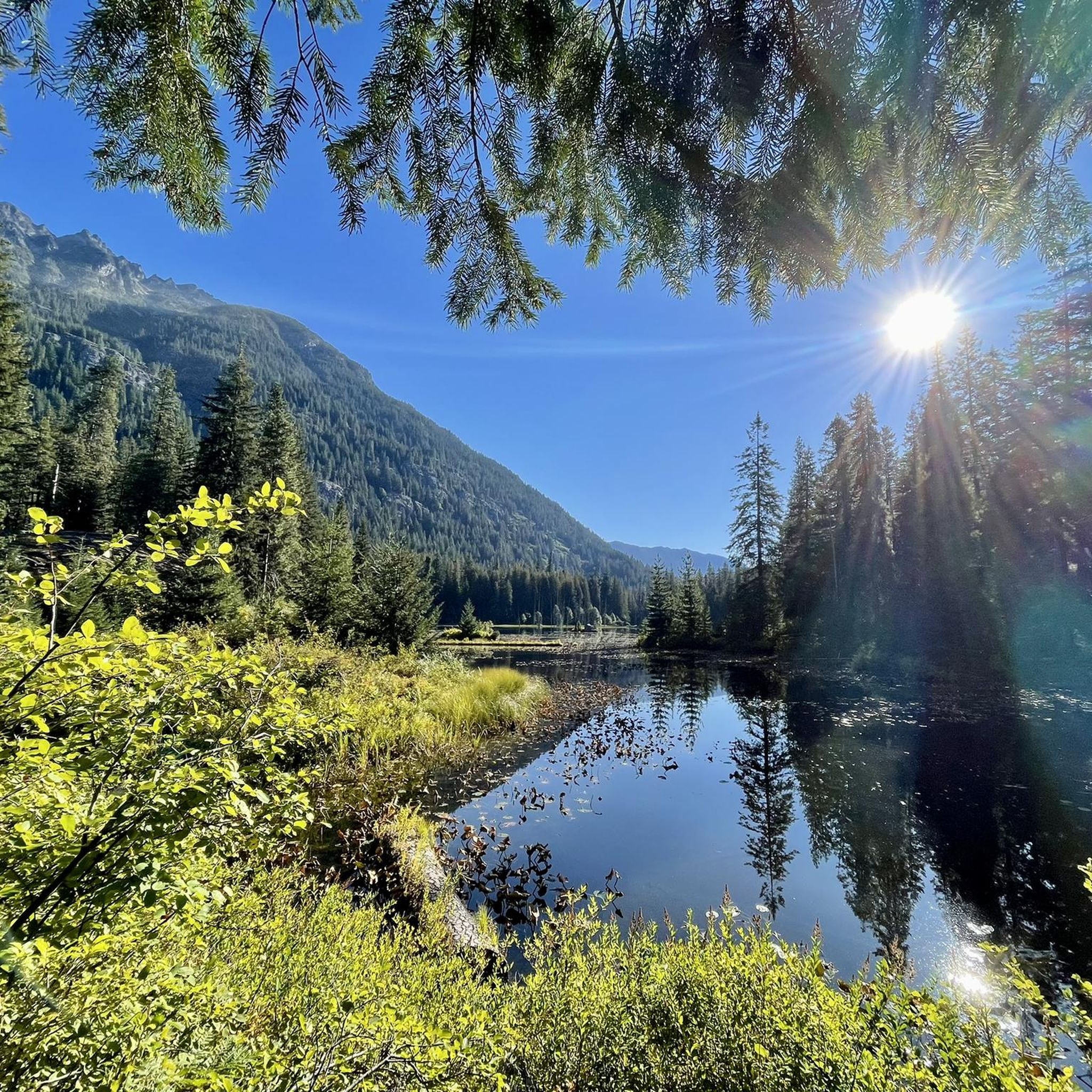
Jogging in Stephen Mather Wilderness offers access to a vast landscape characterized by rugged, glaciated peaks, narrow stream drainages, and densely forested U-shaped valleys. This region, part of the North Cascades National Park Complex, features over 200 pristine lakes and more than 300 glaciers. The extensive trail system provides opportunities for trail running amidst dramatic scenery, with routes varying in difficulty.
Best jogging routes in Stephen Mather Wilderness
- The most popular jogging route is Chelan Lakeshore Trail, a 14.0…
Last updated: November 22, 2026
22.5km
02:59
600m
600m
Hard run. Very good fitness required. Mostly paved surfaces.
23.1km
03:19
930m
930m
Hard run. Very good fitness required. Mostly paved surfaces.

4
runners
14.8km
03:28
860m
860m
Hard run. Very good fitness required. Sure-footedness, sturdy shoes and alpine experience required.
14
runners
30.2km
04:15
1,200m
1,200m
Hard run. Very good fitness required. Mostly paved surfaces.
12
runners
19.3km
02:46
770m
770m
Hard run. Very good fitness required. Mostly paved surfaces.
Get access to more routes and recommendations from other explorers.
Already have an account?
Our route recommendations are based on thousands of hikes, rides, and runs completed by other people on komoot.
Start today with a free account
Your next adventure awaits.
Popular around Stephen Mather Wilderness


Other adventures in Stephen Mather Wilderness

Tips from the Community

The Coleman Pinnacle is a striking rock formation located along the Ptarmigan Ridge Trail that serves as a popular destination or landmark for hikers exploring the trail. Located approximately 4.5 miles from the Artist Point Trailhead, the pinnacle itself stands at about 6,500 feet. While climbing the pinnacle requires rock climbing skills and equipment, it is still a great, prominent landmark for hikers to admire from the trail. The area around the Coleman Pinnacle also offers great views and serves as an excellent spot to pause before continuing along Ptarmigan Ridge or as a turn-around point.
0
0
The Ptarmigan Ridge Trail in Washington's Mount Baker Wilderness challenging, but stunning, trail that features panoramic views of Mount Baker, Mount Shuksan, and the surrounding alpine landscape. If you take the trail all the way just past the The Portals, prominent rock formations at on Mount Baker’s northeast side, to flat plateau where some folks camp (and what maps show as the end of the trail), it is about approximately 9 miles round trip, with an elevation gain of about 1,800 feet. While the trail is well-defined, hikers should be equipped for alpine conditions, snow in the spring and early summer, and be aware of potential wildlife encounters, including black bears.
0
0

Lakes Loop Hike This beautiful loop hike has it all: big views of Baker and Shuksan mountains and the North Cascades, alpine lakes for swimming, and a well-maintained trail that winds through meadows and heather. And with wildflowers in the spring, blueberry bushes for trail snacks in late summer, and glowing colors in the fall, you can't pick a bad time of year to visit.
0
0

Once the snow melts away, the trails at Heather Meadows open up, showcasing a profusion of wildflowers and huckleberries in their respective seasons. There's a visitor center to help get you oriented, and interpretive signs along many of the nearby trails.
0
0

Lake Chelan, nestled in the North Cascades of Washington, is a 50.5-mile long natural lake. Known for its crystal-clear waters, the lake is surrounded by vineyards, orchards, and mountainous terrain.
0
0
Cutthroat is one of the few destinations you can reach by almost-flat trail in this rugged, craggy sections of the mountains. Although there is no formal trail along the lake the grassy shoreline is fun to explore, and the backdrop of the rocky ridge, pine trees, and larch trees — which turn gold in the fall — is quite striking.
1
0

Great spot to stop for a break and to take in the beautiful views of the surrounding peaks.
0
0

After a pretty long climb, not matter which direction you came, Cutthroat Pass offers a majestic view over the mountains of the North Cascades and even Glacier Peak to the south. Take your time, maybe even a longer break to soak in the beauty.
4
0
Frequently Asked Questions
How many running routes are available in Stephen Mather Wilderness?
The Stephen Mather Wilderness offers a selection of 8 dedicated running routes, ranging from moderate to difficult. These trails provide diverse experiences across the rugged, glaciated peaks and forested valleys of the North Cascades.
What kind of terrain can I expect when running in Stephen Mather Wilderness?
Runners in Stephen Mather Wilderness will encounter dramatic and rugged landscapes. The terrain is characterized by jagged glaciated peaks, narrow stream drainages, and densely forested U-shaped valleys. You'll find trails with challenging ascents and descents, often leading to pristine lakes and offering breathtaking panoramas of the North Cascades.
Are there any easy or beginner-friendly running trails in the area?
While many trails in Stephen Mather Wilderness are quite challenging, there is one moderate route available: the Cutthroat Lake loop from Cutthroat Trailhead. This 6.3 km (3.9 miles) loop offers a less strenuous option for those looking for a more accessible running experience.
What are some challenging running routes for experienced trail runners?
For experienced trail runners seeking a challenge, Stephen Mather Wilderness has several difficult routes. Options include the Chelan Lakeshore Trail (22.5 km), the Twisp Pass Trail (23.1 km), and the Wing Lake Trail (14.8 km). These routes feature significant elevation gains and traverse alpine terrain, providing a demanding yet rewarding experience.
Can I find routes with scenic viewpoints or landmarks?
Absolutely! The Stephen Mather Wilderness is renowned for its stunning scenery. Many running routes offer access to breathtaking viewpoints and natural landmarks. You might encounter areas near Hidden Lake & Lookout, or experience the dramatic views around Diablo Lake. Other notable features include Cascade Pass and the impressive Sahale Glacier.
Are there any loop running trails in the Stephen Mather Wilderness?
Yes, there is at least one loop running trail available: the Cutthroat Lake loop from Cutthroat Trailhead. This moderate 6.3 km route allows runners to experience the beautiful surroundings without retracing their steps.
What is the best time of year for trail running in Stephen Mather Wilderness?
The best season for trail running in Stephen Mather Wilderness is generally from late spring through early autumn. During these months, trails are typically free of snow, and the weather is more favorable. However, conditions can vary greatly with elevation, so it's always wise to check current trail conditions and weather forecasts before heading out.
Is Stephen Mather Wilderness suitable for family running outings?
While many trails are rugged and challenging, families with older children who are accustomed to trail running might enjoy some of the more moderate sections or shorter routes. The Cutthroat Lake loop from Cutthroat Trailhead could be a suitable option for families looking for a less strenuous experience.
Are dogs allowed on the running trails in Stephen Mather Wilderness?
Regulations regarding dogs can vary within the North Cascades National Park Complex, which encompasses the Stephen Mather Wilderness. Generally, dogs are permitted on leash on some trails, but often not on wilderness trails or within certain protected areas to protect wildlife. It's crucial to check the specific rules for each trail or area you plan to visit on the official National Park Service website before bringing your dog.
Where can I find parking for running trails in Stephen Mather Wilderness?
Parking is typically available at designated trailheads throughout the Stephen Mather Wilderness and the broader North Cascades National Park Complex. Popular trailheads like Thunder Knob, Sourdough Mountain, Thunder Creek, and Ross Dam often have parking facilities. It's recommended to arrive early, especially during peak season, as parking can fill up quickly.
What kind of wildlife might I encounter while running?
The protected environment of the Stephen Mather Wilderness supports a wide variety of wildlife. While running, you might encounter elk, mule deer, mountain goats, and various bird species. Black bears and even wolverines also inhabit the area, so it's important to be aware of your surroundings and practice wildlife safety.
Are there any running routes that feature lakes?
Yes, many running routes in Stephen Mather Wilderness lead to or pass by pristine lakes, offering refreshing views and sometimes opportunities for a dip after an uphill effort. The Chelan Lakeshore Trail offers views of Lake Chelan, and the Wing Lake Trail leads past alpine lakes. You can also find highlights like Thornton Lakes and Howard Lake in the region.
Most popular attractions in Stephen Mather Wilderness

Get inspired with the komoot mobile app


Explore more
Browse the best Running Trails & Routes in other regions.
