The best running trails in Alpine Lakes Wilderness
5.0
(1)
345
runners
43
runs
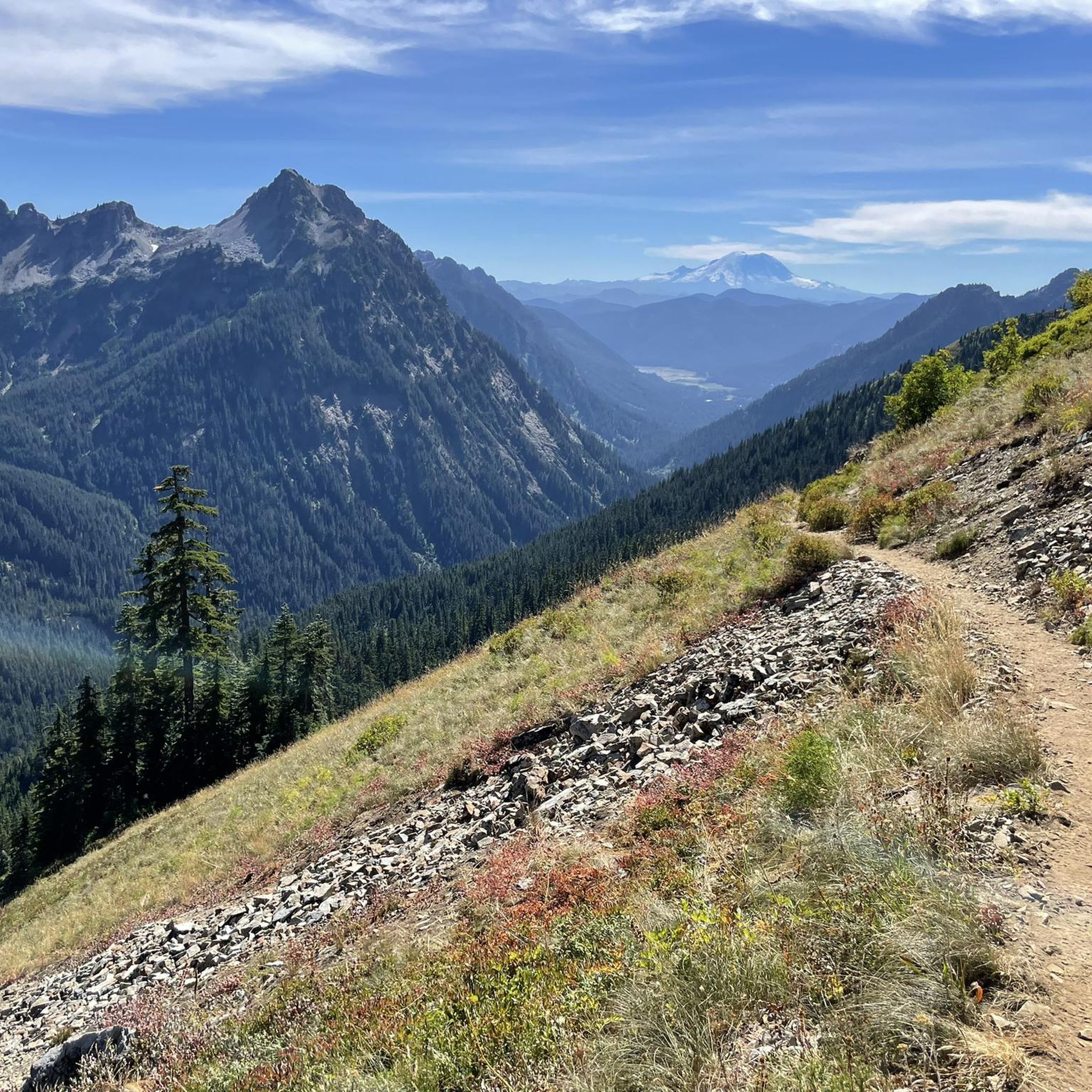
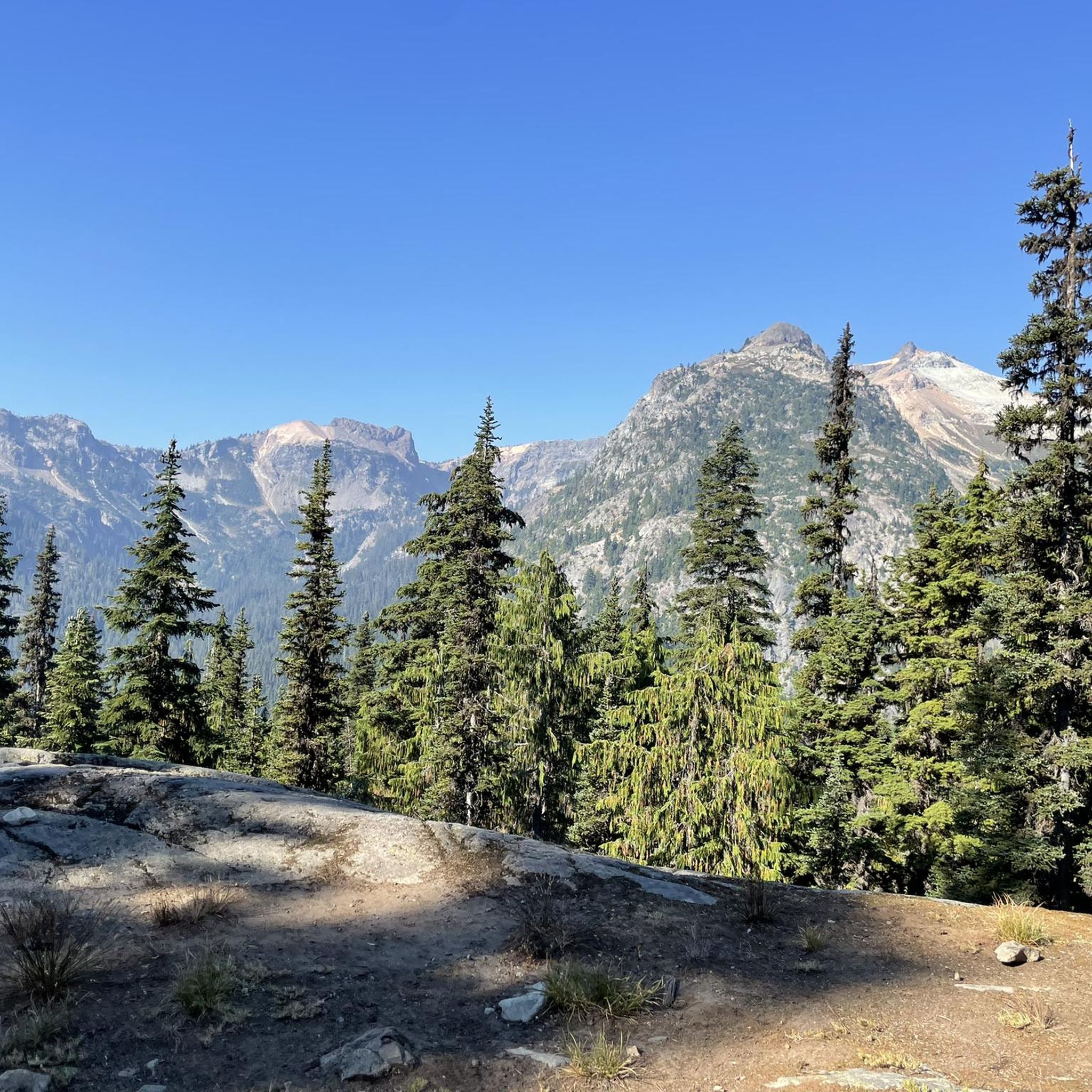
Jogging in Alpine Lakes Wilderness offers a diverse landscape for runners, characterized by rugged mountain terrain, numerous alpine lakes, and dense forests. The region features significant elevation changes, with many trails ascending to high mountain passes and peaks. Runners can expect a mix of challenging climbs and scenic descents through varied ecosystems.
Best jogging routes in Alpine Lakes Wilderness
- The most popular jogging route is Wright Mountain via Snow Lake Trail, a 11.4 miles (18.4 km) trail that takes 2 hours 48 minutes to complete. This challenging route features significant elevation gain and views of Snow Lake.
- Another top favourite among local runners is Kendall Katwalk – PCT to Kendall Peak loop from Snoqualmie Pass, a difficult 12.3 miles (19.8 km) path. This running route offers expansive mountain vistas and traverses a section of the Pacific Crest Trail.
- Local runners also love the Lower Tuscohatchie Lake – Pratt Lake loop from Denny Lake, a 19.7 miles (31.7 km) trail leading through multiple alpine lakes and forested areas, often completed in about 4 hours 51 minutes.
- Jogging in Alpine Lakes Wilderness is defined by high mountain passes, pristine alpine lakes, and extensive forest trails. The network offers options for different ability levels, from moderate paths to challenging long distance running routes.
- The routes in Alpine Lakes Wilderness are highly rated by the komoot community with an average score of 5.0 stars from 2 reviews. More than 800 runners have used komoot to explore Alpine Lakes Wilderness's varied terrain.
Last updated: May 28, 2026
23
runners
18.4km
02:48
880m
880m
Hard run. Very good fitness required. Sure-footedness, sturdy shoes and alpine experience required.
33
runners
8.09km
01:10
370m
370m
Hard run. Very good fitness required. Mostly paved surfaces. Suitable for all skill levels.

Sign up for free
7
runners
19.1km
02:15
320m
320m
Hard run. Very good fitness required. Mostly paved surfaces. Suitable for all skill levels.
5
runners
23.7km
03:12
1,220m
1,220m
Hard run. Very good fitness required. Mostly paved surfaces. Suitable for all skill levels.
13
runners
6.70km
00:58
270m
270m
Moderate run. Good fitness required. Mostly paved surfaces. Suitable for all skill levels.
Get access to more routes and recommendations from other explorers.
Sign up for free
Already have an account?
Our route recommendations are based on thousands of hikes, rides, and runs completed by other people on komoot.
Start today with a free account
Your next adventure awaits.
Login or Signup

Tips from the Community

Do not take the loop shown here. There is no trail. I would follow the sign to Snowlake. Another tip, I highly recommend against this hike due to the size of the massive crowds. There was a line of people to go up.
0
0

This pond is the source of the Snoqualmie River. Its a beautiful setting to take a break and enjoy the wonderful view.
0
0
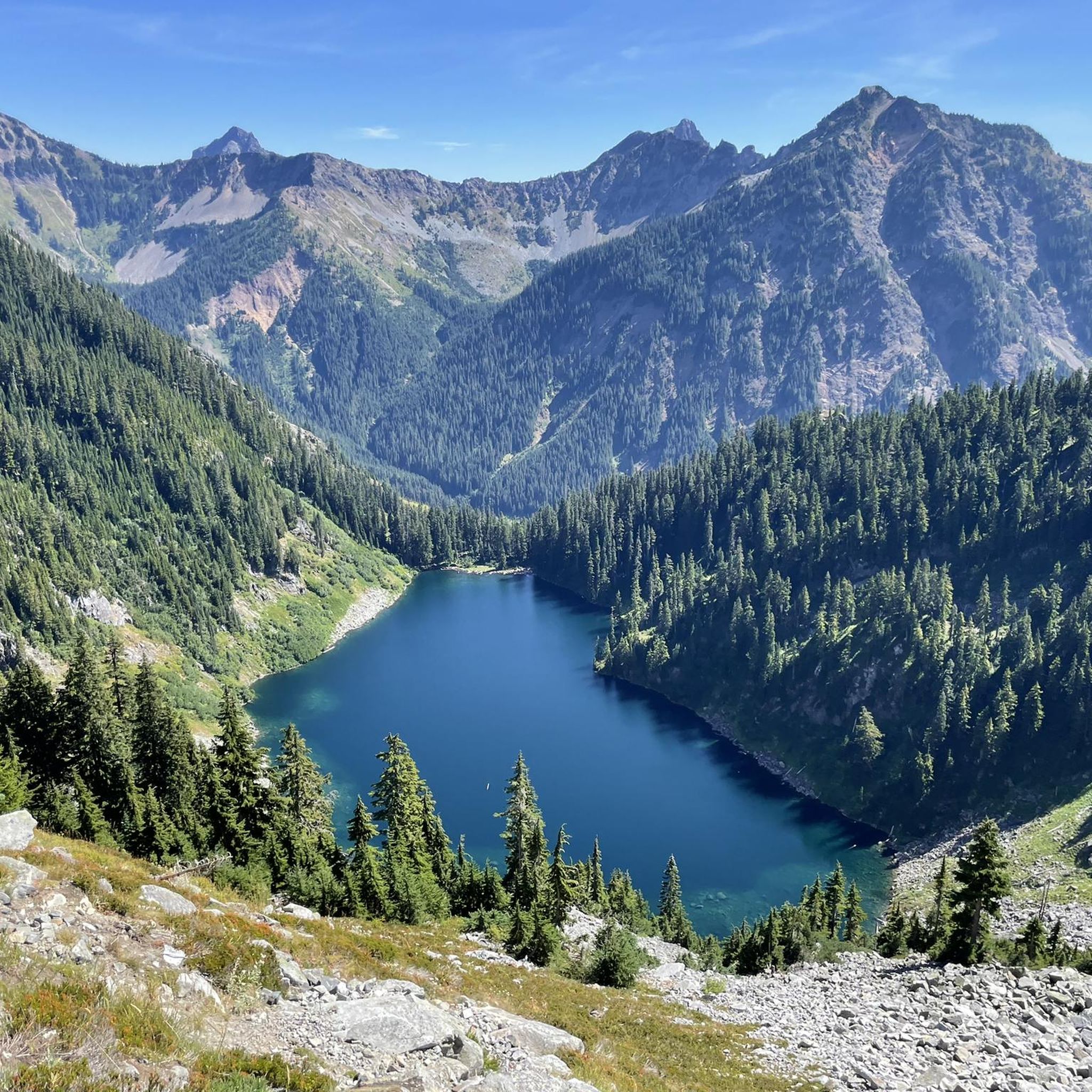
Great view point of the blue waters and peaks around Snow lake.
0
0

Middle Fork Trail meanders on the south side of the Snoqualmie River. Most riders will find the middle part of the trail between the hot springs and the Dingford trailhead most challenging. The closer you get to the finish, the less technical the trail gets. Middle Fork Trail is open for mountainbikers only on odd-numbered calendar days between June 1st and October 31st. Before you go: Doublecheck if the trail was re-opened (after a landslide): https://www.fs.usda.gov/recarea/mbs/recarea/?recid=18006
0
0
Definitely a very busy lake in the summer/fall (I haven't visited in the winter/spring), so getting to the trailhead early is good to avoid the crowds. Also, arriving later in the afternoon works pretty well; just be sure to plan for when darkness sets in.
1
0

When snow is on the ground, the trail is difficult/impossible to locate. Bring GPS and Sun protection for hiking in the winter/spring. Also come early to avoid crowds.
0
0

On a summer day Snow Lake is a zoo. Get there early if you want to avoid the crowds.
0
0
Frequently Asked Questions
How many running routes are available in Alpine Lakes Wilderness?
The Alpine Lakes Wilderness offers a wide selection of running routes, with over 50 trails documented on komoot. These range from moderate paths to very challenging long-distance runs, catering to various fitness levels.
Are there any easy running trails suitable for beginners in Alpine Lakes Wilderness?
While many routes in the Alpine Lakes Wilderness are challenging due to significant elevation changes, there are a few easier options available. For instance, komoot lists at least two routes categorized as easy, perfect for those new to trail running or looking for a less strenuous experience.
Where can I find challenging or long-distance running routes in the area?
The Alpine Lakes Wilderness is renowned for its demanding terrain. You'll find numerous challenging routes, including the Lower Tuscohatchie Lake – Pratt Lake loop from Denny Lake, which spans nearly 20 miles. Another excellent option for experienced runners is the Mason Lake – Island Lake loop from Putrid Pete's Peak, offering a substantial workout with rewarding views.
Are there any circular running routes in the Alpine Lakes Wilderness?
Yes, several routes in the Alpine Lakes Wilderness are designed as loops, allowing you to start and finish at the same point. A notable example is the Snow Lake Lookout loop from Guye Peak North, which provides a scenic circular journey.
Can I bring my dog on the running trails in Alpine Lakes Wilderness?
Yes, dogs are generally allowed on trails within the Alpine Lakes Wilderness, but they must be kept on a leash at all times. Always practice Leave No Trace principles, including packing out all pet waste, to preserve the pristine environment.
Do I need a permit to run in the Alpine Lakes Wilderness?
For day use, permits are generally not required for most trails in the Alpine Lakes Wilderness. However, specific areas or trailheads, especially those within the Enchantments permit area, may have quotas or require permits, particularly for overnight stays. Always check the latest regulations with the U.S. Forest Service before your trip.
What is the best season for running in the Alpine Lakes Wilderness?
The best season for running in the Alpine Lakes Wilderness is typically from late June through early October. During this period, most of the snow has melted from higher elevations, and the weather is generally more stable. Early spring and late fall can bring unpredictable snow, ice, and colder temperatures, making many trails inaccessible or hazardous.
What kind of natural attractions or landmarks can I see along the running routes?
The Alpine Lakes Wilderness is rich in natural beauty. Along your runs, you can encounter stunning alpine lakes, dense forests, and panoramic mountain vistas. Many routes also pass by significant geological features. For example, you might traverse near prominent mountain passes like Aasgard Pass or enjoy views of majestic peaks such as Granite Mountain Lookout.
Are there any less crowded running trails in the Alpine Lakes Wilderness?
To find less crowded trails, consider visiting during weekdays, early mornings, or late afternoons. Exploring routes that are slightly longer or have higher elevation gain can also lead to fewer people. While specific 'less crowded' routes aren't always guaranteed, venturing beyond the most popular trailheads often yields a more solitary experience.
What do other runners enjoy most about jogging in Alpine Lakes Wilderness?
The komoot community highly rates the running experience in Alpine Lakes Wilderness, with an average score of 5.0 stars. Runners frequently praise the region's breathtaking alpine scenery, the challenge of its mountain terrain, and the sense of wilderness immersion. The diverse ecosystems and pristine lakes are often highlighted as major draws.
Are there any family-friendly running trails in the Alpine Lakes Wilderness?
While many trails in the Alpine Lakes Wilderness are quite strenuous, some shorter, less steep sections might be suitable for families with older children who are accustomed to hiking. Always check the route's distance, elevation gain, and difficulty rating before heading out with family to ensure it matches everyone's ability.
What should I wear or bring for running in the Alpine Lakes Wilderness?
Given the variable mountain weather, it's crucial to be prepared. Wear moisture-wicking layers, bring a waterproof and windproof jacket, and sturdy trail running shoes with good grip. Always carry enough water, snacks, a map or GPS device, a first-aid kit, and sun protection. Even in summer, temperatures can drop quickly at higher elevations.
Is parking available at the trailheads for running routes?
Parking is generally available at most major trailheads in the Alpine Lakes Wilderness. However, popular trailheads can fill up quickly, especially on weekends during peak season. Arriving early is recommended. Some trailheads may require a Northwest Forest Pass or America the Beautiful Pass, so check specific requirements beforehand.
Most popular routes in Alpine Lakes Wilderness
Most popular attractions in Alpine Lakes Wilderness

Get inspired with the komoot mobile app


Explore more
Browse the best Running Trails & Routes in other regions.
