Attractions and Places To See in Saddle Mountain Wilderness - Top 5
Best attractions and places to see in Saddle Mountain Wilderness include diverse natural features and significant cultural sites. This region, primarily located on the eastern edge of the Kaibab Plateau, offers elevations ranging from 6,000 to over 8,000 feet. Visitors can explore dramatic canyon walls, volcanic geology, and unique ecological zones. The area also holds historical importance with remnants of ancient Sinagua people and prehistoric rock carvings.
Best attractions and places to see in Saddle Mountain Wilderness
- The most popular…
Last updated: August 9, 2026
East Rim Viewpoint
Highlight • Viewpoint
Tip by

East Rim Viewpoint, Kaibab National Forest
Highlight • Viewpoint
Tip by

Sign up now to discover places like this
Get recommendations on the best single tracks, peaks, & plenty of other exciting outdoor places.
Sign up for free
Arizona Trail Overlook
Highlight • Viewpoint
Tip by
Start today with a free account
Your next adventure awaits.
Login or Signup
Popular around Saddle Mountain Wilderness
Tips from the Community

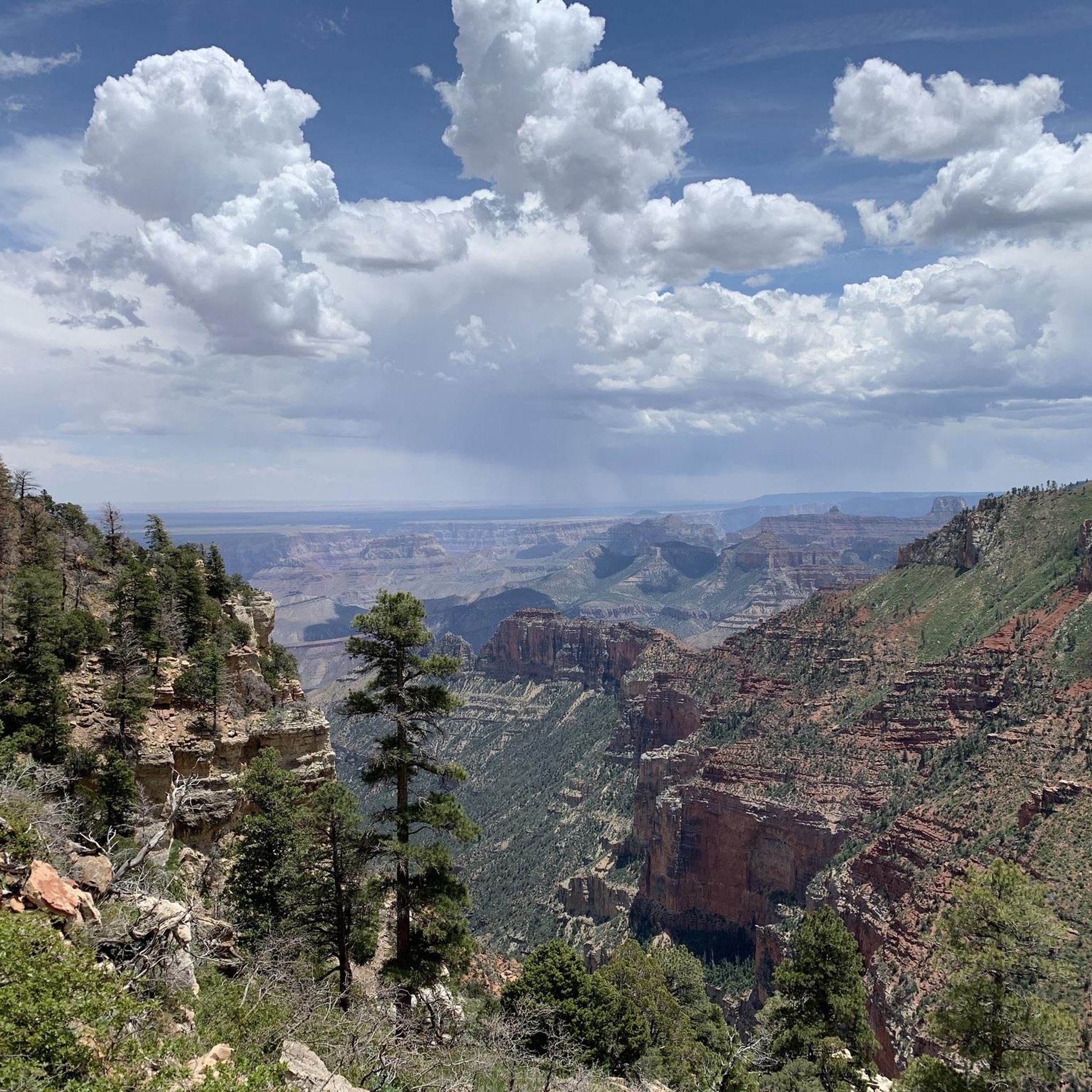
The massive scale of the Kaibab Plateau becomes clear from this viewpoint, which provides views across the Saddle Creek Wilderness and further east where arid, desert landscape stretches toward the Colorado River.
0
0
The massive scale of the Kaibab Plateau becomes clear from this viewpoint, which provides views across the Saddle Creek Wilderness and further east where arid, desert landscape stretches toward the Colorado River.
0
0
This point along the Arizona Trail features rolling and seasonally lush plateau to the west and wooded and geologically dynamic views of the rim of Saddle Creek Wilderness to the north.
0
0

The East Rim Viewpoint sits at the junction of the long-distance Arizona Trail and the East Rim Trail with some beautiful views far away from the crowds. You can continue along the connecting North Canyon Trail to enjoy the panoramic views a little longer.
1
0
Frequently Asked Questions
What are the prominent natural features to explore in Saddle Mountain Wilderness?
The Saddle Mountain Wilderness is defined by its rugged natural beauty. You can explore the eastern edge of the Kaibab Plateau, which features elevations from 6,000 to over 8,000 feet. Key natural landmarks include the namesake Saddle Mountain Peak, the dramatic Nankoweap Rim, and views of Marble Canyon. The area also boasts striking geological formations like the Vermilion Cliffs and Cocks Comb Ridge, along with North and South Canyons, which feature perennial streams.
Where can I find the best panoramic views in Saddle Mountain Wilderness?
For breathtaking panoramic views, consider visiting the East Rim Viewpoint, located at the junction of the Arizona Trail and East Rim Trail. This spot offers expansive views of the Kaibab Plateau and the Saddle Creek Wilderness. Another excellent option is the Arizona Trail Overlook, which provides vistas of rolling plateau landscapes to the west and the geologically dynamic rim of Saddle Creek Wilderness to the north.
Are there any historical or cultural sites within Saddle Mountain Wilderness?
Yes, the Saddle Mountain Wilderness holds significant historical importance. Throughout many parts of the wilderness, visitors may encounter ruins built and abandoned by the ancient Sinagua people over 900 years ago, offering a glimpse into the region's past.
What kind of wildlife can I expect to see in Saddle Mountain Wilderness?
The diverse vegetation and varied terrain of Saddle Mountain Wilderness support abundant wildlife. You might spot mule deer, pronghorn antelope, wild turkeys, and grouse. The House Rock Valley, visible from the Saddle Mountain Trail, is also known for a herd of buffalo that can occasionally be observed. Be aware that rattlesnakes are also present in the area.
What are the best hiking trails near the attractions in Saddle Mountain Wilderness?
The Saddle Mountain Wilderness offers several rewarding hiking opportunities. You can explore trails like the Nankoweap Trail, which is considered easy, or opt for moderate routes such as the North Canyon and East Rim Trail Loop, and the Point Imperial Trail. The Arizona Trail also passes through the area, offering accessible sections. For more details on these and other routes, visit our guide to Hiking in Saddle Mountain Wilderness.
Are there family-friendly hiking options in Saddle Mountain Wilderness?
While many trails in the wilderness can be rugged, some sections of the Arizona Trail are generally considered easier and might be suitable for families. For specific family-friendly recommendations, it's best to consult detailed trail descriptions and difficulty ratings within our Hiking in Saddle Mountain Wilderness guide to ensure they match your family's experience level.
What is the best time of year to visit Saddle Mountain Wilderness?
Given the elevations ranging from 6,000 to over 8,000 feet, the best time to visit Saddle Mountain Wilderness is typically during the spring, summer, and fall months. Summers offer pleasant temperatures at higher elevations, while spring and fall provide comfortable weather for hiking and exploring before winter snows arrive. Always check current weather conditions before your visit.
What are the typical trail difficulties in Saddle Mountain Wilderness?
Trails in Saddle Mountain Wilderness vary in difficulty. For instance, the Nankoweap Trail is rated as easy. However, routes like the North Canyon and East Rim Trail Loop and the Point Imperial Trail are considered moderate, often involving significant elevation changes and longer distances. Always be prepared for varied terrain and conditions.
Can I go horseback riding in Saddle Mountain Wilderness?
Yes, horseback riding is permitted in certain areas around the Saddle Mountain Wilderness. Trails off Forest Road 461, south of Jacob Lake, allow for horseback riding through beautiful spruce and pine forests, offering another way to experience the natural landscape.
What do visitors appreciate most about the viewpoints in Saddle Mountain Wilderness?
Visitors particularly enjoy the sense of scale and the solitude offered by viewpoints like the East Rim Viewpoint. They appreciate the opportunity to see the vastness of the Kaibab Plateau and the dramatic geological formations stretching towards the Colorado River, often away from crowds.
Are there any specific geological formations worth seeing in Saddle Mountain Wilderness?
Beyond the general volcanic geology, the Saddle Mountain Wilderness offers unique formations such as the Cocks Comb Ridge, an unusual, narrow, and sharp ridge resembling a rooster's comb. The colorful canyon walls and formations visible from Saddle Mountain Peak also showcase the area's dramatic geological history.
Most popular routes in Saddle Mountain Wilderness

Get inspired with the komoot mobile app


Explore more
Still not found the Highlight you’re looking for? See guides of the top attractions in other regions:
