The best running trails in Four Peaks Wilderness
16
runners
9
runs
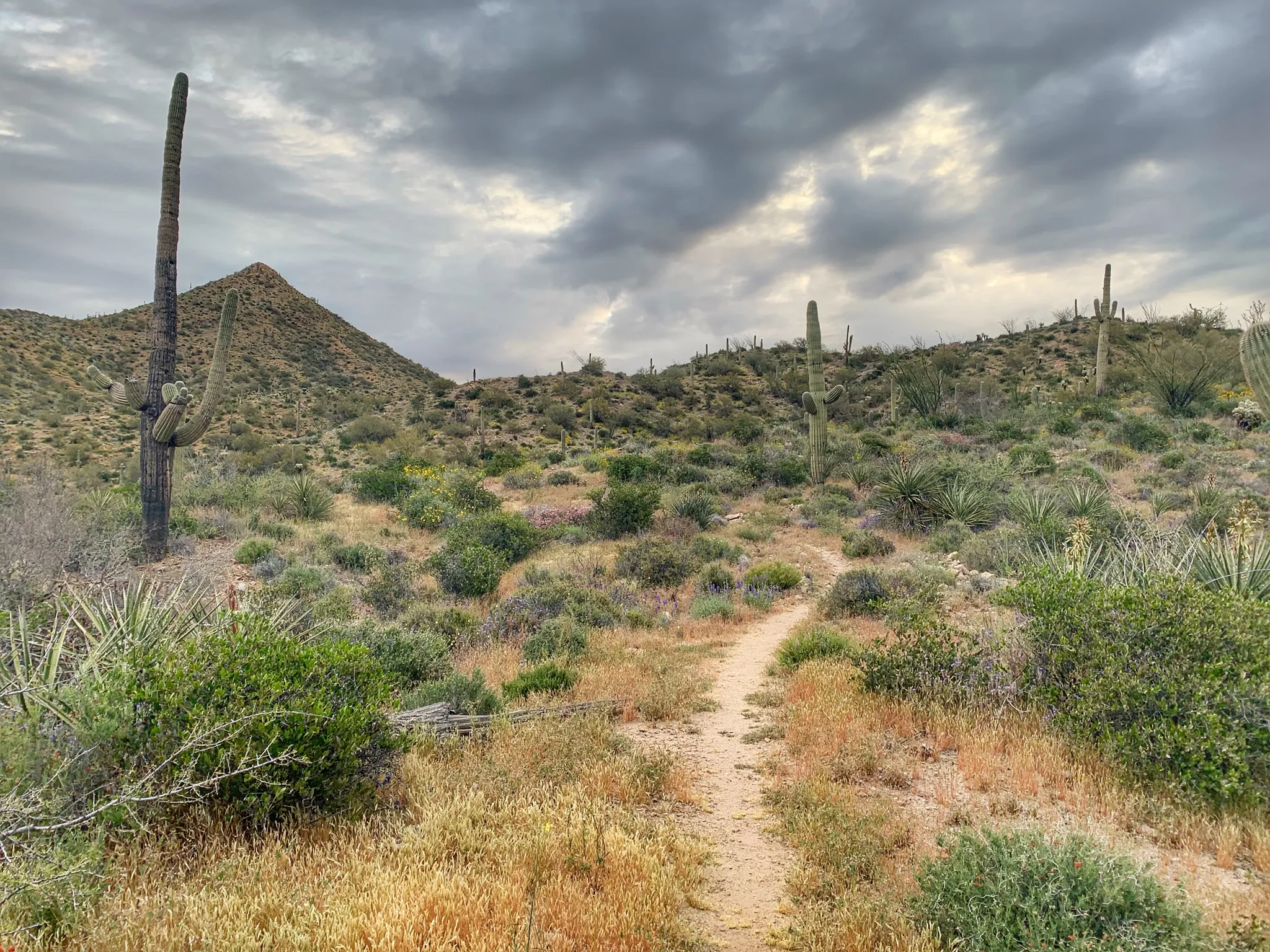
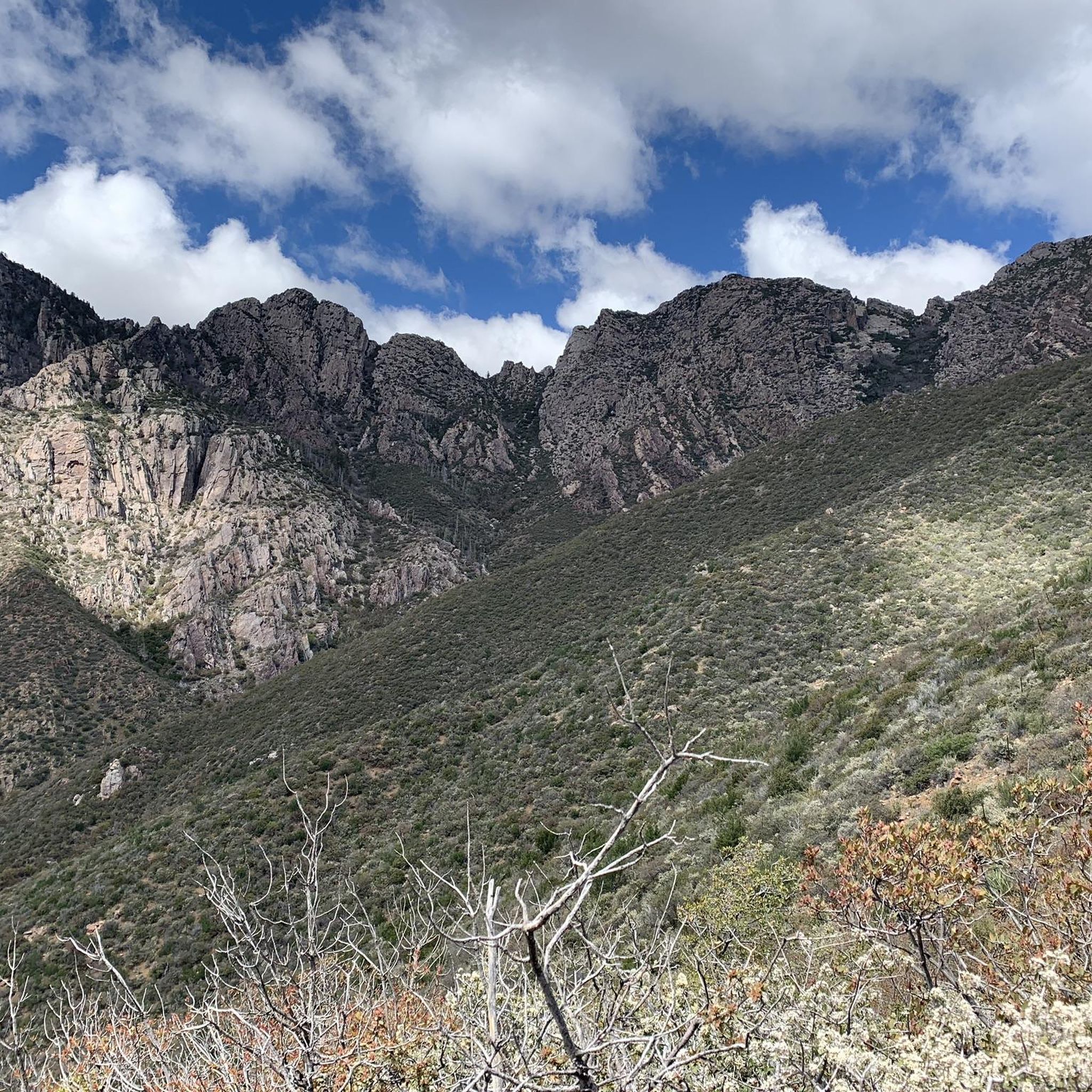
Jogging in Four Peaks Wilderness offers a diverse landscape characterized by significant elevation changes and varied ecosystems. The region features a major mountain with four distinct peaks, ranging from Sonoran Desert flora at lower elevations to Ponderosa pines and Douglas firs at higher altitudes. Joggers can experience transitions from desert grasslands to dense thickets and canyons with seasonal water flows, providing a dynamic environment for running.
Best jogging routes in Four Peaks Wilderness
- The most popular jogging route is Brown's Peak Trail, a 4.9 miles (7.9 km) trail that takes 1 hour 32 minutes to complete. This difficult route leads to the summit of Brown's Peak, offering panoramic views.
- Another top favourite among local runners is Battleship Mountain and Boulder Canyon Trail Loop, a difficult 11.8 miles (19.0 km) path. This route features significant elevation changes and stunning desert canyon views.
- Local runners also love the Boulder Canyon Trail #103, a 1.7 miles (2.7 km) trail leading through desert canyons, often completed in about 23 minutes.
- Jogging in Four Peaks Wilderness is defined by dramatic elevation changes, diverse ecosystems, and panoramic vistas. The extensive trail network offers options for different ability levels, from moderate paths to challenging ascents.
- The guide includes highly-rated routes that showcase the best of the region's landscape. More than 30 runners have used komoot to explore Four Peaks Wilderness's varied terrain.
Last updated: August 3, 2026
2
runners
7.92km
01:33
550m
550m
Hard run. Very good fitness required. Sure-footedness, sturdy shoes and alpine experience required.
3
runners
19.0km
02:38
630m
630m
Hard run. Very good fitness required. Mostly paved surfaces. Suitable for all skill levels.

Sign up for free
2.73km
00:23
120m
120m
Moderate run. Good fitness required. Mostly paved surfaces. Suitable for all skill levels.
40.8km
06:36
2,180m
2,180m
Hard run. Very good fitness required. Sure-footedness, sturdy shoes and alpine experience required.
6
runners
8.09km
01:02
180m
180m
Moderate run. Good fitness required. Mostly paved surfaces. Suitable for all skill levels.
Get access to more routes and recommendations from other explorers.
Sign up for free
Already have an account?
Our route recommendations are based on thousands of hikes, rides, and runs completed by other people on komoot.
Start today with a free account
Your next adventure awaits.
Login or Signup
Popular around Four Peaks Wilderness
Other adventures in Four Peaks Wilderness

Tips from the Community

The top of Browns Peak reaches up to 7,657 feet and is the tallest of the Four Peaks. It is also the northernmost peak in the Four Peaks grouping and the only summit with an actual trail that goes to the top. The hiking near the summit can be rocky and tough, but a lot of the approach trails are well-kept and great mountain trails.
0
0

From this point on the trail you have the best view of the four peaks that give the Four Peaks Wilderness its name. There are a few, but not too many places to rest as the trail is pretty narrow.
1
0
The entirety of the Butcher Jones Trail features overlooks of the Salt River and Saguaro Lake, but the best views are at the very end of the trail. This is a super popular trail that requires a fee to park at; you can easily pay the fee at the park or before getting there. Keep in mind that you'll see fewer people as you get further from the parking area.
0
0
If you are low on water and have a filter with you, you can try to grab some water from the stream at the La Barge Pool. Water sources are often seasonal in the Superstition Wilderness, so plan ahead with your water and hydration. The ranger station usually has information on water sources.
0
0
Boulder Canyon Trail is a super popular trail in the Superstition Wilderness. It connects to a bunch of the other wilderness trails in the area and offers access to Battleship Mountain. There are a couple small spur trails that lead to official overlooks on the trail, and once you run past the first overlook, you'll notice far fewer people on the trail.
0
0
The top of Battleship Mountain can be a little dicey and isn't for everyone. There are great views from the top, but you need to be comfortable with class 3 scrambling to be able to climb your way to the actual summit. A lot of people make the climb to the top, but there is also a really popular trail that just circumnavigates the base of this peak.
0
0
The top of Browns Peak reaches up to 7,657 feet and is the tallest of the Four Peaks. It is also the northernmost peak in the Four Peaks grouping and the only summit with an actual trail that goes to the top. The running near the summit can be rocky and tough, but a lot of the approach trails are well-kept and great mountain running trails.
0
0
There are a couple spots along this section of the Arizona Trail from which you can see the Four Peaks, which is what the Wilderness Area is named after. There are a lot of backcountry campsites on this section of the Arizona Trail, but it's also a pretty remote section so you likely won't see that many people.
0
1
Frequently Asked Questions
What kind of terrain can I expect when running in Four Peaks Wilderness?
The Four Peaks Wilderness offers a highly diverse running experience, characterized by significant elevation changes. You'll encounter transitions from Sonoran Desert flora like saguaros and cholla in lower grasslands to dense thickets of piñon and oak, and even Ponderosa pines at higher altitudes. Canyons with seasonal water flows, shaded by sycamores and cottonwoods, also add to the scenic variety. Some trails are well-kept, while others can be rustic and less maintained, with rocky sections, especially near summits.
Are there any easy running routes for beginners in Four Peaks Wilderness?
While many routes in Four Peaks Wilderness are challenging due to elevation changes, there are options for less strenuous runs. For example, the Boulder Canyon Trail #103 is a moderate 1.7-mile path that offers stunning desert canyon views and can be completed in about 23 minutes. The region also has a 40-mile trail network, with some sections noted for being well-maintained and easier for jogging.
What are some notable natural features or viewpoints I can see while jogging?
The Four Peaks Wilderness is rich in natural beauty and offers breathtaking panoramic views. From higher points, you can often see a quarter of Arizona, including Mount Humphreys on a clear day. The Four Peaks themselves provide an inspiring backdrop, and views of Roosevelt Lake are available from sections of the Four Peaks Trail. Specific viewpoints include View of the Four Peaks and the expansive vista from View from Browns Peak.
What is the best time of year to go running in Four Peaks Wilderness?
The best time to visit depends on your preference for weather. In winter, the Four Peaks offer a view of snow-covered peaks, providing cooler temperatures at higher elevations. Summer brings the 'desert monsoon season' (July and August) with lightning storms and potential flash floods, making it less ideal for running. Spring and fall generally offer more moderate temperatures, making them excellent seasons for exploring the trails.
Are there any dog-friendly running trails in the area?
The Tonto National Forest, which encompasses the Four Peaks Wilderness, generally allows dogs on trails, provided they are kept on a leash. It's always recommended to check specific trail regulations before heading out. Be mindful of wildlife, especially rattlesnakes and scorpions, and ensure your dog has plenty of water, especially during warmer months.
What kind of wildlife might I encounter on the trails?
The wilderness is home to diverse wildlife, including one of Arizona's densest black bear populations, ring-tailed cats, skunks, coyotes, deer, javelinas, and mountain lions. While these encounters are rare, joggers should be aware of their presence. More commonly, you might spot rattlesnakes, scorpions, and black widow spiders, so always stay vigilant and watch your step.
How long are the running trails in Four Peaks Wilderness?
The Four Peaks Wilderness boasts an extensive 40-mile trail network, offering a wide range of distances. Routes vary from shorter paths like the Boulder Canyon Trail #103 at 1.7 miles, to longer, more challenging runs such as the Browns Peak via Four Peaks Trail #130, which spans over 25 miles.
What are the parking and access options for trailheads in Four Peaks Wilderness?
Access to some trailheads, particularly for routes like the Four Peaks Trail #130, may require a high-clearance 4x4 vehicle due to rough and rutted dirt roads. It's advisable to research specific trailhead access and road conditions before planning your run. Parking is typically available at designated trailheads within the wilderness area.
Are there any loop trails suitable for running in Four Peaks Wilderness?
Yes, there are loop options available for runners. A notable loop is the Battleship Mountain and Boulder Canyon Trail Loop, a difficult 11.8-mile path that features significant elevation changes and stunning desert canyon views. Another option is the Boulder Creek Bridge – Views over Canyon Lake loop from Lizard Island, which is a moderate 5.1-mile route.
What should I know about water sources when running in the wilderness?
Water sources in the Four Peaks Wilderness are often seasonal, meaning they may not be reliable year-round. It is crucial to plan ahead and carry sufficient water for your entire run, especially during warmer months. Dehydration can be a serious risk in this desert environment.
What do other runners say about the trails in Four Peaks Wilderness?
The komoot community frequently praises the Four Peaks Wilderness for its dramatic scenery and challenging terrain. Runners often highlight the rewarding panoramic views from the summits and the unique experience of transitioning through diverse ecosystems. Over 30 runners have used komoot to explore the varied terrain, appreciating the sense of adventure and natural beauty.
Are there any specific permits required for running in Four Peaks Wilderness?
Generally, permits are not required for day-use activities like running in the Four Peaks Wilderness. However, it's always a good practice to check with the Tonto National Forest service for any current regulations or specific area restrictions, especially if you plan an overnight trip or visit during peak seasons.
Most popular routes in Four Peaks Wilderness
Most popular attractions in Four Peaks Wilderness

Get inspired with the komoot mobile app


Explore more
Browse the best Running Trails & Routes in other regions.
