The best walks and hikes in Eagles Nest Wilderness
4.7
(115)
3,488
hikers
252
hikes
Hiking trails in Eagles Nest Wilderness traverse a rugged and diverse landscape within Colorado's Gore Range. The area is characterized by jagged peaks, deep valleys, and numerous alpine lakes fed by snowmelt. Trails wind through varied ecosystems, including pine forests, aspen groves, and open meadows, offering a range of elevations and high alpine terrain.
Best hiking trails in Eagles Nest Wilderness
- The most popular hiking route is Lily Pad Lake Trail, a 3.4 miles (5.5 km) trail that takes about 1 hour 30 minutes to complete. This easy route leads through pine forests to a lily pad-covered lake beneath Buffalo Mountain.
- Another top favourite among local hikers is North Tenmile Trail — Eagles Nest Wilderness, a moderate 6.6 miles (10.6 km) path. This trail features creek crossings, waterfalls, and wildflower meadows.
- Local hikers also love the Willow Creek Falls via South Willow Creek Trail — Eagles Nest Wilderness, a 6.3 miles (10.1 km) trail leading through diverse forests and meadows, often completed in about 3 hours.
- Hiking in Eagles Nest Wilderness is defined by jagged peaks, alpine lakes, and diverse forests. The extensive network of routes offers options for various ability levels, from easy family-friendly walks to challenging multi-day treks.
- The routes in Eagles Nest Wilderness are highly rated by the komoot community with an average score of 4.7 stars from over 70 reviews. More than 2,500 hikers have used komoot to explore Eagles Nest Wilderness's varied terrain.
Last updated: September 26, 2026
11
hikers
8.11km
02:49
710m
20m
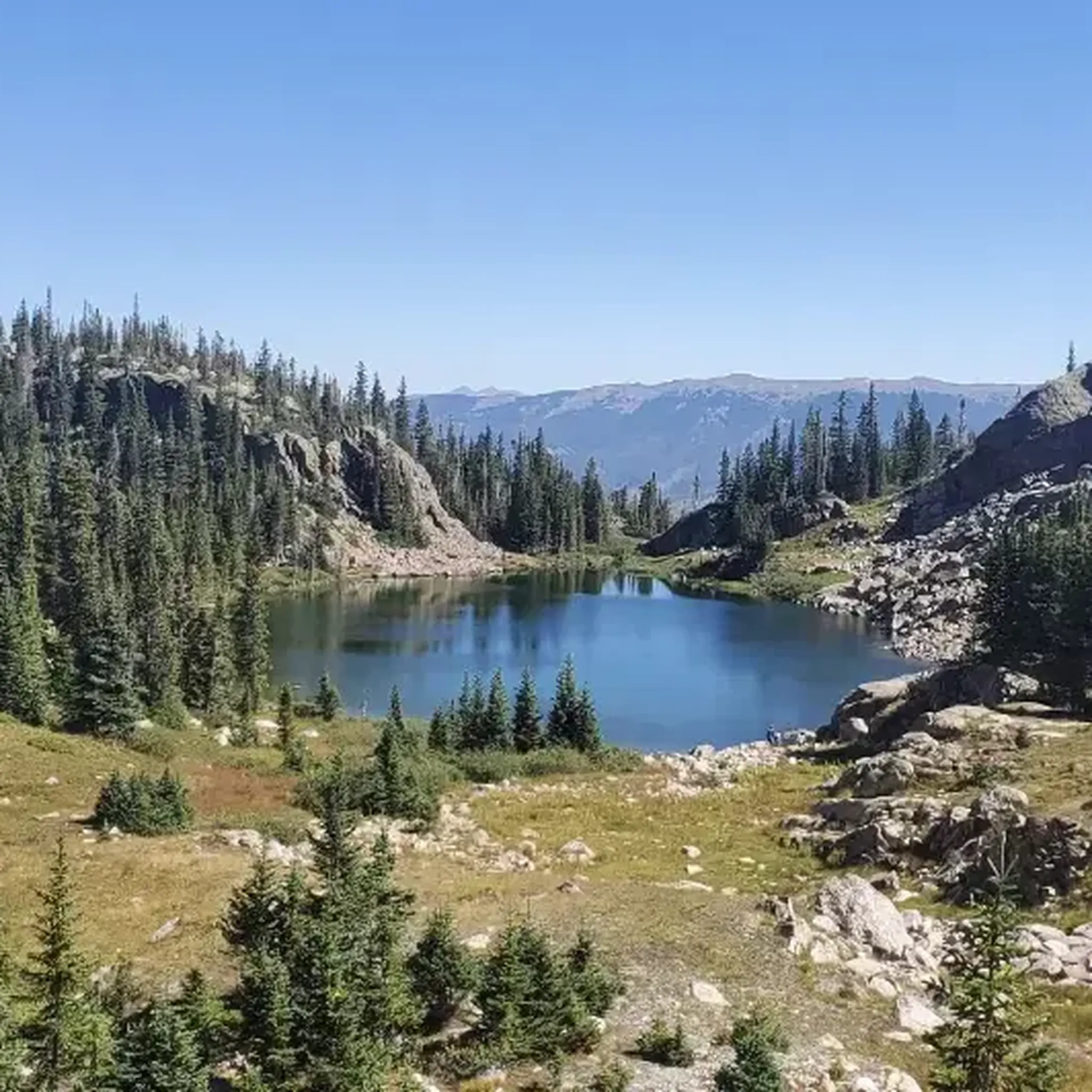
The Salmon Lake via Gore Range Trail offers a moderate hiking experience through a dense forest, occasionally opening up to reveal eastern views of the Continental Divide and the rugged Gore Range. This route covers 5.0 miles (8.1 km) with a significant elevation gain of 2320 feet (707 metres), typically taking around 2 hours and 49 minutes to complete. Your journey culminates at the high alpine Salmon Lake, where you can enjoy expansive views of the drainage you ascended and the prominent East Thorn.
When planning your visit, be aware that this trail involves a steady, often steep climb. You might encounter snow cover well into July, so snowshoes could be advisable depending on the season. Expect potentially muddy sections, especially near stream crossings, and be prepared for downed trees along the path. As the trail is within the Eagles Nest Wilderness, motor vehicles and mountain bikes are not permitted.
This trail is a rewarding way to explore the Eagles Nest Wilderness, known for its pristine natural environment. Keep an eye out for diverse wildflowers and local wildlife as you make your way through the varied terrain. The consistent beauty of the scenery makes this a notable hike in the region, providing a true wilderness experience away from motorized traffic.
10
hikers
10.8km
03:17
600m
30m
Embark on the Janet's Cabin via Guller Creek Trail, a moderate hike spanning 6.7 miles (10.8 km) with an elevation gain of 1983 feet (604 metres). This route typically takes about 3 hours and 17 minutes to complete. You will follow the beautiful Guller Creek drainage, moving through dense forests before the landscape opens up into the Guller Creek Valley above the treeline. High-country views await, especially where the path joins the Colorado Trail, leading you towards the iconic Janet's Cabin, a backcountry hut known for its vistas of the Gore Range.
To begin your journey, you will often start from the Copper Mountain Ski Area. Be prepared for varied conditions; the descent into the Guller Creek drainage can be steep, and winter months may bring icy and challenging sections. Remember that there is no snowmobile or summer vehicle access directly to Janet's Cabin, so plan for a true backcountry experience.
This trail offers a rewarding journey into the White River National Forest, leading to a popular backcountry hut. The route's progression from dense forest to open alpine valley provides a diverse hiking experience. Keep an eye out for wildflowers if you visit in late spring or summer, adding to the natural beauty of this high-altitude trek.

5.0
(1)
9
hikers
3.17km
01:18
410m
0m
Embark on a moderate hike to Booth Falls, a rewarding journey covering 2.0 miles (3.2 km) with a significant elevation gain of 1356 feet (413 metres). You can expect to complete this route in about 1 hour and 17 minutes. As you ascend, the trail winds through shaded forests of aspen and pine, accompanied by the constant sound of Booth Creek. The path becomes rockier as you climb, eventually opening up to impressive views of the Vail Valley and the majestic Gore Range. The highlight of your effort is the beautiful 60-foot Booth Falls, a powerful cascade nestled within the Eagles Nest Wilderness.
Planning your visit to Booth Falls requires a bit of foresight, especially regarding parking. The trailhead parking is quite limited, so you will often need to use the free shuttle service available from Vail's main parking structures. The best time to hike this trail is typically from June through October, when conditions are most favorable for exploring. Always remember to check local conditions before you head out, as mountain weather can change quickly.
This trail offers a classic Colorado mountain experience, leading you into the Eagles Nest Wilderness, a protected area known for its rugged beauty. The constant presence of Booth Creek adds a serene soundtrack to your ascent, enhancing the natural atmosphere. It's a popular choice for those looking for a substantial workout with a scenic payoff, making it a notable destination in the Vail area for a half-day adventure.
7
hikers
10.0km
03:14
710m
50m
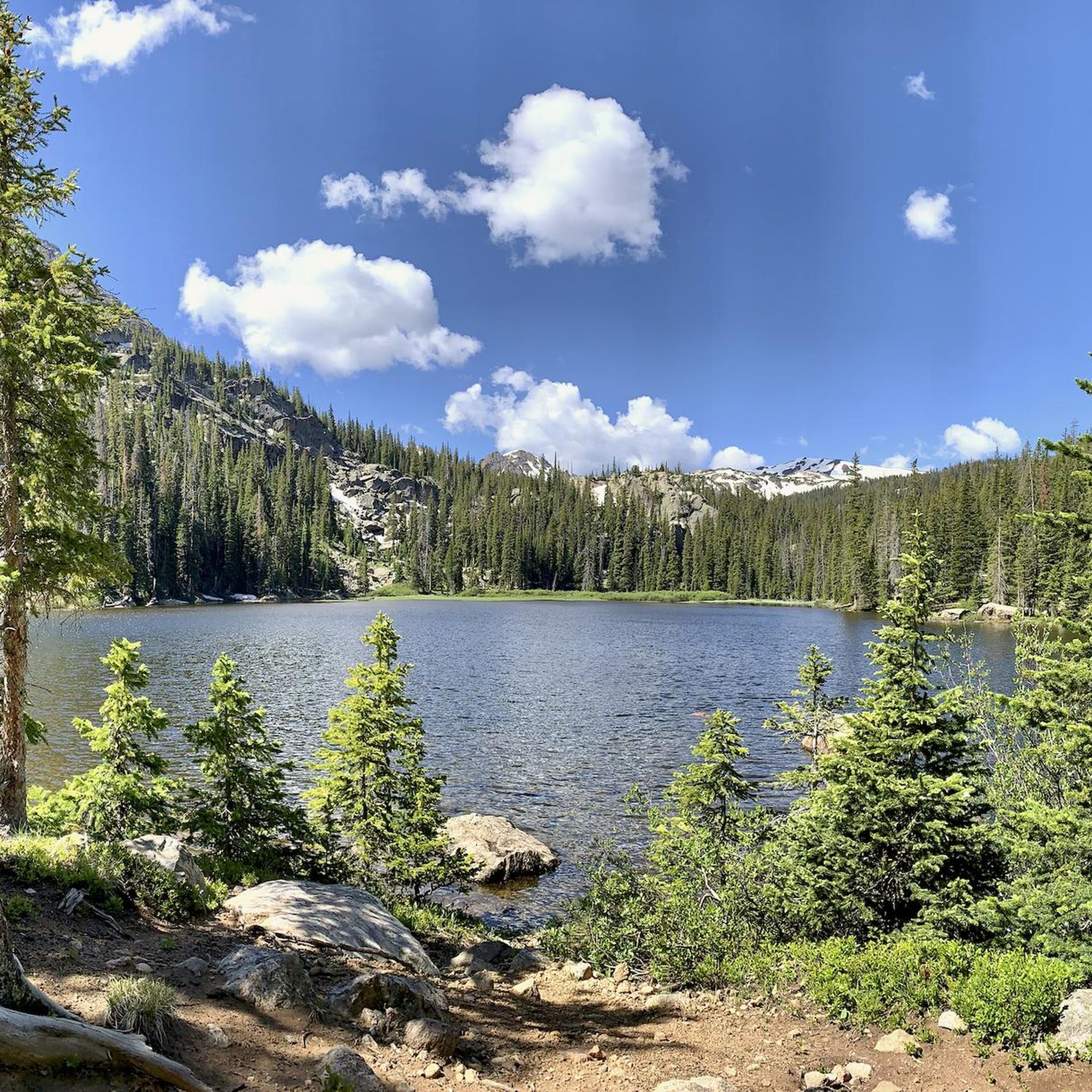
Embark on the Upper Cataract Lake Trail, a moderate hike spanning 6.2 miles (10.0 km) with a significant elevation gain of 2319 feet (707 metres). This route typically takes around 3 hours and 13 minutes to complete. As you ascend, you will journey through beautiful aspen groves, transitioning into dense fir and spruce forests. The diverse scenery includes clear waters and expansive views of Eagle's Nest Peak and the surrounding mountains. Your destination is the high alpine Upper Cataract Lake, nestled right at the treeline, but you will also pass the serene Surprise Lake along the way. Look for vibrant fall colors if you visit in autumn, or abundant wildflowers from late June through mid-July.
Plan your hike on the Upper Cataract Lake Trail between late May and mid-October for the best conditions. Be aware that snow can still block parts of the route as late as mid-June, so check conditions before you go. Since you will be in the Eagles Nest Wilderness Area, remember that dogs must be kept on a leash at all times. Motorized vehicles are not permitted on this trail. If you plan to hike on a weekend, an early start is highly recommended to avoid crowds, as the trail can become quite busy.
This trail offers a rewarding experience for hikers seeking a substantial challenge within the Eagles Nest Wilderness Area. It stands out for its journey through varied ecosystems, from lower aspen groves to higher fir and spruce forests, culminating in a pristine alpine lake setting. The views of Eagle's Nest Peak provide a dramatic backdrop to your adventure. The route's location within a designated wilderness area ensures a more natural and protected environment for your outdoor exploration.
3
hikers
5.13km
01:37
320m
0m
The Willow Creek Falls via South Willow Creek and Gore Range Trail offers a delightful journey through diverse Colorado landscapes, from peaceful aspen groves to dense pine forests, all leading to a beautiful tiered waterfall. You'll enjoy open views of Silverthorne and the rugged Gore Range, with the path often following the soothing sound of Willow Creek. The trail is a moderate 3.2-mile (5.1 km) hike with 1045 feet (318 metres) of elevation gain, typically taking around 1 hour and 36 minutes, making it a rewarding option for a shorter outing.
This popular route is easily accessible from Silverthorne, making it a great day trip from Denver. While the trail is enjoyable year-round, consider visiting in the fall for vibrant aspen colors or in early winter to see the falls semi-frozen. Be aware that sections near the falls can become icy in colder months, so bringing traction devices and hiking poles is advisable for safety.
Nestled within the Eagles Nest Wilderness between Red Peak and Buffalo Mountain, this trail is known for its rich ecosystems and potential wildlife sightings, including moose in open fields. Beyond the natural beauty, you might even spot the remains of an old 1880s cabin near the lower falls, adding a touch of history to your adventure.
Get access to more routes and recommendations from other explorers.
Already have an account?
Our route recommendations are based on thousands of hikes, rides, and runs completed by other people on komoot.
Start today with a free account
Your next adventure awaits.
Tips from the Community

In this area you can find several nice flat spots to pitch a tent. Pine trees will provide good shelter and Guller Creek is your closest water source.
5
0
Jacque Creek is a good and reliable water source along the Colorado Trail. A small wooden bridges keeps your feet dry while crossing.
3
0

It's truly beautiful here: Right at the edge of the forest stand a few pines, their long, paired needles rustling in the breeze. A little further back, spruces grow, their sharp needles and drooping cones creating the typical dark, dense coniferous forest. In a lighter corner, you'll find larches, whose soft needles turn golden in the autumn and eventually shed their leaves, giving the forest an almost fairytale-like appearance. Individual firs are scattered among the spruces, recognizable by their softer, flatter needles and upright cones. Where the soil is particularly nutrient-rich, a stately Douglas fir towers, striking with its sturdy trunk and elongated cones. In a wetter depression, hemlocks might thrive, their fine, flat needles creating a delicate, almost floating impression. Perhaps there's even an old yew tree in one corner, whose dark green, dense needles and bright red berries lend the place a mysterious feel.
5
3
The view up here is truly stunning – but keep in mind that thunderstorms happen frequently during the summer. So try to be below tree line before afternoon.
2
0
Janet's Cabin is one of five backcountry huts managed by the Summit Huts Association. You can book a bunkbed or even the whole cabin (if available). The hut was completed in 1990. Four bedrooms sleep a maximum of 20 guests in winter, and 14 in summer. If you like mountain lounging, you’ll feel at home on the large front deck. The hut is open from November through April (Winter) and July through September (Summer). You can find more information and book the hut here: https://summithuts.org/janets-cabin
2
0

The trail is also popular with mountain bikers, both uphill and downhill, but everyone is considerate of one another. About a kilometer further on, there is another small, clear mountain stream where you can refill your water supplies.
0
0
Here, a panoramic view opens up with several mountain ridges, snow fields in the distance and the Searle Pass comes into view for the first time. The turnoff to Janet's Cabin is close by.
1
0

The popular fishing holes of Willow Lakes draw more attention than the nearby Salmon Lake. Salmon Lake is a high alpine lake just north of Red Peak. The lake is beautiful any time of year, but the trail to the water is hard to navigate before the snow melts out in June.
0
0
Frequently Asked Questions
How many hiking trails are available in Eagles Nest Wilderness?
Eagles Nest Wilderness offers a comprehensive network of over 180 hiking trails. These routes cater to a wide range of abilities, from easy walks to challenging multi-day treks, ensuring there's something for every hiker.
Are there any easy, family-friendly hikes in Eagles Nest Wilderness?
Yes, Eagles Nest Wilderness has many easy trails suitable for families. A popular choice is the Lily Pad Lake Trail, an easy 3.4-mile route that leads through pine forests to a scenic lake. Another excellent option is the Lower Cataract Lake Loop, which is 2.3 miles and offers beautiful lakeside views.
Can I hike with my dog in Eagles Nest Wilderness?
Yes, dogs are generally allowed on trails in Eagles Nest Wilderness, but it's crucial to follow Leave No Trace principles and local regulations. Always keep your dog on a leash and pack out all waste. Check specific trailhead signage for any additional restrictions.
Are there any trails that feature waterfalls in Eagles Nest Wilderness?
Absolutely! The wilderness is home to impressive waterfalls. You can hike the Willow Creek Falls via South Willow Creek Trail, a moderate 6.3-mile route leading to a beautiful set of falls. The North Tenmile Trail also features creek crossings and smaller waterfalls along its moderate 6.6-mile path.
What kind of natural features and viewpoints can I expect to see?
Eagles Nest Wilderness is renowned for its dramatic topography, including jagged peaks of the Gore Range, deep valleys, and sparkling alpine lakes. Hikers are often rewarded with panoramic views of Buffalo Mountain, the Tenmile Range, and even Rocky Mountain National Park on clear days. Notable features include Lily Pad Lake, Lower Cataract Lake, and the prominent Buffalo Mountain.
Are there any challenging hikes for experienced trekkers?
Yes, for experienced hikers seeking a challenge, Eagles Nest Wilderness offers several difficult routes. The Buffalo Mountain Trail is a difficult 5.7-mile ascent with significant elevation gain, offering strenuous conditions and rewarding views. Other challenging options include routes to Gore Lake, Snow Lake, and Deluge Lake, which can involve high alpine terrain and multi-day treks.
What is the best time of year to go hiking in Eagles Nest Wilderness?
The best time for hiking in Eagles Nest Wilderness is typically from late spring through early fall (June to September). During these months, trails are generally free of snow, wildflowers are abundant, and the weather is most favorable. Fall offers stunning aspen colors, but be prepared for cooler temperatures and potential early snow at higher elevations.
What do other hikers enjoy most about Eagles Nest Wilderness?
The area is highly rated by the komoot community, with an average score of 4.7 stars from over 70 reviews. Hikers frequently praise the diverse landscapes, from pine forests and aspen groves to open meadows, and the stunning alpine lakes and waterfalls. The sense of wilderness and the rewarding panoramic views are also commonly highlighted.
Are there any loop trails in Eagles Nest Wilderness?
Yes, there are several loop trails available. A popular and accessible option is the Lower Cataract Lake Loop, which is an easy 2.3-mile route offering scenic views around the lake. For more extensive backpacking, multi-day loops connecting various alpine lakes in the Gore Range are also possible.
Is public transport available to reach trailheads in Eagles Nest Wilderness?
Eagles Nest Wilderness is accessible from nearby towns like Silverthorne, Frisco, and Vail. While direct public transport to every trailhead might be limited, the Summit Stage bus system provides free service within Summit County, which can connect you to areas near some trailheads. It's advisable to check specific routes and schedules for the most up-to-date information.
Do I need a permit for hiking or camping overnight in Eagles Nest Wilderness?
While day hiking generally does not require a permit, overnight camping in Eagles Nest Wilderness requires a free self-issue registration form. These forms are typically available at trailheads. Always check the latest regulations with the White River National Forest before your trip, especially for group sizes and fire restrictions.
Most popular routes in Eagles Nest Wilderness
Most popular attractions in Eagles Nest Wilderness

Get inspired with the komoot mobile app


Explore more
Browse the best Hikes in other regions.
