Glacier Peak Wilderness
Glacier Peak Wilderness
Top 5 Mountain Passes in Glacier Peak Wilderness
Best mountain passes in Glacier Peak Wilderness are found within a rugged and remote landscape characterized by deep valleys, dense old-growth forests, high-elevation alpine meadows, and numerous glaciers and lakes. This expansive wilderness covers over 566,000 acres and features more than 450 miles of hiking trails. The region offers diverse terrain and natural features for outdoor exploration.
Best mountain passes in Glacier Peak Wilderness
- The most popular mountain passes is Fire Creek Pass, a mountain_pass that offers views of…
Last updated: September 29, 2026
Fire Creek Pass
Highlight • Mountain Pass
Tip by

White Pass & campsites
Highlight • Mountain Pass
Tip by
Sign up now to discover places like this
Get recommendations on the best single tracks, peaks, & plenty of other exciting outdoor places.
Indian Pass
Highlight • Mountain Pass
Tip by
Suiattle Pass
Highlight • Mountain Pass
Tip by
White Chuck River
Highlight • River
Tip by
Start today with a free account
Your next adventure awaits.
Popular around Glacier Peak Wilderness
Tips from the Community

The Suiattle Pass Trail leads east over Cloudy Pass and to Lyman Lake. It can be a suitable detour for hiking around fire closures, but the trail might not be maintained that well.
1
0
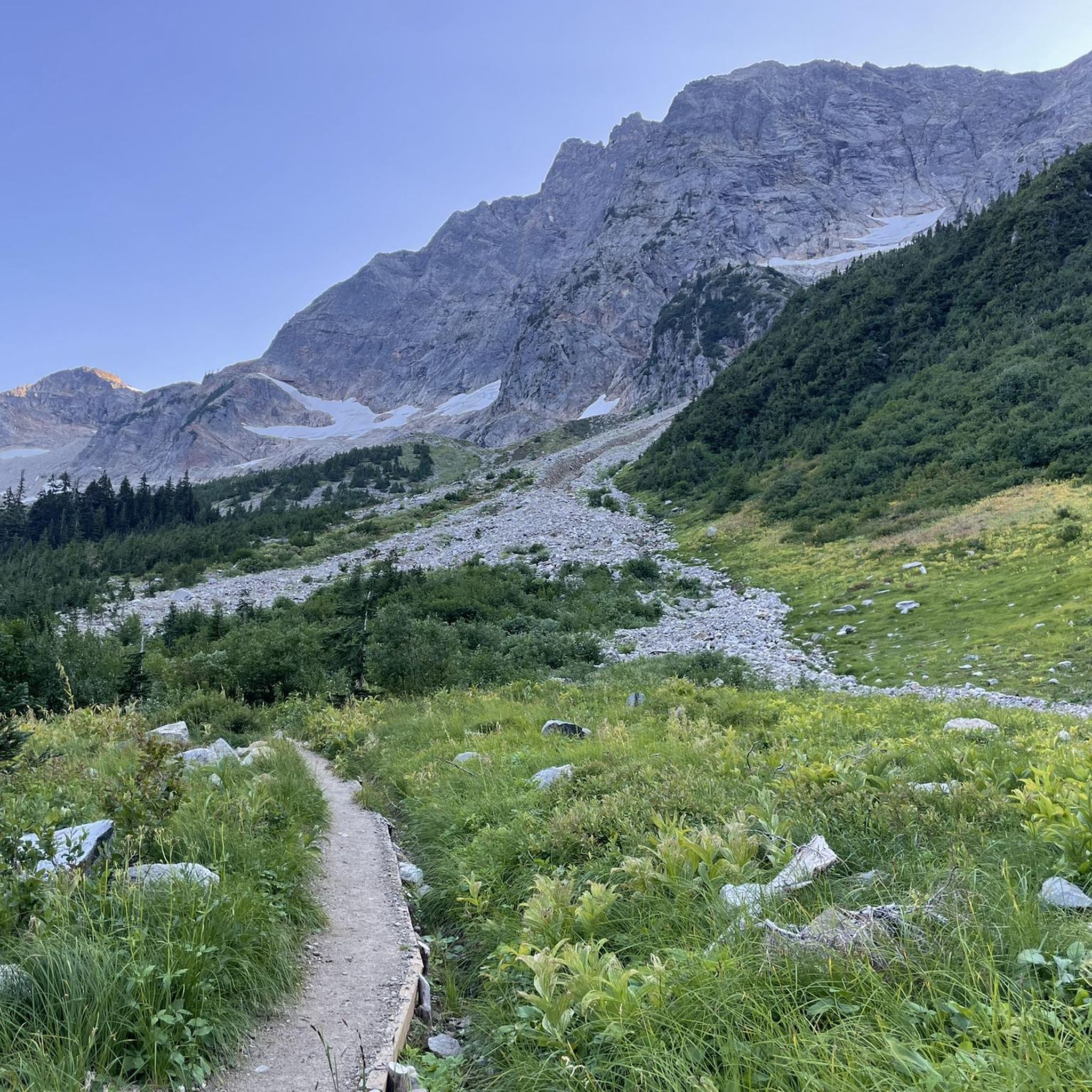
Fire Creek Pass promises at least two things: 1) stunning views of Glacier Peak and the surrounding mountains of the North Cascades and 2) a long descent, no matter if you hike north or southbound. That is good news after a long climb like that.
4
0
If it is not a cloudy day, White Pass offers some great views. There are spots for at least three tents below White Mountain. This is the second White Pass along the Pacific Crest Trail.
4
0
The White Chuck River is a wild stream, so I was very thankful about the sturdy wooden bridge to cross it. The water carries a lot of sediment, so it might clog your filter.
5
0
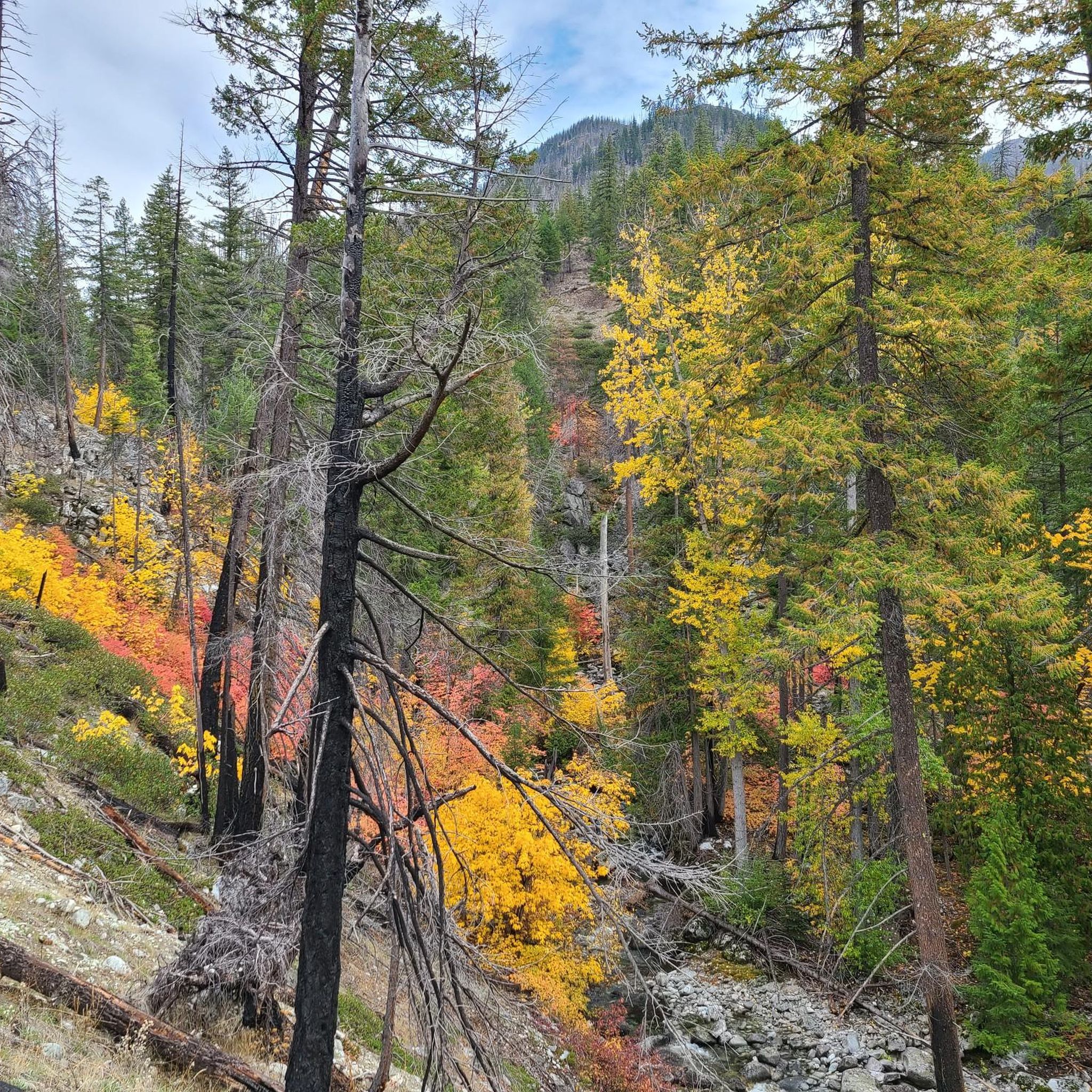
This is one of the not so obvious passes. A former backcountry road leads over Indian Pass that is especially beautiful if it is decorated with fall colors from the high grass and the abundant blueberry bushes.
4
0
Frequently Asked Questions
What kind of terrain can I expect when exploring mountain passes in Glacier Peak Wilderness?
The Glacier Peak Wilderness offers a rugged and remote landscape. You'll encounter deep valleys, dense old-growth forests, high-elevation alpine meadows, and numerous active glaciers and lakes. The region is known for its dramatic geological features and diverse ecosystems.
Which mountain passes offer the best views of Glacier Peak?
Several passes provide stunning views of Glacier Peak. Fire Creek Pass promises spectacular panoramas of Glacier Peak and the surrounding North Cascades. White Pass & campsites also offers initial views of Glacier Peak, especially on a clear day. Additionally, Buck Creek Pass is renowned for its phenomenal views of Glacier Peak from the pass itself.
Are there any multi-day hiking options that include these mountain passes?
Yes, the Glacier Peak Wilderness is ideal for multi-day hikes. Buck Creek Pass, for example, is an excellent choice for a multi-day adventure, offering impressive views without extensive cross-country navigation. The Cloudy Pass Trail to Lyman Lakes is a challenging 17.6-mile route, often part of longer backpacking trips. You can find more hiking options in the region by checking out the Hiking in Glacier Peak Wilderness guide.
What are some less obvious or 'hidden gem' mountain passes to explore?
Indian Pass is considered one of the less obvious passes. A former backcountry road leads over it, and it's particularly beautiful in the fall when the high grass and abundant blueberry bushes display vibrant colors.
What outdoor activities can I do near these mountain passes?
The Glacier Peak Wilderness offers a wide range of outdoor activities. Besides hiking and backpacking, you can find numerous running trails. For example, near Cloudy Pass, you can access routes like the Hart Lake via Cloudy Pass Trail or the Lyman Lake via Cloudy Pass Trail. Explore more options in the Running Trails in Glacier Peak Wilderness guide.
What is the best time of year to visit the mountain passes in Glacier Peak Wilderness?
While specific months aren't detailed, the mention of multi-day hikes and alpine meadows suggests that late spring through early fall (roughly June to September) would be the most favorable time, when snow has melted from higher elevations and trails are generally clear. Indian Pass is noted for its beautiful fall colors, indicating autumn can also be a rewarding time to visit.
Are there any passes that offer good camping opportunities?
Yes, White Pass & campsites offers spots for at least three tents below White Mountain. Red Pass & campsites also provides an exposed site for a small tent or cowboy camp, as well as a more protected, slanted spot next to some trees.
What are some notable natural features or landmarks near the passes?
Near Cloudy Pass, you can find the spectacular Lyman Lakes and Spider Gap. From Buck Creek Pass, you can side-hike to Flower Dome for easy meadows or the more strenuous Helmet Butte for a 360-degree panorama. A short detour from Red Pass can lead to the summit of Portal Peak for outstanding views.
How challenging are the trails to these mountain passes?
Many of the trails to these passes are considered intermediate to difficult. For instance, the Cloudy Pass Trail to Lyman Lakes is a challenging 17.6-mile route with significant elevation gain. Buck Creek Pass involves ascending 3,100 feet over nearly 10 miles. The ascent to Fire Creek Pass can also be long, but the reward is a memorable panorama.
Can I find any loop trails that incorporate mountain passes in the region?
While specific loop trails directly over the mentioned passes aren't detailed, the region does offer loop options. For example, the Larch and Myrtle Lakes loop via Entiat River Trail is a notable route in the broader area. You can explore more hiking options, including potential loops, in the Hiking in Glacier Peak Wilderness guide.
What makes Suiattle Pass a unique destination?
Suiattle Pass is a significant point along the Suiattle Pass Trail, which leads east over Cloudy Pass and towards Lyman Lake. It's known for its beautiful scenery and views of Glacier Peak, and can sometimes serve as a suitable detour around fire closures, though trail maintenance may vary.
Most popular attractions in Glacier Peak Wilderness

Get inspired with the komoot mobile app


