Attractions and Places To See around Loosdorf - Top 20
Attractions and places to see around Loosdorf offer a blend of historical sites and natural beauty. Situated in the Pielachtal valley at the foot of the Semmering Mountains, the region provides a serene landscape. Visitors can explore charming old town centers, significant historical buildings, and the scenic Pielach River. This area is known for its cultural experiences and outdoor activities.
Best attractions and places to see around Loosdorf
- The most popular attractions is Danube Valley in the Wachau, a…
Last updated: July 20, 2026
Melk Abbey
Highlight • Religious Site
Translated by Google •
Tip by

View of Melk Abbey from the Danube cycle path
Highlight • Viewpoint
Translated by Google •
Tip by

Sign up now to discover places like this
Get recommendations on the best single tracks, peaks, & plenty of other exciting outdoor places.
Sign up for free
Danube Valley in the Wachau
Highlight • River
Translated by Google •
Tip by

Melk Town Square
Highlight • Settlement
Translated by Google •
Tip by

St. Leopold Bridge, Melk
Highlight • Bridge
Translated by Google •
Tip by
Sign up for free to discover even more attractions around Loosdorf.
Sign up for free
Already have an account?
Start today with a free account
Your next adventure awaits.
Login or Signup
Tips from the Community

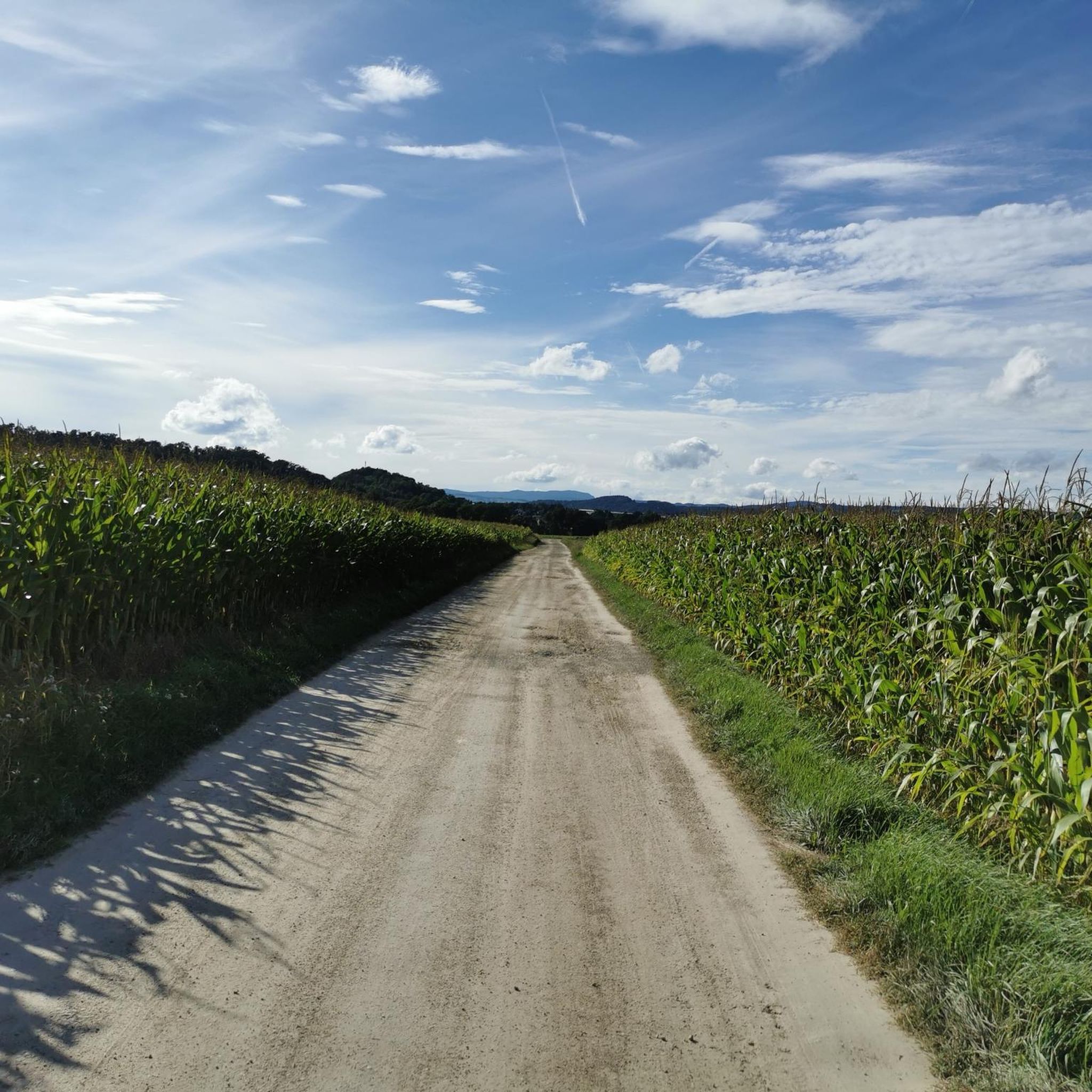
Beautiful play of light on the green (!) Danube.
0
0

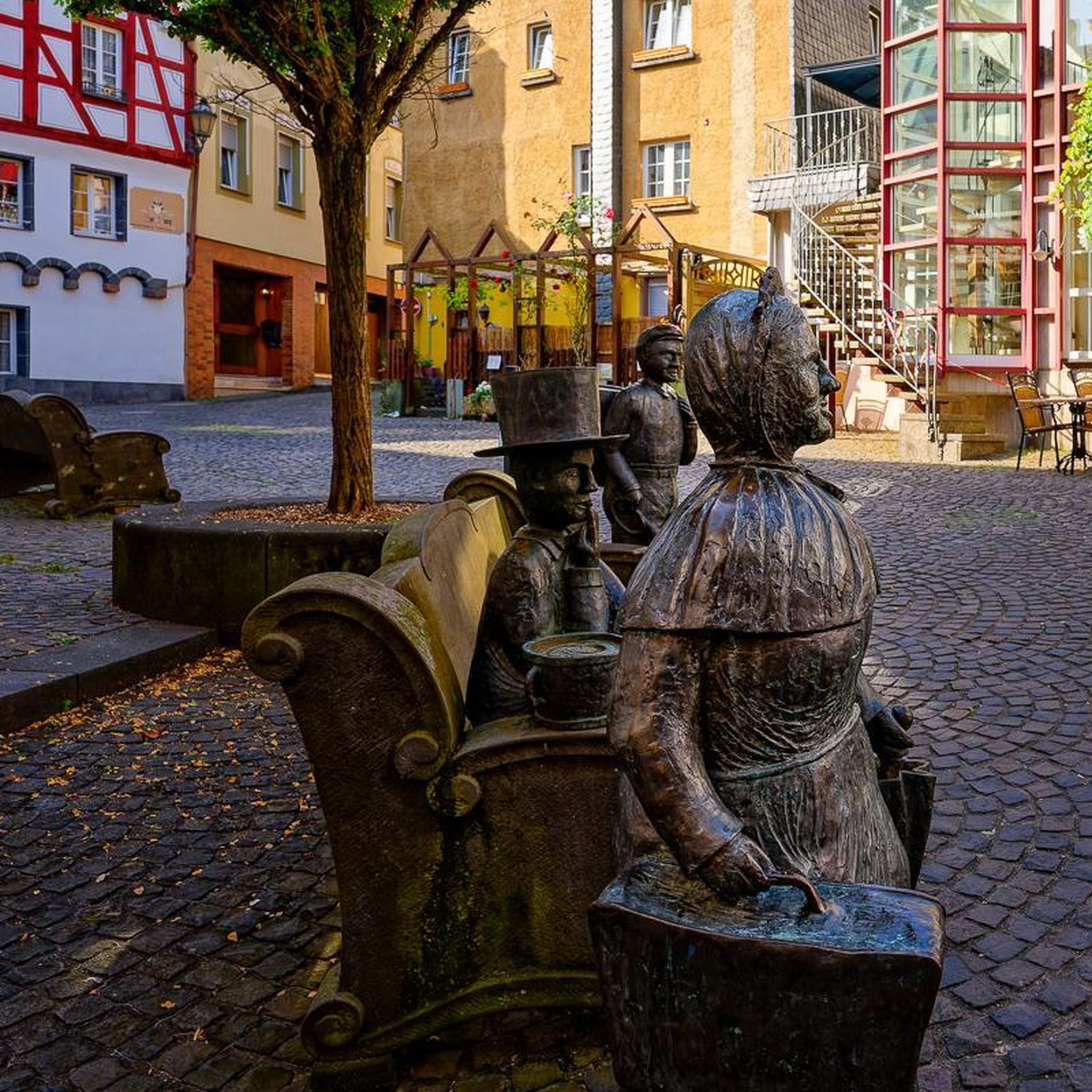
Melk's town square forms the historic and vibrant center of the town. Surrounded by well-preserved house facades, cafés, and shops, it invites you to stroll and linger. Particularly striking is its proximity to Melk Abbey, which towers high above the square. As the town's central meeting place, the square regularly serves as the setting for markets, festivals, and cultural events, while also providing an ideal starting point for exploring the town and its surroundings.
2
0


always an impressive building or a jewel at the gateway to the Wachau!!
2
0

A lovely town and the very well-kept Melk Abbey. Let yourself be surprised and take a detour to the smaller villages along the bike paths.
2
0

The monastery complex on top of the mountain is very impressive.
5
1

Small but nice, very centrally located hotel with only 14 rooms.
8
1

By bike up Wiener Straße. Good parking facilities
2
0
Frequently Asked Questions
What are some must-see historical sites near Loosdorf?
The region around Loosdorf is rich in history. A prominent historical site is Melk Abbey, a magnificent Benedictine monastery and a UNESCO World Heritage Site known for its baroque architecture. You can also explore the charming Melk Town Square, which features historic buildings and the Kolomani Fountain. Within Loosdorf itself, the 14th-century Loosdorfer Pfarrkirche and the historic Schallaburg Castle nearby offer further insights into the area's past.
What natural attractions can I explore around Loosdorf?
Loosdorf is nestled in the scenic Pielachtal valley at the foot of the Semmering Mountains. A major natural highlight is the Danube Valley in the Wachau, a UNESCO World Heritage Site offering stunning river panoramas. The Pielach River, flowing through Loosdorf, is home to diverse wildlife. You can also visit the Pielach-Auen Nature Reserve (Ofenloch-Neubacher Au) for a pristine river wilderness experience.
Are there any family-friendly activities or attractions in the Loosdorf area?
Yes, many attractions around Loosdorf are suitable for families. The Danube Valley in the Wachau and Melk Abbey are both considered family-friendly. Cycling along the Danube Cycle Path, which includes the Bridge at the mouth of the Pielach, is a great option. Schallaburg Castle also hosts high-quality exhibitions and cultural events for all ages.
What cultural experiences can I find in Loosdorf?
Loosdorf offers a blend of historical and cultural experiences. Beyond the architectural marvels like Loosdorfer Pfarrkirche and Schallaburg Castle, the village's old town center with its cobblestone streets provides a glimpse into traditional Austrian life. The 'Alte Eiskeller' (Old Ice Cellar) serves as a cultural and event center, and throughout the year, Loosdorf hosts various cultural events and festivals, such as the annual Loosdorfer Musiksommer.
What do visitors particularly enjoy about the attractions near Loosdorf?
Visitors frequently praise the unique combination of natural beauty and historical significance. The Danube Valley in the Wachau is highlighted for its unforgettable panoramas and picturesque landscapes. Melk Abbey is cherished as an architectural masterpiece and a symbol of the Wachau. The overall experience of cycling along the Danube and exploring charming towns like Melk is also highly rated.
Are there good hiking opportunities around Loosdorf?
Absolutely! Loosdorf is an excellent base for hiking. You can find various trails, including easy and moderate options. Some popular routes include the 'Loosdorf Summit Cross (363 m) – Albrechtsberg Castle loop' and the 'Pielach River – Lindenstub'n Inn loop'. For more details and route options, explore the Hiking around Loosdorf guide.
Can I go cycling near Loosdorf?
Yes, Loosdorf is well-suited for cycling enthusiasts. The Semmering-Radweg cycling path runs through the village, offering scenic routes for all skill levels. The Pielachtal cycle path connects directly to the Danube cycle path, providing varied landscapes and many rest areas. You can find mountain biking routes like the 'Melk Abbey – Melk Abbey loop from Loosdorf' in the MTB Trails around Loosdorf guide.
What kind of outdoor activities are available in winter near Loosdorf?
During the winter months, the nearby Semmering Mountains offer opportunities for skiing and snowboarding. While Loosdorf itself focuses more on historical and cultural sites, the surrounding region provides options for winter sports enthusiasts.
What is the best time of year to visit Loosdorf and its attractions?
The best time to visit Loosdorf largely depends on your preferred activities. Spring and autumn offer pleasant weather for hiking and cycling, with vibrant natural scenery. Summer is ideal for enjoying cultural events and exploring the Danube Valley. For winter sports, the colder months are suitable.
Are there any unique or 'hidden gem' attractions worth visiting near Loosdorf?
Beyond the well-known sites, consider visiting the Loosdorf Castle Museum, which combines history and art, featuring impressive Classicist state rooms and a unique 'Scherbenzimmer'. The 'Alte Eiskeller' (Old Ice Cellar), a preserved baroque secular building, is also a fascinating historical structure now used for cultural events.
How can I reach attractions like Melk Abbey from Loosdorf?
Melk Abbey is a short distance from Loosdorf. You can reach it by car, or by cycling along the Danube cycle path. Public transport options, including regional buses, connect Loosdorf to Melk. The scenic Semmering Thermal Bahn railway also provides access to the wider Loosdorf area, including spa and wellness facilities.
Are there options for dining or refreshments near the main attractions?
Yes, especially in nearby towns. Melk Town Square, for instance, is lined with cafés and small shops where you can enjoy refreshments while overlooking the abbey. Many villages along the cycling paths also offer local eateries and places to stop for a break.
Are there any wheelchair-accessible attractions around Loosdorf?
While specific accessibility information for all sites is not detailed, many modern facilities and main visitor areas, such as parts of Melk Abbey and the Melk Town Square, strive to be accessible. It is advisable to check the specific accessibility details with individual attractions prior to your visit.
Most popular routes around Loosdorf
Most popular attractions around Loosdorf

Get inspired with the komoot mobile app


Explore more
Still not found the Highlight you’re looking for? See guides of the top attractions in other regions:
