Top 20 Castles around Hinterbrühl
Best castles around Hinterbrühl are situated in the surrounding Mödling district and Vienna Woods area. This region offers a diverse range of historical sites, from medieval ruins to elegant palaces. The landscape provides a natural setting for exploring these cultural landmarks. Visitors can discover centuries of history within a short distance of Hinterbrühl.
Best castles around Hinterbrühl
- The most popular castles is Ruins of Mödling Castle, a castle that is picturesquely located in the Föhrenberge Nature Park. Originally built…
Last updated: November 6, 2026
Hermes Villa
Highlight • Castle
Translated by Google •
Tip by

Liechtenstein Castle
Highlight • Castle
Translated by Google •
Tip by

Sign up now to discover places like this
Get recommendations on the best single tracks, peaks, & plenty of other exciting outdoor places.
Perchtoldsdorf Castle, Parish Church, and Watchtower
Highlight • Castle
Translated by Google •
Tip by

Ruins of the Pfefferbüchsel Chapel
Highlight • Religious Site
Translated by Google •
Tip by

Vösendorf Castle
Highlight • Castle
Translated by Google •
Tip by

Sign up for free to discover even more castles around Hinterbrühl.
Already have an account?
Other adventures around Hinterbrühl

Tips from the Community

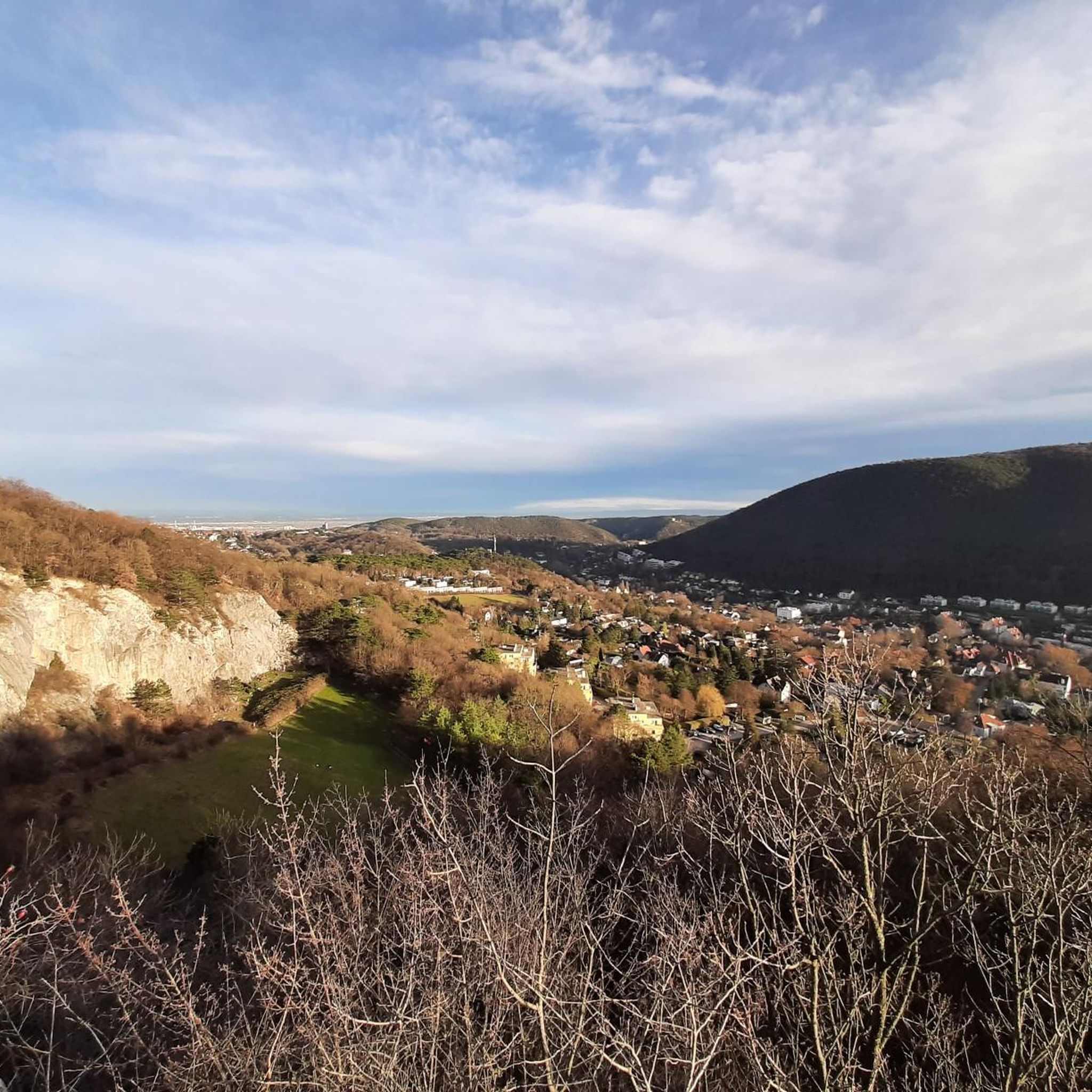
The ruins of the Pfefferbüchselkapelle are remnants of a pilgrimage chapel built in 1818 by Prince Johann I of Liechtenstein in the pine forest of the Kalenderberg near Mödling. Known for its distinctive roof shape as a "pepper pot", the structure was destroyed in 1848 and has since been considered a romantic ruin that, along with the Black Tower and the Augengläser, belongs to the park landscape around Liechtenstein Castle.
3
0
The original structure dates from the 11th century. The castle is first mentioned in documents in 1175. In the 16th century, the castle was rebuilt. It was destroyed in various wars, such as the first and second Turkish sieges, but was always rebuilt. In 1794, Emperor Franz acquired the town and the 'Herrschaftlichen Ziegelofen' (Lordly Brickworks) next to the castle to build the Laxenburg Franzensburg.
3
0

The Hermesvilla in the Lainz Tiergarten is an elegant, historic palace that once served as a summer residence for Empress Elisabeth. Surrounded by expansive parkland and idyllic forest paths, the villa combines cultural history with a natural experience. Today, it houses a museum offering fascinating insights into the life of the Empress and the history of the Vienna Woods. A visit to the Hermesvilla is a perfect stopover for anyone who wants to combine history, art, and nature on their tour of the Tiergarten.
6
1

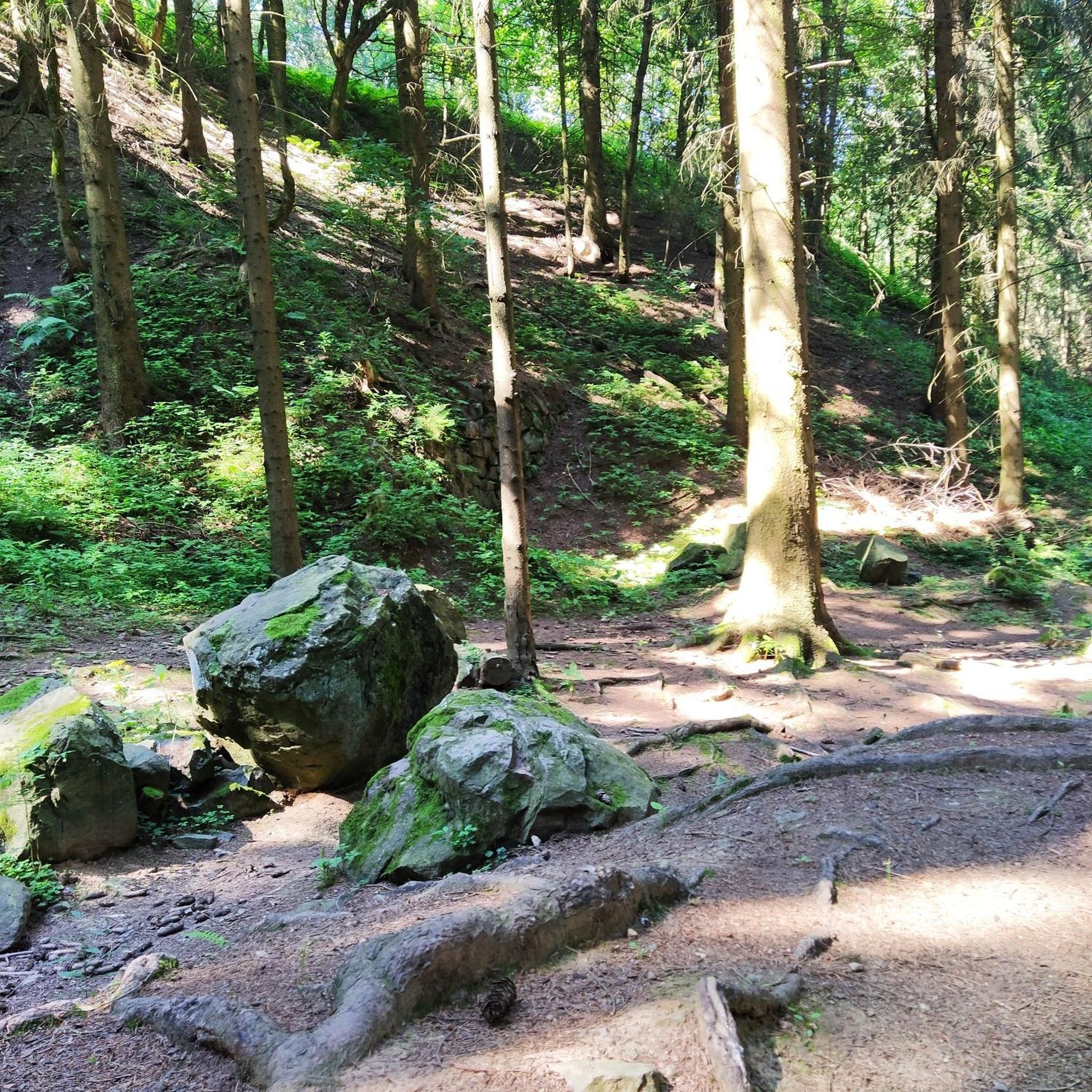
Remains of the walls of the so-called Johannes or pilgrimage chapel, which Prince Johann I of Liechtenstein had built in the pine forest of the Kalenderberg in 1818. Because of its somewhat unusual roof shape, this chapel was popularly known as the "Pfefferbüchsel". It was destroyed in the revolutionary year of 1848 and not rebuilt. Source: www.mariaenzersdorf.gv.at/Pfefferbuechsel_2
6
2


The newly renovated Vösendorf Castle is located in the middle of the Vösendorf Castle Park. It houses a castle café, the Vösendorf municipal office, a public library, a tax and business consultant, a branch of the Raiffeisenbank, the castle museum and the bicycle museum.
5
1

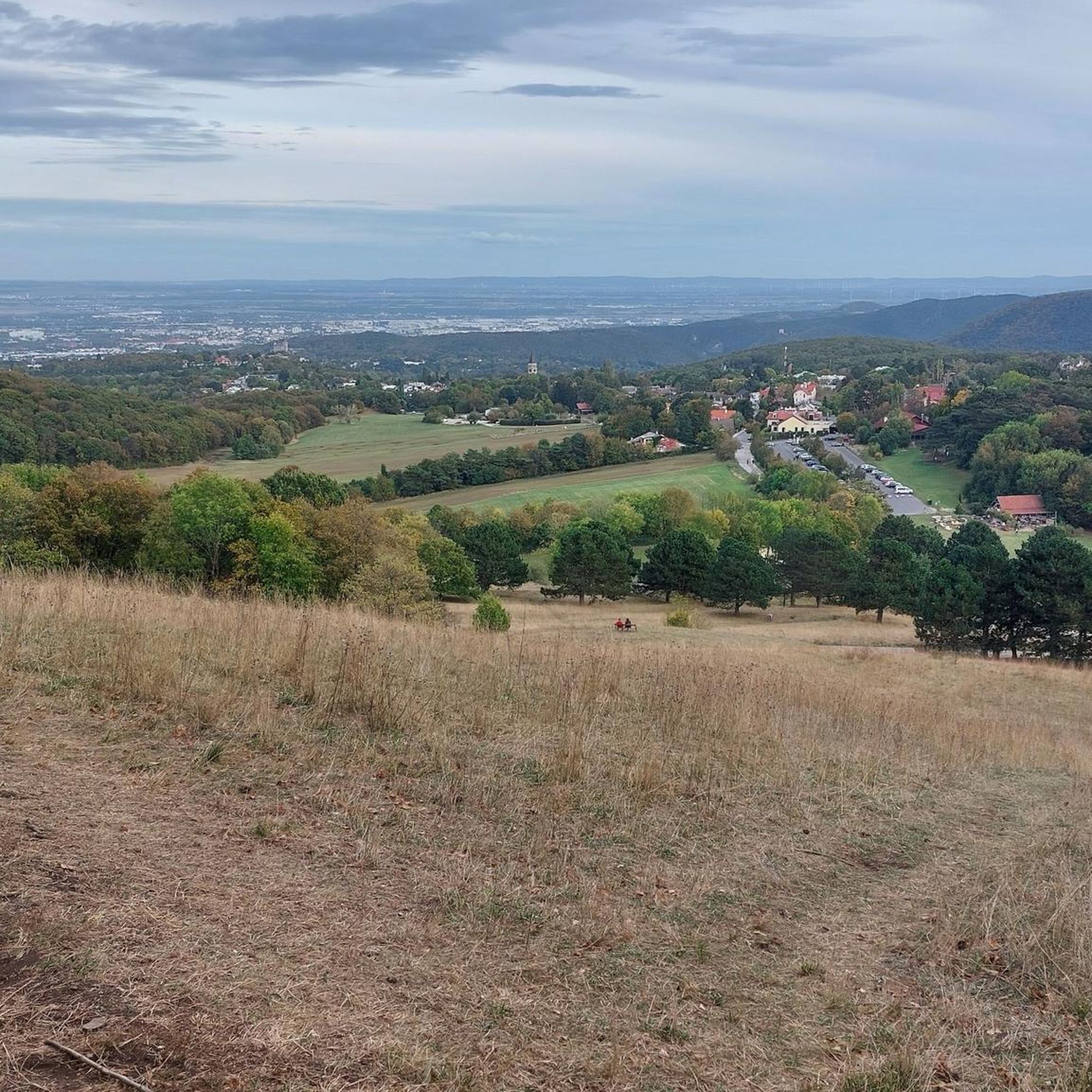
The castle and church of Perchtoldsdorf are two historical sights in the market town of Perchtoldsdorf in the Mödling district in Lower Austria. The castle is a tower castle that was built before the year 1000 to protect the Babenberg area from the Hungarians. The church was originally the castle chapel, which was elevated to a parish church in the 13th century. The castle and church form a mighty complex on the market square in Perchtoldsdorf, which offers a beautiful view over the Vienna Woods and the city of Vienna. The castle and church of Perchtoldsdorf have a long and eventful history that is associated with many personalities and events. The castle was the ancestral home of the Lords of Perchtoldsdorf, who took part in important battles such as Dürnkrut and Jederspeigen. The castle was destroyed and rebuilt several times, including by Duke Frederick the Quarrelsome and the Turks. The castle was also owned by the Dukes of Austria, who used it as a hunting lodge. The church was expanded and redesigned several times, including Gothic frescoes, Baroque altars and a Rococo organ front. The church also houses the burial place of the Lords of Perchtoldsdorf, which is decorated with artistic gravestones. Today, the castle and church of Perchtoldsdorf are not only cultural monuments, but also lively places for events, guided tours and church services. The castle offers various rooms and courtyards for conferences, congresses, celebrations, banquets, weddings and much more. The church is an active parish that regularly offers masses, devotions, concerts and other spiritual offerings.
2
0
Frequently Asked Questions
Which castles near Hinterbrühl are particularly family-friendly?
Several castles in the area welcome families. The Ruins of Mödling Castle are located in the Föhrenberge Nature Park, offering space for exploration. Hermes Villa, situated within the Lainzer Tiergarten nature reserve, has extensive green areas, animal enclosures, and a playground nearby, making it ideal for children. Liechtenstein Castle also offers family-friendly facilities and tours.
Are there hiking trails that lead to or connect these castles?
Yes, the region offers numerous hiking opportunities. For example, the Ruins of Mödling Castle are a popular destination for hikers within the Föhrenberge Nature Park. You can find various routes, including a moderate 'Liechtenstein Castle – View of Liechtenstein Castle loop', by exploring the hiking guide for Hinterbrühl.
What kind of historical insights can I gain from visiting these castles?
The castles around Hinterbrühl offer a deep dive into centuries of regional history. The Ruins of Mödling Castle, built in the 12th century, was once the largest Romanesque castle in Austria. Liechtenstein Castle represents 900 years of the Liechtenstein family's history, with over 60% Romanesque building material preserved. Hermes Villa provides insights into the life of Empress Elisabeth and the history of the Vienna Woods.
Can I reach these castles using public transport?
While specific public transport details for each castle might vary, the region is generally accessible. For example, Hermes Villa is located within the Lainzer Tiergarten, which is reachable by public transport from Vienna. For other castles like Liechtenstein Castle and Perchtoldsdorf Castle, local bus services often connect from nearby train stations in Mödling or Perchtoldsdorf.
Are there any cafes or restaurants near the castles?
Yes, some castles offer refreshment options. Hermes Villa has a good place to stop for refreshments. The market town of Perchtoldsdorf, where Perchtoldsdorf Castle is located, also offers various dining options.
What are the best viewpoints near the castles?
Many castles in the region offer stunning views. From the Ruins of Mödling Castle, you can enjoy breathtaking views over Mödling and the surrounding area. Liechtenstein Castle provides a fantastic panorama that stretches all the way to Vienna. The complex of Perchtoldsdorf Castle and its church also offers a beautiful view over the Vienna Woods and the city of Vienna.
Are there any easy walks to reach castles or ruins?
Yes, there are easy walking routes available. For instance, the Ruins of Mödling Castle are easily accessible within the Föhrenberge Nature Park. You can find several easy hiking options, such as the 'Husarentempel – Schubertweg loop', in the easy hikes guide for Hinterbrühl.
What is the best time of year to visit the castles around Hinterbrühl?
The castles are enjoyable year-round. Spring and autumn offer pleasant temperatures for exploring the outdoor grounds and hiking trails. Summer is great for longer days and enjoying the surrounding nature reserves like Lainzer Tiergarten. Some castles, like Liechtenstein Castle, may even offer special night tours during warmer months, providing a unique experience.
Are there any lesser-known or 'hidden' castle ruins to discover?
Beyond the prominent castles, you can explore sites like the Ruins of the Pfefferbüchsel Chapel. While not a full castle, these remains of a historic chapel, built by Prince Johann I of Liechtenstein, offer a glimpse into the past and are located in a recreational meadow, perfect for a quiet visit.
What outdoor activities can I do near these castles besides hiking?
The area around Hinterbrühl, including the vicinity of the castles, is excellent for various outdoor activities. Besides hiking, you can find numerous mountain biking trails. For example, the 'Thallern Route' and 'Anninger Trail' are popular options. You can explore more details in the MTB Trails around Hinterbrühl guide.
Is it possible to visit Liechtenstein Castle with the NÖ Card?
Yes, admission to Liechtenstein Castle is included with the NÖ Card, making it an accessible option for those with the regional tourist pass.
What makes Perchtoldsdorf Castle unique?
Perchtoldsdorf Castle is a historic tower castle, originally built before 1000 AD to defend against the Hungarians. It has been destroyed and rebuilt multiple times throughout history. Today, it serves as a vibrant cultural venue, hosting concerts, theater performances, and exhibitions. The complex also includes a late Gothic parish church that was originally the castle chapel.
Most popular routes around Hinterbrühl
Most popular attractions around Hinterbrühl

Get inspired with the komoot mobile app


Explore more
Looking for the best castles somewhere else? Discover other guides around Hinterbrühl:
