Top 11 Castles around Gramatneusiedl
Castles around Gramatneusiedl offer insights into the region's historical architecture and past. While the original Schloss Gramatneusiedl no longer stands, the surrounding area features several historical estates accessible to the public. These structures provide a glimpse into centuries of regional history, situated within the broader landscape of Lower Austria. Gramatneusiedl tourism often highlights these nearby historical sites.
Best castles around Gramatneusiedl
- The most popular castles is Franzensburg Castle, a castle that serves as a museum within the Laxenburg Palace…
Last updated: October 4, 2026
Laxenburg Palace Blue Court
Highlight • Castle
Translated by Google •
Tip by

Franzensburg Castle
Highlight • Castle
Emperor Franz II left behind an extraordinary work here.
Translated by Google •
Tip by

Sign up now to discover places like this
Get recommendations on the best single tracks, peaks, & plenty of other exciting outdoor places.
Rothmühle Castle
Highlight • Castle
Translated by Google •
Tip by

Seibersdorf Castle
Highlight • Castle
Read more on Wikipedia: de.wikipedia.org/wiki/Schloss_Seibersdorf_(Nieder%C3%B6sterreich)
Translated by Google •
Tip by

Altkettenhof Castle
Highlight • Castle
Translated by Google •
Tip by

Sign up for free to discover even more castles around Gramatneusiedl.
Already have an account?
Start today with a free account
Your next adventure awaits.
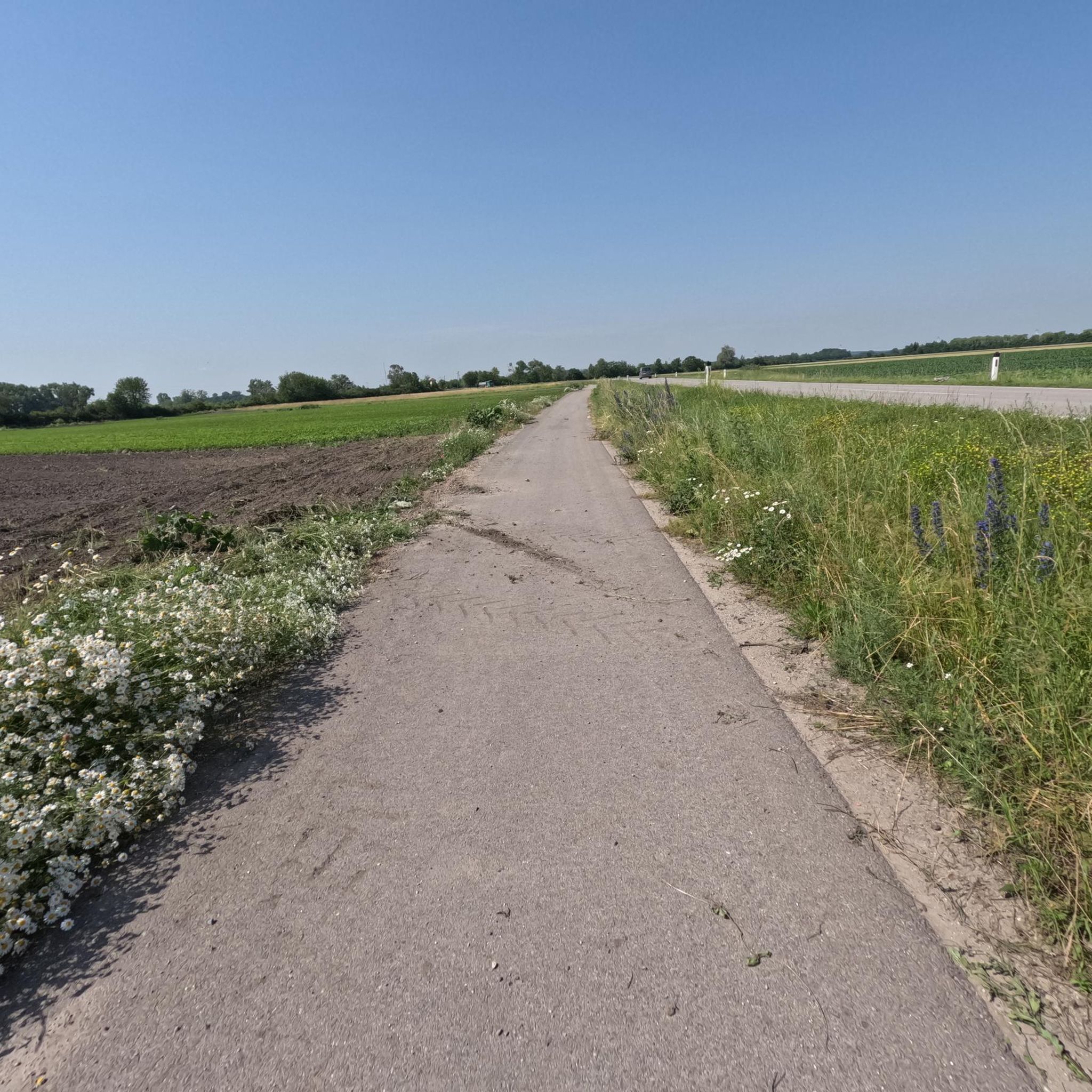
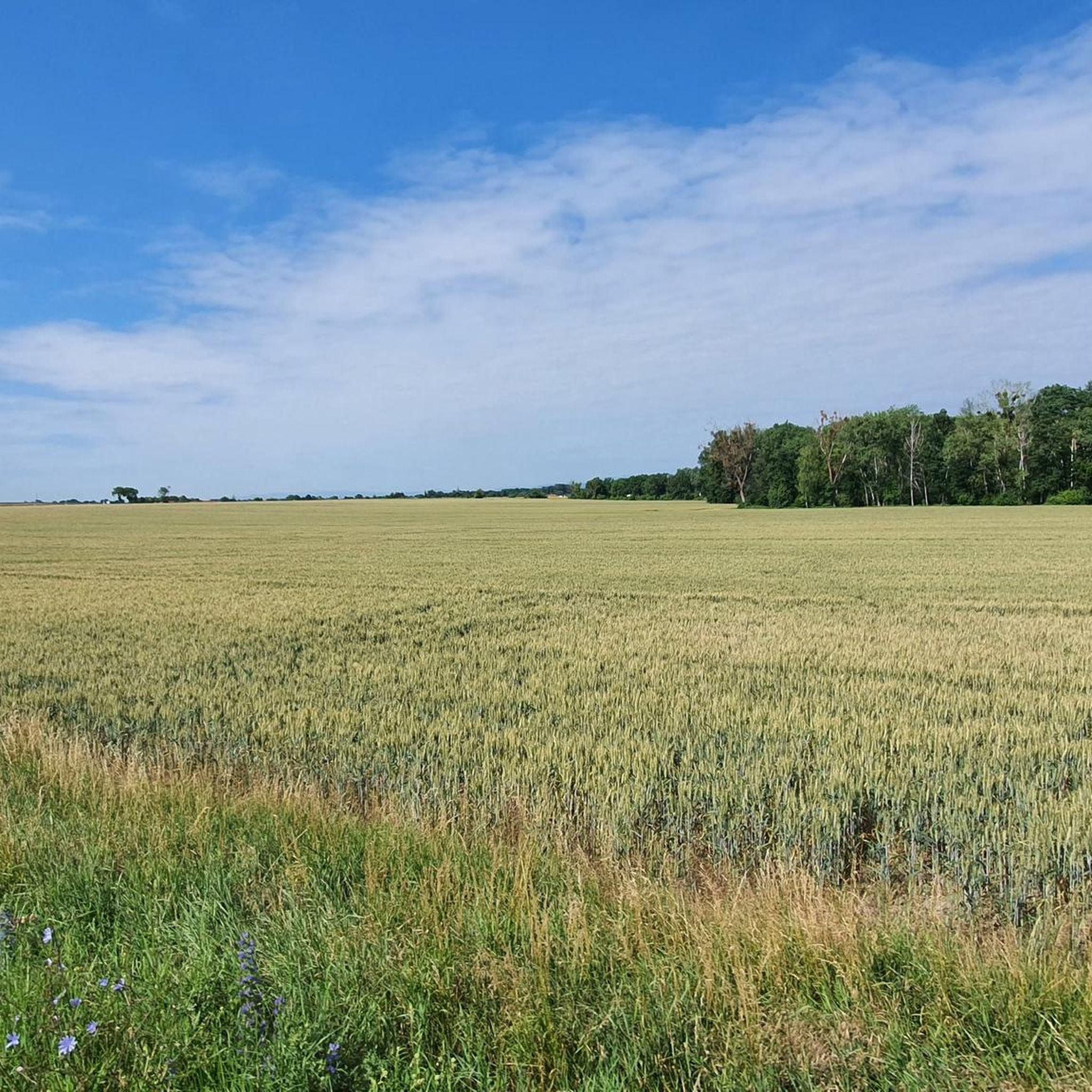
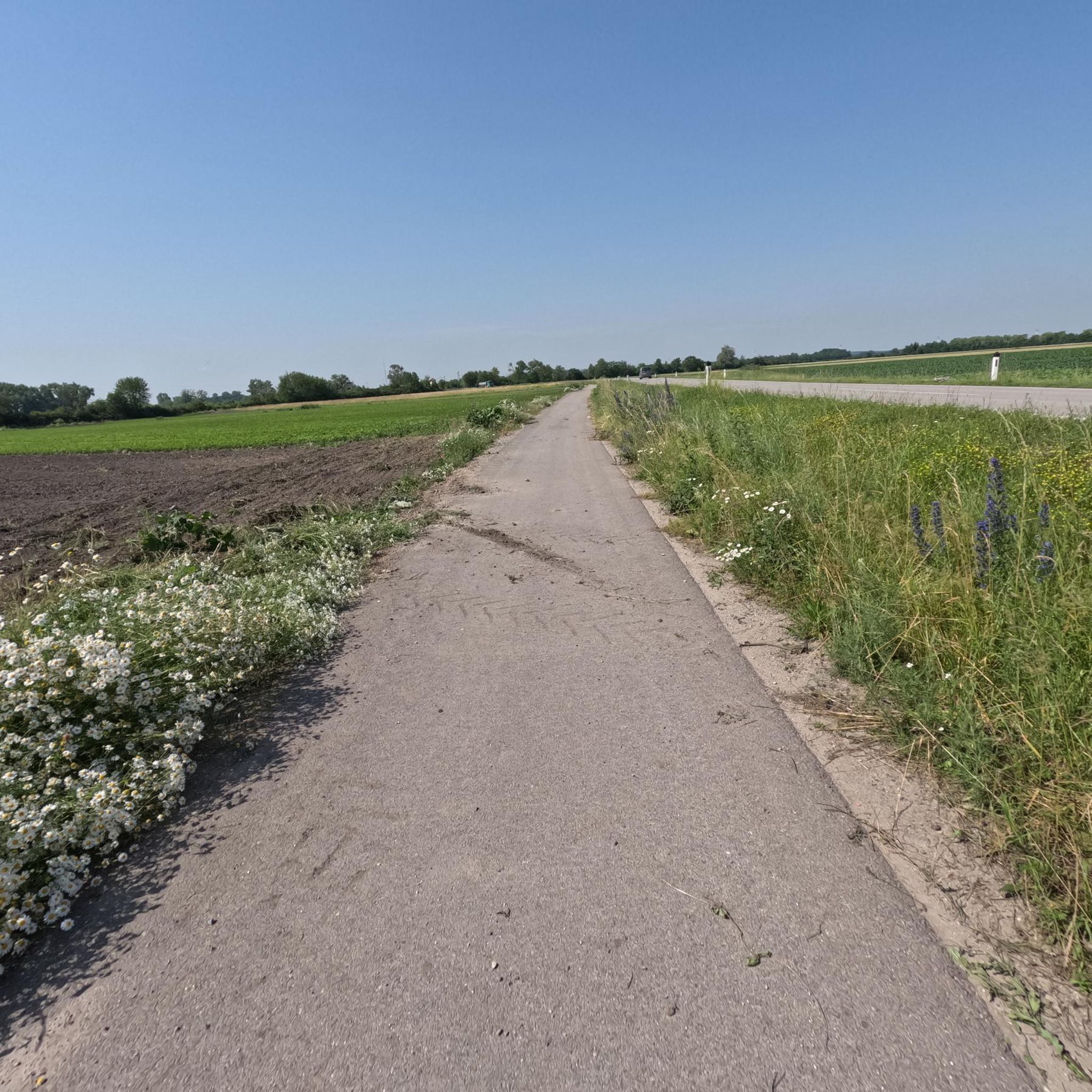
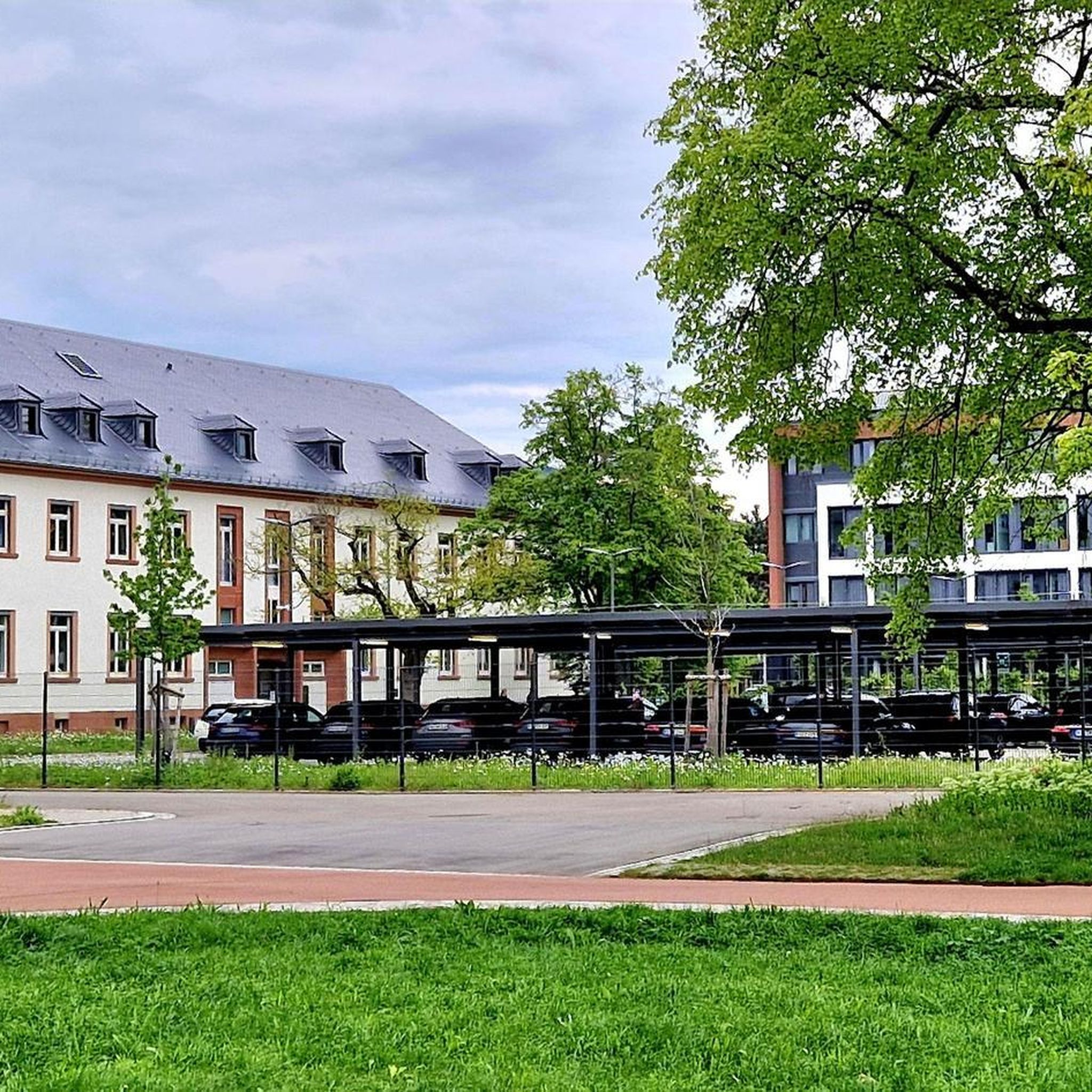
Tips from the Community

Destroyed during the second Turkish siege, the castle was rebuilt in a baroque style by Count Otto Christoph von Volkra. In the mid-18th century, Count Heinrich Kajetan von Blümegen, a state minister, became the new lord of the castle. Blümegen, who also owned estates in Moravia, had the "Kettenhofer Zitz- und Kattunfabrik" established in 1766. (See Chap. IX.1)
2
0

A visit to Franzensburg is a real highlight in the castle park of Laxenburg Be sure to take a guided tour
4
1

Wonderful ambience. Nestroy 2024 with a great backdrop. Great entertainment, great actors. Free parking and great organization, blankets were also provided.
2
0
Altkettenhof Castle, also known as Dreher Castle or Kettenhof Castle, is a baroque castle in the Lower Austrian town of Schwechat. The castle was built in the 13th century as a small complex in what is now the Alt-Kettenhof district of Schwechat and was continually expanded. In 1760, the Archducal Austrian First Chancellor Heinrich Kajetan von Blümegen (1715–1788) became the new owner of the castle and expanded it. In 1766, he founded the Kettenhofer cotton and calico factory with two partners. After his father's death, his son Franz Heinrich Graf von Blümegen lived in the castle with his daughters Josefine and Eleonora until 1813. In 1814, the property was purchased by the art patron and banker Moritz Reichsgraf von Fries (1777–1826) and his brother Philip Jacob. After his death, Johann Ziegler (then director of the Kettenhofer cotton and calico factory) and Elonora Countess von Kálnoky acquired the building. The castle acquired a new owner in 1826 with the brothers Josef, Moritz and Johann Freiherren von Ziegler; they sold it to Karl Mayer in 1830. In 1850, the castle was bought by the Austrian diplomat and later foreign minister Johann Bernhard von Rechberg and sold in 1872 to the Schwechat brewing industrialist Anton Dreher junior. Rechberg lived in the building until his death on February 26, 1899. In 1902, Dreher had the castle rebuilt in the neo-baroque style by the architect Emil Bressler (1847–1921) and the Schwechat master builder Johann Miksch (1843–1908) for around 800,000 crowns (approx. 4 million euros). The interior was designed by the Viennese furniture maker and interior designer Portois & Fix. After Anton Dreher's death in 1921, the castle was inhabited by his wife Katharina Dreher (1850-1937) until her death and in 1938 was donated to the city of Schwechat in accordance with the wishes of her son and sole heir Eugen Dreher. Source: https://de.wikipedia.org/wiki/Schloss_Altkettenhof
1
1

A visit to Franzensburg is a real highlight in the castle park of Laxenburg. Emperor Franz II left behind an extraordinary work here.
7
1
(1) CYCLING in the Laxenburg Palace Park is prohibited for general safety reasons. Children up to the age of 6 are exempt from this, provided that they are riding children's bikes that either have an outer rim diameter of no more than 300 mm and a maximum speed of 5 km/h, or are equipped with side support wheels. (2) In addition, taking bicycles into the Laxenburg Palace Park is prohibited. Bicycles can be parked in the marked areas at all entrances (directly next to the park ticket offices). Source: www.schloss-laxenburg.at/besucherordnung/
4
1
Blue Court or New Castle, the Blue Court (or also called New Castle) was first mentioned in 1544 as Freihof. During the occupation period after the Second World War, the Blue Court was a command post of the Red Army. (Lower Austria was part of the Soviet occupation zone until 1955.) Today, neither the dining room wing nor the castle theater are open to the public; they are managed by the IIASA and used as a conference center. Source: https://de.wikipedia.org/wiki/Schl%C3%B6sser_von_Laxenburg
5
1

Nice photo motif, good light in the late afternoon. Bench available for resting.
1
0
Frequently Asked Questions
Are there any castles directly in Gramatneusiedl?
No, the historical Schloss Gramatneusiedl was demolished between May and November 1975. Its former location is now a traffic roundabout, so there are no castles in Gramatneusiedl today that can be visited.
Which castles near Gramatneusiedl are family-friendly?
Several castles in the vicinity are considered family-friendly. Franzensburg Castle, located within the Laxenburg Palace Park, is a museum that offers an exciting excursion into the history of the Habsburg dynasty. Rothmühle Castle and Seibersdorf Castle are also noted as family-friendly historical sites.
What kind of historical insights do the castles around Gramatneusiedl offer?
The castles provide a rich glimpse into centuries of regional history and diverse architectural styles. For example, Franzensburg Castle is a neo-Gothic work of art, serving as a museum with valuable art objects from various eras. Rothmühle Castle is a baroque castle with a history dating back to around 1300, having served various uses from a mill to a fabric factory. Altkettenhof Castle, also baroque, was rebuilt in the neo-baroque style in the early 20th century and has a long history of ownership and use.
Are there any castles near Gramatneusiedl that are currently undergoing renovation?
Yes, Seibersdorf Castle is an old castle that is currently undergoing renovation. While it has seen better days, it remains a notable historical site in the region.
What outdoor activities can I do near these castles?
The area around Gramatneusiedl offers various outdoor activities. You can find numerous routes for hiking and running. For easy hikes, explore options like the Hammock Rest Area – Haiderbach Stream loop from Himberg. For running, consider the Running loop from Gramatneusiedl or routes along the Piesting River. You can find more details on these activities in the easy hikes guide, running trails guide, and general hiking guide for Gramatneusiedl.
Which castle offers a viewpoint or scenic views?
Franzensburg Castle, located within the Laxenburg Palace Park, is noted as a viewpoint. Guided tours there can offer fascinating views over the Schlosspark Laxenburg to Schneeberg or even to Vienna.
Is Lanzendorf Castle open to the public for visits?
Lanzendorf Castle, now known as Haus Franziska, was taken over by the Caritas of the Archdiocese of Vienna in 1948 and set up as a care center for people of all ages. While it has a rich history and interesting architecture, its primary function is now a care facility, so public access for general tourism might be limited. It's advisable to check directly with the facility for visitor policies.
What is the best time of year to visit castles around Gramatneusiedl?
Visiting during spring or autumn generally offers pleasant weather for exploring the castle grounds and nearby parks. Summer can also be enjoyable, though it might be warmer. Some castles, like Franzensburg, are museums and may have specific opening hours that vary by season, so it's always best to check their individual schedules.
Are there any castles near Gramatneusiedl that were once owned by famous historical figures?
Yes, Rothmühle Castle was once owned by Anna Maria von Posch, née Eulenschenk, the wife of the famous doctor and faith healer Franz Anton Mesmer. Altkettenhof Castle was bought by the Austrian diplomat Johann Bernhard von Rechberg and later by the brewing industrialist Anton Dreher junior, who had it rebuilt.
What do visitors particularly enjoy about the castles around Gramatneusiedl?
Visitors appreciate the variety of architectural styles and historical periods reflected in the castles. Many enjoy the historical significance and the opportunity to explore sites like Franzensburg Castle, which is described as an extraordinary work and a 'treasure trove' of Austrian history. The scenic settings, such as Laxenburg Palace Park, also add to the overall experience.
Are the castles around Gramatneusiedl easily accessible by public transport?
While specific public transport details for each castle are not provided, the region of Lower Austria generally has public transport options. For the most popular sites like Franzensburg Castle in Laxenburg, there are usually bus connections from nearby train stations. It is recommended to check local public transport schedules for the most up-to-date travel information to each specific castle.
Can I find cafes or restaurants near the castles?
Larger castle complexes, such as the Laxenburg Palace Park where Franzensburg Castle is located, typically have cafes or restaurants on-site or nearby. For Franzensburg, the Knappenhof (today: Café Meierei) is mentioned as an extension built in the 19th century. For other castles, it's best to check their individual websites or local listings for nearby dining options.
Most popular routes around Gramatneusiedl
Most popular attractions around Gramatneusiedl

Get inspired with the komoot mobile app


Explore more
Looking for the best castles somewhere else? Discover other guides around Gramatneusiedl:
