The 20 Most Amazing Peaks around Puchberg am Schneeberg
Best mountain peaks around Puchberg am Schneeberg are found in a region characterized by its diverse alpine landscape. The area is home to Schneeberg, the highest mountain in Lower Austria, and the prominent Hohe Wand, known for its nature park and cliffs. These peaks offer varied experiences, from accessible plateaus to challenging ascents. The natural environment provides opportunities for exploration and panoramic views across the region.
Best mountain peaks around Puchberg am Schneeberg
- The most popular mountain peaks is Ottohaus…
Last updated: May 11, 2026
Krummbachstein
Highlight • Summit
Translated by Google •
Tip by

Hohe Mandling Summit Rest Area
Highlight • Summit
Translated by Google •
Tip by

Sign up now to discover places like this
Get recommendations on the best single tracks, peaks, & plenty of other exciting outdoor places.
Sign up for free
Ottohaus Mountain Lodge
Highlight • Mountain Hut
Translated by Google •
Tip by
Johannesbach Gorge
Highlight (Segment) • Gorge
Translated by Google •
Tip by

Fischerhütte
Highlight • Mountain Hut
Translated by Google •
Tip by
Sign up for free to discover even more peaks around Puchberg am Schneeberg.
Sign up for free
Already have an account?
Start today with a free account
Your next adventure awaits.
Login or Signup
Popular around Puchberg am Schneeberg
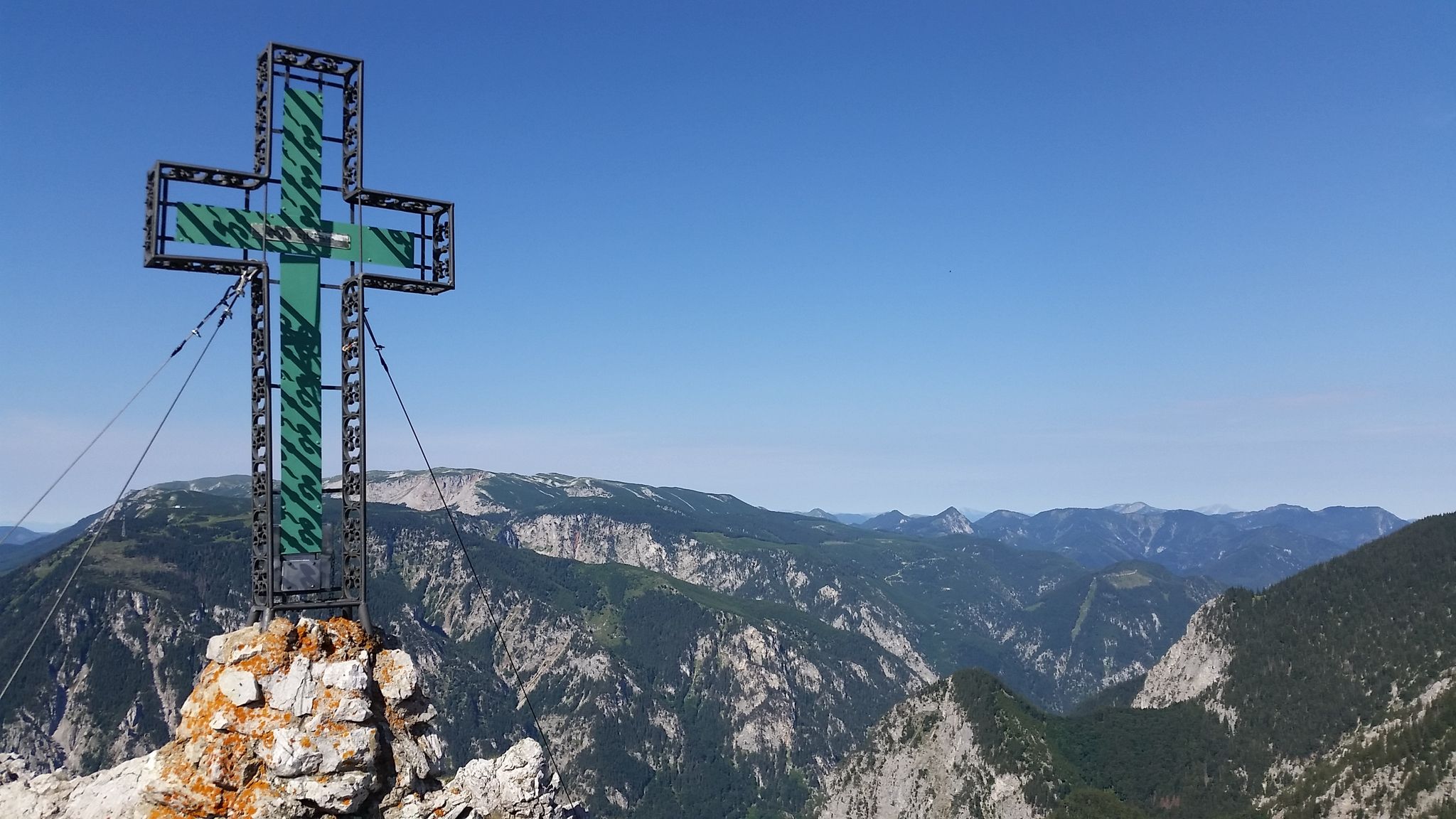
Viennese Alpenbogen – Lower Austria's most beautiful peaks
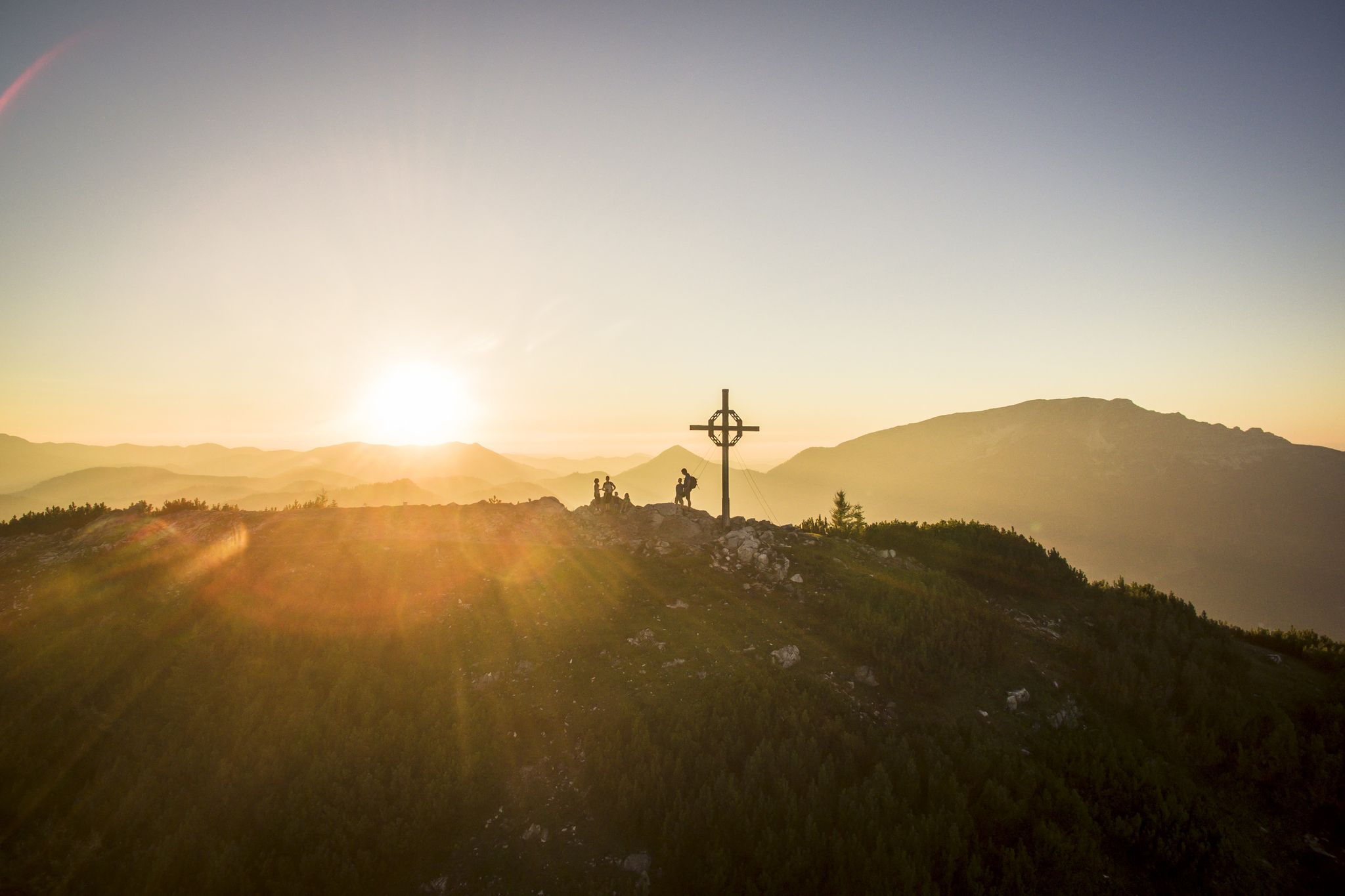
Hiking with a view – certified hiking villages in Lower Austria
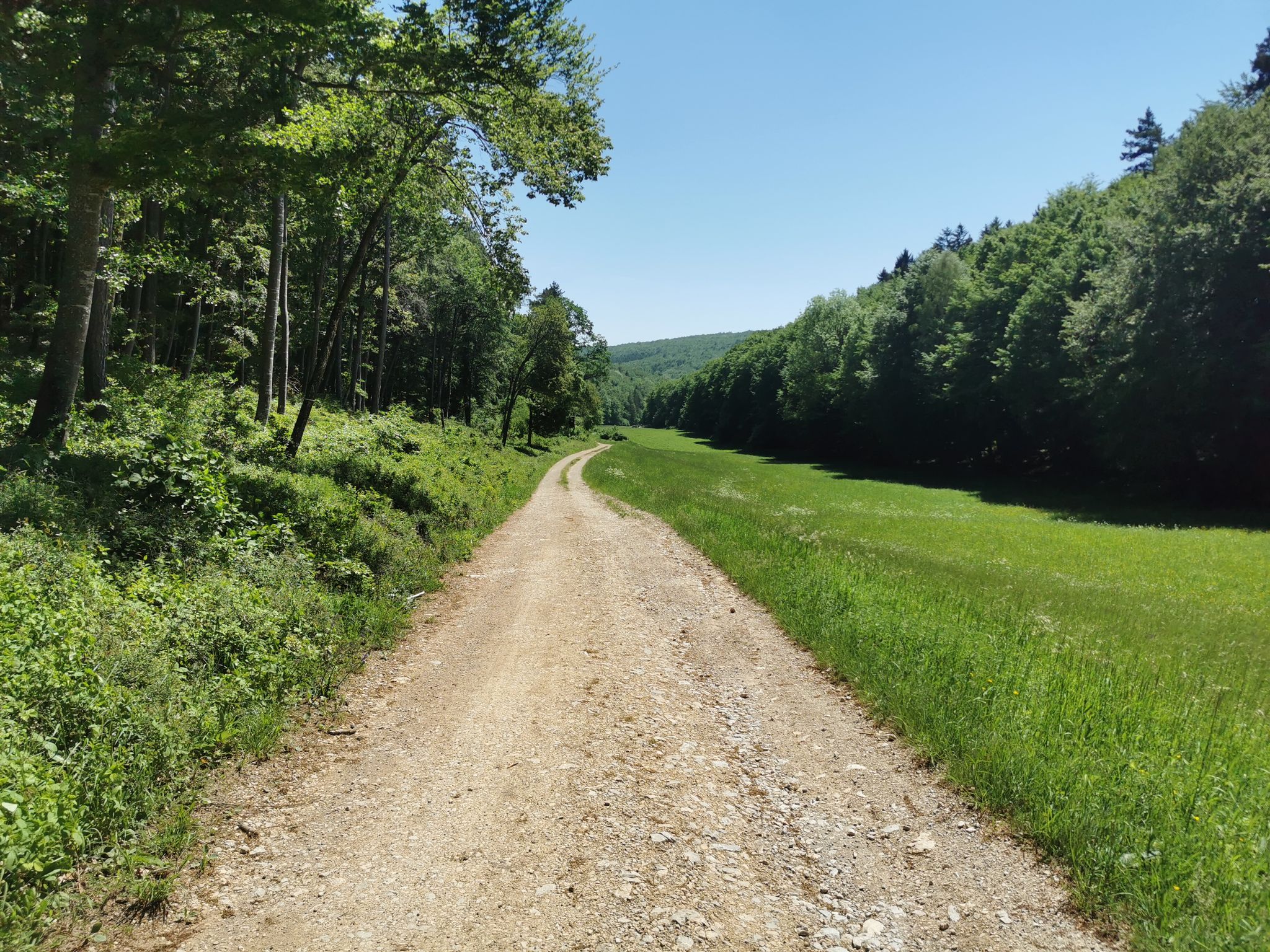
Hills and valleys – gravel bike tours in the Vienna Woods
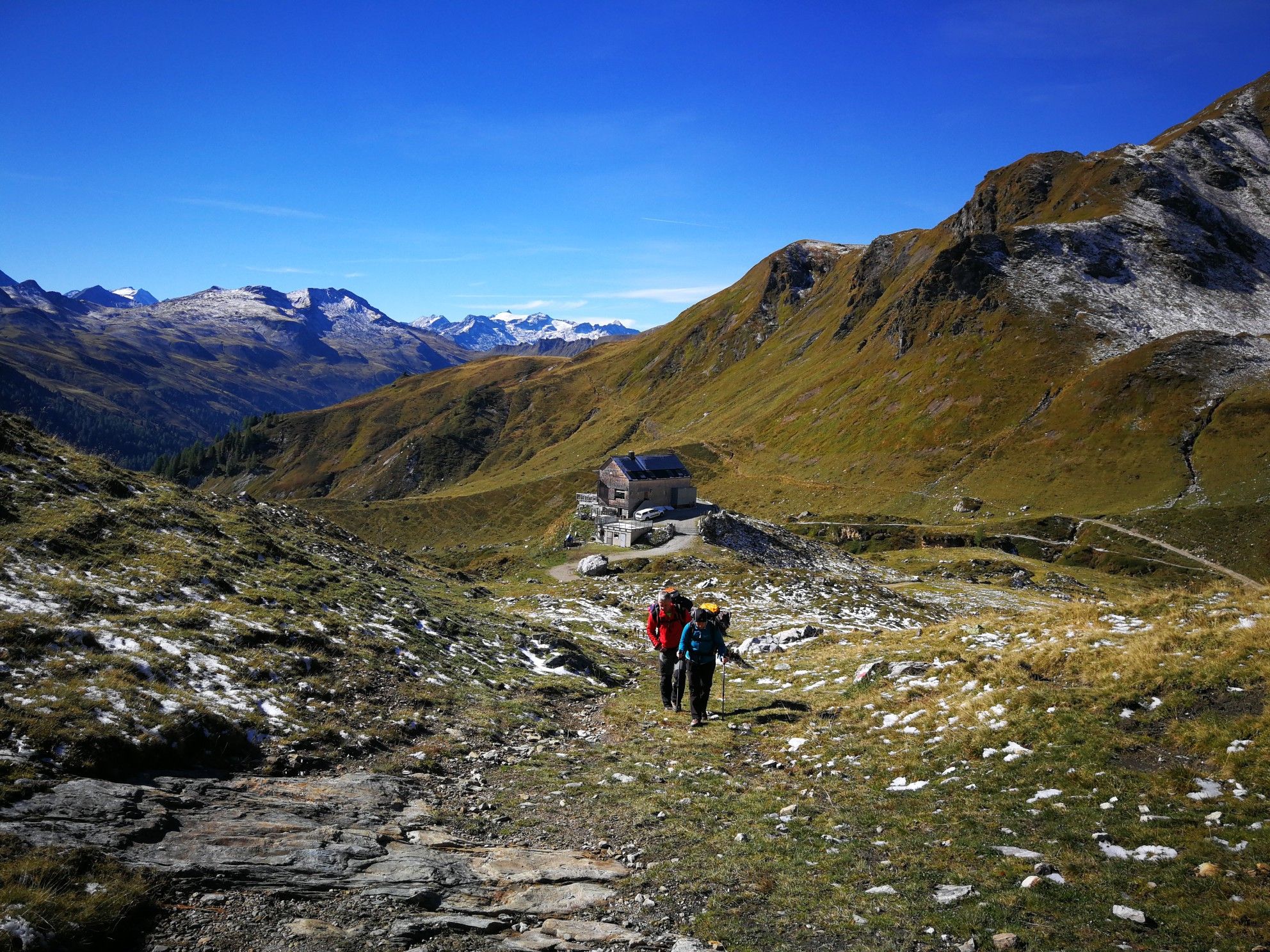
Lower Austria to Carinthia — our favourite huts in Austria
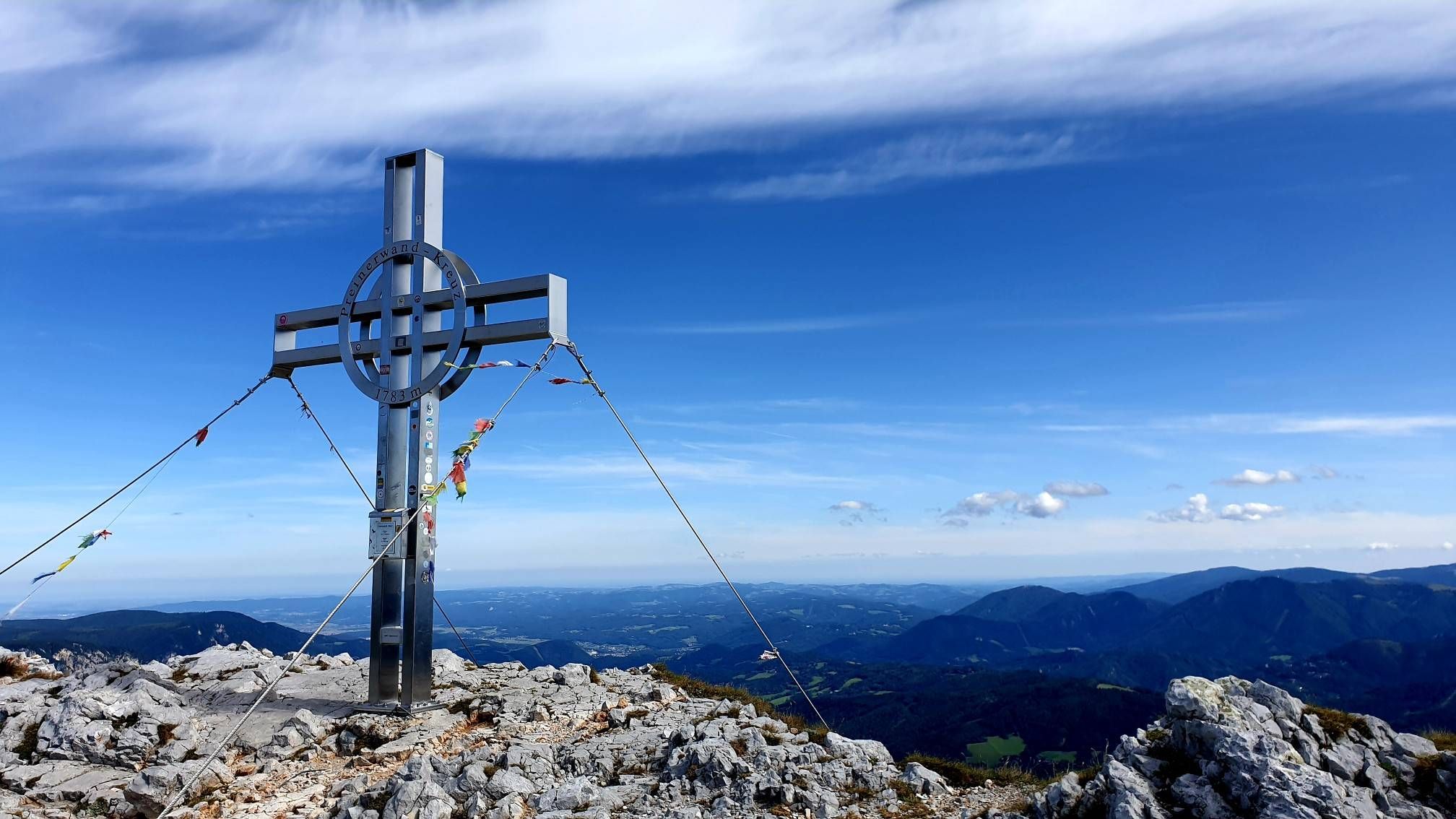
Alpine hiking on Vienna’s doorstep – Rax-Schneeberg Group Mountains
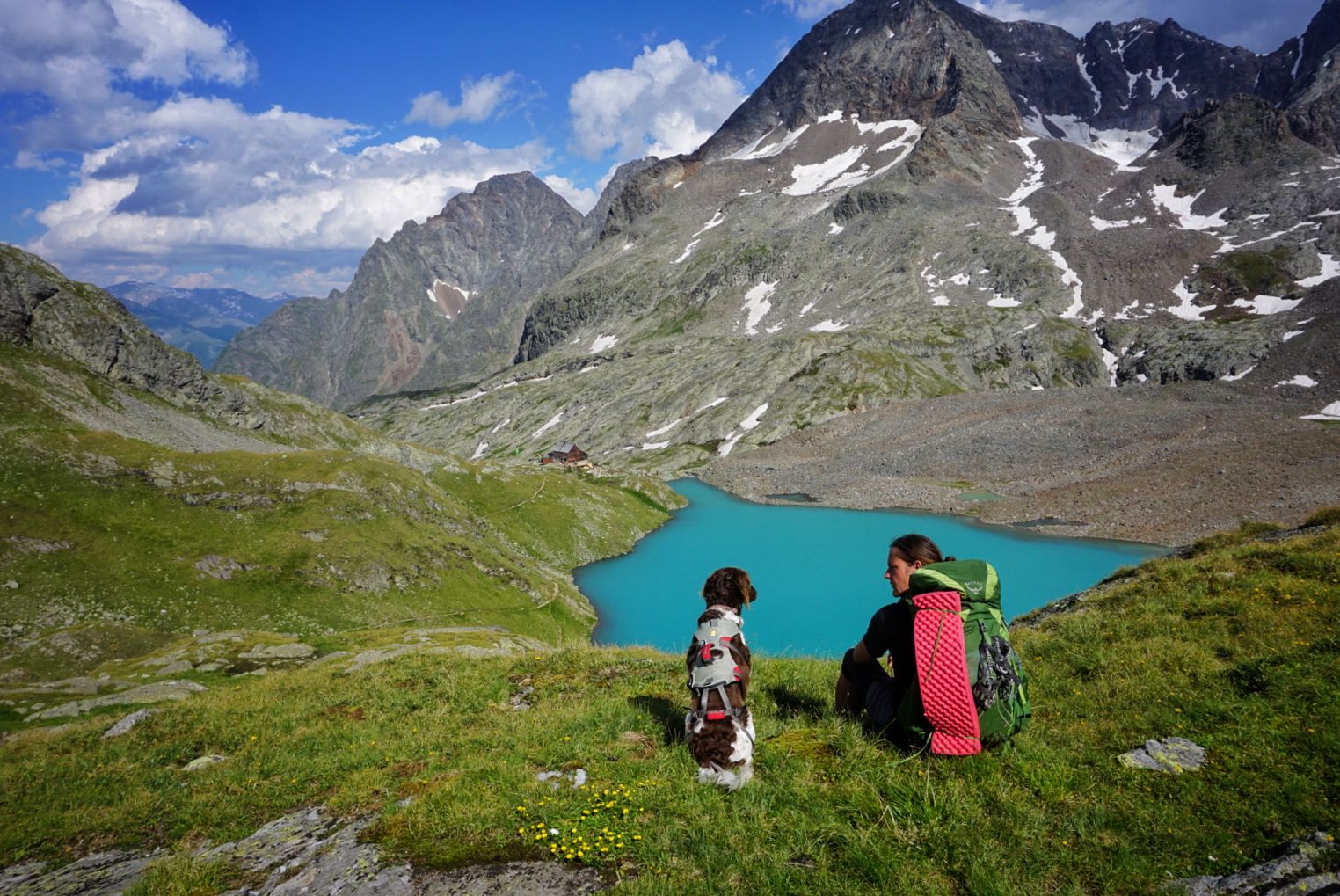
An alpine adventure – from east to west through Austria
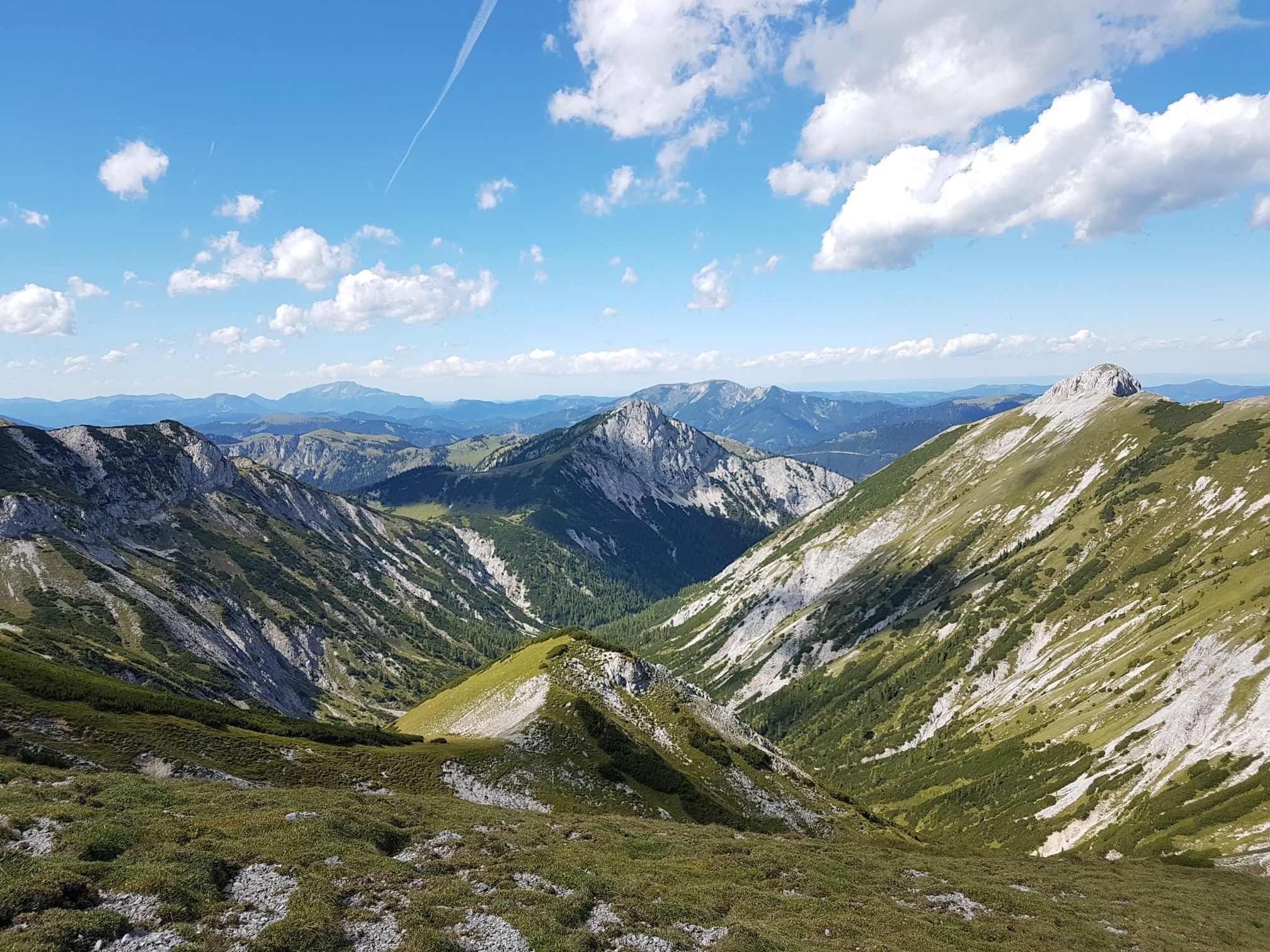
Out of town, up the mountain – Vienna's backyard
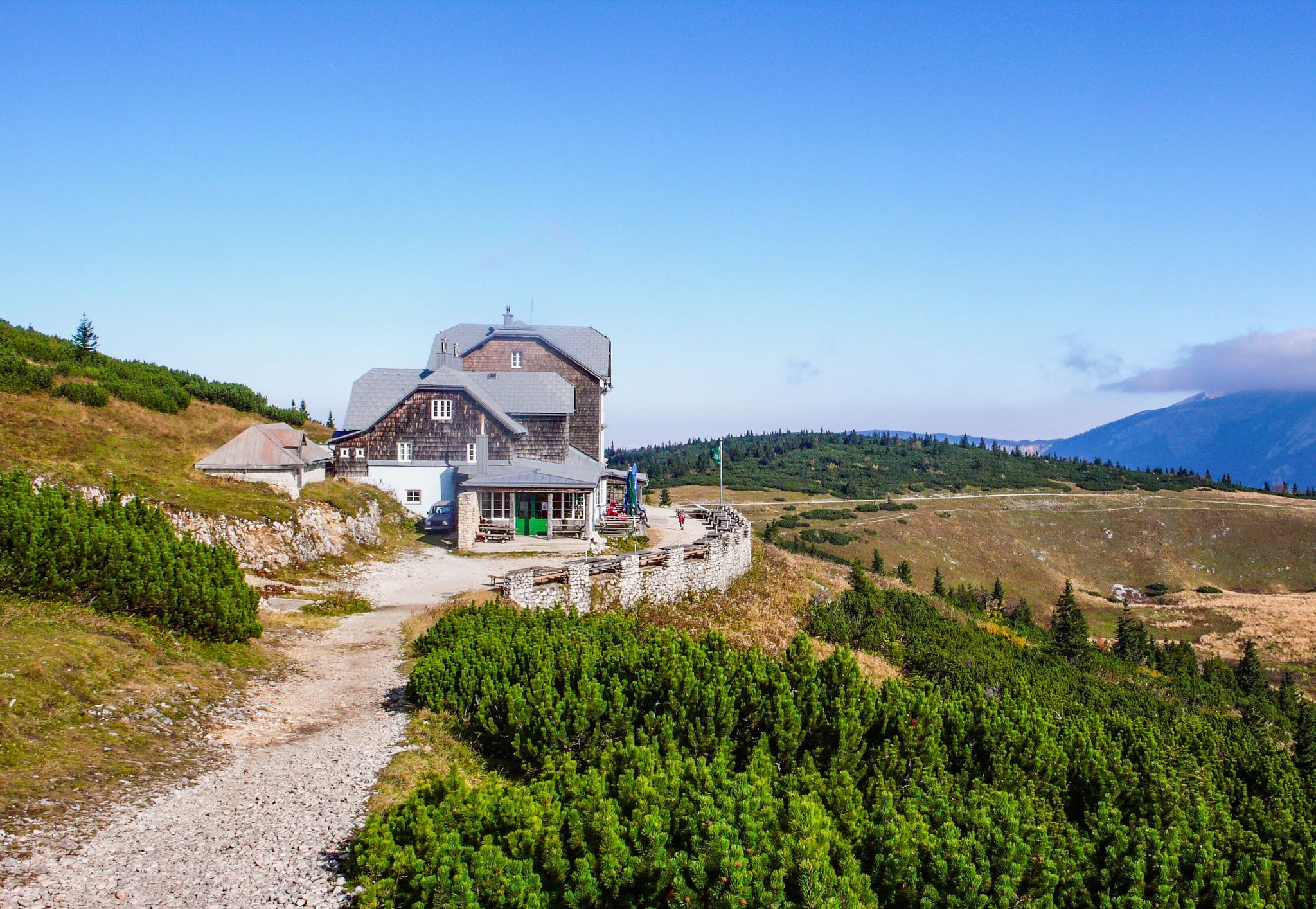
Hut fun in Austria’s Schneebergland
Family adventures in Vienna's local mountains
Ride & Relax – Mit dem Rad in den Wiener Alpen
Other adventures around Puchberg am Schneeberg


Tips from the Community

The Otto-Haus on the Rax (1,640 m) is one of the most traditional huts in Vienna's local mountains. It offers a cozy stop with regional delicacies and a large sun terrace. From here, you can enjoy a magnificent panorama across the Rax plateau to the peaks of the surrounding Alps—a perfect starting point or rest stop for your tour.
5
0
The Johannesbach Gorge, approximately 1 km long and up to 60 m deep, on the western edge of Würflach is a true natural gem and a popular destination – especially on hot summer days. The well-maintained trail, with numerous wooden walkways, steps, and bridges, leads through a wildly romantic gorge carved into the Wetterstein limestone by the Johannesbach stream over millennia. Along the way, you'll discover deep potholes, bowl-shaped depressions ("mills"), and, with a little attention, geological features such as the "Marientritt" (Marientritt). Two small caves – the Johannesbach Gorge Cave and the Klammwirt Cave – complete the experience. With a walk time of approximately 30 minutes, the gorge is also ideal for families with children. Those who like can dip their feet in the cool water or stop off at the Klammwirtin restaurant. The gorge is particularly atmospheric during the Advent market, when Austria's largest decorated Christmas tree is illuminated. If you want more, you can combine the gorge with hikes to the Schrattenstein castle ruins, along the Andreassteig or towards Grünbach.
6
0

With a 30 minute walk, the trip is especially great for families with children, unfortunately almost no water
6
0
The fisherman's hut is located at an altitude of 2049 m, making it the highest mountain hut in Lower Austria. And it was very well attended and you can also stay overnight
8
0

The Johannesbach Gorge, which is around 60 m deep and around 1000 m long, lies entirely in the Wetterstein limestone. It lies like a barrier across the course of the Johannesbach and at the same time separates the softer rocks of the Werfen layers of the Schrattenbach hills to the west from the large gravel areas of the Rohrbach conglomerate in the Steinfeld to the east. The predecessor of the Johannesbach once had to break through the Wetterstein limestone barrier. A tectonic furrow and the rainy climate of the post-glacial period helped it: it carried a lot of water, which in turn moved enormous amounts of rock and eroded the subsoil of the stream. Over thousands of years, the tectonic line was deepened and the stream bed sunk. Many potholes on the steep slopes of the gorge and mills in the subsoil - including the "Marientritt" - testify to the power of the early Johannesbach. Source: www.wuerflach.at/index.php?option=com_content&view=category&id=34&Itemid=37
28
2
The Johannesbachklamm is a popular excursion destination on the western edge of Würflach and only an hour from Vienna. On the way through the gorge, which is just over a kilometer long, visitors experience a small natural paradise that is pleasantly cool even on hot days. And if you look closely, you can see from the rock walls that are up to 60 meters deep how the Johannesbach has dug itself into the Wetterstein limestone over thousands of years. With a walking time of 30 minutes, the excursion is particularly great for families with children. This is also due to the many stairs and bridges that make the path so entertaining. If you want, you can leave the wooden footbridge in some places and cool your feet in the Johannesbachbach. You can also take a good rest at the KlammWirtin at the entrance to the gorge. By the way: If you like to walk for longer, you can turn the walk through the Johannesbachklamm into a hike. Or you can admire the "largest decorated Christmas tree in Austria" in the Johannesbachklamm during Advent. Source: www.niederoesterreich.at/ausflugsziel/a-johannesbachklamm-wuerflach
29
2


Wildly romantic gorge. Pleasantly cool in summer
7
4
Frequently Asked Questions
What are some of the most prominent mountain peaks and natural attractions in the Puchberg am Schneeberg region?
The region is dominated by Schneeberg, the highest mountain in Lower Austria, and the impressive Hohe Wand, known for its nature park and dramatic cliffs. Other notable natural features include the Johannesbach Gorge, a popular excursion destination with unique rock formations.
Are there any family-friendly mountain peaks or activities in the area?
Yes, the Hohe Wand Nature Park is particularly family-friendly, offering a semi-natural playground, a petting zoo, a wild animal park, and llama trekking. The Johannesbach Gorge is also great for families with children, featuring many stairs and bridges along its path.
How can I reach the higher elevations of Schneeberg?
The historic Schneeberg Railway provides a convenient way to ascend Schneeberg, taking you up to 1,800 meters. From the summit station, you can then hike to the highest point, Klosterwappen, or to the Fischerhütte.
What kind of views can I expect from the mountain peaks around Puchberg am Schneeberg?
From Schneeberg, you can enjoy stunning panoramic views that often extend for hundreds of kilometers on clear days, reaching as far as Vienna, Bratislava, and even Brno. The Hohe Wand also offers breathtaking vistas from its Skywalk observation deck and lookout tower.
Are there mountain huts or lodges for refreshments and overnight stays?
Yes, the region has several mountain huts. The Ottohaus Mountain Lodge is a central point on the Rax plateau, offering refreshments and accommodation. The Fischerhütte, at 2,049 meters, is Lower Austria's highest mountain hut and also provides overnight stays.
What are some challenging hiking routes near Puchberg am Schneeberg?
For challenging mountain hikes, consider routes like the Fadensteig Trail on Schneeberg. You can find more difficult routes, such as the Fadensteig Trail – Kaiserstein Summit Monument loop or the Waxriegel Summit (1,888 m) – Elisabethkircherl loop, in the Mountain Hikes guide.
Are there easier hiking options for beginners or casual walkers?
Absolutely. The Hohe Wand Nature Park has a dense network of hiking paths suitable for various levels. For easier walks, you can explore routes like the Elisabeth Church on Schneeberg – Waxriegel Summit loop or the Sebastian waterfall – Wasserfallhütte loop, detailed in the Easy Hikes guide.
What is the <a href="https://www.komoot.com/highlight/139502" target="_blank" rel="noopener">Krummbachstein</a> and what does it offer?
The Krummbachstein is a 1602-meter-high peak next to Schneeberg, offering beautiful views of Schneeberg and the Höllental. It features an artful summit cross and is only an hour away from the modern Naturfreundehaus Knofeleben.
What makes the Hohe Wand Nature Park a unique destination?
The Hohe Wand Nature Park is unique for its dramatic rocky cliffs, up to 230 meters high, and its blend of alpine and Pannonian flora and fauna. Besides hiking and climbing, it offers attractions like a Skywalk observation deck, a lookout tower, and a wild animal park, making it ideal for diverse recreational activities.
Can I find running trails around the mountain peaks?
Yes, there are several running trails available. You can explore routes like the Klosterwappen – Fischerhütte loop or the Speicherteich – Almreserlhaus loop, which are part of the Running Trails guide for the area.
What is the <a href="https://www.komoot.com/highlight/360190" target="_blank" rel="noopener">Hohe Mandling Summit Rest Area</a>?
The Hohe Mandling Summit Rest Area is located on the 967m high Hohe Mandling mountain in the Gutenstein Alps. It offers a romantic path from Reichental with sensational views, making it a perfect spot for a peaceful rest at the summit.
What is the best time of year to visit the mountain peaks in Puchberg am Schneeberg?
The region is beautiful year-round, but hiking is generally best from late spring to early autumn. Schneeberg is known for retaining snow well into late spring, offering unique seasonal experiences. Always check the weather forecast before heading out, as mountain conditions can change rapidly.
Most popular routes around Puchberg am Schneeberg
Most popular attractions around Puchberg am Schneeberg

Get inspired with the komoot mobile app


Explore more
See even more amazing summits around Puchberg am Schneeberg with these guides:
