Top 15 Castles around Scheiblingkirchen-Thernberg
Best castles around Scheiblingkirchen-Thernberg are situated in a region of Lower Austria characterized by its historical fortifications and varied terrain. This area, part of the Bucklige Welt, offers insights into centuries of regional history through its ancient structures. The landscape features rolling hills and strategic elevations, providing natural settings for these landmarks. Visitors can explore a range of historical sites integrated into the natural surroundings.
Best castles around Scheiblingkirchen-Thernberg
- The most popular castles is Türkensturz Ruins, a castle and…
Last updated: June 3, 2026
Türkensturz Ruins
Highlight • Castle
Translated by Google •
Tip by

Seebenstein Castle
Highlight • Castle
Sign up now to discover places like this
Get recommendations on the best single tracks, peaks, & plenty of other exciting outdoor places.
Sign up for free
Grimmenstein Castle
Highlight • Castle
Linsberg Castle
Highlight • Castle
Translated by Google •
Tip by

Mountain Church and Cave Church Pitten
Highlight • Religious Site
Translated by Google •
Tip by

Sign up for free to discover even more castles around Scheiblingkirchen-Thernberg.
Sign up for free
Already have an account?
Start today with a free account
Your next adventure awaits.
Login or Signup
Popular around Scheiblingkirchen-Thernberg
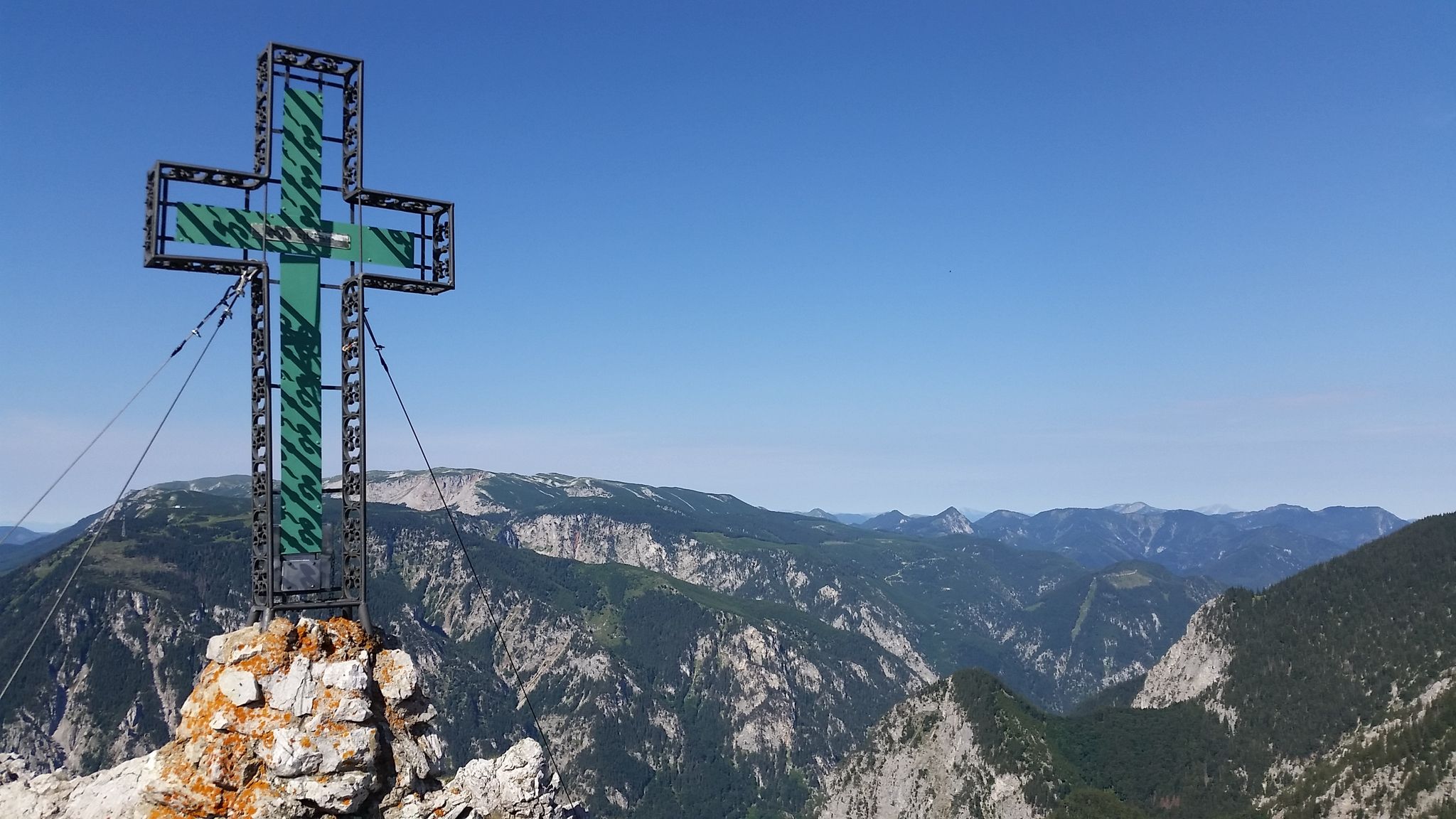
Viennese Alpenbogen – Lower Austria's most beautiful peaks
Hiking around Scheiblingkirchen-Thernberg
Road Cycling Routes around Scheiblingkirchen-Thernberg
Cycling around Scheiblingkirchen-Thernberg
MTB Trails around Scheiblingkirchen-Thernberg
Running Trails around Scheiblingkirchen-Thernberg
Mountain Hikes around Scheiblingkirchen-Thernberg
Gravel biking around Scheiblingkirchen-Thernberg
Other adventures around Scheiblingkirchen-Thernberg

Tips from the Community

A church below the castle ("sub castello") is first mentioned from 1000 AD onwards and is likely to be one of the oldest Christian places of worship in the region. The rock cave behind the mountain church is dedicated to Saints Peter and Paul.
0
0
The castle, sometimes called Burg Vordergrimmenstein since the 19th century, while the former castle on the summit of the 758 m high Kulmriegel was also called Burg Hochgrimmenstein and a former castle southwest of the Kulmriegel at the end of the Kunzgraben were designated as Hintergrimmenstein.
1
0

The complex is a medieval foundation that was expanded in the 15th and 16th centuries. In the first half of the 18th century, it was in poor structural condition. Its then owner, a court master of the Bishop of Wiener Neustadt, had it repaired and converted into a castle. He also gave it a uniform, baroque appearance. In the 19th century, various changes in the historicist style followed on both the main house and the complex of outbuildings. The castle and the associated castle park are privately owned. More on the history: https://de.wikipedia.org/wiki/Schloss_Linsberg
0
0
Open on weekends and really worth seeing! https://www.burg-grimmenstein.at/ The castle is one of three former fortifications on the Kulmriegel, which dominates the Pittental. Like the other two weir systems, it was left to decay due to the roof tax and largely removed as building material. In the 1960s, it was repaired and partially rebuilt in the neo-romantic style using the walls that were still in ruins. After further deterioration, the new owner Markus Albero Grimmenstein has been restoring 90% of the facility himself since July 2014 without public funds/funds and has been opening it to the public since April 2016.
0
0

Small renovated castle with a short hike
0
0

The castle is open on Saturdays, Sundays and public holidays from 2 p.m. to 3 p.m.
3
1

The castle is about 600m from the Schwarzatal cycle path. Can therefore be approached without a major detour.
0
0
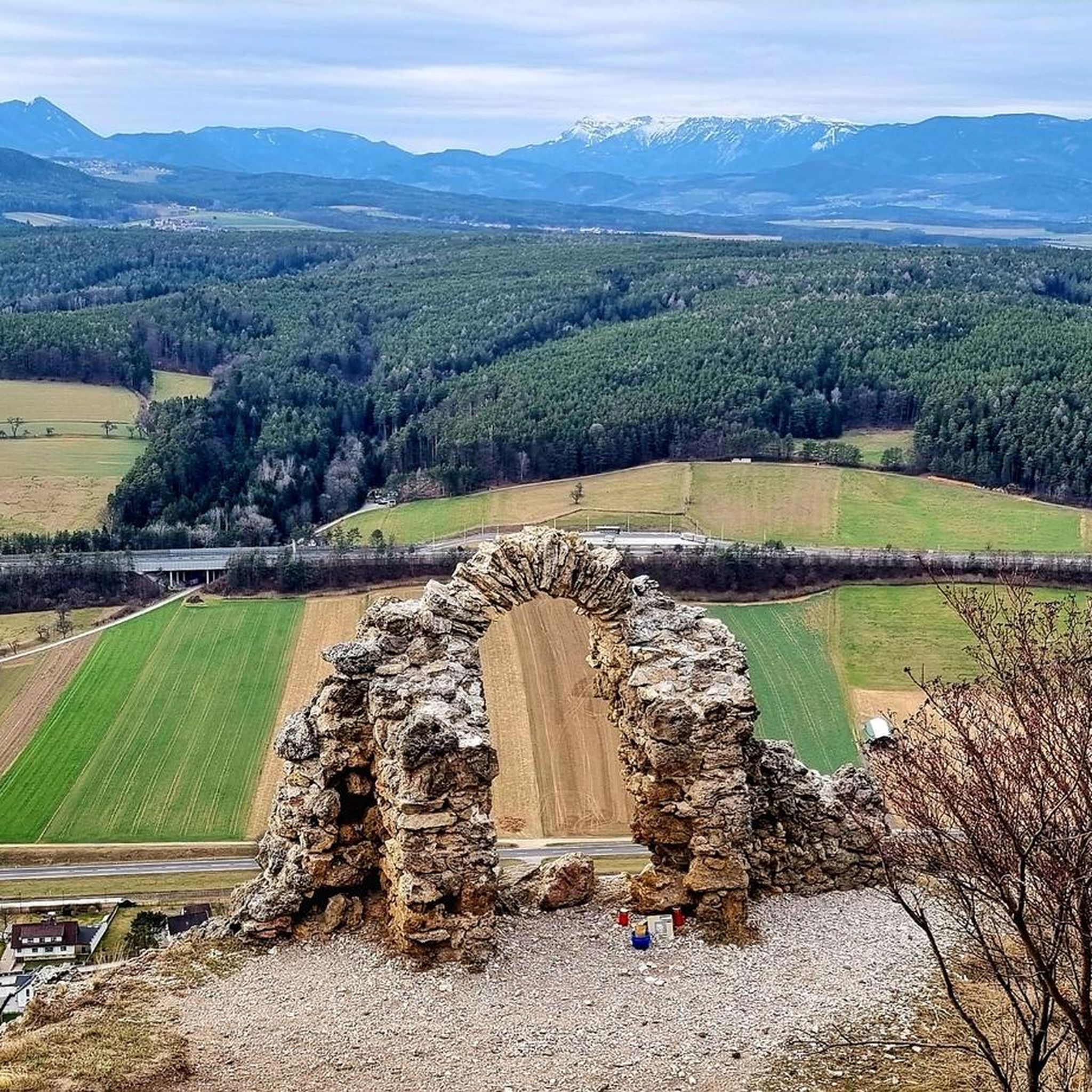
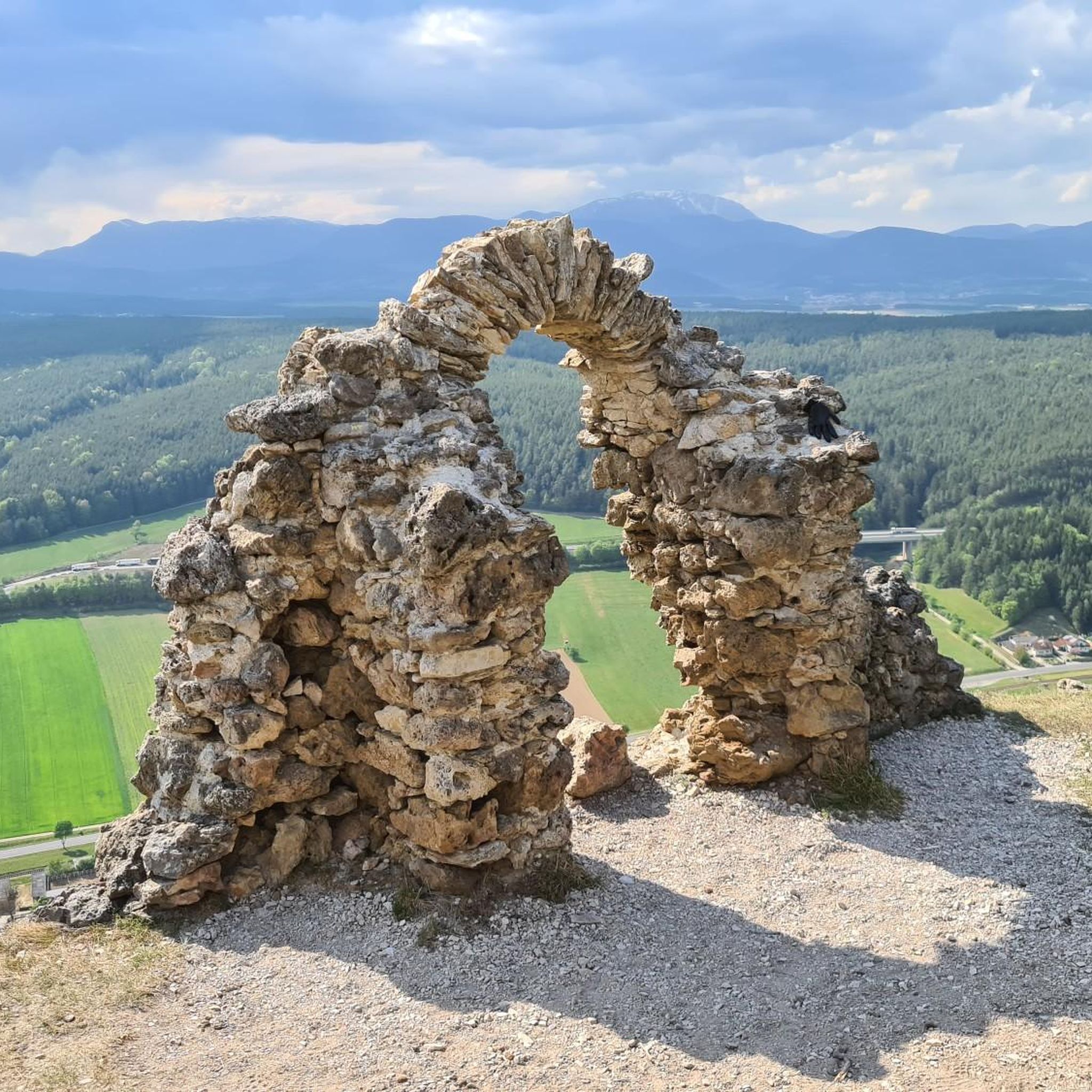
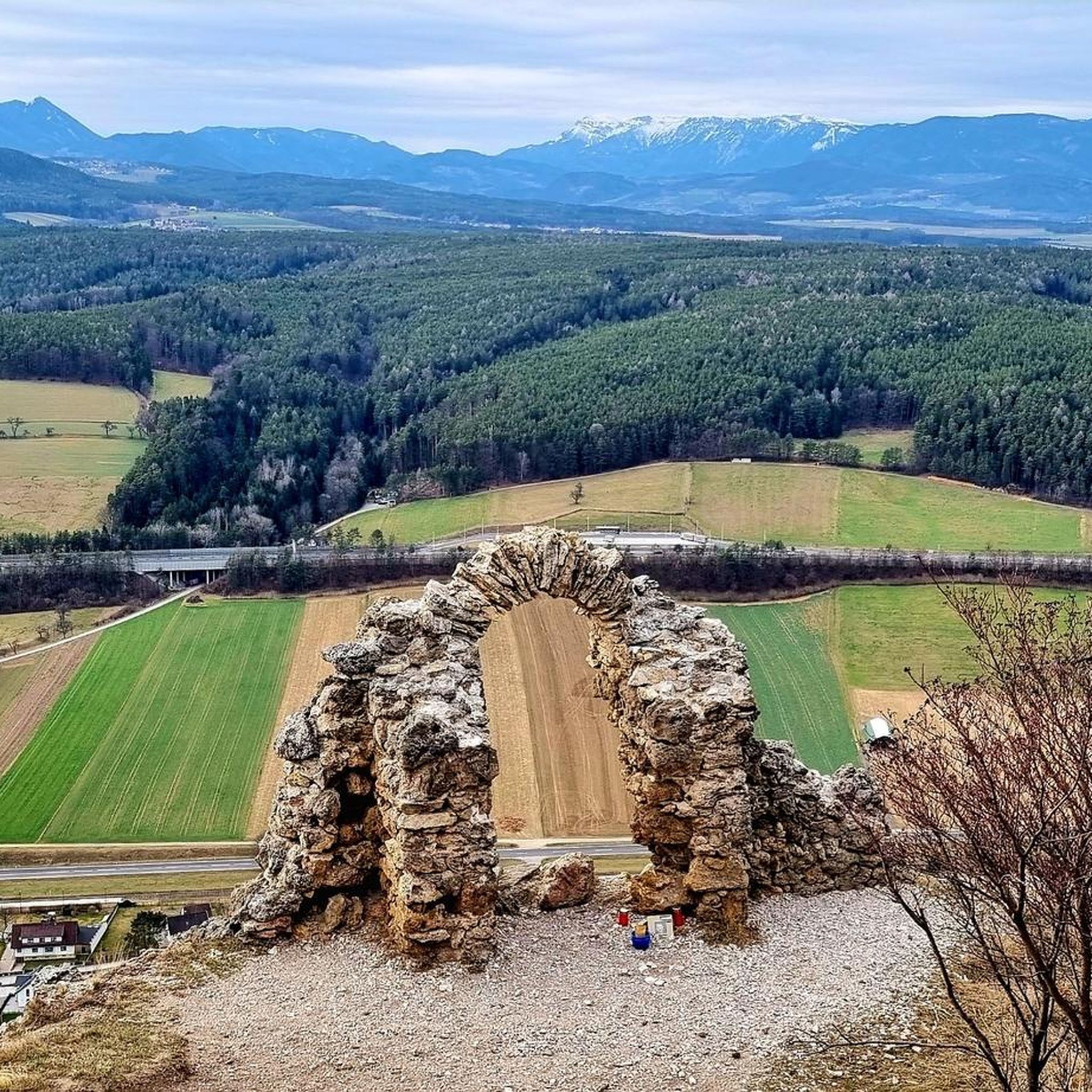
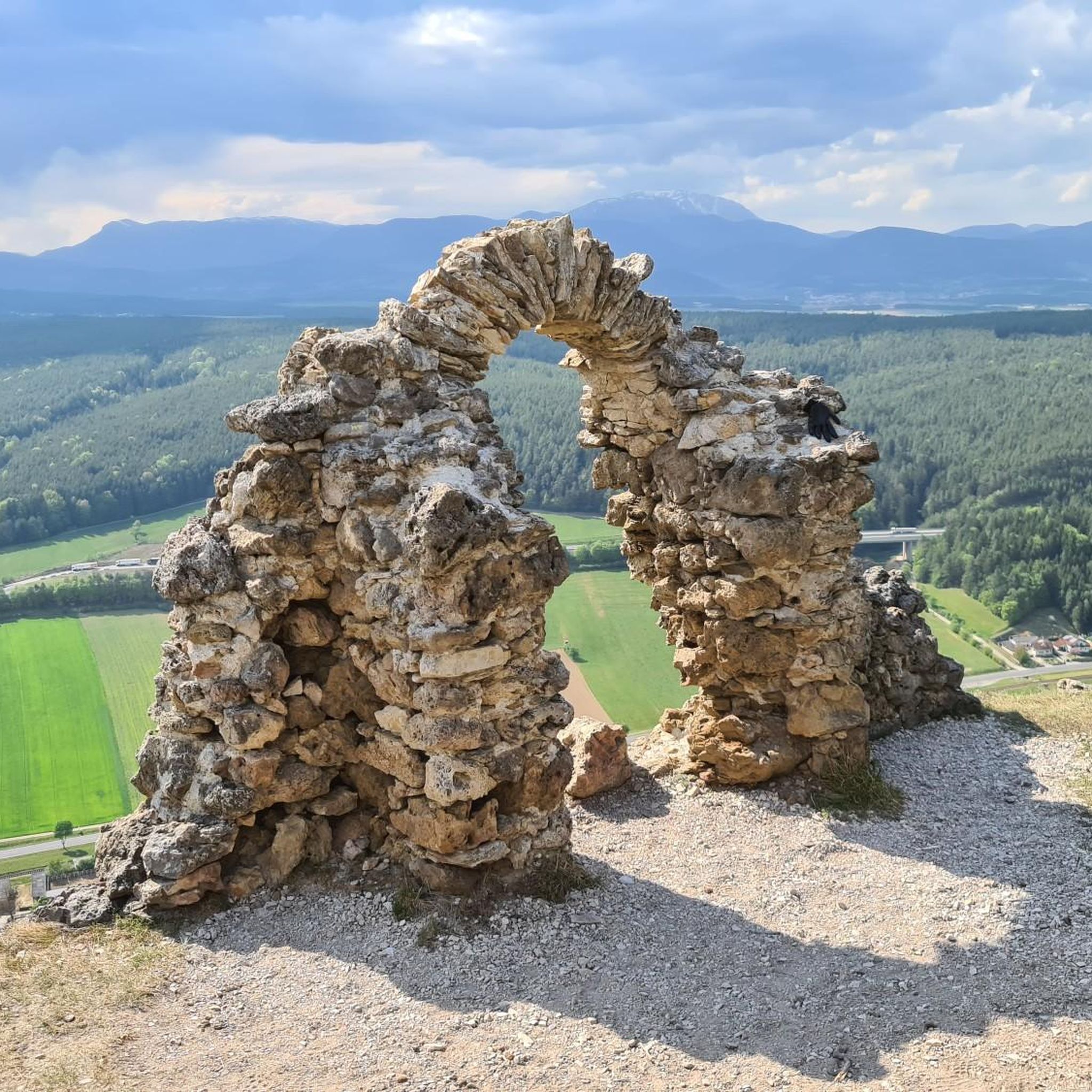
Artificially built ruins with via ferrata underneath. Top notch view. Easy to reach. Recommended!!
4
0
Frequently Asked Questions
What are some of the most historically significant castles in the Scheiblingkirchen-Thernberg region?
The region is rich in history. The Türkensturz Ruins are a romantic viewpoint with a fascinating past. Additionally, the **Ruinen Thernberg (Thernberg Castle Ruins)** are considered one of the oldest castles in Lower Austria, dating back to the 13th century, though they are largely inaccessible today. Nearby, **Schloss Thernberg** is a baroque palace associated with Archduke Johann, who made it his favorite residence in the early 19th century.
Are there any family-friendly castles to visit around Scheiblingkirchen-Thernberg?
Yes, Seebenstein Castle is noted as family-friendly. Visitors can appreciate its impressive architecture and explore its interiors during guided tours, making it a great option for families.
Can I take guided tours at any of the castles?
Yes, guided tours are available at some locations. Seebenstein Castle offers guided tours to explore its interiors. Grimmenstein Castle also provides guided tours from March to October on weekends, allowing visitors to learn about its 13th-century foundations and modern redesign.
What kind of views can I expect from the castles in this area?
Many castles in the region offer rewarding views. The Türkensturz Ruins are renowned for their panoramic vistas after a steep ascent. Seebenstein Castle and Grimmenstein Castle are also situated in locations that provide excellent viewpoints of the surrounding landscape.
Are there hiking opportunities near the castles?
Absolutely. The region offers various hiking trails that incorporate castle visits. For easy hikes, you can explore routes like the 'Shelter just below Türkensturz – Türkensturz Ruins loop from Burg Seebenstein' or the 'Thernberg loop from Scheiblingkirchen-Thernberg'. You can find more options in the Easy hikes around Scheiblingkirchen-Thernberg guide.
What other outdoor activities are available near the castles?
Beyond hiking, the area is great for cycling and mountain biking. You can find various routes, such as the 'Leitha River in Lanzenkirchen – View of Burg Seebenstein loop' for touring bicycles or challenging MTB trails like the 'Marienseer Schwaig – Uphill Flowtrail Wexl Trails loop'. Explore more in the Cycling around Scheiblingkirchen-Thernberg and MTB Trails around Scheiblingkirchen-Thernberg guides.
What should I know about visiting the Thernberg Castle Ruins and Schloss Thernberg?
The **Ruinen Thernberg (Thernberg Castle Ruins)** are historically significant but are heavily overgrown and not accessible due to instability. You can appreciate their historical context from a distance. **Schloss Thernberg**, a baroque palace, is also not fully active but is notable for its association with Archduke Johann. An Archduke Johann documentation center, 'Hanns, der Thernberger,' exists in the former sexton's house nearby.
Are there any castles that are privately owned and not accessible to the public?
Yes, Linsberg Castle is a baroque palace complex that is privately owned. While it is not accessible to the public, it can be seen from the street and is located about 600m from the Schwarzatal cycle path, making it visible during a ride.
What unique historical sites are there besides traditional castles?
The **Mountain Church and Cave Church Pitten** offer a unique historical experience. The mountain church is an 18th-century baroque building, and directly behind it, a rare cave church with 13th-century frescoes is hidden. This site also provides a spectacular view of the surroundings.
What do visitors particularly enjoy about the castles in Scheiblingkirchen-Thernberg?
Visitors frequently praise the impressive architecture and historical depth of the castles. Many enjoy the rewarding views from sites like Türkensturz Ruins and the opportunity for guided tours at places like Seebenstein Castle. The overall beautiful area and the chance to combine castle visits with outdoor activities are also highly appreciated.
Are there places to eat or stay near the castles?
While specific cafes or accommodation directly at every castle are not listed, Grimmenstein Castle offers coffee and cake, and on weekends, delicious toasts and Belgian beer. The broader Scheiblingkirchen-Thernberg region provides local cafes, restaurants, and accommodation options.
What is the best time of year to visit the castles and explore the trails?
The period from March to October is generally ideal for visiting, especially if you plan to take guided tours at places like Grimmenstein Castle, which operates tours during these months. The weather during these seasons is also more favorable for hiking and cycling the nearby trails.
Most popular routes around Scheiblingkirchen-Thernberg
Most popular attractions around Scheiblingkirchen-Thernberg

Get inspired with the komoot mobile app


Explore more
Looking for the best castles somewhere else? Discover other guides around Scheiblingkirchen-Thernberg:
