Attractions and Places To See around Baumgarten / Pajngrt - Top 20
Attractions and places to see around Baumgarten / Pajngrt highlight the town's history, culture, and natural landscape in the Austrian state of Burgenland. The region is known for its historical monuments, including former monasteries and religious shrines, reflecting its cultural heritage. Additionally, the area offers various outdoor activities, such as hiking and cycling routes, providing opportunities to explore its natural features. Baumgarten / Pajngrt also holds historical significance related to the Austria-Hungary border.
Best attractions and places to see around…
Last updated: August 16, 2026
National border AT - HU
Highlight • Monument
Showing Translation
Tip by

Gate of Freedom – Pan-European Picnic Memorial
Highlight • Monument
Translated by Google •
Tip by

Sign up now to discover places like this
Get recommendations on the best single tracks, peaks, & plenty of other exciting outdoor places.
Sign up for free
Forchtenstein Castle
Highlight • Castle
Translated by Google •
Tip by

Oktaeder Sigleß
Highlight • Monument
Translated by Google •
Tip by

Forchtenstein Reservoir
Highlight • Lake
Translated by Google •
Tip by
Sign up for free to discover even more attractions around Baumgarten / Pajngrt.
Sign up for free
Already have an account?
Start today with a free account
Your next adventure awaits.
Login or Signup
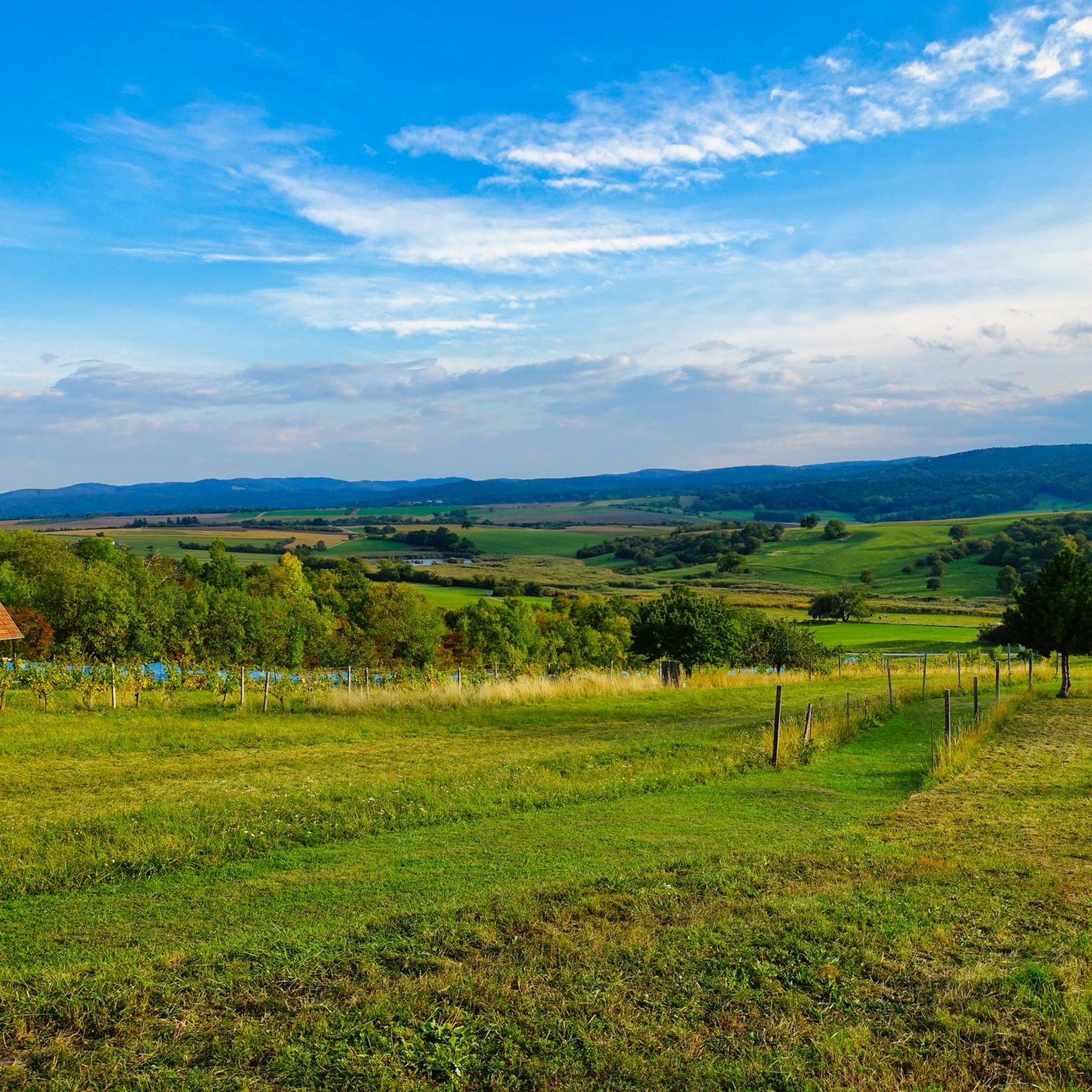
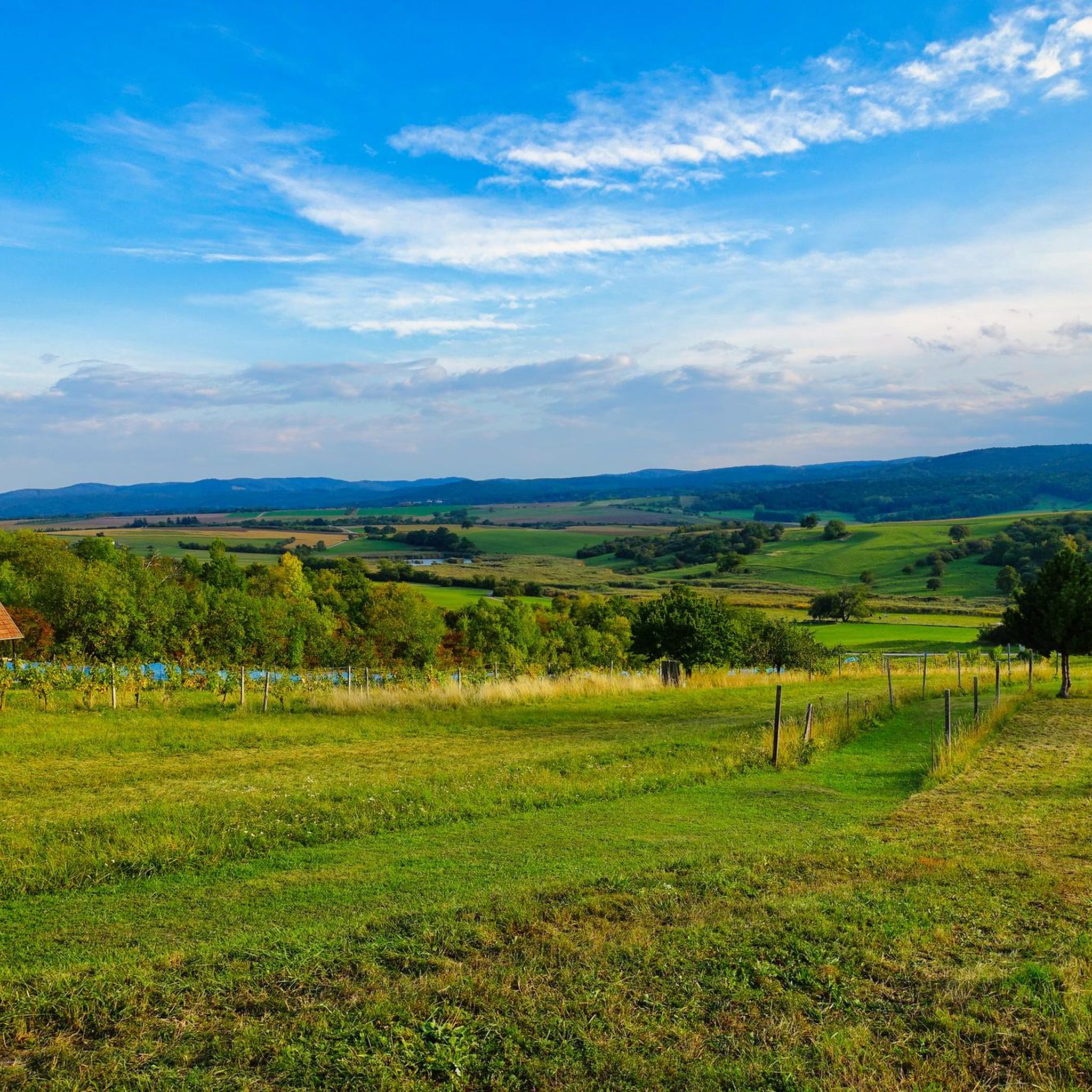
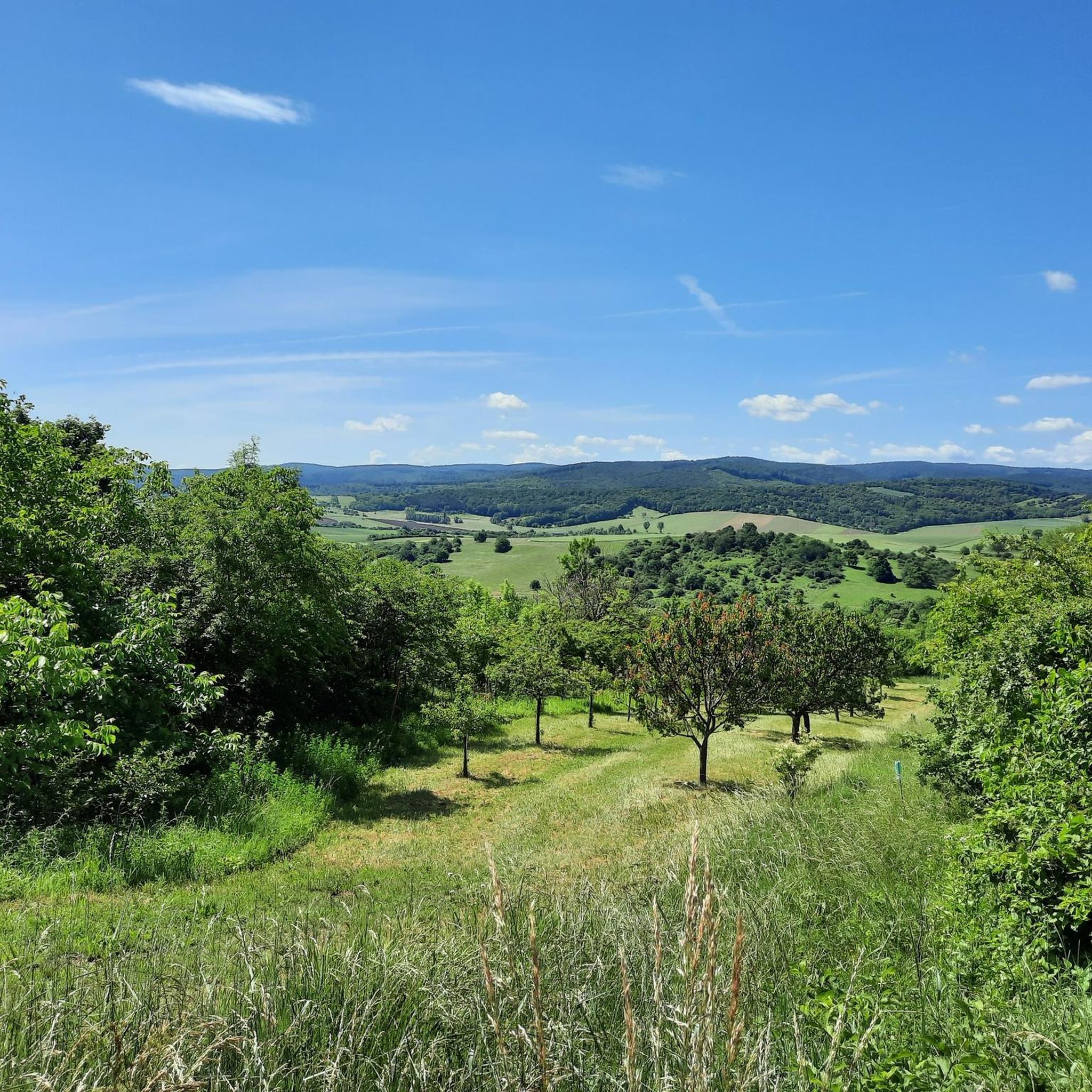
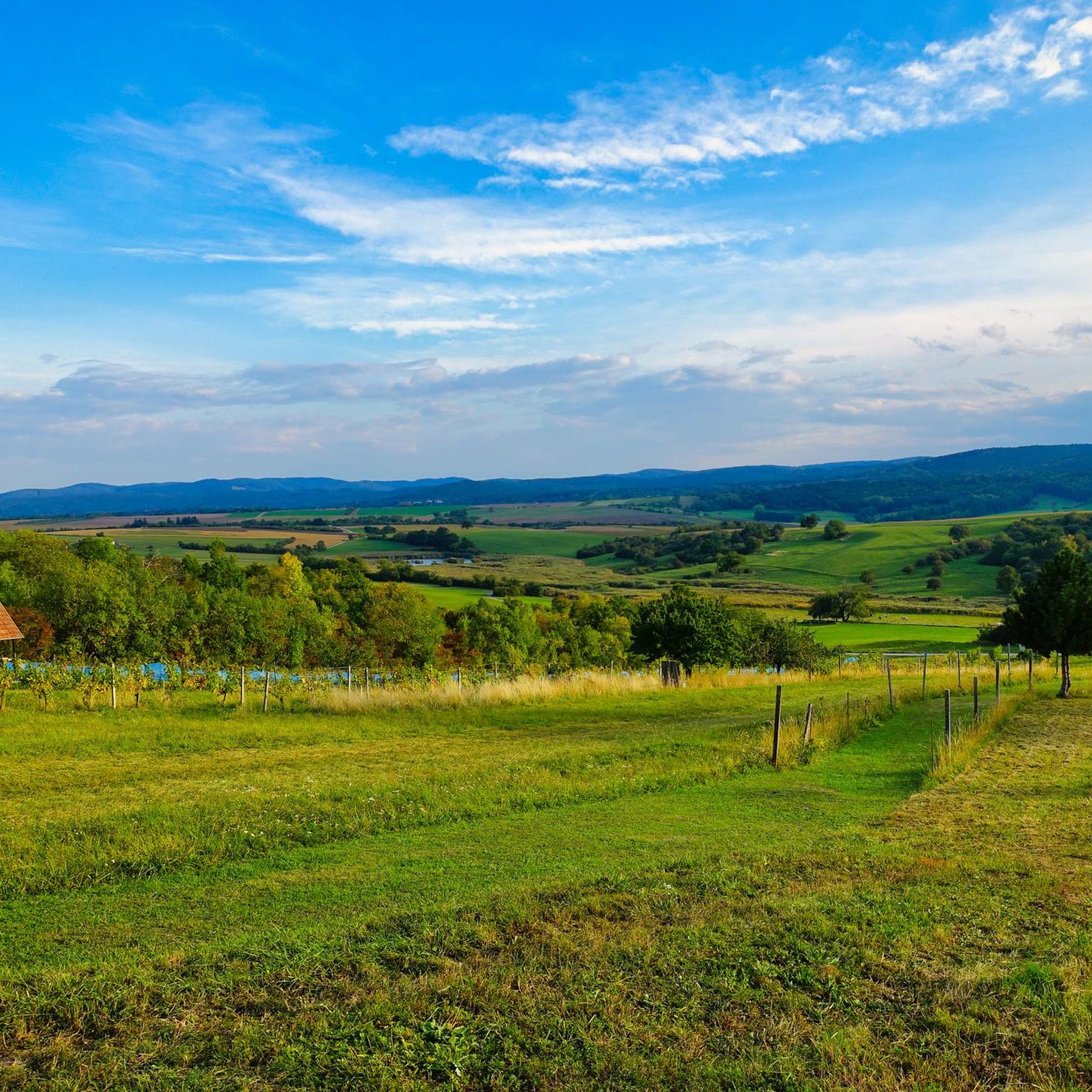
Tips from the Community

The Forchtenstein bathing lake is located at the foot of the Rosaliengebirge in the Rosalia-Kogelberg Nature Park and, with its excellent water quality, shady sunbathing lawns and natural surroundings, offers a popular destination for swimmers and those seeking relaxation. The lake is fed by the Haidbach, is about 170 meters long, 150 meters wide, and reaches a depth of over six meters at its deepest point. The water surface is around 15,000 square meters, and the bathing beach is partly sandy and partly grassy.
0
0

Stop at the Austria-Hungary border and take a photo
3
0

Here began the fall of the Iron Curtain
1
0

The Forchtenstein bathing reservoir is fed by the Haidbach. It is located in the middle of "Paradise", as the side valley of the Rosalien Mountains is called. It is 15,000 m2 in size and scores points for its natural shade. Oases of peace and water fun are the best ways to describe the area. It is particularly popular with families as it has very shallow access. A diving tower and a water slide, beach volleyball court and playground for the little ones provide variety. On the sun terrace with a wonderful view of the lake, the canteen spoils you with one or two delicacies. Whether you are a bather, hiker, cyclist or walker - a visit is always worthwhile.
0
0

Beautiful castle complex, there are also interesting exhibitions to see.
4
0

History was made at this memorial in 1989. The Pan-European Picnic was a peace demonstration on the Austro-Hungarian border near the town of Sopron (Ödenburg). With the consent of both countries, a border gate on the old Pressburger Landstrasse between St. Margarethen in Burgenland and Sopronköhida (Steinambrueckl) in Hungary was to be symbolically opened for three hours. On August 19, 1989, before the official start of the program, scheduled for 3 p.m., refugees from the GDR appeared at the scene of the event and broke through the border in several waves. The Hungarian border police did not prevent this escape, which became the first, truly spectacular action of German reunification. The memorial is a worthwhile excursion destination with a beautiful park, a walkway with informative display boards, the peace bell and the remains of the Iron Curtain.
4
0

Excellent water quality, a shady location and lots of nature are the best-known features of the Forchtenstein reservoir, which is fed by the Haidbach. Families with children get their money's worth here! 15,000 m² of water surface invite you to cool off and relax. The reservoir is very shallow at the beginning, so that it is also suitable for families with small children. A diving tower and a 50m long water slide ensure pure water fun as well as swimming. A children's playground, which is well equipped, a table tennis table and 2 beach volleyball courts complete the offer. Last but not least, due to the idyllic location at the edge of the forest, there is enough natural shade and stressed parents can find a little time and leisure here to relax and unwind. The lake buffet with a terrace overlooking the lake spoils its guests with all kinds of seasonal delicacies and invites you to chill out. [burgenland.info]
2
0
Small border crossing for cyclists, pedestrians and horse and cart (if still available :-))
2
0
Frequently Asked Questions
What historical sites can I explore around Baumgarten / Pajngrt?
The region is rich in history. You can visit the Forchtenstein Castle, a 14th-century fortress expanded by the Esterhazys. Other significant historical landmarks include the former Pauline Monastery (Ödes Kloster) with its Gothic chapel and pilgrimage church, the 17th-century Mariensäule, and various religious shrines like the Figurenbildstock, Familiensäule on Kirchengasse.
Are there any significant memorials or border-related attractions?
Yes, Baumgarten / Pajngrt is historically significant for its border location. You can visit the National border AT - HU, a monument marking the state border between Austria and Hungary. Nearby, the Gate of Freedom – Pan-European Picnic Memorial commemorates the opening of Hungary's borders in 1989, a pivotal event in the fall of the Berlin Wall.
What kind of outdoor activities are available near Baumgarten / Pajngrt?
The area is excellent for outdoor enthusiasts. You can enjoy various hiking and cycling routes. For cycling, consider routes like the "Chapel Near Baumgarten – Sopron Old Town loop" or the "Forchtenstein Castle – Rosalia Chapel loop." Hikers can explore options such as the "View of the Teichwiesen loop" or the "Schmiedlkreuz loop." Find more details on these activities at Cycling around Baumgarten / Pajngrt and Hiking around Baumgarten / Pajngrt.
Are there easy hiking trails suitable for beginners or short walks?
Absolutely. For easier walks, you can find trails like the "Hiking loop from Draßburg" (4.5 km) or the "Kogelberg Viewing Platform loop" (4 km). These routes offer a gentle way to experience the local scenery. More options are available in the Easy hikes around Baumgarten / Pajngrt guide.
What is the Leaning Tower of Walbersdorf?
The Leaning Tower of Walbersdorf (Bell Tower) is a Protestant bell tower built in 1800. It's notable for its distinct tilt and holds deep historical ties to the Burgenland region, making it a unique local landmark.
Are there any family-friendly attractions in the area?
Many attractions around Baumgarten / Pajngrt are suitable for families. Historical sites like Forchtenstein Castle and the Gate of Freedom – Pan-European Picnic Memorial offer educational experiences. The numerous hiking and cycling routes also provide opportunities for active family outings in nature.
What natural features can I expect to see around Baumgarten / Pajngrt?
The region offers scenic landscapes ideal for outdoor exploration. While there aren't specific natural monuments listed, the area is characterized by its rolling hills and green spaces, perfect for hiking and cycling. You can also observe the modern Windpark Baumgarten, featuring nearly 150-meter-high wind turbines.
What do visitors enjoy most about the attractions here?
Visitors frequently praise the impressive views from Forchtenstein Castle, noting its freely accessible courtyard and recommended castle restaurant. The historical significance of the border crossings and memorials, such as the Gate of Freedom, also leaves a lasting impression on those interested in European history.
Are there any religious landmarks to visit?
Yes, Baumgarten / Pajngrt has several religious landmarks. These include the Catholic Parish Church of Baumgarten with its fortified cemetery wall, the Mariensäule from the 17th century, and various shrines like the Figurenbildstock, Familiensäule dedicated to the Holy Family, and the Bildstock hl. Florian.
Is there a specific border crossing that has historical significance?
Beyond the main National border AT - HU, there's also the Austria–Hungary border crossing, which is noted for its Roman-era history. An inconspicuous building there houses a two-and-a-half-meter-high carved relief stone depicting the god Mithras, a UNESCO World Heritage site.
What is the best time to visit Baumgarten / Pajngrt for outdoor activities?
The region is generally pleasant for outdoor activities from spring through autumn. These seasons offer mild temperatures ideal for hiking and cycling, allowing you to fully enjoy the scenic routes and historical sites without extreme weather conditions.
Most popular routes around Baumgarten / Pajngrt
Most popular attractions around Baumgarten / Pajngrt

Get inspired with the komoot mobile app


Explore more
Still not found the Highlight you’re looking for? See guides of the top attractions in other regions:
