The 5 Most Amazing Peaks around Stronsdorf
Best mountain peaks around Stronsdorf are characterized by rolling hills, expansive fields, and loess slopes in Lower Austria's Mistelbach district. The municipality itself sits at an elevation of approximately 211 meters above sea level. While traditional prominent mountain peaks are not found directly within Stronsdorf, the region offers elevated areas and natural features that provide scenic views and opportunities for outdoor activities. The landscape is well-suited for walks and hiking tours through its picturesque countryside.
Best mountain peaks around Stronsdorf
…Last updated: May 3, 2026
Buschberg Summit Cross
Highlight • Summit
The Buschberghütte, Austria's lowest mountain shelter, is nearby.
Translated by Google •
Tip by

Road Over Buschberg
Highlight (Segment) • Trail
Translated by Google •
Tip by

Sign up now to discover places like this
Get recommendations on the best single tracks, peaks, & plenty of other exciting outdoor places.
Sign up for free
Buschberg Radar Station
Highlight • Monument
de.wikipedia.org/wiki/Goldhaube_(airspace%C3%BCmonitoring)
Translated by Google •
Tip by

Buschberg Radar Dome (Goldhaube)
Highlight • Monument
Translated by Google •
Tip by

Anton Gössinger Memorial
Highlight • Monument
Translated by Google •
Tip by

Sign up for free to discover even more peaks around Stronsdorf.
Sign up for free
Already have an account?
Start today with a free account
Your next adventure awaits.
Login or Signup
Tips from the Community

Memorial plaque to Prof. Anton Gössinger, the founder of the Leiser Berge Nature Park
0
0

A few meters further is the summit cross
1
0

The gold hood is the larger of the two.
0
1

Near the summit is the Buschberghütte, it is at 484 m. In front of the hut is a playground, behind it is a radar station of Austro Control for civil aviation in eastern Austria.
4
0

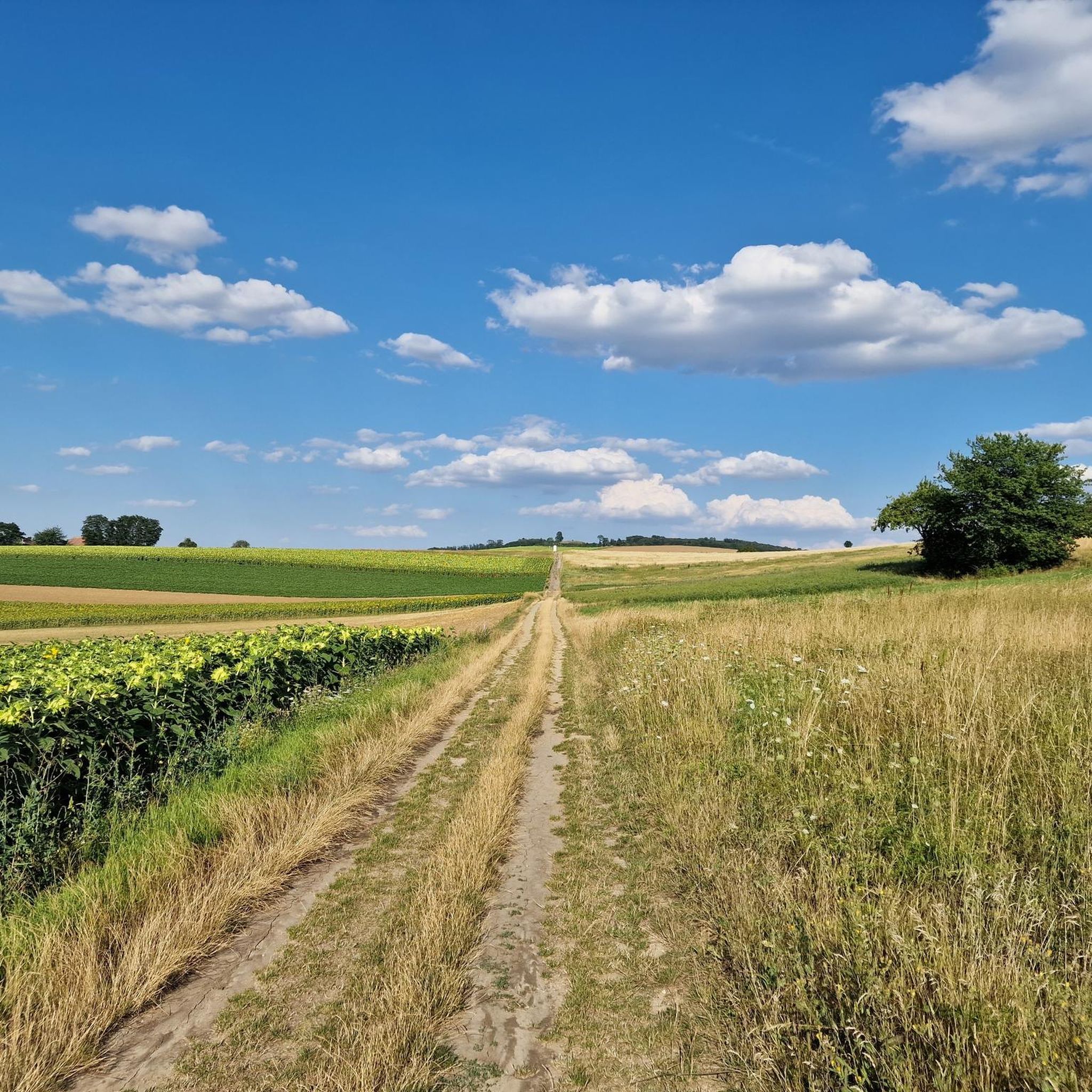
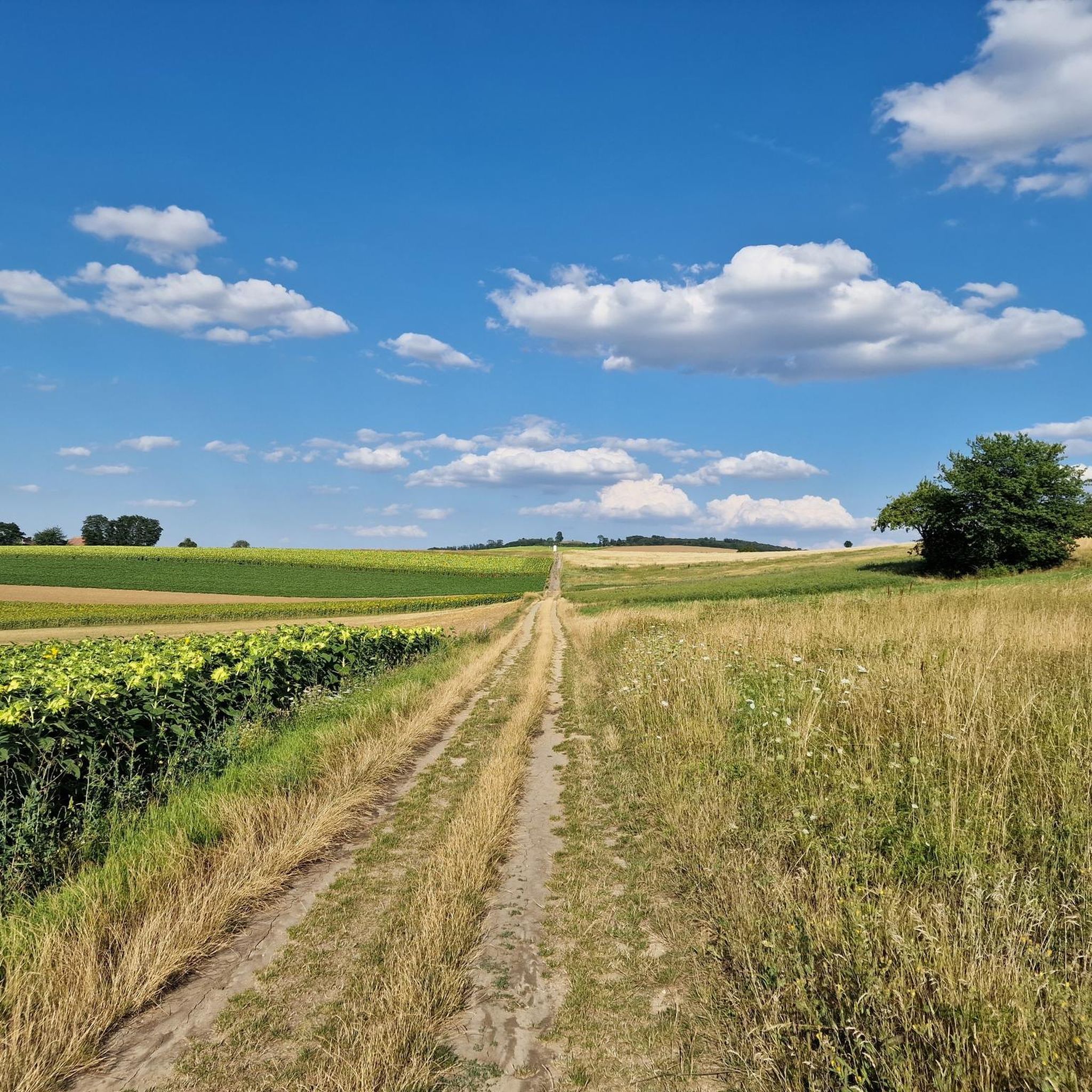
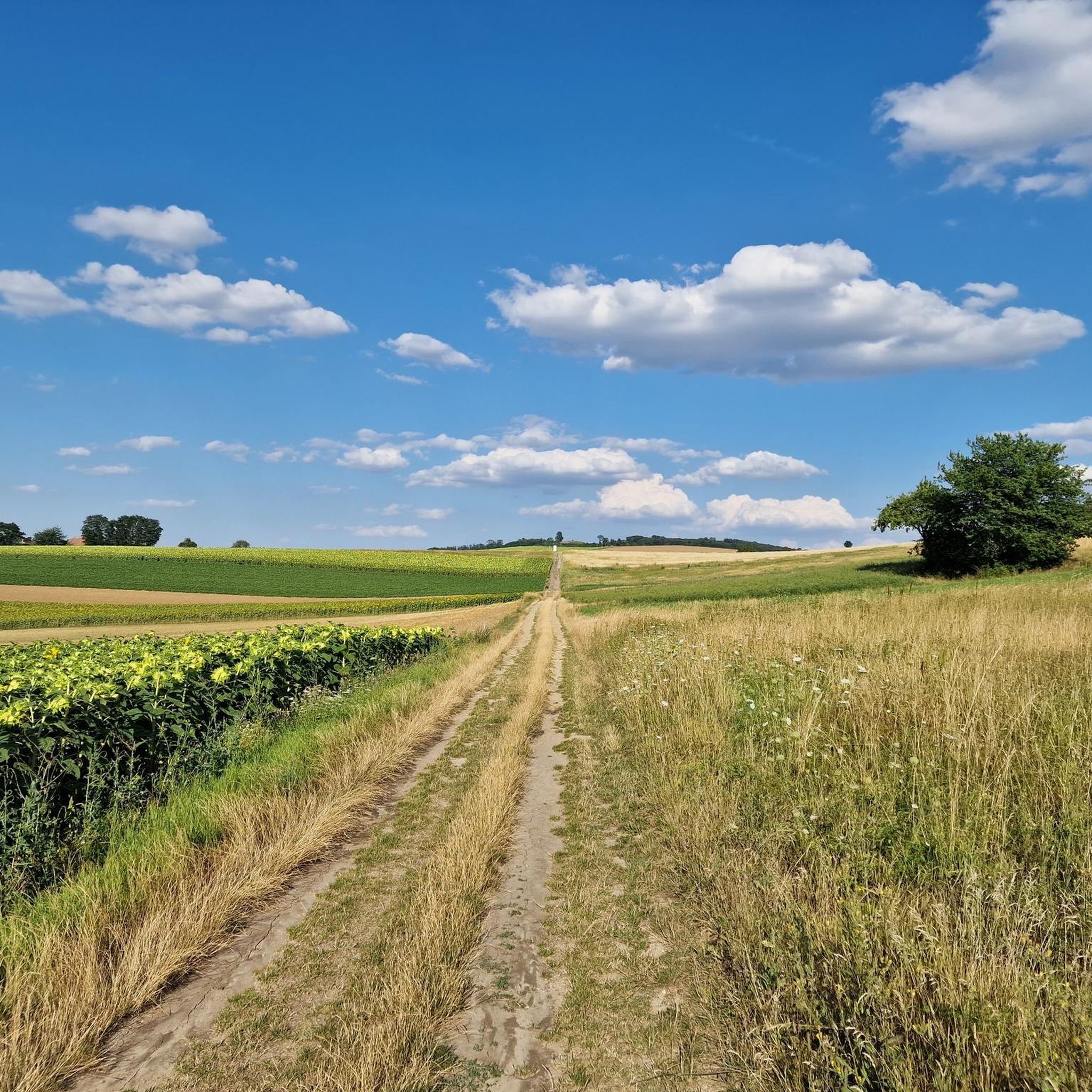
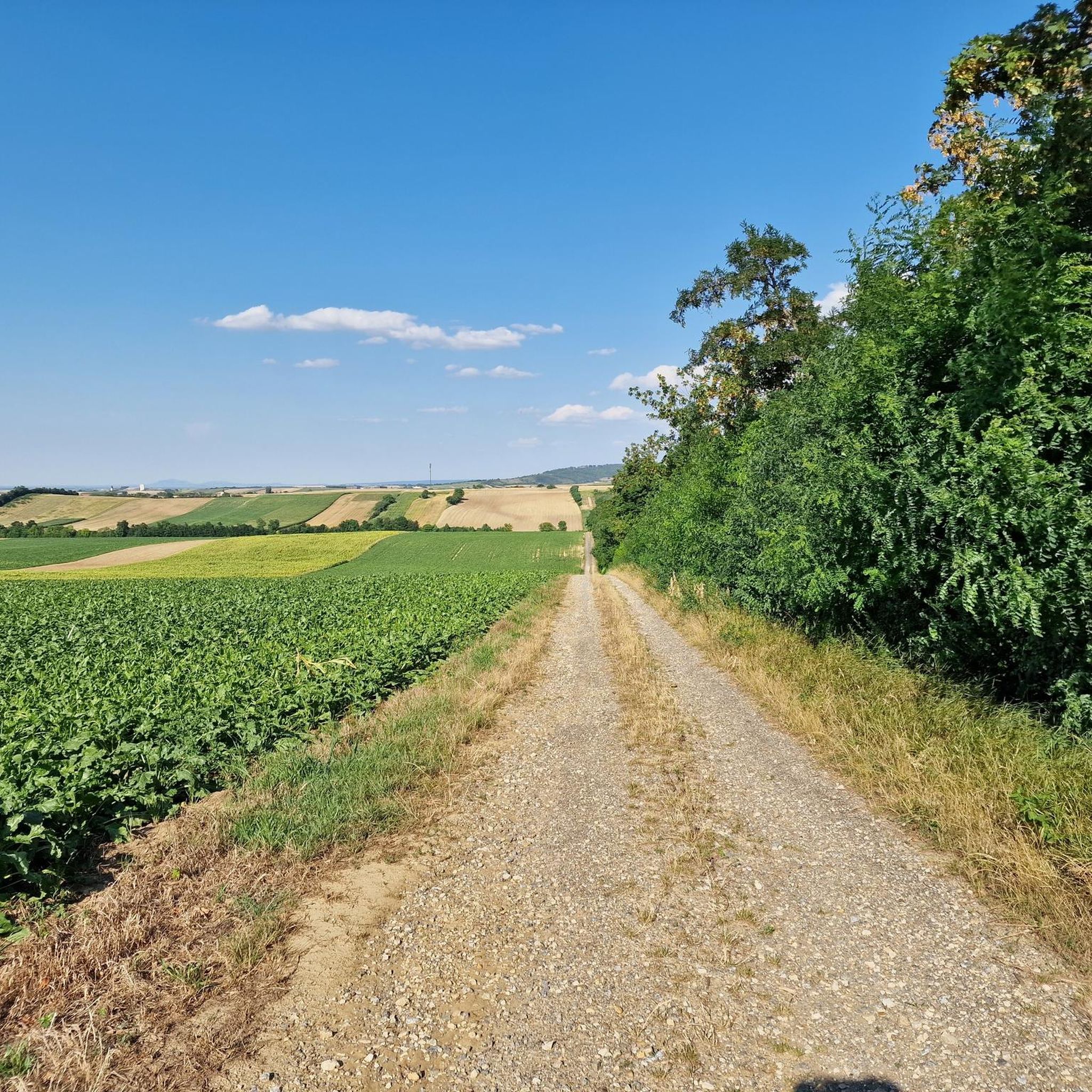
The Buschberg, the Mecca for racing cyclists in the Weinviertel? Certainly one of the most beautiful landscapes in this region and one of the few opportunities to ride longer climbs or descents in the Weinviertel. Otherwise, in the hill country you have to deal with many and sometimes quite steep but rather short climbs and descents. In addition, the "mountain finish" is a worthwhile goal. In fact, with the Buschberg summit you are on the highest elevation in the Weinviertel, the roof of the region so to speak (491 m). There are essentially three climbs/descents for racing bikes (many more for mountain bikes). The most difficult option is probably that from Niederleis - the most strenuous in the climb, as it is the steepest and longest, and the most dangerous in the descent, as it has the most bends. The climbs from Pyhra or Gnadendorf and from Michelstetten or Schletz are a little more comfortable (the last section is the same on the climbs from Michelstetten and Niederleis). The climb from Pyhra or Gnadendorf is perhaps the easiest, as it hardly ever exceeds 10%. The section through the forest from or to Michelstetten/Schletz is very beautiful (there is also a slightly flatter section here) - but be careful on the descent: at the end, after a gradient of around 10% (this is the steepest section of the climb on this variant), there is a confusing T-junction with a stop sign (left goes to Michelstetten, right to Schletz) - in June and July, visibility is often further restricted by tall grain. If you drive too fast here, you risk a serious accident. You can drive over the ridge from all sides (past the car park). From the car park, there is an asphalted section towards the summit. However, it should be noted that there is a general driving ban. This section would be a bit of a challenge, as in places - especially in the last section - it has a gradient of over 10% (although this is not a big deal compared to passes in mountainous areas). Here too, caution would be required on the descent due to the many, sometimes tight, bends, and particular attention should be paid to hikers and other cyclists. The summit itself is not accessible, not even for hikers, as the radar station for civil air traffic, the "radar ball", is visible from afar. Below it, you can stop off at the lowest Alpine Club hut (Buschberghütte).
2
0

Brilliant view, but dragging the bike up is bad, descent for MTB and less for Gravel
3
0
The Buschberg radar stations were converted from conventional Secondary Surveillance Radar (SSR) to monopulse operation (Monopole Secondary Surveillance Radar / MSSR). This created the technical prerequisites for the realization of "Short Term Conflict Alert" for the air traffic control center in Vienna.
2
0
Anton Gössinger is considered the founder of the Leiserberge Nature Park
1
1
Frequently Asked Questions
What kind of elevated areas or 'peaks' can I expect to find around Stronsdorf?
Stronsdorf and the surrounding Weinviertel region are characterized by rolling hills, expansive fields, and loess slopes, rather than prominent mountain peaks. The municipality itself is around 211 meters above sea level. You'll find elevated areas and natural features that offer scenic views and opportunities for outdoor activities, perfect for leisurely walks and hiking tours through picturesque countryside.
What are some of the most popular viewpoints or elevated spots to visit near Stronsdorf?
Among the most popular spots are the Buschberg Summit Cross, which offers an all-round view similar to the Oberleiser Berg, and the Galgenberg Viewpoint. The Galgenberg provides a fantastic all-round view over the Weinviertel, even reaching the Czech Republic on clear days, and is known for its rare flowers.
Are there any historical or man-made landmarks on the elevated areas around Stronsdorf?
Yes, you can visit the Buschberg Radar Dome (Goldhaube), a man-made monument on the highest elevation of the Leiser Berge, featuring both civil and military radar stations. Another notable site is the Anton Gössinger Memorial, dedicated to the chairman of the Weinviertel cultural association who championed the Leiser Berge nature park.
What natural features can I discover on the elevated areas around Stronsdorf?
The region is home to unique natural features. For instance, the Blauer Berg in Oberschoderlee is a designated nature reserve known for its Pannonian dry grassland vegetation on loess slopes. It's a habitat for various rare butterflies, grasshoppers, and bird species like bee-eaters and eagle owls, making it a significant ecological site.
What kind of hiking trails are available near the elevated areas of Stronsdorf?
The landscape around Stronsdorf is well-suited for leisurely walks and hiking tours. You can find a variety of easy hikes, such as the 'Buschberg Summit Cross – Buschberg Hut loop from Katastralgemeinde Pyhra' which is about 6.1 km. For more options, explore the Easy hikes around Stronsdorf guide.
Are there any family-friendly options for exploring the elevated areas?
Many of the trails and elevated areas around Stronsdorf are suitable for families. The Buschberg Summit Cross area, for example, has the Buschberghütte nearby with a playground, making it a good stop for families. The generally gentle terrain of the hills also makes them accessible for family outings.
What other outdoor activities can I do near the elevated areas of Stronsdorf?
Beyond hiking, the region offers excellent opportunities for road cycling and running. You can find various routes, such as the 'Great route up Buschberg – Road Over Buschberg loop from Unterstinkenbrunn' for road cycling, or the 'Hanfthaler Our Lady's Chapel loop from Hanfthal' for running. Check out the Road Cycling Routes around Stronsdorf and Running Trails around Stronsdorf guides for detailed routes.
What do visitors enjoy most about the elevated areas around Stronsdorf?
Visitors frequently praise the fantastic all-round views, especially from spots like the Galgenberg Viewpoint. The quiet, natural settings, often overgrown with rare flowers, and the rewarding climbs to summits like the Anton Gössinger Memorial are also highly appreciated. The presence of rest areas with tables and benches at various spots, such as the Bockstall Summit and Memorial Cross, adds to the enjoyable experience.
Is there a mountain hut or shelter available near any of these elevated spots?
Yes, near the Buschberg Summit Cross, you'll find the Buschberghütte. This is notable as Austria's lowest mountain shelter, located at 484 meters above sea level, offering a place to rest and often featuring a playground.
What is the best time of year to visit the elevated areas around Stronsdorf for outdoor activities?
The paths and elevated areas around Stronsdorf are generally recommended at any time of the year. The all-round views are consistently rewarding. However, spring and autumn offer pleasant temperatures for hiking and cycling, with blooming flowers in spring and colorful foliage in autumn. Summer is also great, but be prepared for warmer weather.
Are there any dog-friendly trails or areas around Stronsdorf's elevated spots?
While specific dog-friendly designations are not listed, the natural, open landscape of rolling hills and fields around Stronsdorf generally welcomes dogs on leash. Many of the leisurely walking and hiking trails are suitable for exploring with your canine companion, allowing them to enjoy the expansive countryside alongside you.
Most popular attractions around Stronsdorf

Get inspired with the komoot mobile app


Explore more
See even more amazing summits around Stronsdorf with these guides:
