The best road cycling routes around Falls Church
4.5
(142)
6,295
riders
134
rides
Road cycling routes around Falls Church navigate a suburban landscape characterized by a network of paved trails, greenways, and local roads. The terrain features gentle undulations and occasional low hills, with elevation gains typically under 200 meters. Routes often follow natural corridors such as the Four Mile Run Trail and the Washington & Old Dominion (W&OD) Trail, providing connections between parks and residential areas. The region offers a mix of urban cycling and paths through more natural settings.
Best road…
Last updated: May 25, 2026
61
riders
34.5km
01:36
200m
200m
Easy road ride. Great for any fitness level. Mostly well-paved surfaces and easy to ride.
130
riders
30.3km
01:19
130m
130m
Easy road ride. Great for any fitness level. Mostly well-paved surfaces and easy to ride.

Sign up for free
29
riders
45.6km
02:03
380m
380m
Moderate road ride. Good fitness required. Mostly well-paved surfaces and easy to ride.
3.0
(1)
25
riders
39.7km
01:55
430m
430m
Moderate road ride. Good fitness required. Some segments of this route may be unpaved and difficult to ride.
20
riders
Moderate road ride. Good fitness required. Mostly well-paved surfaces and easy to ride.
Get access to more routes and recommendations from other explorers.
Sign up for free
Already have an account?
Our route recommendations are based on thousands of hikes, rides, and runs completed by other people on komoot.
Start today with a free account
Your next adventure awaits.
Login or Signup
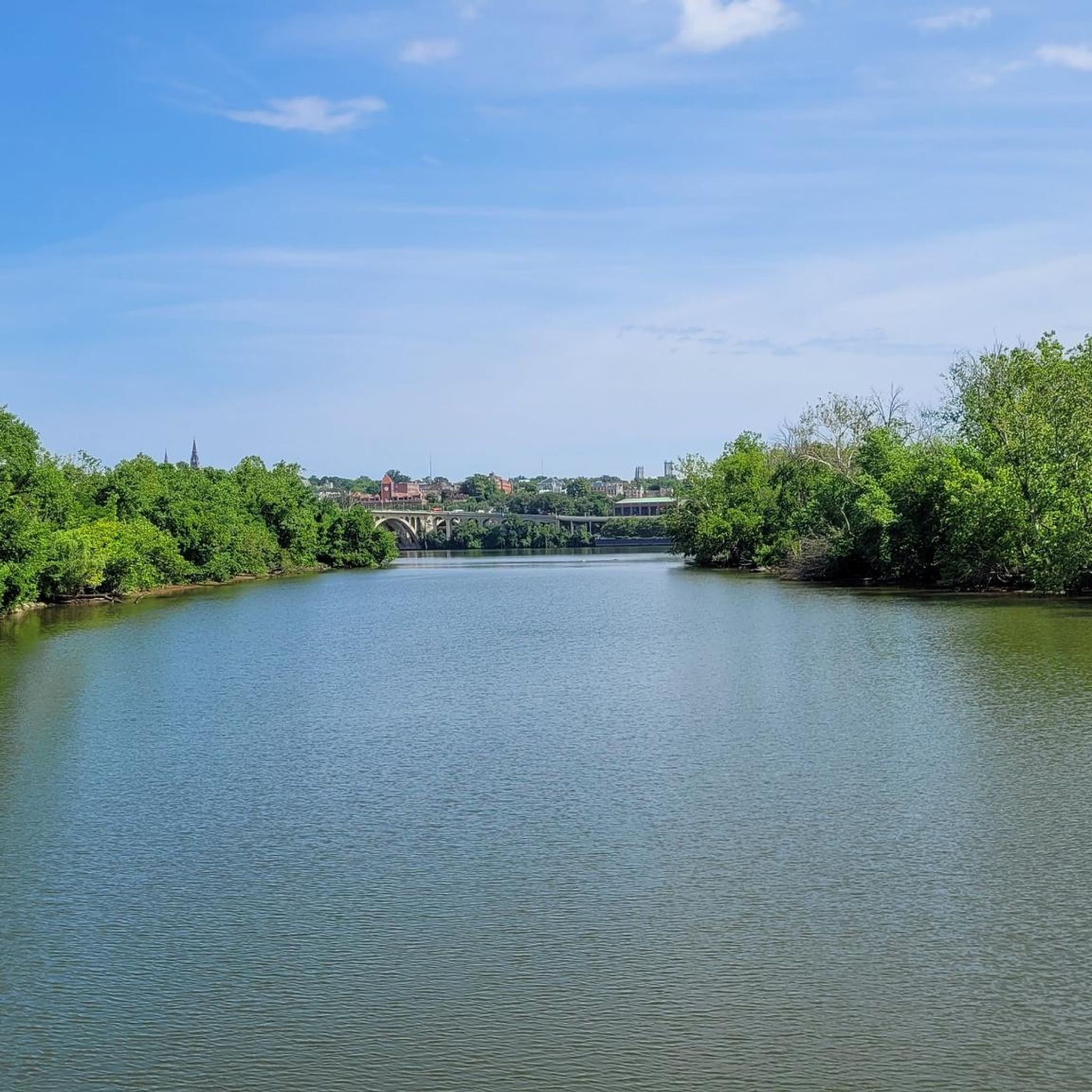
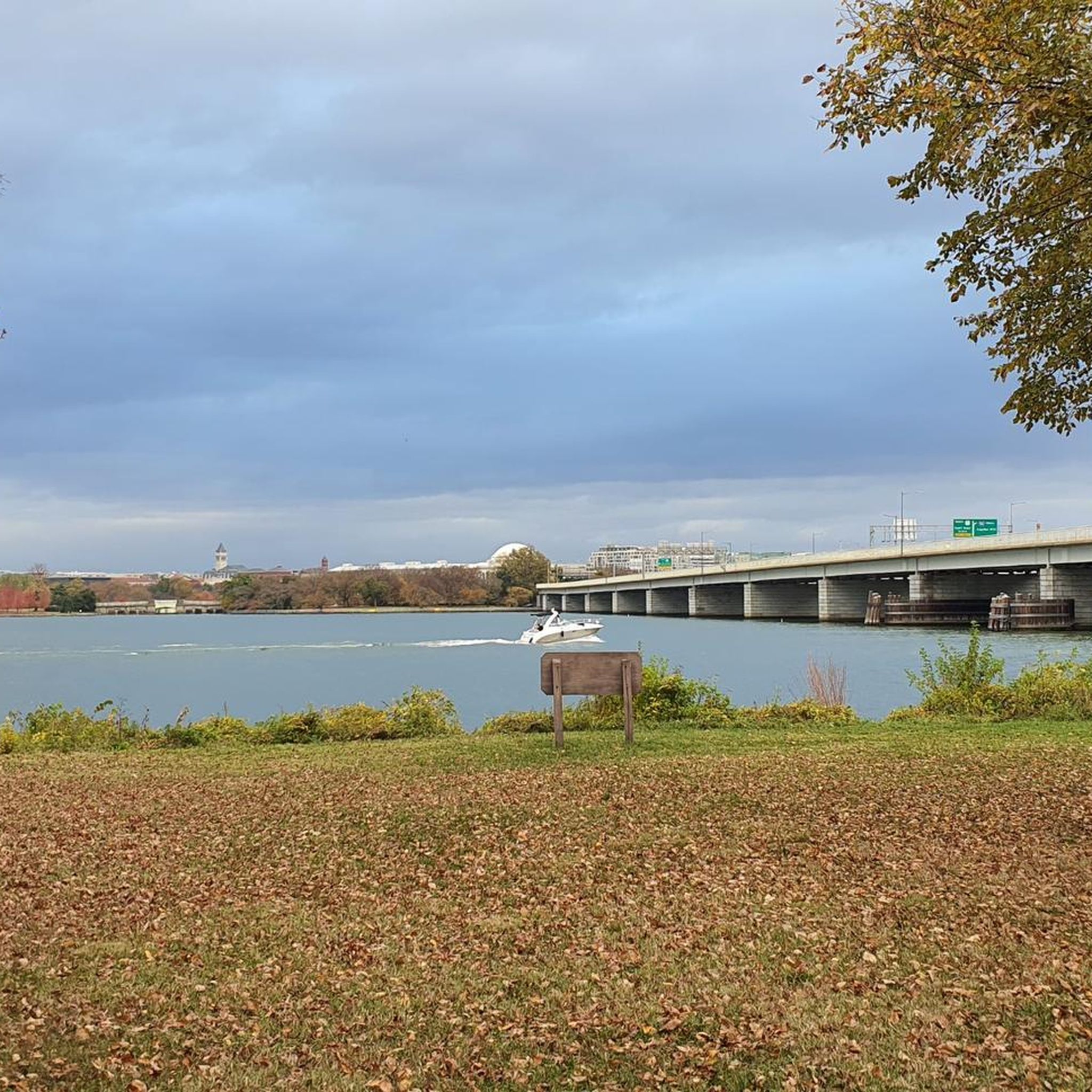



Tips from the Community

The Thomas Jefferson Memorial is a neoclassical structure in Washington, D.C., built in honor of Thomas Jefferson, the third President of the United States and the principal architect of the Declaration of Independence. The memorial is located on the Tidal Basin in West Potomac Park, surrounded by Japanese cherry blossom trees. It is especially enchanting in the spring, with reflections of the memorial in the water and blossoming trees.
0
0

Underestimated sight with a beautiful view of the city
0
0

This small park is tucked into a wooded stream valley, just steps away from the urban bustle. Roll in on shaded trails, listen to the burbling creek, and pause on a bench for a calm moment away from traffic. You’ll find water fountains, playgrounds, picnic areas, and a small garden—perfect for a quick reset mid-ride.
0
0
West End Park sits right off the W&OD—an easy spot to roll in, catch some shade, and take a quick break. The path has a few root bumps, so slow down and enjoy the greenery. There’s also a water fountain where you can refill before getting back on the trail.
1
0
One of the great thinkers for justice, freedom, and equality. Although as a slave owner, he was rather ambivalent. Today's government should take a look at the speeches recorded in the memorial. Perhaps they'll learn something.
0
0

The final (or beginning) mile of the C&O Canal stands here, next to the Tide Lock on the Potomac, the true birthplace of the canal. The spot is marked with a stone pillar. Stretching from Cumberland to Washington, DC, this route ends at Mile Post 0, where hikers and bikers can definitively mark the start or finish of their journey along the historic canal. The towpath follows the canal’s full 184.5 miles to its Cumberland, MD, terminus, often extending to 333 miles for those who begin in Pittsburgh on the Great Allegheny Passage (GAP) trail.
1
0

The Capital Crescent Trail follows the north shoreline of the Potomac river downstream into Washington, D.C. Currently the trail is around 7 miles long, but there is an extension planned for the near future.
0
0
The Bluemont Caboose, now housed on a specially built rail bed behind the Bluemont Community Center, is a historical bit of the Washington and Old Dominion Railroad's (W&OD) legacy. Once a key transportation corridor in Northern Virginia, the W&OD connected Alexandria to Bluemont at the Blue Ridge Mountains' base. The railway provided a boost in regional development, agriculture, and tourism from 1859 until its closure in 1968. After the railroad tracks were removed, much of the route was transformed into rail trails. The Bluemont Citizens Association, in collaboration with the county Department of Parks and Recreation, restored the caboose into a museum showcasing railroad memorabilia and community history.
0
0
Frequently Asked Questions
How many road cycling routes are available around Falls Church?
Falls Church offers a wide selection of road cycling routes, with nearly 130 tours available on komoot. These routes cater to various skill levels, including 48 easy, 77 moderate, and 3 difficult options.
What kind of terrain can I expect on road cycling routes in Falls Church?
Road cycling routes around Falls Church primarily feature a suburban landscape with a network of paved trails, greenways, and local roads. The terrain generally includes gentle undulations and occasional low hills, with elevation gains typically under 200 meters. You'll find a mix of urban cycling and paths through more natural settings, often following corridors like the Four Mile Run Trail and the Old Dominion Trail.
Are there any easy road bike routes suitable for beginners or families in Falls Church?
Yes, Falls Church has many easy road cycling routes perfect for beginners or families. An excellent option is the West End Park – Old Dominion Trail loop from East Falls Church, an easy 23.0-mile path that primarily follows the smooth Old Dominion Trail through green corridors. Another family-friendly choice is the Bluemont Caboose – Four Mile Run Trail loop from Falls Church, a 12.2-mile trail leading through parkland.
Where can I find longer distance road cycling routes near Falls Church?
For longer distance road cycling, consider routes that extend further into the region. The Key Bridge Boathouse – Four Mile Run Park loop from East Falls Church is a moderate 34.0-mile route that connects parkland with urban areas, offering varied scenery. Another moderate option is the Meadowlark Botanical Gardens loop from East Falls Church, covering 44.4 miles with notable elevation.
Are there any advanced road cycling routes for experienced riders in Falls Church?
While most routes in Falls Church are easy to moderate, there are a few more challenging options. The region's terrain generally features gentle undulations, but some routes incorporate more significant climbs or longer distances. You can find 3 routes specifically categorized as 'difficult' on komoot, which will offer a greater challenge for experienced riders.
What are some scenic road bike trails in Falls Church with good views?
Many routes in Falls Church offer pleasant scenery, particularly those that follow natural corridors. The Key Bridge Boathouse – Four Mile Run Park loop from East Falls Church provides varied scenery connecting parkland with urban areas. Routes along the Old Dominion Trail and Four Mile Run Trail are known for their green surroundings and connections to parks, offering a more natural feel within the suburban landscape.
Are there any loop road bike routes in Falls Church?
Yes, many road cycling routes in Falls Church are designed as loops, providing convenient starting and ending points. Examples include the popular Key Bridge Boathouse – Four Mile Run Park loop from East Falls Church, the West End Park – Old Dominion Trail loop from East Falls Church, and the Bluemont Caboose – Four Mile Run Trail loop from Falls Church.
What do other road cyclists say about the routes in Falls Church?
The road cycling routes in Falls Church are highly regarded by the komoot community, holding an average rating of 4.5 stars from over 100 reviews. Cyclists often praise the well-maintained paved multi-use trails and greenways, as well as the accessibility and variety of routes that connect parks and residential areas.
What interesting landmarks or attractions can I see along road cycling routes near Falls Church?
Many road cycling routes in the Falls Church area offer access to significant historical and cultural landmarks, particularly those extending towards Washington D.C. You might encounter highlights such as the World War II Memorial, the Korean War Veterans Memorial, the Lincoln Memorial, and the Vietnam Veterans Memorial. Some routes also pass by areas known for the Japanese Cherry Trees.
Are there road cycling routes that connect to Glen Echo Park from Falls Church?
Yes, there are routes that can take you towards Glen Echo Park. The Key Bridge Boathouse – Glen Echo Park loop from East Falls Church is a moderate 40.1-mile route that provides a connection to this area, offering a longer ride with diverse scenery.
What is the best season for road biking in Falls Church?
The spring and fall seasons are generally considered ideal for road biking in Falls Church due to milder temperatures and pleasant weather. Spring brings blooming foliage, including the famous cherry blossoms, while fall offers vibrant autumn colors. Summer can be warm and humid, while winter can bring colder temperatures and occasional precipitation, though many paved trails remain accessible.
Are there road cycling routes in Falls Church that are less crowded?
While popular trails like the Four Mile Run and Old Dominion can see significant use, especially on weekends, exploring routes that utilize local suburban roads or less-trafficked sections during off-peak hours can offer a quieter experience. Early mornings or weekdays are generally the best times to find less crowded paths.
Most popular attractions around Falls Church

Get inspired with the komoot mobile app


Explore more
Browse the best Road cycling routes in other regions.
