The best cycling routes around Felixsee
4.4
(36)
151
riders
18
rides
Touring cycling routes around Felixsee navigate a unique landscape shaped by former mining activities, featuring a clear man-made lake and surrounding dense forests. The region is part of the UNESCO Global Geopark Muskauer Faltenbogen, characterized by geological significance including post-mining lakes and glacial erratic boulders. Cyclists can explore varied terrain with well-developed paths, offering views of the lake and access to natural features. The area provides a tranquil and scenic environment for outdoor pursuits.
Best touring cycling routes around Felixsee
…Last updated: May 11, 2026
4.9
(13)
61
riders
Hard bike ride. Good fitness required. You may need to push your bike for some segments of this route.
5.0
(2)
10
riders
21.9km
01:17
110m
110m
Easy bike ride. Great for any fitness level. Mostly paved surfaces. Suitable for all skill levels.

Sign up for free
3.7
(6)
11
riders
Easy bike ride. Great for any fitness level. Mostly paved surfaces. Suitable for all skill levels.
5.0
(3)
9
riders
Easy bike ride. Great for any fitness level. Mostly paved surfaces. Suitable for all skill levels.
5.0
(2)
9
riders
18.9km
01:07
100m
100m
Easy bike ride. Great for any fitness level. Mostly paved surfaces. Suitable for all skill levels.
Get access to more routes and recommendations from other explorers.
Sign up for free
Already have an account?
Our route recommendations are based on thousands of hikes, rides, and runs completed by other people on komoot.
Start today with a free account
Your next adventure awaits.
Login or Signup
Tips from the Community

Friedrichshain has a relatively short history. Where the town now stands, there was long only forest. In 1766, George Michael Helbig, a chamberlain at the Saxon court, bought 20 hectares of heathland in the Reuthnische Heide to build a glassworks – the first in the region. Friedrichshain was born. This distinguishes it from all the other surrounding communities, which are considerably older. The former glassmaking community was named in honor of the Saxon Elector Frederick Augustus III, later King Frederick Augustus I. From 1815, Friedrichshain became part of Prussia. The essential raw materials for glass production, fine sand and wood as fuel, were initially plentiful. Later, lignite was added as an energy source, primarily from the "Julius" mine, starting in 1843. The owners of the mine were also the owners of the glassworks, von Poncet. From 1900, the Weck company owned the glassworks, the mine, and the surrounding forests. From there, the industrial boom and the economic prosperity of the community began. The housing estate was built in the 1930s. At that time, approximately 1,200 people worked at the factory. From 1948 to 1990, production continued at the factory as a state-owned enterprise (VEB). The factory continued to produce a wide variety of glassware, including the well-known Weck jars and the first black and white television screens in East Germany. Today, a solar park occupies the former site of the glassworks. https://www.amt-doebern-land.de/
0
0

It's just incredibly beautiful here 😊.
0
0
It's just incredibly beautiful here 😊.
0
0

Closes at 4pm, so arrive early.
0
0

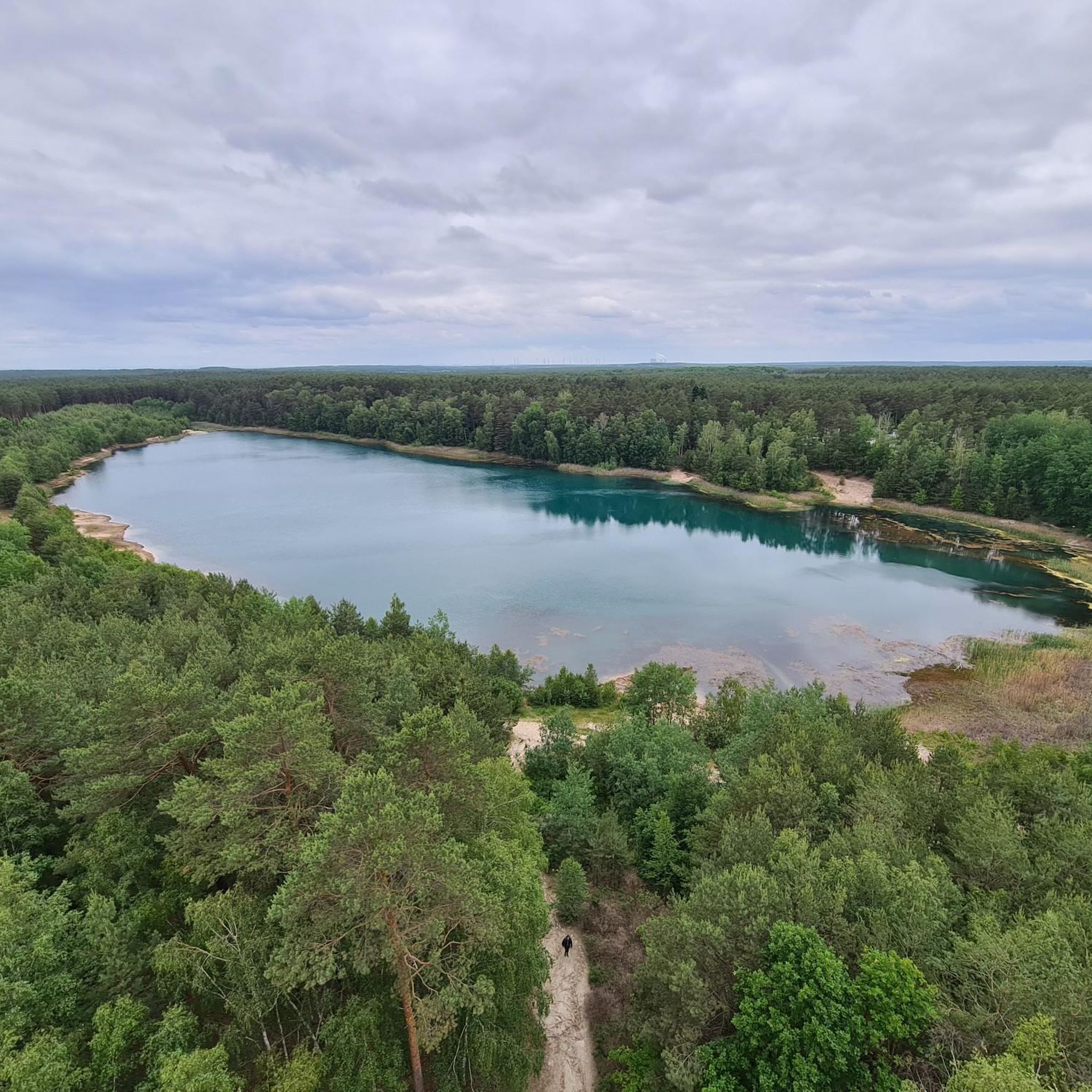
At Lake Halbendorf. Taken at the small spur of Lake Halbendorf. Magnificent view of a beautiful lake landscape.
0
0
Bridge over Lake Halbendorf. A beautiful bicycle bridge over a branch connecting Lake Halbendorf.
0
0
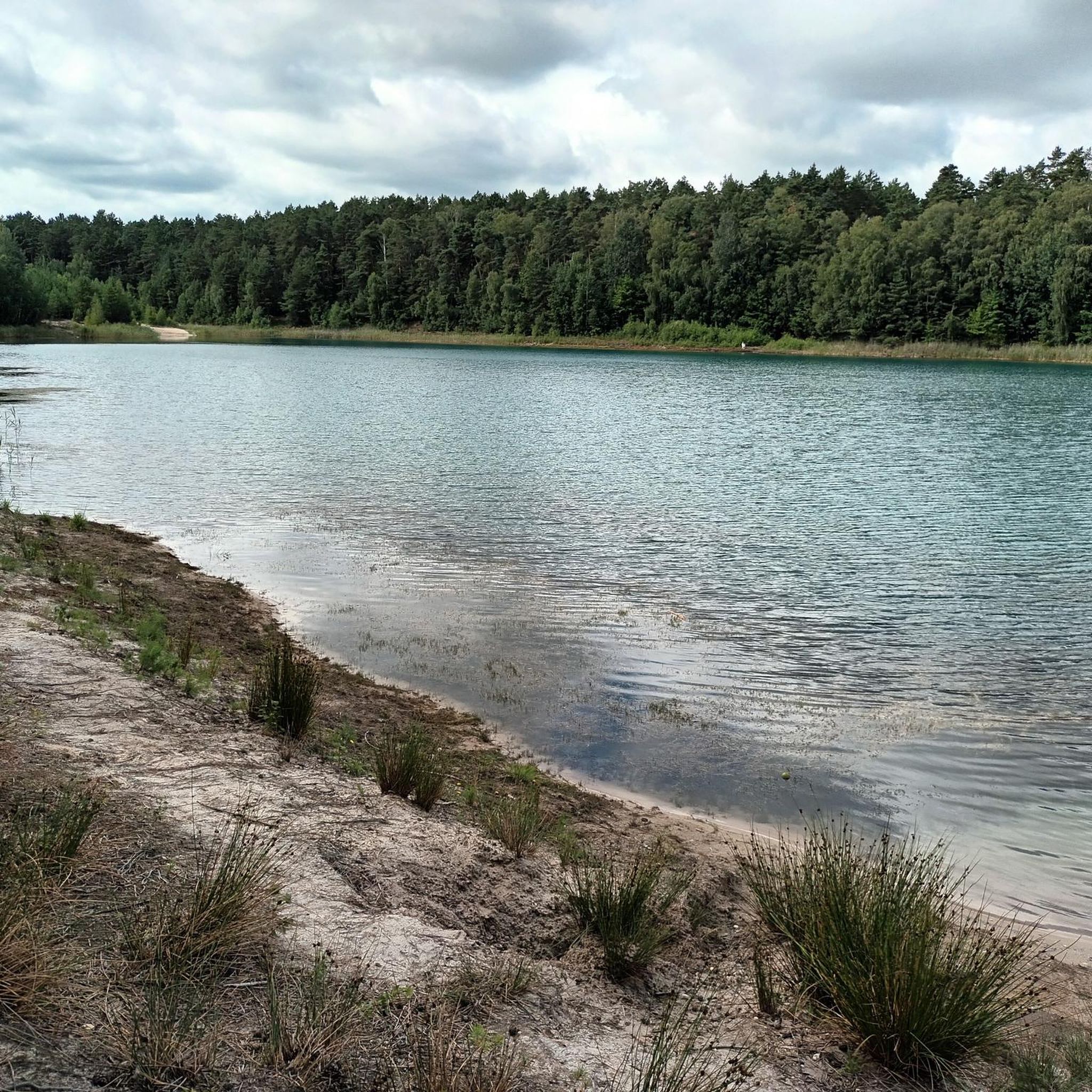
View of Lake Halbendorf. Taken from the western shore. Also a nice view of the water sports facility.
0
0
Frequently Asked Questions
How many touring cycling routes are available around Felixsee?
There are over 15 touring cycling routes around Felixsee, catering to various skill levels. Most of these, about 15, are classified as easy, with a few moderate and difficult options available for more experienced cyclists.
What kind of landscapes can I expect to see while cycling around Felixsee?
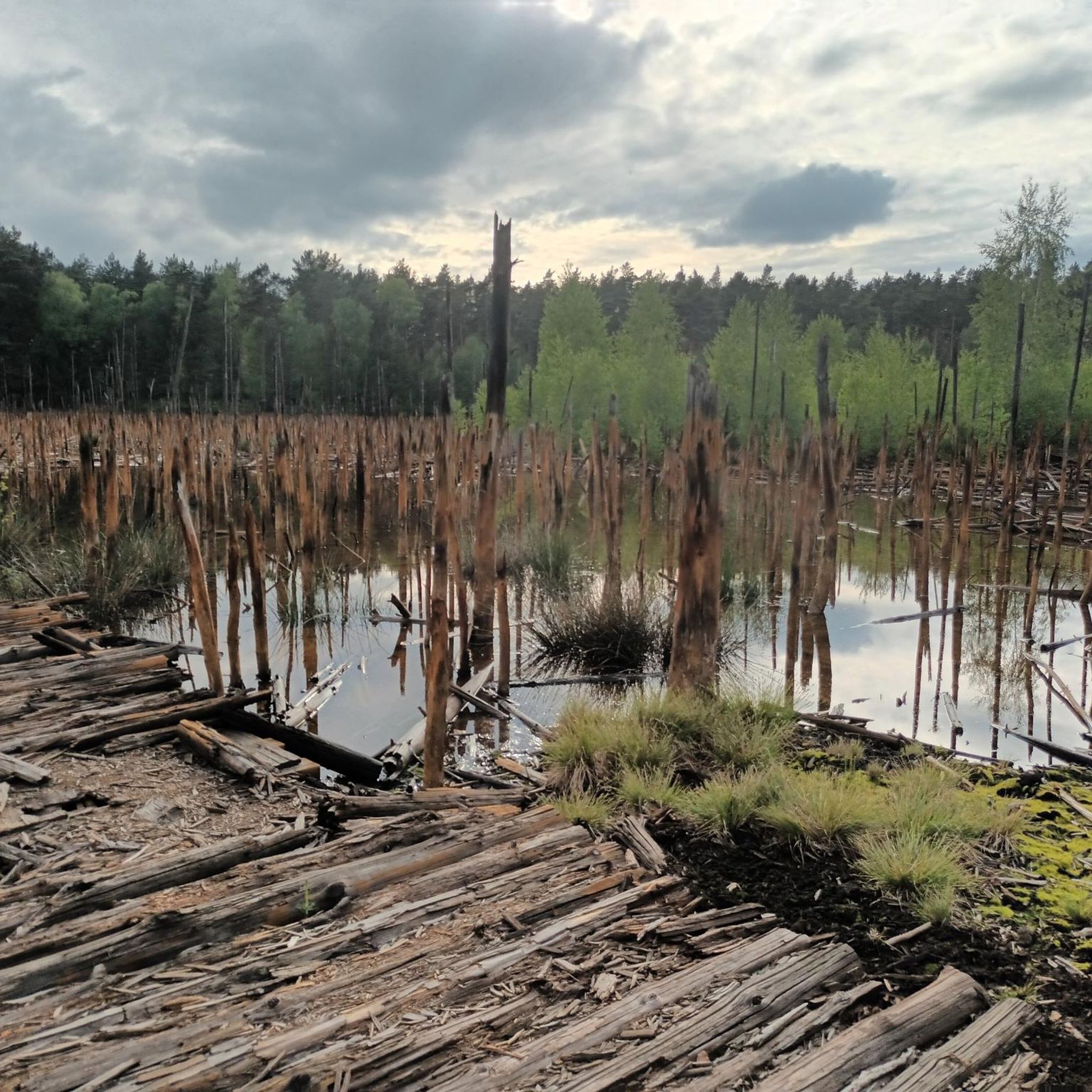
The Felixsee region offers a unique blend of natural beauty and geological significance. You'll cycle through dense forests, past the clear, man-made Felixsee lake, and experience landscapes shaped by former mining activities. The area is part of the UNESCO Global Geopark Muskauer Faltenbogen, featuring post-mining lakes, glacial erratic boulders, and diverse flora.
Are there any notable landmarks or attractions to visit along the cycling routes?
Yes, several interesting landmarks and attractions are accessible by bike. A prominent feature is the 36-meter tall observation tower near Felixsee, offering magnificent panoramic views. You can reach it via routes like Felixsee and the Observation Tower – Felixsee Lookout Tower loop from Döbern. Further afield, you might consider visiting the unique Rakotz Bridge (Devil's Bridge), the Basalt Organ at Rakotz Lake, or the beautiful Rhododendron Park Kromlau.
When is the best time of year to go touring cycling in Felixsee?
The Felixsee region is particularly appealing for touring cycling during spring and autumn. In spring, you'll enjoy blooming nature, while autumn brings vibrant changing colors to the dense forests. The well-maintained cycling infrastructure makes it enjoyable in both seasons.
Are there circular touring cycling routes available in Felixsee?
Yes, many routes around Felixsee are designed as loops, allowing you to start and end at the same point. For example, the Felixsee and the Observation Tower – Felixsee Lookout Tower loop from Felixsee is a popular easy option that takes you through forested areas and past the observation tower.
Can I combine cycling with swimming or other water activities at Felixsee?
Absolutely. Felixsee is known for its clear, blue water and sandy areas. The eastern shore, accessible via wide forest paths, offers lovely bathing spots. For more information on natural bathing areas, you can visit Brandenburg Tourism.
What do other cyclists say about the touring routes in Felixsee?
The touring cycling routes in Felixsee are highly rated by the komoot community, with an average score of 4.4 stars from over 30 reviews. Cyclists often praise the tranquil and scenic environment, the clear lake views, and the well-developed paths that make exploring the unique post-mining landscape enjoyable.
Are there any family-friendly touring cycling routes in Felixsee?
Yes, many of the routes around Felixsee are suitable for families, especially the easier ones. The region's well-developed paths through forests and along the lake provide a safe and enjoyable environment for cyclists of all ages. An easy option is the Eichwege Bathing Lake – Karl Mine Shaft loop from Felixsee, which explores the area around Eichwege Bathing Lake.
Can I bring my dog on the touring cycling trails around Felixsee?
While specific regulations for dogs on every trail can vary, generally, dogs are welcome on many outdoor paths in the Felixsee region, provided they are kept on a leash. It's always recommended to check local signage for any specific restrictions in certain areas, especially around bathing spots or protected natural zones.
Are there options for longer touring cycling routes in the Felixsee area?
Yes, if you're looking for a longer ride, the region offers routes that extend further into the surrounding landscapes. The Felixsee and the Observation Tower – Felixsee Lookout Tower loop from Döbern, for example, is a moderate 23.7-mile (38.1 km) trail that provides a good distance for a more extended touring experience.
Are there any routes that explore the historical mining aspects of the region?
Yes, some routes offer glimpses into the region's mining history. The Eichwege Bathing Lake – Karl Mine Shaft loop from Felixsee is an easy path that passes by the historic Karl Mine Shaft, providing a connection to the area's industrial past that shaped its unique landscape.
What is the typical elevation gain on touring cycling routes in Felixsee?
The touring cycling routes around Felixsee generally feature relatively gentle elevation changes, making them accessible for most cyclists. For instance, an easy route like the Felixsee and the Observation Tower – Felixsee Lookout Tower loop from Felixsee has an elevation gain of about 93 meters, while a moderate route such as the Felixsee and the Observation Tower – Felixsee Lookout Tower loop from Döbern involves around 128 meters of ascent.
Most popular attractions around Felixsee

Get inspired with the komoot mobile app


Explore more
Browse the best Cycling routes in other regions.
