Attractions and Places To See around Sankt Johann in der Haide - Top 20
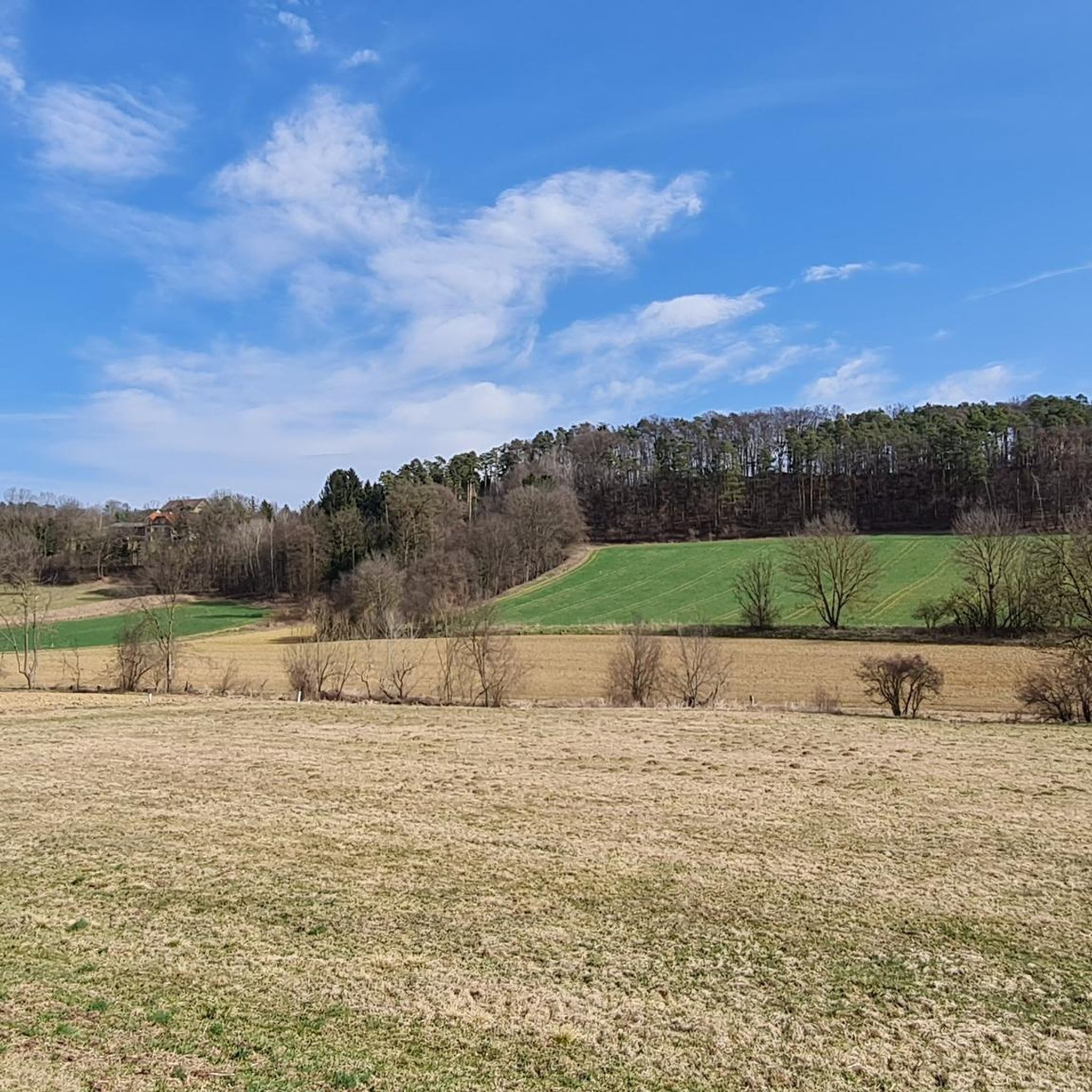
Best attractions and places to see around Sankt Johann in der Haide include a blend of natural features, cultural sites, and recreational opportunities in Styria, Austria. The area is characterized by dense forests, scenic landscapes, and the Lafnitz river forming its eastern border. Visitors can explore historical churches, protected wetlands, and various viewpoints offering panoramic views.
Best attractions and places to see around Sankt Johann in der Haide
- The most popular attractions is Parish Church of St. Stefan in Hofkirchen…
Last updated: July 20, 2026
Parish Church of St. Stefan in Hofkirchen
Highlight • Religious Site
Translated by Google •
Tip by

Ringwarte Observation Tower
Highlight • Viewpoint
Translated by Google •
Tip by

Sign up now to discover places like this
Get recommendations on the best single tracks, peaks, & plenty of other exciting outdoor places.
Sign up for free
Hartberger Gmoos
Highlight • Natural
Translated by Google •
Tip by
St. Anna Church
Highlight • Religious Site
Translated by Google •
Tip by

Rest area - Wolfau nature reserve
Highlight • Rest Area
Translated by Google •
Tip by

Sign up for free to discover even more attractions around Sankt Johann in der Haide.
Sign up for free
Already have an account?
Start today with a free account
Your next adventure awaits.
Login or Signup
Popular around Sankt Johann in der Haide

Tips from the Community

My pleasure tour every year, car to service and in the meantime a great MTB tour to the Ringkogel and of course with a stop at the nice landlady. A further ride to the Masenberg is recommended, everything is well signposted. The Glückskapelle and above it the summit cross, a true power spot. There is also a refreshment stop to strengthen you for the return journey. Then there is the possibility to go to Pöllauberg and back to Hartberg via the Pöllauberg cycle path, or with a few more meters of altitude, as shown in my tour profile, by crossing the ridge and along the back of the Ringkogel (east side) back to Hartberg. With a small round trip in the city center, cycling is allowed everywhere!! how nice! There is also wonderful Illy coffee, it was a successful, beautiful day.
0
0

The church was built in 1384 in quarry stone masonry and has remained unplastered. Therefore, the scaffolding holes are visible. It is one of the few churches in Styria whose original Gothic condition has been largely preserved. During renovation work in 1958, frescoes dating from around 1530 were uncovered. The frescoes in the chancel depict the Last Judgment. The floor of large stone slabs was laid in 1722. The sacristy was added to the church in 1771. The high altar was designed by the Hartberg sculptor Johann Feiner and the carpenter Georg Maurer in 1647.
0
0
The view from the top is really beautiful on a clear day, like we had.
0
0

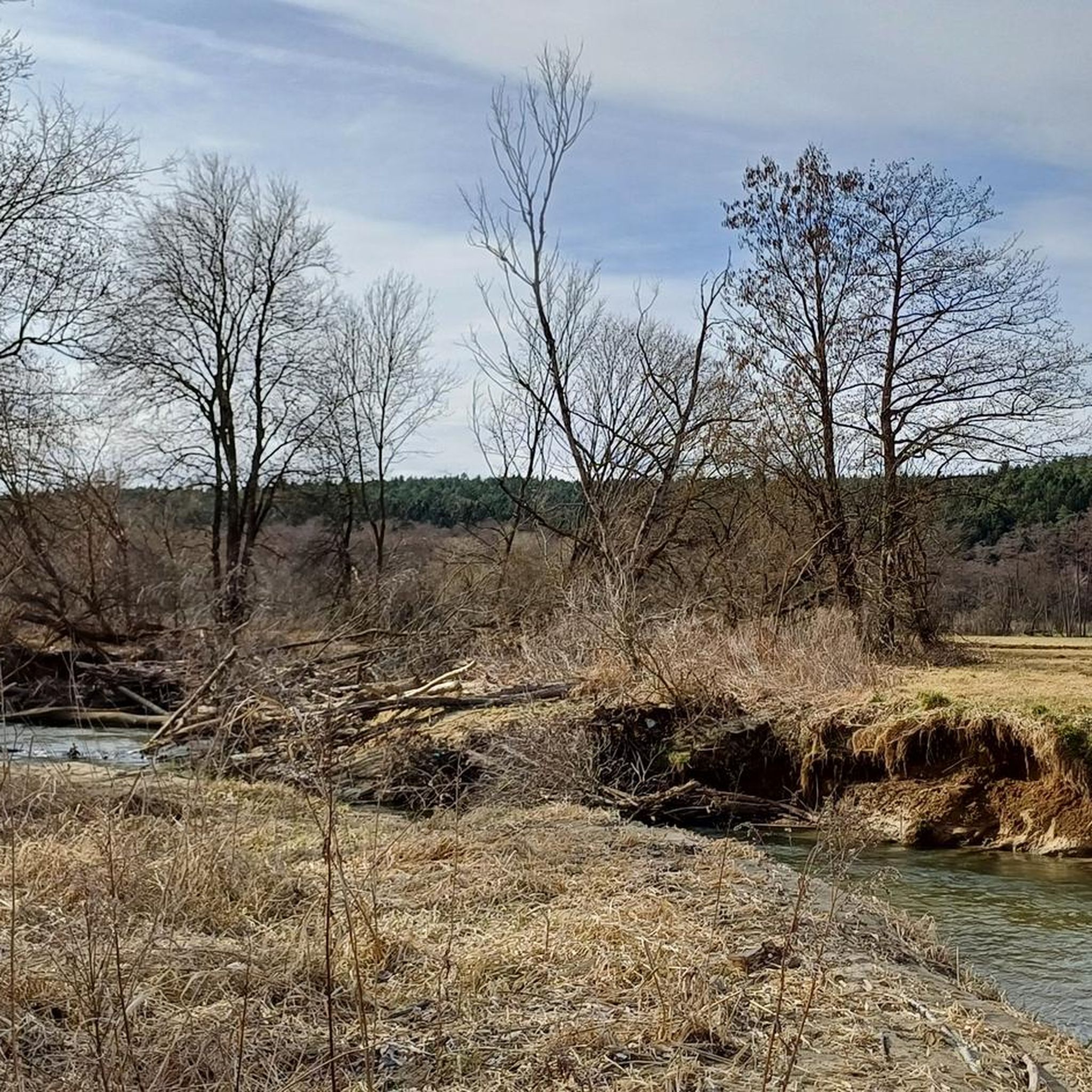
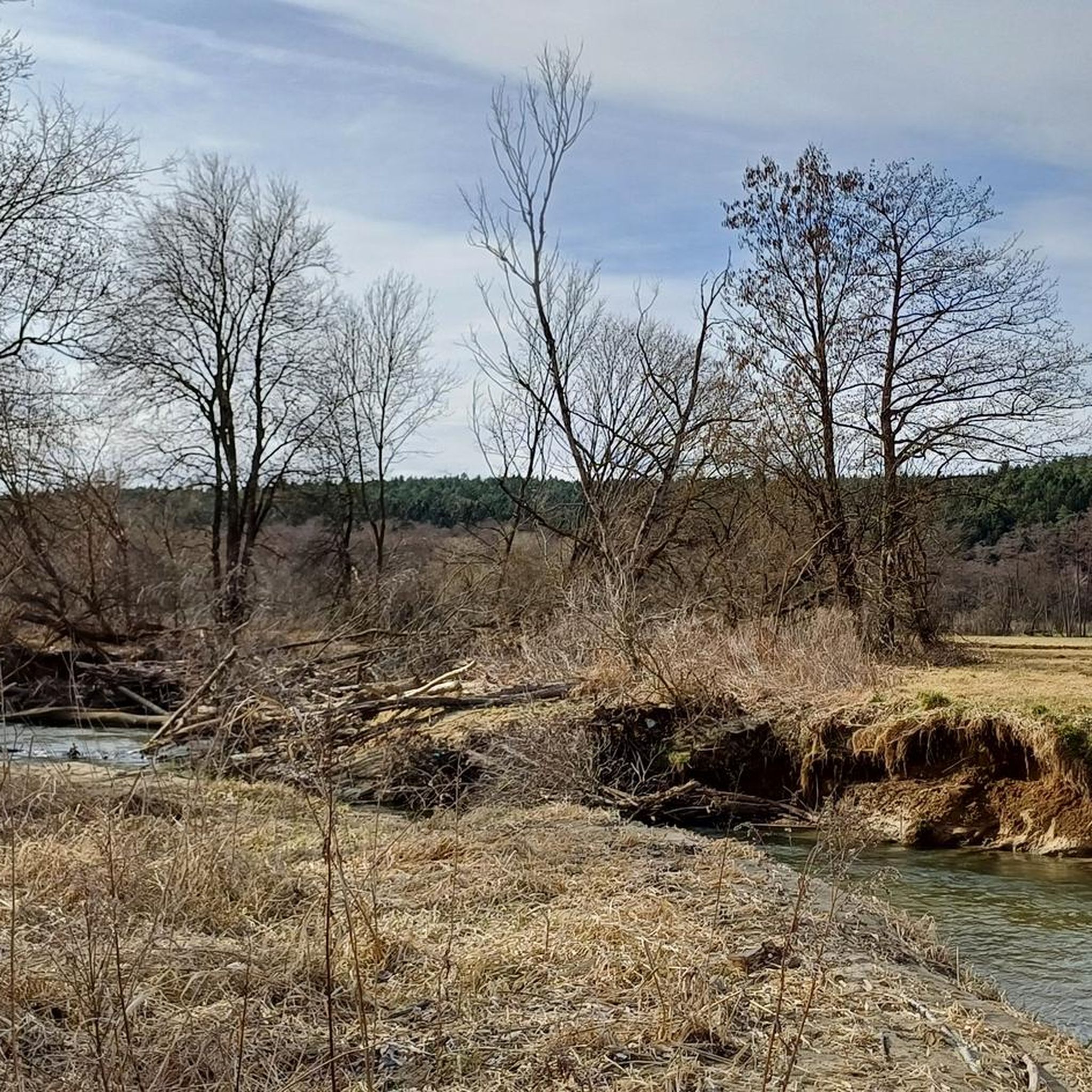
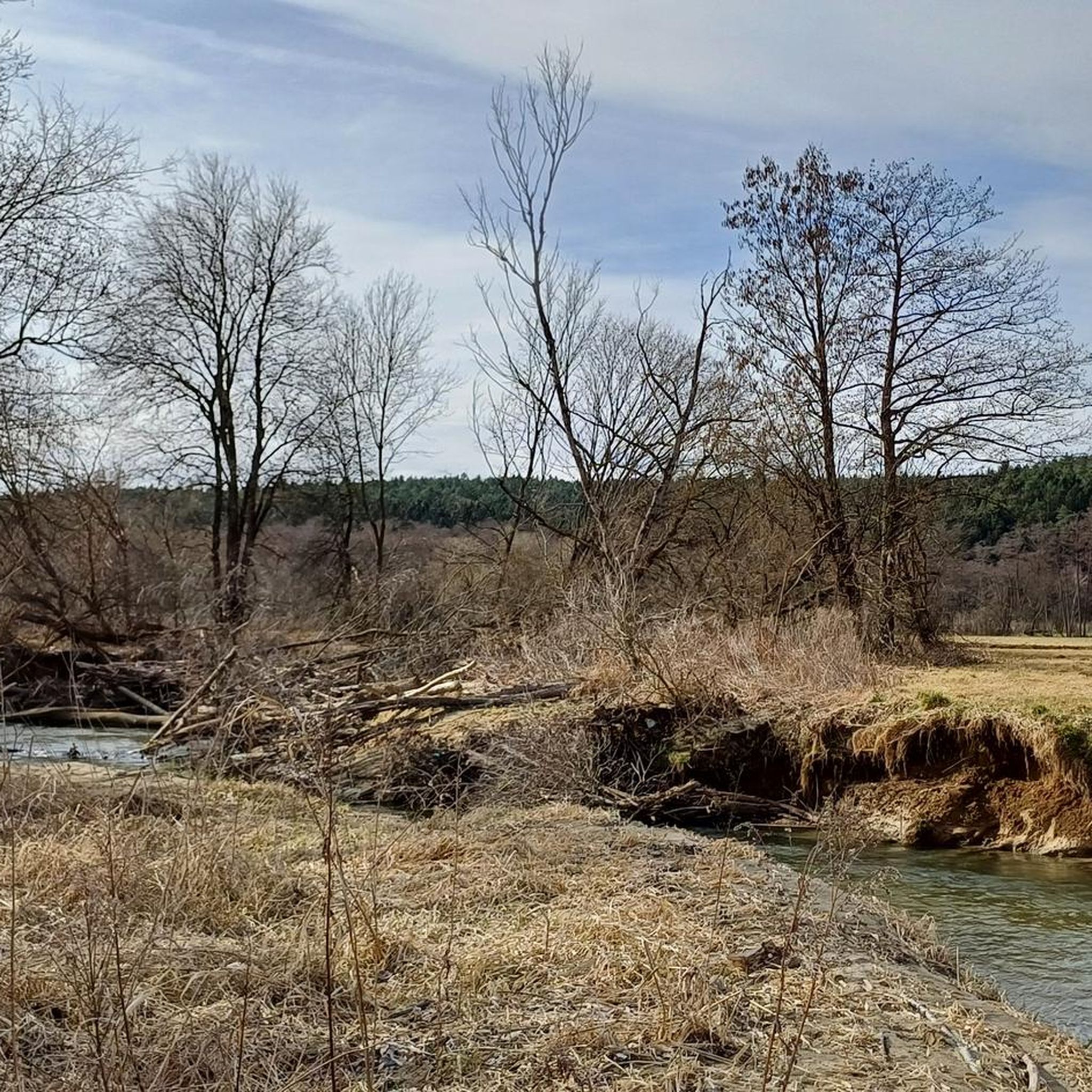
The unregulated course of the Lafnitz River, especially downstream from the Stögersbach confluence, represents a unique biotope in Central Europe. With its approximately 40 meanders, this section is the most intricately structured part of the entire river course, offering a multitude of habitats for both flora and fauna. The undisturbed flow dynamics are enhanced by heavy summer rainfall, which frequently leads to flooding. These floods promote the pronounced erosion of the banks, a phenomenon known in ecology as cut and point banks. An important aspect of this nature reserve is the breeding population of typical river bird species such as the little ringed plover (Charadrius dubius), the common sandpiper (Actitis hypoleucos), and the common kingfisher (Alcedo atthis), which depend on these specially shaped banks. In addition, the extensive unregulated sections of the Lafnitz, together with the Raab River, provide habitat for the endangered European otter (Lutra lutra). This species, which in Austria is mainly found in the waters of the Mühlviertel and Waldviertel regions as well as on the lower reaches of the Raab, Lafnitz and Feistritz rivers, benefits from an intact and diverse aquatic landscape, which is essential for its reproduction and foraging.
1
0

Cozy rest area with information boards along the cycle path.
0
0

This church is already over 500 years old. For a long time, it was not certain that it would ever reach this age. In 1806, there were even calls for the church to be demolished, but this was only prevented because the community of Hofkirchen promised to cover the costs of its maintenance. Deither maintains it and constantly renovates it - most recently in 2002. The Gothic style has essentially been preserved, which is why this church is worth seeing: a Styrian landmark.
1
0

Beautiful, modern rest area in nature.
0
0
Frequently Asked Questions
What natural features can I explore around Sankt Johann in der Haide?
The region boasts several beautiful natural features. You can visit the Hartberger Gmoos, a European protected wetland and flat moor, offering a natural recreation area for diverse plant and animal species. The Lafnitz River, forming the eastern border of Sankt Johann in der Haide, is also a significant natural feature, particularly the unique biotope around the Rest area - Wolfau nature reserve, known for its meanders and bird species. Other natural highlights in the broader area include the picturesque Stylerner See, Blaue Augen Nature Park, Heinzecksee Lake, and the Griesbachalm Alpine Pastures.
Are there any historical or cultural sites to visit?
Yes, Sankt Johann in der Haide and its surroundings offer several historical and cultural sites. The Parish Church of St. Stefan in Hofkirchen is a remarkable Gothic church from the 15th century, preserving its original style. Another significant religious site is the St. Anna Church, a Gothic church built in 1499 on a hill, offering splendid views. Additionally, the Pfarrkirche Maria Himmelfahrt (Parish Church of Mary Ascension) from 1759 is known for its frescoes and wood carvings, and Sankt Johann's Old Town and Market Square provide a charming glimpse into Austria's past with well-preserved architecture.
What kind of outdoor activities can I do near these attractions?
Sankt Johann in der Haide is excellent for outdoor enthusiasts. You can enjoy various cycling and hiking opportunities. For gravel biking, explore routes like the 'Shelter and Bench Under Vines – Gmirtlicher Sonnenheuriger loop' or the 'Lafnitz River Near Neustift – Lafnitz Valley loop'. Road cyclists can tackle routes such as the 'Pöllau Parish Church – Main Square, Hartberg loop'. Mountain bikers have options like the 'Glückskapelle on the Masenberg – Masenberg Summit Cross loop'. Many of these routes are accessible from Sankt Johann in der Haide. You can find more details on these activities in the respective guides for gravel biking, road cycling, and MTB trails around Sankt Johann in der Haide.
Are there family-friendly attractions in Sankt Johann in der Haide?
Yes, there are several family-friendly options. The Hartberger Gmoos wetland is a great place for families to enjoy nature. The Rest area - Wolfau nature reserve is also family-friendly and wheelchair accessible. Beyond these, the region offers the ABC Park, Merlin's Kinderland, and the Outdoor Pool 'Wald- und Sonnenbad' for children's recreation. Many local hiking and biking trails, such as the Lafnitzau circuit, are also suitable for families.
Where can I find panoramic views of the region?
For magnificent panoramic views, head to the Ringwarte Observation Tower. This 30-meter high wooden structure, built in 1906, offers breathtaking vistas from its viewing platform. There's a small entrance fee, and it's open from 10 o'clock. Additionally, the St. Anna Church, situated on a hill, provides a wonderful view of the Pöllauer and Safental valleys towards the Riegersburg.
Are there any accessible attractions for visitors with mobility needs?
Yes, the Rest area - Wolfau nature reserve is noted as being wheelchair accessible, offering a chance to experience the unique biotope of the Lafnitz River. While specific accessibility details for all attractions are not available, this rest area provides a good option for visitors with mobility needs.
What is the best time of year to visit Sankt Johann in der Haide?
Sankt Johann in der Haide is enjoyable throughout the warmer months, generally from spring to autumn. This period is ideal for hiking, biking, and exploring natural features like the lakes and forests. The outdoor pool and other recreational facilities are also open during this time. While specific winter activities are not detailed, the natural landscapes would offer a different kind of beauty in colder months.
What are some popular hiking trails in the area?
The region is a paradise for hiking enthusiasts. Popular options include the Lafnitzau circuit, which follows the scenic Lafnitz River, and the Calorie path. Sections of the Weinland Steiermark bike tour and Eurovelo 9 also offer pleasant walking opportunities. For more challenging routes, consider trails like the 'Glückskapelle on the Masenberg – Masenberg Summit Cross loop' or the 'Pilgrimage Church Pöllauberg – Masenberg Summit Cross loop' which are also popular for mountain biking but can be adapted for hiking.
Are there any unique natural areas or protected wetlands nearby?
Absolutely. The Hartberger Gmoos is a flat moor and the last large wetland in East Styria, designated as a European protected area. It's a vital natural recreation and rest area for numerous plant and animal species. Additionally, the unregulated course of the Lafnitz River, particularly downstream from the Stögersbach confluence, represents a unique biotope in Central Europe, home to various bird species and the endangered European otter, which can be observed near the Rest area - Wolfau nature reserve.
What do visitors enjoy most about the attractions in Sankt Johann in der Haide?
Visitors particularly appreciate the blend of natural beauty and historical charm. The panoramic views from the Ringwarte Observation Tower are highly praised. The tranquility and natural diversity of areas like the Hartberger Gmoos are also frequently mentioned as highlights, offering a perfect escape from everyday stress. The well-preserved Gothic style of churches like the Parish Church of St. Stefan in Hofkirchen also leaves a lasting impression.
Can I find places for relaxation and leisure activities in the village?
Yes, Sankt Johann in der Haide offers several options for relaxation and leisure. The Outdoor Pool 'Wald- und Sonnenbad' is a local facility for swimming and recreation. For active leisure, there are tennis courts, a miniature golf course, and a beach volleyball court. The tranquil Heinzecksee Lake, surrounded by hills and forests, is also perfect for relaxation and leisurely walks.
Are there any specific points of interest related to the Lafnitz River?
The Lafnitz River forms the eastern border of Sankt Johann in der Haide and is a significant natural attraction. The Rest area - Wolfau nature reserve is located along the river and highlights its unique biotope, characterized by numerous meanders and diverse wildlife, including typical river bird species and the European otter. The river also features in several hiking and biking routes, such as the Lafnitzau circuit and the 'Lafnitz River Near Neustift – Lafnitz Valley loop' for gravel biking.
Most popular routes around Sankt Johann in der Haide
Most popular attractions around Sankt Johann in der Haide

Get inspired with the komoot mobile app


Explore more
Still not found the Highlight you’re looking for? See guides of the top attractions in other regions:
