Top 20 Waterfalls in Iceland
Best waterfalls in Iceland are found across a landscape shaped by volcanic activity and glaciers. The island features a high concentration of waterfalls, many of which are easily accessible. These natural features range from powerful cascades to unique geological formations, offering diverse experiences for visitors. Iceland's terrain provides numerous opportunities to explore these natural landmarks.
Best waterfalls in Iceland
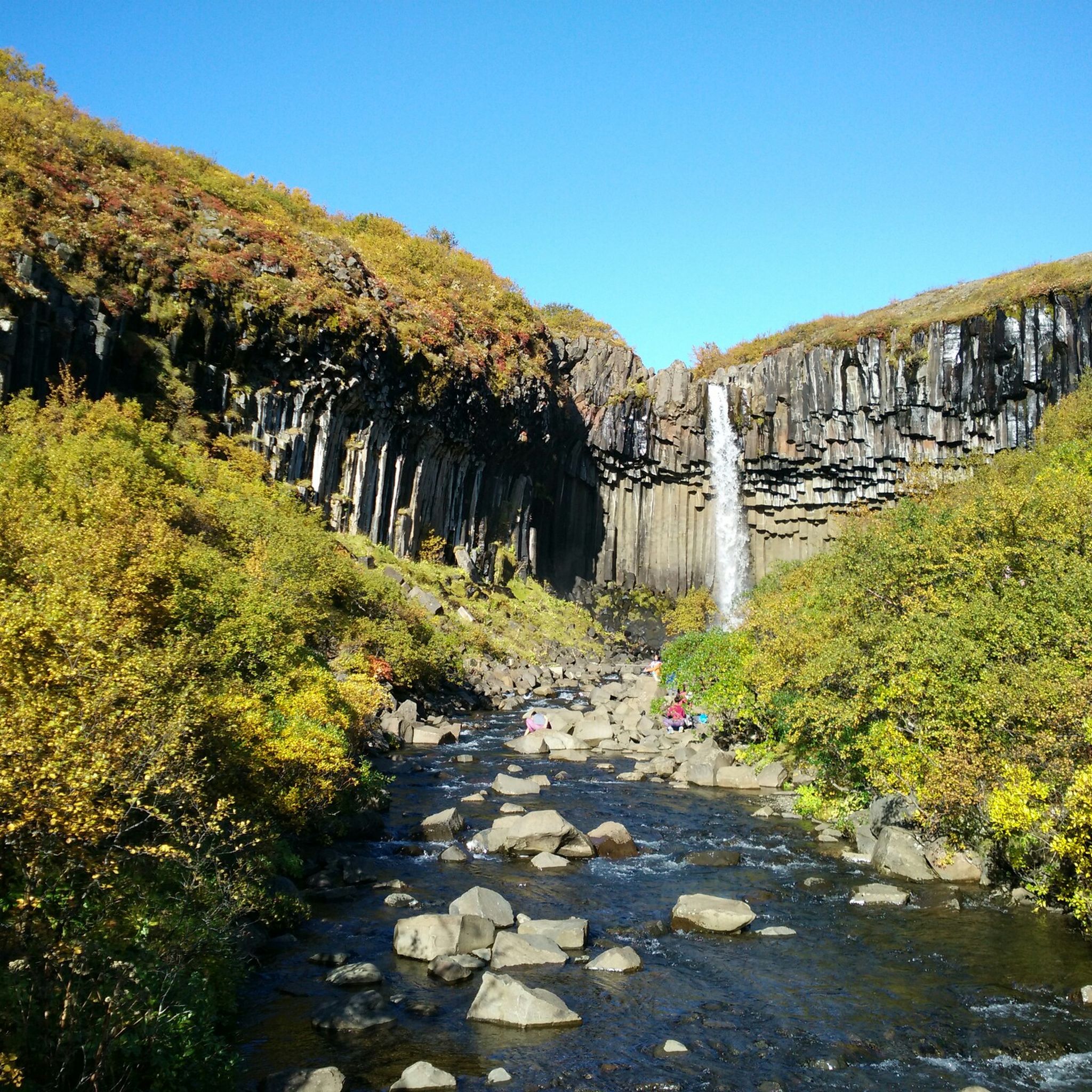
- The most popular waterfalls is Svartifoss, a waterfall distinguished by its massive black hexagonal basalt columns. This 20-meter high waterfall…
Last updated: August 30, 2026
Svartifoss
Highlight • Waterfall
Translated by Google •
Tip by

Brúar Falls (Brúarfoss)
Highlight • Waterfall
Translated by Google •
Tip by

Sign up now to discover places like this
Get recommendations on the best single tracks, peaks, & plenty of other exciting outdoor places.
Sign up for free
Dettifoss
Highlight • Waterfall
Translated by Google •
Tip by

Seljalandsfoss Waterfall
Highlight • Waterfall
Translated by Google •
Tip by
Öxarárfoss
Highlight • Waterfall
Translated by Google •
Tip by

Skógafoss
Highlight • Waterfall
Translated by Google •
Tip by

Magnúsarfoss
Highlight • Waterfall
Translated by Google •
Tip by
Djúpagilsfoss Waterfall
Highlight • Waterfall
Translated by Google •
Tip by
Hengifoss Waterfall
Highlight • Waterfall
Translated by Google •
Tip by

Hundafoss
Highlight • Waterfall
Translated by Google •
Tip by
Sign up for free to discover even more waterfalls in Iceland.
Sign up for free
Already have an account?
Start today with a free account
Your next adventure awaits.
Login or Signup
Popular around Iceland
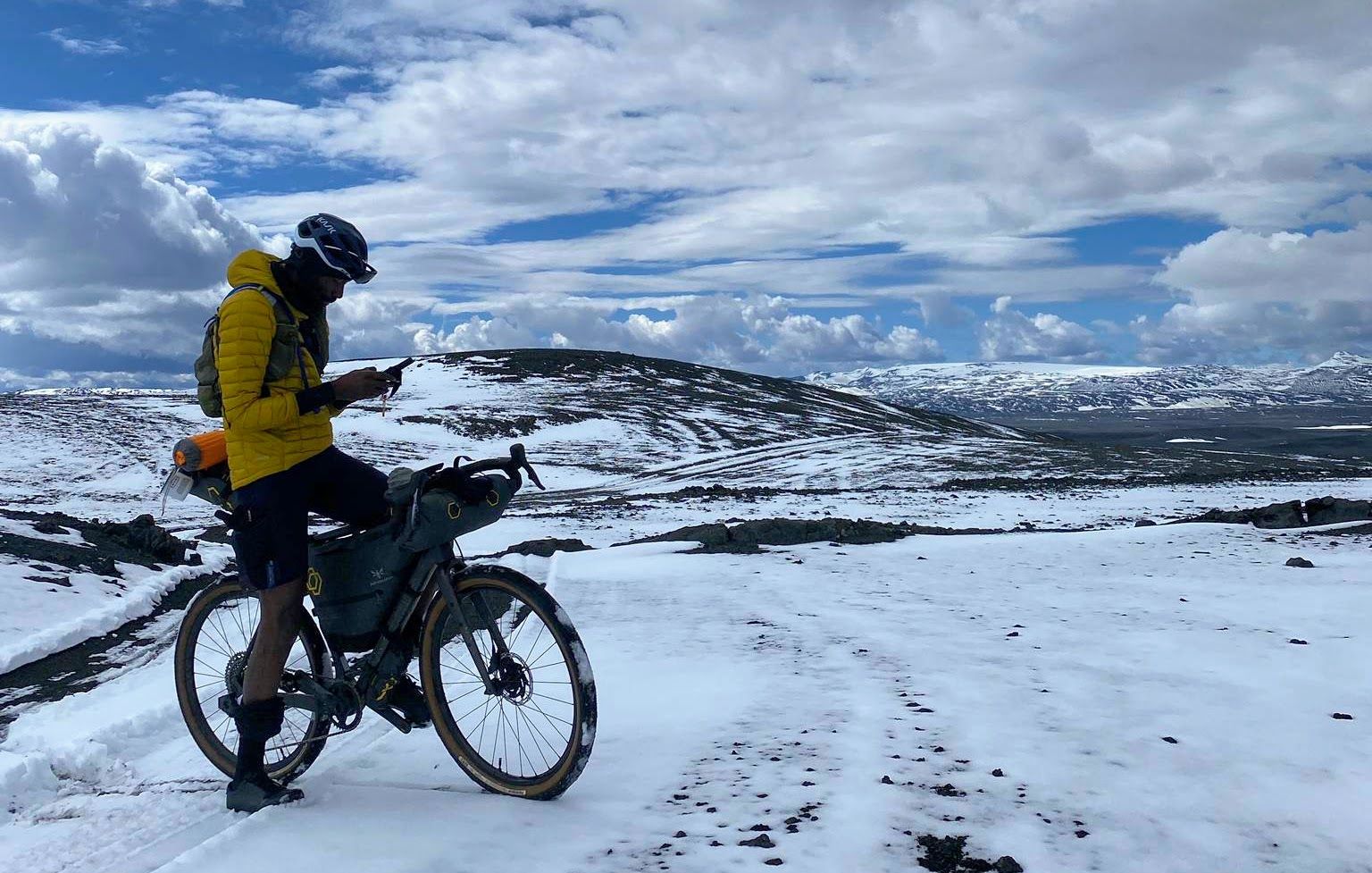
Iceland Divide – Lava fields, icy glaciers and river crossings
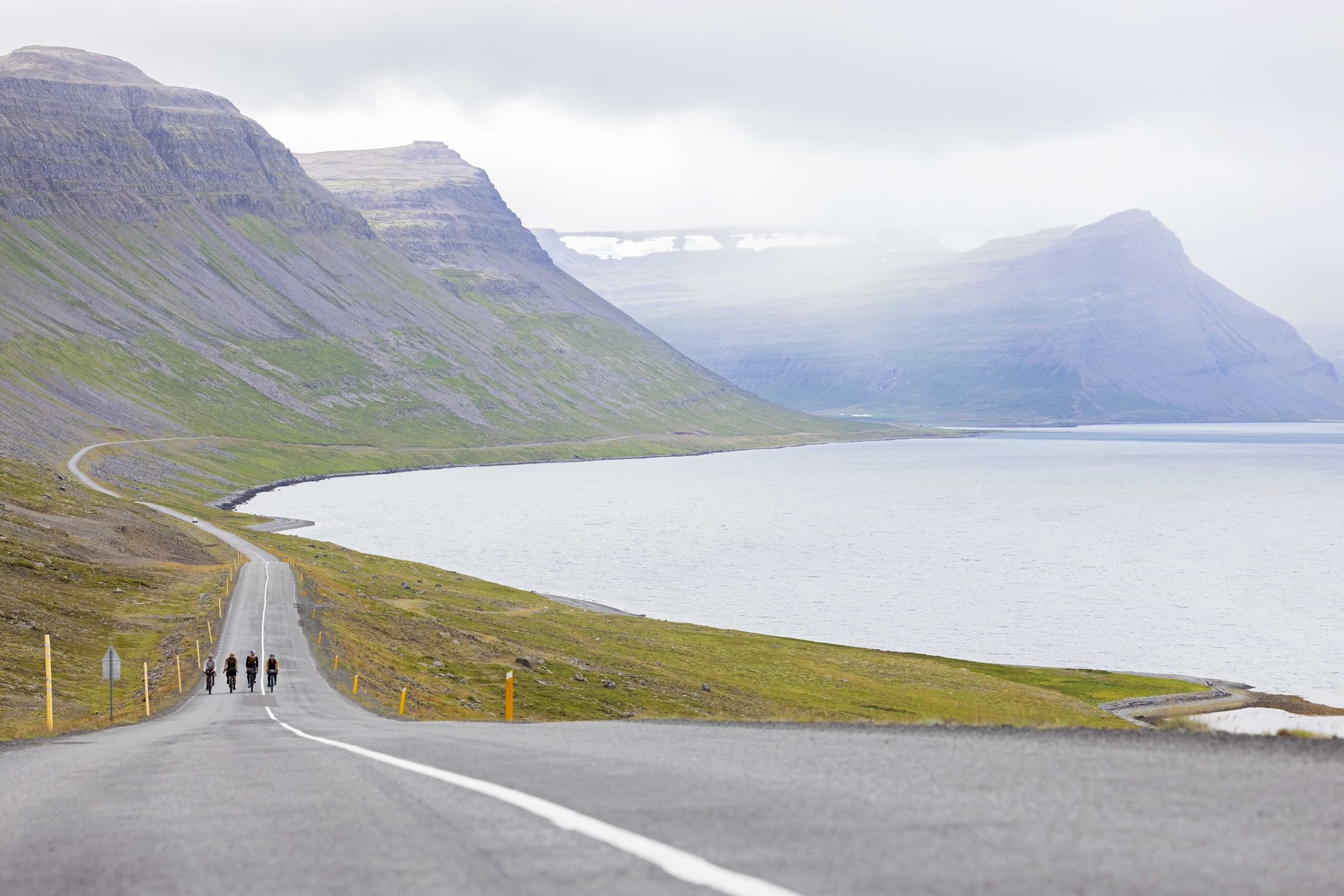
The Westfjords Way — Bikepacking Iceland's most remote coastline
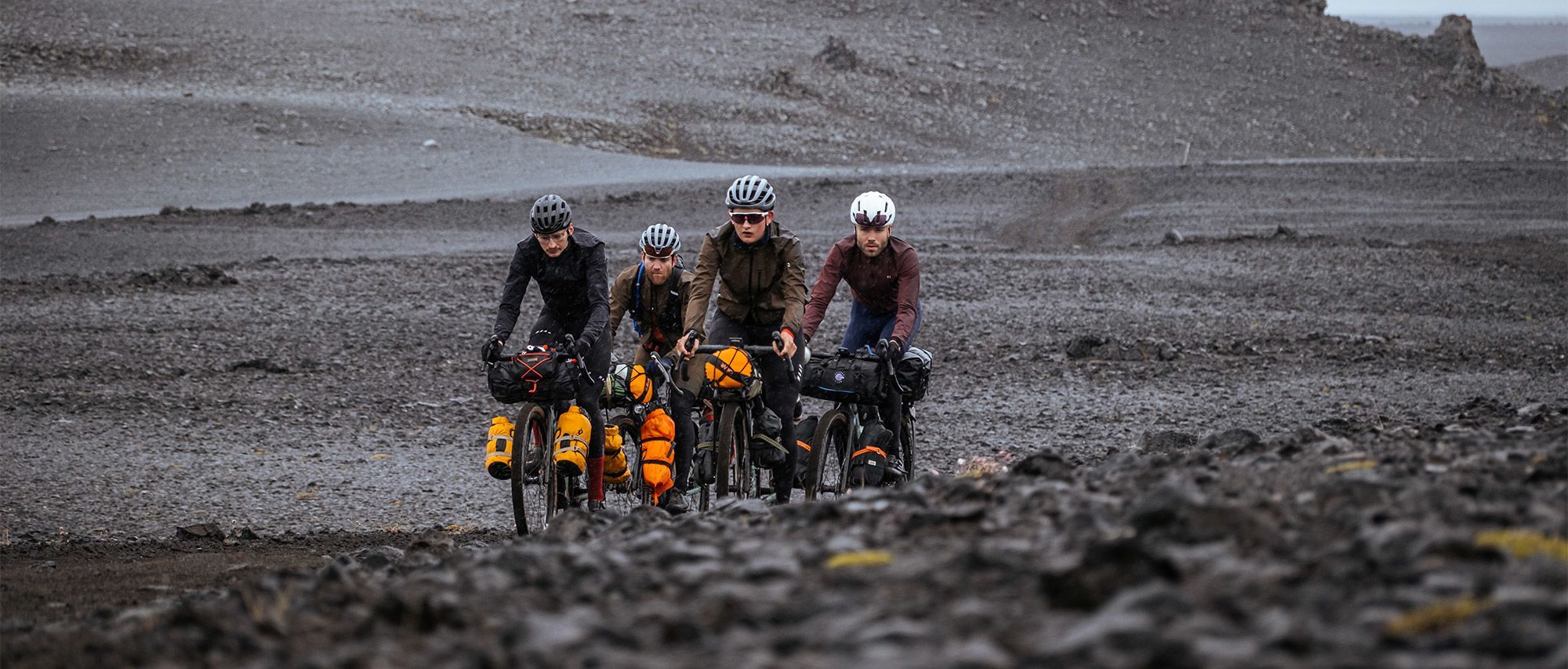
Iceland Divide — Ride Beyond Crew: between fire and ice
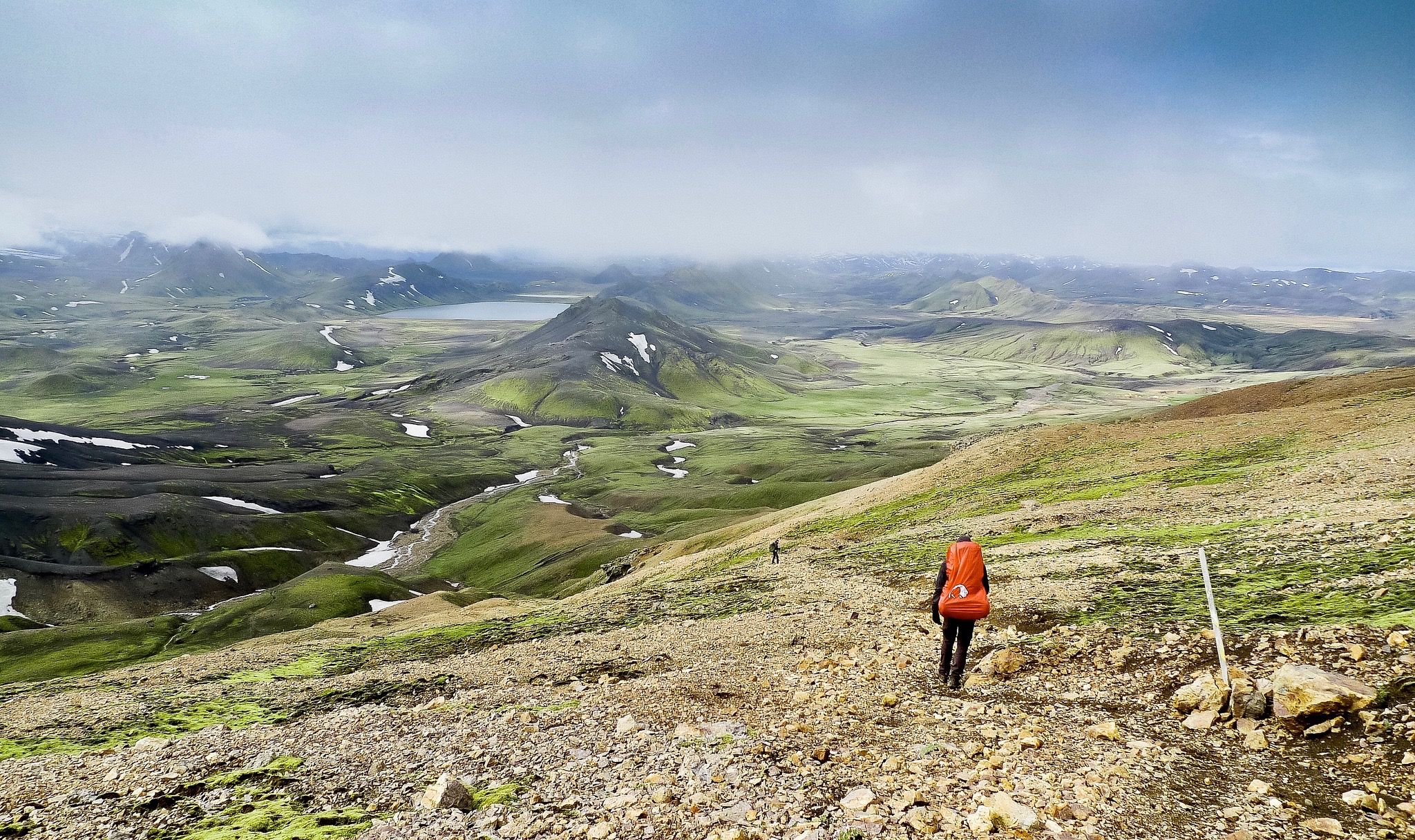
Laugavegur — 6 days trekking through Iceland
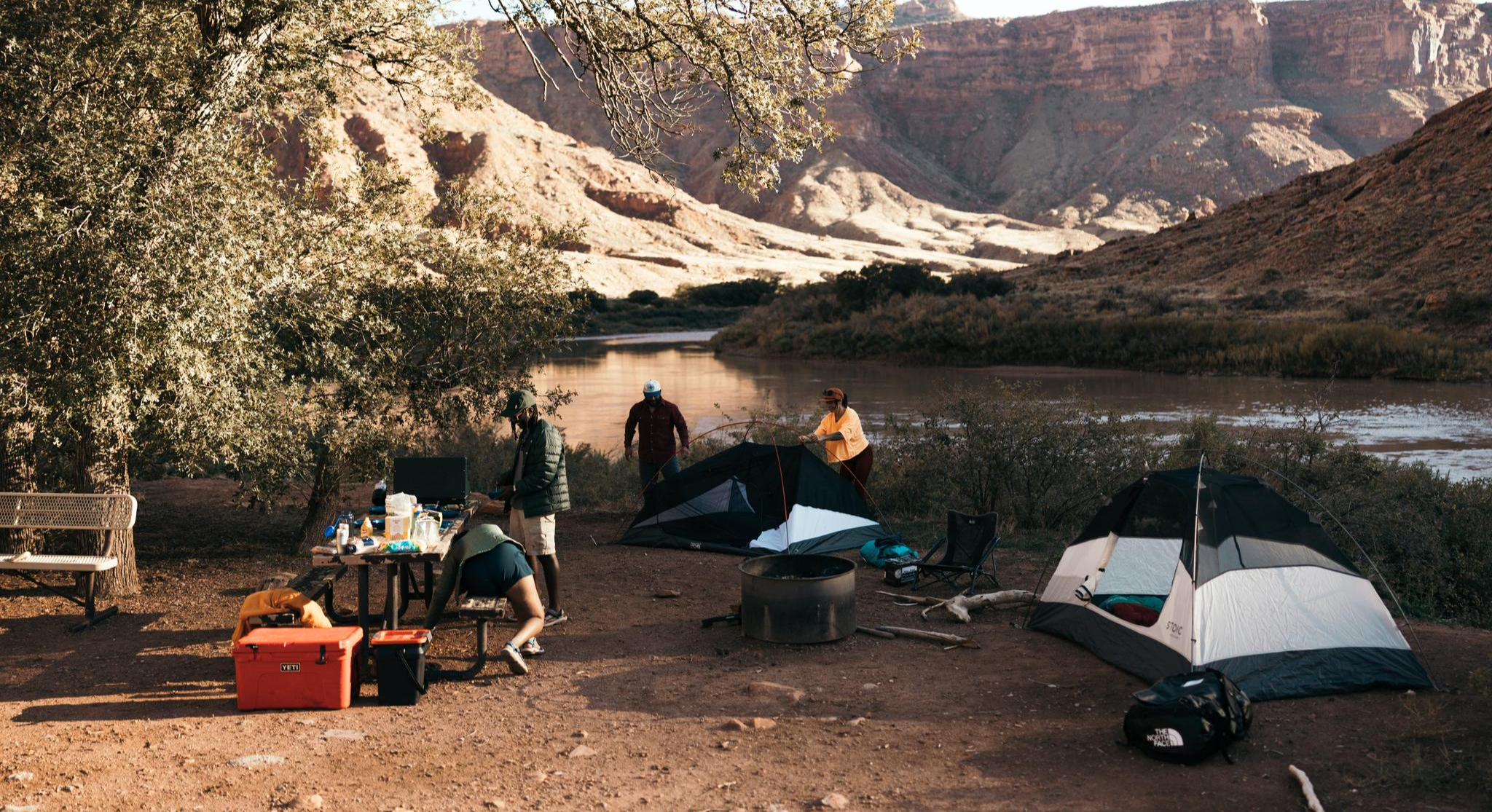
Glamping Adventures on Foot
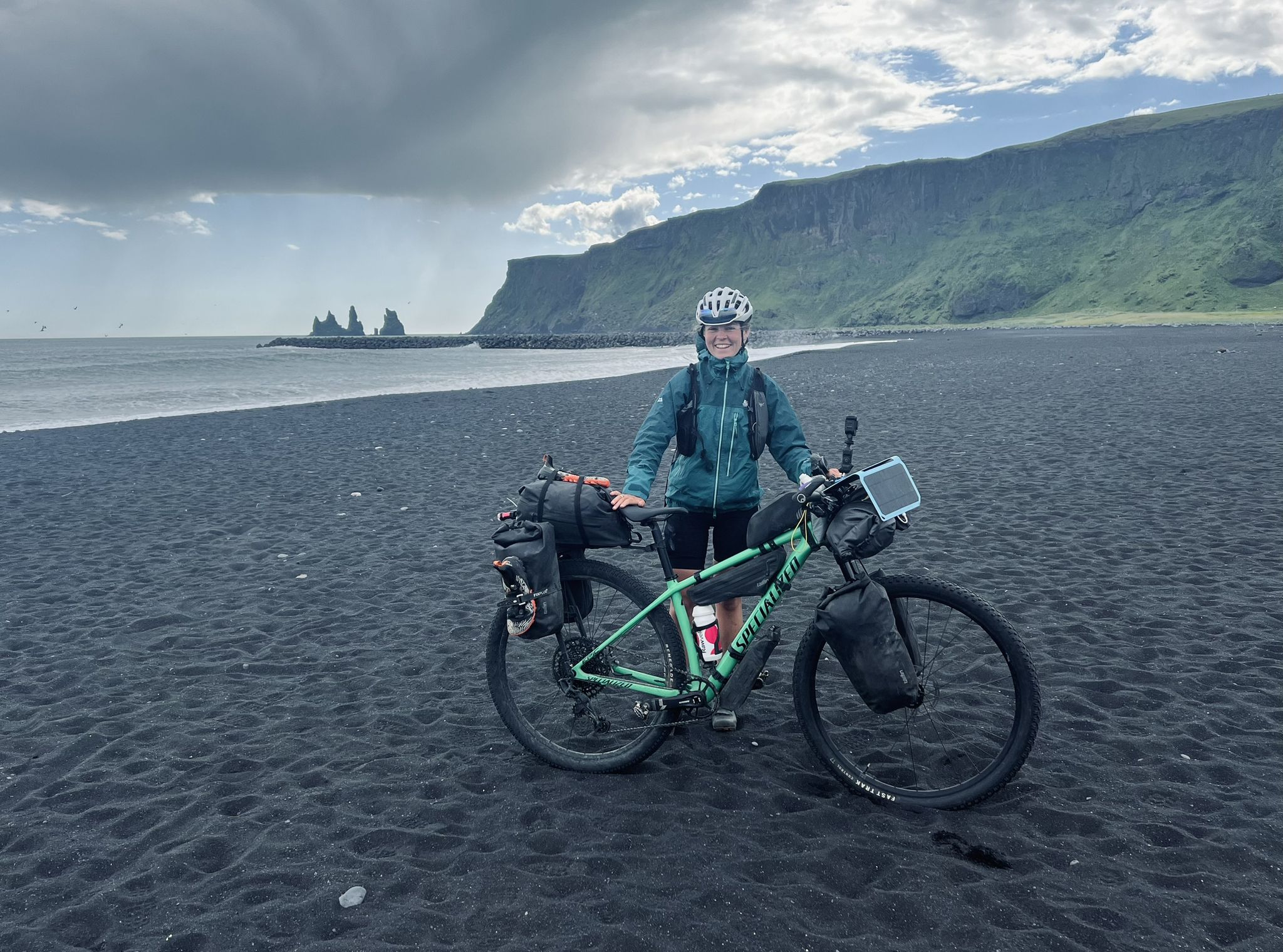
Solitude in the saddle – Iceland Divide
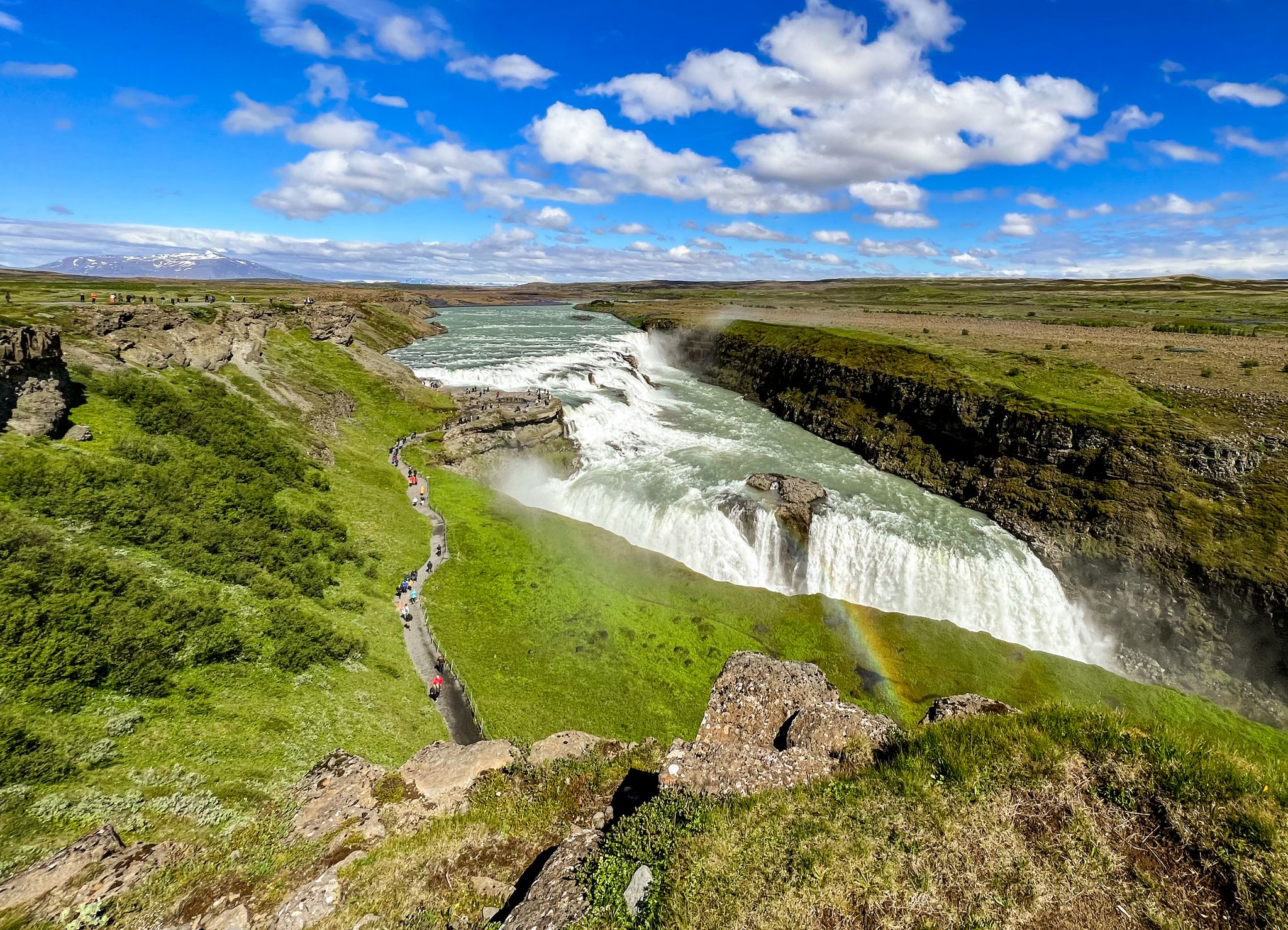
Icelandic Highlands – Kjölur and the northwest fjords
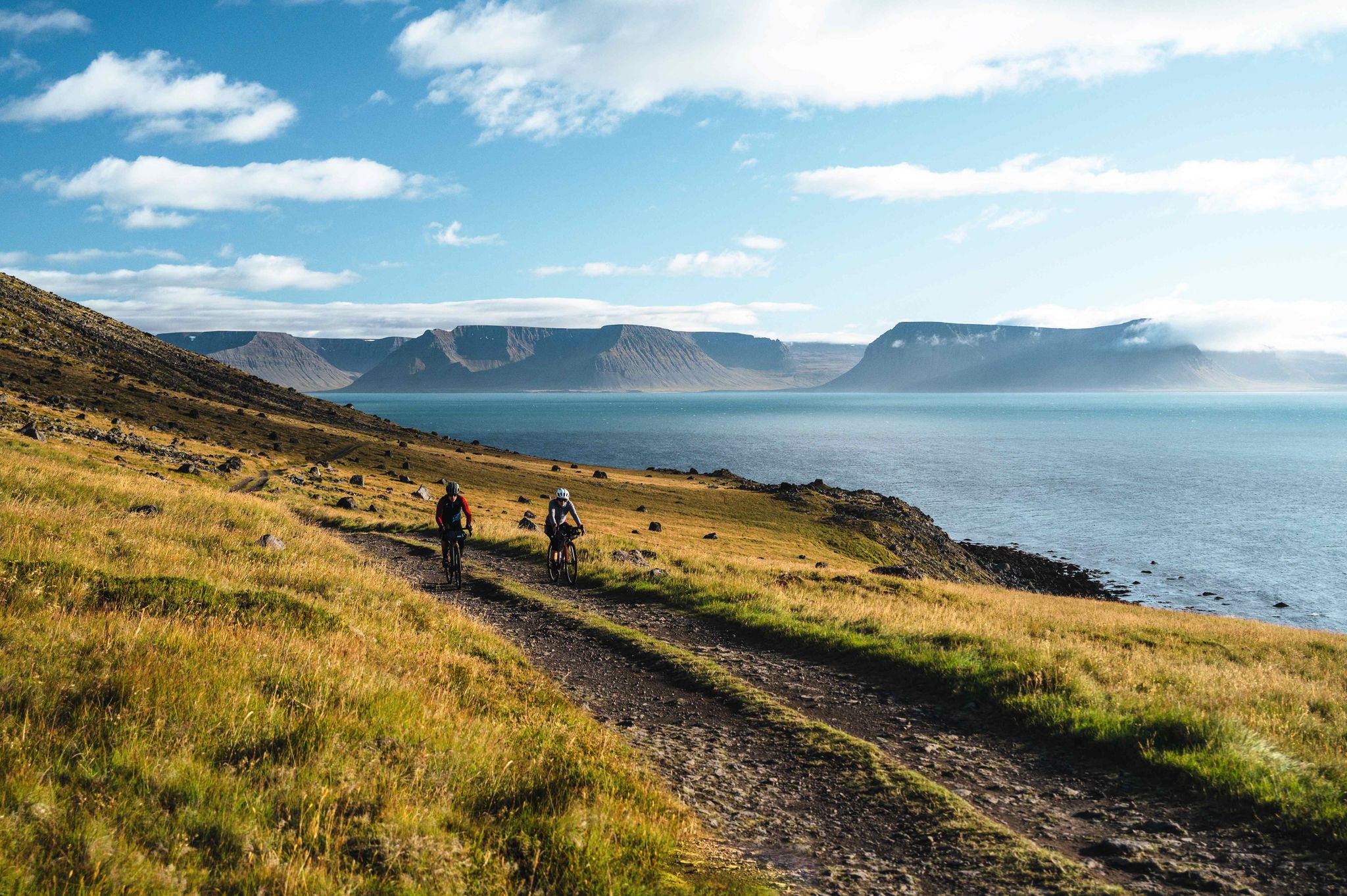
Gravel: Islands Westfjorde
Holy mountains and their stories
Hiking in Iceland
Other adventures in Iceland


Tips from the Community

Hundafoss is the easiest to reach of the many waterfalls leading up to the plateau overlooking the glacier. It's not as famous or spectacular as Svartifoss, but it's also a nice sight.
0
0

A very nice hike in itself, BUT: mosquitoes are everywhere. It's best to wear a net over your head and face.
0
0


Beautiful waterfall. It is near Svartifoss.
0
0

This waterfall can be reached via the easy walking path in Skaftafell National Park.
0
1

Great short hike to a great waterfall with viewpoints
0
0


As of July 2024, there is a road leading directly to the waterfall. Parking costs 750 ISK for small cars, while VW buses and the like cost 2000 ISK for a maximum of 4 hours. Each additional hour costs an additional 2000 ISK, regardless of the vehicle type.
2
0
Frequently Asked Questions
Which waterfalls in Iceland are easily accessible or family-friendly?
Many of Iceland's waterfalls are easily accessible. Seljalandsfoss Waterfall and Skógafoss are both located directly off the Ring Road in South Iceland, offering convenient access and facilities. Öxarárfoss in Þingvellir National Park is also considered family-friendly and easy to reach. Gullfoss and Goðafoss are also known for their accessibility and viewing platforms.
What is the best time of year to visit Iceland's waterfalls?
The best time to visit depends on your preference. In summer (June-August), the weather is milder, days are long, and the waterfalls are at their fullest from glacial meltwater, making all paths easily navigable. Winter (November-March) offers a magical experience with ice formations and the possibility of seeing the Northern Lights, though some paths might be slippery or closed due to snow and ice. Spring and autumn provide a balance with fewer crowds and changing landscapes.
Are there any waterfalls in Iceland with unique geological features?
Absolutely. Svartifoss in Vatnajökull National Park is famous for its dramatic black hexagonal basalt columns, which inspired architectural designs. Hraunfossar is another unique example, where countless small cascades emerge from beneath a lava field over a distance of 900 meters, creating a delicate and picturesque display.
Can I walk behind any waterfalls in Iceland?
Yes, Seljalandsfoss Waterfall offers a unique pathway that allows visitors to walk completely behind the curtain of water, providing an immersive 360-degree perspective. Be prepared to get wet!
What kind of hiking opportunities are available near Iceland's waterfalls?
Many waterfalls are integrated into scenic hiking trails. For example, the Fimmvörðuháls trail starts at Skógafoss, leading upstream past numerous smaller waterfalls. Reaching Svartifoss requires an uphill 45-minute hike. You can find various waterfall hikes, including easy and difficult options, in the Waterfall hikes in Iceland guide.
Are there any waterfalls in Iceland with historical or cultural significance?
Goðafoss, known as the "Waterfall of the Gods" in North Iceland, holds historical significance from around 1000 AD when pagan idols were reportedly thrown into its waters upon Iceland's conversion to Christianity. Barnafoss, or "Children's Waterfall," has a haunting Icelandic legend about two children who tragically fell into its turbulent waters.
What should I wear when visiting waterfalls in Iceland?
Regardless of the season, it's advisable to wear waterproof and windproof outer layers, as the spray from powerful waterfalls can be significant. Sturdy, waterproof hiking boots with good grip are also recommended, especially for paths that can be wet or slippery. Layering is key to adapt to Iceland's changeable weather.
Are there any less crowded or 'hidden gem' waterfalls worth visiting?
While popular spots can get busy, the remote Westfjords region offers Dynjandi (also known as Fjallfoss), a series of seven majestic waterfalls. Its distinctive bridal-veil shape and tiered structure are breathtaking, and its remote location means fewer crowds, making the journey part of the adventure.
What facilities or amenities can I expect near major waterfalls?
Popular waterfalls like Skógafoss and Gullfoss often have parking lots, restrooms, and sometimes cafes or restaurants nearby. Smaller or more remote waterfalls may only have basic parking. It's always a good idea to check specific locations for available amenities.
Can I combine a waterfall visit with other outdoor activities?
Yes, many waterfalls are close to other outdoor attractions. For instance, the area around Svartifoss offers mountain hikes. You can explore various cycling routes in the Cycling in Iceland guide or find more challenging mountain hikes in the Mountain Hikes in Iceland guide, many of which pass by or near waterfalls.
Which waterfall is known for frequently displaying rainbows?
Skógafoss, with its immense volume of water, creates a significant mist that frequently produces vibrant single or double rainbows on sunny days. Gullfoss is also known for its constant spray forming rainbows, contributing to its "Golden Falls" name.
Is there a waterfall that is particularly photogenic with a mountain backdrop?
Kirkjufellsfoss on the Snæfellsnes Peninsula is renowned for its dramatic backdrop: the iconic, cone-shaped Kirkjufell mountain. This combination creates one of Iceland's most photographed and recognized landscapes, especially stunning with reflections or under the Northern Lights.
How long should I plan for a visit to a major waterfall?
For easily accessible waterfalls like Seljalandsfoss Waterfall or Skógafoss, you might spend 30 minutes to an hour exploring the immediate area and taking photos. If you plan to walk behind Seljalandsfoss or climb the stairs at Skógafoss, allow a bit more time. For waterfalls requiring a hike, like Svartifoss, factor in 1.5 to 2 hours for the round trip.
Most popular routes in Iceland
Most popular attractions in Iceland

Get inspired with the komoot mobile app


Didn’t find what you were looking for?
Looking for more great places nearby? See even more amazing waterfalls in Iceland with these guides per region:
Explore more
Happy to travel a little further afield? Then browse these guides for the best waterfalls in Iceland:
