Top 20 Mountain Passes around Hasliberg
Best mountain passes around Hasliberg, located in the Bernese Oberland, offer diverse features for outdoor exploration. This region is characterized by its alpine landscape, connecting the Haslital with other valleys through passes like Brünig, Susten, and Grimsel. These passes provide access to various terrains, from accessible routes to challenging high-alpine roads. The area serves as a junction for travel and cultural exchange between different Swiss cantons.
Best mountain passes around Hasliberg
- The most popular mountain pass is From Meiringen to…
Last updated: September 29, 2026
From Meiringen to Grosse Scheidegg
Highlight (Segment) • Mountain Pass
Translated by Google •
Tip by

Ascent to Grosse Scheidegg from Meiringen
Highlight (Segment) • Climb
Translated by Google •
Tip by

Sign up now to discover places like this
Get recommendations on the best single tracks, peaks, & plenty of other exciting outdoor places.
Brockenhaus Brünig Pass Summit
Highlight • Mountain Pass
Translated by Google •
Tip by

Brünig Pass Scenic Route
Highlight • Mountain Pass
Translated by Google •
Tip by

Glaubenbielen Pass
Highlight • Mountain Pass
Translated by Google •
Tip by

Sign up for free to discover even more mountain passes around Hasliberg.
Already have an account?
Start today with a free account
Your next adventure awaits.
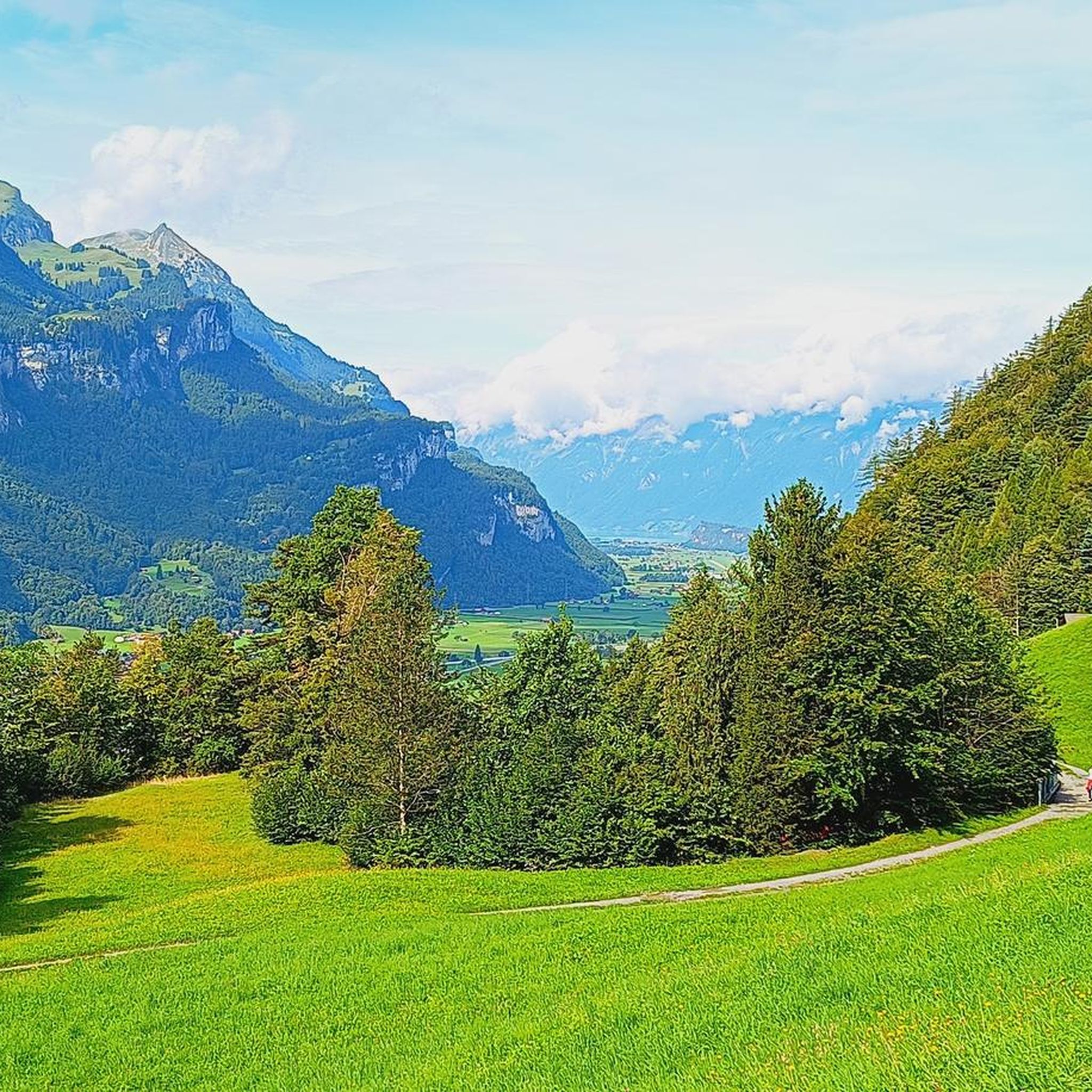
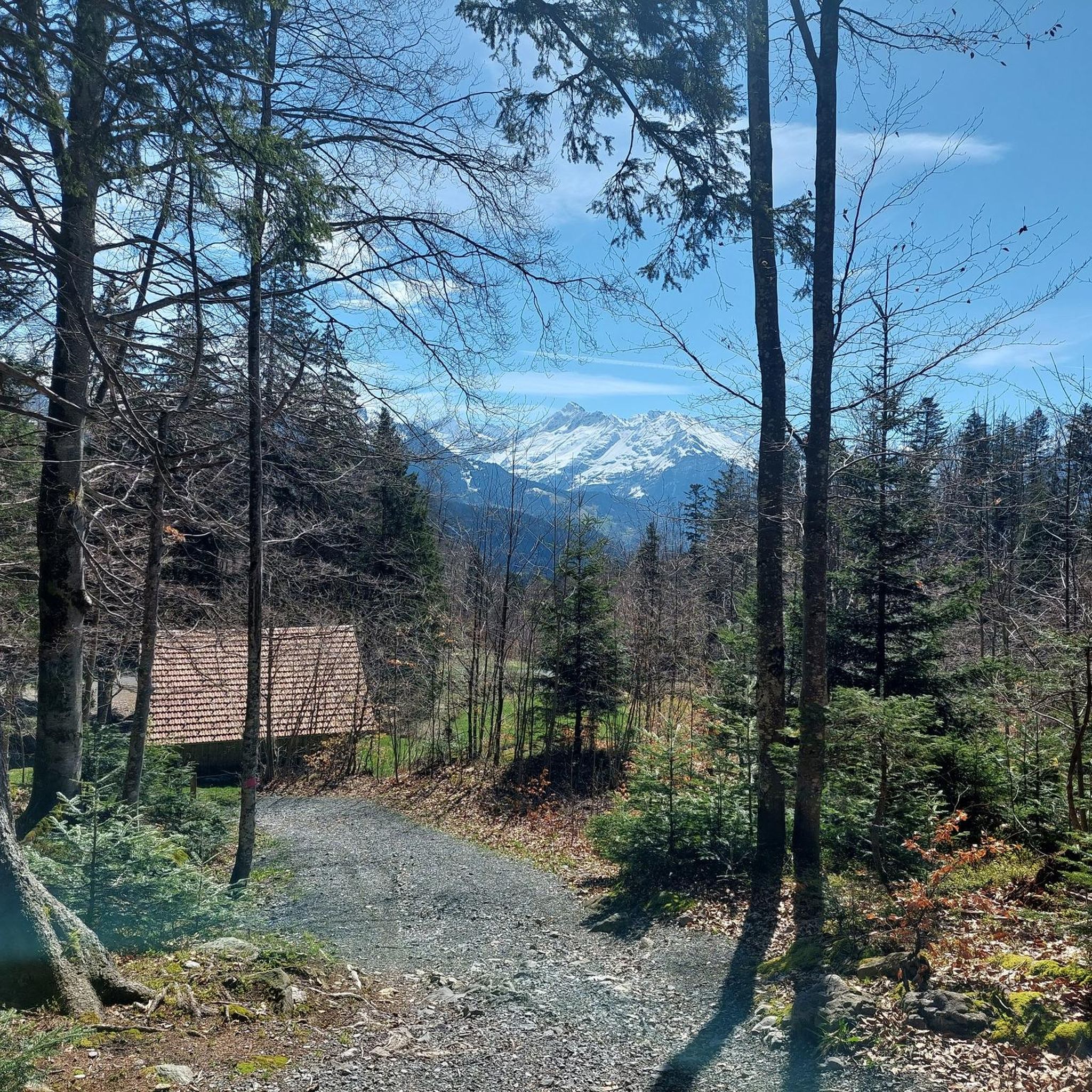
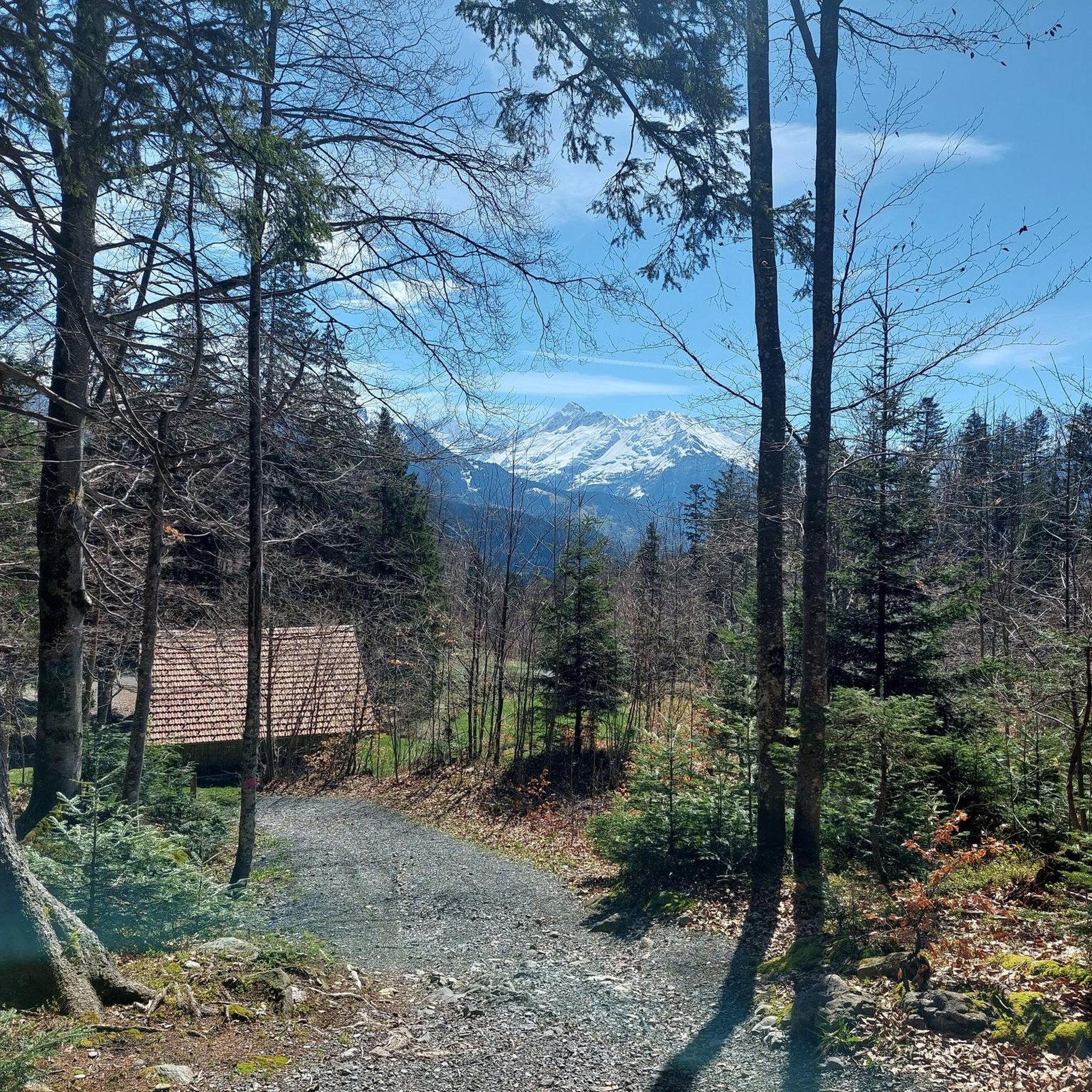
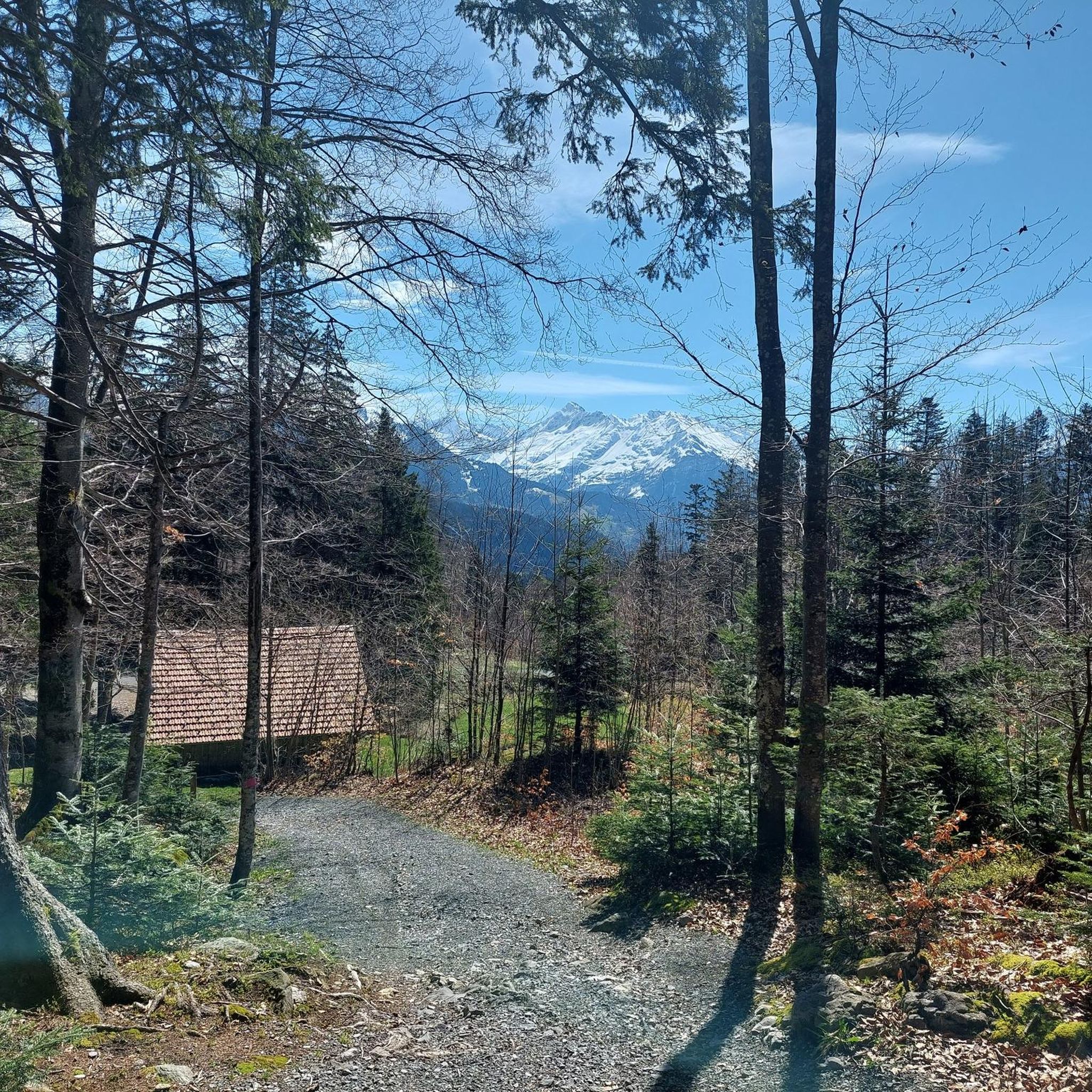
Tips from the Community

A small mountain pass between the cantons of Obwalden, from Giswil and Lucerne to Sörenberg. The route is narrow on the Obwalden side and in places only single-track, stretching with a very constant gradient of 8 to 12% over meadow slopes and forest up to the highest point. From the Lucerne side, starting at the Brienz Rothorn cable car valley station, it is also only two-track. The highest point is somewhat unspectacular, situated in the sparse mountain forest at the foot of a rock face; the actual pass summit is somewhat lower on the Lucerne side, where there is also a small kiosk.
0
0
A small mountain pass between the cantons of Obwalden and Lucerne, from Giswil to Sörenberg. The route is narrow on the Obwalden side and in places only single-track, stretching at a very constant gradient of 8 to 12% over meadow slopes and forest up to the highest point. From the Lucerne side, starting at the Brienz Rothorn cable car valley station, it is also only two-track. The highest point is somewhat unspectacular, situated in the sparse mountain forest at the foot of a rock face; the actual pass summit is somewhat lower on the Lucerne side, where there is also a small kiosk.
0
0

A very beautiful route without cars. Only the post office/public bus is allowed to travel here. A suitable gear is recommended, though. There are four or five fountains for refilling water up to Gr. Scheidegg – perfect.
0
0

As of the end of May 2025, the side road from Lungern train station to the wrestling arena on Brünig Pass is paved throughout. Only 20 meters at the Chäppeli parking lot are still compact gravel. For those who value their lives, take this route and not the Brünig road (N/A8) over the pass.
10
0

In summer, there's a lot of traffic over Brünig. Those who prefer a quieter climb can take this route, but you'll have to push your road bike a short distance over gravel – or if you're not afraid of getting a flat tire, you can just ride over it. Another advantage: the scenery is much more scenic than the main road. But be sure to take the main road downhill.
0
0

Brünig Pass (1008 m above sea level) There is some historical evidence of the Brünig Pass dating back to 1304. These include agreements, protective alliances, regulations regarding property, etc. between Obwalden and Oberhasler. The trade routes from Bern via Thun and Lucerne via Brünig met in Meiringen. They then continued over the Grimsel, Griespass to Lombardy. The main export was Sbrinz cheese, which is why this trade route was called the Sbrinz Route. The transport was carried out exclusively by mule drivers. This was a profitable venture until the beginning of the 19th century. With the development of various passes with roads, it lost importance and the opening of the Gotthard Railway in 1882 brought mule traffic to a complete standstill. Today, interested parties can experience the mule traffic on the Sbrinz route in the summer months. Construction of the Brünigstrasse began in 1857. The Brünigbahn opened in 1888. This cog railway runs over the summit of the Brünig Pass (1008 m above sea level) from Lucerne to Meiringen and Interlaken. Text / Source: Interest Group for Alpine Passes IAP, PO Box 11, 6491 Realp https://www.alpen-paesse.ch/alpenpaesse/bruenigpass/
14
0

This side road to Brünig has a short stretch of gravel, about 200m-300m, the rest is asphalt or concrete. No problem going up and down with a gravel bike or mountain bike. Racers with 30 or 28 inch wheels should also be fine, but probably not with an aero racer. But it is certainly a good alternative to the main pass road.
1
0

Very beautiful pass. Quite tough with a 10% gradient from Giswil.
1
0
Frequently Asked Questions
What are the most accessible mountain passes around Hasliberg?
The Brünig Pass is known for its excellent accessibility, typically remaining open year-round. It connects the Haslital with the Sarneraatal and features both a pass road and the Brünigbahn railway. Public transport, including buses and trains, regularly crosses the pass, making it easy to reach. You can find facilities and historical information at the Brockenhaus Brünig Pass Summit.
What are the best times to visit the mountain passes near Hasliberg?
The best time to visit depends on the pass and your planned activities. The Brünig Pass is generally accessible year-round. However, high-alpine passes like the Susten Pass are typically open only from June to October, and the Grimsel Pass is usually closed from October to May due to heavy snowfall. For hiking and cycling on these higher passes, the summer months offer the most favorable conditions.
Are there family-friendly activities or trails on the mountain passes around Hasliberg?
While the passes themselves offer scenic drives and views, the broader Hasliberg region provides excellent family-friendly options. Hasliberg is known for its dwarf-themed adventure trails, such as the Muggestutz dwarf trails, which are perfect for families. The Gelmer Funicular near the Grimsel Pass also offers an exciting experience for all ages, leading to Lake Gelmer.
What kind of natural features can I expect to see on the mountain passes?
The mountain passes around Hasliberg offer diverse natural beauty. The Brünig Pass features panoramic views of Lungern Lake, Pilatus, and the Haslital. The Susten Pass provides spectacular alpine scenery. The Grimsel Pass region is particularly known for its breathtaking alpine landscape, crystalline mountain lakes like Lake Grimsel, Lake Räterichsboden, and Lake Oberaar, and unique flora and fauna. You can also visit a marmot park at the Grimsel Pass.
What historical or cultural sites are located on these mountain passes?
The Brünig Pass has historical evidence dating back to 1304, connecting the Bernese Oberland with Central Switzerland. It was part of the historic 'Sbrinz Route' for mule drivers. The Brockenhaus Brünig Pass Summit offers insights into this history. The Susten Pass has a plaque commemorating its construction 'In ernster Zeit dem Frieden geweiht' (In serious times dedicated to peace) and archaeological findings suggesting Roman use.
What cycling opportunities are available on the mountain passes near Hasliberg?
The mountain passes around Hasliberg are popular for cycling. The Susten Pass is a challenging climb and part of cycling marathons like the Alpenbrevet. The Grimsel Pass road is also a significant cycling route, forming part of the Aare Route (National Cycle Route 8 of Switzerland) and has been featured in the Tour de Suisse. For a challenging climb, consider the Ascent to Grosse Scheidegg from Meiringen, which features an average gradient of 8%.
Are there specific hiking trails recommended on or near the mountain passes?
Yes, there are several notable hiking trails. Near the Brünig Pass, you can enjoy a panoramic trail from Reuti via Wasserwendi and Hohfluh to the pass, or a circular hike from the pass to Hasliberg Hohfluh. For a historical experience, the ViaSbrinz route from Guttannen to the Grimsel Pass summit offers insights into the region. You can find more hiking options in the Hiking around Hasliberg guide.
What are the options for public transport to access the mountain passes?
Public transport is a convenient way to reach some passes. The Brünig Pass is well-served by the Brünigbahn railway and regular bus connections. During the summer season, PostBuses operate daily between Meiringen and Andermatt, crossing the Susten Pass. For the Grimsel Pass, public transport options are available during its open season, typically from May to October.
What are some challenging routes for experienced hikers or cyclists?
For experienced cyclists, the Susten Pass and Grimsel Pass offer demanding climbs. The Ascent to Grosse Scheidegg from Meiringen is a challenging climb with 1250 meters of elevation gain and an average gradient of 8%. For hikers, the Grimselwelt region offers a wide range of challenging mountain tours. You can explore more difficult routes in the Mountain Hikes around Hasliberg guide.
Where can I find food and accommodation near the mountain passes?
There are several refreshment and accommodation options. On the Susten Pass, you'll find options like the Sustenbrüggli, facilities at the passhöhe, and Hotel Steingletscher. At the Brünig Pass, you can satisfy your hunger in the inn directly on the pass road or spend the night at the Brockenhaus Brünig Pass Summit. The broader Hasliberg region also offers numerous panoramic restaurants and hotels.
What unique experiences does the Grimsel Pass area offer?
The Grimsel Pass area, known as Grimselwelt, offers several unique experiences. You can ride the Gelmer Funicular, Europe's steepest funicular, to Lake Gelmer. The Handeckfall Bridge, a suspension bridge 70 meters above the Handeckfall waterfall, provides spectacular views. The region also offers tours of the Kraftwerke Oberhasli AG, one of Switzerland's most important hydroelectric power plants, and features a marmot park.
Are there any specific mountain biking trails in the area?
Yes, the region offers mountain biking opportunities. The Jochpass Flow Trail is an MTB park that provides a long downhill ride from Jochpass to the valley, connecting the cantons of Bern and Nidwalden. While the main pass roads are popular for road cycling, specific MTB trails like this one cater to mountain bikers.
Most popular routes around Hasliberg
Most popular attractions around Hasliberg

Get inspired with the komoot mobile app


Explore more
See even more epic mountain passes by checking out these guides around Hasliberg:
