Attractions and Places To See around Klosterneuburg - Top 20
Best attractions and places to see around Klosterneuburg are located north of Vienna, nestled at the edge of the Vienna Woods and along the Danube River. This Austrian town offers a blend of historical landmarks, cultural institutions, and natural landscapes. The region provides opportunities to explore significant sites and engage with its diverse environment.
Best attractions and places to see around Klosterneuburg
- The most popular attractions is Hofburg Palace, a historical site that served as the political center of…
Last updated: August 2, 2026
St. Stephen's Cathedral (Stephansdom)
Highlight • Religious Site
Translated by Google •
Tip by

Hofburg, Vienna and the Sisi Museum
Highlight • Historical Site
Translated by Google •
Tip by

Sign up now to discover places like this
Get recommendations on the best single tracks, peaks, & plenty of other exciting outdoor places.
Sign up for free
Hofburg Palace
Highlight • Historical Site
The extensive castle complex in the heart of Vienna was the political center of the monarchy until 1918, today it fulfills the same function for democratic Austria.
hofburg-wien.at
Translated by Google •
Tip by

Danube Canal between Spittelau and Heiligenstadt
Highlight (Segment) • Cycleway
Translated by Google •
Tip by

Northern tip of the Danube Island
Highlight • Viewpoint
Translated by Google •
Tip by

Sign up for free to discover even more attractions around Klosterneuburg.
Sign up for free
Already have an account?
Start today with a free account
Your next adventure awaits.
Login or Signup
Popular around Klosterneuburg
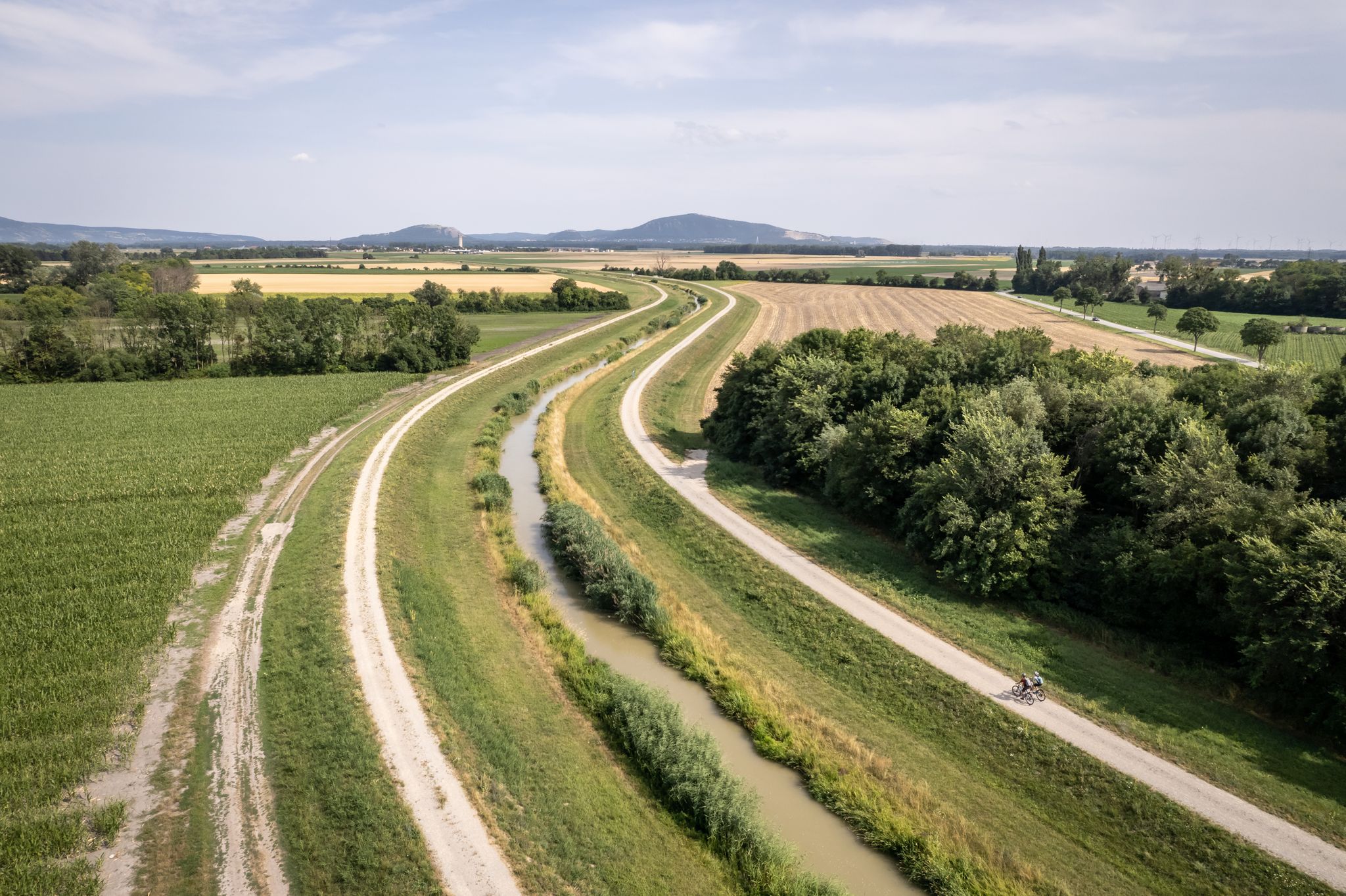
To the Weinviertel! – joyous cycling on Vienna's doorstep
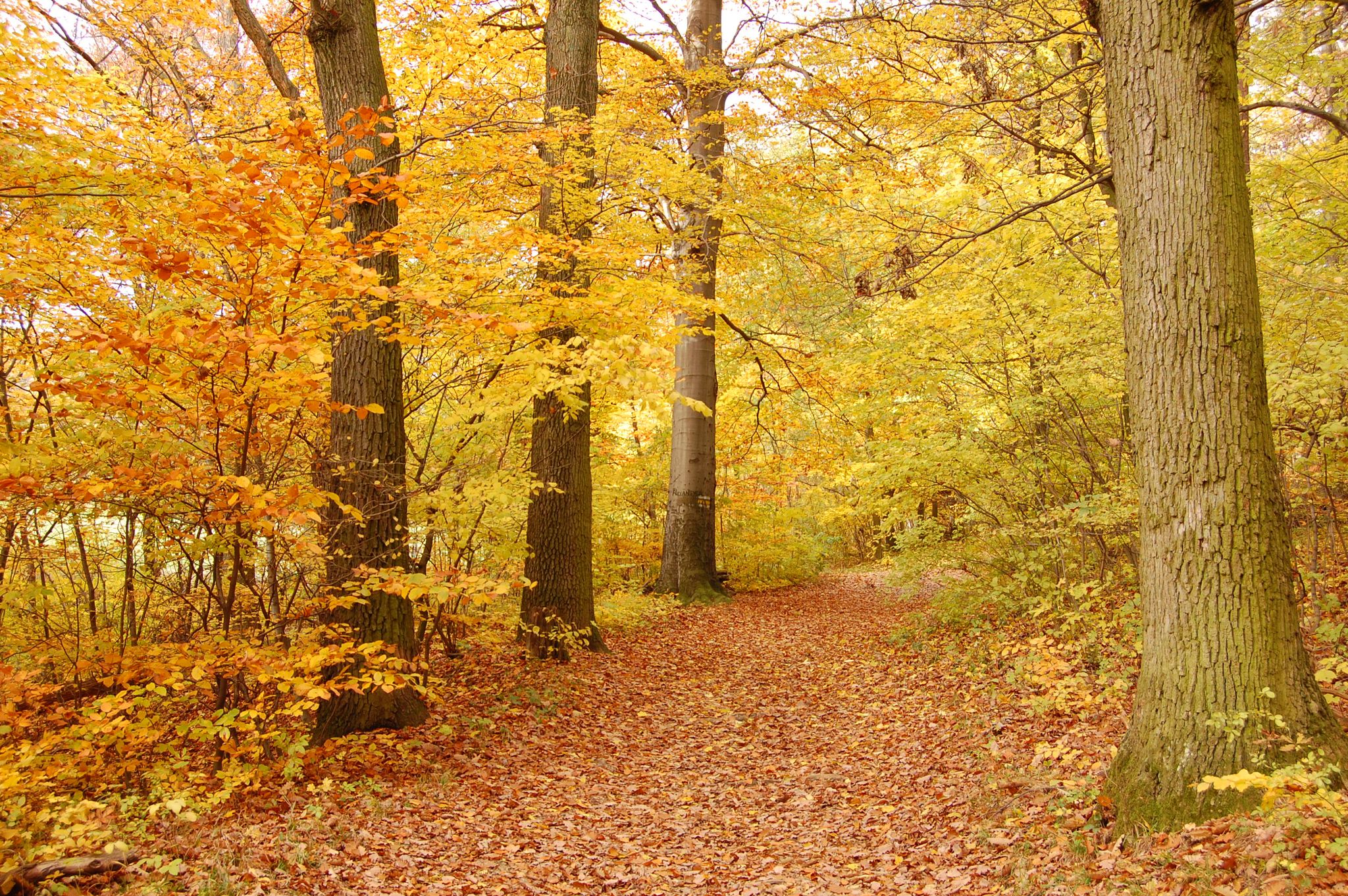
Fantastic autumn hikes in Vienna
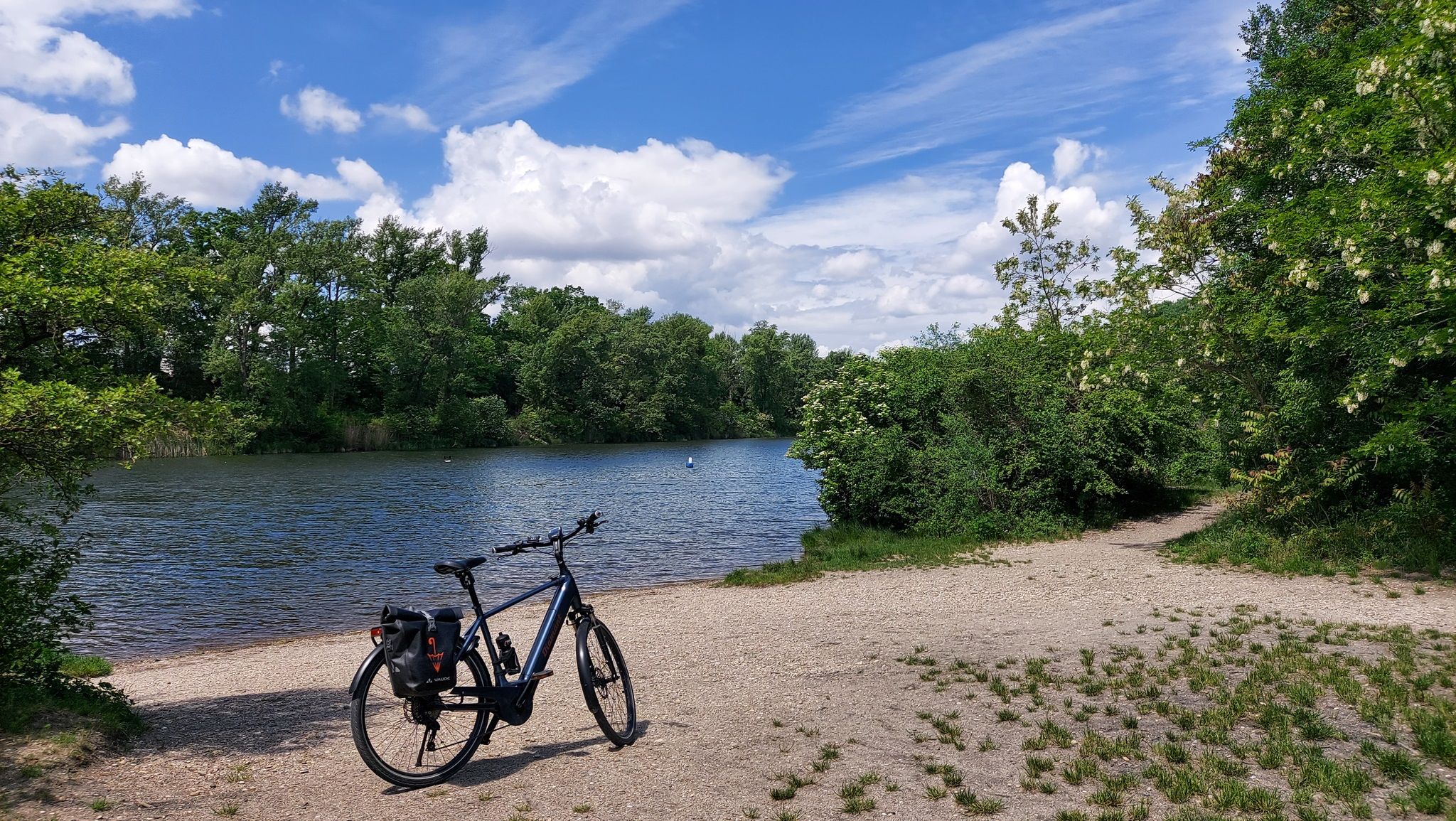
The most beautiful bathing spots around Vienna
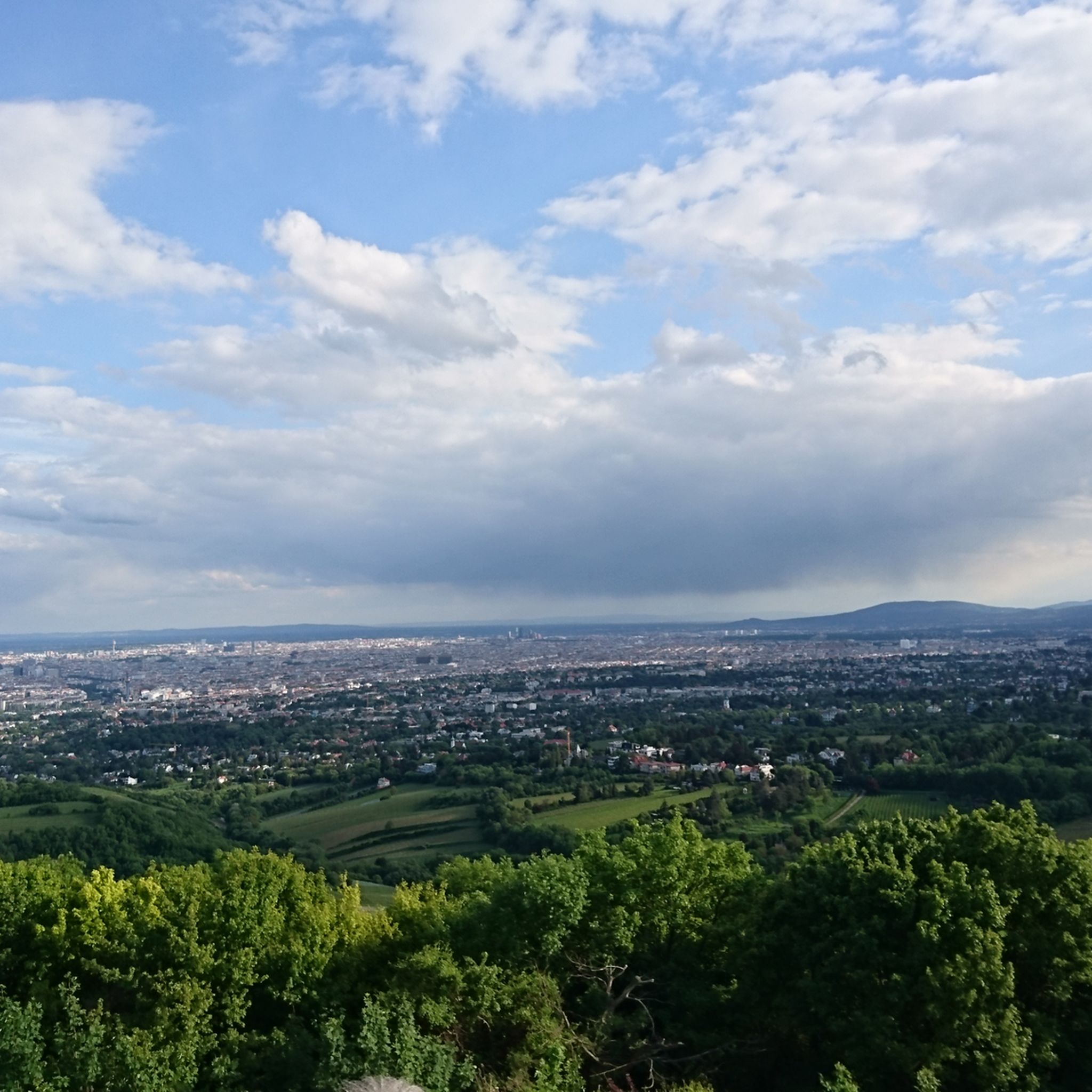
Cycling around Klosterneuburg
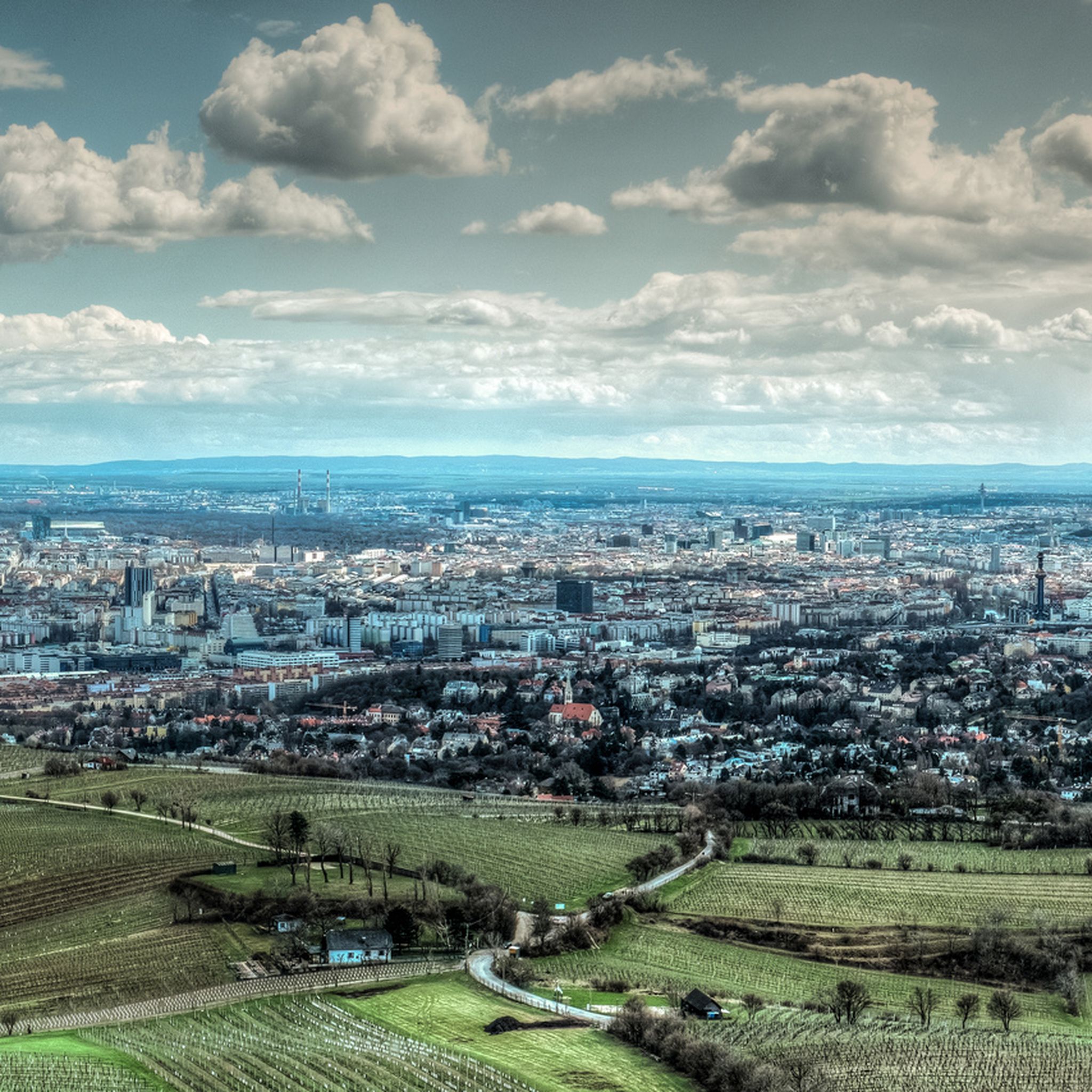
Road Cycling Routes around Klosterneuburg
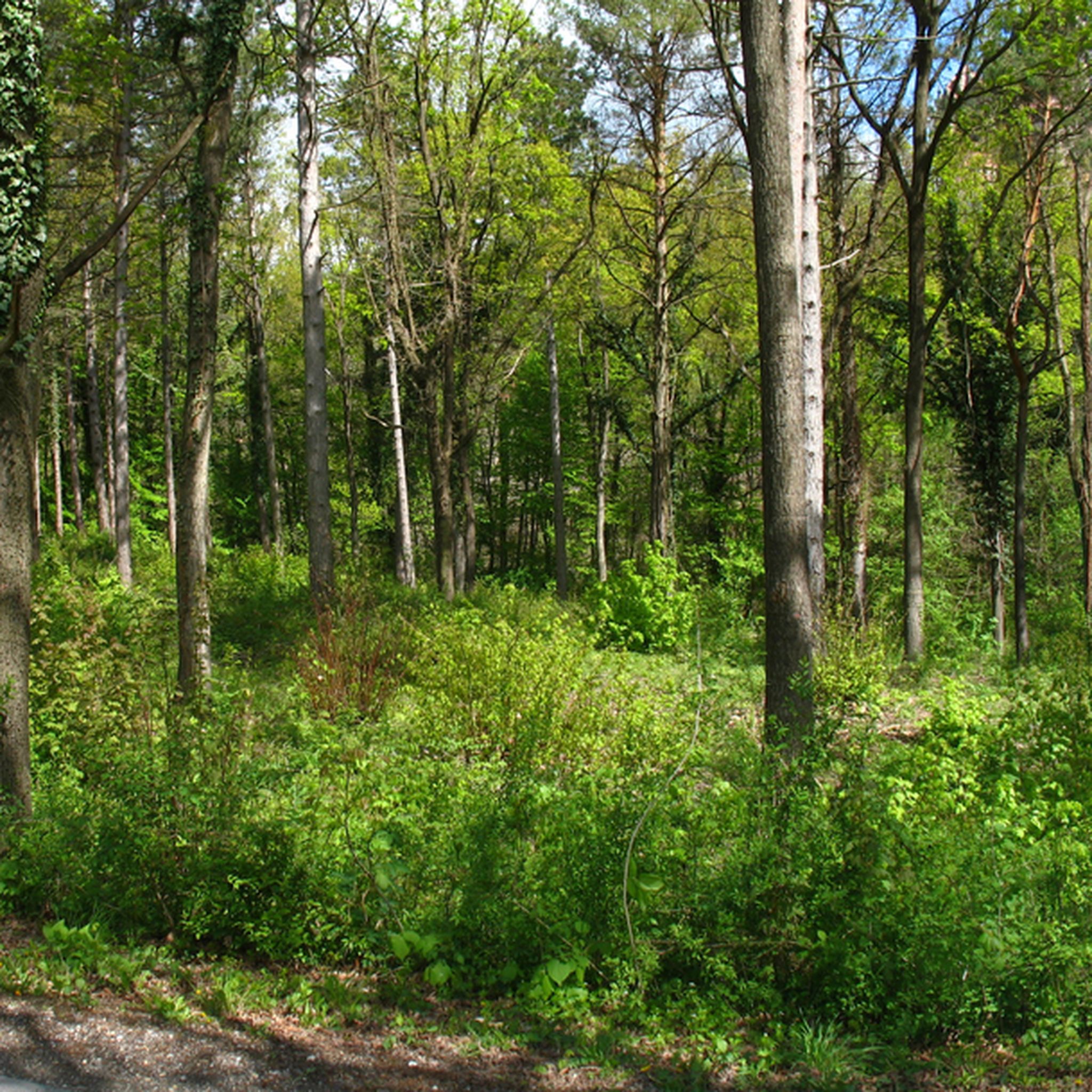
Hiking around Klosterneuburg
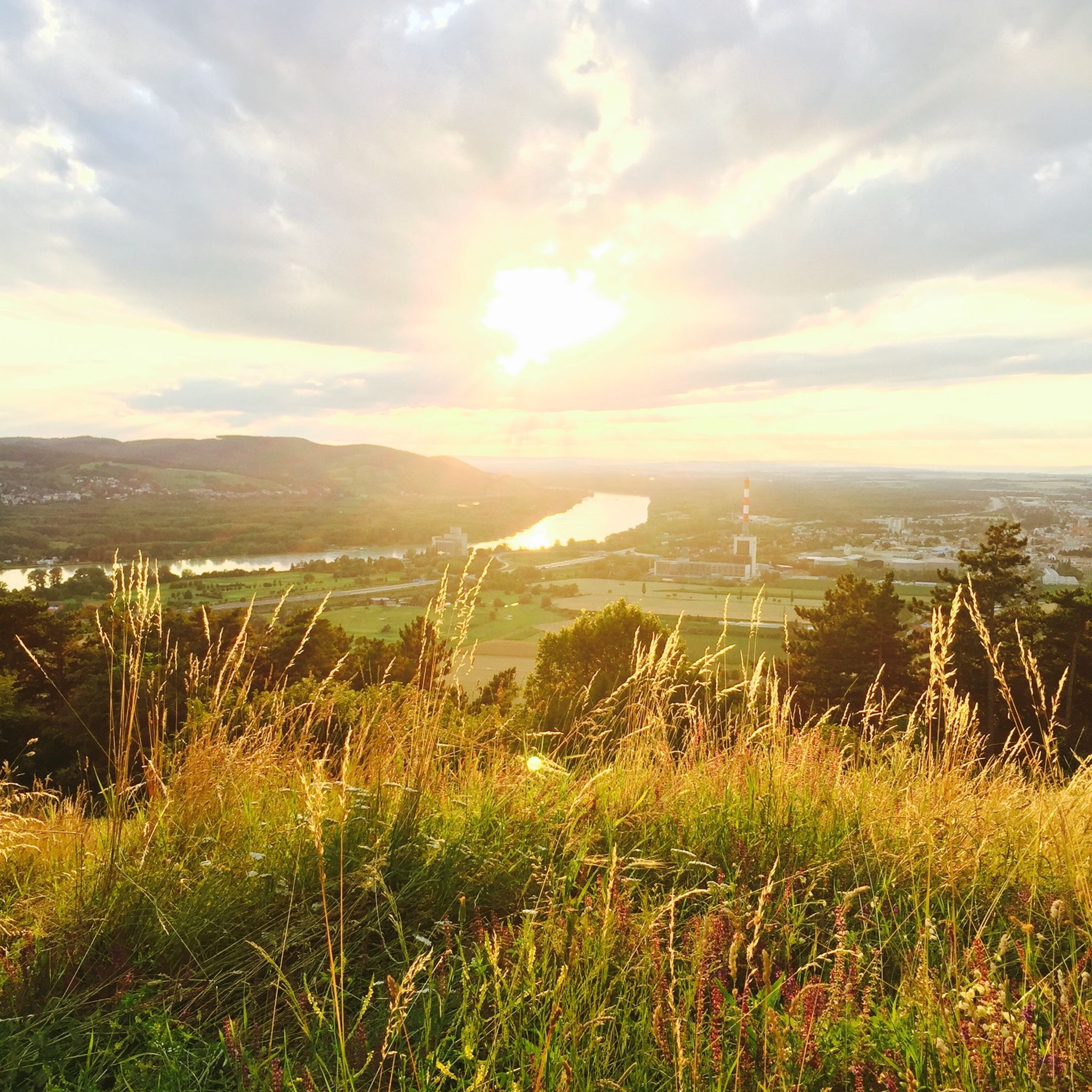
MTB Trails around Klosterneuburg
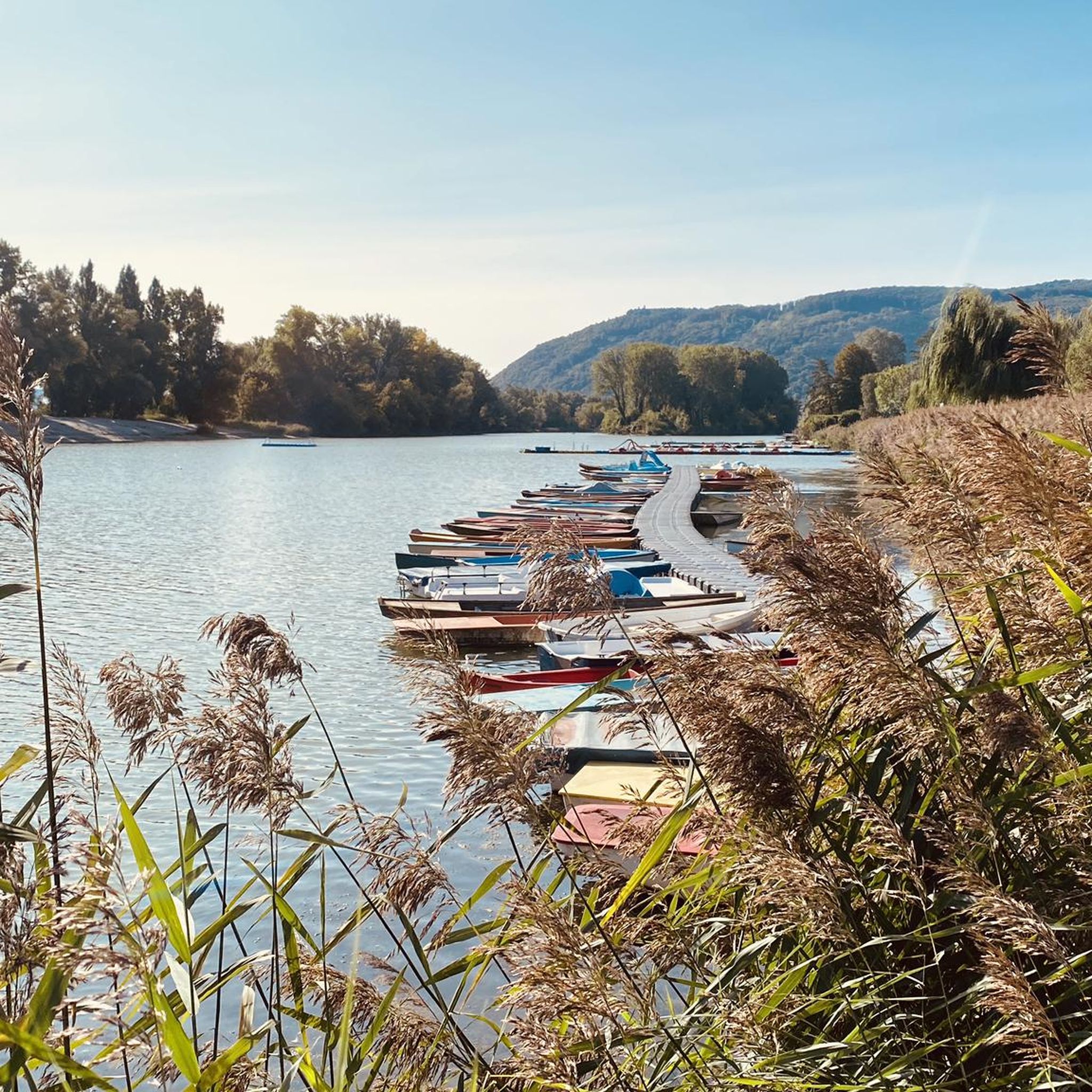
Running Trails around Klosterneuburg
Gravel biking around Klosterneuburg

Mountain Hikes around Klosterneuburg


Tips from the Community

The Danube Canal Cycle Path between Spittelau and Heiligenstadt in Vienna offers cyclists a varied route that combines urban flair with green riverside areas. Along the way, cyclists pass modern architecture, cultural sights, and numerous bridges that offer interesting perspectives on the canal. The Hundertwasser waste incineration plant near Spittelau is particularly striking. The route is mostly flat and well-developed, making it suitable for both relaxed leisurely rides and more ambitious sporty rides, creating a pleasant connection between city and nature.
4
1

Here you can cycle in a relaxed manner
3
1

The first documented evidence dates back to 1137, and is an exchange contract. Margrave Leopold IV and Bishop Reginmar of Passau exchanged goods and parish rights, so that a church could be built outside the city. The current cathedral was built in several construction phases between 1137 and 1365, with part of the west facade remaining to this day! The cathedral was badly damaged in the war and reconstruction lasted until 1952.
12
1

St. Stephen's Church, built in 1137, became a cathedral in 1365. It is 109m high and 72m wide.
13
1

St. Stephen's Cathedral is Vienna's landmark and at the same time the center of the city. At 136 meters high, it is the highest church in Austria. The cathedral is 107 meters long. The highest of its four towers is the south tower at 136 meters. 343 steps take you to the Türmerstube, from which you have a gigantic view over Vienna. A total of 13 bells hang here. The most famous of these, the Pummerin, is located in the 68 meter high north tower. It is the second largest freely swinging church bell in Europe. On the roof of St. Stephen's Cathedral, the k.u.k. was decorated with colorful roof tiles (really impressive). Double-headed eagle and the coats of arms of the city of Vienna and Austria were relocated.
10
0

... there is often an ice cream stand here!
6
0

You don't have to climb the north tower. In a narrow elevator, for a fee, it goes up. But it's worth it. A great view over Vienna, from west to north to south. And of course the cathedral itself, with its beautiful roof and imposing extensions.
14
1

Beautiful building on Vienna's Stephansplatz and a must-see when visiting Vienna
13
1
Frequently Asked Questions
What historical and cultural sites can I explore in Klosterneuburg?
Klosterneuburg is rich in history and culture. The most prominent site is the magnificent Klosterneuburg Monastery, founded in 1114, showcasing Romanesque and Baroque architecture. You can explore its imperial rooms, the church, and the treasury, which houses the famous Verdun Altar. For art enthusiasts, the Albertina Klosterneuburg (formerly Essl Museum) features contemporary Austrian and international art. Additionally, you can visit the Franz Kafka Memorial Room and the Museum Gugging & Galerie Gugging for Art Brut.
What natural attractions and outdoor activities are available around Klosterneuburg?
Nestled at the edge of the Vienna Woods and along the Danube River, Klosterneuburg offers abundant natural beauty. The Vienna Woods provide over 150 km of marked trails for hiking and cycling. You can also enjoy leisurely boat cruises on the Danube or cycle along the international Danube Cycle Path. For panoramic views of the Danube and Vienna, visit Leopoldsberg Hill. The historic Schwarzenberg Park offers a pleasant setting for walks, and the romantic Danube Wetlands feature a beach and lido for recreation.
Are there family-friendly attractions in Klosterneuburg?
Yes, Klosterneuburg offers several family-friendly options. The Happyland Leisure Center is a great choice, featuring an indoor adventure pool, sauna, tennis, climbing, bowling, basketball, and soccer. The Danube Wetlands provide a beach and lido for outdoor fun. For more adventure, consider the Eichenhain Adventure Park. Many of the natural areas like the Vienna Woods and the Danube Island also offer easy trails suitable for families.
What are the best hiking trails near Klosterneuburg?
The Vienna Woods surrounding Klosterneuburg offer numerous hiking opportunities. You can find a variety of trails, from easy to difficult. For example, the 'Hohenauer Meadow loop from Weidling Rotgraben' is a moderate 8.9 km hike, while the 'Habsburgwarte on the Hermannskogel – View of Vienna from the Kahlenberg loop' is a more challenging 17.1 km route. You can explore more options on the Hiking around Klosterneuburg guide.
Can I go cycling around Klosterneuburg?
Absolutely! Klosterneuburg is a great base for cycling. The town is located directly on the international Danube Cycle Path, offering scenic routes along the river. The Danube Canal between Spittelau and Heiligenstadt is also a popular cycle way. For road cycling, routes like the 'Greifenstein Danube Oxbow – Klosterneuburg Abbey loop' offer moderate challenges. Discover more routes on the Road Cycling Routes around Klosterneuburg guide.
What is the best time to visit Klosterneuburg for outdoor activities?
The spring and autumn months are generally ideal for outdoor activities in Klosterneuburg, offering pleasant temperatures for hiking, cycling, and exploring the natural landscapes. Summer is also popular, especially for activities along the Danube and in the Vienna Woods, though it can be warmer. Winter offers opportunities for different experiences, such as winter walks, but some facilities or trails might be less accessible.
Are there opportunities for wine tasting in Klosterneuburg?
Yes, Klosterneuburg is situated in a notable wine-growing region. The Klosterneuburg Monastery itself boasts one of Austria's oldest wine estates with a Baroque wine cellar, offering wine tastings. Throughout the area, you'll find numerous vineyards and traditional 'Heuriger' wine taverns where you can sample local wines and learn about the winemaking process.
What are some unique viewpoints near Klosterneuburg?
For stunning vistas, head to Leopoldsberg Hill, which provides panoramic views of the Danube River and the city of Vienna. Another excellent spot is the Northern tip of the Danube Island, where you can enjoy views of the Danube and Vienna's skyline, and it's a great place to take a break.
What do visitors enjoy most about the attractions around Klosterneuburg?
Visitors frequently appreciate the blend of historical grandeur and natural beauty. The rich history of sites like the Klosterneuburg Monastery, combined with the serene landscapes of the Vienna Woods and the Danube, offers a diverse experience. Many also enjoy the recreational opportunities along the Danube and the cultural insights provided by the various museums and art galleries.
Are there any gravel biking routes available near Klosterneuburg?
Yes, gravel biking is a popular activity in the region. You can find routes like the 'Klosterneuburg Abbey – Hohenauer Wiese loop from Kritzendorf,' which is a moderate 24 km ride. For more challenging options, consider the 'Vienna Hills Trail - Graveling around Vienna.' More gravel biking routes are detailed in the Gravel biking around Klosterneuburg guide.
Is Klosterneuburg accessible by public transport from Vienna?
Yes, Klosterneuburg is well-connected to Vienna by public transport, making it easy to visit its attractions, including the Klosterneuburg Monastery. Regular bus and train services operate between Vienna and Klosterneuburg.
What kind of art can I see in Klosterneuburg?
Klosterneuburg offers a diverse art scene. The Albertina Klosterneuburg (formerly Essl Museum) is renowned for its extensive collection of contemporary Austrian and international art. Additionally, the Museum Gugging & Galerie Gugging are dedicated to Art Brut, showcasing unique and compelling works.
Most popular routes around Klosterneuburg
Most popular attractions around Klosterneuburg

Get inspired with the komoot mobile app


Explore more
Still not found the Highlight you’re looking for? See guides of the top attractions in other regions:
