The best MTB trails around Emmelsbüll-Horsbüll
4.1
(6)
32
riders
11
rides
Mountain biking around Emmelsbüll-Horsbüll offers routes through a distinctive landscape characterized by its flat marshland terrain and proximity to the Wadden Sea National Park. The region, part of Nordfriesland, features extensive dikes and rural paths, providing opportunities for off-road cycling. While traditional technical mountain bike trails are not prevalent, the area's varied natural environment includes "single tracks" and diverse paths suitable for mountain bikes.
Best mountain bike trails around Emmelsbüll-Horsbüll
- The most popular mountain bike trail is Amrum Odde Nature…
Last updated: July 21, 2026
6
riders
Moderate mountain bike ride. Great for any fitness level. Advanced riding skills necessary.
4.0
(1)
3
riders
Moderate mountain bike ride. Good fitness required. Suitable for all skill levels.

Sign up for free
5.0
(2)
5
riders
40.5km
02:18
60m
60m
Moderate mountain bike ride. Good fitness required. Suitable for all skill levels.
2.5
(2)
3
riders
46.9km
02:45
50m
50m
Moderate mountain bike ride. Good fitness required. Advanced riding skills necessary.
4.0
(1)
3
riders
20.2km
01:07
10m
10m
Easy mountain bike ride. Great for any fitness level. Suitable for all skill levels.
Get access to more routes and recommendations from other explorers.
Sign up for free
Already have an account?
Our route recommendations are based on thousands of hikes, rides, and runs completed by other people on komoot.
Start today with a free account
Your next adventure awaits.
Login or Signup
Tips from the Community

Northernmost point of mainland Germany It's not spectacular, but if you're cycling the North Sea Cycle Route, it's a must-see. Seeing this spot is a must 😉. There's a shelter in the parking lot for shelter in case of rain. There's also information about the dike construction and the Wadden Sea.
2
0

Beautiful route from Hoyer across the border. 700 m to Café Zollhaus
0
0

The Rickelsbüller Koog is a nature reserve covering approximately 534 hectares in the North Frisian district – the northwesternmost point of mainland Germany lies there, directly on the border dam near Rodenäs-Markhäuser. Since its embankment in 1981 and official designation as a protected area in 1982, it offers a mosaic of wet meadows, reed beds, and inland waters that developed from the former mudflats and salt marshes. For birdwatchers, the Koog is a true paradise: it is one of the most important resting and breeding areas along the Schleswig-Holstein North Sea coast. Species such as pink-footed goose, barnacle goose, redshank, black-tailed godwit, dunlin, knot, and many more rest and breed here in large numbers. Particularly impressive are the now regular sightings of white-tailed eagles – a testament to the ecological importance of the area. The landscape is crisscrossed by easily accessible dikes and observation points, including an observation hut. Ideal for nature lovers: binoculars are a must to experience the vibrant birdlife in action. The circular trail – for example, part of the "WWF Tour – Boundless Birdlife" – runs approximately 13 km through the area, offering extensive experiences of the open landscape and the opportunity to experience the northernmost point of the mainland. The Koog is accessible via Rodenäs: By bike or car, you can reach a free parking area directly next to the dike via the border road. From there, paths lead into the protected area – the clear landscape, the rich birdlife, and the peacefully flowing border make the destination a special natural location.
2
0
The northernmost point of the German mainland is located in the Rickelsbüller Koog, near Rodenäs in the district of Nordfriesland, Schleswig-Holstein. It marks Germany's outermost land border on the North Sea. Access is via the Norddeich–Sieltoft border crossing, which also serves as a reference point for this extreme point. This is not the absolute northernmost point in Germany—that position is occupied by the Ellenbogen peninsula on Sylt, a peninsula north of List that belongs to the island.
2
0


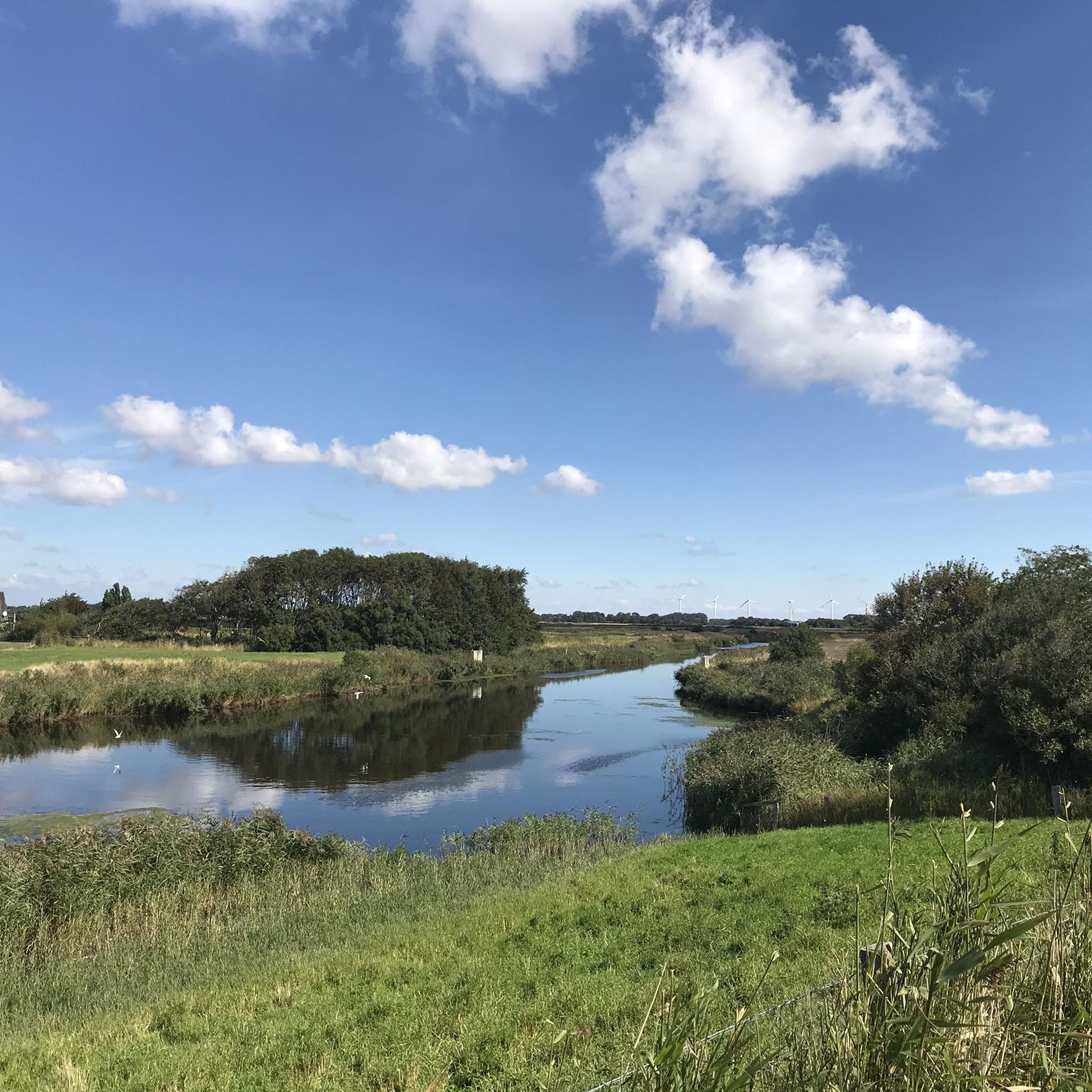
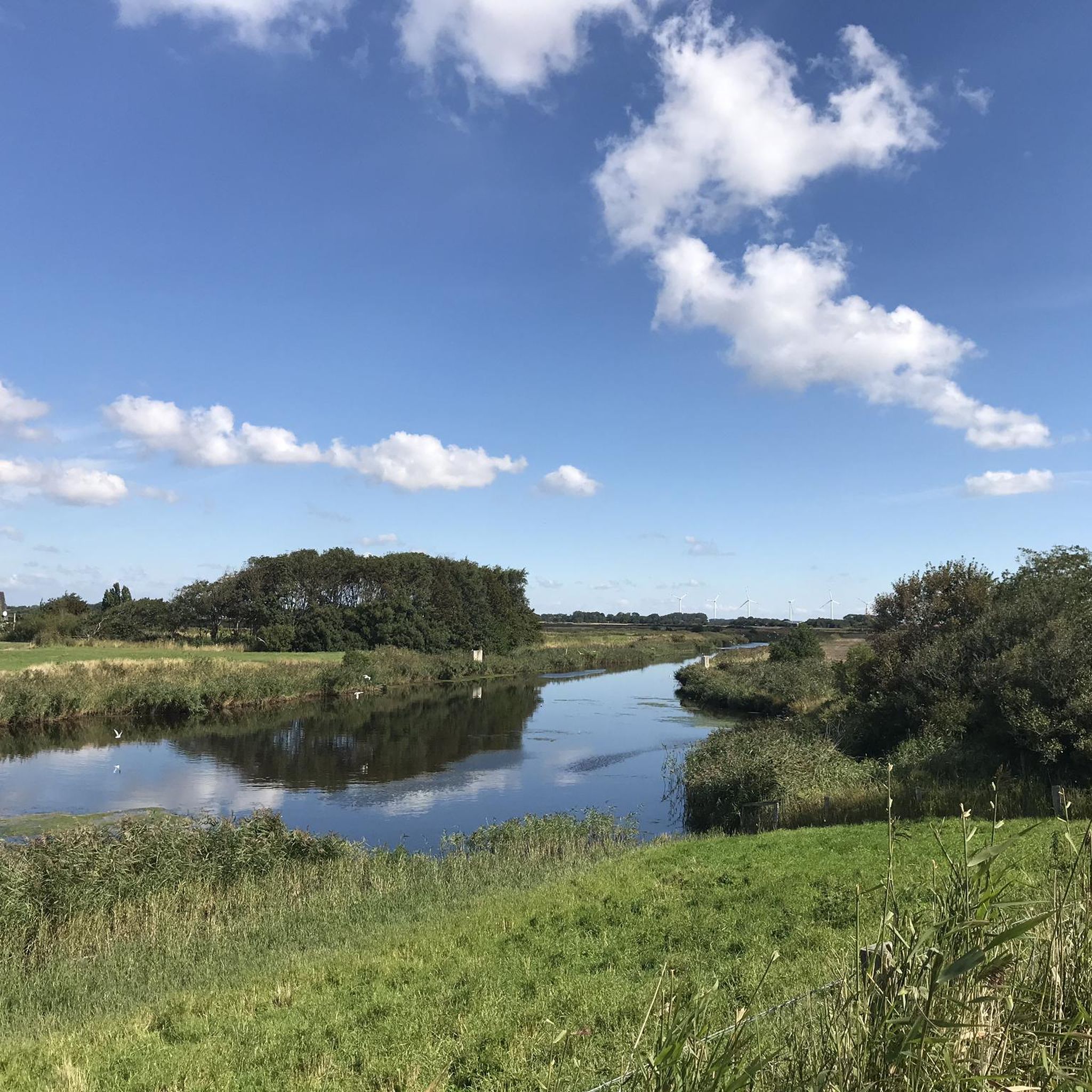
the landscape with the various flying animals
2
0
Looking over the dike, you can see the Hindenburg Dam to the left and, from time to time, a train passing by. Ahead, the east coast of Sylt with its lighthouse and cliffs. In front, the Wadden Sea is a magnificent sight.
3
0

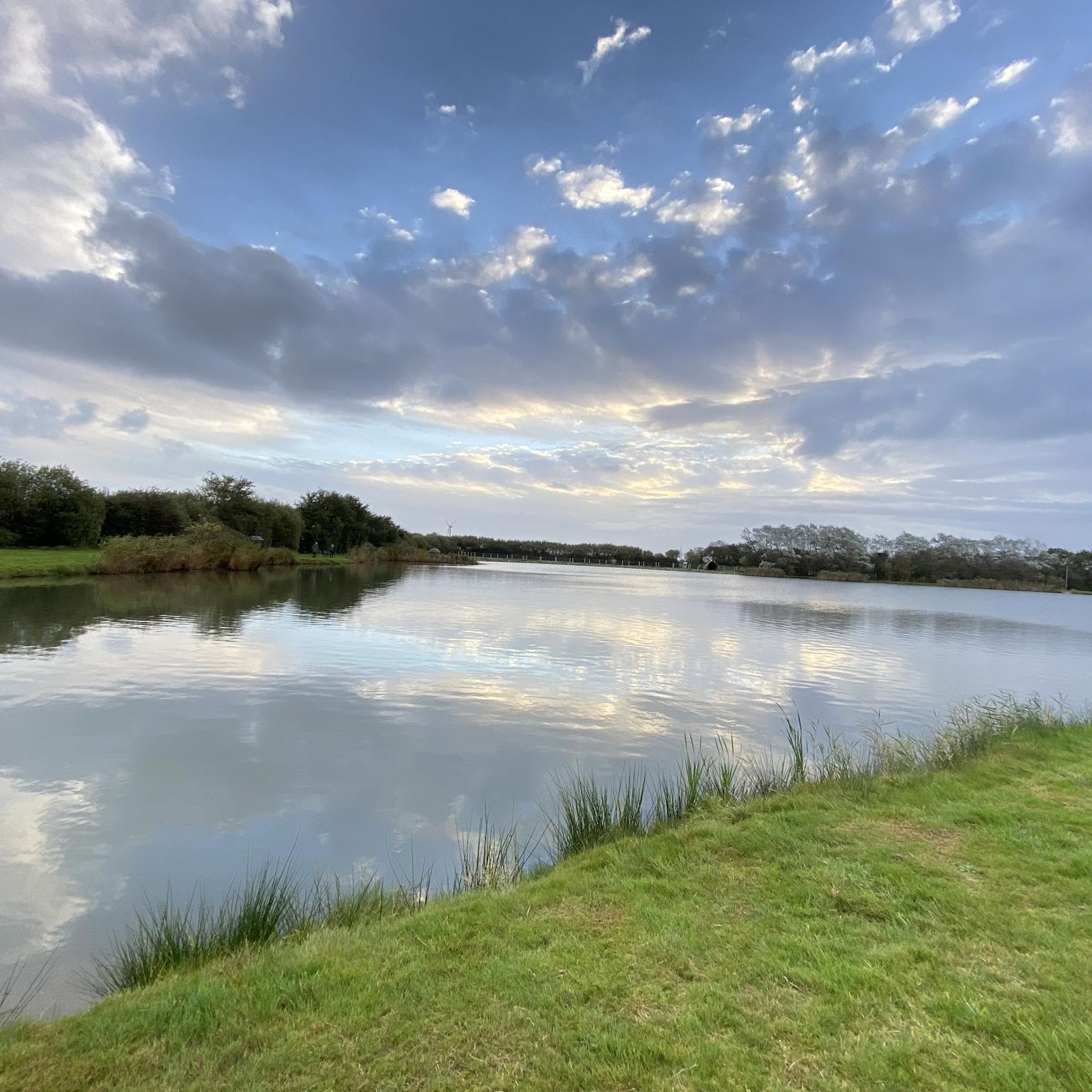
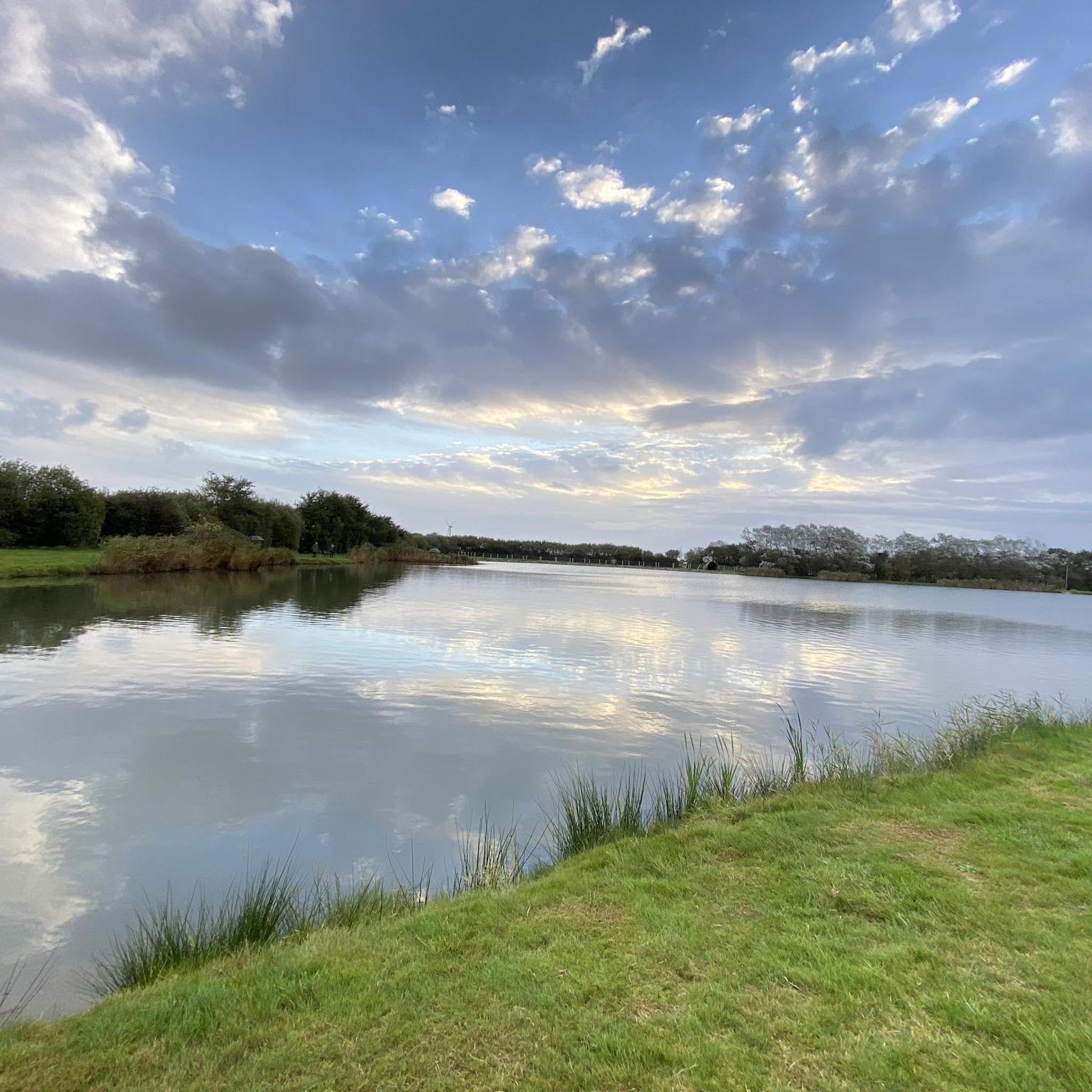
Perfect way to relax
3
0
Frequently Asked Questions
What kind of terrain can I expect on mountain bike trails in Emmelsbüll-Horsbüll?
Mountain biking in Emmelsbüll-Horsbüll is characterized by its flat marshland, coastal dikes, and rural paths. The region is part of the Schleswig-Holsteinische Marschen, offering extensive routes through open landscapes with fresh sea air. You'll find paths along the Wadden Sea National Park, a UNESCO World Heritage Site, and through traditional Frisian scenery.
How many mountain bike trails are available in Emmelsbüll-Horsbüll?
There are 13 mountain bike trails around Emmelsbüll-Horsbüll listed in this guide. These routes offer a variety of experiences across the region's unique landscape.
What are the difficulty levels of mountain bike trails in Emmelsbüll-Horsbüll?
The mountain bike trails in Emmelsbüll-Horsbüll are primarily easy to moderate. Specifically, there are 4 easy routes and 9 moderate routes. There are no difficult trails listed, making the area suitable for a wide range of riders looking for scenic, less technical rides.
What do other mountain bikers enjoy most about the trails in Emmelsbüll-Horsbüll?
The routes in Emmelsbüll-Horsbüll are highly rated by the komoot community, with an average score of 4.3 stars from over 10 reviews. Over 56 mountain bikers have used komoot to explore the varied terrain, often praising the scenic views and the unique experience of cycling along the Wadden Sea.
Are there any circular mountain bike routes in Emmelsbüll-Horsbüll?
Yes, many routes in the area are designed as loops. For example, you can explore the Amrum Odde Nature Reserve – Amrum Windmill loop from Dagebüll Hafen, or the Deichtorplatz Dagebüll – Wadden Sea Info Point loop from Dagebüll Hafen, which offers views of the Wadden Sea.
What natural features can I see while mountain biking in Emmelsbüll-Horsbüll?
You can experience the unique ecosystem of the Wadden Sea, a UNESCO World Heritage Site, with expansive views from the dikes. The region also features flat marshland (Marschland), rural scenery with traditional Frisian houses, and the 'Alter Sielzug' canal. Highlights include the View of the Wadden Sea from the Föhr dike and the Rickelsbüller Koog nature area.
Are there any interesting landmarks or attractions along the mountain bike routes?
Yes, you can encounter several points of interest. Notable landmarks include the historic Dagebüll Lighthouse and the unique Rosenkranz–Rudbøl Border Crossing, where the border runs through the middle of the road. The Dagebüll Mole Ferry Terminal also offers scenic views of the harbor and islands.
When is the best time of year for mountain biking in Emmelsbüll-Horsbüll?
The best time for mountain biking in Emmelsbüll-Horsbüll is generally from spring to autumn. During these seasons, the weather is typically milder and more stable, making for pleasant rides along the dikes and through the marshland. The fresh sea air is particularly invigorating during these months.
Are there family-friendly mountain bike routes in Emmelsbüll-Horsbüll?
Given the predominantly flat and easy to moderate terrain, many routes in Emmelsbüll-Horsbüll are suitable for families. The extensive network of dikes and rural paths provides safe and enjoyable cycling opportunities away from heavy traffic, perfect for riders of all ages and skill levels.
Can I bring my dog on the mountain bike trails in Emmelsbüll-Horsbüll?
While specific regulations for dogs on mountain bike trails are not detailed, the region's outdoor areas generally welcome dogs on a leash. When cycling through nature reserves or agricultural areas, it's important to keep your dog under control to protect wildlife and respect local farmers.
Are there longer mountain bike routes for those seeking a more extensive ride?
Yes, there are longer routes available. For instance, the Amrum Odde Nature Reserve – Amrum Windmill loop from Dagebüll Hafen covers nearly 80 km, offering a substantial ride through diverse landscapes. Another option is the Karlumer Forest – Niebüll Water Tower loop from Niebüll, which is over 40 km long.
What are some good routes to experience the Wadden Sea views?
To best experience the Wadden Sea, consider routes like the Deichtorplatz Dagebüll – Wadden Sea Info Point loop from Dagebüll Hafen or the Wadden Sea National Park – Deichtorplatz Dagebüll loop from Deezbüll. These routes offer direct access and panoramic views of this unique natural wonder.
Most popular routes around Emmelsbüll-Horsbüll
Most popular attractions around Emmelsbüll-Horsbüll

Get inspired with the komoot mobile app


Explore more
Browse the best MTB trails in other regions.
