Top 12 Castles around Zwiesel
Best castles around Zwiesel offer a glimpse into the region's history, set amidst the natural landscape of the Bavarian Forest. Zwiesel, known for its glassmaking tradition and as a climatic health resort, provides a base for exploring historical sites. The area features a mix of castle ruins, traditional castles, and renovated castle hotels. These landmarks are often integrated with hiking trails around Zwiesel, providing opportunities for exploration.
Best castles around Zwiesel
- The most popular castles is Weißenstein Castle Ruins,…
Last updated: November 1, 2026
Weißenstein Castle Ruins
Highlight • Castle
Translated by Google •
Tip by

Buchenau Castle
Highlight • Castle
Translated by Google •
Tip by

Sign up now to discover places like this
Get recommendations on the best single tracks, peaks, & plenty of other exciting outdoor places.
Robenstein Castle Hotel
Highlight • Castle
Translated by Google •
Tip by
Dichterturm (Poet's Tower)
Highlight • Monument
Translated by Google •
Tip by
Pfahl Rock Formation and Castle Ruins
Highlight • Natural Monument
Showing Translation
Tip by

Sign up for free to discover even more castles around Zwiesel.
Already have an account?
Start today with a free account
Your next adventure awaits.
Popular around Zwiesel
Triathlon around Germany
The National Natural Landscapes in Bavaria
Beer culture on two wheels – 3 multi-day routes, 2 countries, 1 pulse
Six wonderful hikes around Bavaria’s Großer Arber
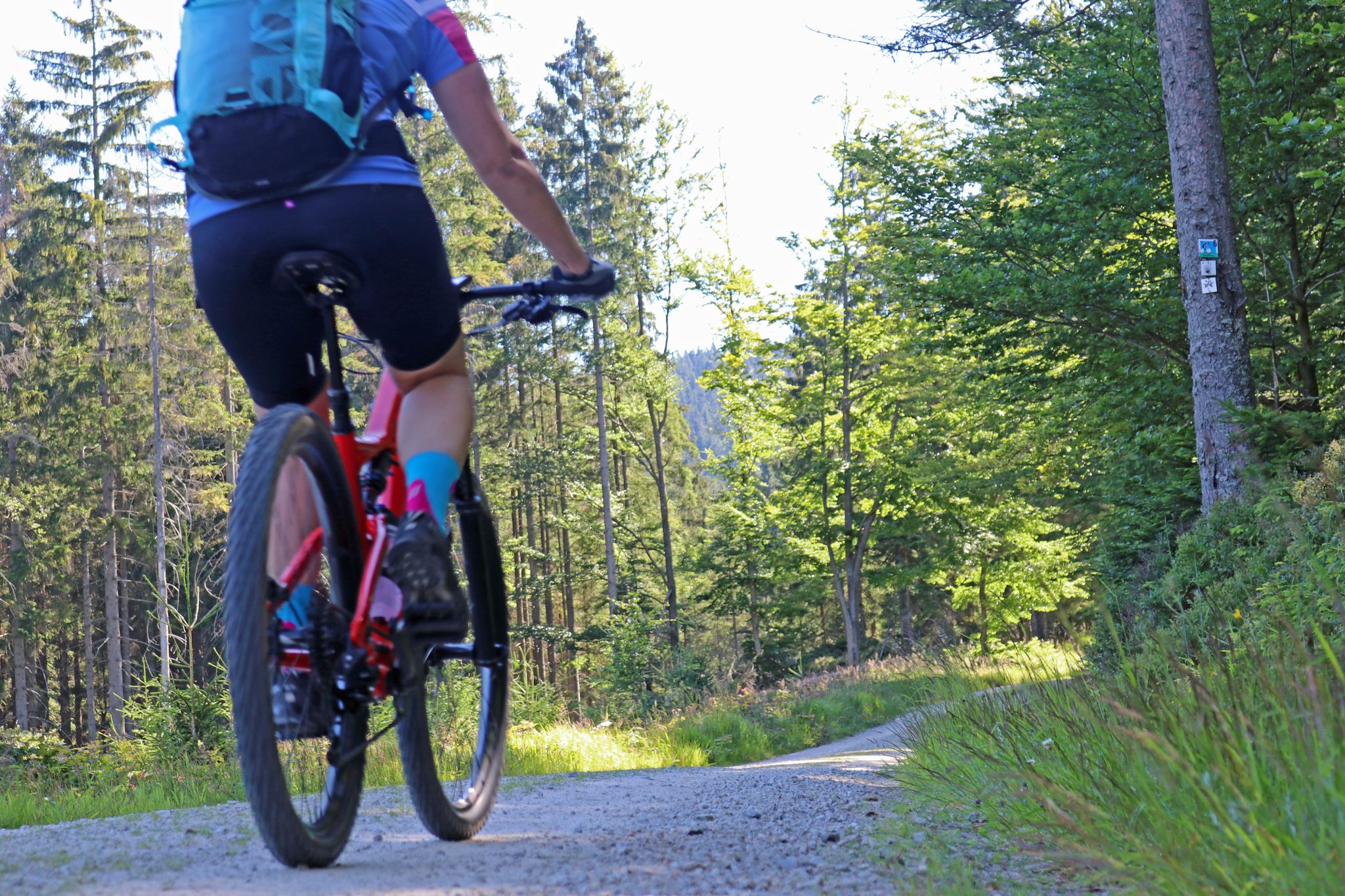
The most beautiful bike tours in the Bavarian Forest National Park
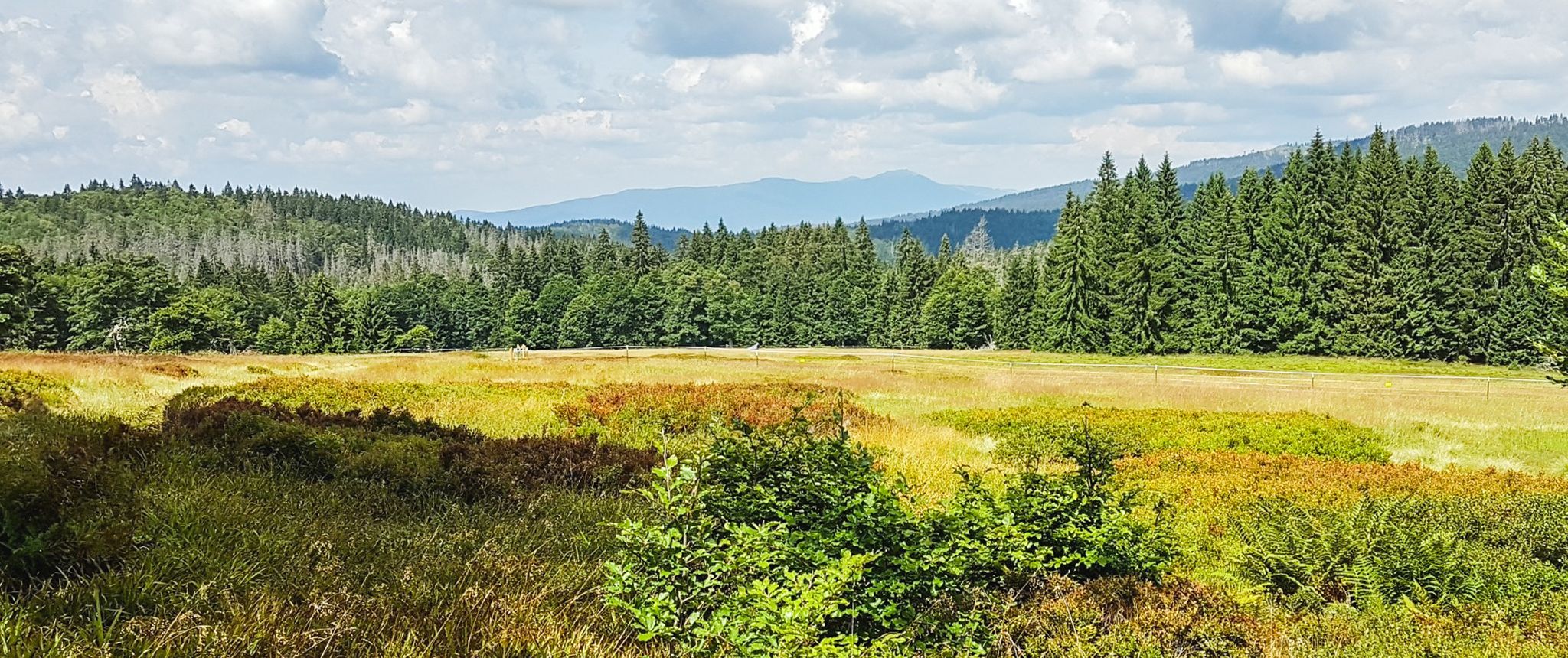
Let nature be nature – hiking in the Bavarian Forest
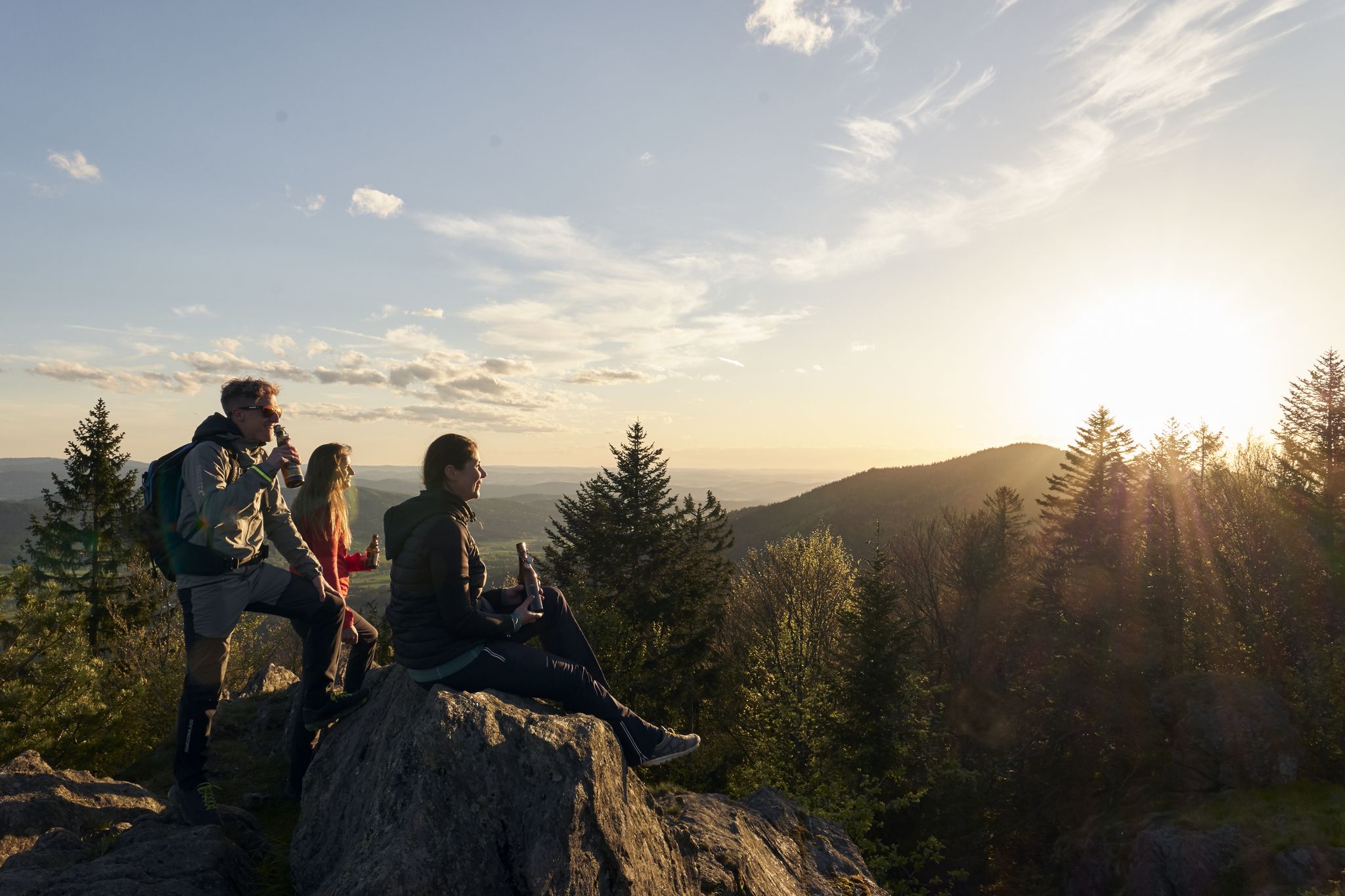
Erster Bierfernwanderweg Deutschlands - unterwegs auf bierigen Pfaden

MTB Trails around Zwiesel

Cycling around Zwiesel

Hiking around Zwiesel
Other adventures around Zwiesel


Tips from the Community

Buchenau Castle The estate was built starting in 1840 for the glass manufacturer and Imperial Knight Benedikt von Poschinger. After his death in 1856, he was succeeded by his son Ferdinand Friedrich Wilhelm, who expanded the estate between 1868 and 1870 in the Historicist style. After the glassworks went bankrupt in 1932, the castle remained unused for nine years. In 1942, it was purchased by the couple Erna Horn and Dr. Julius Arndt, who established an experimental kitchen and a cultural center there. After Erna Horn's death in 1982, the estate was inherited by two of her employees, the cook and the secretary. In 2006, the "Förderkreis Schloß Buchenau" (Friends of Buchenau Castle) acquired the castle. Following a renovation, it is now used as a cultural center, which includes the "Garden Market with Wild Garlic Festival" at the end of May, the "Gourmet Market" on October 3rd, and an annual Advent market. The castle is a two-story, neo-Gothic style building with a gable roof, stepped gables, corner oriels, and a roof turret. To the west, there is a columned portico. The ensemble includes the former administrator's house, a two-story gable-roofed building with gable balconies, built in a country house style. An associated washhouse with an ice cellar was built around 1900; it is a single-story, two-wing building with a hipped roof and corner rustication. The palm house dates from around 1870 and is a building with a half-hipped roof and a glazed south side. The greenhouse was also built around 1870, a long, flat gable-roofed building with a glass roof. Furthermore, it includes a bowling alley, a long, flat gable-roofed building constructed with timber framing over quarry stone walls, as well as a bee house. On the property, there is a grotto built of quarry stone. The courtyard wall is also made of quarry stone. The estate is embedded in a park in the style of an English landscape garden, which was laid out around 1870. Source: Excerpts from www.wikipedia.de
6
0

The Robenstein Aktivhotel & SPA (historically known as Neues Schloss Rabenstein) is a wellness hotel that combines a modern main building with the historic, baroque "Villa Robenstein", which was originally built in 1914 by local glass barons.
7
0
The Dichterturm Weißenstein, also known as „Das fressende Haus“, was originally the gate tower and granary of the Weißenstein castle ruins near Regen in the Bavarian Forest. Its famous history as an artists' home began in 1918, when the Baltic writer Siegfried von Vegesack bought the building and lived and worked there for over half a century.
8
0
The Bayerische Pfahl is a spectacular rift in the Earth's crust, formed about 300 million years ago by massive earthquakes. In many places, the formation rises from the landscape like a white wall or cliff. The Pfahlfelsen near Weißenstein have been under nature protection since 1940. They offer a protected habitat for rare, heat-loving animals and plants.
8
0

Located between the Glass Forest and the Weißenstein Castle ruins
0
1
The cross is clearly visible from the tower. It makes a great photo opportunity.
3
0

Poets' Tower near the castle ruins
2
0

Great hotel and for hiking 😎👍👍
2
0
Frequently Asked Questions
What kind of castles can I expect to find around Zwiesel?
Around Zwiesel, you'll discover a mix of historical sites, including majestic castle ruins like the Weißenstein Castle Ruins, traditional castles such as Buchenau Castle, and even renovated castle hotels like the Robenstein Castle Hotel. These offer a glimpse into the region's rich history, often set amidst the natural landscape of the Bavarian Forest.
Are there any castle ruins worth visiting near Zwiesel?
Absolutely. The Weißenstein Castle Ruins are a must-see. Located high above the spa town of Regen, these ruins stand majestically on a quartz rock. You can explore the remaining walls and towers, and even climb the keep for unique panoramic views of the surrounding landscape. The site also hosts a large knight's spectacle every two years.
Can I visit a castle that has been converted into a hotel?
Yes, the Robenstein Castle Hotel in Zwiesel is a newly renovated, historic castle that now functions as a hotel. While not a traditional public attraction, it offers a unique experience for guests to reside within a historical setting, enjoying modern amenities amidst a charming ambiance. It's also a starting point for beautiful hiking trails.
Are there family-friendly castles or activities near Zwiesel?
Many castles in the region offer family-friendly experiences. For instance, Buchenau Castle is noted as family-friendly, offering historical architecture and grounds to explore. The Weißenstein Castle Ruins also host a biennial knight's spectacle, which is a lively historical event enjoyable for all ages.
What kind of outdoor activities can I combine with a castle visit?
The castles around Zwiesel are often integrated with hiking and cycling opportunities. For example, around the Weißenstein Castle Ruins, there are numerous hiking and biking trails. You can find various easy hikes, mountain hikes, and road cycling routes in the Zwiesel area that can lead you to or past these historical sites.
Are there hiking trails directly from or near the castles?
Yes, several castles serve as excellent starting points or landmarks for hikes. From the Robenstein Castle Hotel, for example, there are beautiful hiking trails, including an easy loop with views of Rabenstein. The area around Weißenstein Castle Ruins is also well-known for its hiking and biking opportunities.
What is the 'Poet's Tower' near Weißenstein Castle Ruins?
The Poet's Tower, also known as the 'Devouring House,' is a historical site located at the foot of the Weißenstein Castle Ruins. This grain box, built around 1100, was converted into a museum in 1984. It's considered very interesting and definitely worth a visit for its historical context and exhibits.
What is the best time to visit castles around Zwiesel?
The castles and their surrounding areas are enjoyable throughout the year, but spring to autumn generally offers the best weather for exploring the ruins and combining visits with outdoor activities like hiking and cycling. During these seasons, you can fully appreciate the panoramic views and natural beauty. Some sites, like Weißenstein Castle Ruins, are typically open for exploration from April to October.
Are there any castles that offer unique viewpoints?
The Weißenstein Castle Ruins are renowned for their unique viewpoints. Climbing the keep offers truly unique panoramic views of the surrounding landscape, making it a major draw for visitors interested in scenic vistas.
What do visitors enjoy most about the castles in the Zwiesel area?
Visitors frequently praise the unique views, especially from sites like the Weißenstein Castle Ruins. The combination of historical exploration with numerous hiking and biking opportunities in the beautiful Bavarian Forest is also highly appreciated. Many find the impressive architecture and the chance to delve into local heritage very rewarding.
Are there any accommodations within a castle setting near Zwiesel?
Yes, the Robenstein Castle Hotel in Zwiesel offers the unique experience of staying in a historic castle that has been beautifully renovated. It provides luxurious rooms designed to transport guests to another era, complete with modern amenities, allowing for an immersive historical stay.
Are there any castles that are also considered natural monuments?
The Weißenstein Castle Ruins are not only a historical site but also a natural monument. They are majestically situated on a quartz rock, which itself is a significant natural feature, blending historical architecture with the unique geology of the Bavarian Forest.
Most popular routes around Zwiesel
Most popular attractions around Zwiesel

Get inspired with the komoot mobile app


Explore more
Looking for the best castles somewhere else? Discover other guides around Zwiesel:
