Top 20 Castles around Schnaittach
Best castles around Schnaittach are situated in the Franconian Alb, an area characterized by its historical fortifications and scenic landscapes. The region features a mix of medieval ruins and grand Baroque structures, often perched on elevated positions. These sites offer insights into centuries of history and provide panoramic views of the surrounding natural environment. The area around Schnaittach is a destination for exploring historical architecture and enjoying outdoor activities.
Best castles around Schnaittach
- The most popular castles is Leienfels Castle…
Last updated: September 26, 2026
Leienfels Castle Ruins
Highlight • Castle
Translated by Google •
Tip by

Hohenstein Castle
Highlight • Castle
In winter, when there …
Translated by Google •
Tip by

Sign up now to discover places like this
Get recommendations on the best single tracks, peaks, & plenty of other exciting outdoor places.
Ruins of Thuisbrunn Castle
Highlight • Castle
Translated by Google •
Tip by

View of Wenzel Castle (Lauf Castle)
Highlight • Castle
Translated by Google •
Tip by

Rothenberg Fortress
Highlight • Historical Site
Guided tours are only available during the summer …
Translated by Google •
Tip by

Sign up for free to discover even more castles around Schnaittach.
Already have an account?
Start today with a free account
Your next adventure awaits.
Popular around Schnaittach
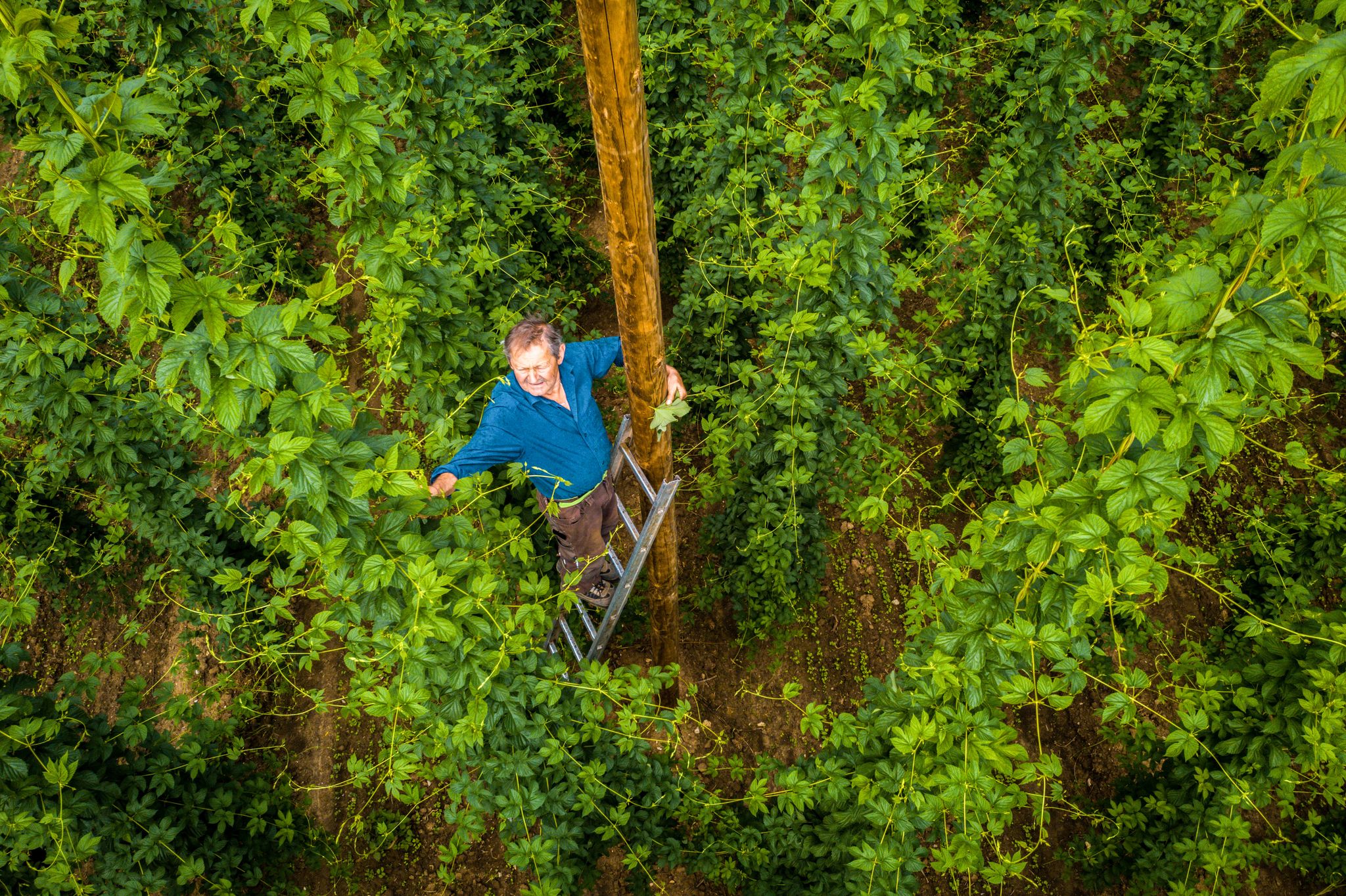
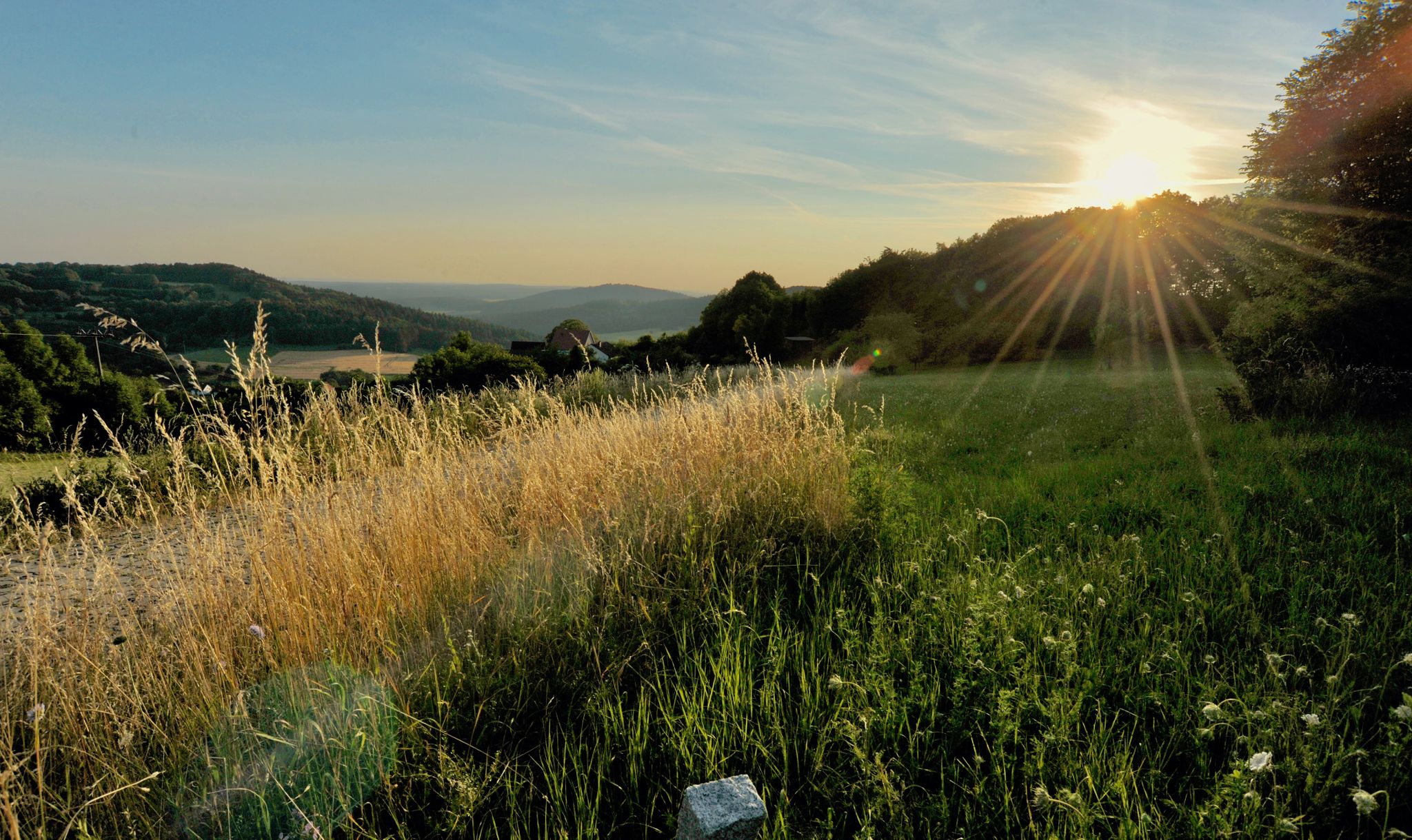
Hop Weeks in the Nürnberger Land – Hiking Trails Full of Delight

Cycling to the Hop Weeks in the Nuremberg Region
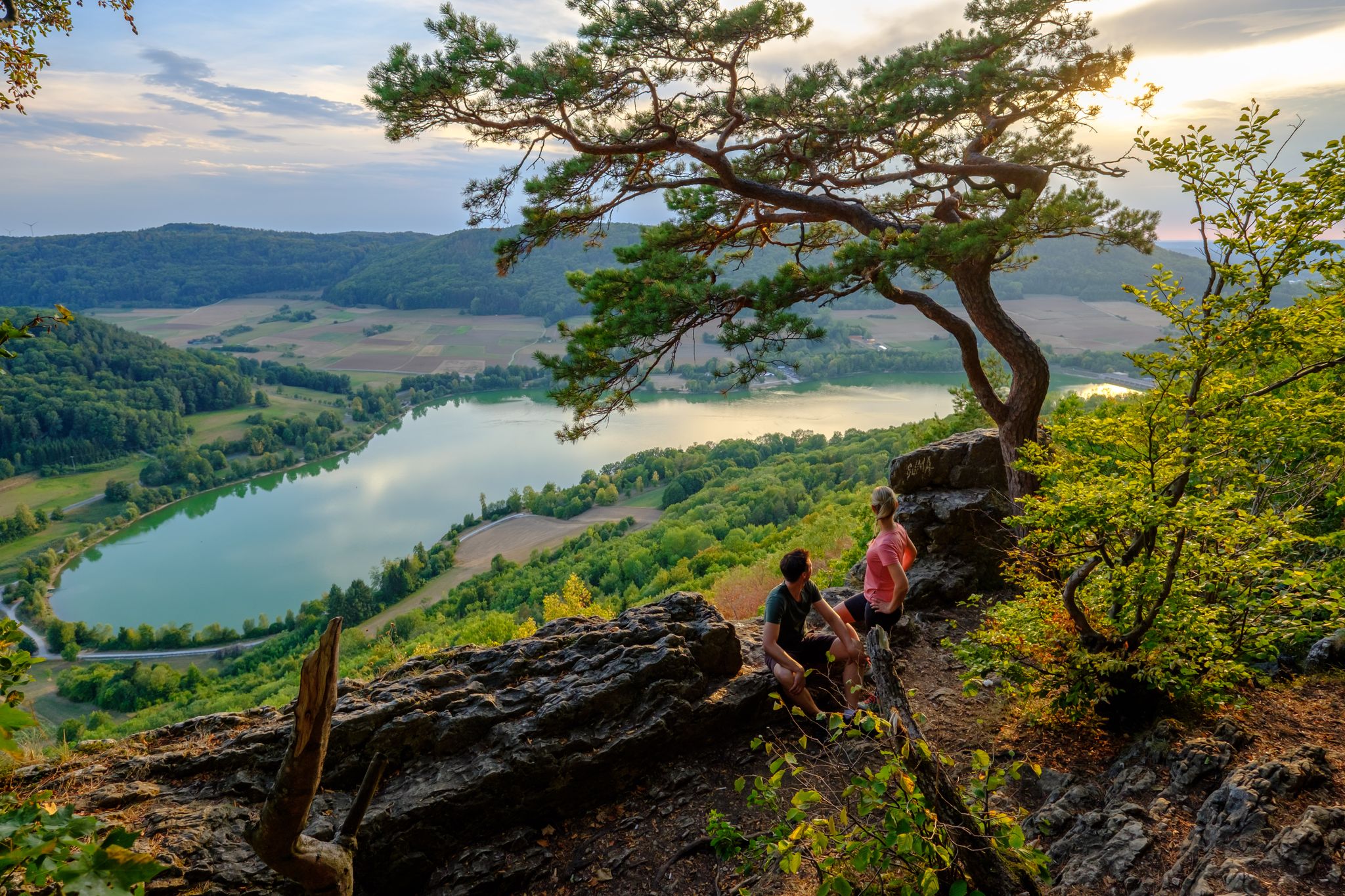
High up on the SevenSummits in the Nuremberg region
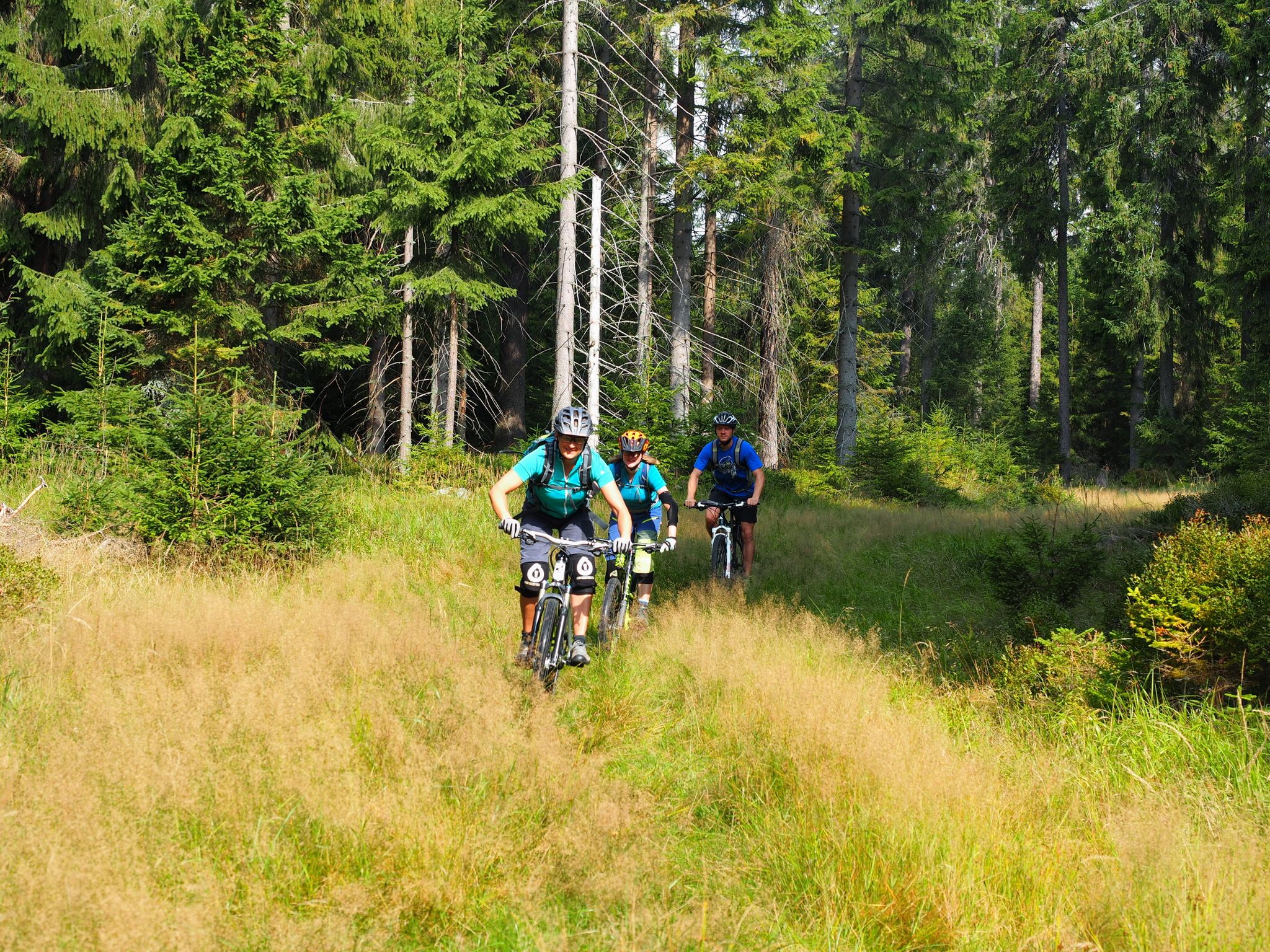
The best bike Tours around Nuremberg – MTB microadventures with the VGN

Explore the Nuremberg Land with all your senses – Sensory Cycle Path

Get ready to explore — e-biking in Germany’s Nuremberg Region
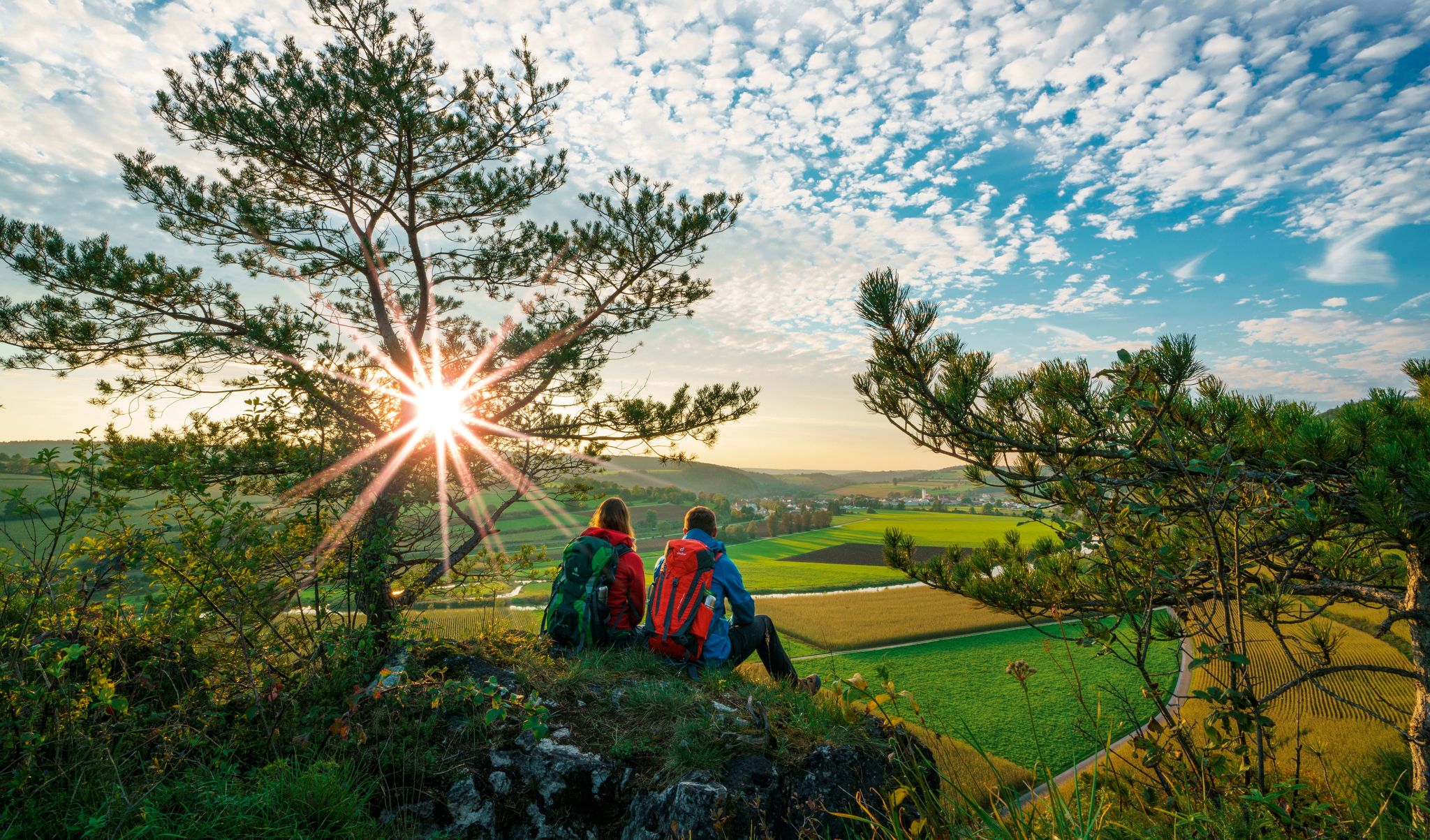
The Franconian Trail – A Diverse Hiking Dream Across 24 Stages
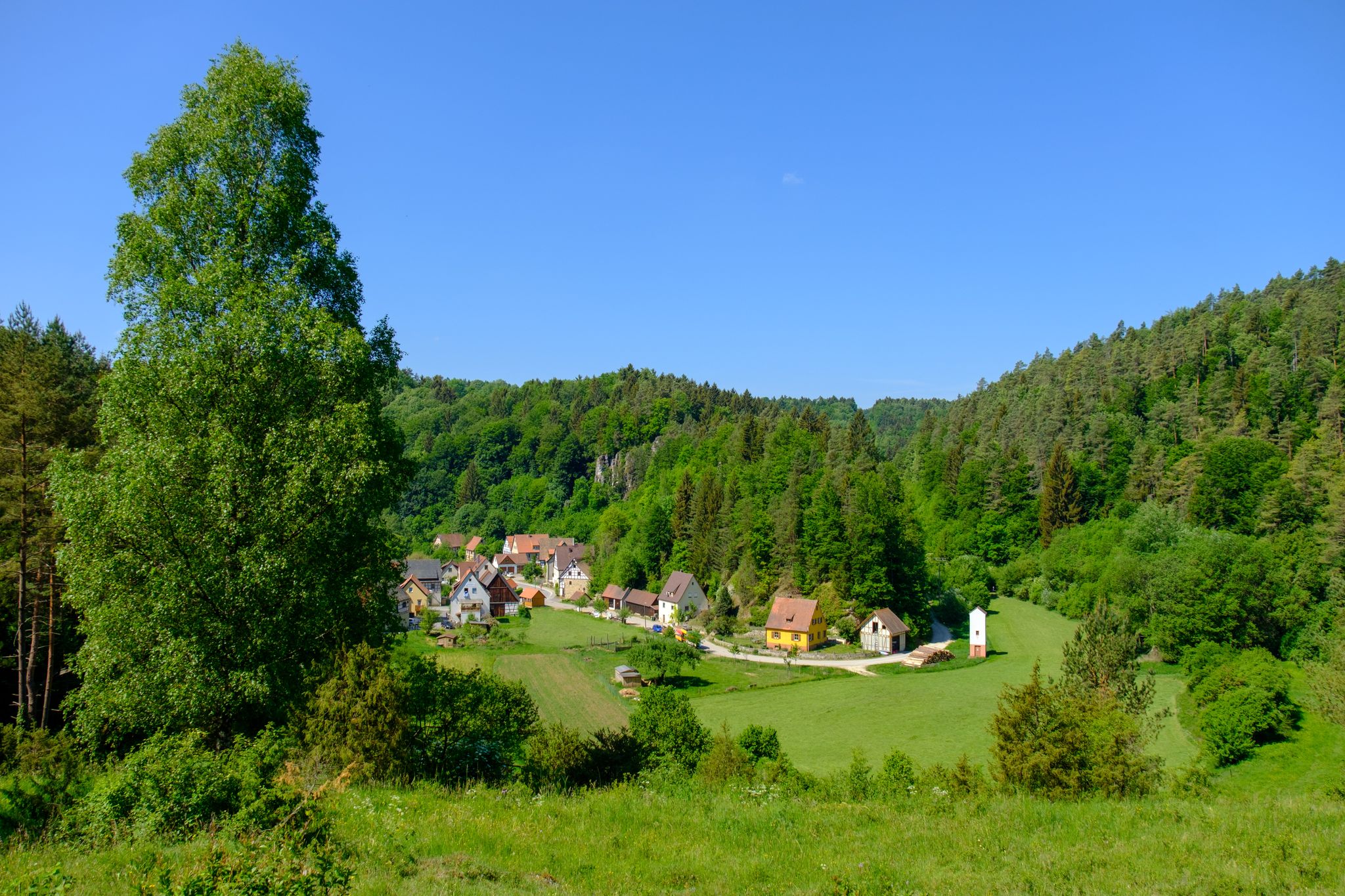
Hiking quiet paths through the Nürnberger Land in Bavaria
The most beautiful cycle paths through the Nuremberg Land
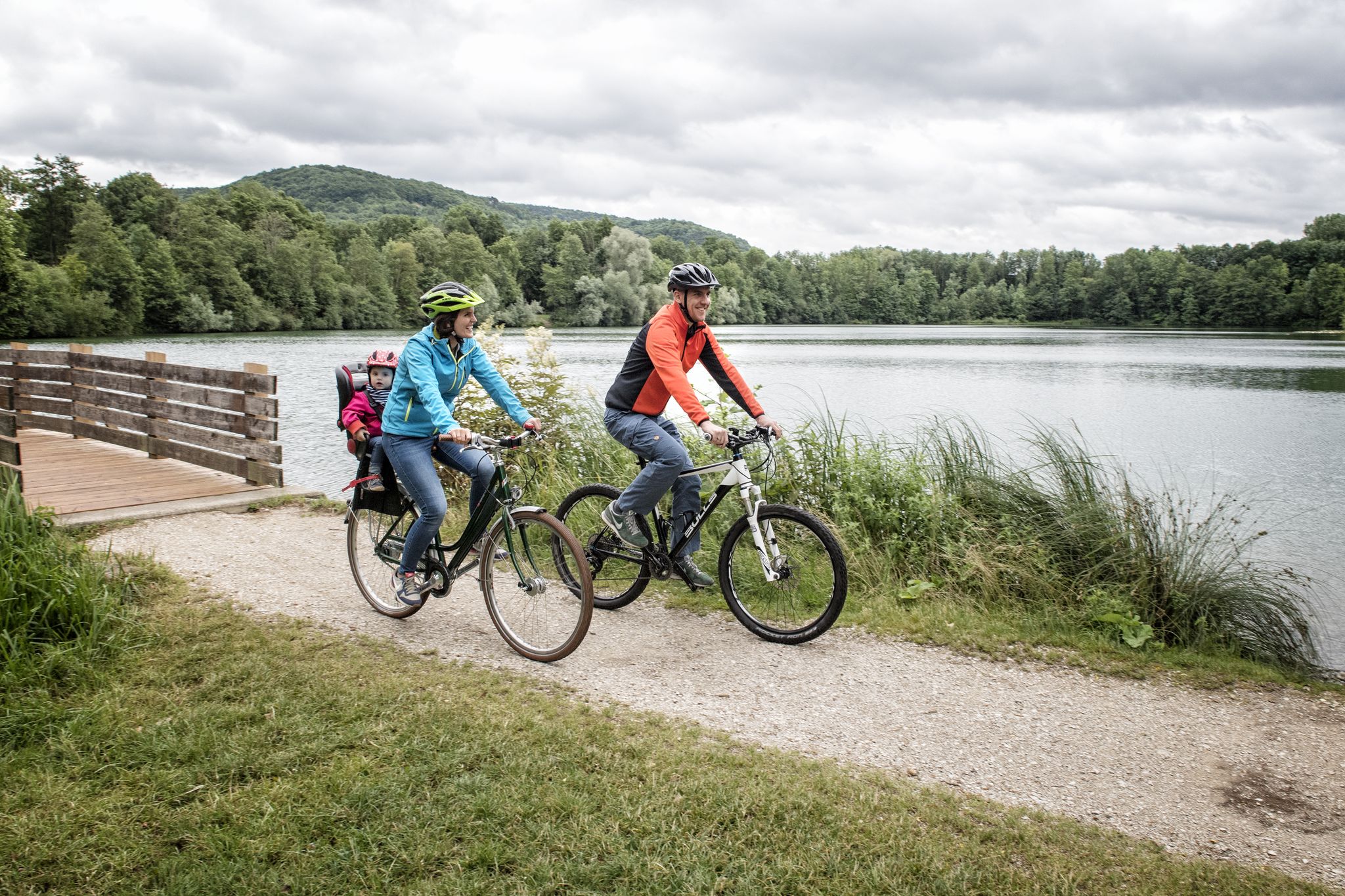
Incredible cycling in the Nuremberg region
Other adventures around Schnaittach


Tips from the Community

The Leienfels castle ruins are located on the 590-meter-high Schlossberg directly above the village of Leienfels. Extensive ruins of the medieval complex have survived to this day. The castle, whose name is likely derived from "Löwenfels" (Lion Rock), is one of the later castles in the Franconian Switzerland region and was probably built in the early 14th century. The castle was severely damaged during the Peasants' War and the Margrave War. From 1646 onwards, the remaining buildings were used as a source of material, and the complex was left to decay. The entire castle complex has the shape of a triangle; a section of approximately 30 meters of the surrounding wall with a cannon slit has been preserved between the former castle gate and the northern edge of the height. The masonry was partially renovated in 2005/06.
3
0

The castle was built between 1356 and 1360 by Emperor Charles IV. It was strategically located on the "Golden Road", the important trade route between Nuremberg and Prague. Charles IV used it as a stopover castle and residence to consolidate his claims to power in the region. Today, it houses an external campus of the Nuremberg Academy of Fine Arts.
9
0

From the Pegnitz Bridge there is a wonderful view of the Laufer Wenzelsburg Castle.
4
0

Beautiful, well-preserved castle, which you can walk around just below the walls. You can also visit the inside for a fee of €2.50 for adults. The castle is open from March to November (weather permitting). The castle is open on Sundays and public holidays from 11 a.m. to 5 p.m It is closed on Mondays and Tuesdays.
6
0

The Wenzelburg (also: Burg Lauf or Laufer Kaiserburg) is a former imperial residence on an island in the Pegnitz in the Franconian town of Lauf an der Pegnitz in the district of Nürnberger Land.
2
0

Castle is accessible and can be visited. You have a great view. Between the floors there is a beautiful herb garden. A part is integrated into a rock. A newer building, the "long house", houses, among other things, holiday apartments.
6
1

The ruins can also be climbed. The town of Leienfels itself has only 50 inhabitants
5
3

Frequently Asked Questions
What is the most significant historical fortification near Schnaittach?
The most significant historical fortification is the Rothenberg Fortress, an imposing Baroque fortress perched 588 meters high in the Franconian Alb. It evolved from earlier medieval castles and is known for its extensive casemates and panoramic views. You can find more details about it on komoot: Rothenberg Fortress.
What kind of architecture can I expect to see at Rothenberg Fortress?
Rothenberg Fortress showcases impressive Baroque architecture, built between 1729 and 1760 following a French model. It features a star-shaped design with bastions, walls over 22 meters high, and extensive underground casemates. Its low profile was designed to minimize the target area for artillery.
Are there guided tours available at Rothenberg Fortress?
Yes, large parts of the casemates at Rothenberg Fortress are open for guided tours, offering a fascinating glimpse into the fortress's defensive structures. Tours are typically available hourly during the open season, which runs from April to October. It's advisable to check the current schedule on the local municipality's website before your visit.
What are the visiting hours or season for Rothenberg Fortress?
Rothenberg Fortress is generally open to visitors from April to October. During the winter months, it is closed for the protection of bats. Guided tours are available during the open season.
What kind of views can I expect from the castles in the Schnaittach region?
Many castles in the Schnaittach region, including the Rothenberg Fortress, are situated on elevated positions, offering scenic and panoramic views of the surrounding Franconian Alb. For example, the Bastion Schnaittach at Rothenberg Fortress serves as a viewing platform, and Hohenstein Castle is located at the highest point in the Nuremberg region, providing beautiful vistas.
Are there family-friendly castles to visit near Schnaittach?
Yes, several castles in the area are considered family-friendly. For instance, Leienfels Castle Ruins and View of Wenzel Castle (Lauf Castle) are both highlighted as family-friendly options, offering historical exploration and pleasant surroundings.
What outdoor activities can I combine with a visit to the castles?
The region around Schnaittach offers various outdoor activities. You can find numerous hiking trails, including easy options like those around Schloßberg, or more challenging routes. There are also gravel biking opportunities. For more details on routes, you can explore guides like Easy hikes around Schnaittach or Gravel biking around Schnaittach.
Are there hiking trails around Rothenberg Fortress?
While the immediate circular route around Rothenberg Fortress offers limited views of the fortress itself, there are many hiking trails in the surrounding Franconian Alb that can be combined with a visit. These trails often provide excellent views of the fortress from a distance and allow you to explore the natural beauty of the area. For specific routes, check komoot's hiking guides for the region.
What is the historical significance of Rothenberg Fortress?
Rothenberg Fortress has a rich history, playing a crucial role in various conflicts. It was destroyed during the War of the Spanish Succession in 1703 but rebuilt even stronger. It successfully withstood an Austrian attack in 1744 during the Austrian War of Succession. Its evolution from a medieval castle to a grand Baroque fortress reflects centuries of regional power struggles.
Can I visit other historical sites in Schnaittach besides the castles?
Yes, the town of Schnaittach itself offers other historical and cultural sites that can enrich your visit. These include the Jewish Museum of Franconia and the Heimatmuseum Schnaittach (local history museum), providing additional insights into the region's heritage.
What do visitors enjoy most about the castles around Schnaittach?
Visitors particularly appreciate the historical significance and the stunning panoramic views offered by the castles. Many enjoy exploring the ruins and well-preserved structures, with the extensive casemates of Rothenberg Fortress being a highlight. The combination of historical architecture and scenic landscapes makes for a rewarding experience.
Is there parking available near Rothenberg Fortress?
Yes, parking is available near Rothenberg Fortress. Visitors can typically find designated parking areas to access the fortress and its surrounding trails. It's always a good idea to check local signage upon arrival for specific parking instructions.
Most popular routes around Schnaittach
Most popular attractions around Schnaittach

Get inspired with the komoot mobile app


Explore more
Looking for the best castles somewhere else? Discover other guides around Schnaittach:
