Top 13 Castles around Oranienburg
Best castles around Oranienburg offer a blend of historical significance and natural beauty in the Margraviate of Brandenburg. The region is home to Schloss Oranienburg, the oldest Baroque palace in the area, known for its extensive gardens and museum collections. This area provides opportunities to explore architectural heritage and cultural landscapes. Visitors can discover various historical sites, from well-preserved estates to significant ruins.
Best castles around Oranienburg
- The most popular castles is Liebenberg Castle and Estate, a castle that…
Last updated: September 26, 2026
Dammsmühle Castle
Highlight • Castle
Translated by Google •
Tip by

View of Dammsmühle Castle and the Mühlenteich
Highlight • Viewpoint
Translated by Google •
Tip by

Sign up now to discover places like this
Get recommendations on the best single tracks, peaks, & plenty of other exciting outdoor places.
Liebenberg Castle
Highlight • Castle
Translated by Google •
Tip by

Forsthaus at Sommerswalde Castle
Highlight • Restaurant
An oasis of silence and peace, surrounded by extensive forest.
A great and warm community, here you can …
Translated by Google •
Tip by

Rosenburg in the Castle Park
Highlight • Monument
Translated by Google •
Tip by

Sign up for free to discover even more castles around Oranienburg.
Already have an account?
Start today with a free account
Your next adventure awaits.
Popular around Oranienburg
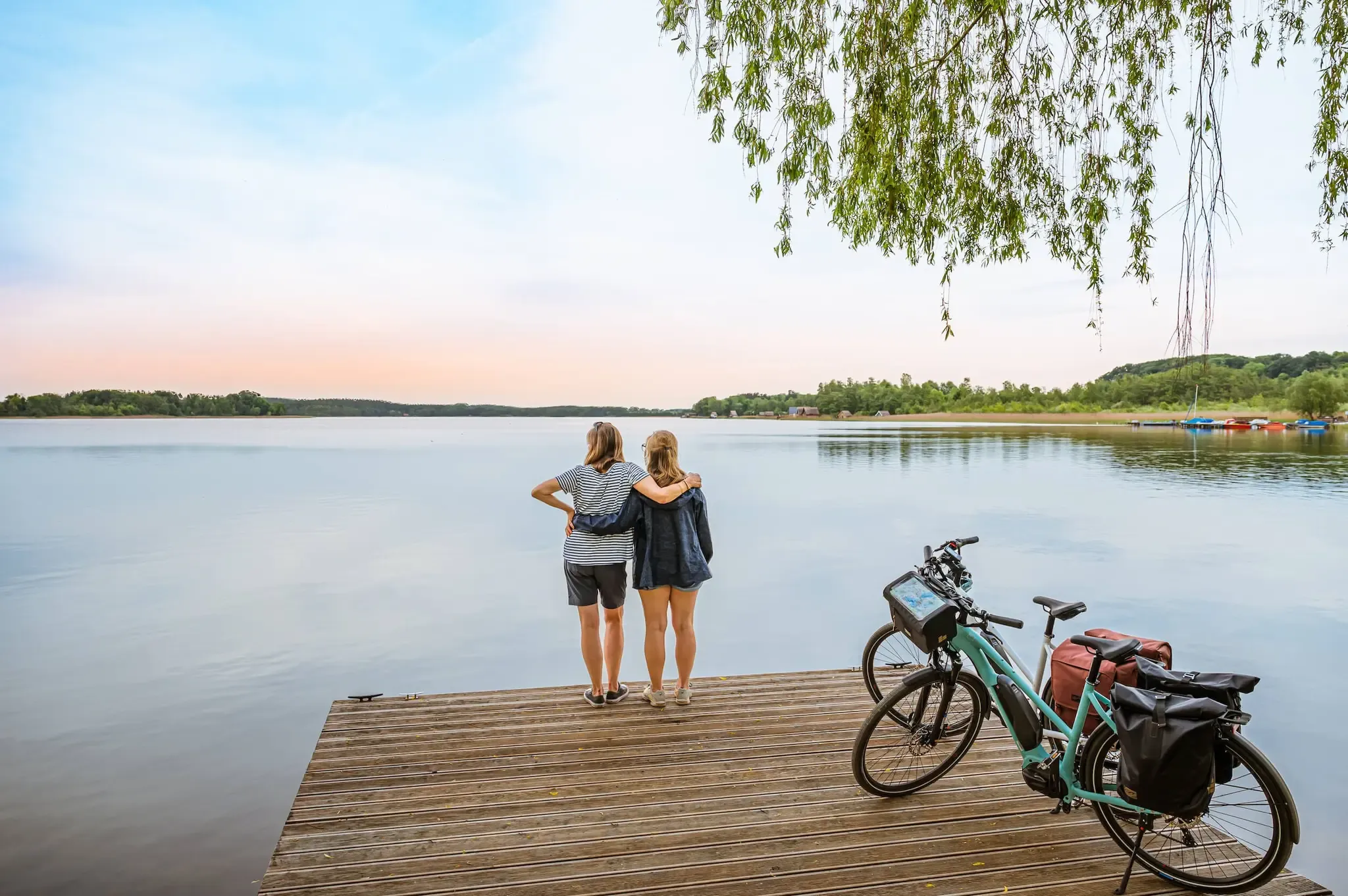
The long distance bicycle route Berlin-Copenhagen
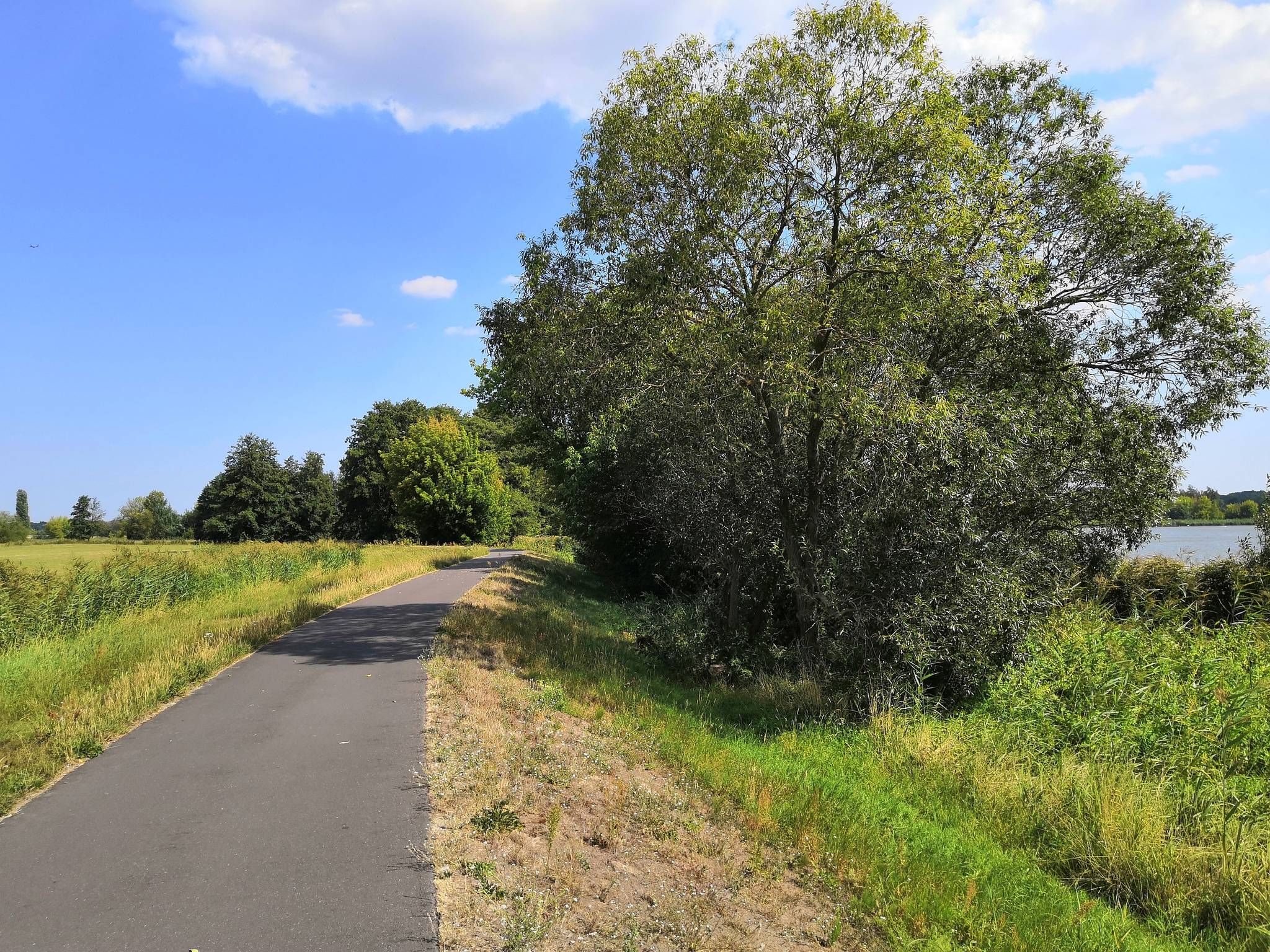
The Havel Cycle Path – in 6 stages from its source to its mouth
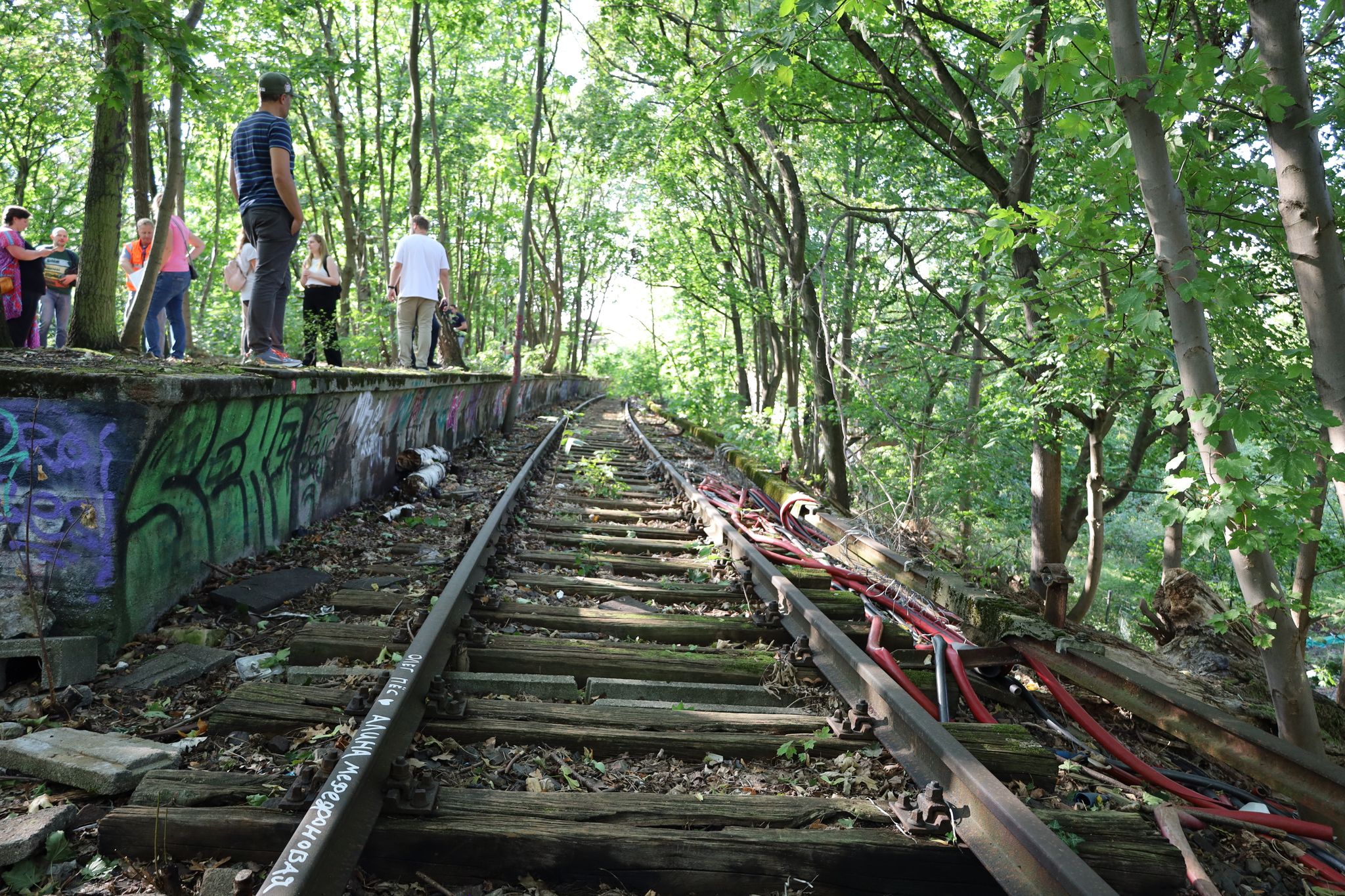
Discover the rail network of the future by bike - i2030 project
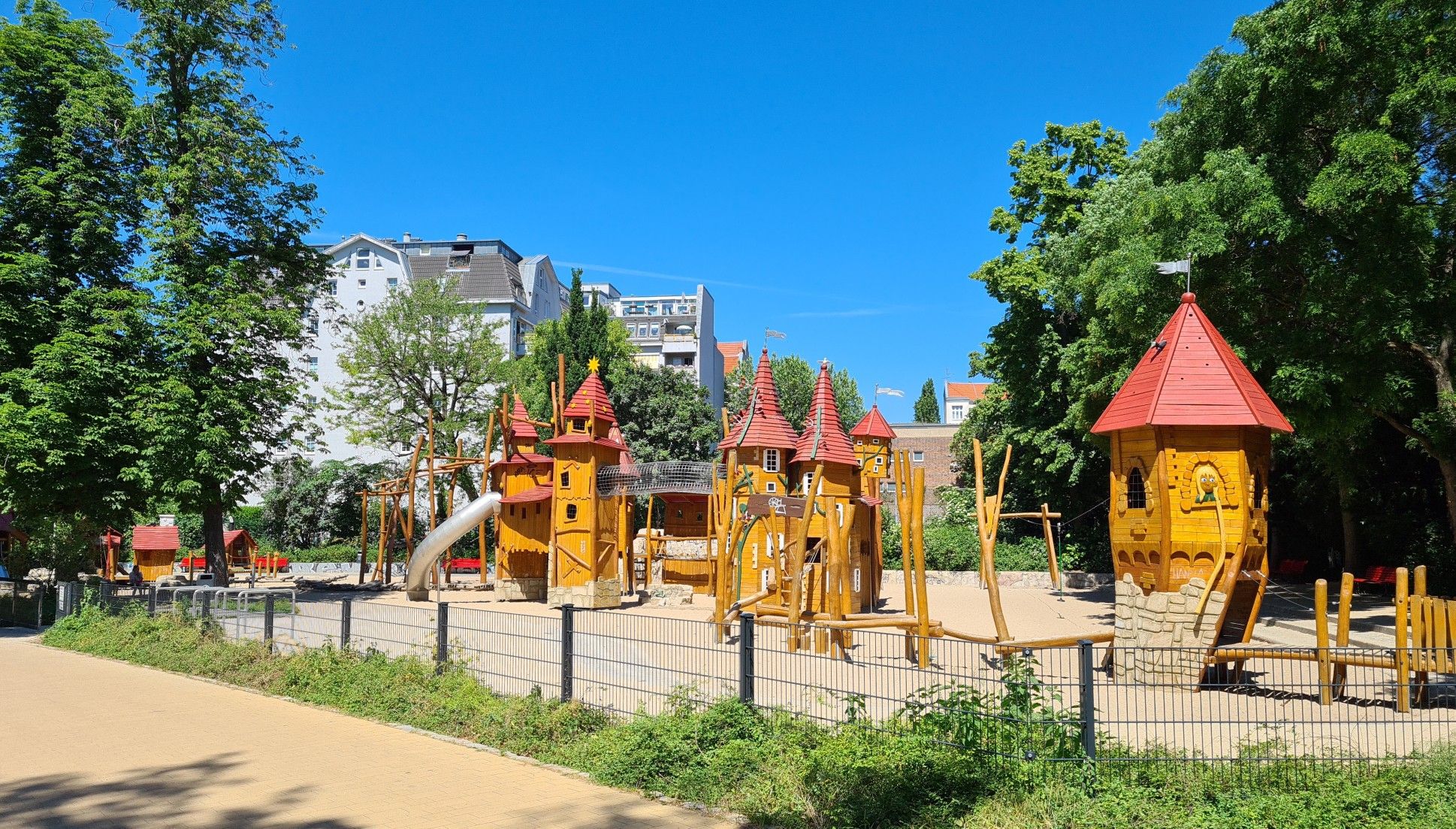
Hike and explore – take the S–Bahn to Berlin’s best playgrounds
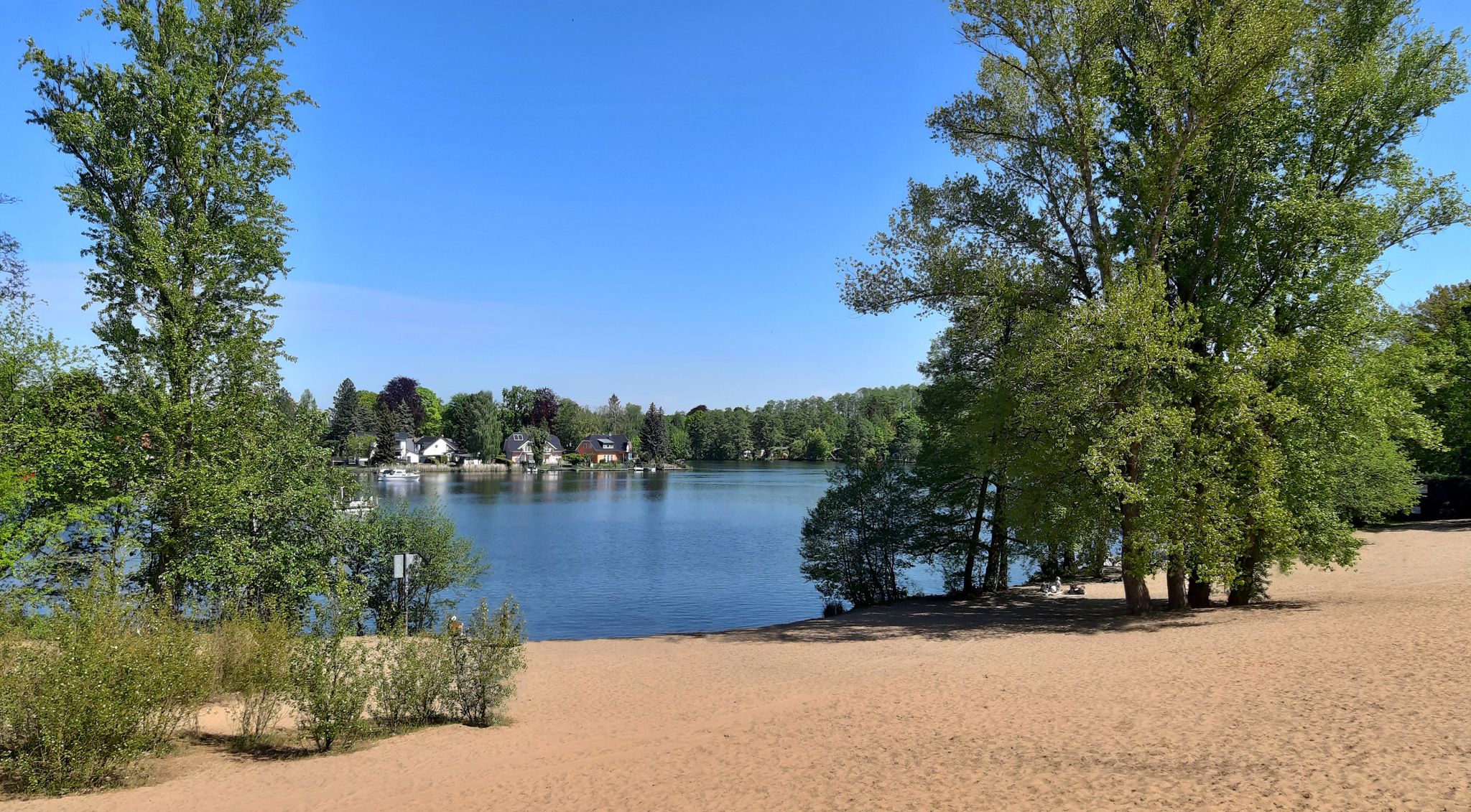
Swimming fun — on the S-Bahn to the lakes of Berlin and Brandenburg

Strawberry, Raspberry & Blueberry - by S-Bahn to berry picking
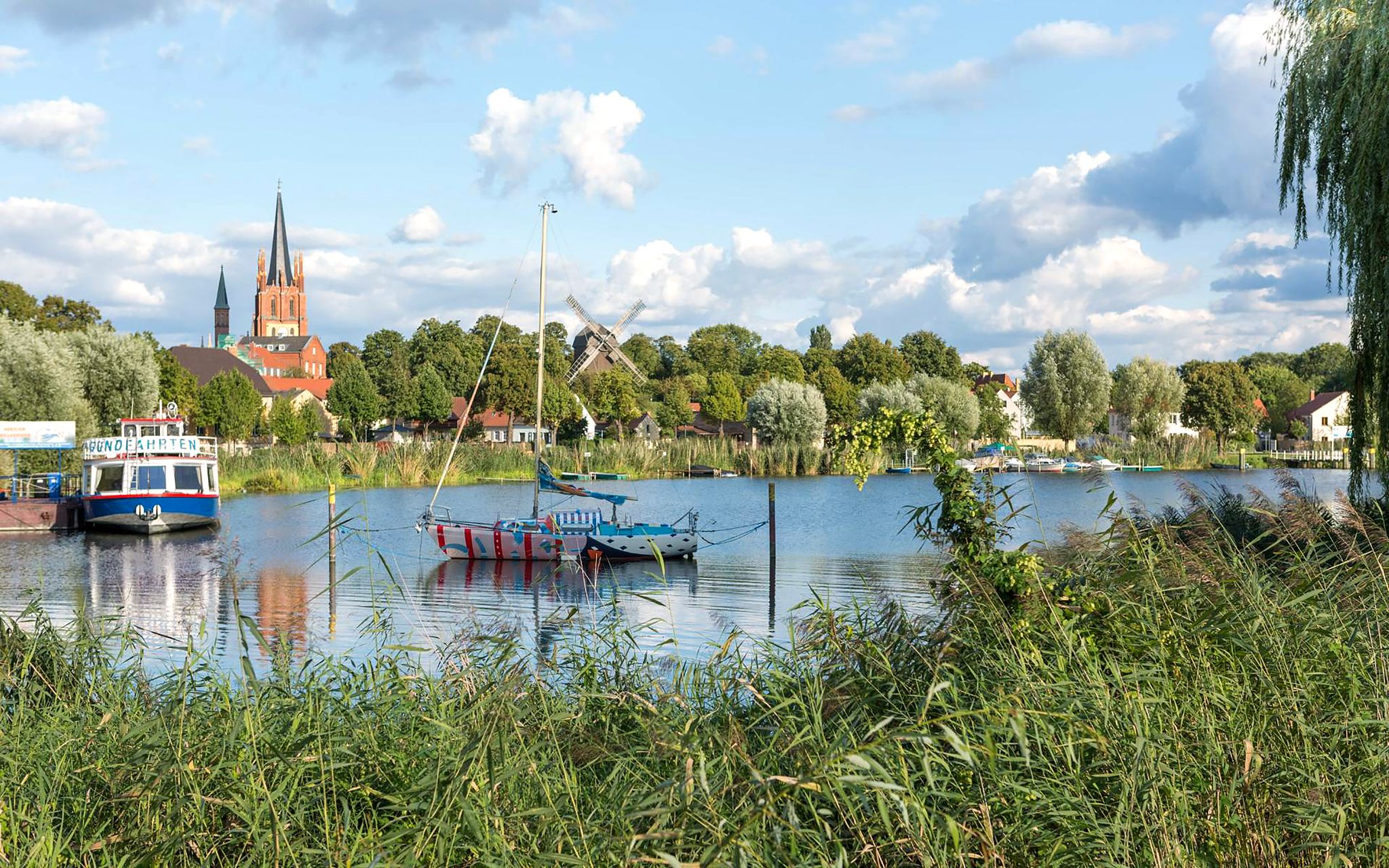
The FONTANE.RAD route – ride in the footsteps of writer Theodor Fontane
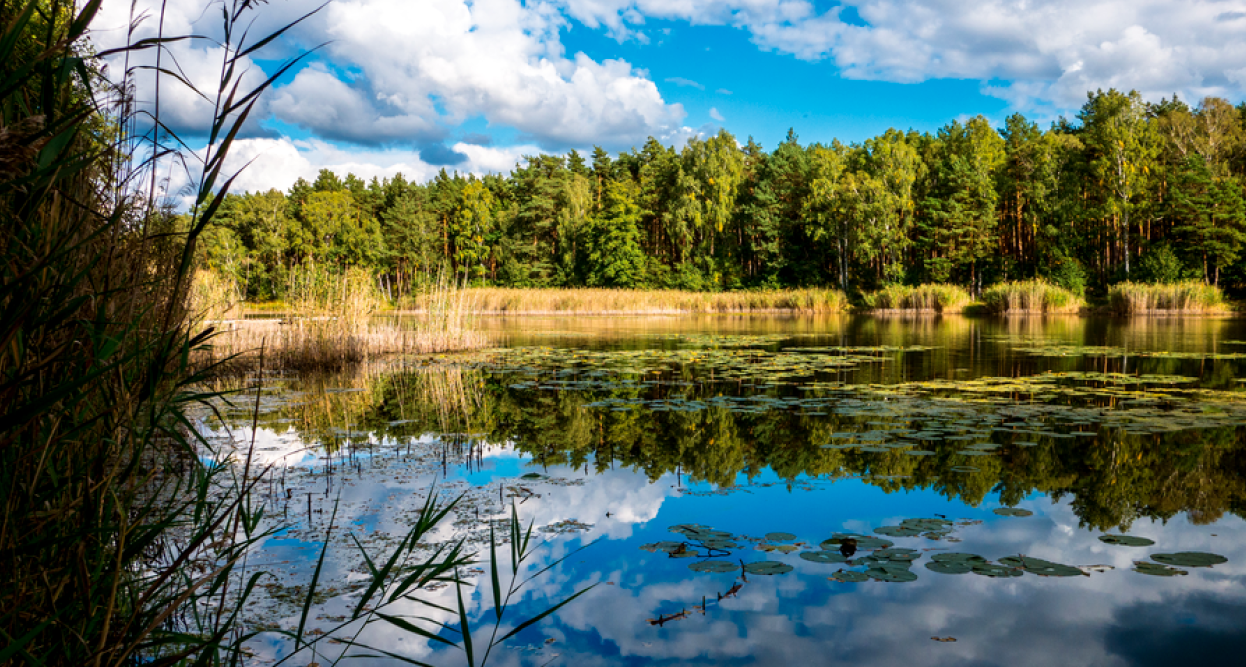
Five amazing lake hikes around Brandenburg
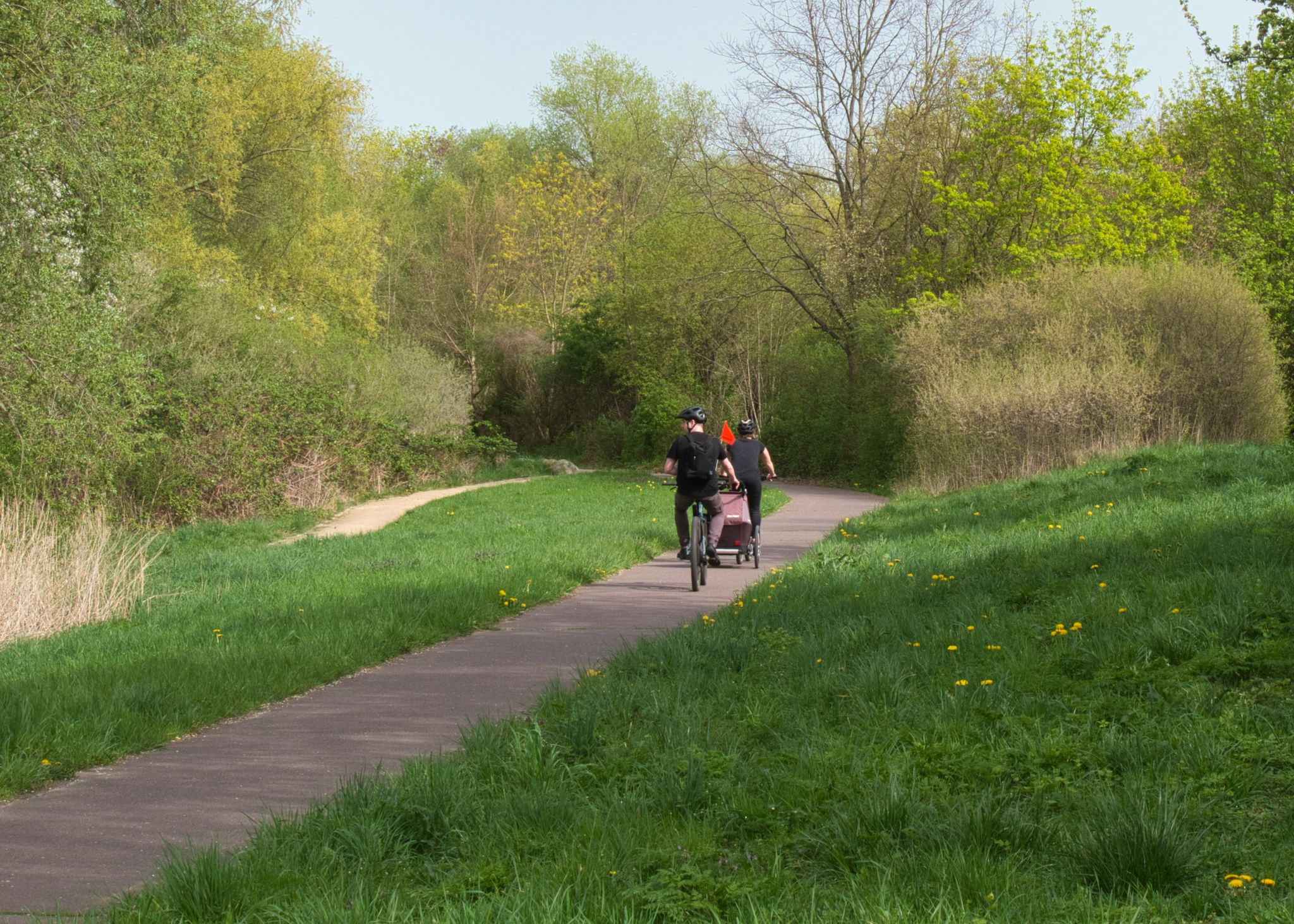
Tourentipps des ADFC Berlin - mit S- oder U-Bahn erreichbar
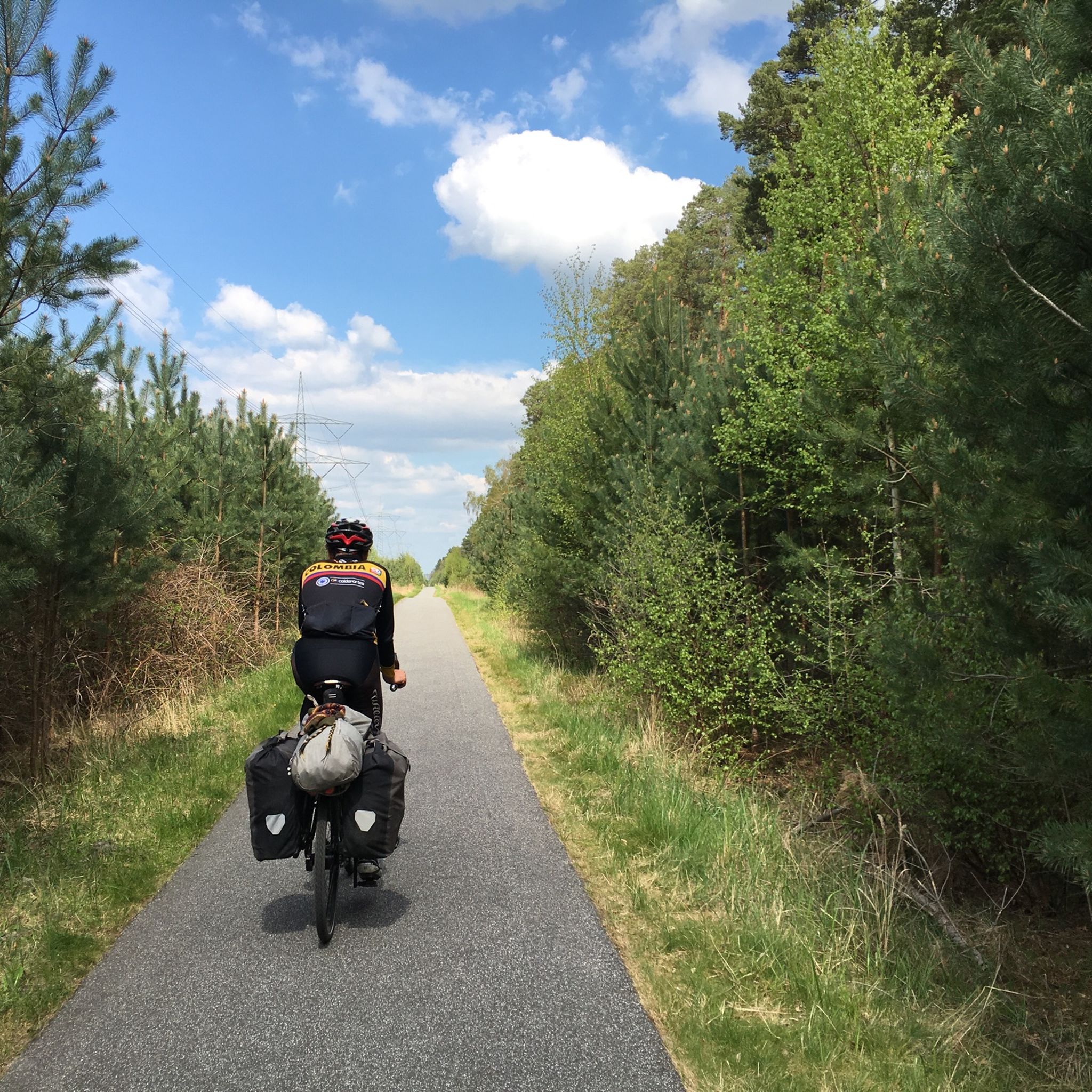
Cycling around Oranienburg
Other adventures around Oranienburg


Tips from the Community

The romantic park element was built around 1900 in the form of an artificial ruin. In addition to a concrete cap ceiling, the building consists of both field stones and historical sandstone elements. Some of these come from demolished parts of old buildings such as the Berlin Art Academy and Nuremberg's Sebalduskirche. The park-side entrance stone of the Rosenburg bears the inscription, based on the so-called bridal gate of the Sebalduskirche: "The bridal gate greets you solemnly". The castle served as a playhouse for the children of the estate. The dainty building had doors and windows that could be locked and furnished in a way that was suitable for children. Unfortunately nothing of the interior has survived. The Spielburg probably owes its name to the once lush rose plantations on the park-side, terraced slope. Perhaps also their builder, Prince Philipp von Eulenburg, the author of the “Rose Songs” and his enthusiasm for roses. More information at: https://www.dkb-stiftung.de/die-rosenburg/
1
0

This is the area around Sommerswalde Castle and not a Lost Place, even if it makes the impression at first glance. The castle itself is the Tharpaland Kadampa Meditation Center: A center for meditation and modern Buddhism.
1
0

Nice café and a great castle garden
1
0

Today the castle and the park is a popular place for conferences, wedding celebrations and you can also book beautiful rooms for a short break here. The restaurant is only open to house guests, but you can strengthen yourself and take a short break in the charming courtyard café. You can find information about Liebenberg Palace and Park here: https://www.schloss-liebenberg.de/.
3
0

Fontane liked to stay at Schloss & Gut Liebenberg and even dedicated a chapter to Liebenberg in his work "Wandering through the Mark Brandenburg - Five Castles".
5
0

A small shop invites you to browse. A café attracts with good coffee and cake. But the best here are the people. Honest.
2
0
We'll try out the restaurant in the forester's house. The menu sounds interesting. €€€ You don't treat yourself to much, but good ones.
1
0

A very nice pond in front of the former mill and the castle.
13
3
Frequently Asked Questions
What is the most historically significant castle in the Oranienburg area?
The most historically significant castle is Schloss Oranienburg (Oranienburg Palace) itself. It is the oldest Baroque palace in the Margraviate of Brandenburg, originally built between 1651 and 1655. It played a key role in the region's history and is now a museum showcasing Baroque art and Prussian royal history.
Are there family-friendly castles to visit near Oranienburg?
Yes, several castles in the area offer family-friendly amenities. Liebenberg Castle and Estate has a charming courtyard café and extensive grounds. Schloss Oranienburg also features a large play area and water play area within its 30-hectare park, making it suitable for families.
What kind of outdoor activities can I do near these castles?
The area around Oranienburg offers various outdoor activities. You can find numerous routes for hiking, gravel biking, and road cycling. For instance, you can explore the Briese Wetlands on an easy cycle path or hike along the Oder-Havel Canal. You can find more details on these activities in the hiking guide, gravel biking guide, and road cycling guide for Oranienburg.
What makes Dammsmühle Castle unique?
Dammsmühle Castle is a baroque palace with an eventful history, situated directly on a mill pond. It has seen various occupants, including the Red Army and the East German Stasi, and despite its current state as a ruin, it exudes an incomparable charm. Its location amidst three lakes is also a notable feature.
Can I find accommodation or dining options at the castles?
Yes, some castles offer accommodation and dining. Schloss Ziethen functions as a modern hotel and restaurant. Liebenberg Castle and Estate is a popular place for events and offers rooms for short breaks, with a charming courtyard café open to visitors. The Forsthaus at Sommerswalde Castle also includes a restaurant and café.
What is the best time of year to visit castles around Oranienburg?
The castles and their extensive parks, like the 30-hectare park at Schloss Oranienburg, are beautiful year-round. Spring and summer offer lush greenery and pleasant weather for exploring gardens and outdoor areas. Autumn provides scenic foliage, while winter can offer a serene, less crowded experience, especially for indoor museum visits.
Are there any castles that are now used for other purposes?
Yes, several castles have adapted their functions. Schloss Ziethen operates as a modern hotel and restaurant. The Forsthaus at Sommerswalde Castle, originally part of a larger estate, now houses a restaurant, café, and even a registry office branch. Schloss Oranienburg itself functions as a museum.
What natural features can I expect to see near the castles?
Many castles are set amidst beautiful natural landscapes. Schloss Oranienburg is complemented by a 30-hectare park with 16 differently designed garden rooms. Dammsmühle Castle is located directly on a mill pond and surrounded by three lakes. The region generally offers extensive forests and waterways, providing a blend of historical sites and natural beauty.
Is there public transport available to reach the castles?
While specific public transport details for each castle vary, Oranienburg itself is well-connected. From Oranienburg, local buses or regional trains can often take you closer to many of the surrounding castles. It's advisable to check local transport schedules for your specific destination.
What can I expect to see inside Schloss Oranienburg?
Inside Schloss Oranienburg, you can explore a museum under the Prussian Palaces and Gardens Foundation Berlin-Brandenburg. It houses valuable objects of Baroque handicrafts and paintings, including masterpieces by Anthony van Dyck, royal ornamental silver, porcelain, ivory furniture, tapestries, and sculptures, offering deep insights into the region's cultural heritage.
Are there any hidden gems or lesser-known castles worth visiting?
While Schloss Oranienburg is prominent, places like Rosenburg in the Castle Park offer a unique experience. Built around 1900 as a playhouse, it's an artificial ruin that provides a nice view of the palace complex and is a charming, unexpected find within the park.
Most popular routes around Oranienburg
Most popular attractions around Oranienburg

Get inspired with the komoot mobile app


Explore more
Looking for the best castles somewhere else? Discover other guides around Oranienburg:
