The 16 Most Amazing Peaks around Quedlinburg
Best mountain peaks around Quedlinburg provide access to the Harz region's natural landscape, characterized by its varied terrain and historical significance. The area features numerous elevated points, offering panoramic views and opportunities for exploration. These mountain trails near Quedlinburg with parking are often part of a network of paths suitable for various hiking levels. The region's geography makes it a destination for those seeking both natural beauty and accessible outdoor activities.
Best mountain peaks around Quedlinburg
- The most popular mountain…
Last updated: September 27, 2026
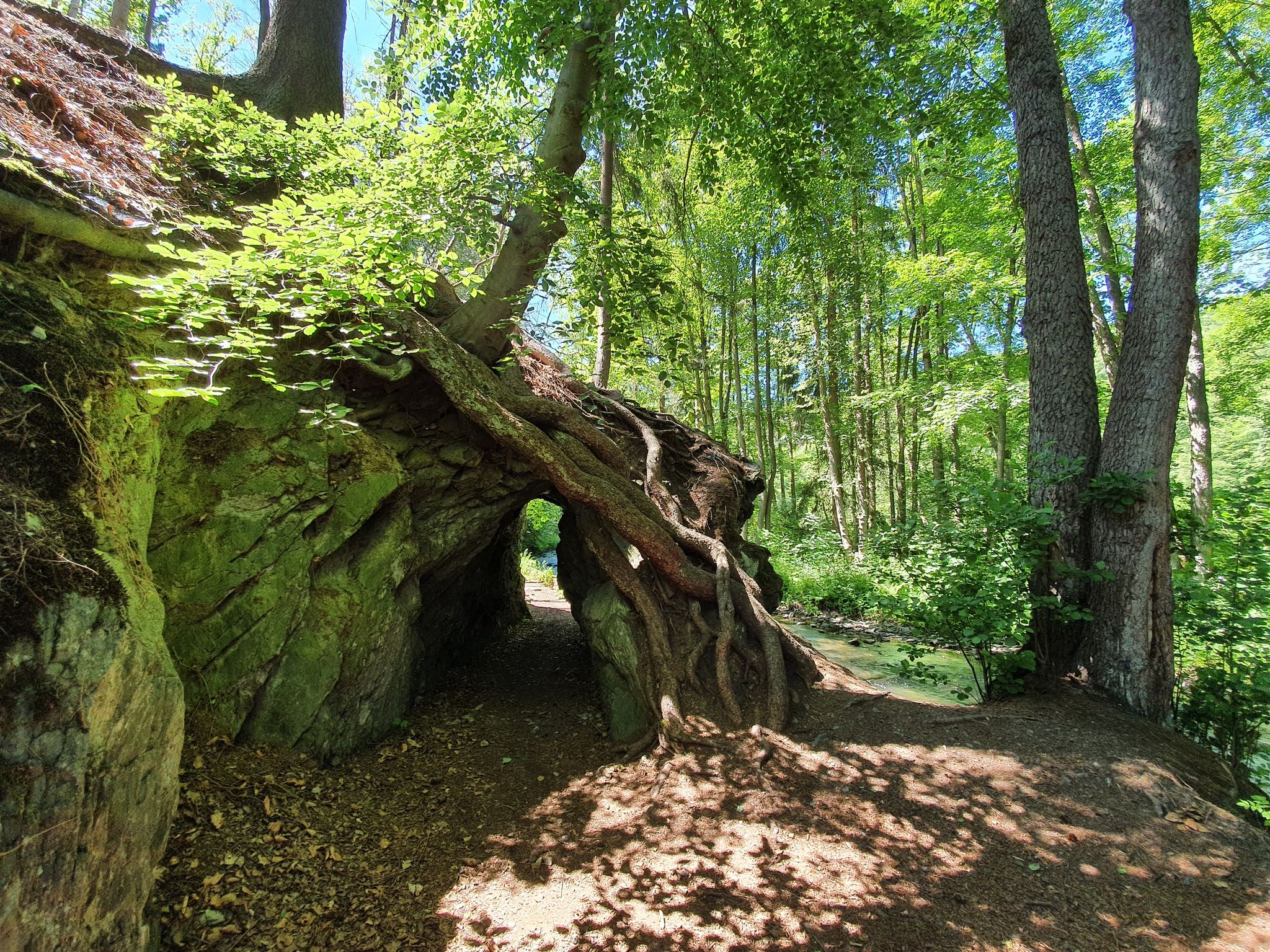
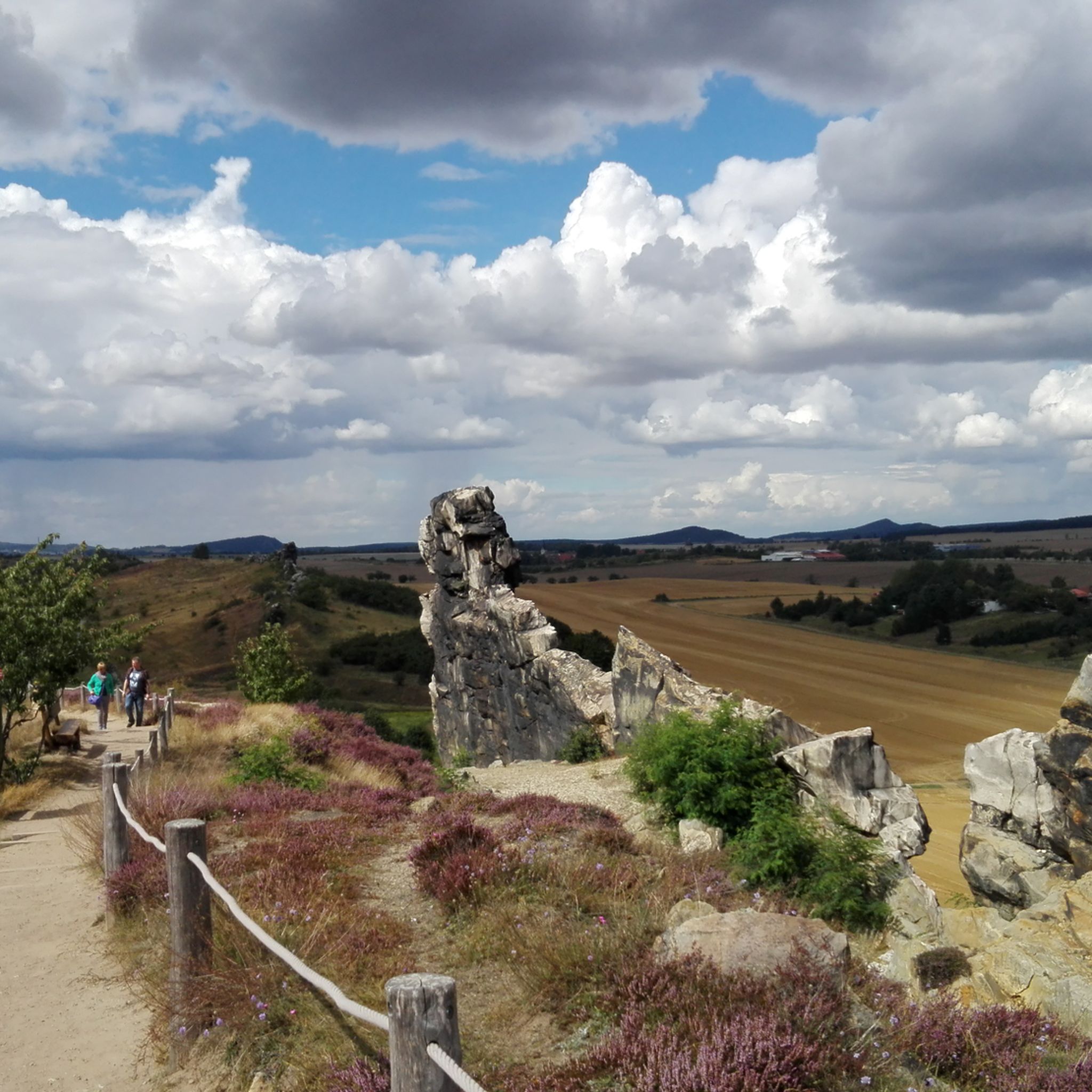
Großvaterfelsen
Highlight • Natural Monument
Translated by Google •
Tip by

La Viershöhe (HWN 72)
Highlight • Viewpoint
Translated by Google •
Tip by

Sign up now to discover places like this
Get recommendations on the best single tracks, peaks, & plenty of other exciting outdoor places.
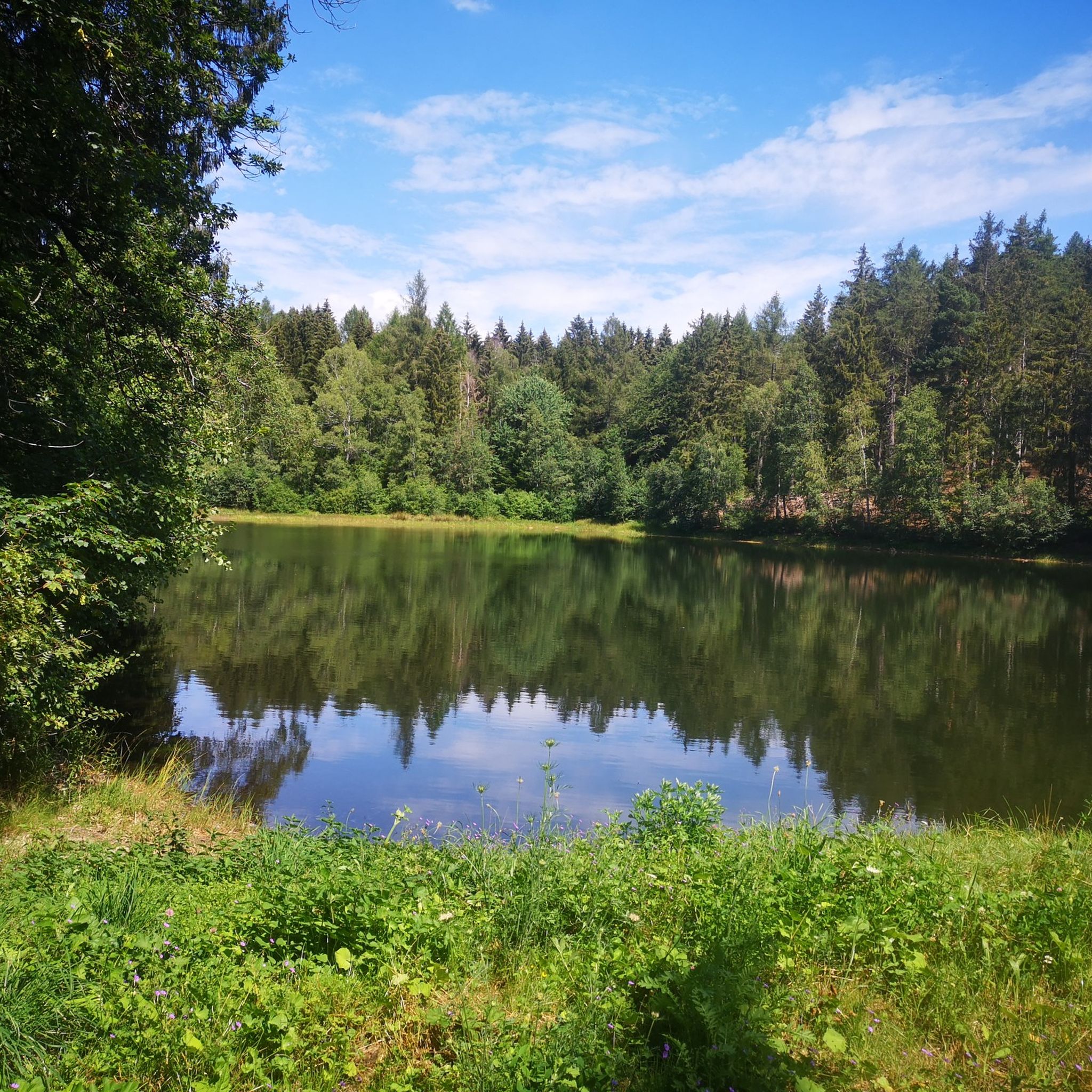
Katzsohlteich – Harzer Wandernadel Stamp Checkpoint 172
Highlight • Lake
Translated by Google •
Tip by

View of Altenbrak from Böser Kleef (HWN 64)
Highlight • Viewpoint
Translated by Google •
Tip by

View of Quedlinburg’s Castle Hill
Highlight • Castle
Extensive renovation and construction work is …
Translated by Google •
Tip by

Sign up for free to discover even more peaks around Quedlinburg.
Already have an account?
Other adventures around Quedlinburg

Tips from the Community

Who dares to climb the rocks?
7
0

The largest viewing rock on the ridge path is easy to climb thanks to the ascent aids.
16
0

Quedlinburg Castle rises up next to the St. Servatius Collegiate Church on the Stiftsberg hill, which impressively overlooks the World Heritage town of Quedlinburg. Extensive renovation and construction work is currently underway on the buildings of the former women's convent. Visitors will soon be able to enjoy a completely redesigned museum tour through the impressive ensemble of the collegiate church, church treasury and living and representation rooms. The castle museum is not open during the construction period, but the climb up the castle hill is still worthwhile. The St. Servatii Collegiate Church, with its important cathedral treasury and the burial place of King Henry I in the Romanesque crypt, can be visited. A walk through the collegiate gardens on the mountain plateau offers an enchanting view of the historic half-timbered town of Quedlinburg, which can also be enjoyed in the cozy atmosphere of the Schlosskrug restaurant.
9
0

The residential buildings of the castle, i.e. the palace, have been rebuilt many times over the centuries. Only the interior of the medieval castle at the time of the monastery's heyday has remained in its original form. The first stone residential buildings were probably built in the 10th century. In 1928, the city of Quedlinburg acquired the palace and opened the museum in the north wing on May 8, 1929. It is currently closed for renovation.
8
3

In the process of being renovated. You can still visit the exhibition.
7
1
Quedlinburg's castle hill is in danger. This threatens not only the sandstone rock and with it the famous Romanesque collegiate church of St. Servatius and the collegiate buildings, but also numerous half-timbered houses in the town of Quedlinburg, which was added to the UNESCO World Cultural and Natural Heritage List in 1994. There have been static problems several times in its history. As early as 1571, the south wall of the transept of the collegiate church and in 1708 the south wall of the nave had to be partially rebuilt. The main problems are the desolate sandstone massif and the fact that the hill has grown steadily over the centuries, sometimes extending beyond the boundaries of the actual plateau. Even larger buildings were later built on the cultural rubble and there is no drainage. (https://www.kreis-hz.de/de/schlossberg-quedlinburg.html)
7
0
The Schlossberg is an elevation in the northern Harz foothills. It is the seat of the Quedlinburg Abbey. From the top you have a wonderful view of the city. In summer, numerous roses bloom in the monastery garden. There is also a restaurant up there.
9
3

My favorite for the most beautiful stamp location of the HWN. Idyllic and quiet location, off the beaten track and path. Two benches and the refuge also invite you to linger for a picnic
19
0
Frequently Asked Questions
What are some popular mountain peaks to visit around Quedlinburg?
The region around Quedlinburg offers several popular peaks. Großvaterfelsen is a natural monument known for its climbing opportunities and views of Blankenburg. Another favorite is Großer Gegenstein Summit Cross, which features a staircase carved into the stone, offering panoramic views. La Viershöhe (HWN 72) provides extensive views of the Bode Valley and is a Harzer Wandernadel stamp office.
Are there family-friendly mountain walks near Quedlinburg?
Yes, there are options suitable for families. While some peaks require climbing, areas like Großvaterfelsen are described as a 'climbing paradise for children' with ascent aids. Additionally, the area around Katzsohlteich is considered family-friendly, offering a nice rest area by the lake.
What kind of views can I expect from the mountain peaks in the Quedlinburg area?
The mountain peaks around Quedlinburg offer diverse and often extensive views. From Großvaterfelsen, you can see Blankenburg. Großer Gegenstein Summit Cross provides great views in all directions. La Viershöhe (HWN 72) offers a fantastic view of the Bode Valley, including the Rosstrappe.
Are there any mountain peaks that are part of the Harzer Wandernadel stamp system?
Yes, several points around Quedlinburg are part of the Harzer Wandernadel. La Viershöhe (HWN 72) is a stamp office. Also, Katzsohlteich serves as Harzer Wandernadel Stamp Checkpoint 172, making it a popular stop for stamp collectors.
What outdoor activities can I do near these mountain peaks?
Beyond exploring the peaks themselves, the region offers various outdoor activities. You can find numerous running trails, such as the 'Abbey Garden With Castle View' loop, or longer routes like 'View of the River Bode – View of the Teufelsmauer'. For more options, explore the Running Trails around Quedlinburg guide.
Are there hiking trails that lead to or past these mountain peaks?
Yes, the peaks are integrated into a network of hiking trails. For instance, the 'Devil's Wall Window – West Tower (Devil's Wall)' loop is a moderate 17.7 km hike that passes through significant natural formations. You can find more hiking routes in the Hiking around Quedlinburg guide.
What is the best time of year to hike the mountain peaks near Quedlinburg?
The Harz region, including the peaks around Quedlinburg, is generally enjoyable from spring through autumn. Spring brings blooming nature, while autumn offers vibrant foliage. Summer is popular for longer hikes. Winter can be beautiful for snow-covered landscapes, but trails may be icy or require appropriate gear, so always check local conditions before heading out.
Are there any challenging climbs among the peaks around Quedlinburg?
Yes, some peaks offer more challenging experiences. Großvaterfelsen requires some strength to climb, and Great Papenberg is also categorized as challenging, involving climbing sections. These are suitable for those looking for a more adventurous ascent.
Can I find mountain biking or gravel biking routes near the peaks?
Absolutely. The area around Quedlinburg is also suitable for cycling. There are gravel biking routes like the 'Quedlinburg Old Town – Teufelsmauer near Neinstedt' loop, which is a moderate 22.9 km ride. For more options, refer to the Gravel biking around Quedlinburg guide.
What natural features, besides peaks, can I discover in this region?
Beyond the summits, the region boasts other significant natural features. The Bode Valley, visible from viewpoints like La Viershöhe (HWN 72), is a prominent natural landmark. You can also find lakes such as Katzsohlteich, which offers a picturesque setting and a place to rest.
What do visitors enjoy most about the mountain peaks around Quedlinburg?
Visitors frequently praise the magnificent views and the sense of accomplishment from reaching the summits. The unique geological formations, like the Devil's Wall where Großvaterfelsen is located, are also highly appreciated. Many enjoy the combination of natural beauty and the opportunity to collect Harzer Wandernadel stamps.
Are there any historical or cultural points of interest near the mountain peaks?
While the peaks themselves are natural monuments, the surrounding Harz region is rich in history. For example, the staircase on Großer Gegenstein Summit Cross was carved in 1863, and the summit cross was erected in honor of Duke Alexander Carl von Anhalt-Bernburg. The name of La Viershöhe commemorates a 19th-century head forester who promoted hiking trails in the area.
Most popular routes around Quedlinburg
Most popular attractions around Quedlinburg

Get inspired with the komoot mobile app


Explore more
See even more amazing summits around Quedlinburg with these guides:
