Top 20 Natural Monuments around Pegnitz
Best natural monuments around Pegnitz showcase a rich geological history within Franconian Switzerland. The region features diverse landscapes, including impressive limestone caves, unique rock formations, and significant karst springs. These natural features offer insights into millions of years of geological processes and provide varied outdoor experiences.
Best natural monuments around Pegnitz
- The most popular natural monuments is Vogelherd Grotto, a cave that is an impressive karst cave near Krottensee. It is known for its Franconian dolomite composition and can…
Last updated: September 29, 2026
Rock formations on the Jägersteig
Highlight • Natural Monument
Translated by Google •
Tip by

Gößweinstein Rock Trail
Highlight • Trail
Translated by Google •
Tip by

Sign up now to discover places like this
Get recommendations on the best single tracks, peaks, & plenty of other exciting outdoor places.
Tüchersfeld Rock Formations and Half‑Timbered Village
Highlight • Natural Monument
Translated by Google •
Tip by

Klumpertal
Highlight • Gorge
Translated by Google •
Tip by
Vogelherd Grotto
Highlight • Cave
But you can also enjoy this place wonderfully if …
Translated by Google •
Tip by

Sign up for free to discover even more natural monuments around Pegnitz.
Already have an account?
Start today with a free account
Your next adventure awaits.
Popular around Pegnitz
Forests, rocks and castles – 5-day circular through Franconian Switzerland
11 Days on the Erzweg Quality Hiking Trail
Thousands of kilometres of hiking fun – long-distance hiking trails in Bavaria
The best bike Tours around Nuremberg – MTB microadventures with the VGN
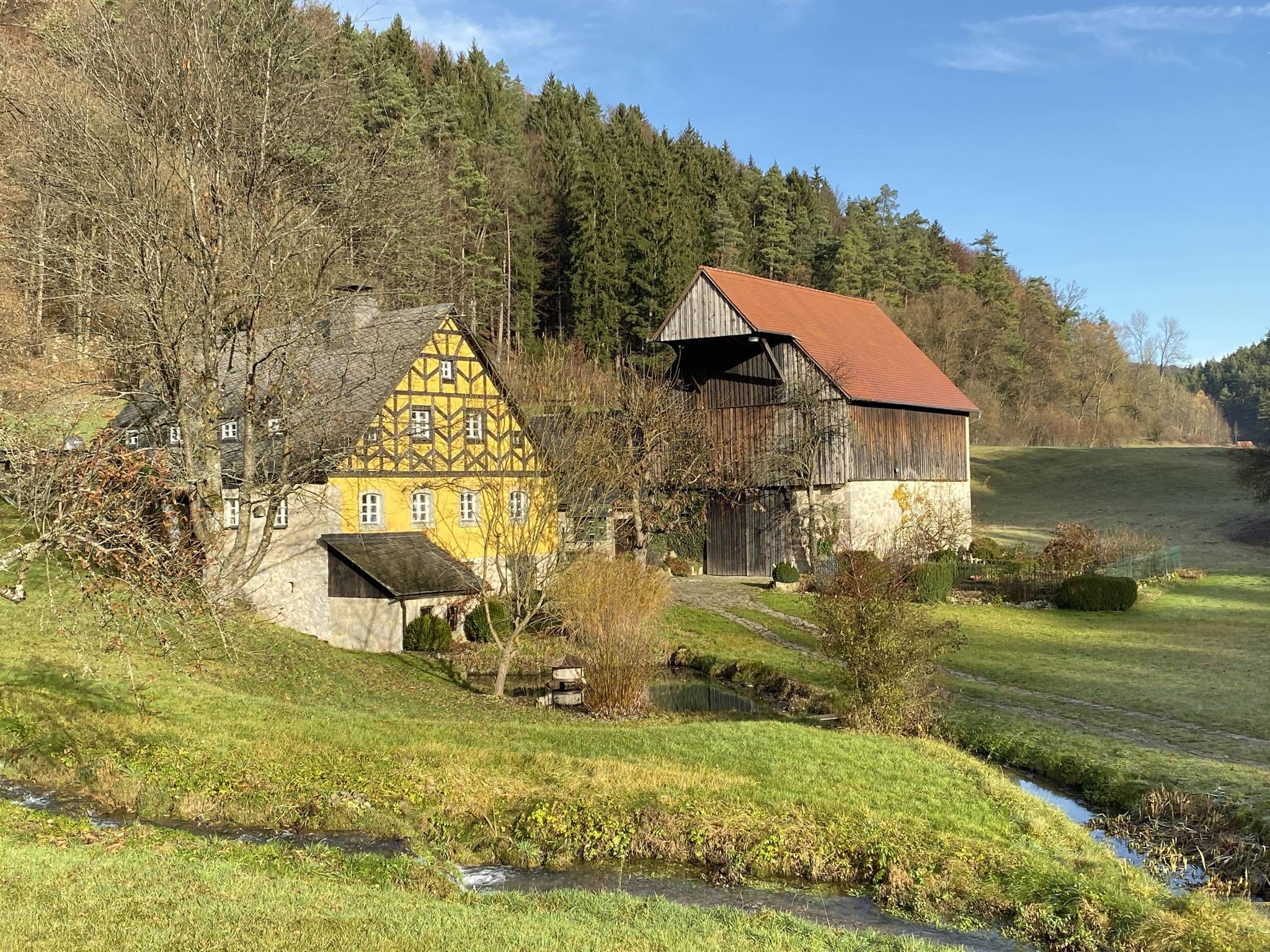
From the view to the Seidla – Nature and BeerEnjoyment in the Franconian Switzerland
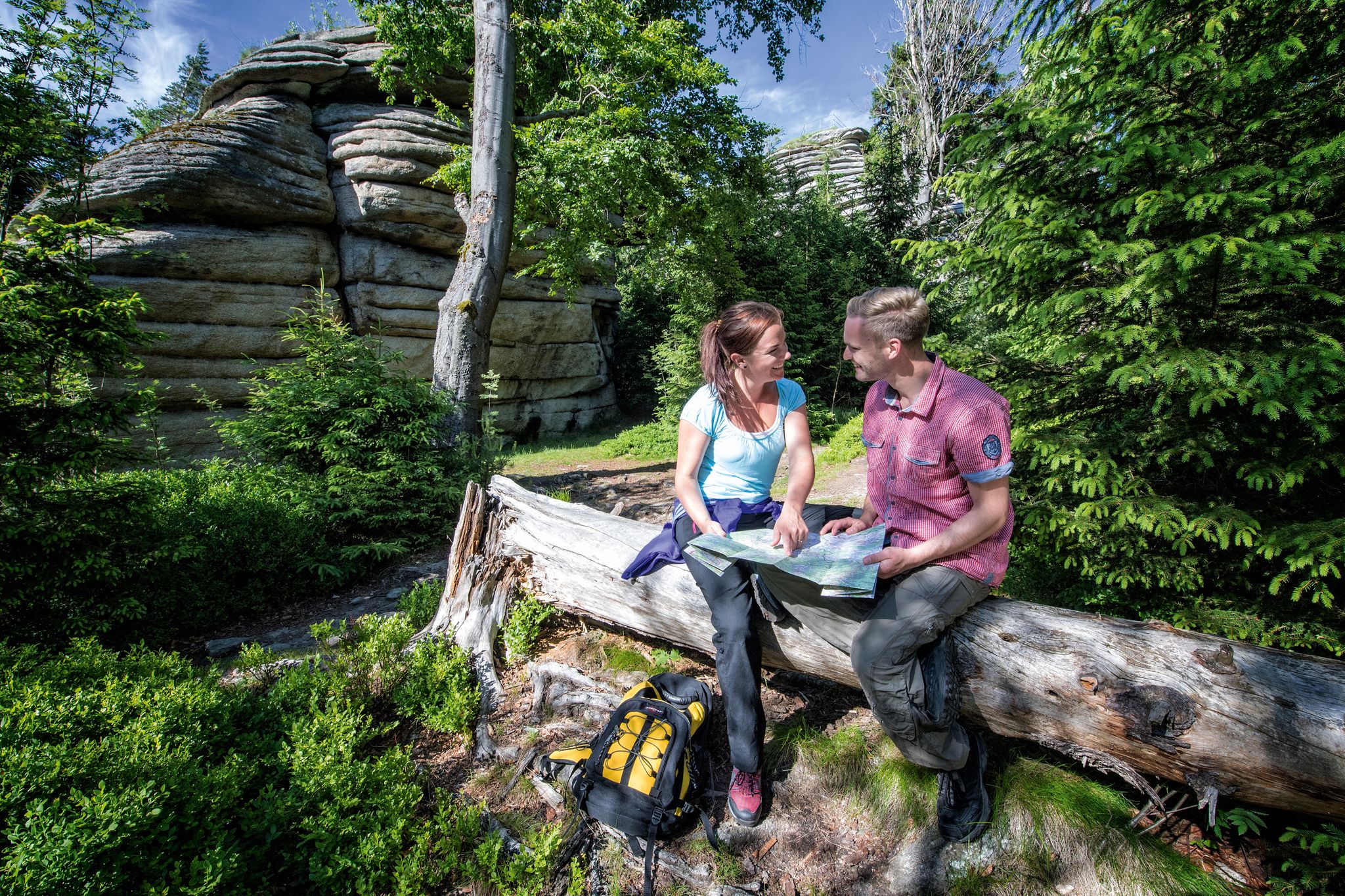
The Franconian Mountain Trail – 21 Stages of Magical Summit Bliss
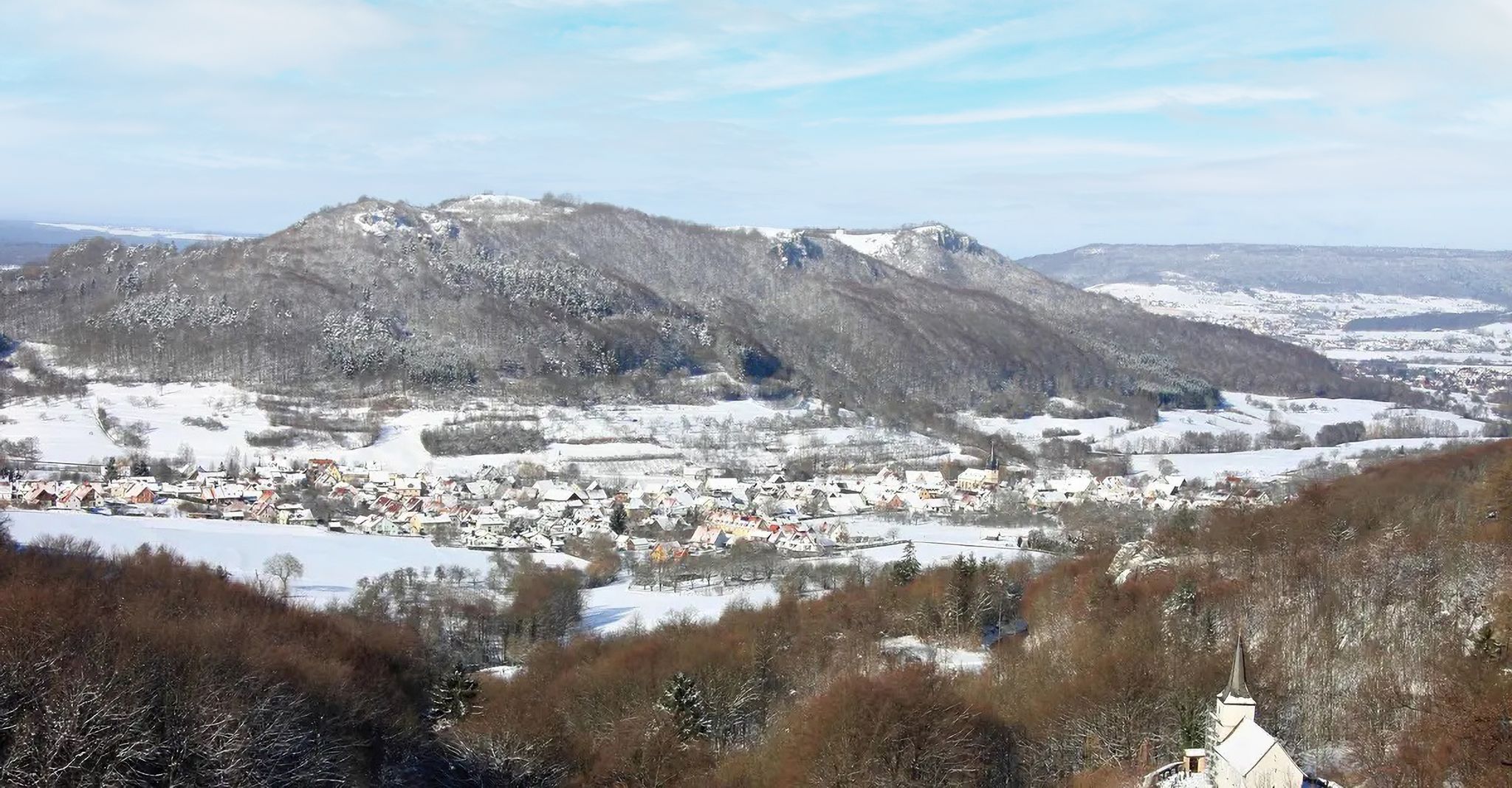
Winter won't stop us – VGN tips for exploring Germany’s Franconia in the cold
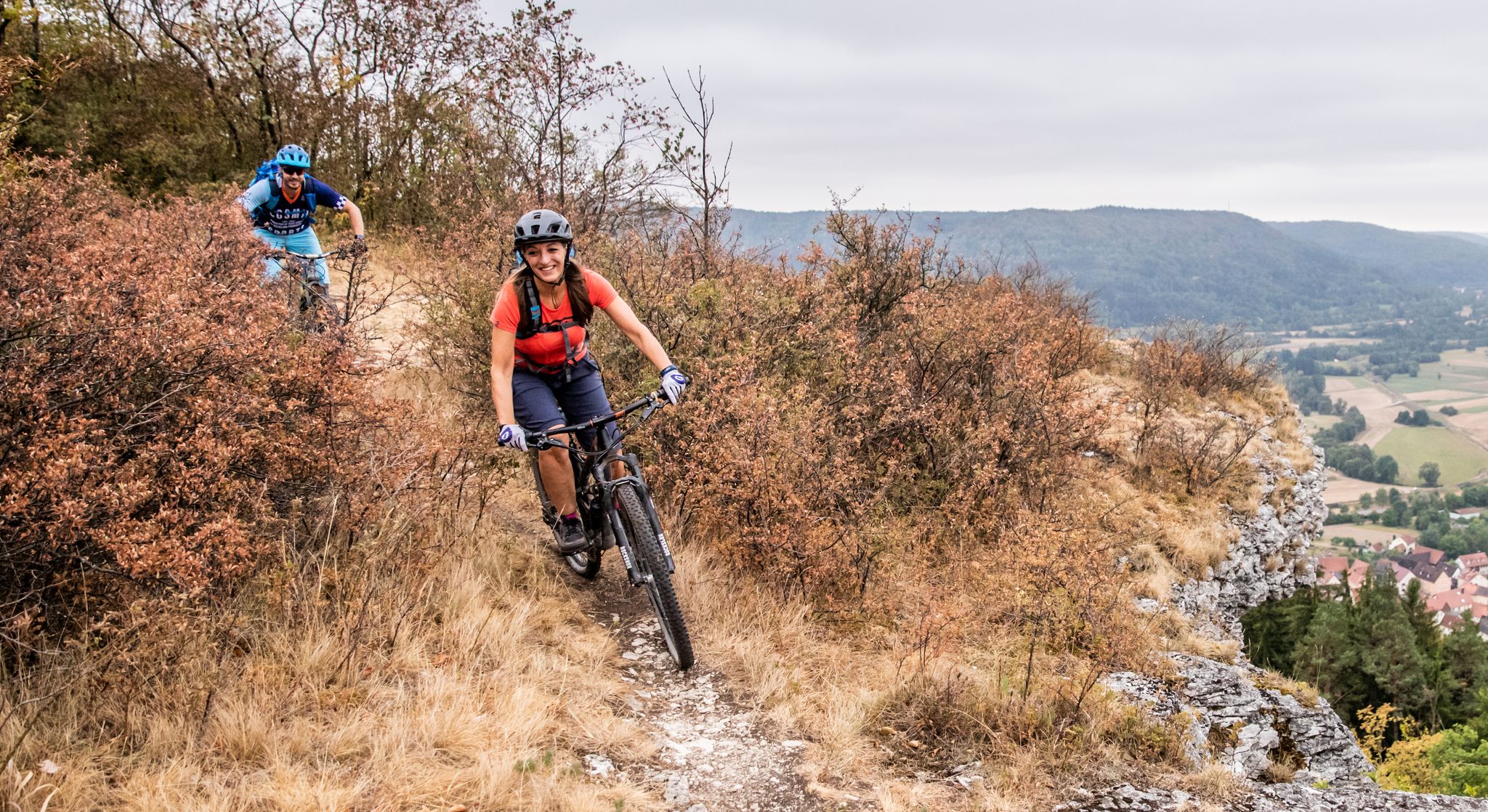
Castles, mountains, beer & trails – bikepacking in Franconian Switzerland
Looking for a small adventure? Your summer in the VGN
Colourful leaves & gentle hills – hiking in autumn in Franconia
Other adventures around Pegnitz


Tips from the Community

Tüchersfeld is the typical Franconian "showcase town" with its striking rocks and the location of the half-timbered houses, which in some cases seem to be glued to the rocks.
9
0

A hiking trail that couldn't have been more beautiful... and apart from a few corners... everything was easy going
5
1

Here - not far from the Schüttersmühle - you can find a variety of what the “Franconian Switzerland” has to offer: bizarre rock formations, narrow paths, a wildly romantic valley with springs, former mills, a trout farm and lots of legends.
1
0

The Gößweinsteiner Felsentor fascinates visitors with its impressive size. A few steps lead up to the passage. There is a small cave in the gate to the right.
10
2
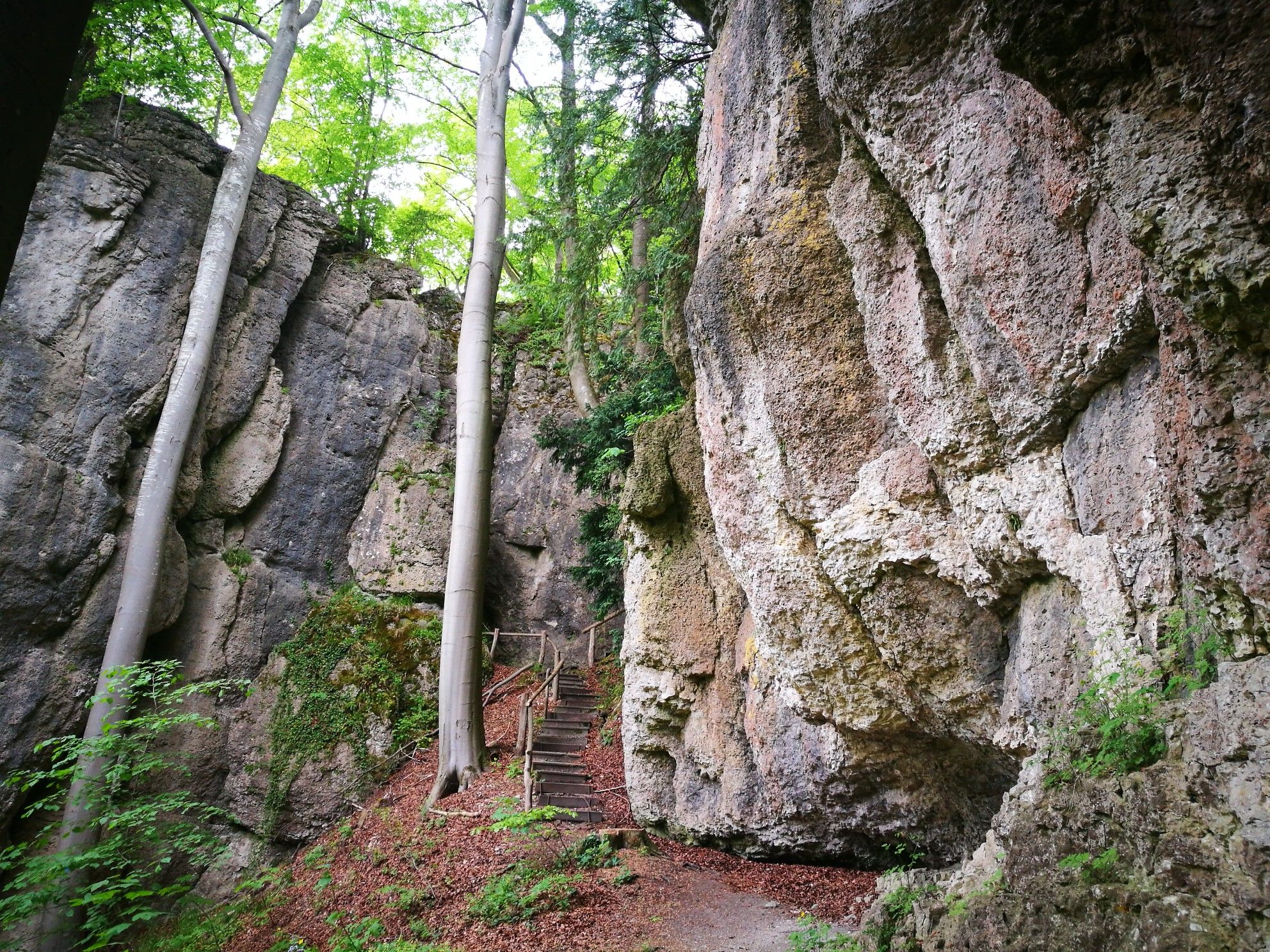
The Felsensteig is a short but spectacular path that is built into a deep, particularly impressive rocky gorge. The path can be walked without any safety measures, but you should wear good hiking boots and be sure-footed. There are several steps to climb, and in some places there are railings. This is usually not a problem for dogs either.
17
2

Romantic, daring and different around every corner.
4
0

A sensational area. There is so much to explore. The shapes of the rocks are so versatile. With some you almost hold your breath and think stay where you are and don't fall over.
4
0
Frequently Asked Questions
What types of natural monuments can I explore around Pegnitz?
The Pegnitz region, nestled in Franconian Switzerland, offers a diverse range of natural monuments. You can explore impressive limestone caves like the Vogelherd Grotto, unique rock formations such as the Druidenhain and Großer Lochstein, and significant karst springs like the Pegnitzquelle. These sites showcase millions of years of geological history.
Are there any impressive caves to visit near Pegnitz?
Yes, the region is known for its caves. The Vogelherd Grotto near Krottensee is an impressive karst cave made of Franconian dolomite, often described as a powerful place of calm, especially in the morning. Another notable cave is the Maximiliansgrotte, a show cave system with guided tours, featuring Germany's largest stalagmite, the 'Eisberg'.
Where can I find unique rock formations in the Pegnitz area?
The Pegnitz area boasts several unique rock formations. The Druidenhain features a labyrinth of moss-covered dolomite rocks arranged in striking rows. The Großer Lochstein is an imposing rock tower in the Veldenstein Forest, recognized as one of Bavaria's most beautiful geotopes. You can also find bizarre rock formations along the Rock formations on the Jägersteig and at the Tüchersfeld Rock Formations and Half‑Timbered Village.
Is there a significant natural spring in Pegnitz?
Yes, the Pegnitzquelle (Pegnitz Spring) is a typical karst spring located in the town of Pegnitz itself, near the Schlossberg. It is the source of the Pegnitz River, which flows through Nuremberg, making it a significant natural landmark.
What is the best time of year to visit the natural monuments around Pegnitz?
Spring, summer, and autumn are generally ideal for exploring the natural monuments, offering pleasant weather for hiking and outdoor activities. Note that the Maximiliansgrotte is closed from November 1st to the end of March to protect its bat inhabitants, so plan accordingly if you wish to visit the cave.
Are there hiking trails that lead through these natural monuments?
Absolutely. Many natural monuments are integrated into hiking routes. For example, the Rock formations on the Jägersteig leads through bizarre rock formations with views of the Klumpertal. The Gößweinstein Rock Trail offers a scenic climb with stairs and ladders below Gößweinstein Castle. The Druidenhain is also perfect for hiking through its unique geological landscape.
What outdoor activities can I do near the natural monuments around Pegnitz?
Beyond exploring the monuments themselves, the area around Pegnitz offers various outdoor activities. You can find numerous running trails, such as the 'Pegnitz Spring – Pegnitz Cycle Path Section loop'. Cycling enthusiasts can enjoy routes like 'View of Eichelberg – View of Bayreuth loop' or 'Great Lochstein – Mühlfriedl Pond loop'. For more options, explore the Running Trails around Pegnitz, Cycling around Pegnitz, and Road Cycling Routes around Pegnitz guides.
Are the natural monuments around Pegnitz suitable for families?
Many natural monuments in the Pegnitz region are suitable for families, especially those with well-maintained paths. The Maximiliansgrotte offers engaging guided tours that are suitable for children. The Tüchersfeld Rock Formations and Half‑Timbered Village is also considered family-friendly. When planning, check specific trail difficulties, as some paths, like parts of the Jägersteig, may require sturdy shoes and surefootedness.
What should I bring for a visit to the natural monuments?
For exploring the natural monuments, especially if you plan to hike, it's recommended to wear sturdy shoes. Depending on the weather, bring appropriate clothing, water, and snacks. If visiting caves, a light jacket might be useful as temperatures underground can be cooler. For the Maximiliansgrotte, guided tours are available, so no special equipment is needed beyond comfortable walking shoes.
Are there any historical sites near the natural monuments?
Yes, the region combines natural beauty with historical significance. Pottenstein Castle, one of the oldest castles in Franconian Switzerland, rises on a rock above the town of Pottenstein and offers a museum. The Tüchersfeld Rock Formations and Half‑Timbered Village also features historical elements, including the Franconian Switzerland Museum in the Judenhof.
What do visitors enjoy most about the natural monuments around Pegnitz?
Visitors frequently appreciate the unique geological formations and the sense of calm these natural sites offer. The Vogelherd Grotto is particularly noted for its powerful atmosphere, especially in the morning. The bizarre rock formations and scenic views, such as those along the Jägersteig, are also highly praised. The komoot community has upvoted these highlights over 1500 times and shared more than 500 photos, reflecting their popularity.
Are there options for easy walks among the natural monuments?
Yes, there are options for easier walks. While some trails involve climbs or uneven terrain, many areas offer accessible paths for a more relaxed experience. For instance, exploring the immediate vicinity of the Pegnitzquelle or walking through parts of the Druidenhain can be done at a leisurely pace. Always check the specific trail descriptions for difficulty levels.
Most popular routes around Pegnitz
Most popular attractions around Pegnitz

Get inspired with the komoot mobile app


Explore more
Extend your search for the best caves by checking out these guides of the top ones around Pegnitz:
