Top 6 Castles around Neubeuern
Best castles around Neubeuern are situated in the picturesque Inn Valley, near the Bavarian/Austrian border. The region features a historic village setting, surrounded by meadows and forests. This area is known for its cultural significance, having been a gathering place for artists and intellectuals. The landscape offers views of the Bavarian Alps.
Best castles around Neubeuern
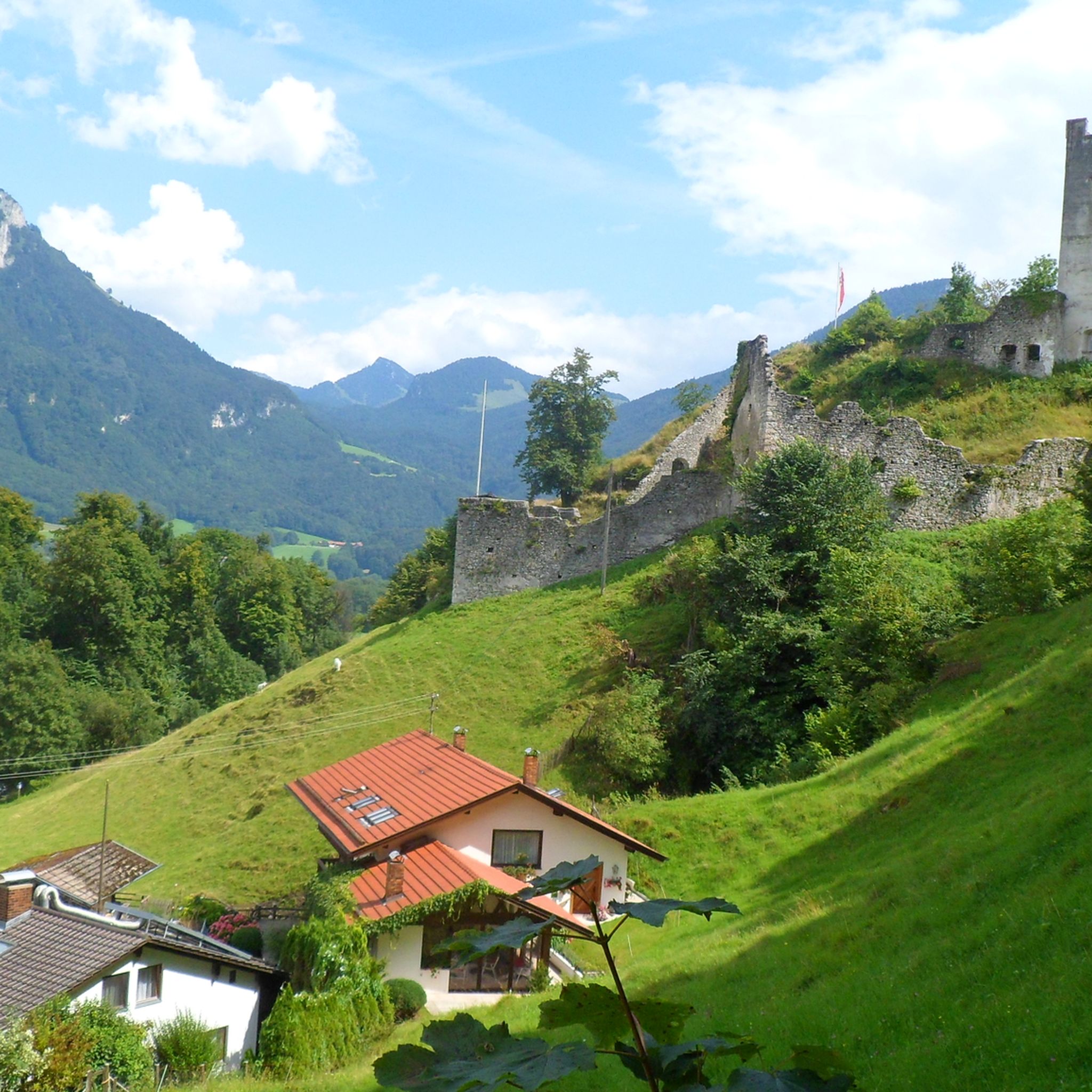
- The most popular castles is Falkenstein Castle Ruins, Flintsbach am Inn, a castle that offers views over the Inn Valley. This historical site…
Last updated: August 17, 2026
Falkenstein Castle Ruins, Flintsbach am Inn
Highlight • Castle
burg-falkenstein.bayern
Translated by Google •
Tip by

Brannenburg Castle
Highlight • Castle
Unfortunately, the castle cannot be visited as it is in private hands and houses boarding schools and schools. Thus, any access for unauthorized persons is prohibited and cordoned off.
Translated by Google •
Tip by

Sign up now to discover places like this
Get recommendations on the best single tracks, peaks, & plenty of other exciting outdoor places.
Sign up for free
Rachelburg Ruins
Highlight • Castle
Translated by Google •
Tip by
View of Hohenaschau Castle
Highlight • Viewpoint
Translated by Google •
Tip by

Schlossalm
Highlight • Mountain Hut
Translated by Google •
Tip by

Sign up for free to discover even more castles around Neubeuern.
Sign up for free
Already have an account?
Start today with a free account
Your next adventure awaits.
Login or Signup

Tips from the Community

You can still find beautiful old castles here on the border between Austria and Germany
0
0


The castle rises beautifully and is visible from afar... a feast for the eyes from every perspective
1
0

Great view of the castle
1
0

Hohenaschau Castle is a castle that grew out of a hilltop castle near the Bavarian-Tyrol border. It is located in the district of Hohenaschau on a 50 meter high ridge of rock.
1
0

A beautiful ruined castle, some beautiful mountain tours start here
5
0

From the Hofalm down you can see them that's enough :)
2
1

Almost invisible during the summer due to the trees.
0
0
Frequently Asked Questions
What is the historical significance of castles around Neubeuern?
The castles in the Neubeuern area boast a rich history, with origins often tracing back to the 12th century. For example, Rachelburg Ruins contain masonry from around 1110, making it one of Bavaria's oldest preserved stone castles. Schloss Neubeuern itself was a significant gathering place for artists and intellectuals over centuries, reflecting the region's cultural importance.
What makes Schloss Neubeuern unique among the castles in the region?
Schloss Neubeuern is unique for its blend of historical significance and modern use. Originally a 12th-century hilltop castle, it was later reshaped in the Neo-Renaissance style. Today, it houses a state-recognized Gymnasium (grammar school) with boarding facilities, giving it a distinctive 'Hogwarts' feel. It's also known for its beautiful hanging gardens visible from the village and its picturesque setting overlooking the Inn Valley.
Can I visit Schloss Neubeuern?
Schloss Neubeuern primarily functions as a private school and boarding facility. While its exterior and the village of Neubeuern offer stunning views of the castle, direct public access to the interior is generally not available due to its current use. You can admire its architectural beauty and historical presence from the surrounding village and viewpoints.
What can I expect when visiting <a href="https://www.komoot.com/highlight/152541" target="_blank" rel="noopener">Falkenstein Castle Ruins, Flintsbach am Inn</a>?
Falkenstein Castle Ruins, Flintsbach am Inn offers a historical experience with impressive views over the Inn Valley. These beautiful ruins are part of the Petersberg monument complex. After being destroyed by fire in the 19th century, the buildings fell into disrepair, leaving behind a picturesque and historically significant site that is popular for its scenic beauty.
Are there any castles in the Neubeuern area that are not publicly accessible?
Yes, Brannenburg Castle is a notable example. It is a private property that houses schools and is therefore not accessible to the public. Access for unauthorized persons is prohibited and cordoned off, though you can still appreciate its exterior from a distance.
What outdoor activities can I combine with a castle visit near Neubeuern?
The Neubeuern region is excellent for combining castle visits with outdoor activities. You can enjoy various hiking and cycling routes. For hiking, consider trails like the 'View of the Inn Valley – Dandlbergalm loop' or the 'Wolf Gorge – Munich Gate, Neubeuern loop'. For cycling, there are routes such as the 'Dandlbergalm – View of the Inn Valley loop'. You can find more details on these activities in the Hiking around Neubeuern and Cycling around Neubeuern guides.
Are there hiking trails that lead to or past castles in the Neubeuern area?
Yes, many hiking trails in the Neubeuern area offer views of or direct access to castle sites. For instance, trails around Flintsbach am Inn will lead you to Falkenstein Castle Ruins and Rachelburg Ruins. These routes often provide scenic views of the Inn Valley and the Bavarian Alps, enhancing your castle exploration with natural beauty. Check the Hiking around Neubeuern guide for specific routes.
When is the best time to visit the castles around Neubeuern?
The Neubeuern region offers beauty year-round. Spring and autumn provide pleasant temperatures for exploring ruins and enjoying the surrounding nature, with vibrant foliage or blooming landscapes. Summer is ideal for longer outdoor activities, though it can be busier. Even winter offers a unique charm, with snow-dusted castles against the Alpine backdrop, though some paths might be less accessible.
Are the castles around Neubeuern family-friendly?
Many of the castle ruins and historical sites, like Falkenstein Castle Ruins, can be family-friendly, especially for those who enjoy exploring and hiking. The adventure of discovering ancient ruins can be exciting for children. However, some sites may involve uneven terrain, so consider the mobility of younger family members. Always check specific access details for each location.
Are there dog-friendly options for visiting castles in the Neubeuern region?
Generally, outdoor castle ruins and the surrounding hiking trails are dog-friendly, provided dogs are kept on a leash. Sites like Falkenstein Castle Ruins and Rachelburg Ruins are open-air and accessible with pets. Always ensure you clean up after your dog and respect any local signage regarding pet access.
How can I reach the castles around Neubeuern by public transport?
While Neubeuern itself has public transport connections, reaching some of the more remote castle ruins might require a combination of public transport and walking. For example, you can often reach the base villages by bus or train, and then hike to the castle sites. It's advisable to check local bus schedules and hiking routes from public transport stops for specific castles.
Are there good viewpoints to see the castles from?
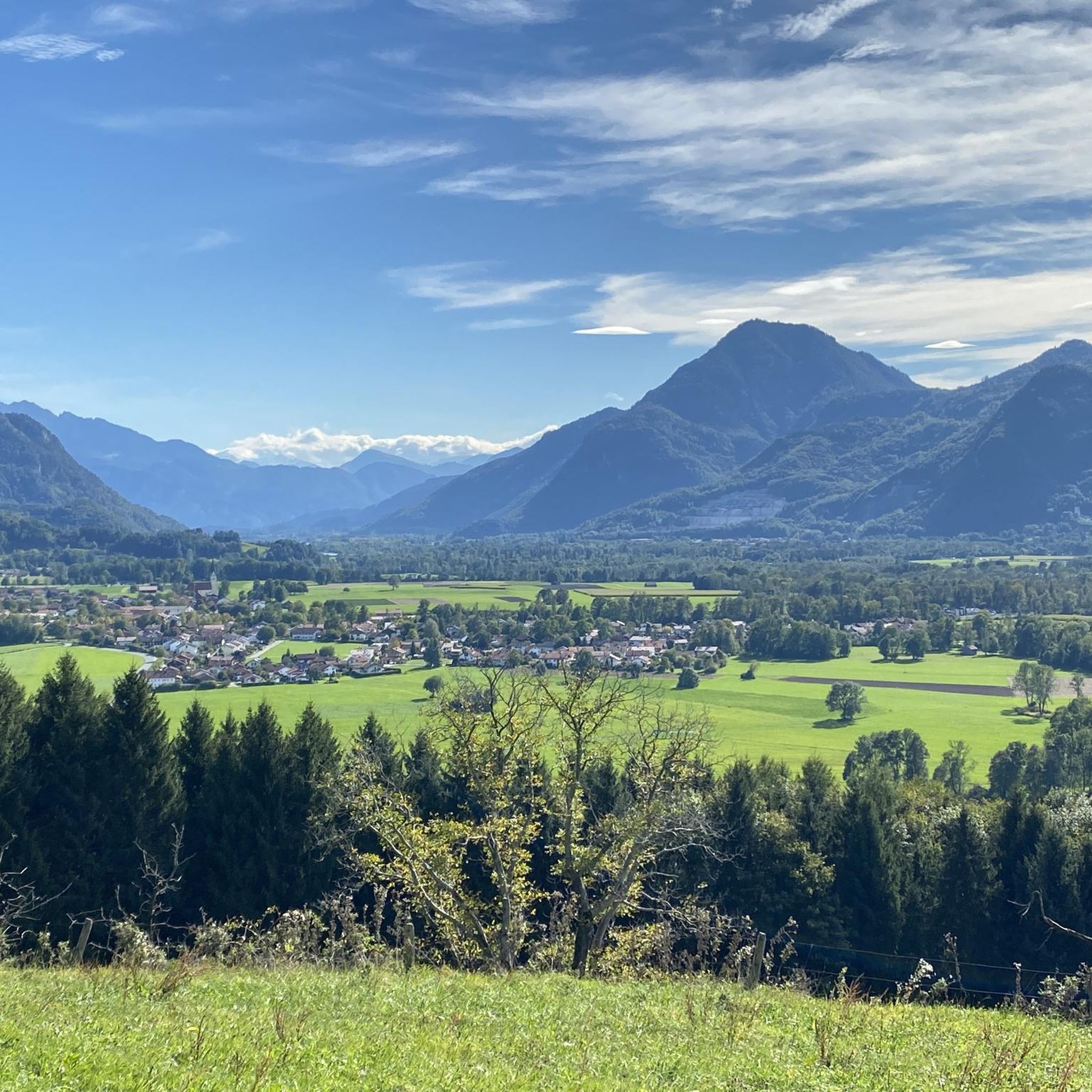
Yes, the Neubeuern area is rich with viewpoints offering stunning perspectives of the castles and the Inn Valley. The village of Neubeuern itself provides excellent views of Schloss Neubeuern and its hanging gardens. Hiking trails in the surrounding hills, such as those leading to the Dandlbergalm, often offer panoramic vistas where you can spot various castle ruins nestled in the landscape.
Most popular routes around Neubeuern
Most popular attractions around Neubeuern

Get inspired with the komoot mobile app


Explore more
Looking for the best castles somewhere else? Discover other guides around Neubeuern:
