Attractions and Places To See around Lüneburg - Top 20
Attractions and places to see around Lüneburg include a rich blend of historical landmarks, cultural sites, and natural landscapes. This Hanseatic town in northern Germany features a well-preserved medieval center, offering insights into its past as a salt trading hub. The region is characterized by its proximity to the Lüneburg Heath and the Ilmenau River, providing diverse outdoor exploration opportunities.
Best attractions and places to see around Lüneburg
- The most popular attractions is View of the Old Crane (Alter Kran)…
Last updated: August 16, 2026
Lauenburg Old Town
Highlight • Historical Site
Translated by Google •
Tip by

View of Lauenburg's Old Town from the Elbe Bridge
Highlight • Viewpoint
Translated by Google •
Tip by

Sign up now to discover places like this
Get recommendations on the best single tracks, peaks, & plenty of other exciting outdoor places.
Sign up for free
Lüneburg–Scharnebeck Ship Lift
Highlight • Monument
Translated by Google •
Tip by

Bardowick lift bridge over the Ilmenau River
Highlight (Segment) • Bridge
Translated by Google •
Tip by
Ilmenau Riverside Trail
Highlight • Cycleway
Translated by Google •
Tip by

View of the Old Crane (Alter Kran) in Lüneburg
Highlight • Monument
Translated by Google •
Tip by

Hitzacker Ferry
Highlight • Structure
Translated by Google •
Tip by

Bleckede Elbe Ferry
Highlight • Structure
Translated by Google •
Tip by
Stintmarkt in the historic water district, Lüneburg
Highlight • Historical Site
Translated by Google •
Tip by

Elbe Riverside Trail at Stiepelse
Highlight • Cycleway
Translated by Google •
Tip by
Sign up for free to discover even more attractions around Lüneburg.
Sign up for free
Already have an account?
Start today with a free account
Your next adventure awaits.
Login or Signup
Popular around Lüneburg
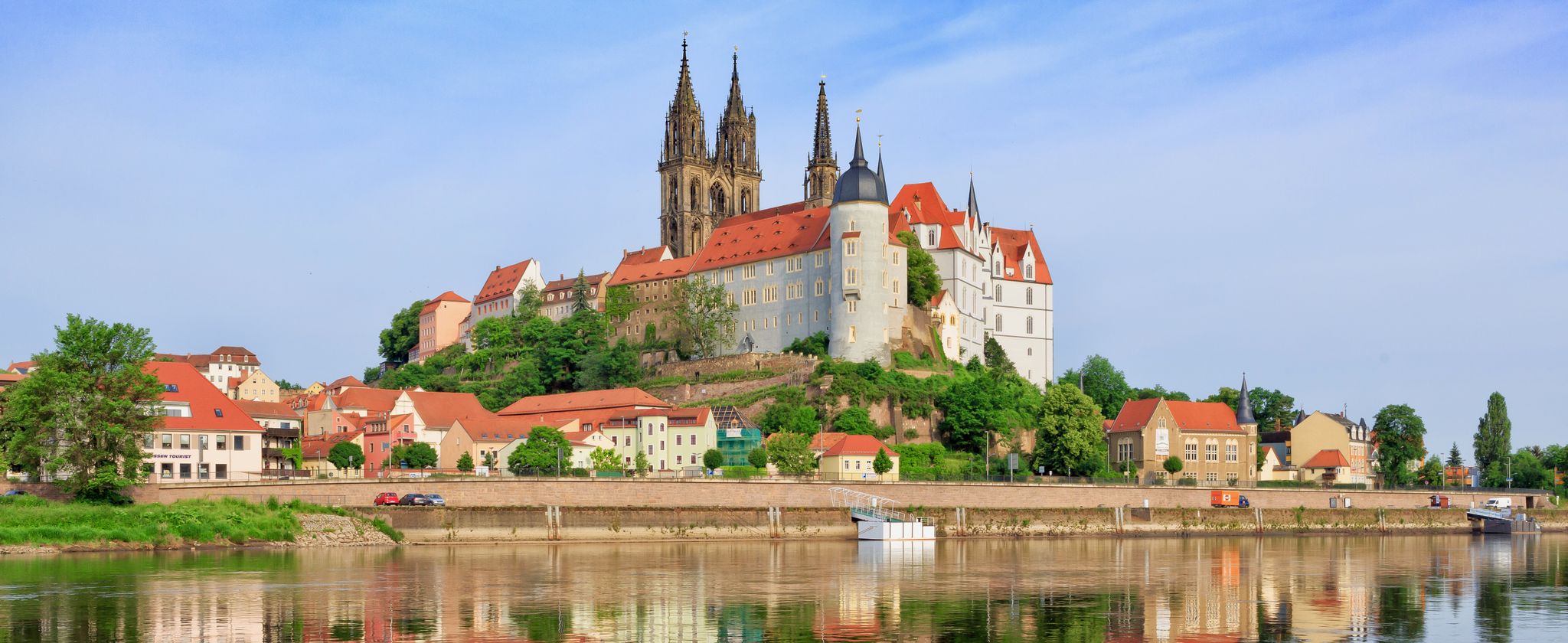
The Elbe Cycle Path — cross-border cycling pleasure
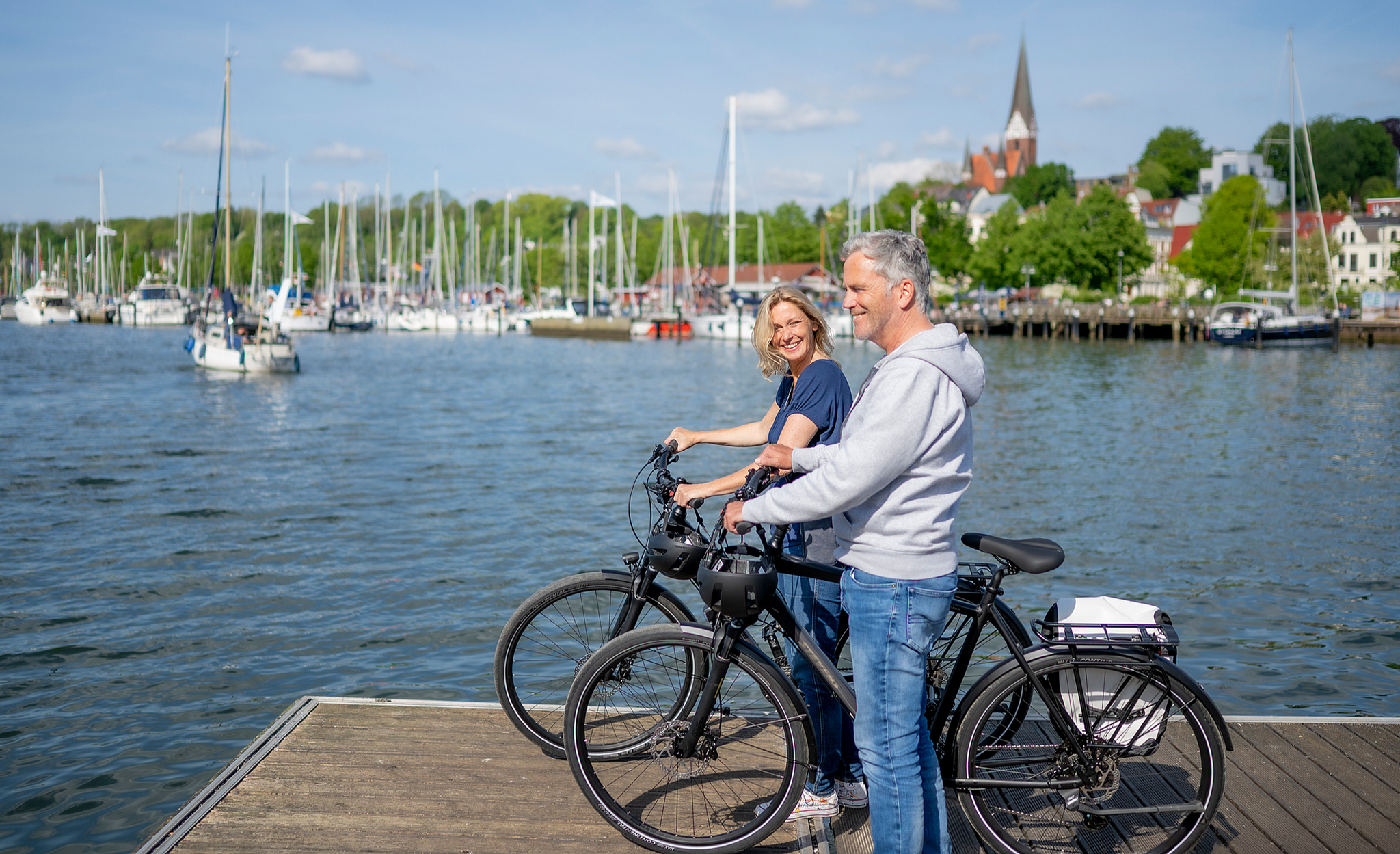
Erlebniskilometer in Schleswig-Holstein – Natur & Geschichte
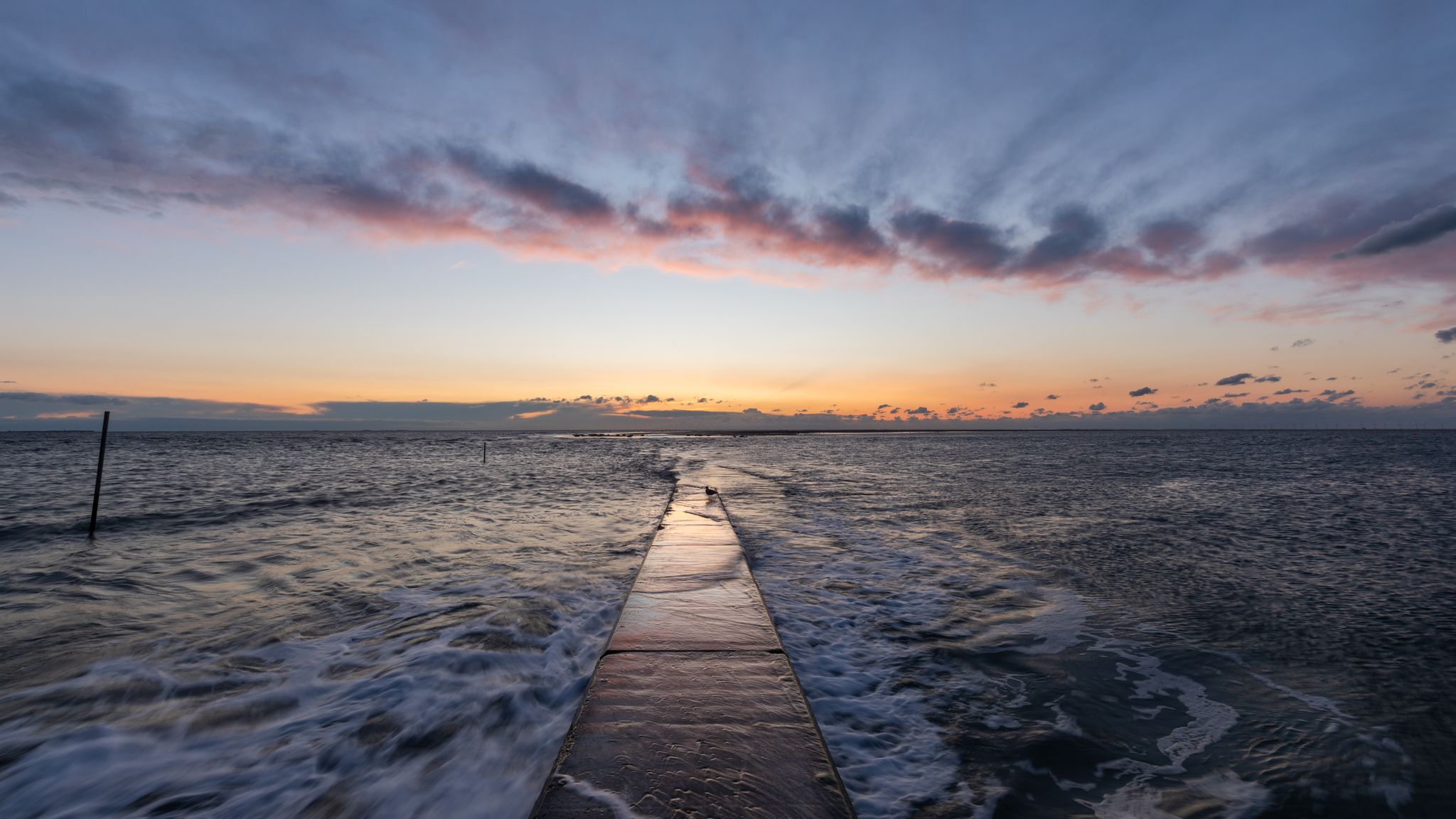
The National Natural Landscapes in Niedersachsen
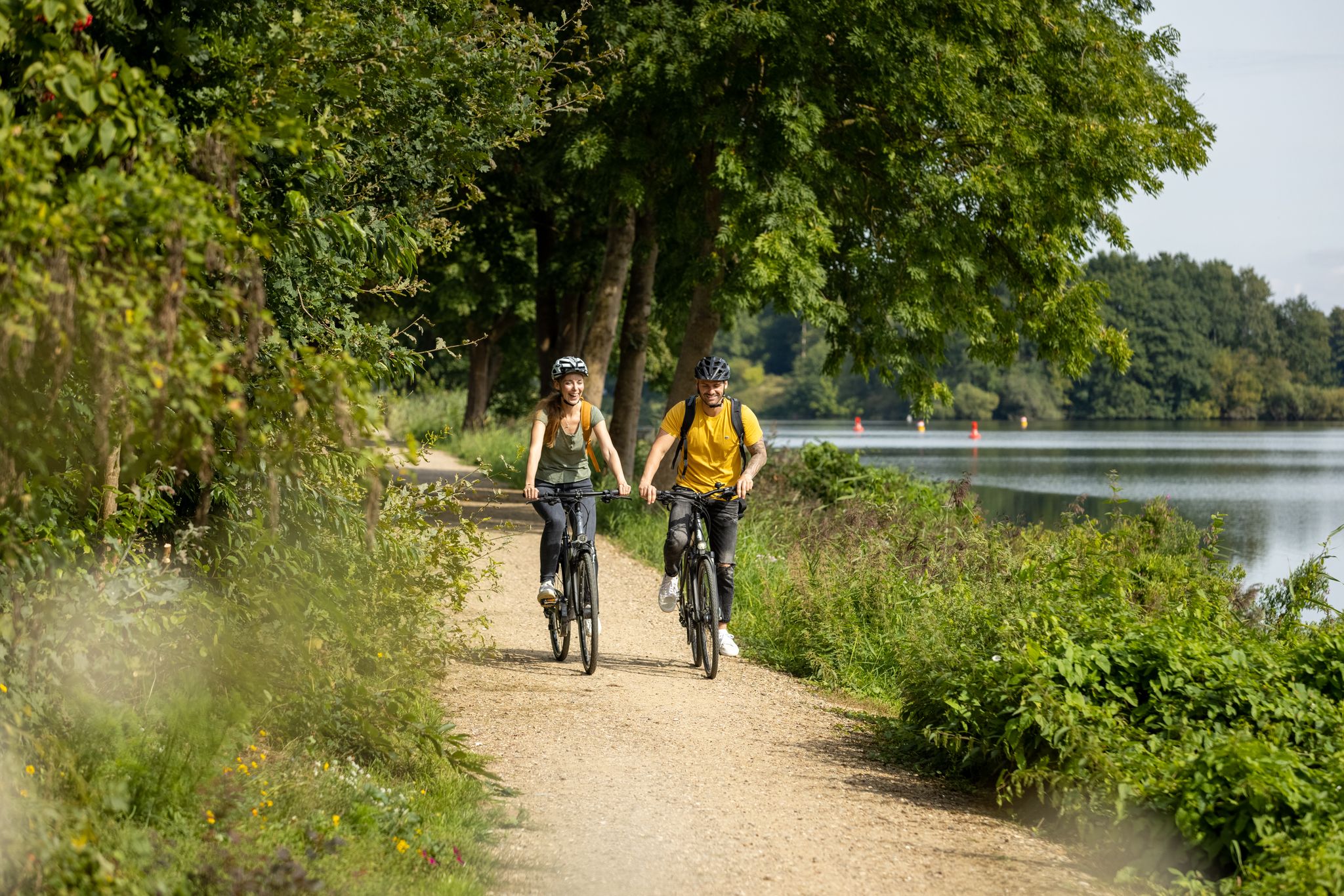
Cycling on the trail of the Hanse – The Old Salt Road
2,919 kilometres of adventure – cycling trails in Schleswig-Holstein
D-Route 10: Elbe Cycle Route
Island riding along the coast – Hamburg-Rügen Cycle Route
Cycling and swimming fun – Mecklenburg Lakes Cycle Route
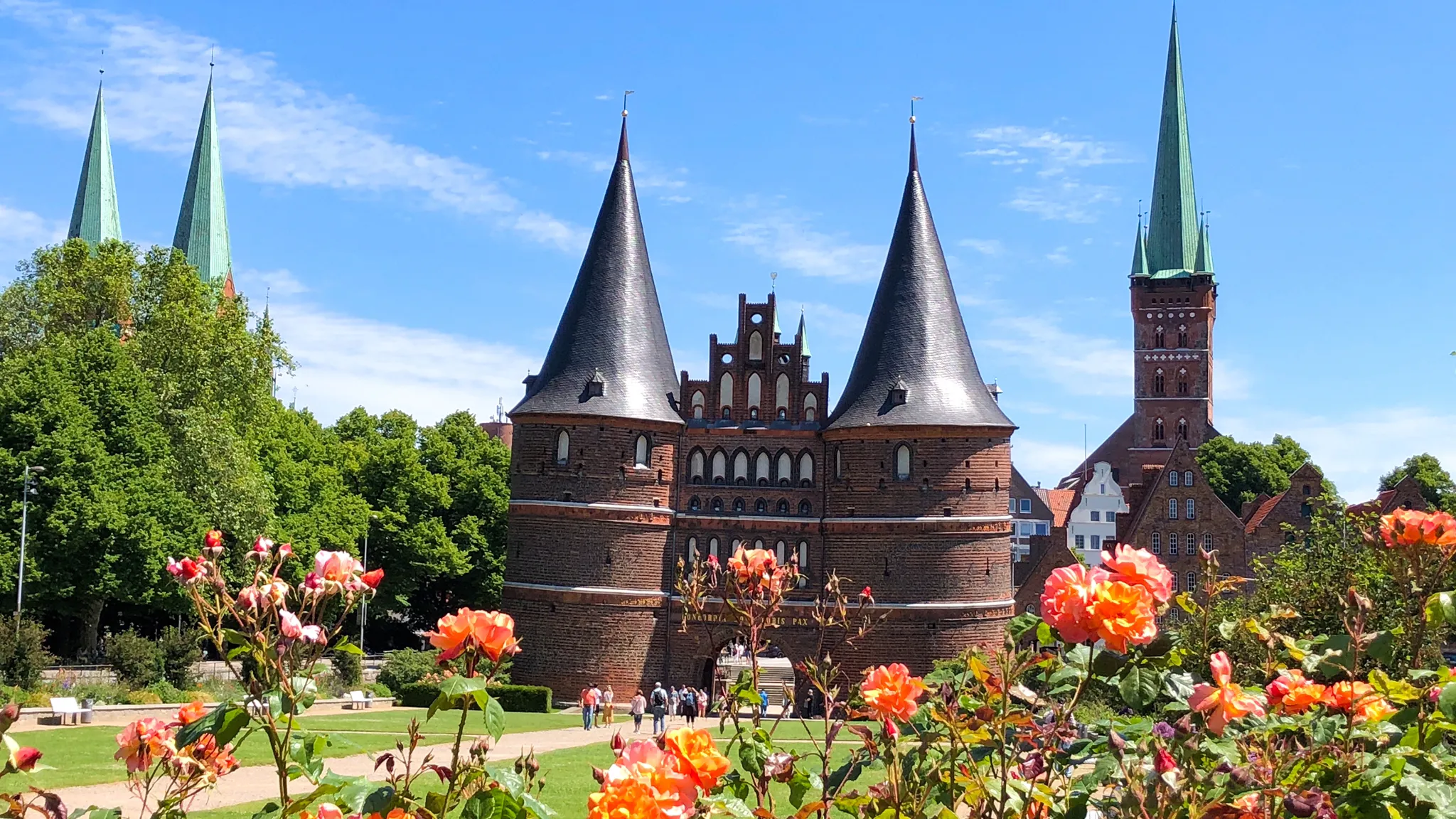
On the footsteps of the Hanseatic League - the Alte Salzstraße
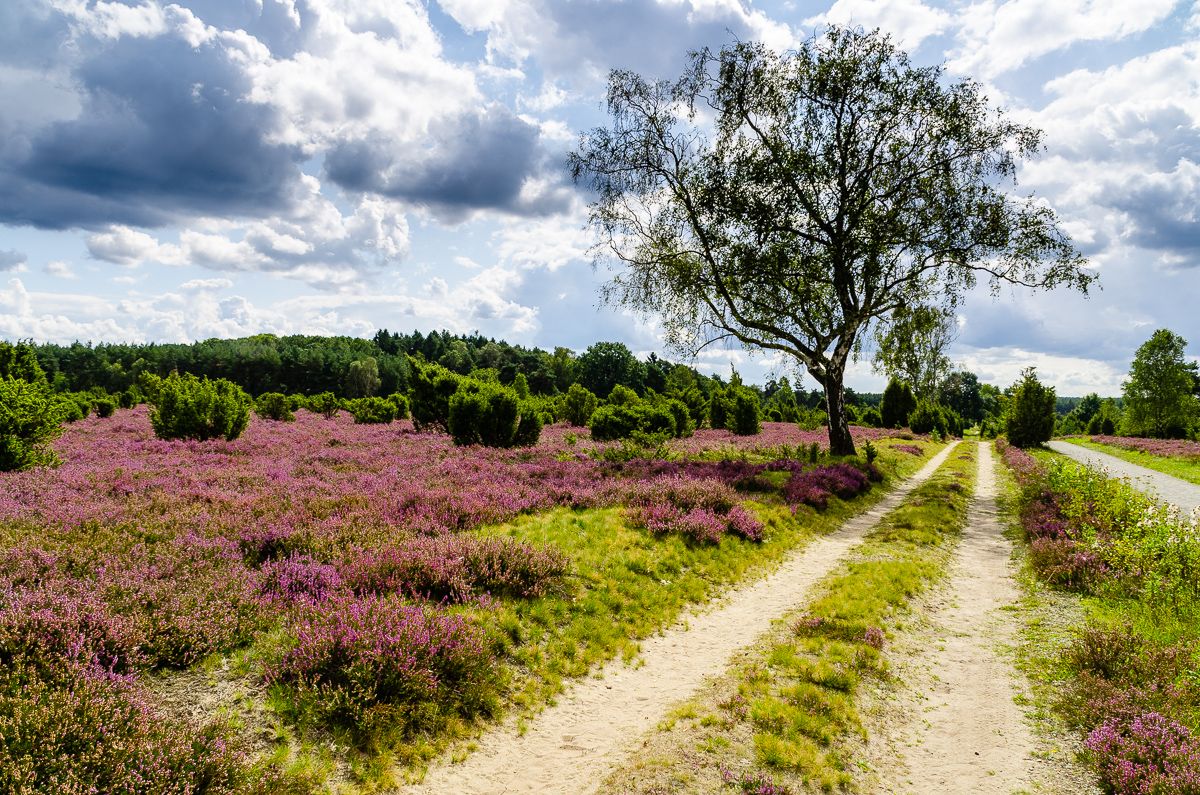
Purple heather and pale grey gravel — Lüneburg Heath by bike
Other adventures around Lüneburg


Tips from the Community

You are always quite close to the water here and have a good view over the Elbe. Very nice section!
0
0

The landscape of the Ilmenau lowlands is wonderfully varied. It is characterized by wide meadows and pastures, which are broken up by rows of trees, scattered swamps and marsh forests. The idyllic heath river Ilmenau is a largely natural flowing water with numerous tributaries. It is by far the largest and most important body of water in the Lüneburg Heath. The Ilmenau is formed south of Uelzen from the confluence of the heath rivers Gerdau and Stederau. It meanders more or less strongly through the varied landscape until it finally flows into the Elbe at Hoopte just outside Hamburg. On these approximately 90 kilometers it flows through places such as Bad Bevensen, Bienenbüttel, Deutsch Evern and Lüneburg. North of Lüneburg the Ilmenau merges into the Ilmenau Canal and from there can only be considered to be close to nature to a limited extent. Source: https://www.lueneburger-heide.de/natur/artikel/10579/die-ilmenau-zauberhafter-fluss-in-der-heide.html
2
0

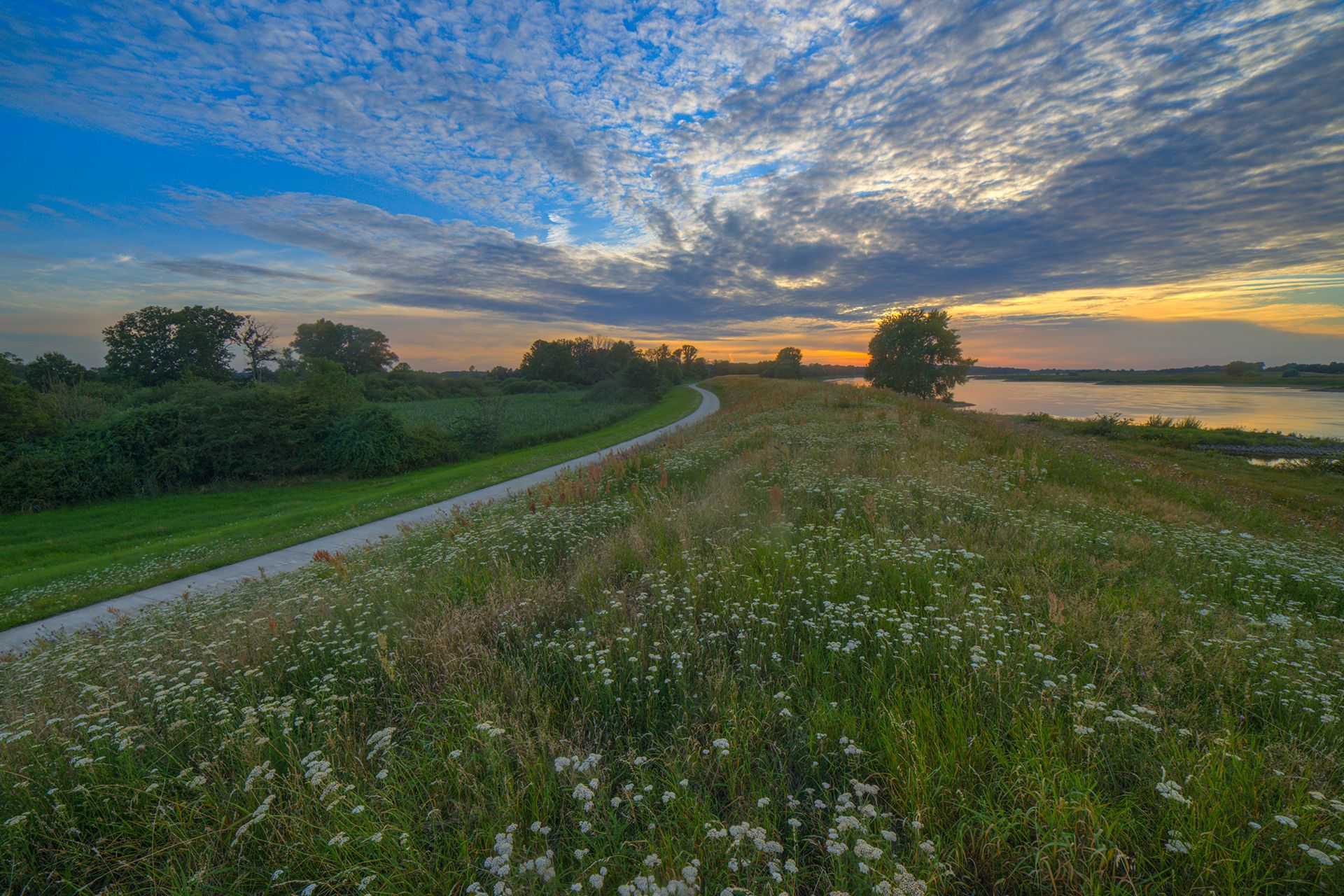
The banks of the Elbe, especially near Stiepelse, have a peace and beauty that captivates cyclists and nature enthusiasts alike. As the tires roll quietly along the path next to the mighty river, a panorama reveals itself that has its own charm in every season. The view over the Elbe from the Deichweg is a constantly changing natural spectacle, characterized by the gentle flow of the water and the vast landscape. In Stiepelse itself, a village with more than 800 years of history, you can feel the deep connection the people have with their land and the Elbe. The direct location on the river, which was used for centuries, tells stories of trade, fishing and a community that knew how to preserve its place despite all historical upheavals. Today, restaurants and guesthouses invite you to enjoy the idyllic tranquility and pause for a moment. The cycle path along the banks of the Elbe is not just a route from one place to another; it is an invitation to discover and experience the beauty of nature. Whether you're sunbathing on the dike, playing in the beach area or swimming in the Elbe - the proximity to nature and the freedom that this place offers are unique. The Elbe bank landscape near Stiepelse is a testimony to the harmonious coexistence of people and nature. It is a place that shows how valuable and enriching simply cycling along the river can be. Here you will not only find a breathtaking view and a welcome break on the journey, but also a piece of living history and culture.
0
0

An absolute peace and dream setting
2
0

The Lüneburg ship lift in Scharnebeck works as a double lift. Both troughs of the ship lift work independently of each other and overcome a height difference of 38 m. Four guide towers are assigned to each trough. Through the trough-like openings in these towers, the opposing ups and downs of the trough and the counterweights can be seen. The weight of a water-filled trough with a usable length of 100 m, a width of 11.80 m and a water depth of 3.40 m, with or without a ship, is always 6000 t, since the ships displace as much water from the trough as they weigh themselves when entering and leaving the trough . In the area of the towers, the troughs rest on support frames. Each trough is held by 240 steel cables, each 54 millimeters thick. These are guided over cable pulleys on the top floor of the towers and connected to the support frame at one end of the cable and to the counterweights at the other end. They consist of 224 heavy concrete slabs, each weighing around 27.2 tonnes. Each trough is powered by 4 three-phase motors, each with 160 kW, which overcome a maximum lifting height of 38 m in approx. 3 minutes. The troughs can accommodate ships up to 100 m long, which is where the first problem begins. Modern cargo or tank ships are 110 m long and push convoys are 185 m long. The troughs with a usable length of 100 m are no longer sufficient for these ships.
6
0

The classic way to cross rivers is still by ferry. You can use the crossing to relax for a bit and/or take a few photos. While you're at it, observe nature and/or chat with the ferrywoman.
7
0

Beautiful bike path and always the Elbe in view.
0
1

The huge hoist in Scharnebeck near Lüneburg lifts ships in the Elbe Lateral Canal by 38 meters. The hoist works like a gigantic elevator: In two troughs filled with water, ships traveling on the Elbe Lateral Canal are lifted from the Elbmarsch 38 meters higher into the Geest landscape of the Lüneburg Heath. The pure journey time of a trough takes three minutes, from the entrance to the exit a ship takes 20 minutes. Source: www.ndr.de/ratgeber/reise/lueneburger_heide/
5
0
Frequently Asked Questions
What historical sites can I explore in Lüneburg?
Lüneburg boasts a rich history, evident in its well-preserved medieval center. You can explore the Historic Old Town Lüneburg with its distinctive brick Gothic architecture. Key landmarks include the impressive Lüneburg Town Hall, dating back to the 1200s, and the ancient St. John's Church with its tilted steeple. The Lauenburg Old Town is also a significant historical site nearby.
Where can I learn about Lüneburg's unique salt history?
Lüneburg's wealth was built on salt. To delve into this fascinating past, visit the German Salt Museum, housed in the former Lüneburg Saltworks. It showcases the 1,000-year history of salt mining and its importance to the city and the Hanseatic League. You can also see the View of the Old Crane (Alter Kran) in Lüneburg, a historical landmark crucial for salt trade on the Ilmenau River.
What natural attractions are there around Lüneburg?
The region offers diverse natural beauty. The most prominent is the Lüneburg Heath, Central Europe's largest continuous heathland, known for its vibrant purple heather in late summer. Within the city, you can enjoy the relaxing Kurpark Spa Gardens and the unique Gradierwerk, which creates a salty mist. The Ilmenau River flows through Lüneburg, offering scenic banks for walks, and the Ilmenau Riverside Trail is a popular cycling path.
When is the best time to visit the Lüneburg Heath?
The Lüneburg Heath is particularly stunning in August and September when the heather blooms in vibrant purple. This period offers the most picturesque views and is ideal for exploring the heathland, ancient forests, and moors.
Are there opportunities for cycling near Lüneburg?
Yes, the area around Lüneburg is excellent for cycling. The Ilmenau Riverside Trail provides a beautifully landscaped path between Bardowick and Lüneburg. Another scenic option is the Elbe Riverside Trail at Stiepelse, offering peaceful views over the Elbe. For more routes, you can explore various Road Cycling Routes around Lüneburg or MTB Trails around Lüneburg.
Can I go hiking or running around Lüneburg?
Absolutely! Lüneburg and its surroundings offer numerous trails for hiking and running. The Lüneburg Heath provides extensive paths through its unique landscape. Closer to the city, the Kalkberg offers nice views, and the Liebesgrund, an old rampart, is perfect for a pleasant walk. For dedicated running, check out the Running Trails around Lüneburg, which include routes along the Ilmenau River and past Lüne Abbey.
Are there family-friendly activities in Lüneburg?
Many attractions in Lüneburg are suitable for families. The View of the Old Crane (Alter Kran) in Lüneburg and the Historic Old Town Lüneburg offer engaging historical exploration. Children often enjoy the Lüneburg–Scharnebeck Ship Lift, a fascinating piece of engineering. Exploring the Lüneburg Heath, perhaps by horse-drawn carriage, is also a popular family outing.
What are some unique man-made monuments to see?
Beyond the historic buildings, Lüneburg features several unique man-made monuments. The Lüneburg–Scharnebeck Ship Lift is an impressive engineering marvel. The View of the Old Crane (Alter Kran) in Lüneburg is a historic symbol of the city's trading past. You can also visit the Former Inner German Border Watchtower and Fence Remains for a poignant look into recent history.
Can I get panoramic views of Lüneburg?
Yes, for excellent panoramic views of Lüneburg's orange roofs, churches, and surrounding forests, head to the Lüneburg Water Tower. It's the tallest building in the old town and offers a fantastic vantage point. The Kalkberg also provides nice views of the Old Town.
What do visitors enjoy most about the attractions around Lüneburg?
Visitors frequently appreciate the blend of historical charm and natural beauty. The scenic cycle paths, like the Ilmenau Riverside Trail, are praised for being beautifully landscaped and easy to navigate. The historic landmarks, such as the View of the Old Crane (Alter Kran) in Lüneburg, are highlights of any city tour, offering insights into the city's rich past. The peaceful settings and beautiful views, especially along the Elbe, are also highly valued.
Are there any religious buildings of historical significance?
Lüneburg is home to several historically significant churches. St. John's Church is the oldest in Lüneburg and a beautiful example of North German Brick Gothic architecture. St. Michaelis Church is known for its slightly 'wonky' pillars due to historical salt mining, and St. Nicholas Church, a Gothic church, was once used by sailors. Lüne Abbey, founded in 1172, is a peaceful former convent showcasing ancient architecture and art treasures.
What is the Stintmarkt and why is it popular?
The Stintmarkt is a lively area located at Lüneburg's historic harbor on the Ilmenau River. Historically a fish market, it has transformed into a popular hub with numerous restaurants and bars. It's cherished for its vibrant atmosphere and offers beautiful views of the historic houses reflected in the river, making it a great spot for dining and relaxation.
Most popular routes around Lüneburg
Most popular attractions around Lüneburg

Get inspired with the komoot mobile app


Didn’t find what you were looking for?
Are you keen on exploring more awesome places nearby? Browse our guides:
Explore more
Still not found the Highlight you’re looking for? See guides of the top attractions in other regions:
