Top 20 Caves around Hillesheim
Caves around Hillesheim are a prominent feature of the Volcanic Eifel region, offering insights into both natural geology and historical human activity. The area is characterized by subterranean wonders, including ice caves and millstone caves. These formations provide a glimpse into the region's volcanic past and its industrial heritage. Visitors can explore these sites to understand the geological processes and the historical significance of the Eifel landscape.
Best caves around Hillesheim
- The most popular caves is Buchenloch Cave, a…
Last updated: May 9, 2026
Buchenloch Cave
Highlight • Cave
Translated by Google •
Tip by

Millstone Cave at Rother Kopf
Highlight • Cave
Translated by Google •
Tip by

Sign up now to discover places like this
Get recommendations on the best single tracks, peaks, & plenty of other exciting outdoor places.
Sign up for free
Birresborn Ice Caves (Birresborner Ice Caves)
Highlight • Cave
Translated by Google •
Tip by

Rock overhang with wooden cross below the Dreimühlen ruin
Highlight • Cave
Translated by Google •
Tip by

Gerolsteiner Dolomites Climbing Crags
Highlight • Climb
Translated by Google •
Tip by

Sign up for free to discover even more caves around Hillesheim.
Sign up for free
Already have an account?
Start today with a free account
Your next adventure awaits.
Login or Signup

Other adventures around Hillesheim

Tips from the Community

Beautiful!! A few experienced climbers went up the steep wall
1
0

The Gerolsteiner Dolomiten nature reserve is located in the Vulkaneifel district in Rhineland-Palatinate in the area of the town of Gerolstein and the municipality of Pelm. The area, which consists of two parts, extends north of the main town of Gerolstein on both sides of the L 29 state road. You can also climb here.
2
0
The Gerolsteiner Dolomiten nature reserve is located in the Vulkaneifel district in Rhineland-Palatinate in the area of the town of Gerolstein and the municipality of Pelm. The area, which consists of two parts, extends north of the core town of Gerolstein on both sides of the L 29 state road.
2
0

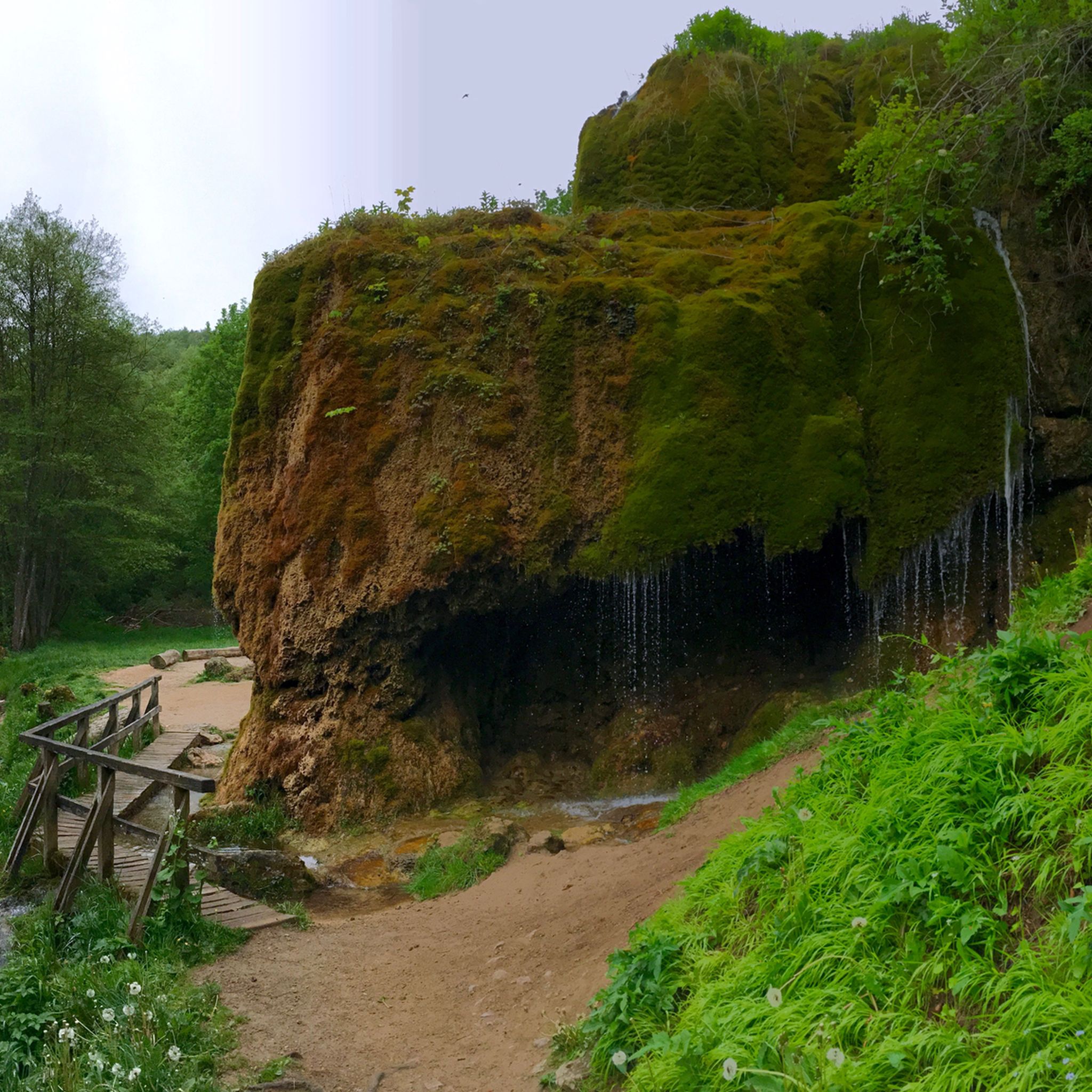
🧭 Briefly at the Dreimühlen waterfall 🌊💙 Small wooden cross attached... Maybe pause for a moment...each in their own way... It's good for the soul 💚🙏🏼 Nice photo motif also 📸
2
0

Such rock overhangs are called abri. They are so-called semi-caves, which people liked to use in the Stone Age. In contrast to a cave with a rather narrow entrance, they allow overview of the terrain and escape possibilities. Such demolition sites are important research sites for archeology, as Stone Age tools and food remains can be found here.
5
0

You don't have to go directly on the path to the waterfall but a few steps up to discover this "cave". A wooden cross stands in a small depression.
5
0

Small cavity in the rock just below the ruins on the way to the waterfall. There is also a cross embedded in the rock...
3
0

Well accessible cave. It is very good to see how the millstones were worked out. A good headlamp is recommended so that your hands are free to take pictures. I personally found the cell phone camera too dark
6
0
Frequently Asked Questions
What types of caves can I explore around Hillesheim?
The Hillesheim region, part of the Volcanic Eifel, features a unique blend of natural geological formations and historical sites. You can explore both naturally formed karst caves, like the Buchenloch Cave, and fascinating millstone caves, such as the Millstone Cave at Rother Kopf and the Birresborn Ice Caves, which were created through centuries of human mining activity.
Are there any ice caves near Hillesheim?
Yes, the Birresborn Ice Caves are a notable example. These caves, originally formed by millstone mining, maintain consistently low temperatures between -1°C and +4°C, allowing ice formations to persist well into the summer months. They also serve as important winter quarters for bats.
What is the historical significance of the caves in the Hillesheim area?
Many caves in the region, particularly the millstone caves like the Millstone Cave at Rother Kopf and the Birresborn Ice Caves, are significant historical sites. They showcase medieval mining practices where porous volcanic rock was extracted to produce millstones. The Buchenloch Cave is also historically important, as Ice Age tools and animal bones were discovered there.
Are the caves around Hillesheim suitable for families?
Many of the caves, such as the Buchenloch Cave, are freely accessible and can be an interesting experience for families. However, it's always recommended to bring a flashlight and wear sturdy shoes. Some caves, like the Birresborn Ice Caves, offer guided tours which can enhance the family experience.
What should I wear or bring when exploring caves in this region?
When visiting the caves around Hillesheim, it's highly recommended to wear sturdy shoes for uneven terrain. A flashlight or headlamp is essential, especially for deeper exploration, as there is no artificial light inside. Due to the consistently low temperatures in places like the Birresborn Ice Caves, even in summer, warm clothing is advisable.
Are there any restrictions or closures for the caves, especially during winter?
Yes, several caves in the region, including the Buchenloch Cave and the Birresborn Ice Caves, serve as winter quarters for bats. To protect these hibernating animals, access is often restricted or closed between October 1st and March 31st. Always check local signage or information before planning a winter visit.
What outdoor activities can I combine with a visit to the caves?
The Volcanic Eifel region offers numerous outdoor activities. You can find excellent cycling routes, including those for touring bicycles and gravel biking, as well as diverse MTB trails. For example, explore routes like the 'Wirft Valley near Stadtkyll' for cycling or the 'Dreimühlen Waterfall' for MTB. You can find more details on these activities in the Cycling around Hillesheim, Gravel biking around Hillesheim, and MTB Trails around Hillesheim guides.
What geological features are prominent in the caves around Hillesheim?
The caves showcase the geological diversity of the Volcanic Eifel. Natural caves like Buchenloch Cave were formed by groundwater dissolving rock (karstification). The millstone caves, on the other hand, reveal the porous volcanic rock that was historically mined. You can also see impressive rock formations at sites like the Gerolsteiner Dolomites Climbing Crags, which include cave-like features.
Are there any guided tours available for the caves?
Yes, guided tours are available for some of the caves, such as the Birresborn Ice Caves. These tours offer deeper insights into their history, geology, and ecological significance, including their role as bat habitats.
What do visitors particularly enjoy about the caves around Hillesheim?
Visitors frequently express fascination with the historical mining practices evident in the millstone caves, noting how people extracted essential materials in medieval times. The unique natural phenomena, such as the persistent ice formations in the Birresborn Ice Caves, are also highly appreciated. The blend of natural beauty and human history makes for a captivating experience.
Are there any easily accessible caves for beginners or those with limited mobility?
The Buchenloch Cave is freely accessible and approximately 30 meters long, making it a good option for those seeking an easier exploration. The Millstone Cave at Rother Kopf is also described as well accessible. However, always be prepared for uneven surfaces and low light conditions inside.
Can I find other interesting rock formations or shelters in the area?
Beyond the main caves, you can discover other interesting geological features. For instance, the Rock overhang with wooden cross below the Dreimühlen ruin offers a unique shelter formed by karstification, providing a glimpse into the region's diverse rock formations.
Most popular routes around Hillesheim
Most popular attractions around Hillesheim

Get inspired with the komoot mobile app


Explore more
Extend your search for the best caves by checking out these guides of the top ones around Hillesheim:
