Top 20 Caves around Hayingen
Caves around Hayingen are situated in the Swabian Alb region of Germany, an area characterized by its unique geological formations. This municipality is known for its limestone landscapes, shaped by ancient rivers and underground water systems. The region offers a combination of natural attractions and historical sites, providing diverse exploration opportunities.
Best caves around Hayingen
- The most popular caves is Wimsener Cave, a cave that is Germany's only active water cave navigable by boat. It offers a unique experience…
Last updated: September 26, 2026
Wimsener Cave
Highlight • Cave
The natural monument known as the "Wimsen Cave" or "Friedrich Cave" is the only "active" water cave in Germany that can be navigated …
Translated by Google •
Tip by

View of the Rechtenstein castle ruins
Highlight • Viewpoint
Translated by Google •
Tip by

Sign up now to discover places like this
Get recommendations on the best single tracks, peaks, & plenty of other exciting outdoor places.
Käthra Kuche Cave
Highlight • Cave
Translated by Google •
Tip by

Bear Cave in Wolfstal
Highlight • Cave
Translated by Google •
Tip by
Geisterhöhle (Rechtenstein Cave)
Highlight • Cave
The cave is also known as the Rechtenstein Cave, but the popular name is Ghost Cave. The 6 m high entrance portal opens to the south towards …
Translated by Google •
Tip by

Sign up for free to discover even more caves around Hayingen.
Already have an account?
Start today with a free account
Your next adventure awaits.
Popular around Hayingen

Stay a while longer – short breaks around the Hochgehberge
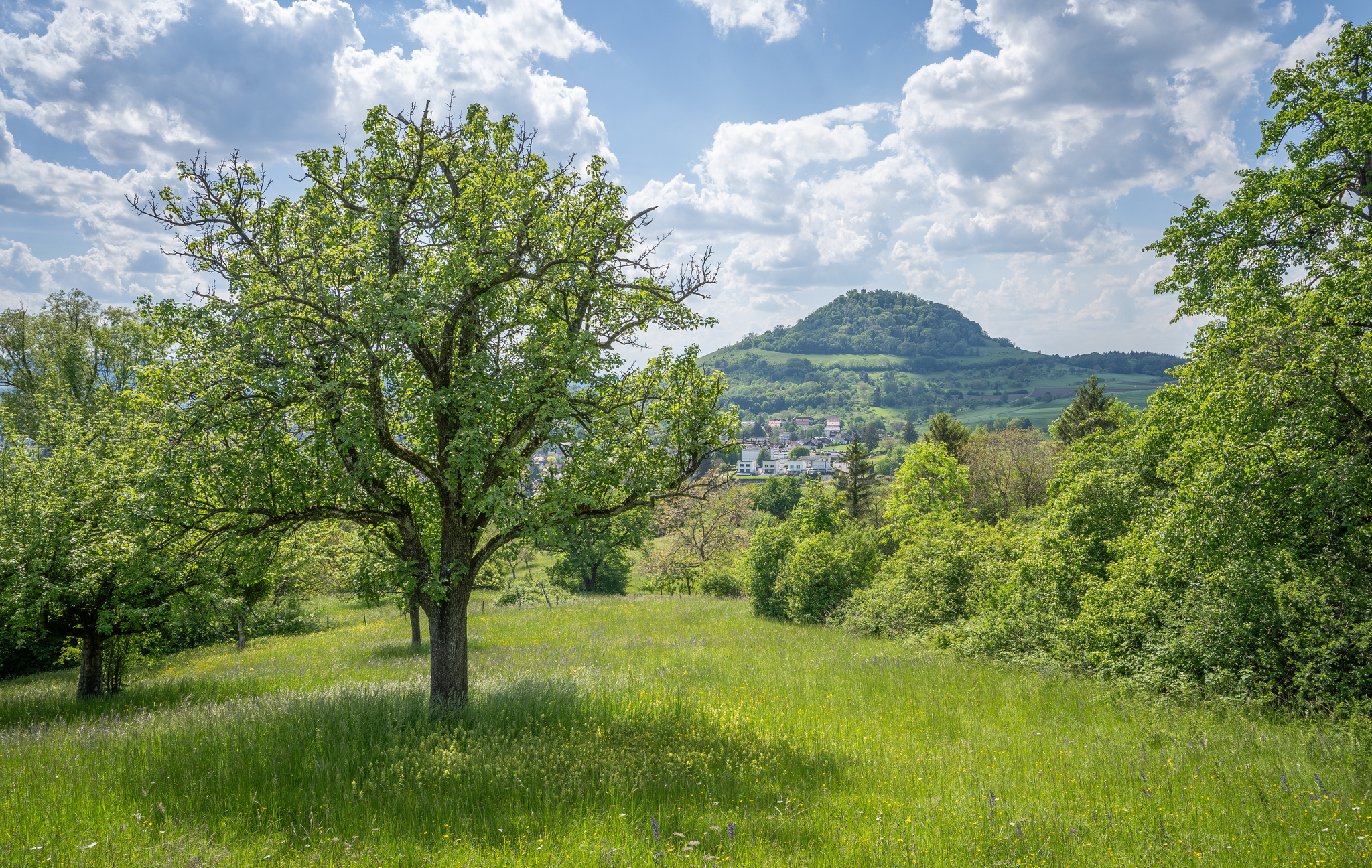
Natural splendour on the Hochgehbergen
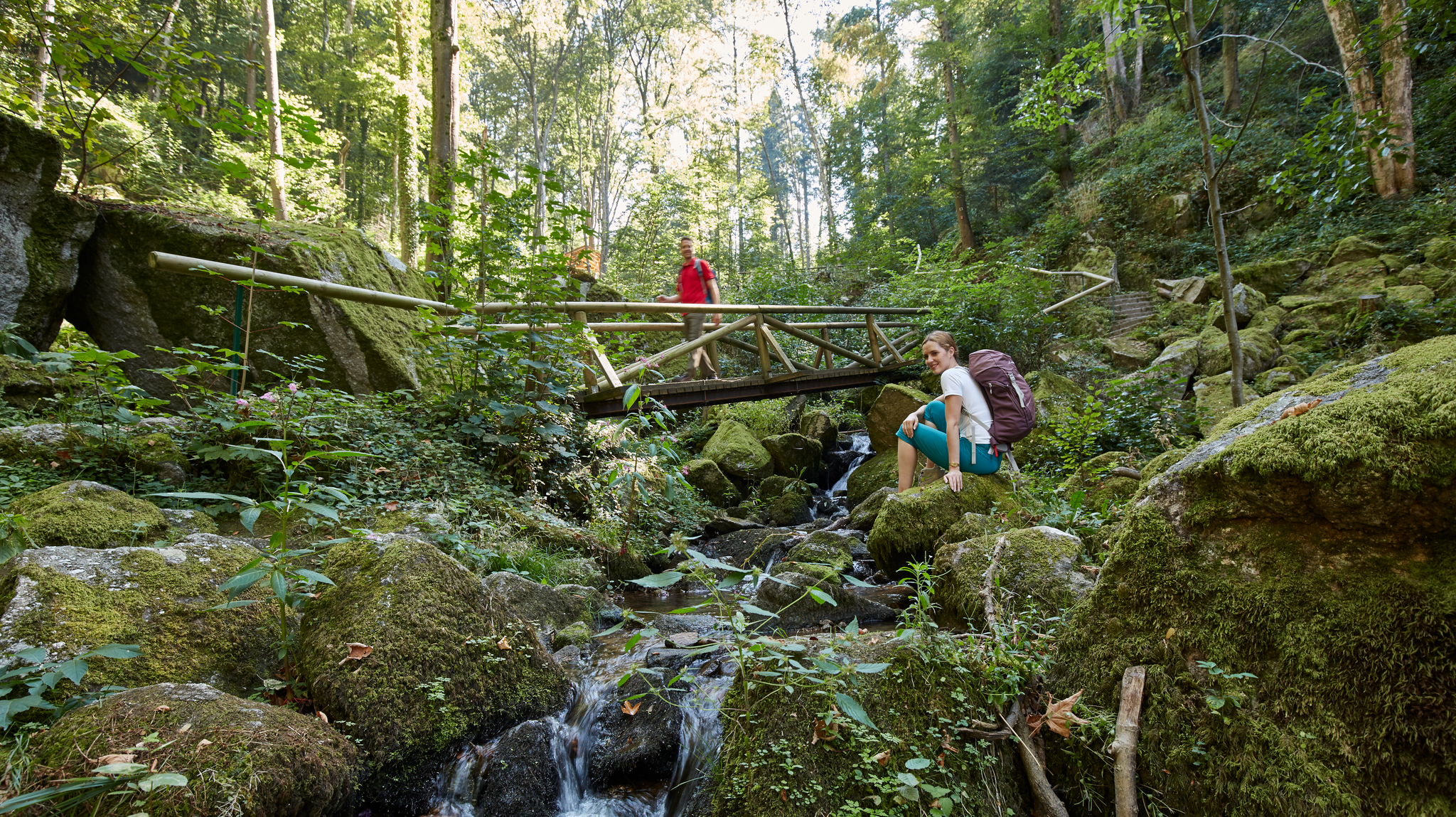
Waterfalls, gorges and cliffs – cooling off in Baden-Württemberg
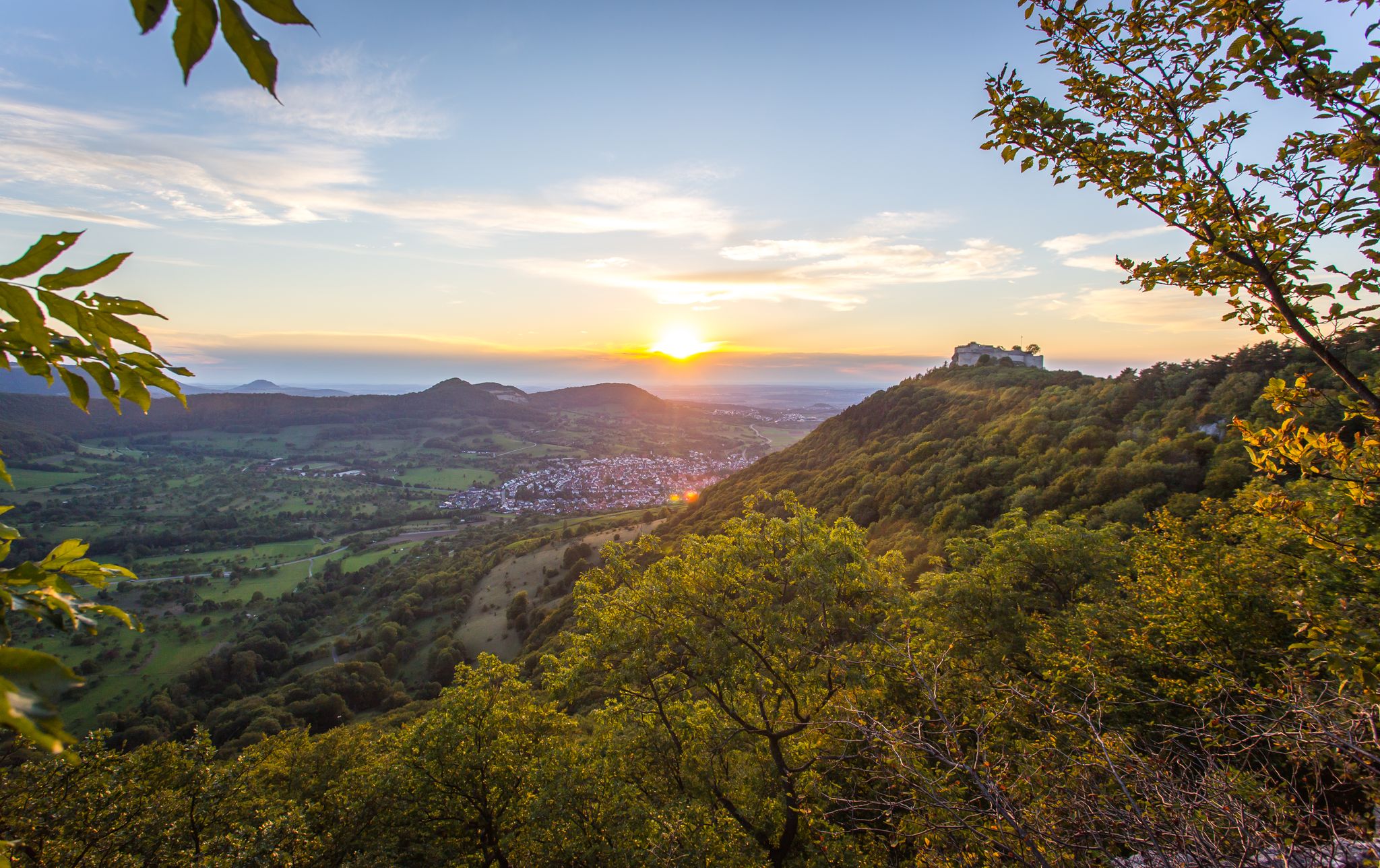
Beautifully high – castles in the Hochgehberge mountains
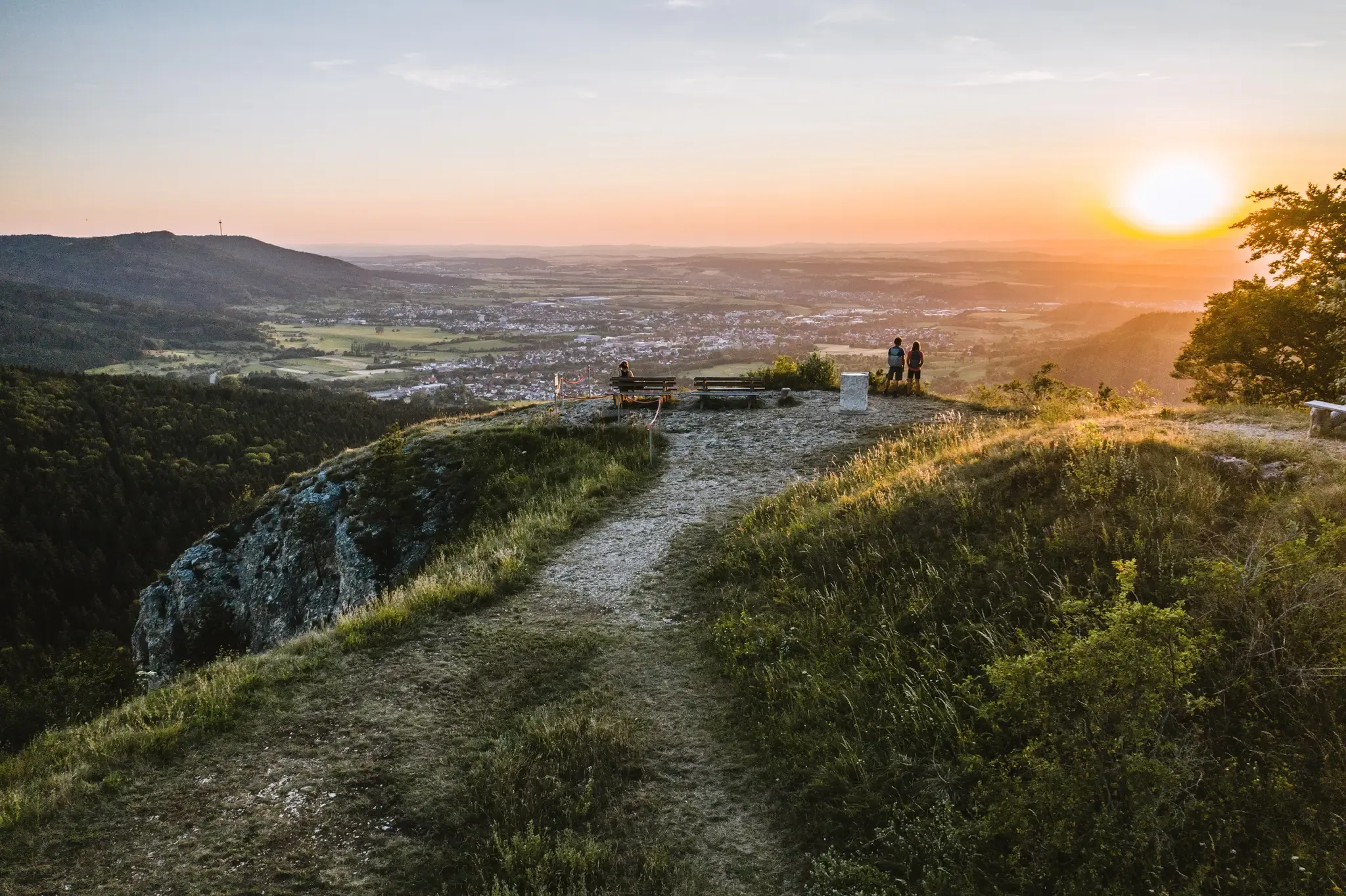
Discover the fascinating rocks and caves of Germany’s Swabian Alb
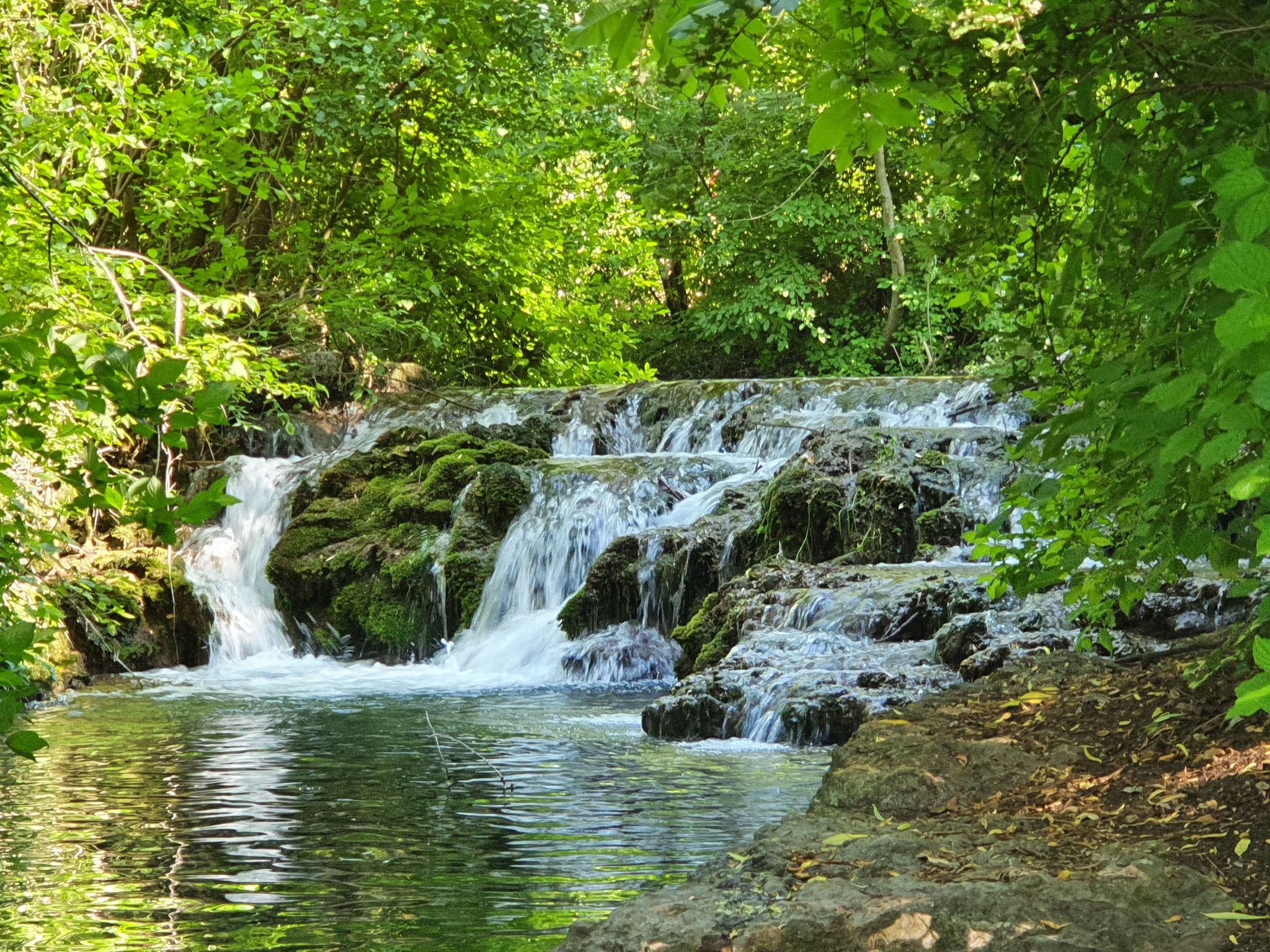
Explore the myths of the Swabian Alb – 20 fantastic bike Tours
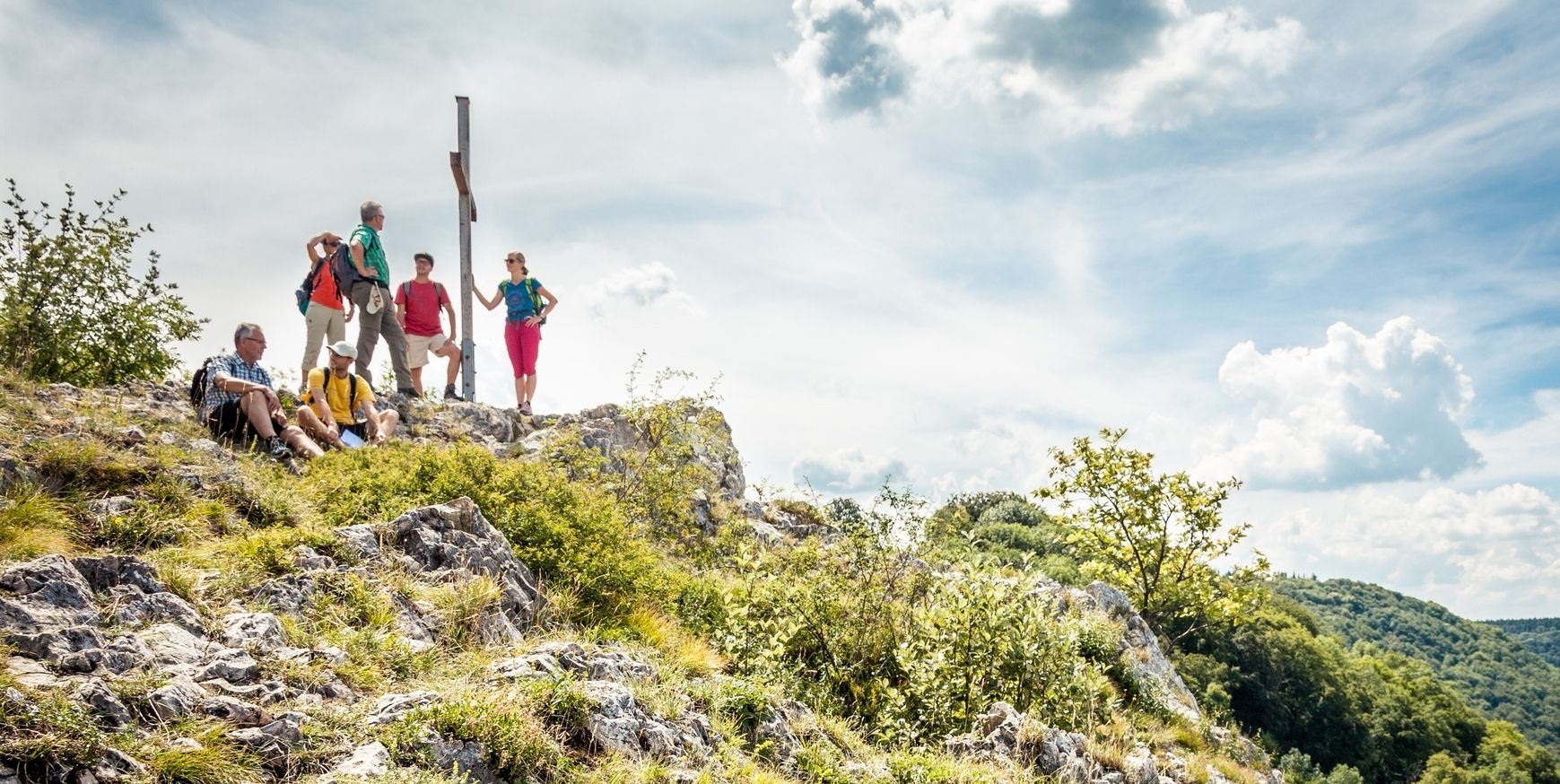
22 high mountain walks — hiking in the Swabian Alb
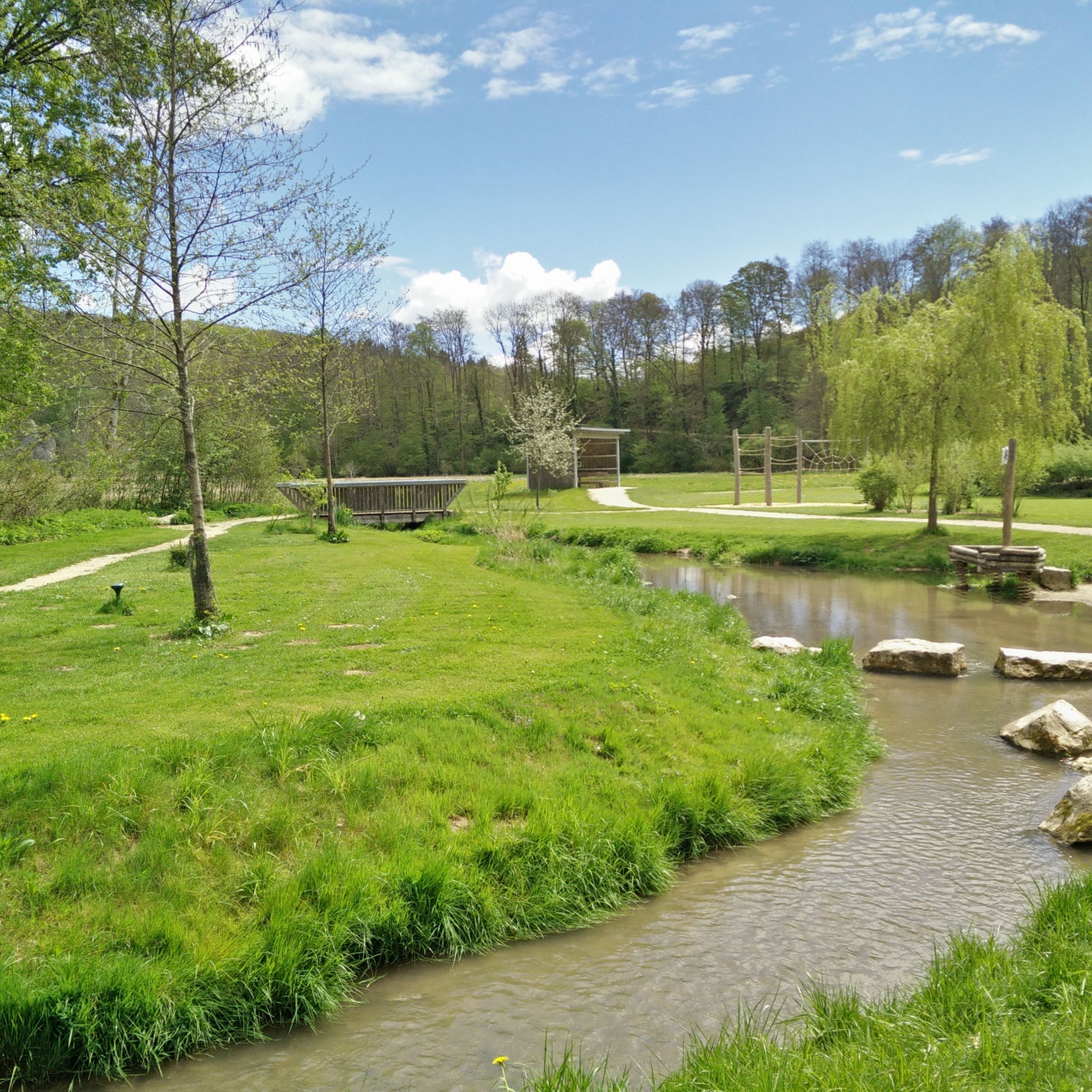
Hiking around Hayingen
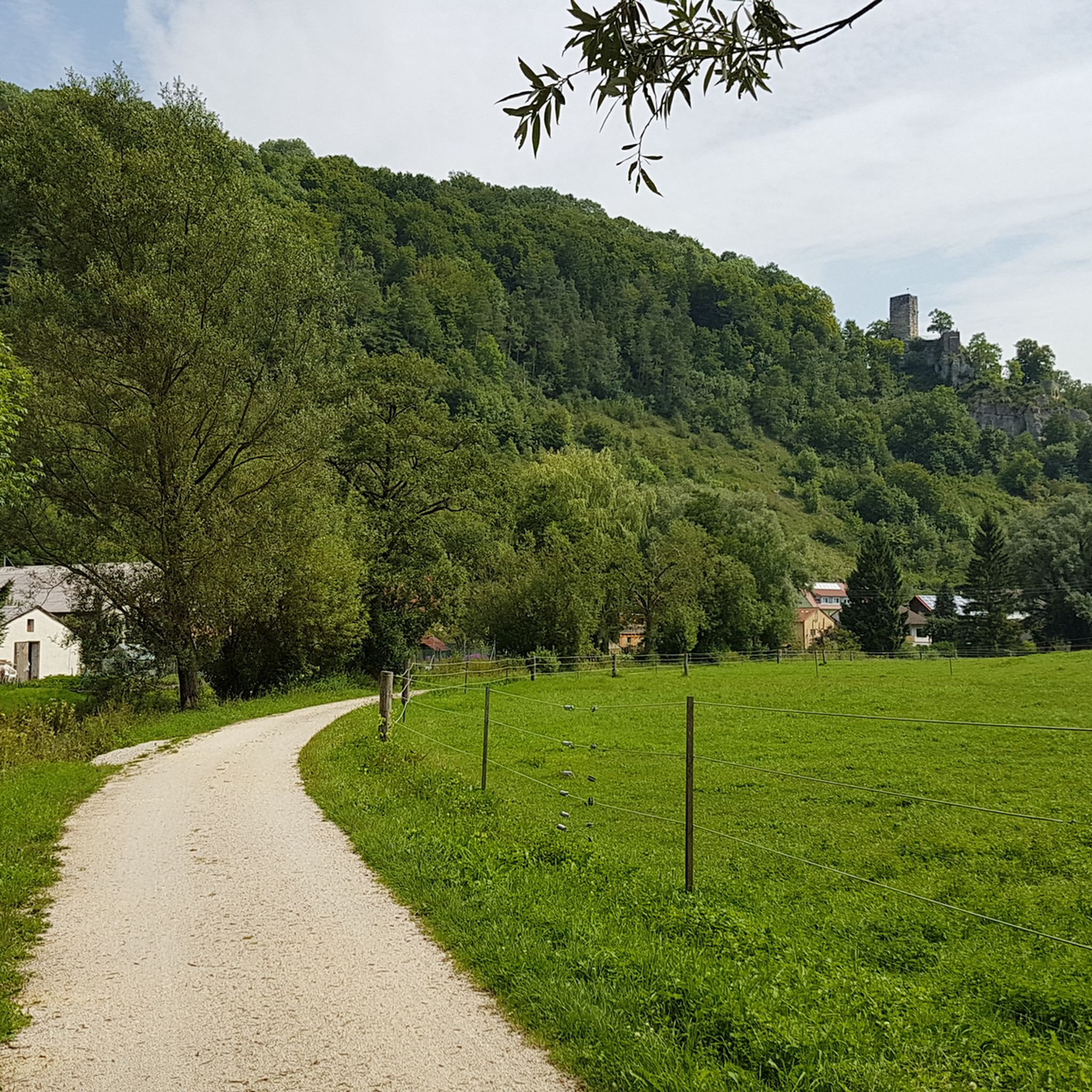
Cycling around Hayingen
Road Cycling Routes around Hayingen
Other adventures around Hayingen


Tips from the Community

Behind this highlight lies the fascinating story of the wild woman. The spot is beautifully situated, the information panel is valuable, and it sparks the imagination. Highly recommended.
3
0

Great route for everyone... but you're probably rarely alone here
9
0

Unfortunately it was blocked on June 22
3
0

A very distinctive and impressive cave located above the Danube. From the cave you have a great view of the Danube. However, the Ghost Cave is closed in the winter months until spring due to the bat population.
2
0

Old karst cave that was actually inhabited 100 years ago.
5
0
Very worth seeing, a great open karst cave that was inhabited 100 years ago.
4
0

The Ghost Cave The cave is also known as the Rechtenstein Cave, but the popular name is Ghost Cave. The 6 m high entrance portal opens to the south towards the Danube and offers a wonderful view over the valley. The cave has four parallel passages and branches. Inside the cave there are still some stalactites, some of which are weathered. Bone remains from cave bears and reindeer were found in the cave, but no tools from the Stone Age. It is therefore not certain that Stone Age hunters visited and used the cave. The reindeer bones do not yet prove the presence of humans, as the bone remains could also have been carried into the cave by animals. Source: https://rechtenstein.de/gemeinde/tourismus/
5
0
Frequently Asked Questions
What makes the caves around Hayingen unique?
The Hayingen area, nestled in the Swabian Alb, is home to the Wimsener Cave, which is Germany's only water cave accessible by boat. This offers a truly unique experience, allowing visitors to explore an underground river by boat. The region is also characterized by its diverse karst and water caves, formed in the ancient limestone of the Weißjura Formation.
Which caves are family-friendly in the Hayingen area?
The Wimsener Cave is highly recommended for families, offering a short, engaging boat ride into its illuminated interior. There's also a water playground nearby. The Käthra Kuche Cave, a semi-open karst cave, is also suitable for families looking for a historical and natural exploration.
What are the best times to visit the caves near Hayingen?
The main cave attraction, Wimsener Cave, is typically open from early April until early November. During this period, the weather is generally pleasant for exploring the surrounding natural landscape and enjoying the boat ride. Other caves like Geisterhöhle are also open from April to October. It's always a good idea to check specific opening hours before your visit.
Are there any historical or cultural sites near the caves?
Yes, the region combines natural beauty with historical significance. The Käthra Kuche Cave itself has historical importance as a former human dwelling. Additionally, you can find the View of the Rechtenstein castle ruins, which offers scenic views over the Danube and remnants of an 11th-century castle. The Geisterhöhle (Rechtenstein Cave) is also located near these ruins.
What kind of geological features can be observed in the caves?
The caves in the Hayingen area are primarily karst caves, formed in the limestone of the Weißjura Formation, dating back about 150 million years. You can observe features like stalactites in caves such as Geisterhöhle, and the powerful emergence of underground rivers, as seen at the Wimsener Cave where the Zwiefalter Aach river originates.
Are there hiking trails near the caves around Hayingen?
Yes, the area offers numerous hiking opportunities. For easy hikes, you can explore routes like the 'Hasenbach Spring – Glastal Valley loop from Wimsener Höhle / Friedrichshöhle' or the 'Wimsener Cave – Zwiefalter Ach loop from Wimsener Höhle / Friedrichshöhle'. You can find more details and routes on the Easy hikes around Hayingen guide.
What other outdoor activities can I do near the caves?
Beyond hiking, the region is excellent for cycling. There are various road cycling and touring bicycle routes available. For example, you can find routes like 'Lauchert Lake – Wimsener Cave loop from Indelhausen' for road cycling or 'Along the Große Lauter – Lauter Valley Cycle Path loop from Hayingen' for touring. Explore more options on the Road Cycling Routes around Hayingen and Cycling around Hayingen guides.
Is there parking available near the main cave attractions?
Yes, parking is generally available near popular cave sites. For instance, the Wimsener Cave has parking facilities for visitors. It's advisable to arrive early during peak season to secure a spot.
What should I wear when exploring the caves?
Inside the caves, temperatures remain consistently cool, typically between 7 and 8 °C, even in summer. It's recommended to wear warm clothing and sturdy, comfortable shoes, as paths can be damp or uneven. For the boat ride in Wimsener Cave, a light jacket is usually sufficient.
How long does it take to explore the Wimsener Cave?
The boat trip into the Wimsener Cave is relatively short, lasting approximately 10 minutes. However, visitors often spend more time in the surrounding hamlet of Wimsen, enjoying the natural landscape, the mill, and the inn, making it a pleasant half-day excursion.
Are there any caves where ancient animal remains have been found?
Yes, the Bear Cave in Wolfstal is known for bone finds from glacial animals like bears. Similarly, the Geisterhöhle (Rechtenstein Cave) has yielded bone remains from cave bears and reindeer, providing insights into the prehistoric fauna of the region.
Can I visit the caves during winter?
Most caves in the region, including the Wimsener Cave, are closed for winter, typically from early November until the end of March. This is due to natural conditions and to protect the cave environment. It's best to plan your visit during the warmer months when they are fully accessible.
Most popular routes around Hayingen
Most popular attractions around Hayingen

Get inspired with the komoot mobile app


Explore more
Extend your search for the best caves by checking out these guides of the top ones around Hayingen:
