Top 20 Lakes around Heinsberg
Lakes around Heinsberg provide diverse recreational opportunities within Germany's North Rhine-Westphalia region. The area is characterized by its natural landscapes, including wetlands and forests, alongside historical sites. Many lakes in this region are former gravel pits transformed into local recreation areas, offering accessible natural escapes. Heinsberg and its surroundings are known for their tranquil waters and opportunities for outdoor activities.
Best lakes around Heinsberg
- The most popular lakes is Saint Ludwig Boardwalk – De Meinweg, a trail that winds…
Last updated: August 2, 2026
Beaver wetland in the Schaagbach Valley
Highlight • Natural
Translated by Google •
Tip by

Lake Holtmühle
Highlight • Lake
Translated by Google •
Tip by

Sign up now to discover places like this
Get recommendations on the best single tracks, peaks, & plenty of other exciting outdoor places.
Sign up for free
Dalheim Mill
Highlight • Monument
Translated by Google •
Tip by

Saint Ludwig Boardwalk – De Meinweg
Highlight (Segment) • Trail
Translated by Google •
Tip by

Tüschenbroich Castle
Highlight • Castle
Translated by Google •
Tip by

Effelder Forest Lake
Highlight • Lake
Translated by Google •
Tip by

Adolfosee
Highlight • Lake
Translated by Google •
Tip by

Teverener Heide Nature Reserve
Highlight • Natural Monument
Translated by Google •
Tip by

Tüschenbroich Castle and Tüschenbroich Mill
Highlight (Segment) • Castle
Translated by Google •
Tip by
Teverener Heide Lakes
Highlight • Lake
Translated by Google •
Tip by

Sign up for free to discover even more lakes around Heinsberg.
Sign up for free
Already have an account?
Start today with a free account
Your next adventure awaits.
Login or Signup
Popular around Heinsberg
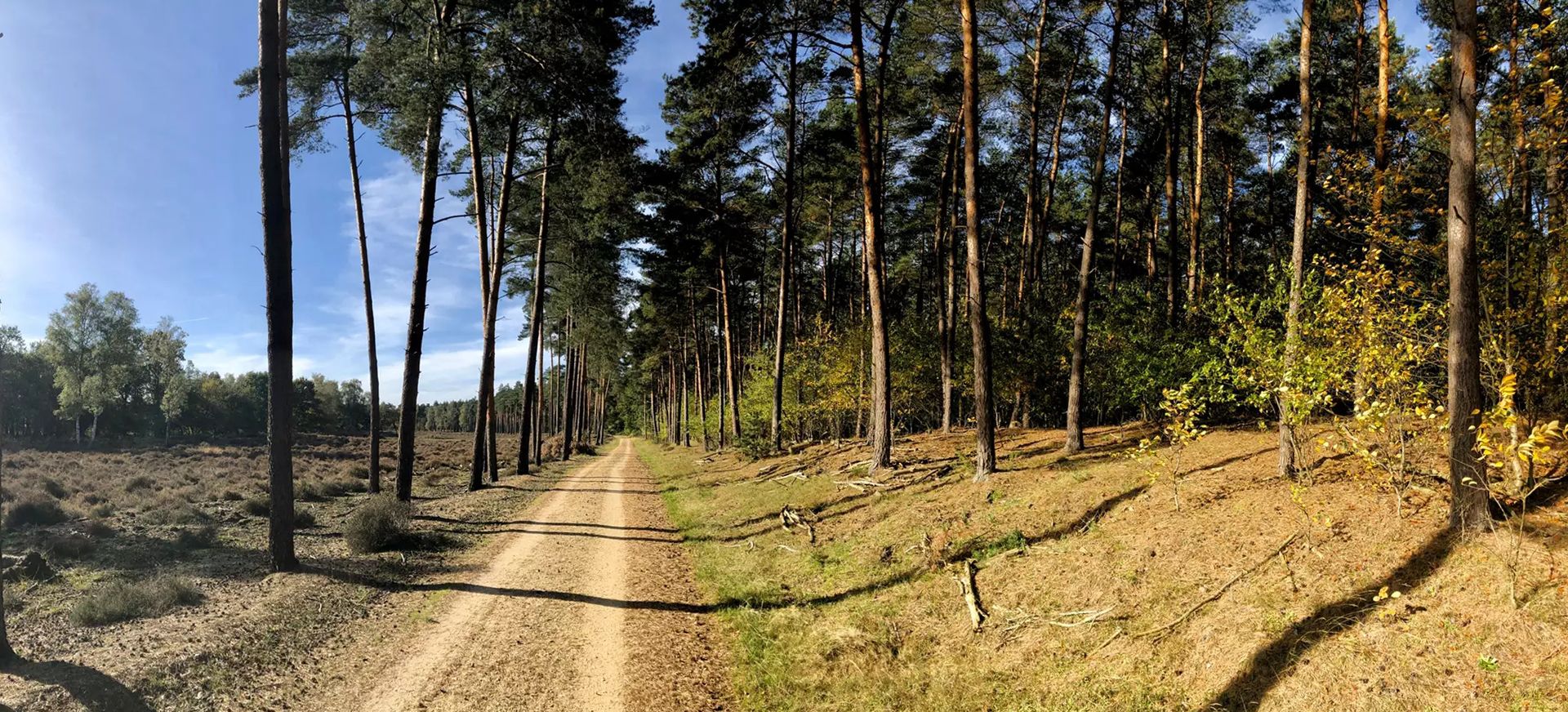
2-Country Route – Cycling from Germany to Netherlands
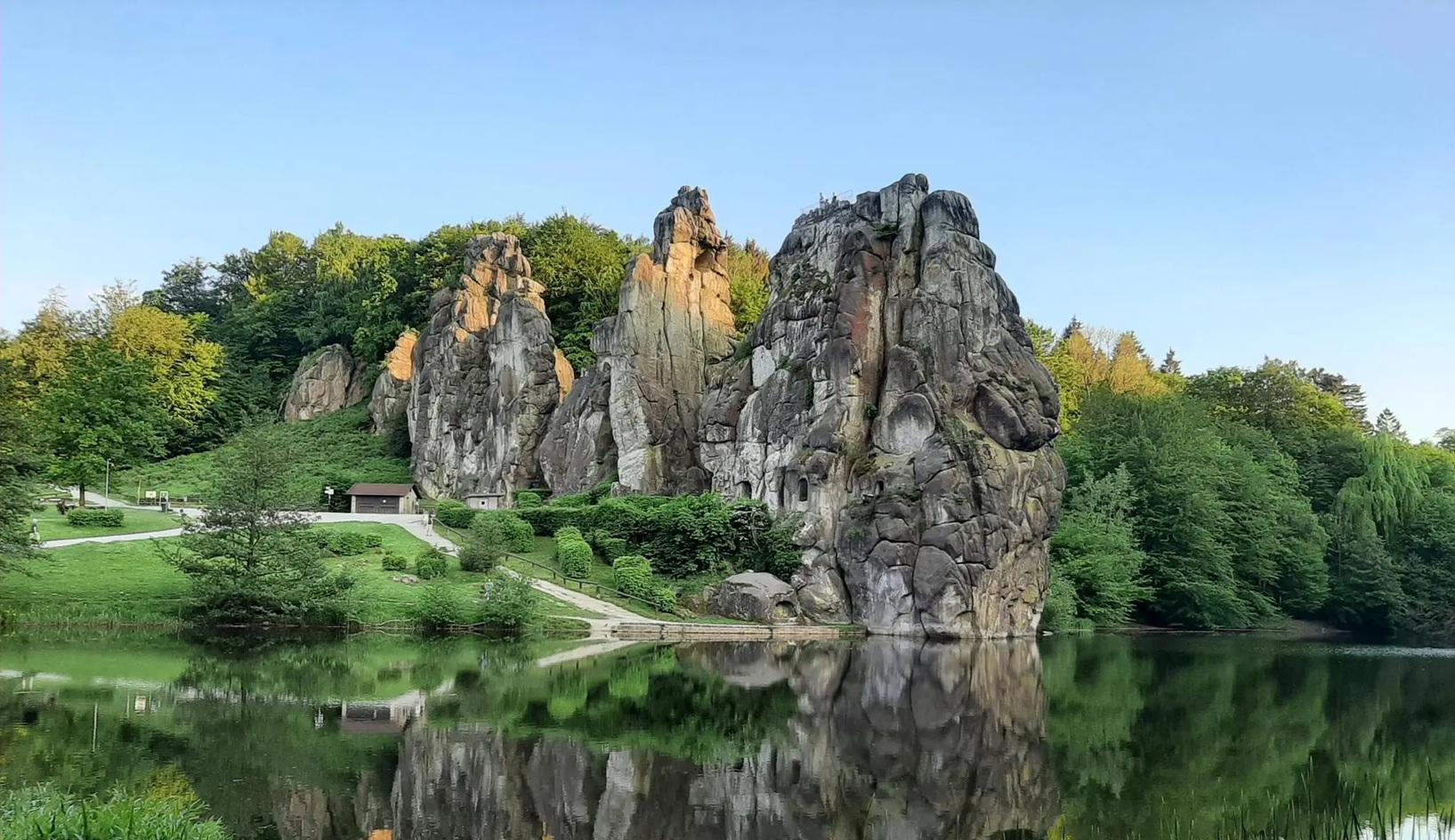
The National Natural Landscapes in Nordrhein-Westfalen
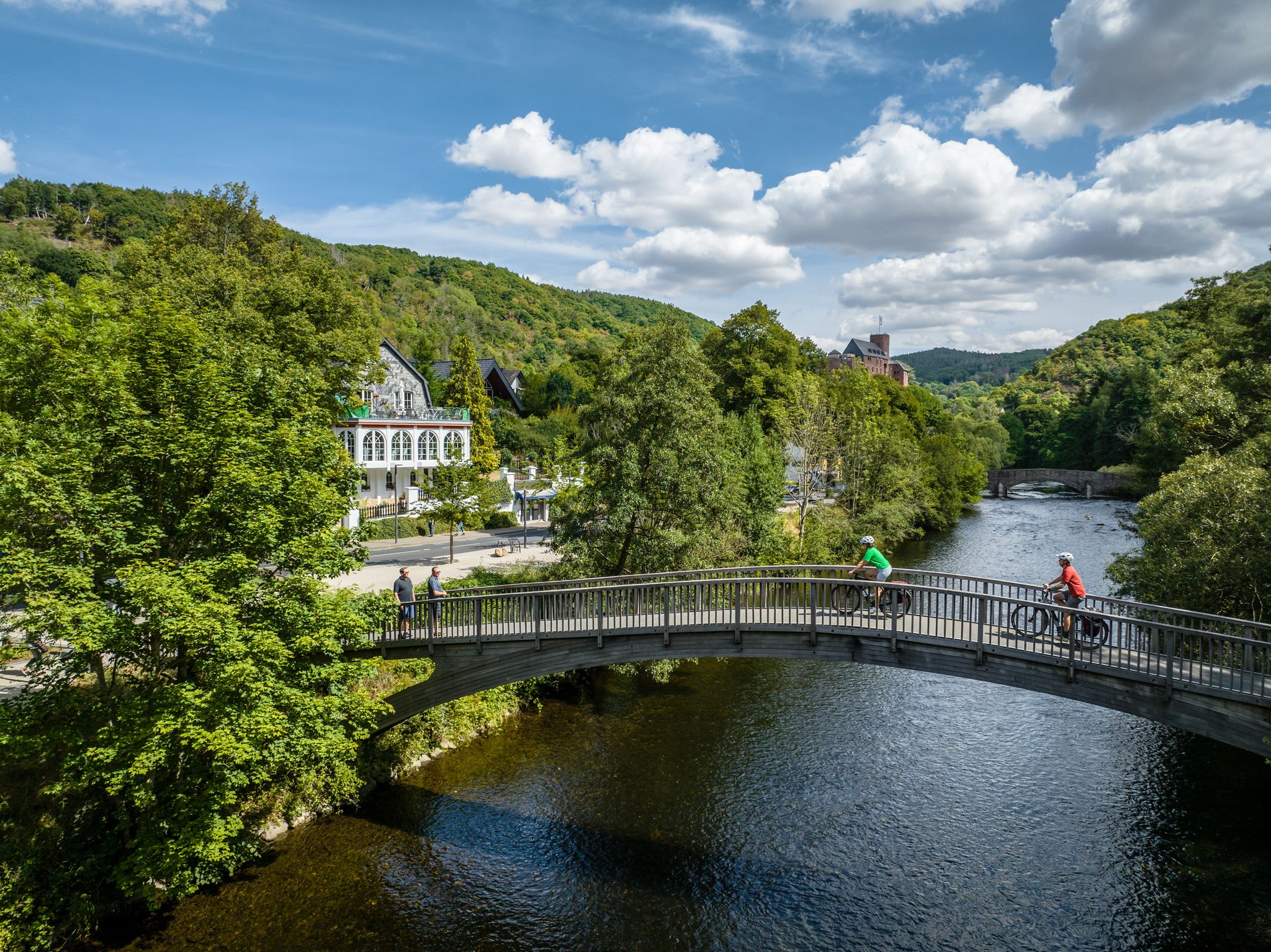
Heights, castles, moors – RURschleifen by bike
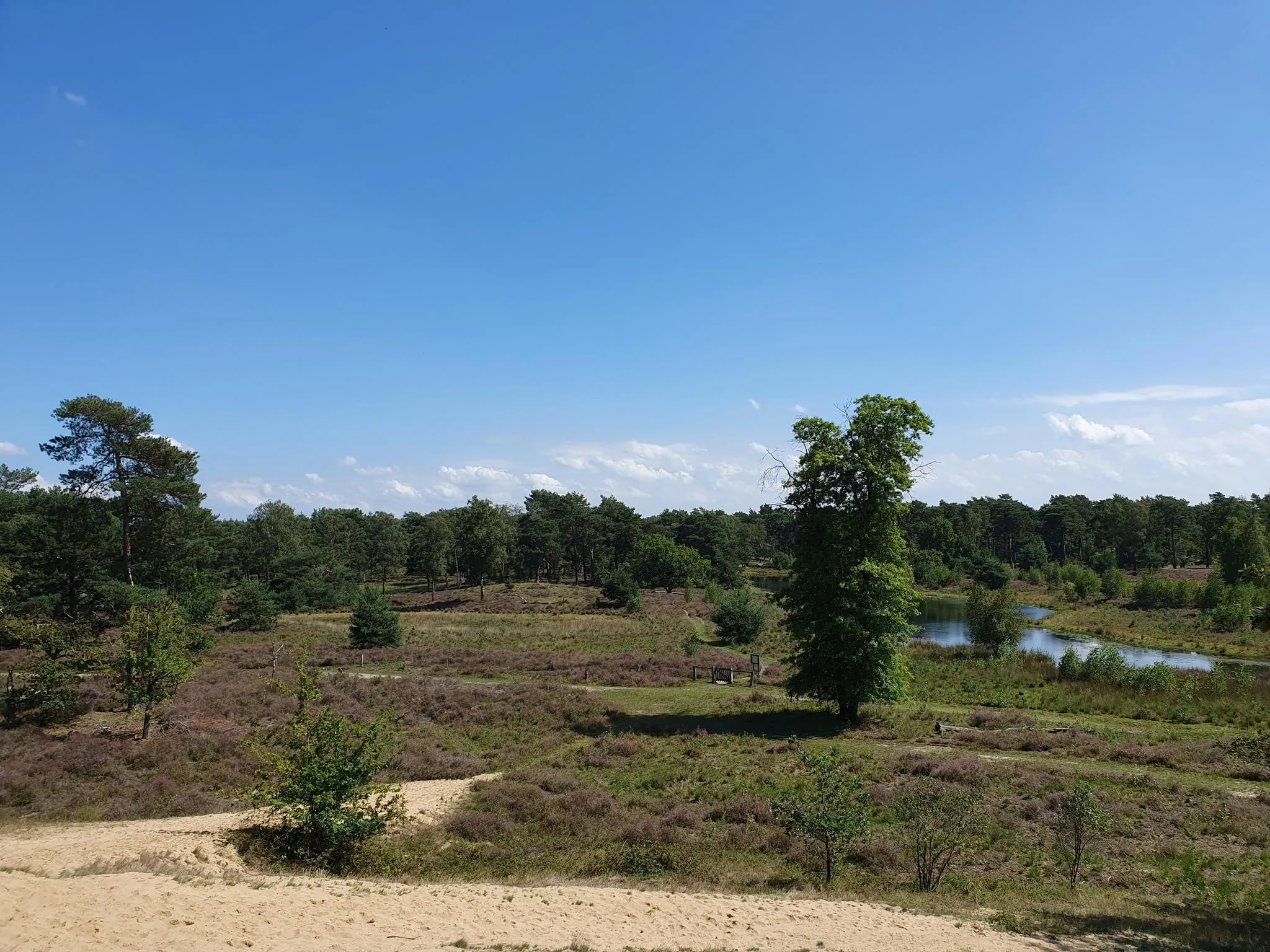
The Maas-Niederrhein Trail - Cross-border hiking in 19 stages
Leichte.Wander.Welt. - 10 barrier-free paths
Water.Hike.World. - Premium Hiking Trails
The way is the goal – Lower Rhein Route
Geile Strecke — the Limburg divide
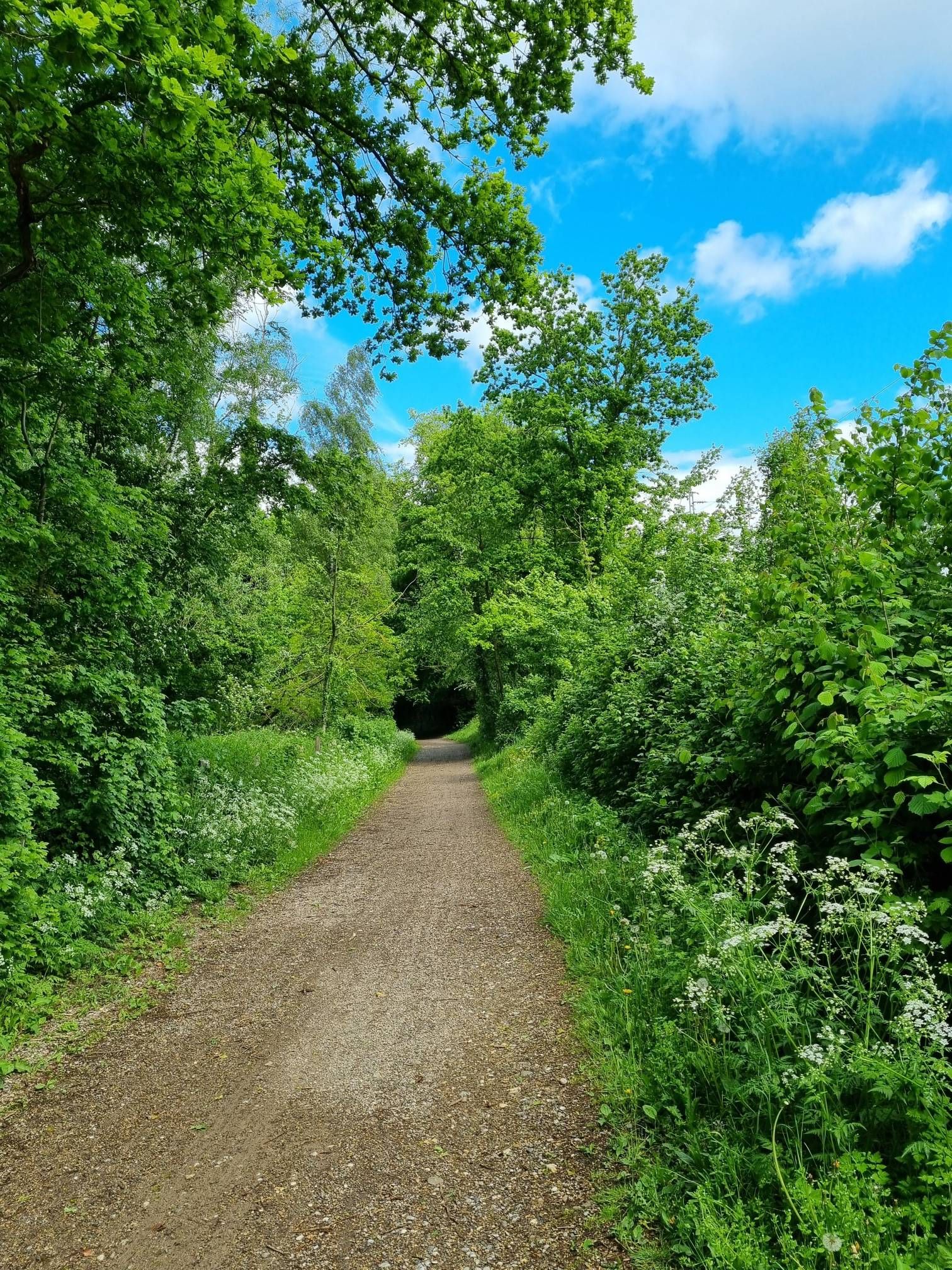
Landscape in transition – international cycling on the Green Route
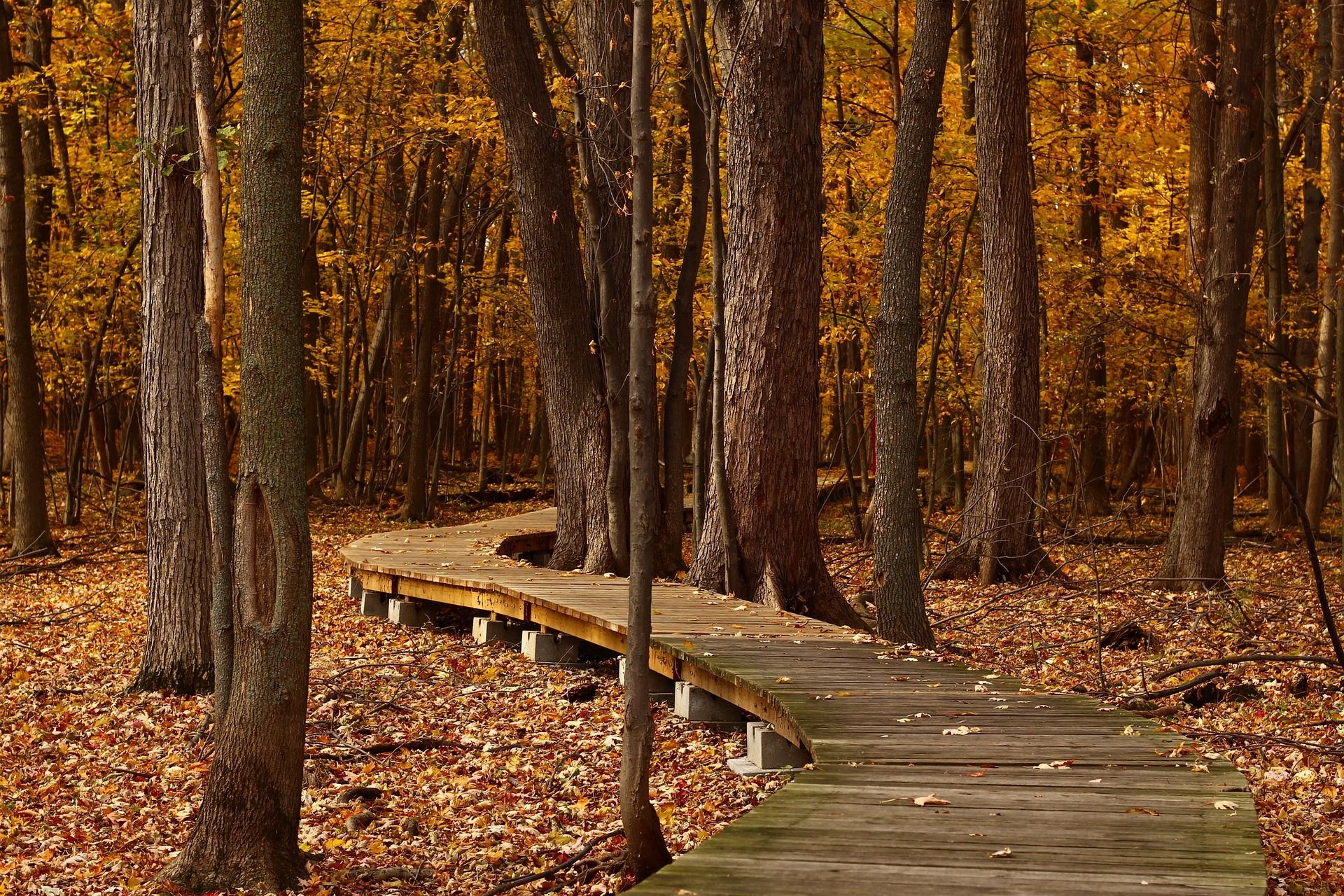
Top Hikes in Autumn - Ruhr Area and around Düsseldorf
Other adventures around Heinsberg


Tips from the Community

The tree in the middle of the lake and the boats on the shore are particularly idyllic.
13
1

Always worth a visit
7
0

There was no room available today
6
0


Always worth seeing; 👍
4
1

How difficult is it to add only photos that were taken at Lake Adolfo to the ADOLFOSEE highlight? Rur Hilfarth, it doesn't matter - go with it! Lago Heinsberg, whatever - go with it! Muddi & Vaddi somewhere, it doesn't matter - put it in! All that's missing are the last beach pictures from Mallorca! Guys - what's going on here?
8
0
Idyllic location and excellent cuisine.
7
0
The historical nucleus was the motte, now overgrown with trees, located in the middle of the mill pond. This motte, Tüschenbroich (an archaeological site on an island in the middle of the castle pond, probably separated from the mainland by a moat), was built as a moated castle and first mentioned in documents in 1172 as Thuschinbroc. The buildings burned down during the Thirty Years' War. Tüschenbroich belonged to Wassenberg and later to the Duchy of Jülich. In 1624, Franz von Spiering bought the war-damaged Tüschenbroich for 24,200 Reichstalers. He had the complex rebuilt as a baroque palace complex made of brick. The "Codex Welser," an illustrated inventory of all knightly fiefdoms in the Duchy of Jülich, shows both the main castle island and the outer bailey, parts of which are still preserved today, which later (after being destroyed) became the main castle. Tüschenbroich Castle seen from the motte. The castle was repaired in 1876 after being severely damaged in a storm. Tüschenbroich Castle is now privately owned.
7
0
Frequently Asked Questions
What are the best lakes for swimming and water activities around Heinsberg?
For swimming and water activities, Lago Laprello in Heinsberg is a popular choice, offering a refreshing escape. Adolfosee is another excellent option, known for its natural shoreline and allowing activities like sailing and windsurfing. While swimming is tolerated there, it's not an official bathing lake, so visitors swim at their own risk. Adolfosee also has a kiosk and boat rental facilities.
Are there family-friendly lakes in the Heinsberg region?
Yes, several lakes around Heinsberg are family-friendly. Lake Holtmühle, Effelder Forest Lake, Adolfosee, Pine Lake, and the Teverener Heide Lakes are all noted for being suitable for families, offering various recreational opportunities.
Where can I find historical sites near the lakes?
You can explore historical sites like Tüschenbroich Castle, which features a moated castle, restaurant, and pond, along with a medieval motte and oil mill. Another historical gem is Dalheim Mill, one of the oldest watermills in the region, offering a restaurant and terrace in a forest setting.
What kind of natural features and wildlife can I expect to see?
The region boasts diverse natural landscapes. The Beaver wetland in the Schaagbach Valley is a species-rich wetland with several natural streams, where you might spot kingfishers or bats. The Teverener Heide Nature Reserve also offers beautiful natural scenery, including forests and lakes. The area is characterized by wetlands and forests, providing a tranquil environment for nature observation.
Are there easy walking trails around the lakes?
Yes, there are many easy walking trails. For example, the Effelder Waldsee-Path and the Holtmühlen-Pfad are both easy routes. You can find more easy hiking options in the area by exploring the Easy hikes around Heinsberg guide.
Can I bring my dog to the lakes around Heinsberg?
Dogs are generally allowed on a leash around many lakes. For instance, at Adolfosee, dogs on a leash are permitted around the lake, and some areas even provide bag dispensers for proper disposal. However, be aware that some specific areas, like the boardwalks at Saint Ludwig Boardwalk – De Meinweg, do not allow dogs.
What cycling opportunities are available near the lakes?
The region offers excellent cycling opportunities. The Adolfosee is located directly on the Rur cycle path, making it a convenient stop for cyclists. You can find various routes, including those around the Rur, by checking the Cycling around Heinsberg guide.
Are there any unique natural experiences, like boardwalks or wetlands?
Absolutely. The Saint Ludwig Boardwalk – De Meinweg offers a unique experience with a wide wooden walkway winding through a swampy, marshy peat forest, resembling a jungle expedition. The Beaver wetland in the Schaagbach Valley is another significant wetland area with diverse habitats.
Where can I find facilities like cafes or restaurants near the lakes?
You'll find facilities at several locations. Lake Holtmühle has a cafe. Tüschenbroich Castle features a restaurant, and Dalheim Mill also has a restaurant with a terrace. At Adolfosee, there is a kiosk and boat rental available.
What is the best time to visit the lakes around Heinsberg?
The lakes are enjoyable year-round. Warm days are ideal for swimming and water activities at places like Lago Laprello. Spring and autumn offer pleasant temperatures for hiking and cycling, while the natural landscapes, including wetlands and forests, provide beauty in every season.
Are there any lakes suitable for fishing or diving?
Yes, Adolfosee is a popular and fish-rich body of water for anglers and divers. It even has a filling station for divers. The lake was leased by the Ratheimer Angelverein, indicating its suitability for fishing.
What kind of mountain biking trails are available in the area?
For mountain biking enthusiasts, there are various trails around Heinsberg, ranging from moderate to difficult. You can explore routes like the Birgelen Primeval Forest Trail or the Parkstad Singletrack. More details can be found in the MTB Trails around Heinsberg guide.
Most popular routes around Heinsberg
Most popular attractions around Heinsberg

Get inspired with the komoot mobile app


Didn’t find what you were looking for?
Find the best lakes around Heinsberg per region:
Explore more
Still not found your perfect lake around Heinsberg? Check out the guides of these regions to see even more beautiful places.
