Top 20 Natural Monuments around Erkrath
Best natural monuments around Erkrath are found within the Neanderland region, offering diverse landscapes and ecological features. This area is characterized by river valleys, forests, and protected natural reserves. Erkrath's natural areas provide opportunities for outdoor recreation and are valued for their ecological significance. The region combines natural beauty with historical importance, particularly in the Neandertal.
Best natural monuments around Erkrath
- The most popular natural monuments is Trail along the Düssel in Neandertal, a trail that invites visitors to…
Last updated: August 6, 2026
Urdenbacher Kämpe – At the Ausleger
Highlight (Segment) • Natural
Translated by Google •
Tip by

Trail along the Düssel in Neandertal
Highlight • Trail
Translated by Google •
Tip by

Sign up now to discover places like this
Get recommendations on the best single tracks, peaks, & plenty of other exciting outdoor places.
Sign up for free
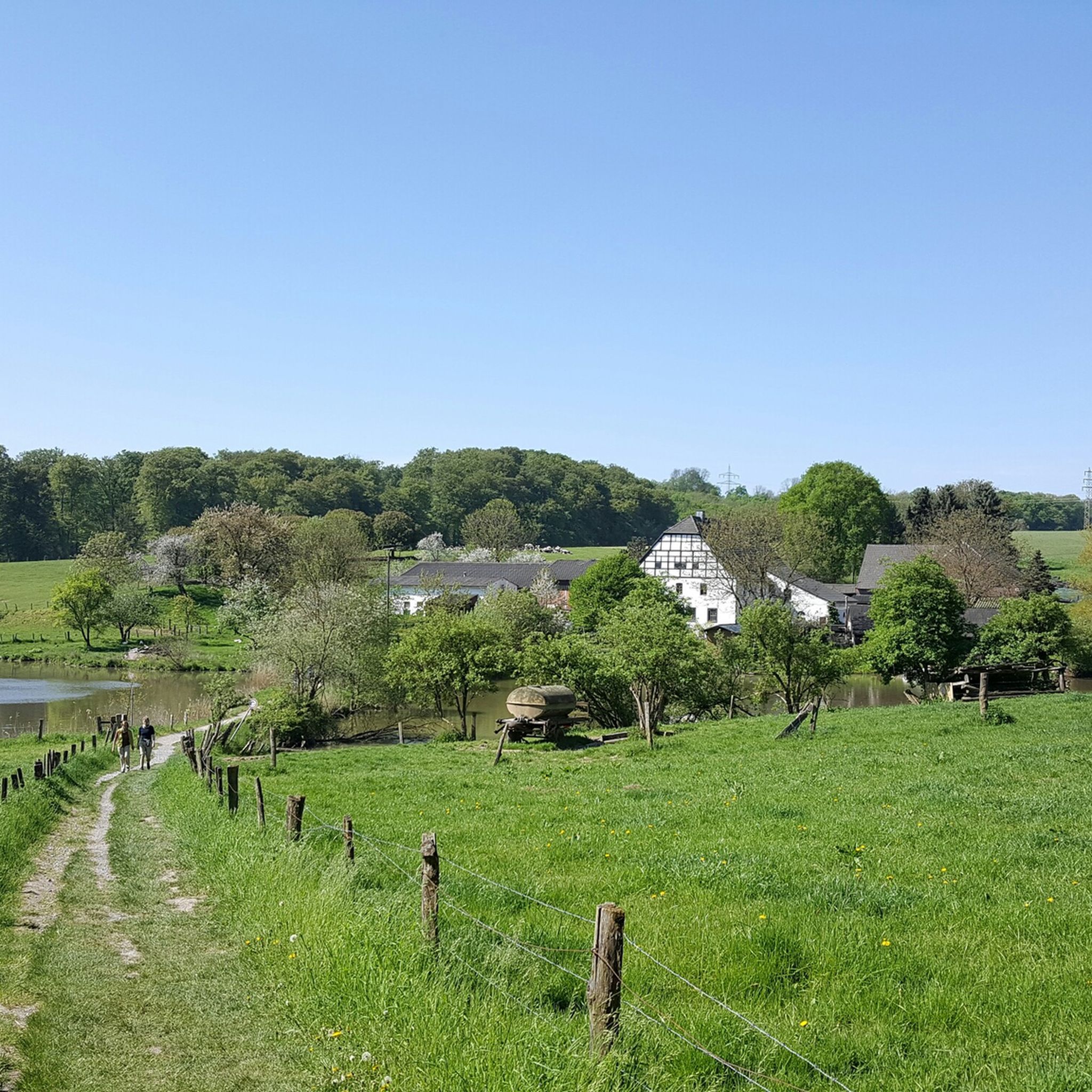
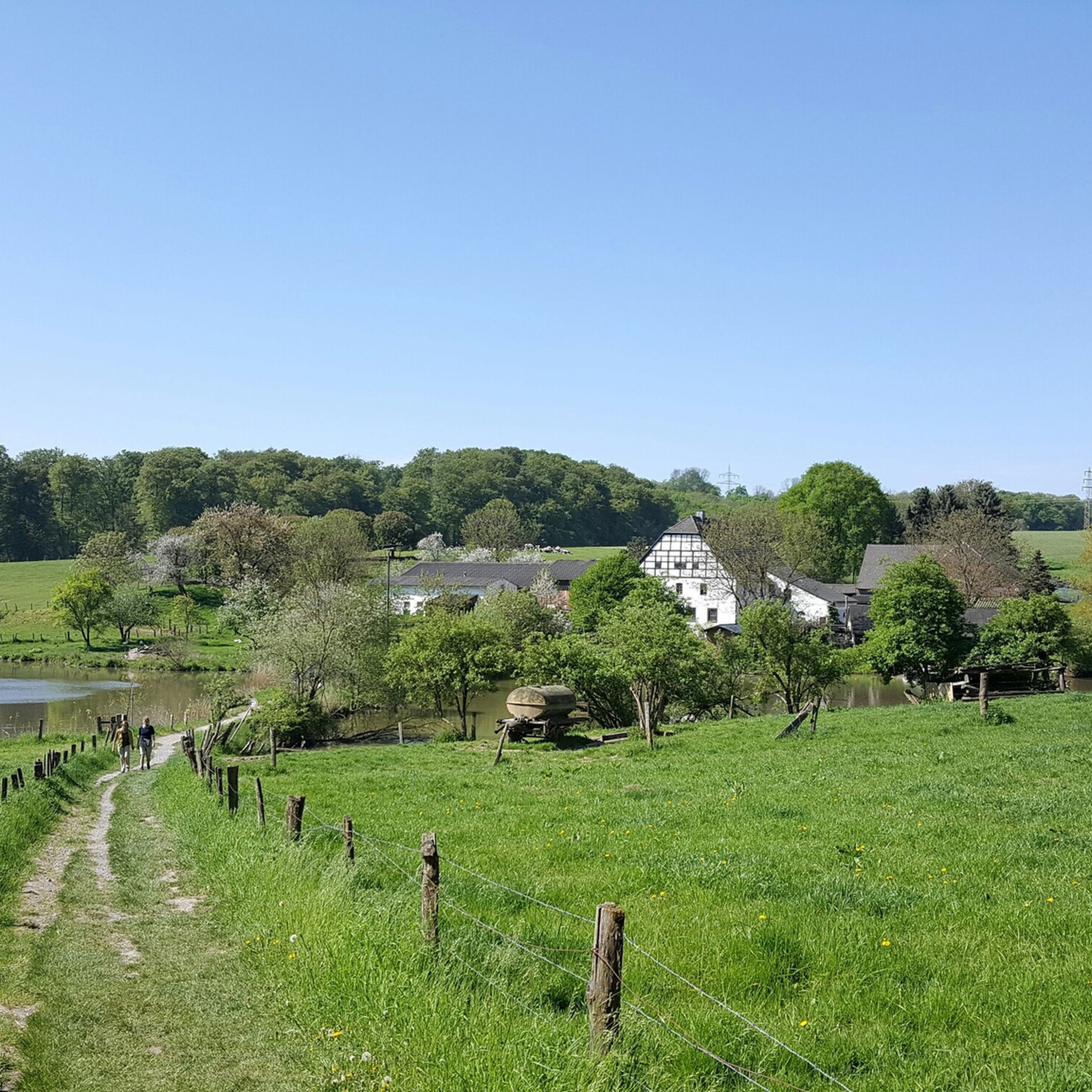
View of the Rotthäuser Bachtal ponds
Highlight • Viewpoint
Translated by Google •
Tip by

Recreation area Grube 7
Highlight • Natural Monument
Translated by Google •
Tip by

The Neander Valley
Highlight (Segment) • Gorge
Translated by Google •
Tip by

Sign up for free to discover even more natural monuments around Erkrath.
Sign up for free
Already have an account?
Start today with a free account
Your next adventure awaits.
Login or Signup

Other adventures around Erkrath

Tips from the Community

Very nice to hike along here.
7
1

Very nice paths lead through the forest.
10
5

The Rotthäuser Bachtal has been a nature reserve since 1984 and is also designated as an FFH area. (FFH areas are areas that have been selected for the "Natura 2000" protected area system.) The special thing about the valley are its wetlands, the stream that gave it its name, its springs, the numerous fish ponds and extensive reed beds. In addition, there are valuable alder, ash and softwood floodplain forests as well as woodrush beech forests. This creates a diverse and varied landscape in a small area. The Rotthäuser Bachtal is home to rare animal species such as reed warblers, reed buntings and kingfishers as well as dragonflies such as the "blue-green darter". The flora is also rich in species, including plants that are threatened according to the "Red List", such as giant horsetail and watercress.
13
0

"ZEIT WISSEN Podcast" and "Peter_H_65 🐻" wrote everything that is worth knowing.
9
3

Such a wonderful area for hiking
11
2

The first part of the hike from Unterbacher See to the northern turning point is both scenic and challenging. Unfortunately, the way back from the north to the lake can't keep up: too many asphalt paths, too close to urban development. It may be wiser to hike back the way there...
9
1

Beautiful large ponds, then you enter a beautiful winding road. Walk over the bottom of the mountain, otherwise you will get wet feet. Because it was still very muddy.
8
1

The Neandertal with the Düssel is unexpectedly beautiful. You feel far away from any civilization - until you hear a siren and are reminded that you are only a few meters away from the nearest town.
12
5
Frequently Asked Questions
What are some of the most popular natural monuments to visit around Erkrath?
Visitors frequently enjoy the Trail along the Düssel in Neandertal, which offers beautiful scenery in every season. Another highly regarded spot is The Neander Valley itself, known for its varied hiking trails and historical significance. The Düssel River in the Neander Valley is also a favorite, providing attractive views and opportunities for peaceful rests.
Are there family-friendly natural monuments in the Erkrath area?
Yes, several natural monuments around Erkrath are suitable for families. The Trail along the Düssel in Neandertal and The Neander Valley offer easy paths and the chance to see prehistoric animals in the Ice Age game reserve. The Urdenbacher Kämpe – At the Ausleger also features family-friendly trails, some of which are paved.
What kind of natural features can I expect to see in Erkrath's natural monuments?
Erkrath's natural monuments boast diverse features. You'll find river valleys like the Düssel and Stinderbach, characterized by streams, ponds, and wet biotopes. There are extensive forests, including alder, ash, and beech, as well as gorges and former quarries like the Recreation area Grube 7, which has transformed into a unique nature reserve. The Rotthäuser Bachtal, for instance, is known for its reed beds and diverse plant and animal life.
What outdoor activities can I do near these natural monuments?
The natural monuments around Erkrath are excellent for various outdoor activities. You can enjoy hiking, running, and even mountaineering on trails that wind through these scenic areas. For example, there are numerous hiking routes around Erkrath, including easy paths along the Düssel and through the Stinderbachtal. You can also find running trails and mountain hikes that explore the region's natural beauty.
Are there any historical or cultural sites integrated with the natural monuments?
Yes, the Neandertal is famously significant as the site where the remains of Neanderthal man were discovered. The Neander Valley itself is a blend of natural beauty and historical importance. The Recreation area Grube 7 is a former limestone quarry that has become a nature reserve, offering insights into the region's industrial past. Additionally, the Stinderbachtal is part of the 'Alt-Erkrath Monument Route,' which connects historical buildings with natural landscapes.
What is the best time of year to visit the natural monuments in Erkrath?
Many natural monuments in Erkrath, such as the Trail along the Düssel in Neandertal, are wonderful to visit in every season. Spring brings vibrant greenery and blossoms, like the snowdrops in the Düsseltal. Summer offers pleasant conditions for longer walks, while autumn transforms the forests with colorful foliage. Even in winter, the quiet valleys and trails offer a unique, serene experience.
Can I observe wildlife in these natural areas?
Absolutely. The natural monuments are rich in biodiversity. The Rotthäuser Bachtal is a habitat for rare bird species like reed warblers and kingfishers, as well as various dragonflies. In the Neandertal Nature Reserve, you can observe replica breeds of prehistoric animals like aurochs, tarpans, and European bison in the Ice Age game reserve. The Stinderbachtal is also an excellent spot for observing animals such as herons, ducks, and various other birds.
Are there specific trails or routes recommended for hiking in these natural monuments?
Yes, there are many recommended trails. The Neandertal offers leisurely circular hikes, often taking about 1.5 hours, with beautiful views and information boards. The Rotthäuser Bachtal has rustic natural paths, and the Neandertalsteig passes through it, popular for hiking and mountain biking. The Stinderbachtal features paths that sometimes run directly alongside the murmuring stream, providing a soothing walk. You can find more detailed hiking routes around Erkrath.
What makes the Rotthäuser Bachtal a significant natural monument?
The Rotthäuser Bachtal is a designated nature protection and FFH (Fauna-Flora-Habitat) area, making it ecologically significant. It features a unique combination of wet biotopes, springs, fish ponds, and extensive reed beds. The valley is home to valuable alder, ash, and alluvial forests, providing a diverse habitat for rare animal species like reed warblers, kingfishers, and various dragonflies, as well as plants on the 'Red List' such as giant horsetail and watercress.
What is special about the Stinderbachtal?
The Stinderbachtal is known for its idyllic and atmospheric setting, featuring numerous forest bridges and steps. It boasts diverse biotopes, including ponds, wet meadows, and natural forest areas. A walk through this valley is considered particularly soothing and relaxing, with paths often running directly alongside the murmuring stream. It's also part of the 'Alt-Erkrath Monument Route,' offering a blend of natural beauty and historical context.
Are there any viewpoints within the natural monuments around Erkrath?
Yes, several natural monuments offer scenic viewpoints. The Neander Valley and the Düssel River in the Neander Valley provide beautiful vistas of the river and surrounding forests. The Recreation area Grube 7, a former quarry, also features viewpoints from its steep slopes, offering unique perspectives of the transformed landscape.
Most popular routes around Erkrath
Most popular attractions around Erkrath

Get inspired with the komoot mobile app


Explore more
Extend your search for the best caves by checking out these guides of the top ones around Erkrath:
