Feldberger Seenlandschaft
Feldberger Seenlandschaft
Attractions and Places To See around Feldberger Seenlandschaft - Top 20
Attractions and places to see around Feldberger Seenlandschaft include a diverse range of natural features and cultural sites. This region, part of the Mecklenburg Lake District, is characterized by clear lakes, ancient forests, and rolling hills, shaped by the Ice Age. It offers opportunities to explore expansive nature parks, historical villages, and unique natural phenomena. Visitors can find numerous places for outdoor activities and cultural exploration.
Best attractions and places to see around Feldberger Seenlandschaft
- The most popular attractions is…
Last updated: September 25, 2026
Himmelpfort Lock
Highlight • Structure
Translated by Google •
Tip by

Himmelpfort Monastery Ruins
Highlight • Historical Site
Translated by Google •
Tip by

Sign up now to discover places like this
Get recommendations on the best single tracks, peaks, & plenty of other exciting outdoor places.
Carwitz Village
Highlight • Settlement
Translated by Google •
Tip by

Lychen: Old Town and Historic City Gates
Highlight • Historical Site
Translated by Google •
Tip by

Asphalt bike path along Platkowsee
Highlight • Cycleway
Translated by Google •
Tip by

Sign up for free to discover even more attractions around Feldberger Seenlandschaft.
Already have an account?
Start today with a free account
Your next adventure awaits.
Popular around Feldberger Seenlandschaft
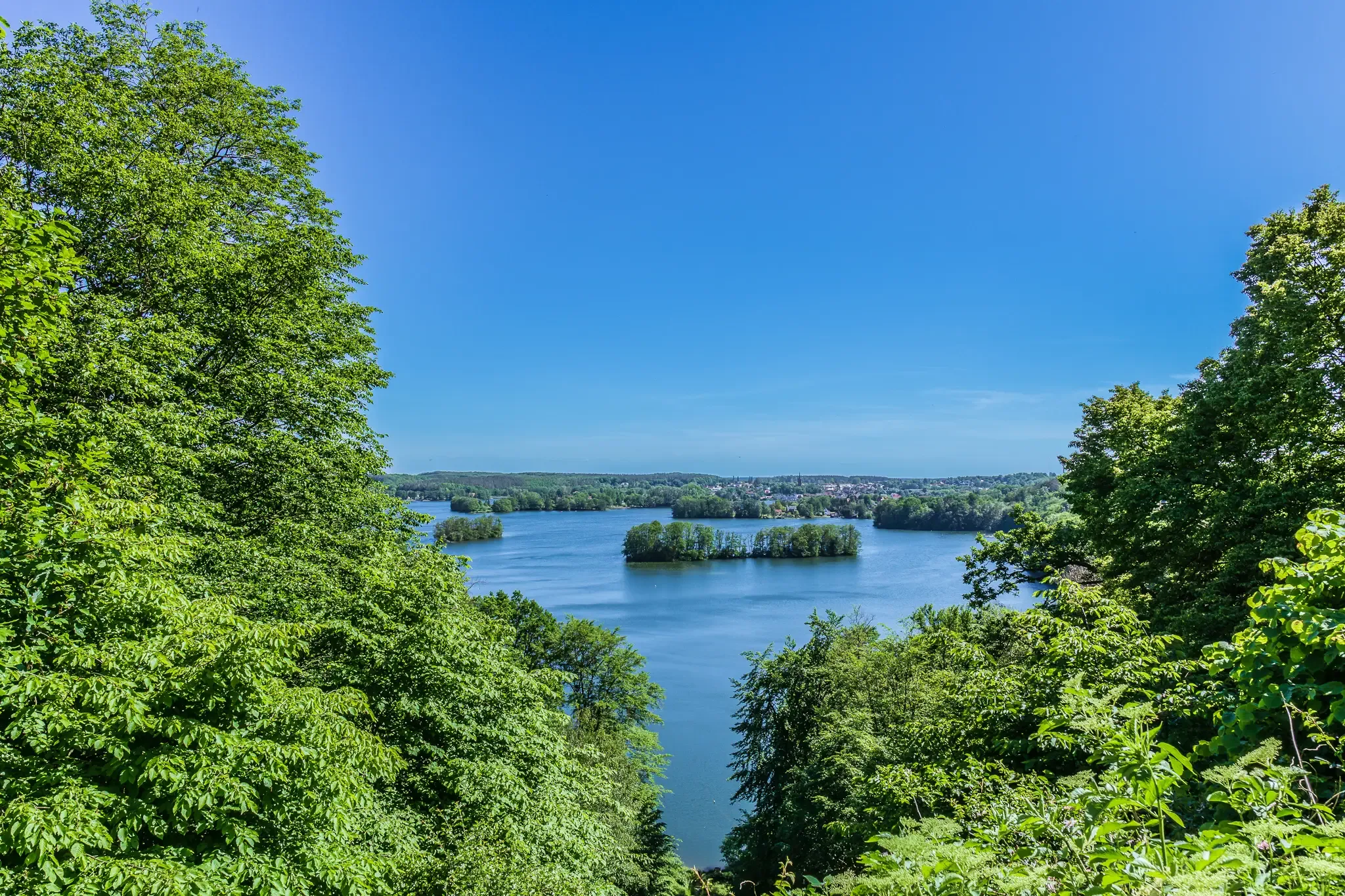
Germany's MV Nature Park Trail — Hike through epic natural landscapes
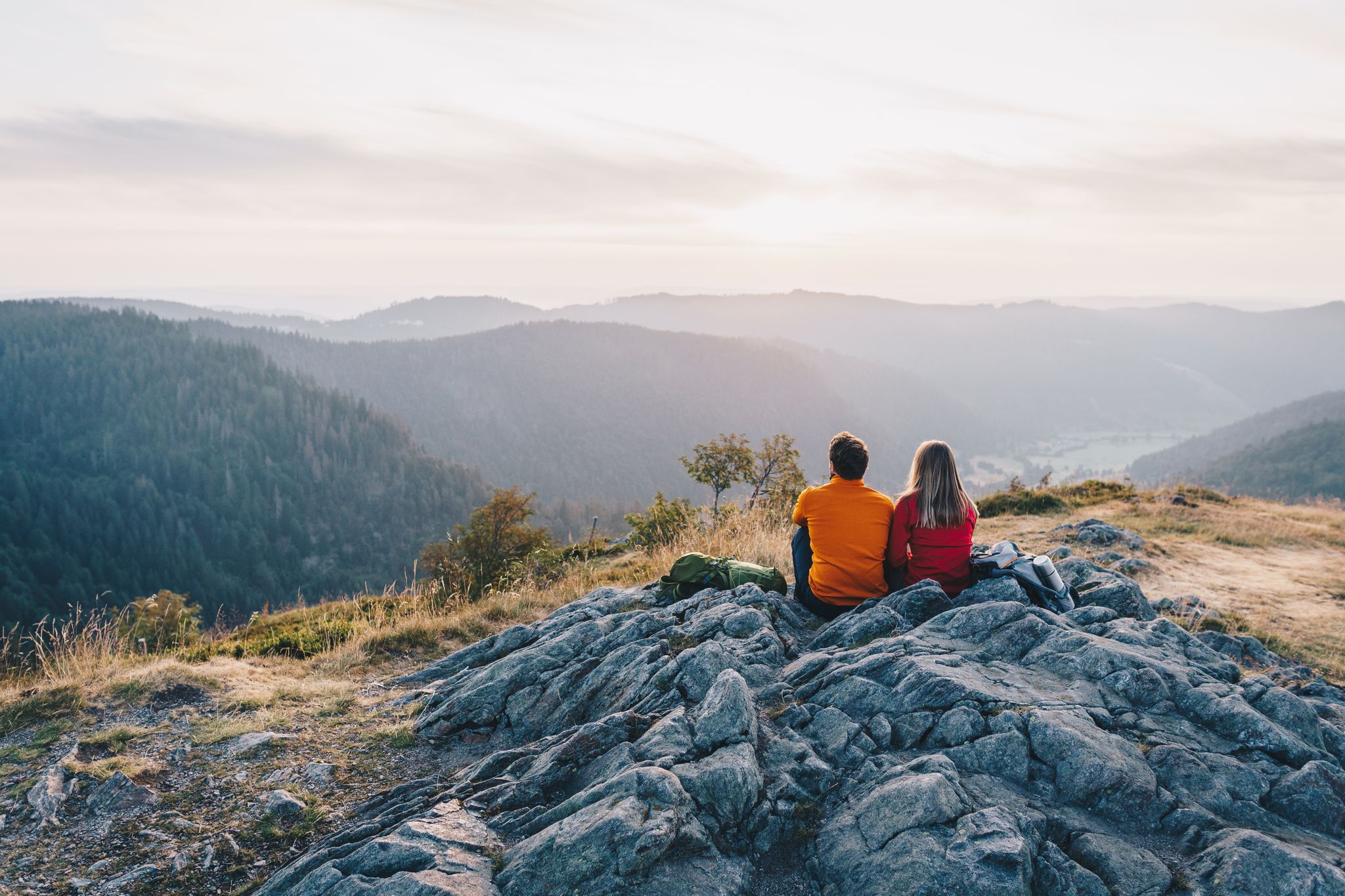
ZweiTälerSteig and other cool hikes in Germany
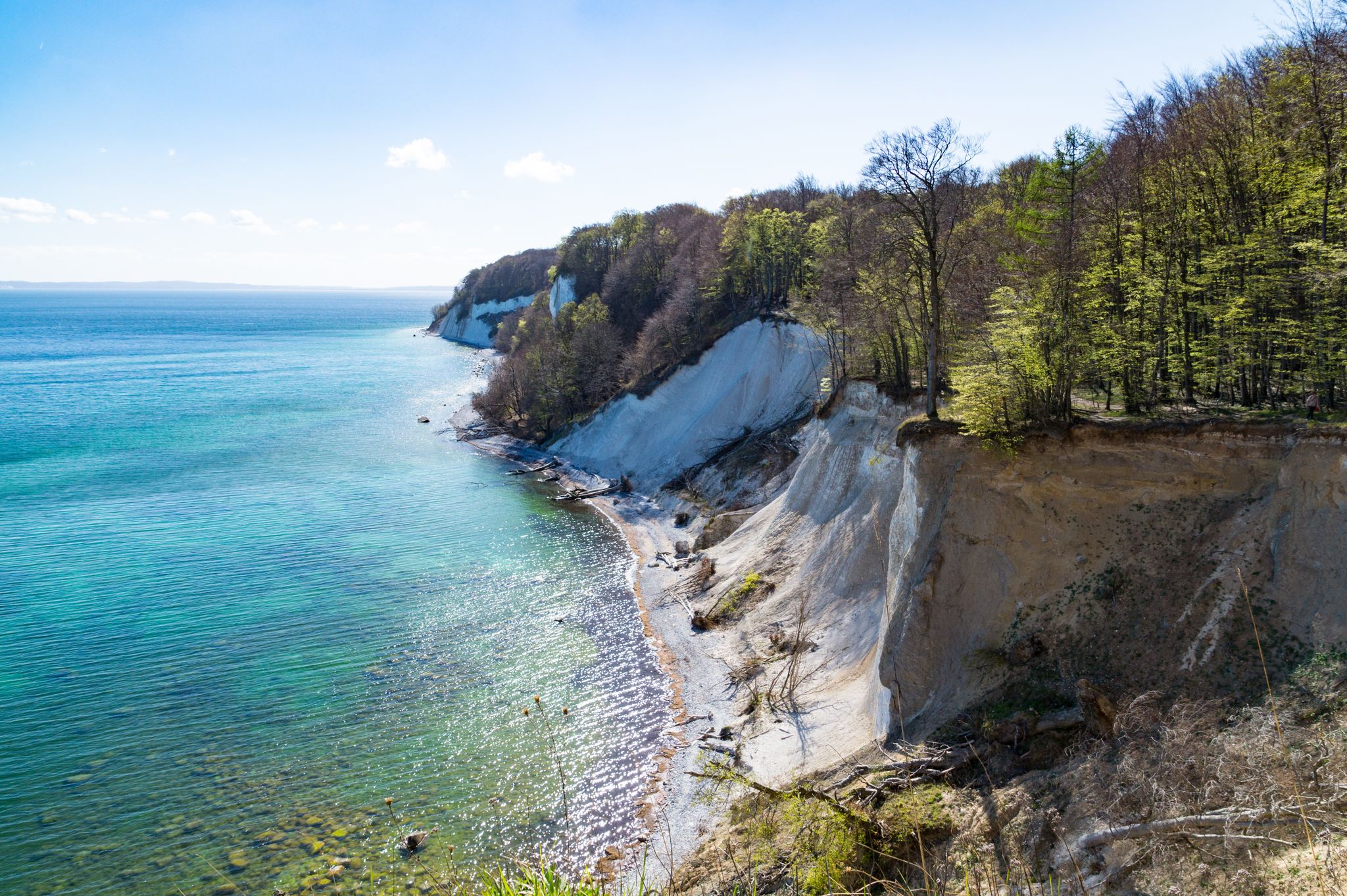
The National Natural Landscapes in Mecklenburg-Vorpommern
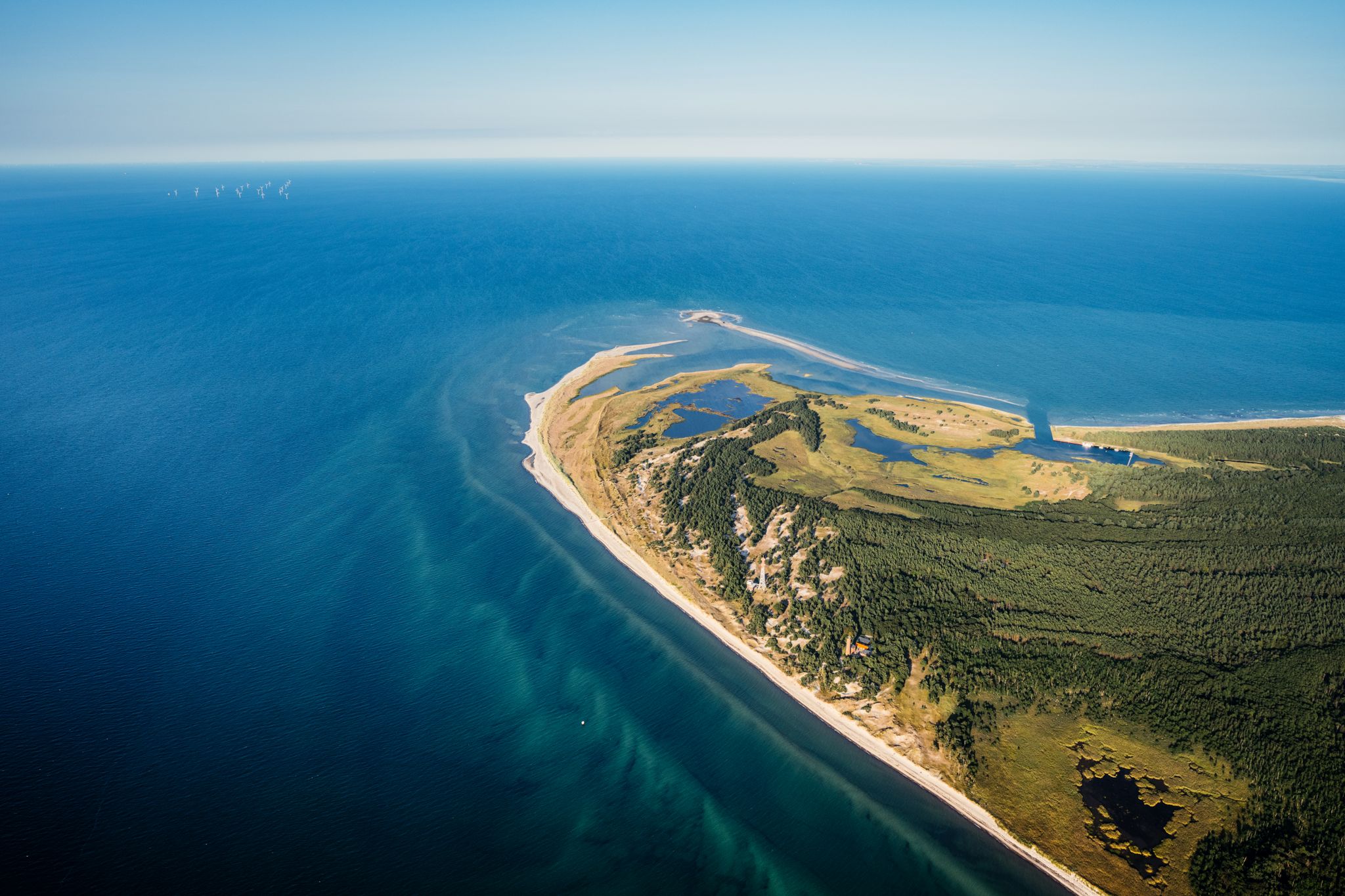
Coast, forest and moors – hike in Mecklenburg-Vorpommern
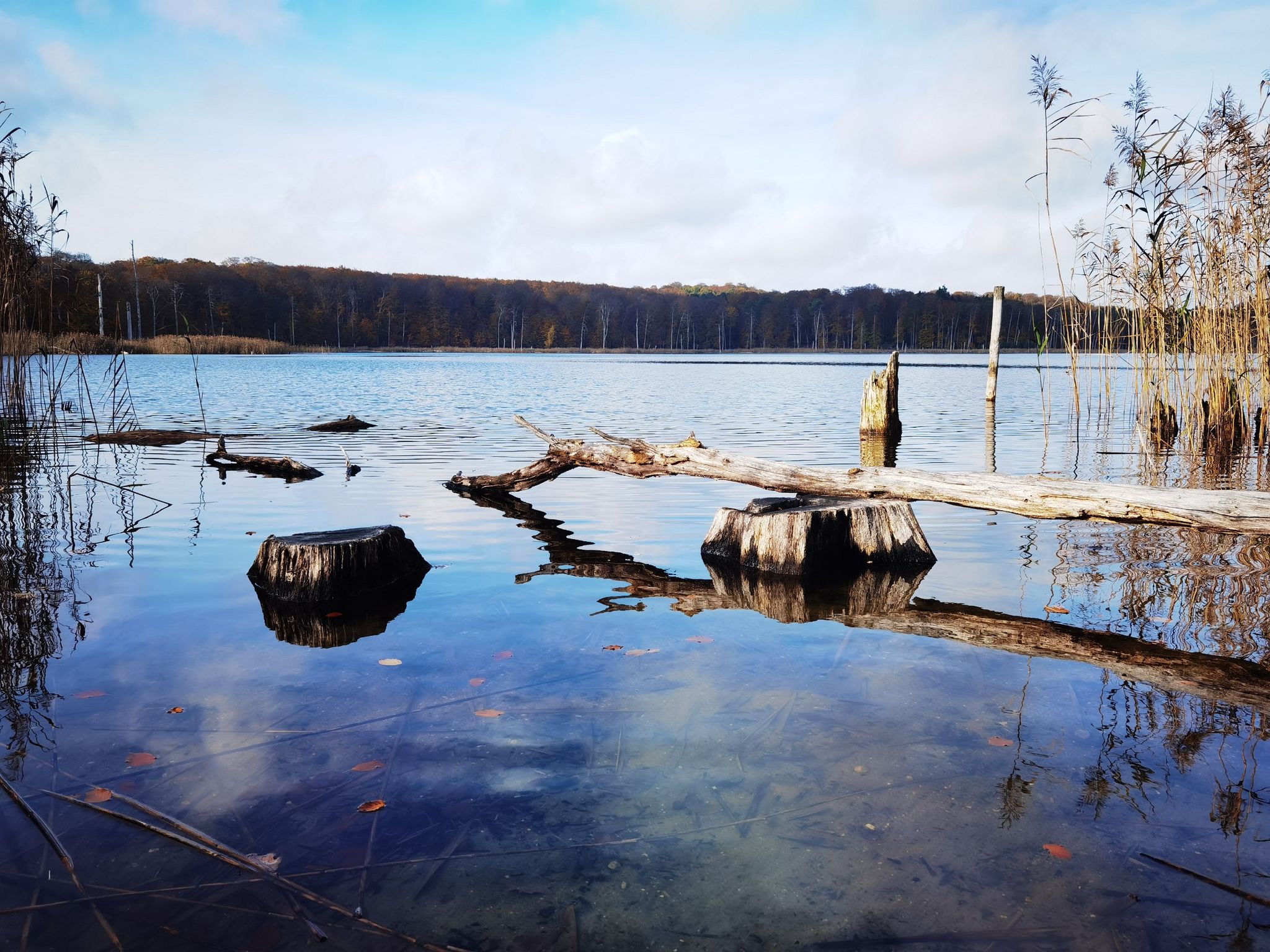
Müritz National Park - hiking trails in the Serrahn part
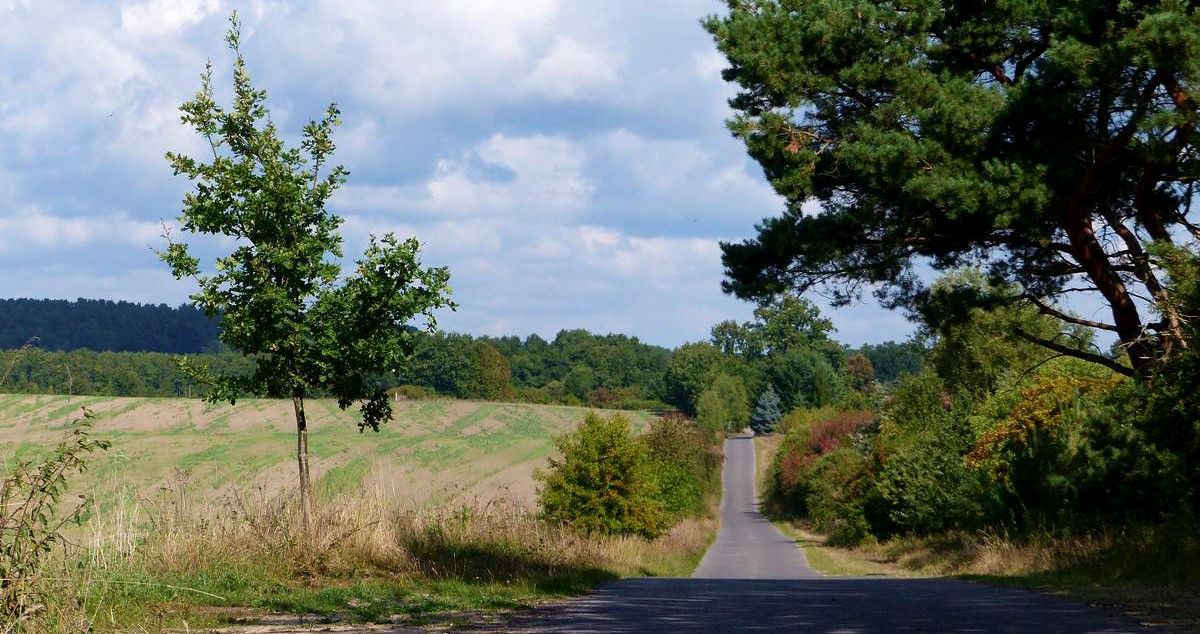
Cycling the Ice Age Route in the Mecklenburg Lake District
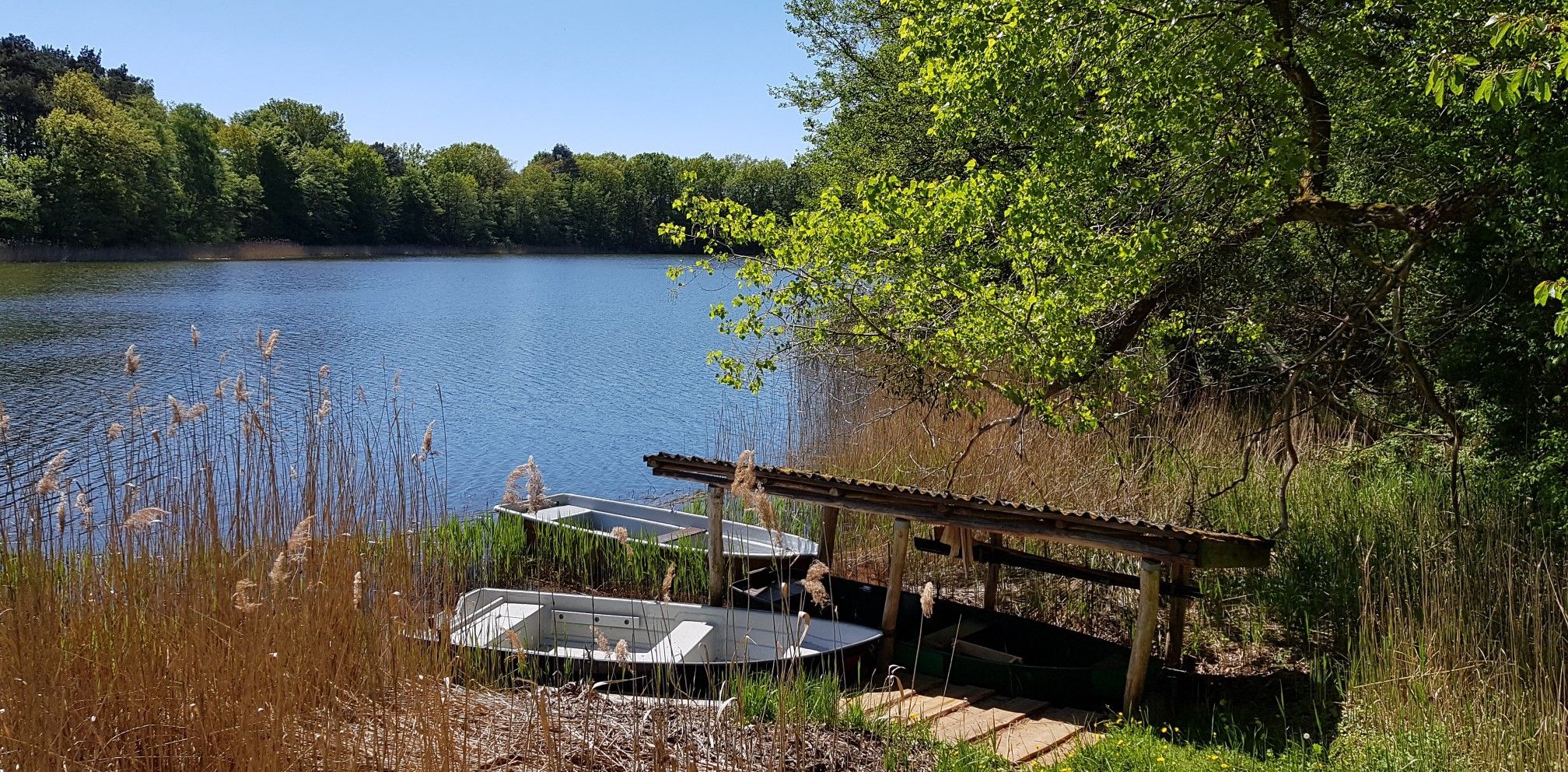
Explore the Uckermark in northern Germany – Märkischer Landweg
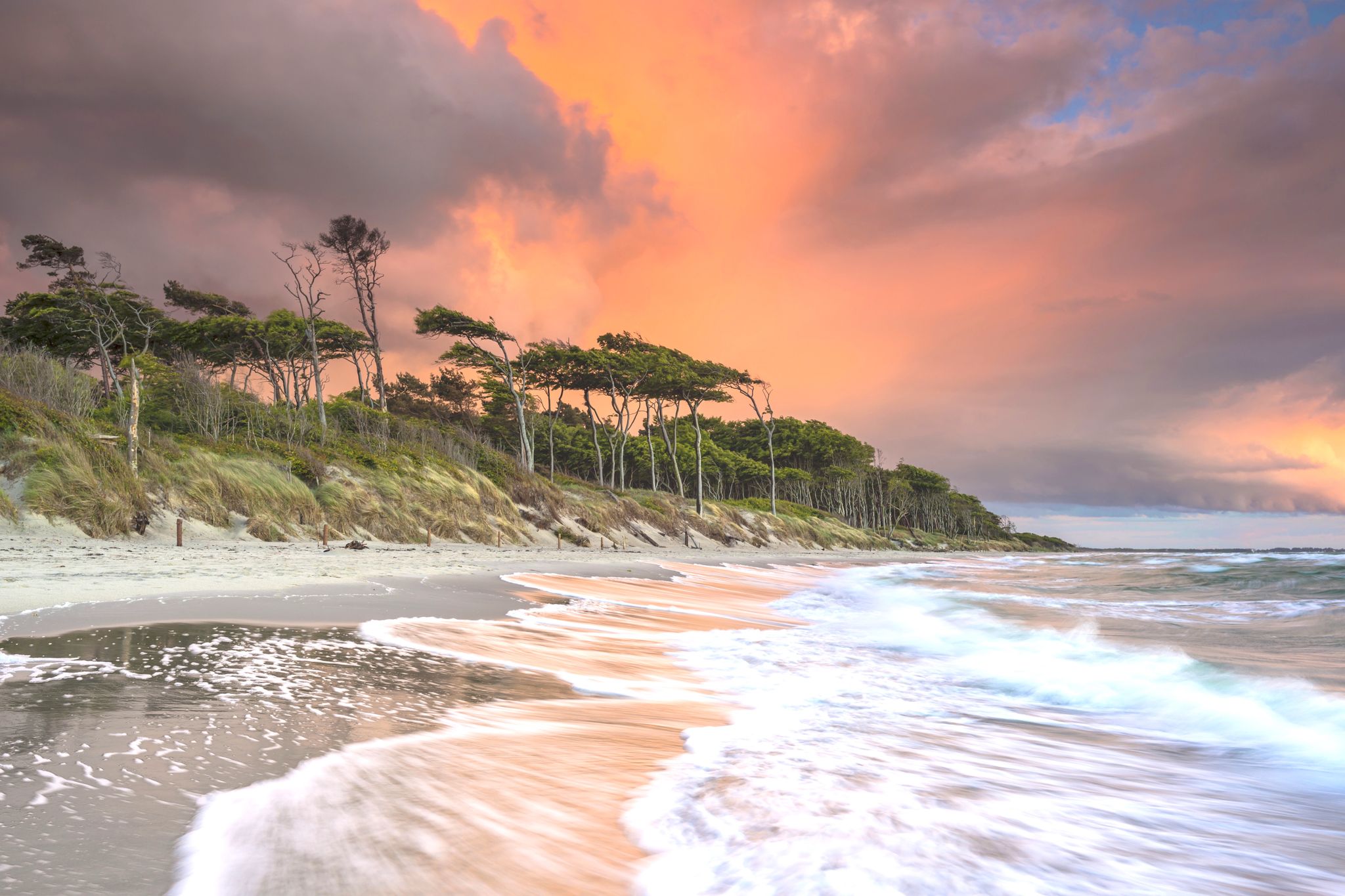
Hiking the Mecklenburg Lake District and Baltic coast – winter in the North
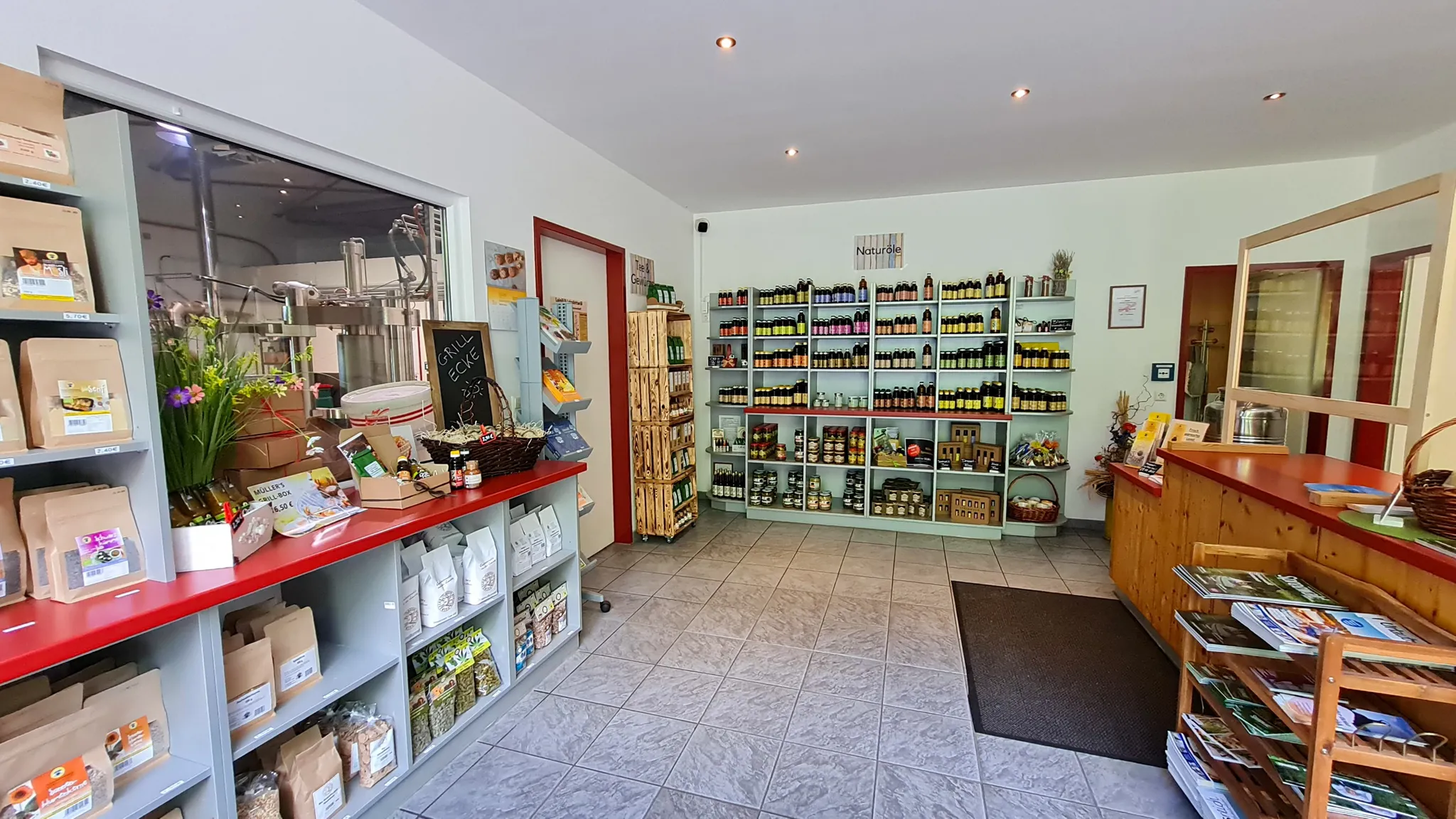
Farm shops in Brandenburg
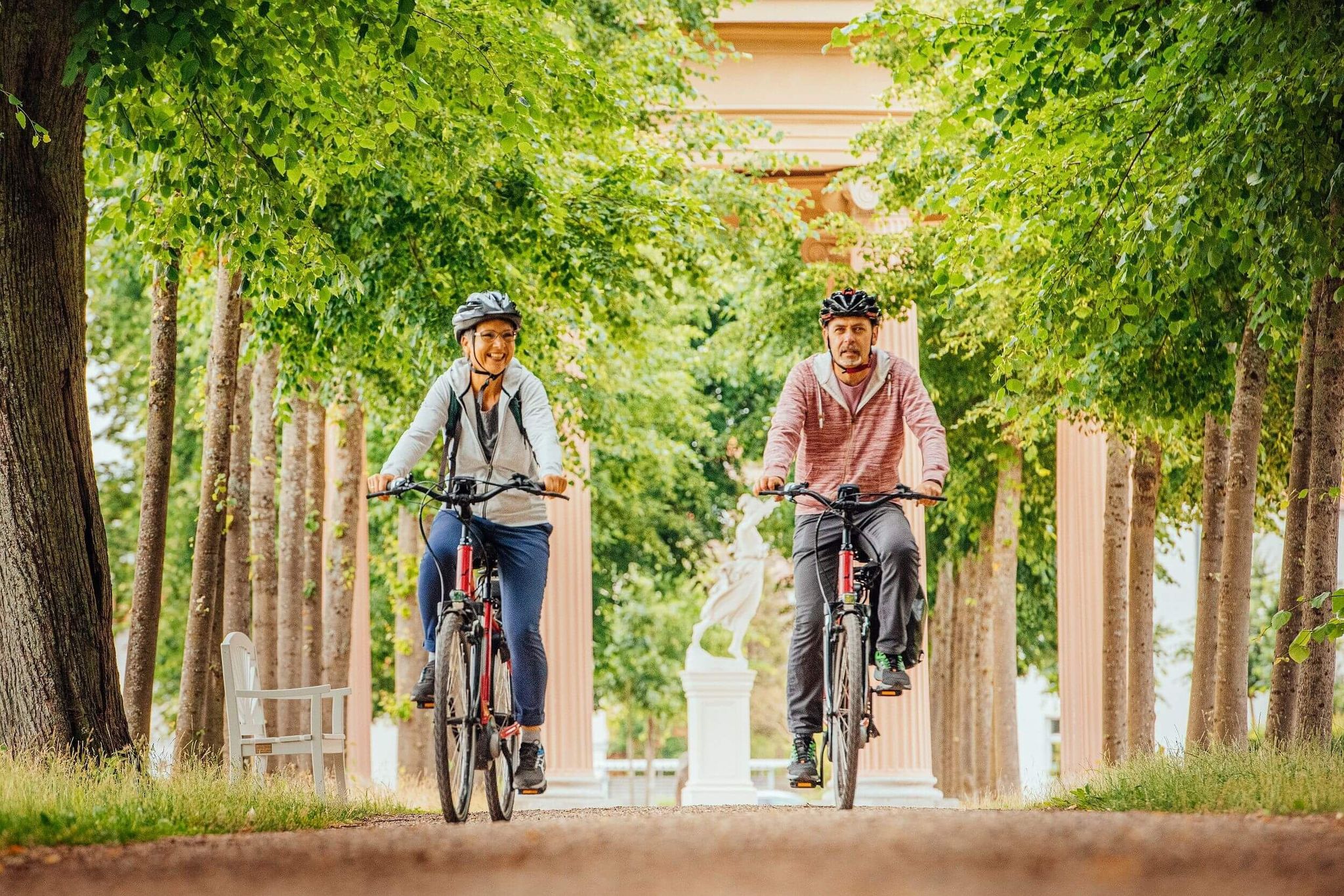
Unterwegs auf der Eiszeitroute
Other adventures around Feldberger Seenlandschaft


Tips from the Community

Lots of water and peace out of season
1
0

The first lock between the Haussee and the Stolpsee was built in connection with the navigability of the Woblitz in 1752. In order to accommodate the growing shipping on the waters there, a lock was built between 1879 and 1882 according to the Finow standard, reconstructed in 1907 and renovated and rebuilt in 1976. Before the reconstruction in 1976, the lock chamber had sloping gravity walls made of bricks with driven wooden piles for mooring the ships. Source: Wikipedia
8
0
Former monastery complex with the ruins of the monastery church built at the beginning of the 14th century. The Protestant parish church was built in the eastern part of the church in 1663.
8
0
The first lock between the Haussee and the Stolpsee was built in connection with the navigability of the Woblitz in 1752. In order to accommodate the growing shipping on the waters there, a lock was built between 1879 and 1882 according to the Finow standard, reconstructed in 1907 and renovated and rebuilt in 1976. Before the reconstruction in 1976, the lock chamber had sloping gravity walls made of bricks with driven wooden piles for mooring the ships. Source: Wikipedia
9
0

You should take your time in Lychen, otherwise you won't be able to see all the beautiful corners.
1
0

A nice place where you can linger for a while. A worthwhile destination for a tour or a detour beyond the main route.
1
0
A very worthwhile destination for a tour and apparently also popular with other cyclists. Lychen offers a number of sights and there is a lot to discover. I found it interesting here!
2
0

beautiful little lock in the heart of Himmelpfort
2
0
Frequently Asked Questions
What natural features define the Feldberger Seenlandschaft?
The Feldberger Seenlandschaft is characterized by its clear lakes, ancient forests, and rolling hills, a landscape shaped by the Ice Age. Key natural features include the expansive Feldberg Lake District Nature Park, which covers 360 square kilometers and is home to 14 nature reserves. You can also explore unique areas like the Heilige Hallen Nature Reserve with its old beech woods and kettle bogs, or the Feldberger Wiesenpark, known for its wild plants including orchids.
Which lakes are best for recreation in the Feldberger Seenlandschaft?
The region is famous for its interconnected lakes, including Breiter Luzin, Schmaler Luzin, Carwitzer See, Dreetzsee, Großer Fürstenseer See, and Feldberger Haussee. These lakes are ideal for swimming, boating, and canoeing. The Breiter Luzin is notably the second deepest lake in Mecklenburg-Vorpommern, offering pristine waters for various activities.
Are there any historical or cultural sites to visit in the area?
Yes, the Feldberger Seenlandschaft offers several cultural and historical points of interest. You can visit Carwitz Village, known as the former home of writer Hans Fallada, where the Hans Fallada Museum with the Fallada Archives is now located. Another site is the Old Town and Historic City Gates of Lychen, a historical site with remnants of its city wall and gate towers. The Old Customs House (Altes Zollhaus) on the Breiter Luzin also features an exhibition on local resistance history and a museum.
What outdoor activities can I do in the Feldberger Seenlandschaft?
The Feldberger Seenlandschaft is excellent for outdoor activities. You can enjoy extensive hiking and cycling on numerous well-marked trails. The clear lakes are perfect for boating, canoeing, and swimming. Fishing is also a popular pastime, with various permits available. For specific routes, you can find many options for hiking, cycling, and running around the region.
Are there family-friendly attractions or activities available?
Many attractions in the Feldberger Seenlandschaft are family-friendly. The lakes offer safe swimming and boating opportunities. Places like Carwitz Village and Himmelpfort are noted as family-friendly settlements. The Feldberger Wiesenpark provides an engaging way for families to discover local flora. Additionally, easy hiking trails, such as the "Holy Halls" hiking trail, are suitable for families.
Where can I find the best viewpoints in the region?
For panoramic views of the scenic terminal moraine landscape, visit the "Am Rosenberg" Observation Tower. This tower, located on the Rosenberge, offers expansive vistas of the nature park's diverse terrain.
What is the best time to visit Feldberger Seenlandschaft?
The Feldberger Seenlandschaft offers attractions year-round. The warmer months are ideal for water-based activities like swimming, boating, and canoeing on the lakes. Spring and autumn provide excellent conditions for hiking and cycling through the forests and hills, with vibrant natural colors. Birdwatching is also rewarding during migration seasons.
Are there specific trails for hiking or cycling that are highly recommended?
Yes, the region boasts numerous trails. For cycling, the Asphalt bike path along Platkowsee is highly recommended for its scenic route through forests and along the lake. Hikers can explore the Shore Path at Schmaler Luzin for beautiful lake views or the varied cycle path through the Hullerbusch Nature Reserve. You can find many more routes in the hiking guide and cycling guide for the area.
What makes the Feldberger Seenlandschaft unique for nature lovers?
Its uniqueness stems from being one of Europe's youngest terminal moraine landscapes, shaped by the Ice Age. This has resulted in a rich biodiversity, including rare plant and animal species like otters, white-tailed eagles, black storks, and wild orchids within the Feldberg Lake District Nature Park. The region's clear, interconnected lakes and ancient forests provide a pristine environment for nature observation and exploration.
What do visitors enjoy most about the attractions in Feldberger Seenlandschaft?
Visitors particularly appreciate the region's natural beauty and the wide range of recreational opportunities. The clear and clean lakes are a major draw for swimming and relaxation. The extensive network of hiking and cycling trails through picturesque landscapes is also highly valued. The historical sites, such as Carwitz Village, offer a blend of culture and natural surroundings.
Can I explore any unique natural reserves in the area?
Absolutely. The Feldberg Lake District Nature Park itself contains 14 traditional nature reserves. A notable one is the Heilige Hallen Nature Reserve, which is home to some of Germany's oldest beech woods and unique kettle bogs. Another is the Hullerbusch Nature Reserve, offering scenic paths through forests and fields with views of the Schmaler Luzin.
Are there any specific man-made structures of interest?
Yes, the Himmelpfort Lock is a notable man-made structure connecting the Haussee and Stolpsee. This lock has a long history, with reconstructions and renovations dating back to its original construction in 1752, accommodating shipping through the years.
Most popular routes around Feldberger Seenlandschaft
Most popular attractions around Feldberger Seenlandschaft

Get inspired with the komoot mobile app


Explore more
Still not found the Highlight you’re looking for? See guides of the top attractions in other regions:
