Top 16 Caves around Blieskastel
Best caves around Blieskastel are found within a region characterized by varied geological formations and historical significance. The area, part of the Saarpfalz district, offers a mix of natural rock formations and man-made underground structures. These sites provide insights into the region's geological past and human history. The landscape around Blieskastel features forests and hills, contributing to the setting of these underground attractions.
Best caves around Blieskastel
- The most popular caves is Lourdes Grotto, Oberwürzbach, a religious building and natural monument. This grotto is idyllically located in the Langen Tal, featuring a statue of the Lourdes Madonna above a fountain.
- Another must-see spot is Eichertsfels Cave, a natural monument with family-friendly appeal. This site features beautiful sandstone formations, offering a unique natural experience.
- Visitors also love Schlossberg Caves (Schlossberghöhlen, Homburg), a man-made monument and historical site. These are Europe's largest red sandstone caves, featuring mysterious passages and impressive dome halls with distinctive red and yellow sandstone layers.
- Blieskastel is known for natural sandstone formations, historical man-made tunnels, and grottoes. The region offers a variety of underground sites, from geological features to historical excavations.
- The caves around Blieskastel are appreciated by the komoot community, with more than 290 upvotes and over 200 photos shared by users.
Last updated: June 3, 2026
Eichertsfels Cave
Highlight • Cave
Translated by Google •
Tip by

Schlossberg Caves (Schlossberghöhlen, Homburg)
Highlight • Cave
Translated by Google •
Tip by

Sign up now to discover places like this
Get recommendations on the best single tracks, peaks, & plenty of other exciting outdoor places.
Sign up for free
Lourdes Grotto, Oberwürzbach
Highlight • Religious Site
Translated by Google •
Tip by

Steep path to Christkönigsbrunnen
Highlight (Segment) • Trail
For fuel they had a chimney, a square shaft, hewn into the ceiling, which they could close off with a precisely fitting stone in an emergency. This chimney was just above the forecourt that served as the kitchen and behind it there was a cave with a narrow entrance its widely ramified corridors, one of which is said to have even led as far as Kirkel and the pagans could feel so safe in it. They were harmless people, it seems. And even after their death, their souls remained in the cave. As good spirits, like the elves, they would visit the neighboring villagers at night, especially Hassel and probably also the Rohrbachers, and do the unfinished work, so that there was nothing left to do in the morning. But now the heathen spirits have been absent for a long time and people have to do their work themselves.
Even now, the people still know about the many passages in the "Hääreloch" and the visitor should only be able to find the exit safely if he fastens a long thread to the entrance of the cave, which he keeps in his hand in order to use it grope back.
Translated by Google •
Tip by

Gallo-Roman Rock Cellar Ruins
Highlight • Historical Site
Showing Translation
Tip by

Sign up for free to discover even more caves around Blieskastel.
Sign up for free
Already have an account?
Start today with a free account
Your next adventure awaits.
Login or Signup
Popular around Blieskastel
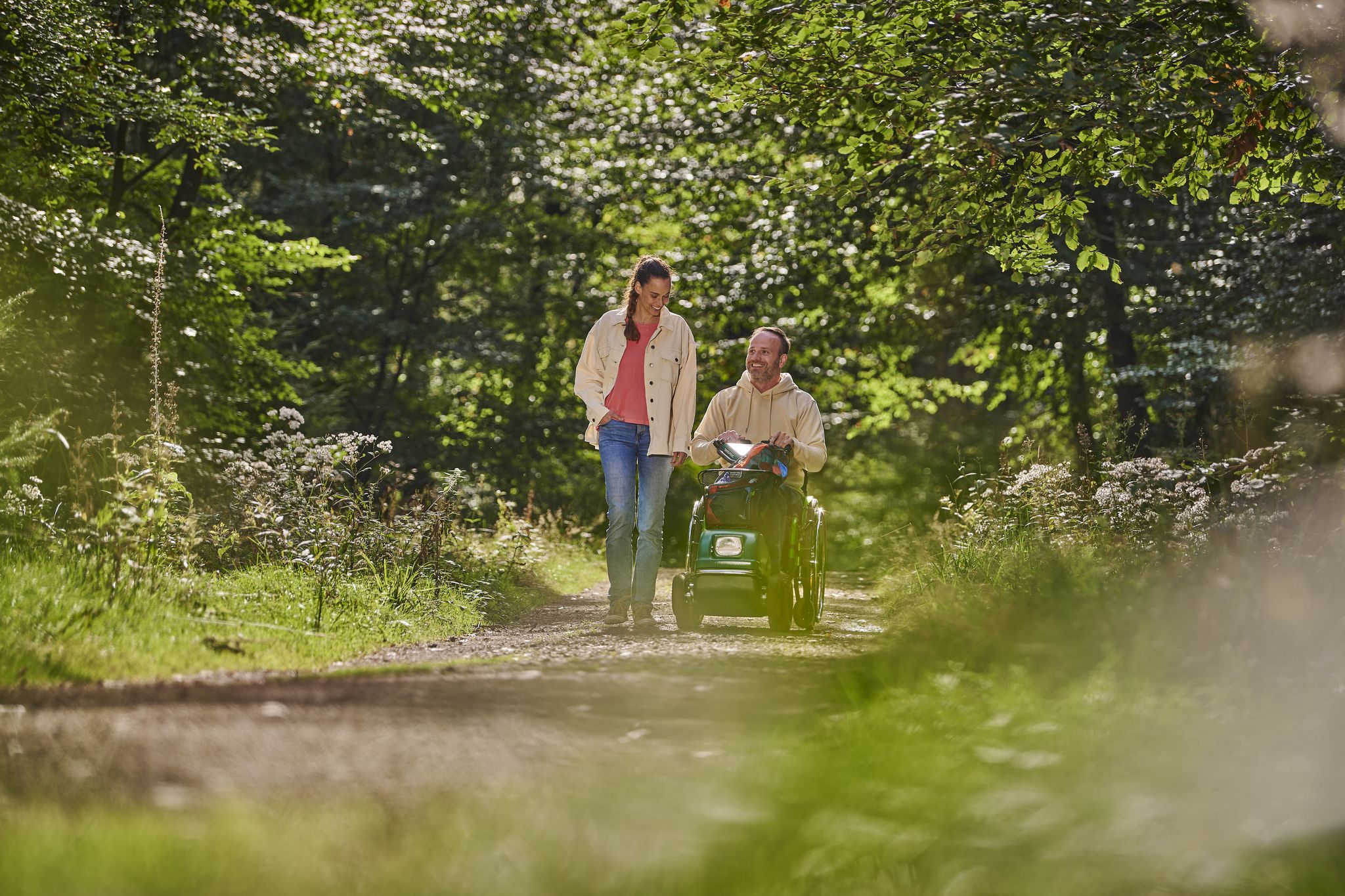
Experience nature without detours - barrier-free adventures in Saarland
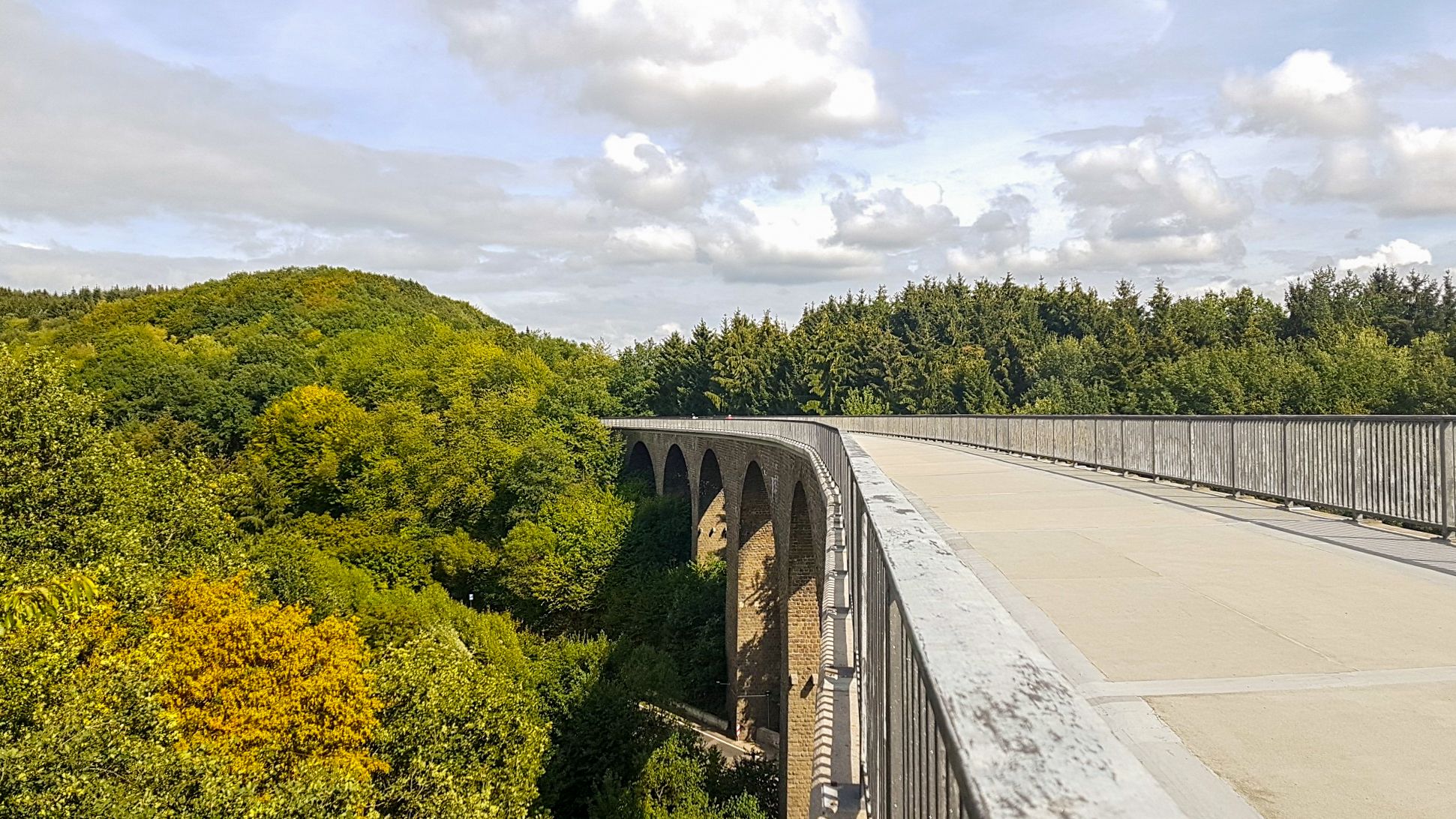
Saarland Cycle Path — Small country, big tour on 7 stages
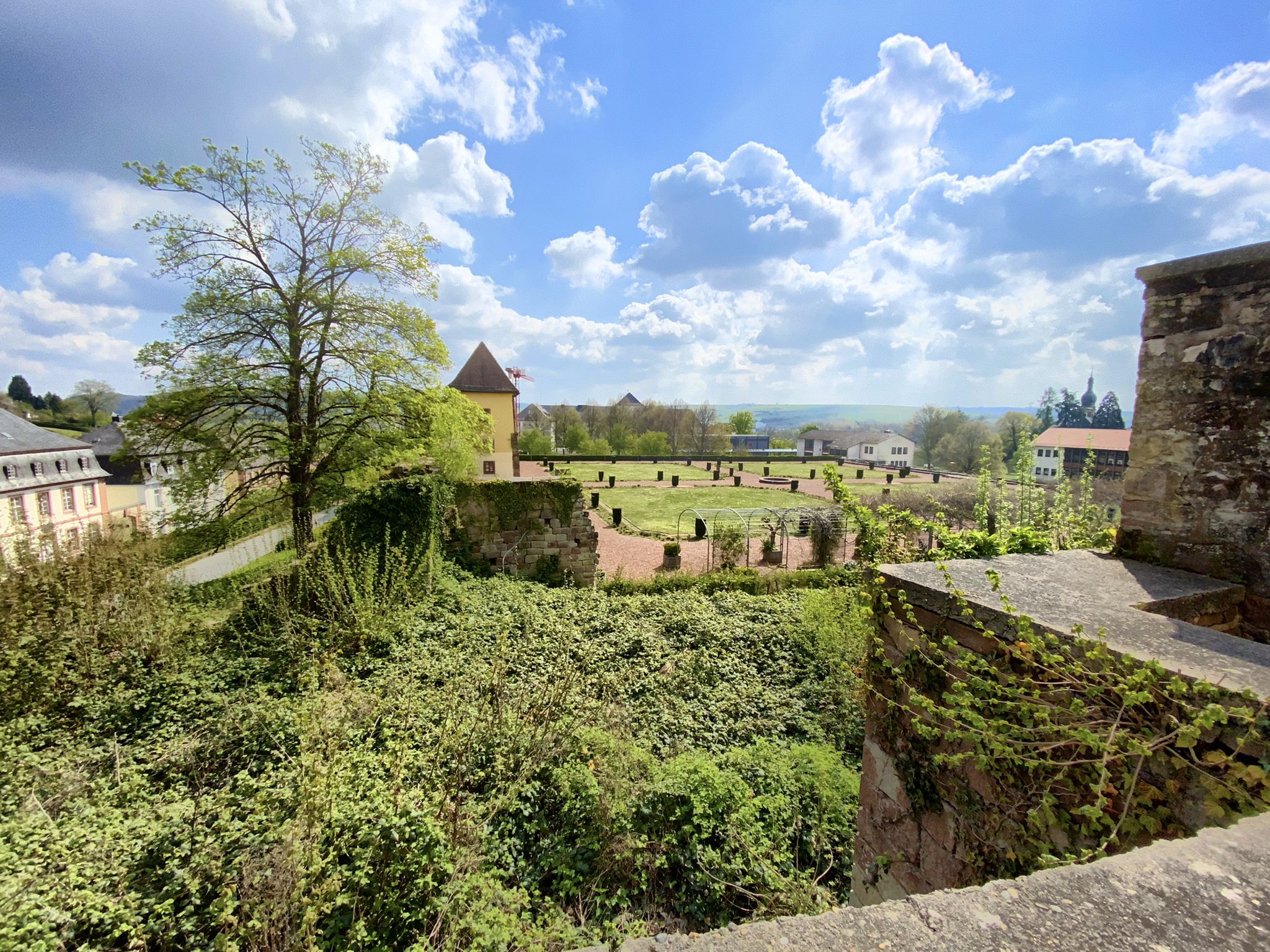
The Mariannenweg - On the trail of the baroque era
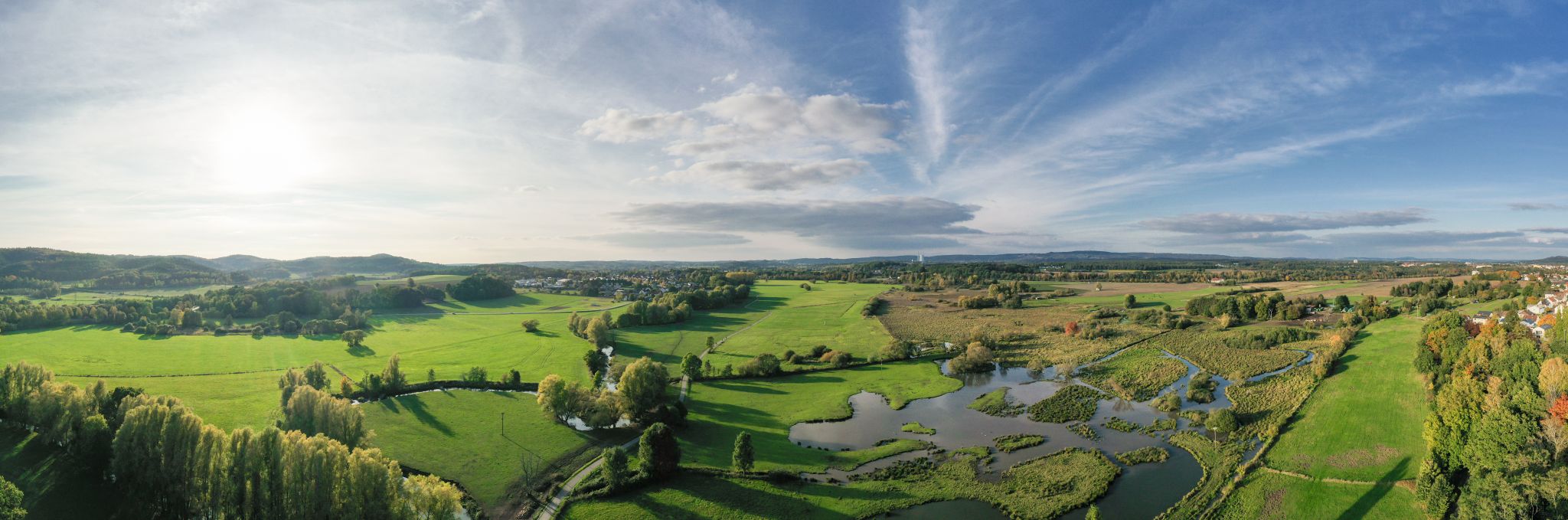
Water, meadows and forests – cycling in the Bliesgau Biosphere Reserve in Germany
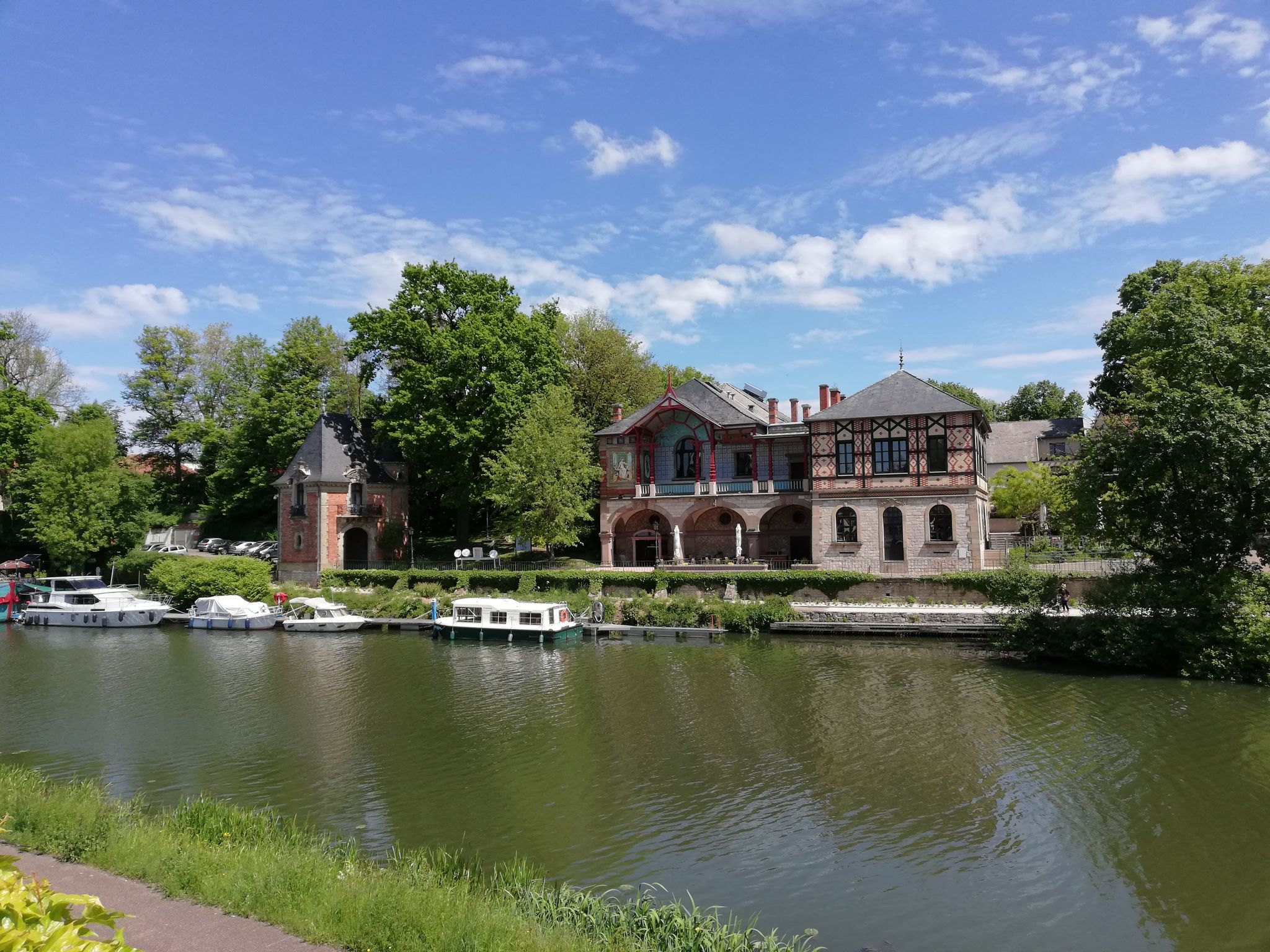
The Glan-Blies cycle path - in 5 stages from Saarland to the Palatinate
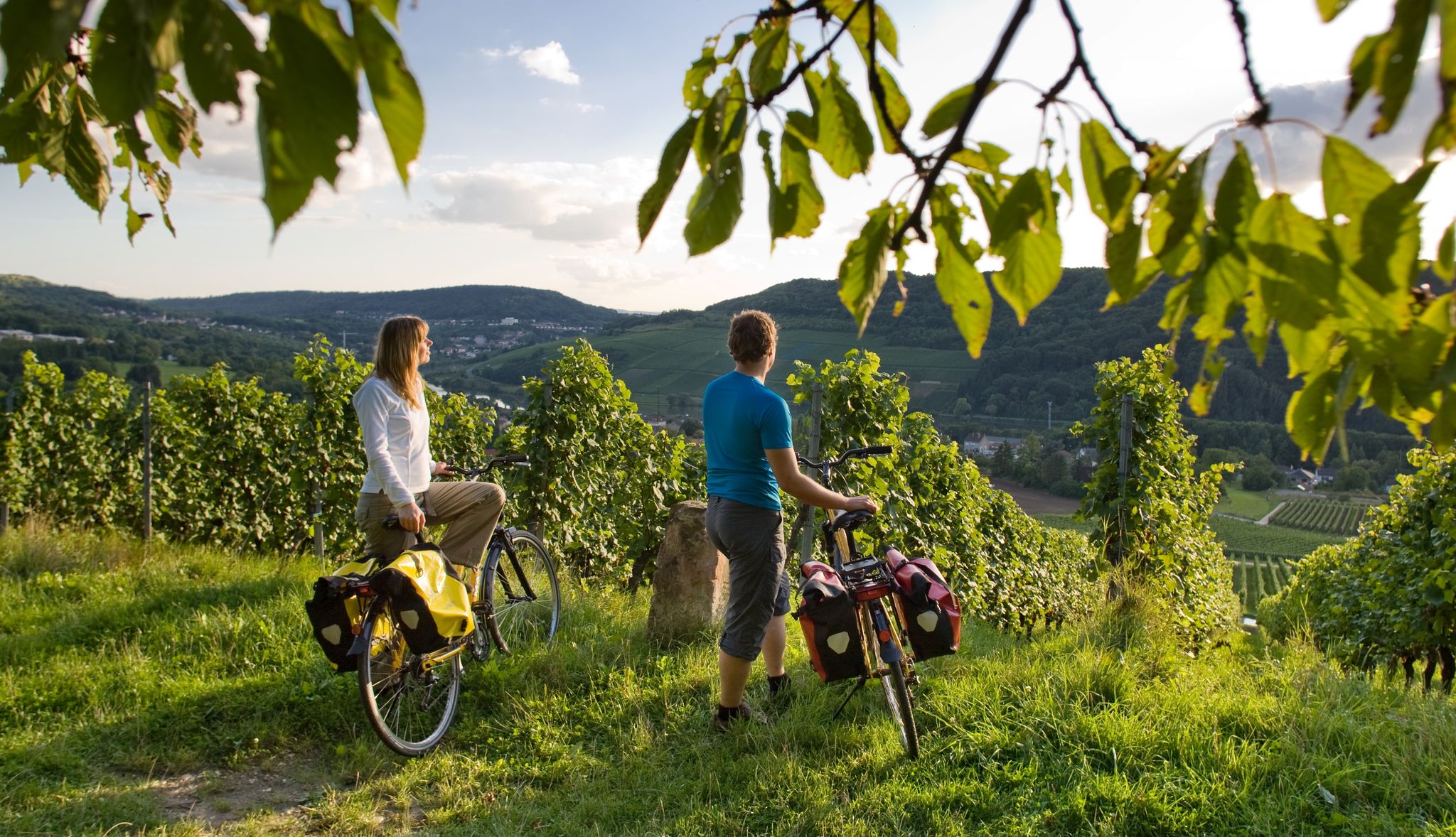
Boundless cycling in Saarland

Rennradfahren im Saarland – Auf den Spuren der UCI Saarland Trofeo
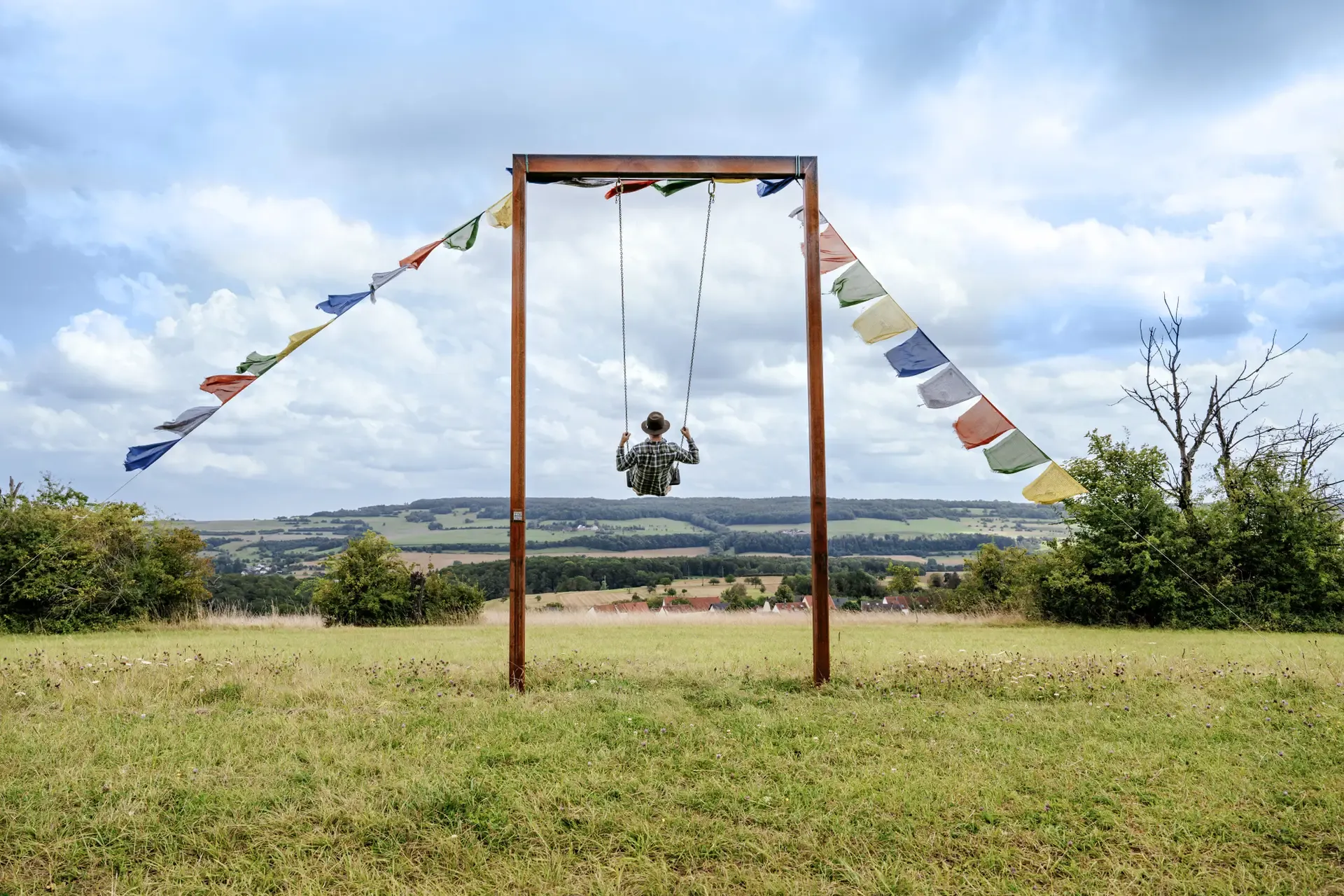
Bliessteig – Duitslands mooiste langeafstandswandeling 2025
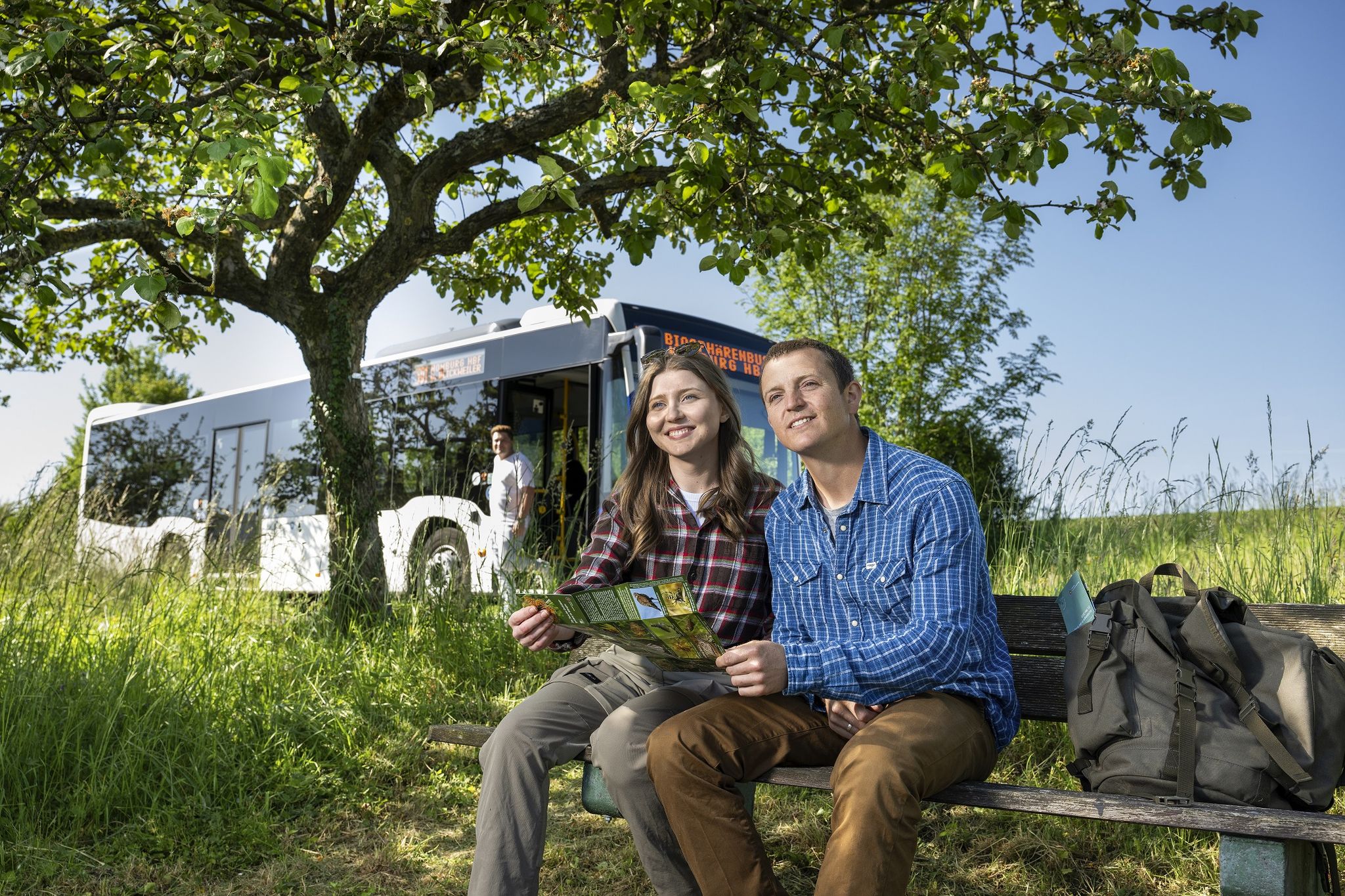
Wandern mit Bus und Bahn – Nachhaltig durch den Bliesgau
Der Bliessteig: Deutschlands schönster Wanderweg 2025


Tips from the Community

Unfortunately without any explanation of the find and the excavation itself
7
0

Here you will find the Schlossberg caves, very beautiful
10
0

Short break at the Christkönigsbrunnen
0
0

Beautiful meditation place ✝️
2
0

Exhausting, but worth it 👍
0
0
Very beautiful grotto and very lovingly designed.
2
0

was donated in 2007 for the reopening of the Schlößberg sand caves
7
0
a visit is mandatory, admission 6 euros for adults, but it's worth it
7
0
Frequently Asked Questions
What are the most significant caves to visit near Blieskastel?
The most significant underground attraction in the region is the Schlossberg Caves (Schlossberghöhlen, Homburg). These are renowned as Europe's largest red sandstone cave system, offering a unique blend of geological beauty and rich history. While not natural in the traditional sense, they are an extensive labyrinth of medieval mining tunnels.
What kind of geological features can I expect to see in the Schlossberg Caves?
The Schlossberg Caves are famous for their striking red and yellow sandstone layers, which form intricate patterns throughout the passages. You'll also find impressive dome halls and unique geological features called 'Rippelmarken' – fossilized wave traces from ancient bodies of water, offering a glimpse into the region's prehistoric past.
Are there any family-friendly caves or grottoes in the Blieskastel area?
Yes, several spots are great for families. The Eichertsfels Cave is a natural monument with beautiful sandstone formations that children often enjoy. The Schlossberg Caves are also considered family-friendly, providing an engaging experience for all ages, and the Lourdes Grotto, Oberwürzbach, offers a peaceful and accessible natural setting.
What is the historical significance of the Schlossberg Caves?
The Schlossberg Caves have a rich history. They were originally medieval escape routes and a source of sand for glass production. Later, they served as an air-raid shelter during World War II and even a Cold War government bunker. Guided tours are highly recommended to fully appreciate their historical depth.
What is the best time of year to visit the caves near Blieskastel?
The Schlossberg Caves maintain a consistent temperature of around 10 degrees Celsius year-round, making them a cool escape on hot summer days and a sheltered option during colder months. For outdoor grottoes and natural rock formations, spring and autumn offer pleasant hiking weather, though they can be visited in any season.
What should I wear when visiting the Schlossberg Caves?
Due to the constant temperature of approximately 10 degrees Celsius inside the Schlossberg Caves, it's advisable to dress warmly, even on a hot day. Helmets are provided and required for safety during the visit.
Are there any other interesting rock formations or historical sites with cave-like features in the area?
Yes, beyond the main caves, you can explore the Steep path to Christkönigsbrunnen, which leads to the 'Hääreloch' (Heidenloch), a hidden rock cave with local legends. Additionally, the Gallo-Roman Rock Cellar Ruins offer a glimpse into ancient history with a well-preserved rock cellar from a forest homestead.
Can I find hiking trails near the caves around Blieskastel?
Absolutely. The region around Blieskastel offers numerous hiking opportunities. For easy walks, you can explore routes like the 'Gut Junkerwald – Würzbacher Pond loop' or the 'Rest bench with cooking pot loop'. You can find more options in the Easy hikes around Blieskastel guide.
Are there cycling routes available near the caves?
Yes, the area provides various cycling routes. You can find road cycling options like the 'Glan-Blies Cycle Path – Wolfersheim Village loop' in the Road Cycling Routes around Blieskastel guide. For gravel biking, routes such as the 'Heidenkopf Observation Tower – Border Bridge over the River Blies loop' are available in the Gravel biking around Blieskastel guide.
What do visitors enjoy most about the caves and grottoes in this region?
Visitors frequently praise the unique combination of natural beauty and historical significance, especially at the Schlossberg Caves with their impressive sandstone formations and rich past. The peaceful setting of the Lourdes Grotto and the family-friendly appeal of Eichertsfels Cave are also highly appreciated.
Is public transport available to reach the Schlossberg Caves?
The Schlossberg Caves in Homburg are accessible. From the old town, you can reach them via a staircase. While specific public transport details are best checked locally, Homburg is generally well-connected within the Saarpfalz district.
Are there any hidden gem caves or less-known spots worth exploring?
While the larger sites are well-known, the region has smaller, intriguing spots. The 'Hääreloch' (Heidenloch) near the Steep path to Christkönigsbrunnen is a less-known rock cave with local folklore. The Gallo-Roman Rock Cellar Ruins are also a bit off the beaten path but offer a unique historical discovery.
Most popular routes around Blieskastel
Most popular attractions around Blieskastel

Get inspired with the komoot mobile app


Explore more
Extend your search for the best caves by checking out these guides of the top ones around Blieskastel:
