Top 13 Caves around Bad Driburg
Best caves around Bad Driburg include a mix of natural rock formations, historical sites with carved grottos, and significant natural fissures. The region is characterized by the Teutoburg Forest, offering diverse geological features and landscapes. While extensive natural cave systems are found further afield, the immediate surroundings feature unique "cave-like" attractions. These sites provide insights into both natural processes and historical human interaction with the landscape.
Best caves around Bad Driburg
- The most popular caves is Bielstein Gorge, a…
Last updated: October 4, 2026
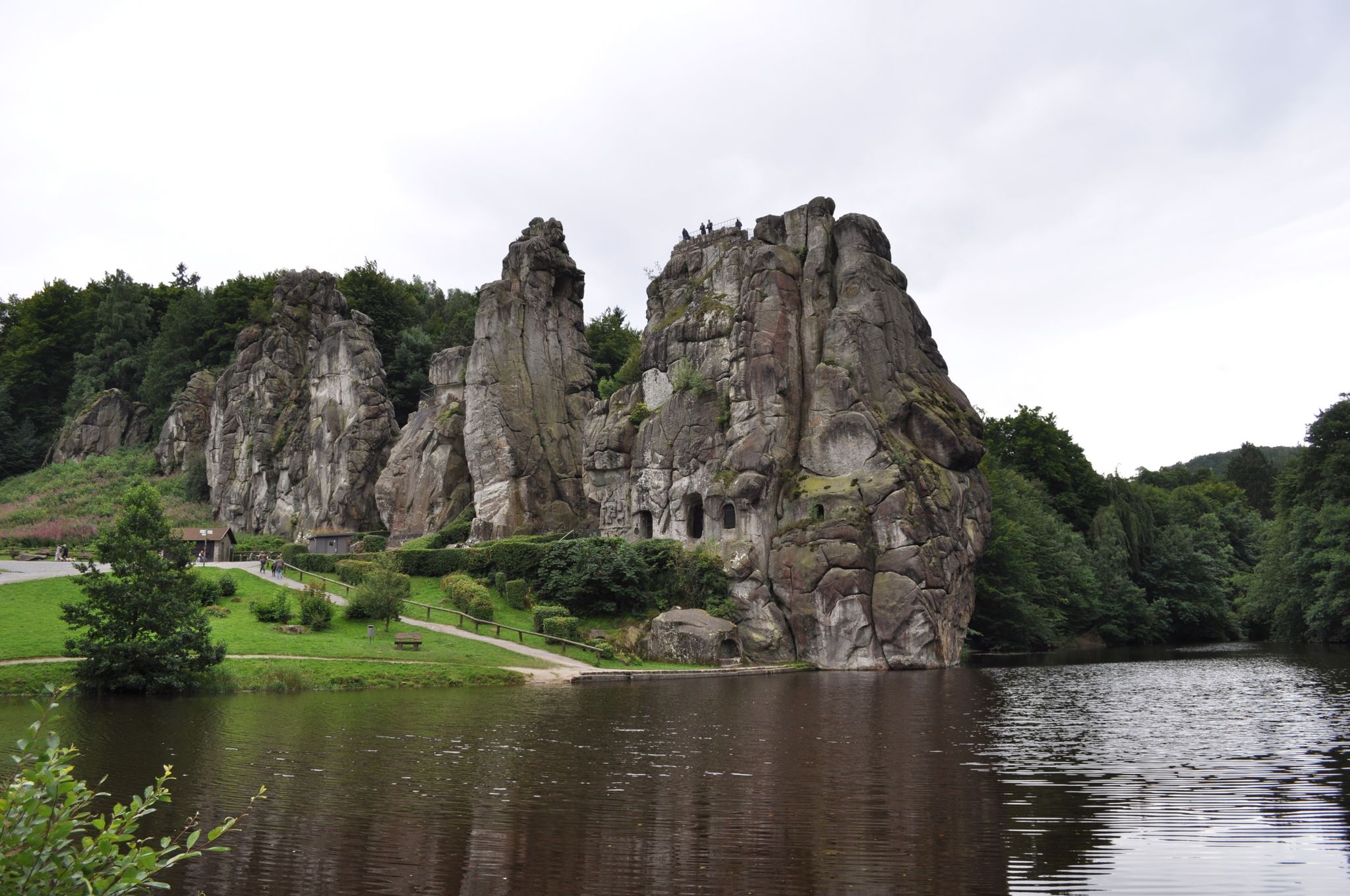
Crucifixion Relief and Grotto at the Externsteine
Highlight • Monument
Translated by Google •
Tip by

Bielstein Gorge
Highlight • Gorge
Translated by Google •
Tip by

Sign up now to discover places like this
Get recommendations on the best single tracks, peaks, & plenty of other exciting outdoor places.
Gertrud's Chamber (Druden Cave) rock formation
Highlight • Natural Monument
Translated by Google •
Tip by

Rocky gorge at the Mordkopf
Highlight • Gorge
Translated by Google •
Tip by

Hohlstein Cave
Highlight • Cave
Translated by Google •
Tip by

Sign up for free to discover even more caves around Bad Driburg.
Already have an account?
Start today with a free account
Your next adventure awaits.
Popular around Bad Driburg
Egge Trail – Hiking through the Lower Saxon hills in Germany
Riverside cycle Tours in Germany’s Teutoburg Forest region
Spring awakening in the Teutoburg Forest – five beautiful circular walks
Experience art and history – Germany’s Teutoburg Forest trails
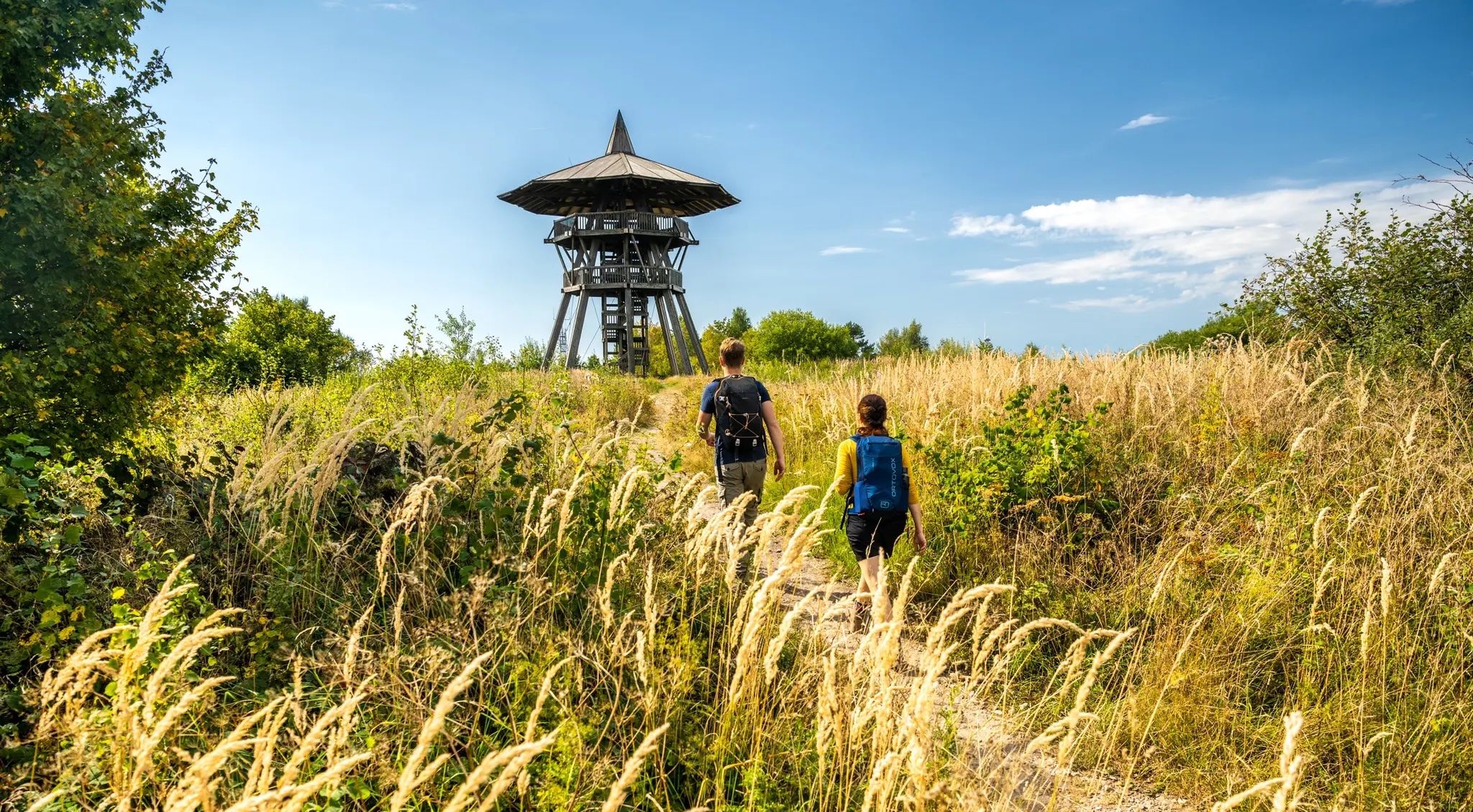
Culture and nature from Rheine to Marsburg – Hermann Heights Trail
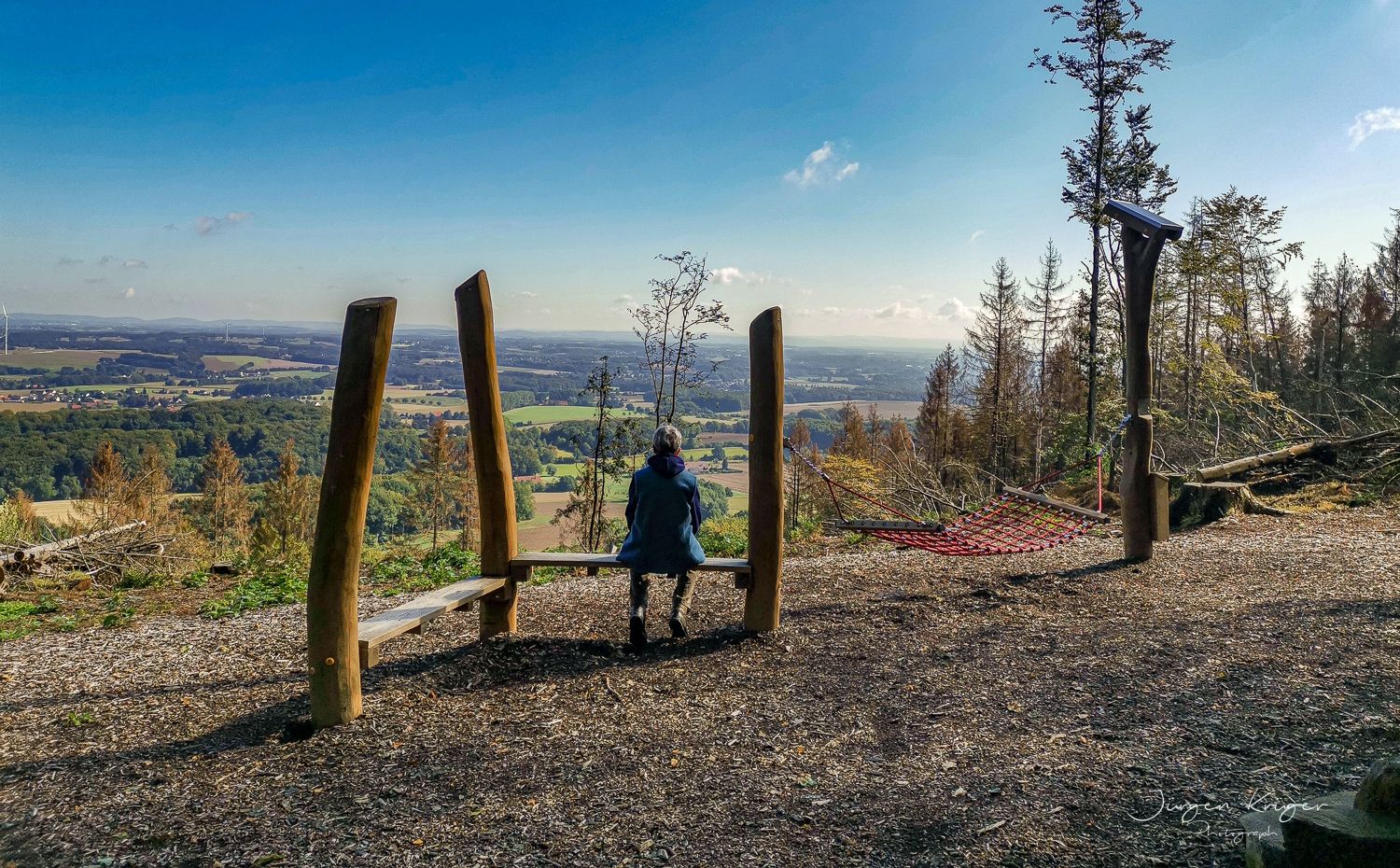
Close to the Hermann Heights Trail – 18 circulars in the Teutoburg Forest
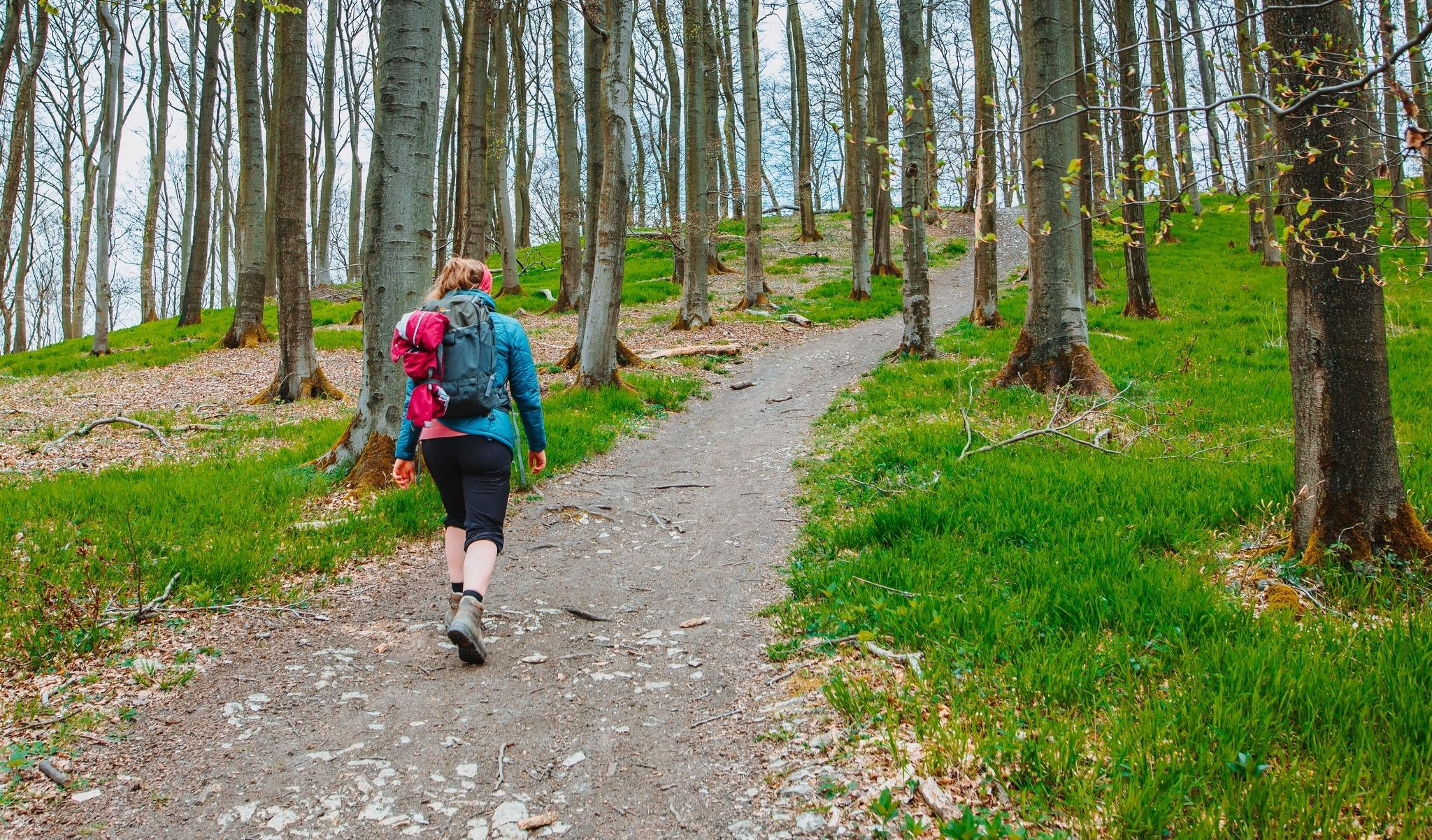
Tour hopping in the Teutoburg Forest in western Germany
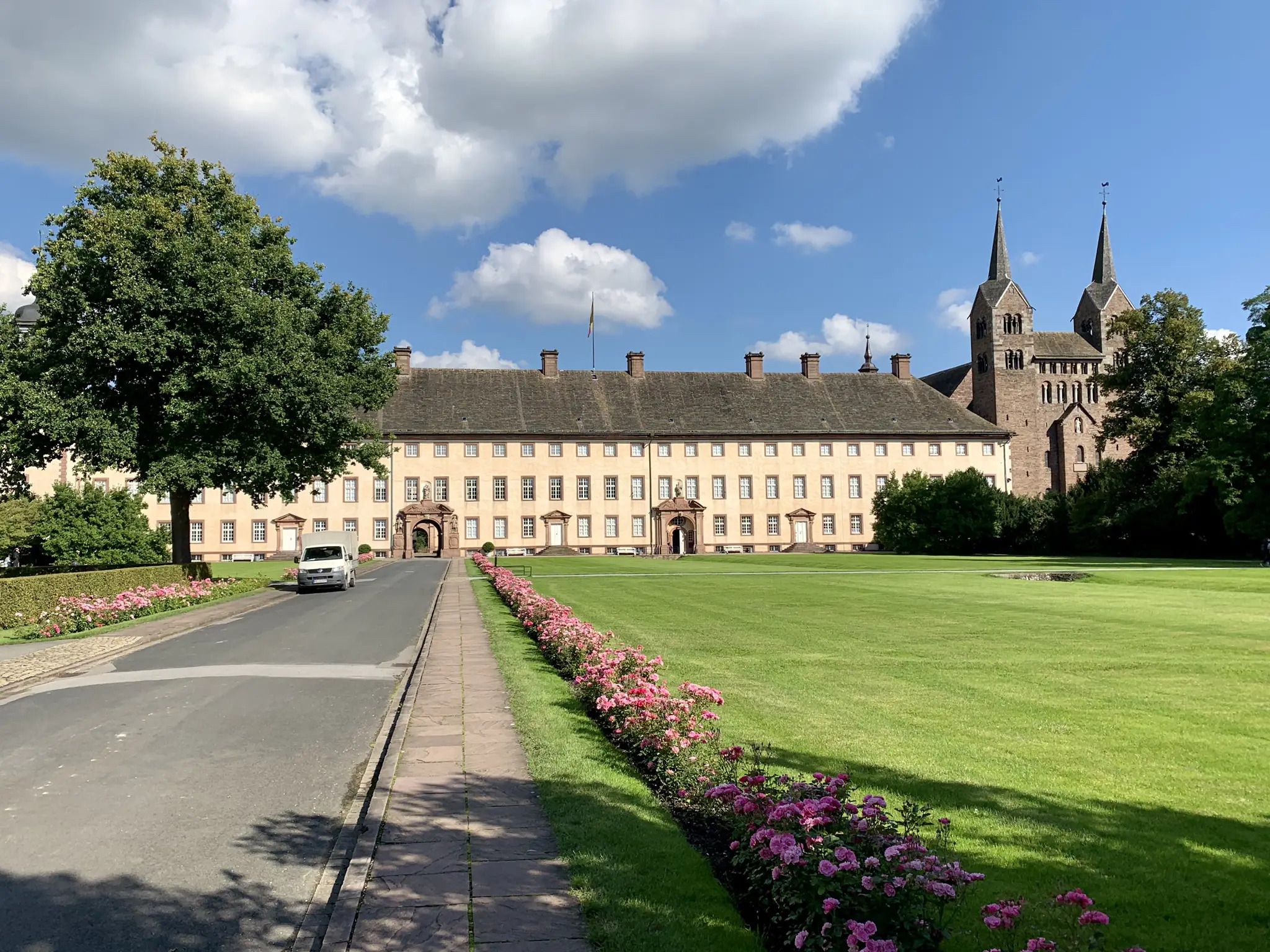
On the way on the Kloster-Garten-Route
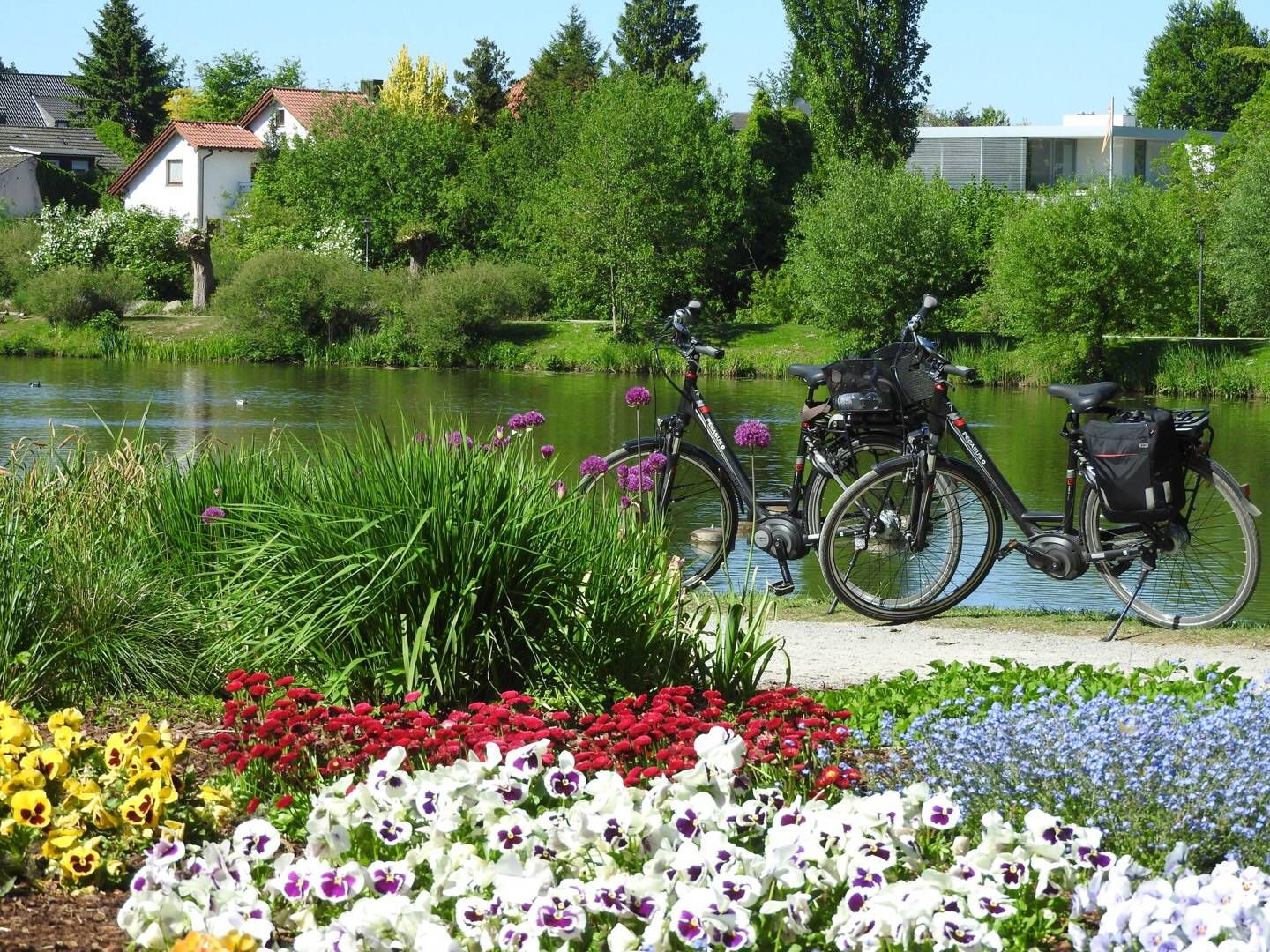
Römer, Gärten, Mühlen und mehr – Radtouren im Teutoburger Wald
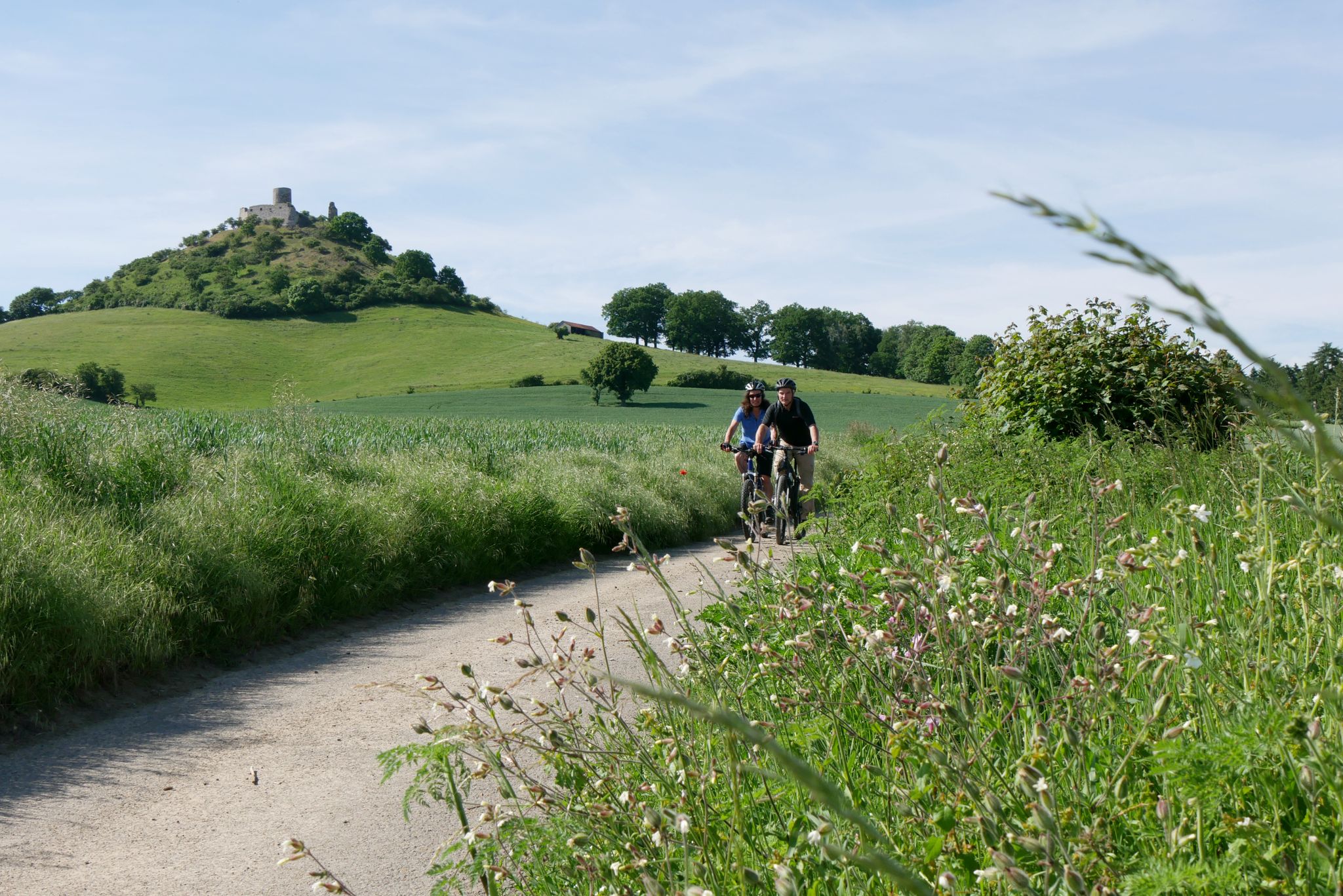
Mit dem Fahrrad durchs Kulturland
Other adventures around Bad Driburg


Tips from the Community

The largest cave in Lippe is the Hohlsteinhöhle, which is 47 m high and 185 m long. A cave beetle that does not exist anywhere else in the world has also lived here since the last ice age. 👍
9
0
The Bielstein Gorge is a fantastic natural spectacle. It's definitely worth a visit!
10
0

The Descent from the Cross - relief is one of the most significant medieval works. It is carved into sandstone and, at 4.80 × 3.70 m, is the largest relief in the entire northwestern European region.
4
0

The largest cave in the district of Lippe, with up to 50m height (rock crevices)
1
0
The relief of the Descent from the Cross from 1150 is one of the most extraordinary works of art in the area. It is well preserved for its high age.
11
0

...At the first rock, you can also discover artificial caves and a relief of the descent from the cross carved into the stone. At the second rock, you reach a room-like platform via a curved bridge...
9
1

Very nice rock relief, carved into the sandstone, it shows the descent of Jesus Christ from the cross. As one of the most important medieval works, thousands of visitors and art historians from all over the world are drawn to the Externsteine every year. With dimensions of 4.80 by 3.70 meters, it is the largest in all of north-western Europe.
15
0

Nice little collapse cave in Teuto
6
0
Frequently Asked Questions
What types of caves can I explore near Bad Driburg?
Near Bad Driburg, you'll find a mix of natural rock formations, historical sites with carved grottos, and significant natural fissures. These include the imposing sandstone formations of the Externsteine with man-made caves, and natural fissures like the Bielstein Gorge which houses a bat habitat. Further afield, within a day trip's distance, you can visit true dripstone caves with stalactites and stalagmites.
Are there any historical or cultural cave sites in the Bad Driburg area?
Yes, the Externsteine are a prominent historical and cultural monument. They feature man-made caves, grottos, and a significant 12th-century 'Descent from the Cross' relief carved into the rock. Additionally, Gertrud's Chamber (Druden Cave) rock formation is known for its ancient cultural background, with some believing it was a site for sacrifices to the god Wodan.
Which caves are suitable for families with children?
The Externsteine are generally family-friendly, offering accessible paths and historical exploration. While the Rocky gorge at the Mordkopf features the 'Räuberhöhle' (robber's cave) which can be a highlight for children, caution is advised due to challenging terrain and ground cracks. For true show caves with impressive formations, consider a day trip to the Iberger Tropfsteinhöhle or Bilsteinhöhle, which offer guided tours suitable for all ages.
Can I visit the Bielstein Cave (Kellerloch)?
The Bielstein Cave (Kellerloch), located within the Bielstein Gorge, is a natural fissure that serves as an important winter habitat for bats. Access is generally restricted for conservation reasons, especially during winter. It can sometimes be explored by brave and knowledgeable individuals during summer months (typically June to August), but strict rules apply to protect the delicate environment.
What are the best hiking trails near these cave attractions?
Many of the cave-like attractions are integrated into hiking routes. For instance, the Bielstein Gorge and Externsteine are popular hiking destinations. You can find numerous trails in the area, including those in the Teutoburg Forest. For more hiking options, explore the Hiking around Bad Driburg guide.
Are there any true dripstone caves (stalactites/stalagmites) accessible from Bad Driburg?
While Bad Driburg's immediate vicinity features rock formations and fissures, impressive true dripstone caves are available within a reasonable driving distance for a day trip. These include the Iberger Tropfsteinhöhle in Bad Grund (Harz) and the Bilsteinhöhle in Warstein, both offering guided tours of their stalactite and stalagmite formations.
What is the best time of year to visit the caves and rock formations?
The spring, summer, and autumn months are generally best for visiting the outdoor rock formations like the Externsteine and the gorges. For the Bielstein Cave (Kellerloch), access is typically limited to summer (June to August). Show caves further afield usually operate year-round, but it's always advisable to check their specific opening hours before planning your visit.
Are dogs allowed at the cave attractions?
Policies vary by location. Dogs are generally welcome on leash in the outdoor areas around the Externsteine and on hiking trails through gorges. However, access to specific cave interiors, especially those with sensitive ecosystems like the Bielstein Gorge (due to bat habitats) or commercial show caves, is often restricted for pets. Always check the specific rules of each site before visiting with your dog.
What should I wear when exploring the cave-like attractions?
For outdoor rock formations and gorges, sturdy hiking shoes with good grip are essential, as terrain can be uneven, steep, or slippery. Layers of clothing are recommended, as temperatures can vary. If you plan to explore any narrow fissures or caves, a headlamp or flashlight can be useful, and be prepared for cooler, damp conditions underground.
Are there other outdoor activities I can combine with a cave visit?
Absolutely. The region around Bad Driburg, particularly the Teutoburg Forest, offers extensive opportunities for outdoor activities. You can combine your cave exploration with hiking, running, or cycling. Check out the Hiking around Bad Driburg, Running Trails around Bad Driburg, or Cycling around Bad Driburg guides for routes and inspiration.
What geological features are prominent in the caves and rock formations around Bad Driburg?
The region is characterized by diverse geological features. The Externsteine are imposing sandstone formations. The Bielstein Gorge and Rocky gorge at the Mordkopf feature natural fissures and unique rock faults within marl limestones of the Upper Cretaceous period. These sites offer insights into the area's geological history and natural processes.
Where can I find parking for these attractions?
Most major attractions like the Externsteine have designated parking areas nearby, often for a fee. For more remote gorges or rock formations, parking might be available at trailheads or small, informal spots. It's advisable to check specific location details or local signage for parking information before your visit.
Most popular routes around Bad Driburg
Most popular attractions around Bad Driburg

Get inspired with the komoot mobile app


Explore more
Extend your search for the best caves by checking out these guides of the top ones around Bad Driburg:
