Top 20 Castles around Alfeld
Best castles around Alfeld offers a diverse range of historical sites across both Bavaria and Lower Saxony. The region features medieval ruins, fortified castles, and stately homes, each with distinct historical and architectural significance. These locations provide insights into centuries of regional history and offer varied exploration opportunities.
Best castles around Alfeld
- The most popular castles is Lichtenegg Castle Ruins, a castle that was first mentioned 700 years ago. These medieval aristocratic castle ruins are freely accessible and offer…
Last updated: September 26, 2026
Lichtenegg Castle Ruins
Highlight • Castle
Translated by Google •
Tip by

Lichtenstein castle ruins with viewpoint
Highlight • Viewpoint
Translated by Google •
Tip by

Sign up now to discover places like this
Get recommendations on the best single tracks, peaks, & plenty of other exciting outdoor places.
Neidstein Castle
Highlight • Castle
Translated by Google •
Tip by
Hartenfels Summit and Castle Ruins
Highlight • Summit
Translated by Google •
Tip by
Poppberg Castle Ruins
Highlight • Castle
Translated by Google •
Tip by

Sign up for free to discover even more castles around Alfeld.
Already have an account?
Start today with a free account
Your next adventure awaits.
Popular around Alfeld
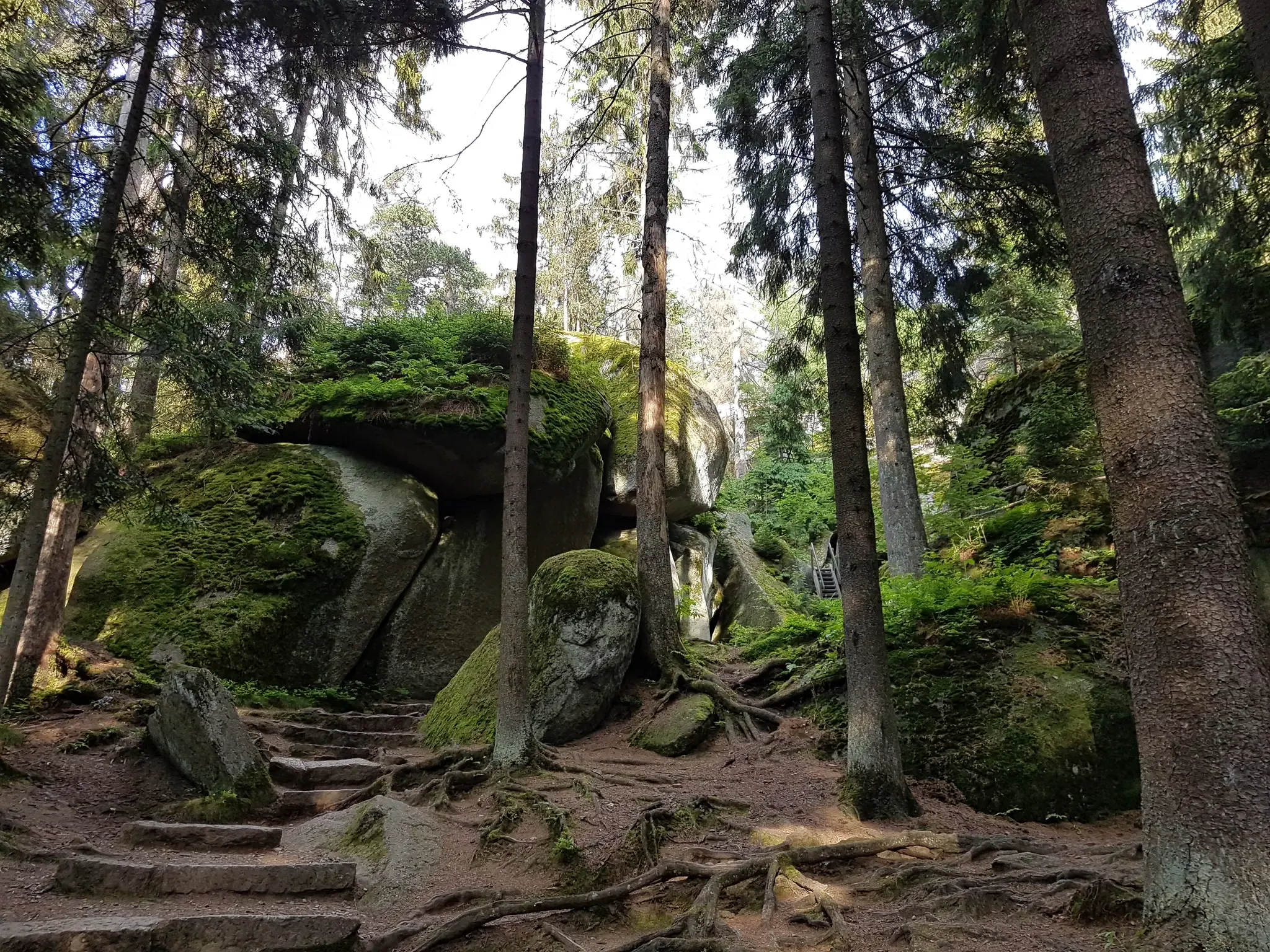
Nature, the outdoors and adventure – hiking through the VGN's nature parks
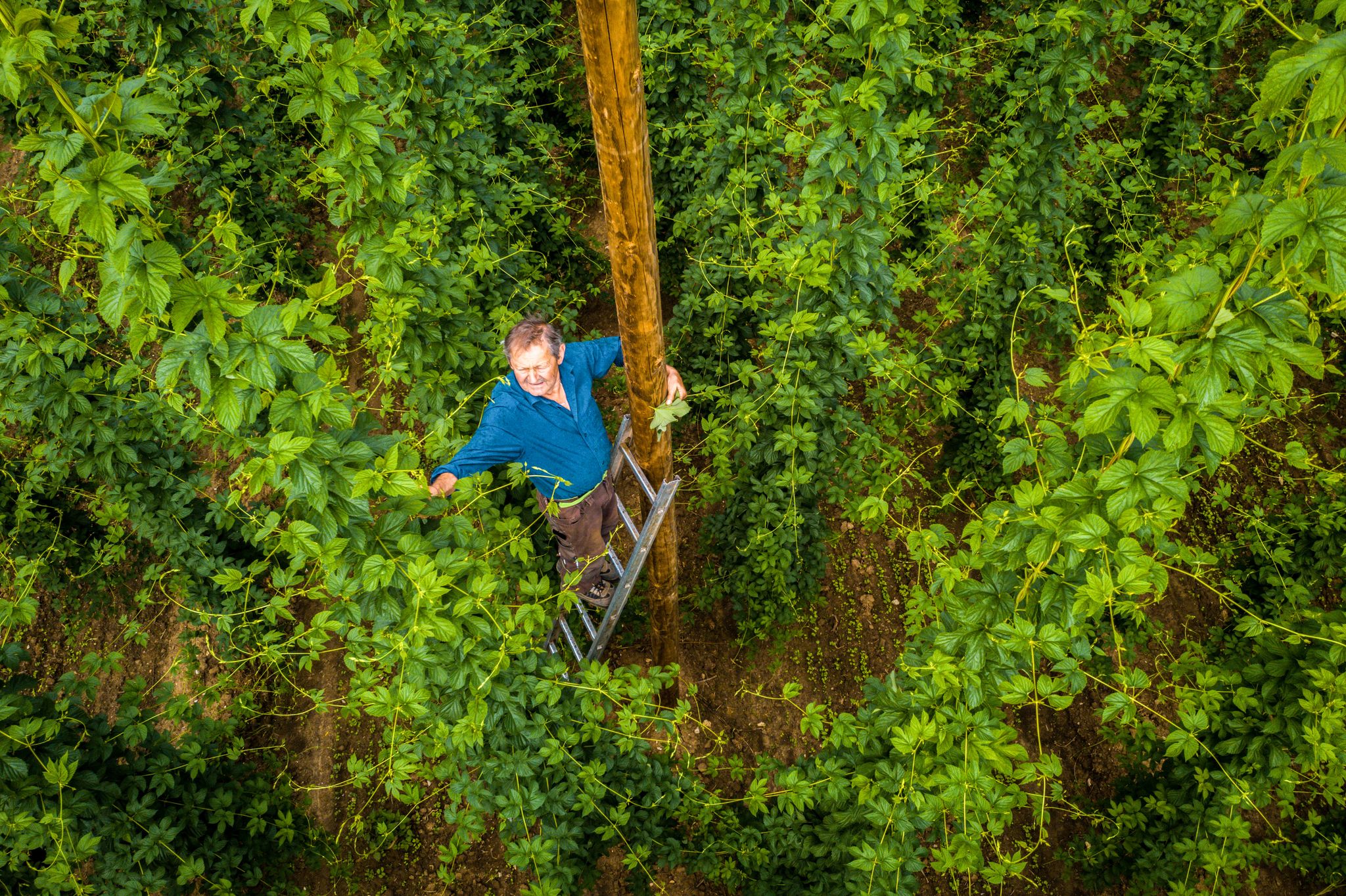
Hop Weeks in the Nürnberger Land – Hiking Trails Full of Delight

Explore the Nuremberg Land with all your senses – Sensory Cycle Path
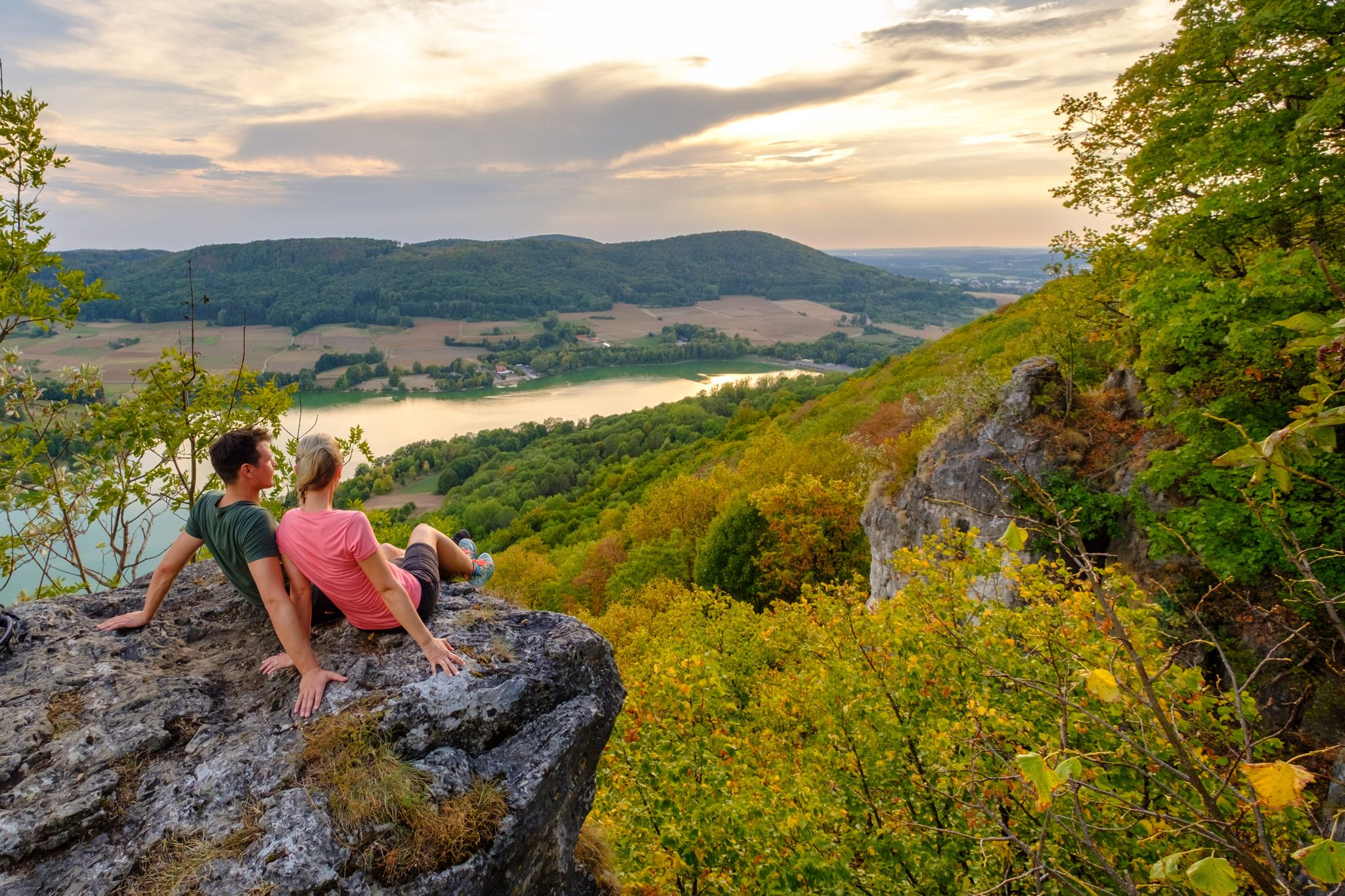
Hiking in the Nürnberger Land
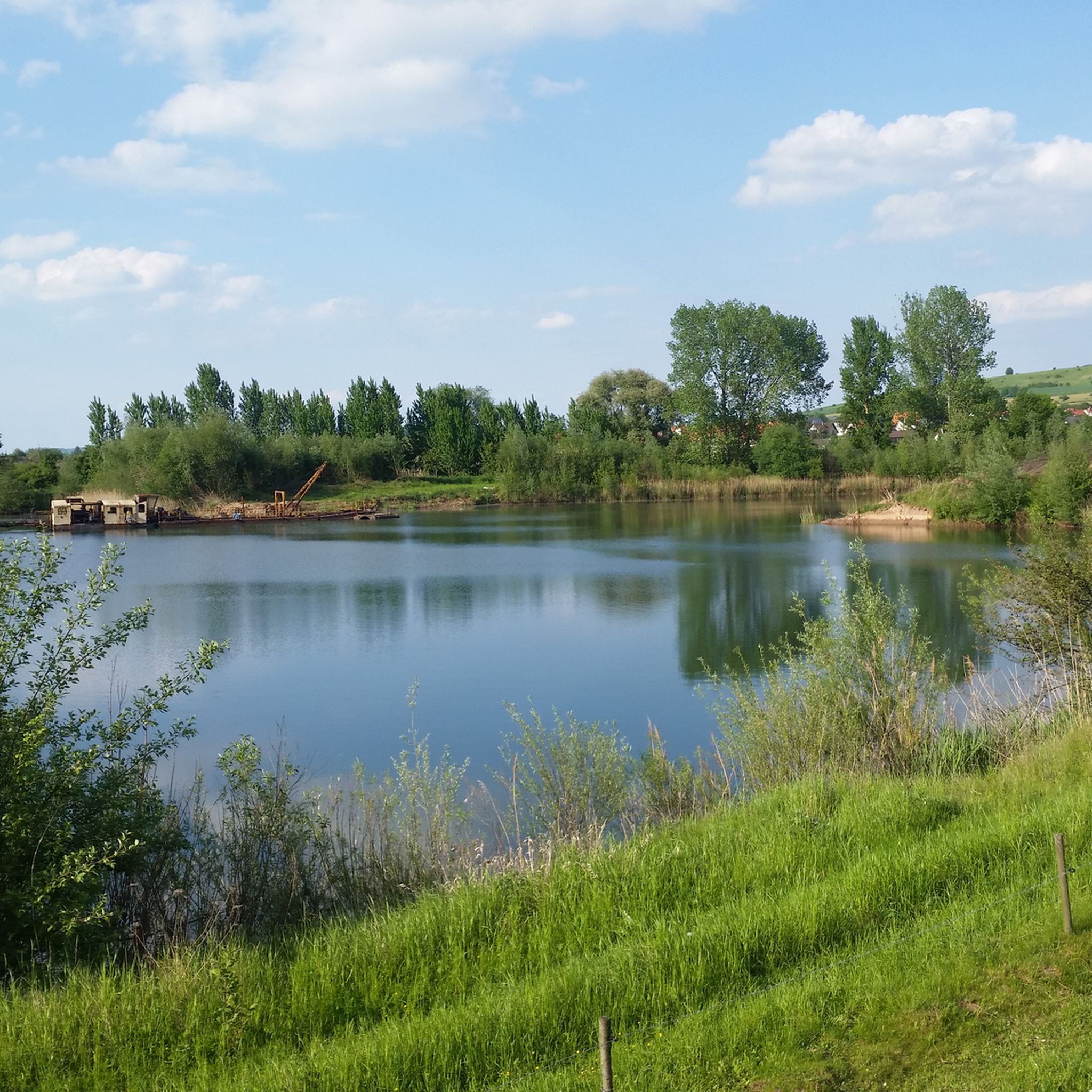
Hiking around Alfeld
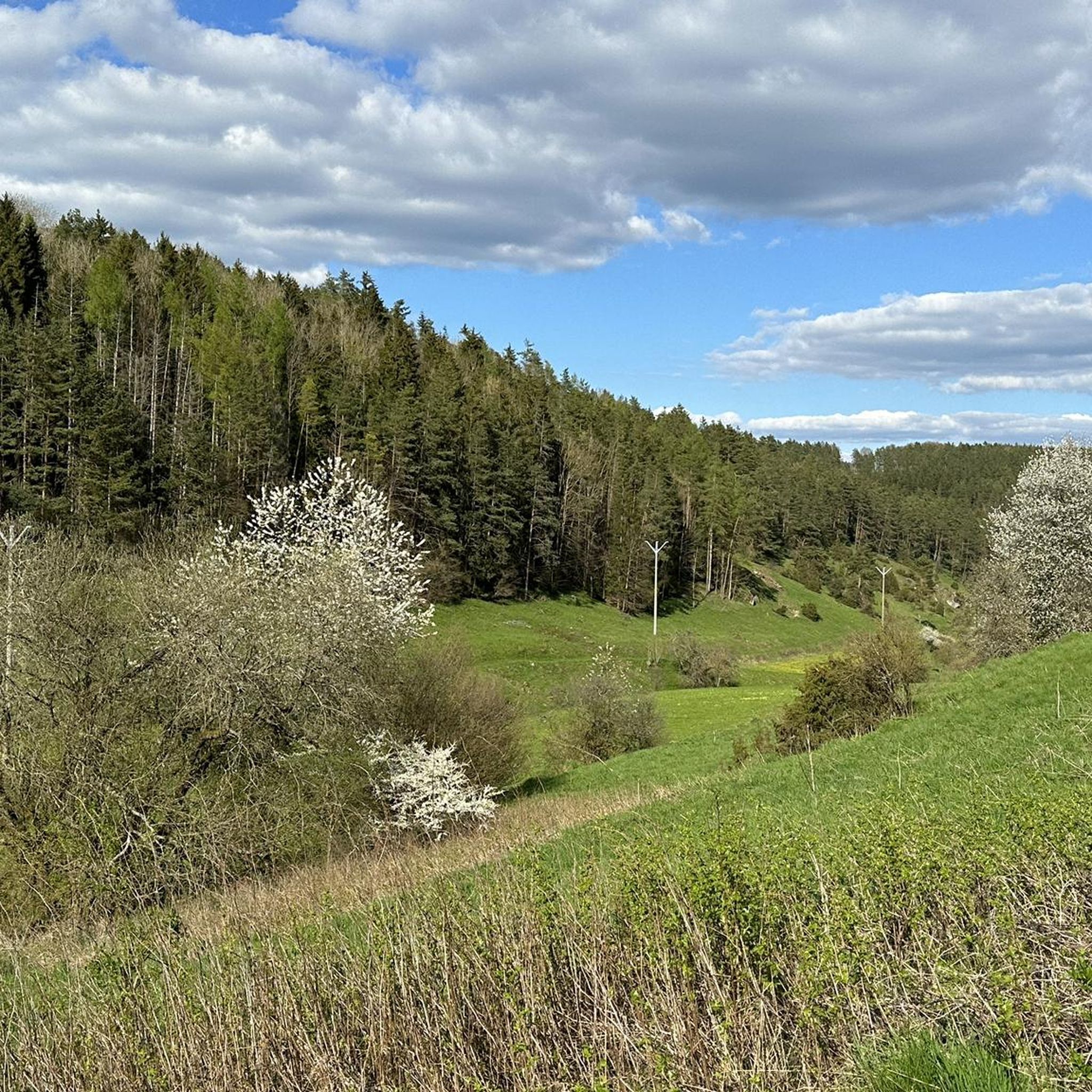
Cycling around Alfeld
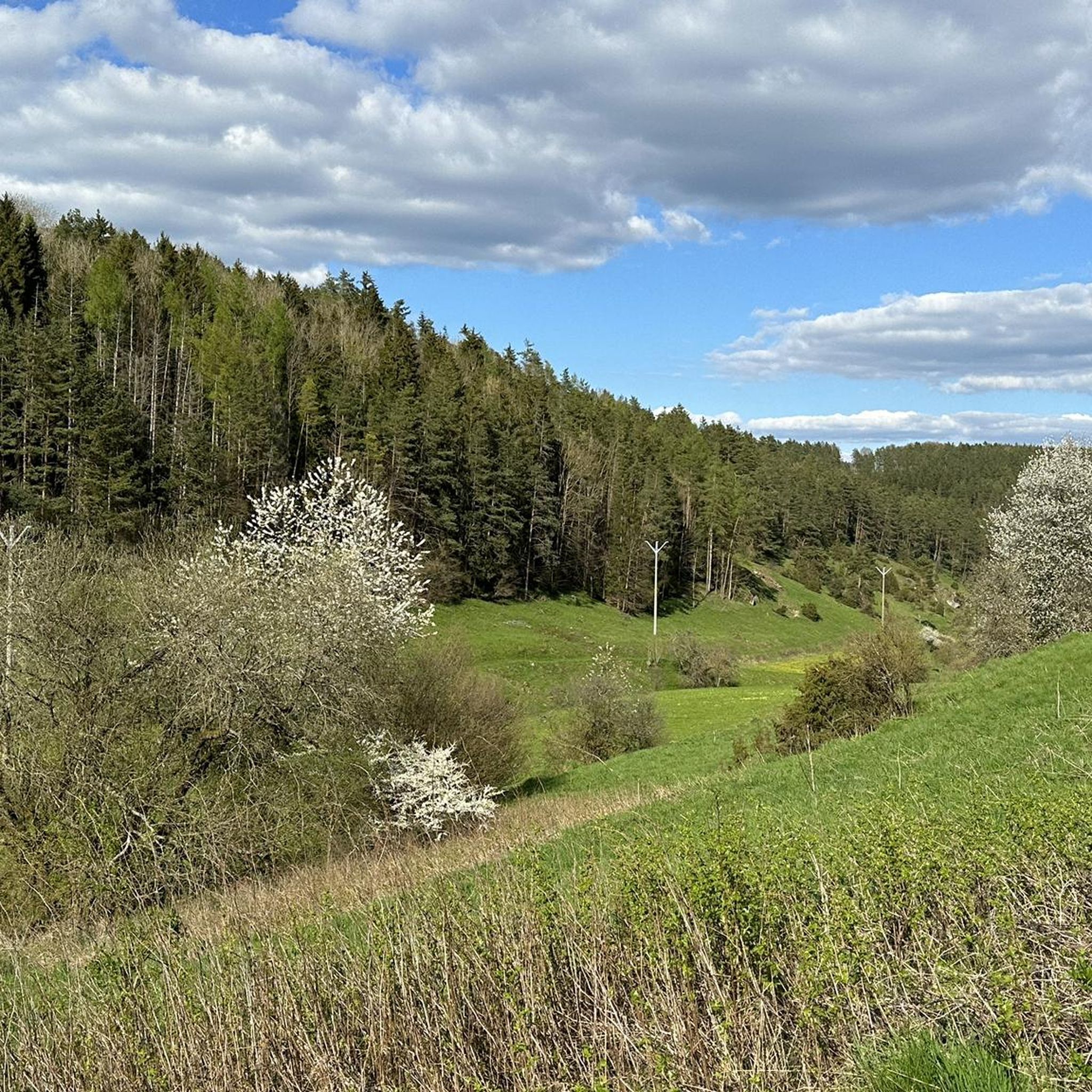
Road Cycling Routes around Alfeld
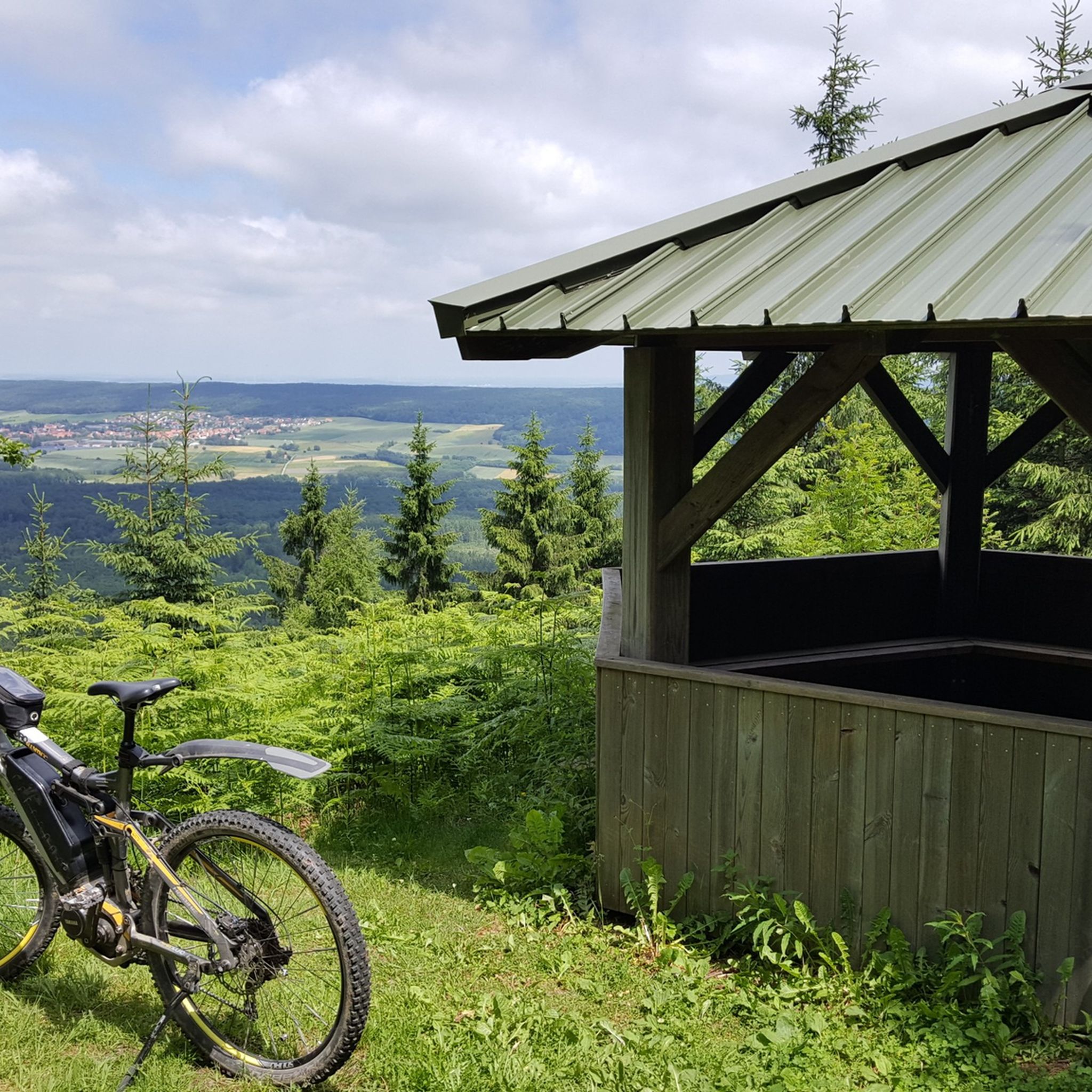
MTB Trails around Alfeld
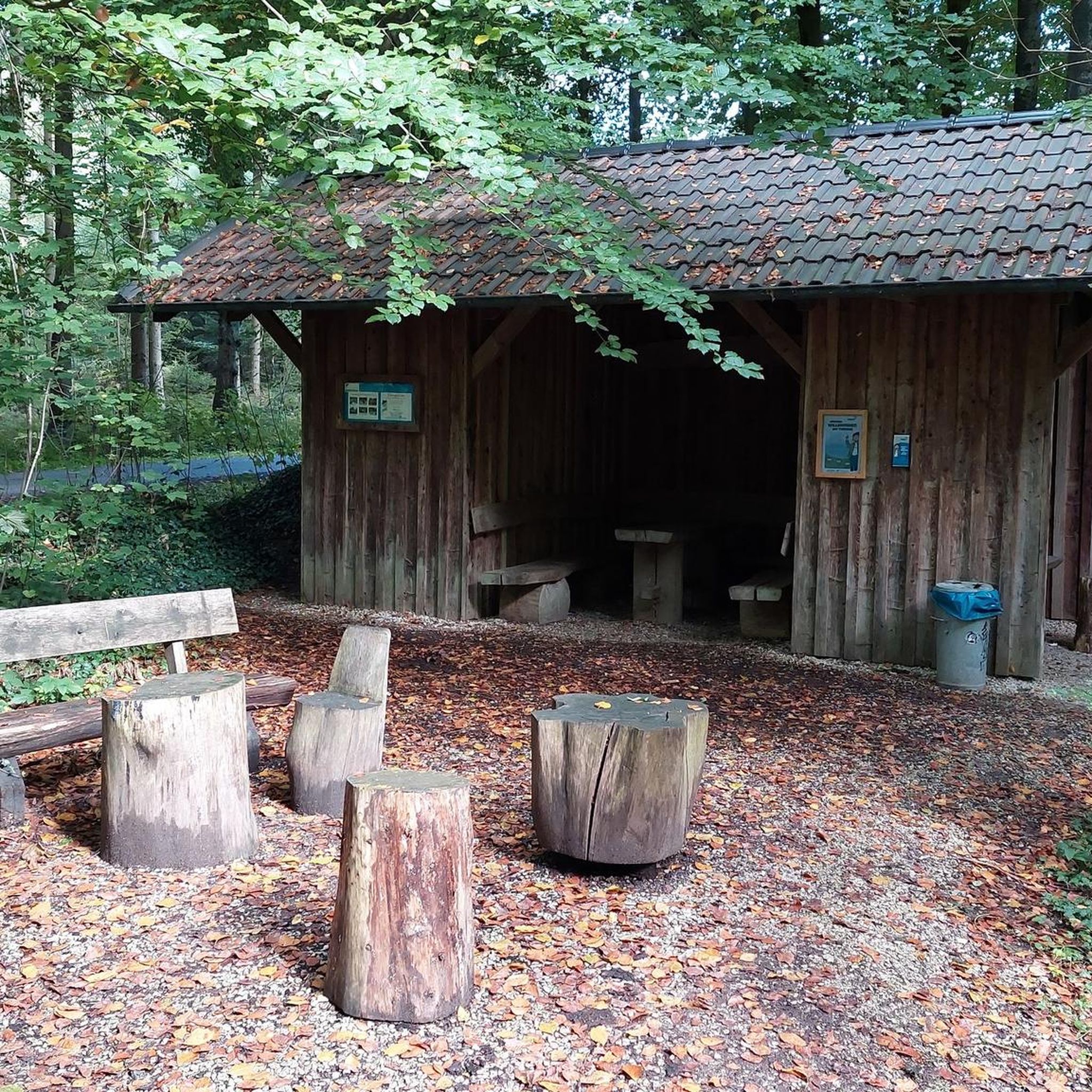
Gravel biking around Alfeld
Running Trails around Alfeld
Other adventures around Alfeld


Tips from the Community

Poppberg Castle Ruins It is difficult to determine from the sources when the castle was built. It is particularly unclear whether the mentioned castles and lords of the "Puchberg," "Puckberg," or "Pocksberg" are identical with the Poppbergs. A coat of arms of the "Pocksberg" appears in the Kastl monastery church in the row of founders' coats of arms on the south side of the nave. It can be assumed that the castle was founded to control the "high road" from Prague to Nuremberg, perhaps even under the Counts of Sulzbach, who ruled until 1188. In any case, the village of Poppberg is mentioned as belonging to the Fürnried parish as early as 1139. However, the castle's existing buildings show no signs of such an early foundation; they are more consistent with the period after 1300, when tower-like residential buildings became fashionable. The first truly confirmed reference to the castle appears in 1373, when the so-called New Bohemian Lands of Emperor Charles IV passed into the hands of the Bavarian duke. Poppberg was part of this Bohemian territory on Upper Palatinate soil, founded by Charles in 1353, but dissolved after his death. The Bavarian dukes pawned the castle to their Palatinate relatives in 1395, but redeemed the pledge in 1451. What seems odd is that two years later the castle is described as "deserted and desolate," meaning it was already abandoned. In 1505, after the Landshut War of Succession, Poppberg passed to the Duchy of Palatinate-Sulzbach, and in 1791 to Bavaria, but remained abandoned and fell into disrepair until the present day. The entrance to the castle is protected by a narrow tower on a pointed rock formation that forms the highest point of the castle. The upper part of the tower is occupied by a recently built, concreted shelter, which served as an air observation post during World War II. A circular wall adjoins the rock formation, forming a clearly visible edge of the terrain and extending extensively around the entire area. Traces of soil near the entrance suggest several utility buildings. The most impressive part of Poppberg is the residential building, a typical late medieval mixture of residential tower and palace dating from after 1300. The lower floor of the building probably served as a pantry and kitchen. The second floor is much more residential, with larger windows and two large entrances leading to the former battlements on either side. A third floor is suspected. Source: www.burgenseite.de
5
0

Small, privately owned castle located on the Neidstein. Was briefly owned by Nicolas Cage, the Hollywood actor. Unfortunately, it cannot be easily visited.
0
0
Burgstall Hartenfels The site of the abandoned spur castle is located in the Middle Franconian Jura, on a southwest-facing rocky spur of the Great Hartenfels at 530.6 m above sea level. The castle was probably built during the 13th century by the Lords of Neidstein, but there is no mention of the castle itself. It is only mentioned indirectly in a document dated February 21, 1268, in the name of Heinrich von Hertenvels. In addition to the high medieval fortification on the Hartenfels, there are also the remains of a prehistoric structure at the same location. A long section of the rampart, about half a meter high, has been preserved, which arches around the mountain spur outside the moat of the medieval castle and thus sealed it off. Today, the site of the former castle is completely overgrown with forest, and only two ditches and the remains of the foundation walls of the former ring wall have survived. The former hilltop castle was once divided into two areas, an outer bailey at the transition from the spur to the flat summit area or plateau of the Hartenfels, and a main castle at the rocky tip of the mountain spur, in the best protected place by nature. The outer bailey was protected by a two-meter-deep and about ten-meter-wide moat. The area of the outer bailey is irregularly shaped, as it was adapted to the rocky terrain between the plateau and the rocky spur. As it was easily attacked from the plateau, it had to be protected on its north-east side by a strong wall, of which a 4.50-meter-wide and one-meter-high rampart still remains. Approximately in the middle of this rampart, a 3.80-meter-wide break gives an idea of the former entrance to the castle, and even today you enter the castle grounds at this point. The main castle has a trapezoidal area about 50 meters long and 25 meters wide. On its west and south sides it is well protected by the vertical drop of the rocks by several meters and the steep eastern slope also offered sufficient protection. Only at the northwest corner is a small remnant of a wall still visible above ground. There are no further traces of construction on the flat surface of the main castle, apart from an almost square pit in the middle of the area. This pit measures 4 by 3.50 meters and could be the remains of a cistern or a cellar room. Source: Excerpts from www.wikipedia.de
2
0

Nice little castle ruins and easy to get to;
2
0

In 1391 the castle was pledged to Linhard von Henfenfeld by the Wittelsbach dukes, after which other pledge holders and caretakers appeared. In 1419 it was ceded to the brothers Hans, Eberhart and Wilhelm von Mistelbeck, who had claims against Duke Ludwig of Bavaria-Ingolstadt. The handover did not take place because of the Bavarian War. In the Bavarian War between Duke Ludwig of Bavaria-Ingolstadt and his cousins, the Bavarian Dukes of Landshut and Munich, Lichtenstein Castle was conquered and destroyed in June 1421 by Count Palatine Johann von Neumarkt-Neunburg, who was allied with Ludwig's opponents. In the terrain exploration of the imperial city of Nuremberg from 1503 to 1504, in which all castles and fortifications are listed in relation to the Landshut War of Succession that soon followed, Lichtenstein is described as “an old, traditional castle”. An entry in the Salbuch from 1516 also states that Lichtenstein was only a castle stable. The Sulzbach regional court granted the Mistelbeck brothers their right to compensation in 1421 and again in 1422. The castle ruins fell into disrepair; In 1851 the Bavarian state sold it to Paul Willhelm Freiherr Ebner von Eschenbach. Around 1855, in the spirit of the awakening romanticism of castles, he had the pseudo-ruins built on the upper castle using rising masonry and an English landscape garden set up in the area of the lower castle, which, however, also fell into disrepair.[5] Today there is forest around the castle ruins and it is partly overgrown with bushes. Several hiking trails from Pommelsbrunn and the surrounding area lead to the ruins. The medieval remains of Lichtenstein Castle, especially those of the lower castle, are at great risk of decay. Source: Wikipedia
6
0

Today there is forest around the castle ruins and it is partly overgrown with bushes. Several hiking trails from Pommelsbrunn and the surrounding area lead to the ruins. In any case, the view is beyond any doubt :)
4
0

The Poppberg castle ruins are privately owned. Entry is prohibited.
5
1

From the Hartenfels with its summit cross that can be seen from afar, you have a beautiful view of Neukirchen and the surrounding area. To get to the vantage point, you either leave your bike where it is or push it up the stairs, but the view makes up for the effort. Don't forget to enter the summit book 😉.
5
0
Frequently Asked Questions
What are some of the most popular castles and ruins to visit around Alfeld?
Visitors frequently enjoy the Lichtenegg Castle Ruins, known for its magnificent panoramic views extending to the Fichtel Mountains. Another highly-rated spot is Poppberg Castle Ruins, a well-preserved ruin with a magical feel, located on the highest elevation in the Franconian Alb. The Lichtenstein castle ruins with viewpoint also offers fantastic views of Pommelsbrunn and the wider Nuremberg region.
Are there any family-friendly castles or ruins to explore near Alfeld?
Yes, the Lichtenegg Castle Ruins are considered family-friendly. They are freely accessible, and the site includes tables and benches for resting, making it suitable for a family outing. The nearby 'magic and fairytale forest' also offers additional exploration for children.
What kind of natural features and viewpoints can I expect to see near the castles?
Many castle sites offer stunning natural views. For instance, Lichtenegg Castle Ruins provides magnificent panoramic views, while the Lichtenstein castle ruins with viewpoint offers fantastic vistas of Pommelsbrunn and the Nuremberg region. The Hartenfels Summit and Castle Ruins, a 531-meter-high local mountain, also provides beautiful views over Neukirchen and the surrounding area.
Are there opportunities for hiking or other outdoor activities near the castles around Alfeld?
Absolutely. The region around Alfeld is excellent for outdoor activities. You can find numerous hiking trails, such as the 'Wallerberg Loop' or the 'Turk's Rock – Lichtenegg Castle Ruins loop'. For cycling enthusiasts, there are options like the 'Happurg Reservoir – Engelthal Village Centre loop'. You can explore more routes in the Hiking around Alfeld, Gravel biking around Alfeld, and Cycling around Alfeld guides.
What historical insights can I gain from visiting these castles?
The castles and ruins around Alfeld offer a deep dive into centuries of regional history. Sites like Lichtenegg Castle Ruins, first mentioned 700 years ago, showcase medieval aristocratic life. Hersbruck Castle, dating back to before 1000 AD, highlights its role in safeguarding the Pegnitz Bridge. The ongoing restoration efforts at Lichtenegg also provide a glimpse into archaeological finds.
Are there any castles near Alfeld that are privately owned and not accessible to the public?
Yes, Neidstein Castle, a 16th-century structure with an original complex from around 1050, is privately owned and unfortunately not open to visitors. Similarly, Schloss Delligsen (also known as Herrenhaus der Domäne Düsterntal) is now a therapy center and not publicly accessible.
What is the best time of year to visit the castles and ruins around Alfeld?
While specific seasonal considerations vary, many castle ruins, especially those with viewpoints like Lichtenegg Castle Ruins, are enjoyable during pleasant weather for optimal views. Spring and autumn often offer comfortable temperatures for exploring and hiking, with vibrant foliage or blooming nature.
Are there any castles in the Alfeld (Leine) region of Lower Saxony worth visiting?
Yes, in the Alfeld (Leine) region, Schloss Brüggen is a notable example. Built in 1693, it features Italian and Dutch architectural influences. While the interior is generally not open, its expansive park, garden café, and associated farm buildings are accessible. The Bodenburg Complex is also praised for its aesthetic appeal, diverse plant life, and historical value.
Can I find places to eat or stay near the castles?
Yes, some castle locations have amenities nearby. For example, directly below the Lichtenegg Castle Ruins, you can find the Alter Schloss-Wirt Lichtenegg, an inn offering regional specialties and a beer garden. Schloss Brüggen in Lower Saxony also has a garden café. For broader options, you'll find cafes, pubs, and accommodation in the towns and villages surrounding the castle sites.
What do visitors particularly enjoy about the castles around Alfeld?
Visitors frequently highlight the magnificent panoramic views, the historical atmosphere, and the sense of tranquility. Many appreciate the accessibility of sites like Lichtenegg Castle Ruins and the well-preserved nature of places like Poppberg Castle Ruins. The combination of natural beauty and historical significance is a major draw.
Are there any castles that are particularly good for dog owners?
The Lichtenstein castle ruins with viewpoint is listed as dog-friendly, suggesting it's a good option for those visiting with their canine companions. Many outdoor ruin sites generally welcome well-behaved dogs on leashes, but it's always good to check specific site rules.
What remains of the original Burg Alfeld?
The original Burg Alfeld itself is no longer standing. Only a wall remnant on a rock remains from what was once a medieval hilltop castle.
Most popular routes around Alfeld
Most popular attractions around Alfeld

Get inspired with the komoot mobile app


Explore more
Looking for the best castles somewhere else? Discover other guides around Alfeld:
