Top 20 Caves around Balve
Best caves near Balve are found in Germany's Sauerland region, offering a mix of archaeological sites, natural formations, and cultural venues. The area is characterized by karst topography, leading to the formation of various cave systems. These subterranean landscapes provide insights into prehistoric life and geological processes. Balve's caves are notable for their historical significance and unique features.
Best caves around Balve
- The most popular caves is Feldhof Cave, a cave that is very large and freely accessible. Visitors should bring a flashlight to explore its main hall, which is 8 meters high and 15 meters wide.
- Another must-see spot is Felsenmeer (Hemer), a natural monument with rugged terrain. This protected area features impressive rock formations, ravines, and faults, with some originating from the formation and collapse of caves.
- Visitors also love Heinrich Cave, a stalactite cave with 300 meters accessible to the public. It offers an insight into geological formations and has a small shop selling minerals.
- Balve is known for its archaeological caves, stalactite caves, and large karst caves. These include sites with prehistoric artifacts and natural monuments formed by geological processes.
- The caves around Balve are appreciated by the komoot community, with more than 2600 upvotes and over 2100 photos shared across the highlights.
Last updated: July 20, 2026
Feldhof Cave
Highlight • Cave
Translated by Google •
Tip by

Felsenmeer (Hemer)
Highlight • Natural Monument
The nearby Heinrichshöhle is a stalactite cave, which is open to visitors.
The Felsenmeer itself is freely accessible around the clock. Leaving the marked trails is prohibited and very dangerous, as crevices are often hidden under leaves and branches. This has already resulted in several deaths.
Translated by Google •
Tip by

Sign up now to discover places like this
Get recommendations on the best single tracks, peaks, & plenty of other exciting outdoor places.
Sign up for free
Seven Maidens Rock Formation
Highlight • Natural Monument
Translated by Google •
Tip by

Haake Cave
Highlight • Cave
Translated by Google •
Tip by

Balver Cave
Highlight • Cave
Translated by Google •
Tip by

Sign up for free to discover even more caves around Balve.
Sign up for free
Already have an account?
Start today with a free account
Your next adventure awaits.
Login or Signup
Popular around Balve
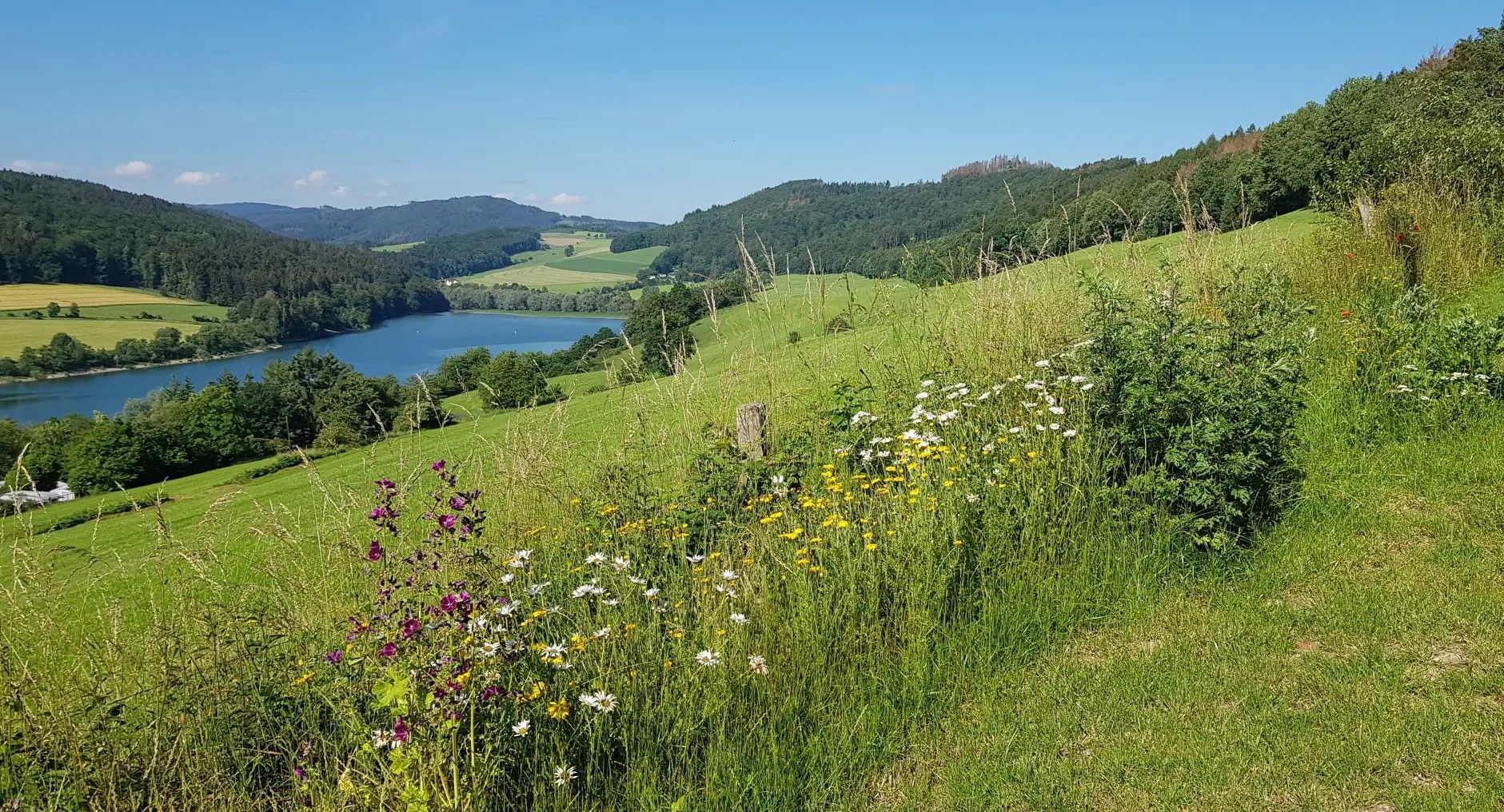
Germany's Sauerland Forest Route – Views and discoveries
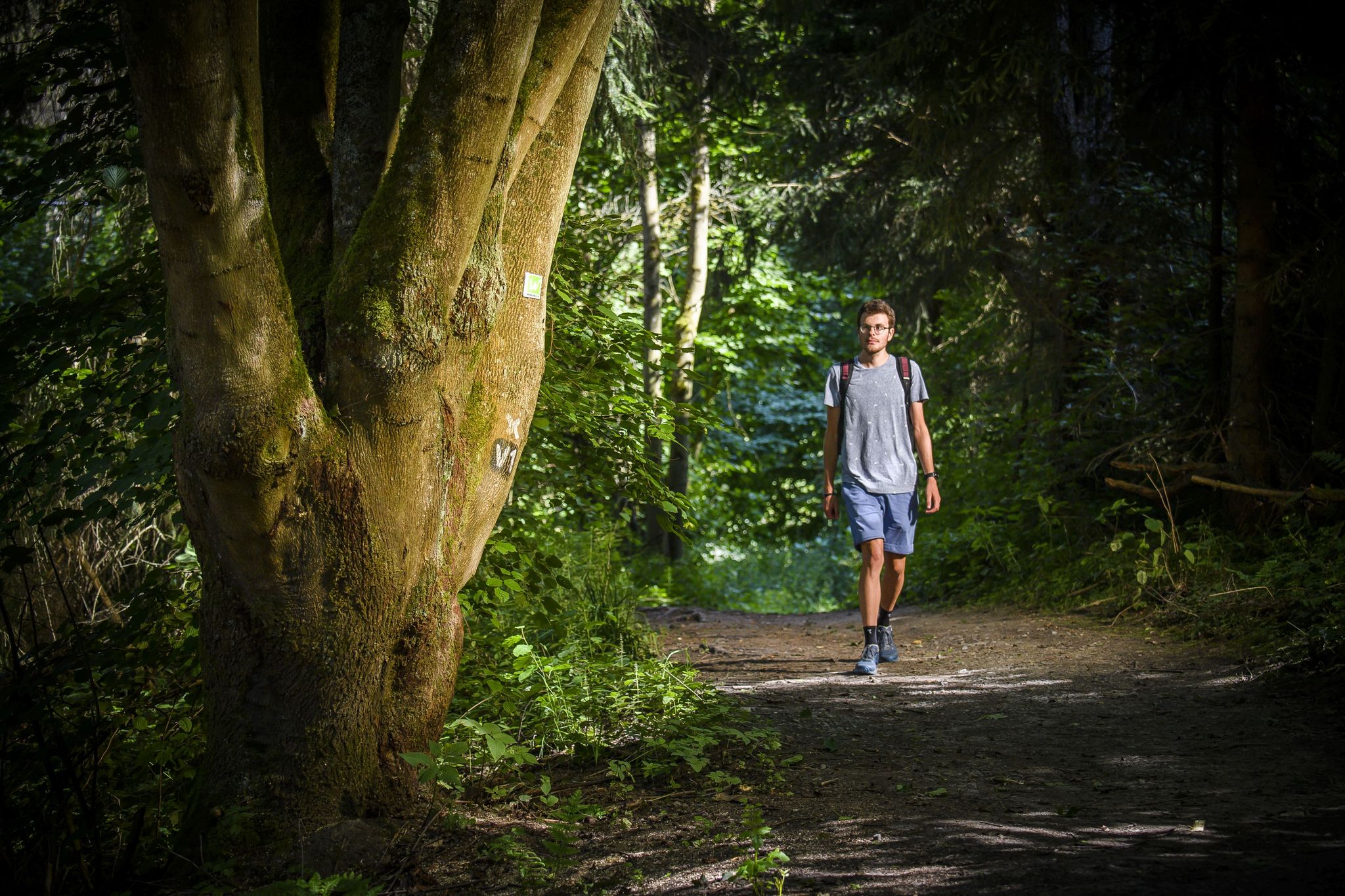
High trails and deep views – hiking in the Märkisches Sauerland
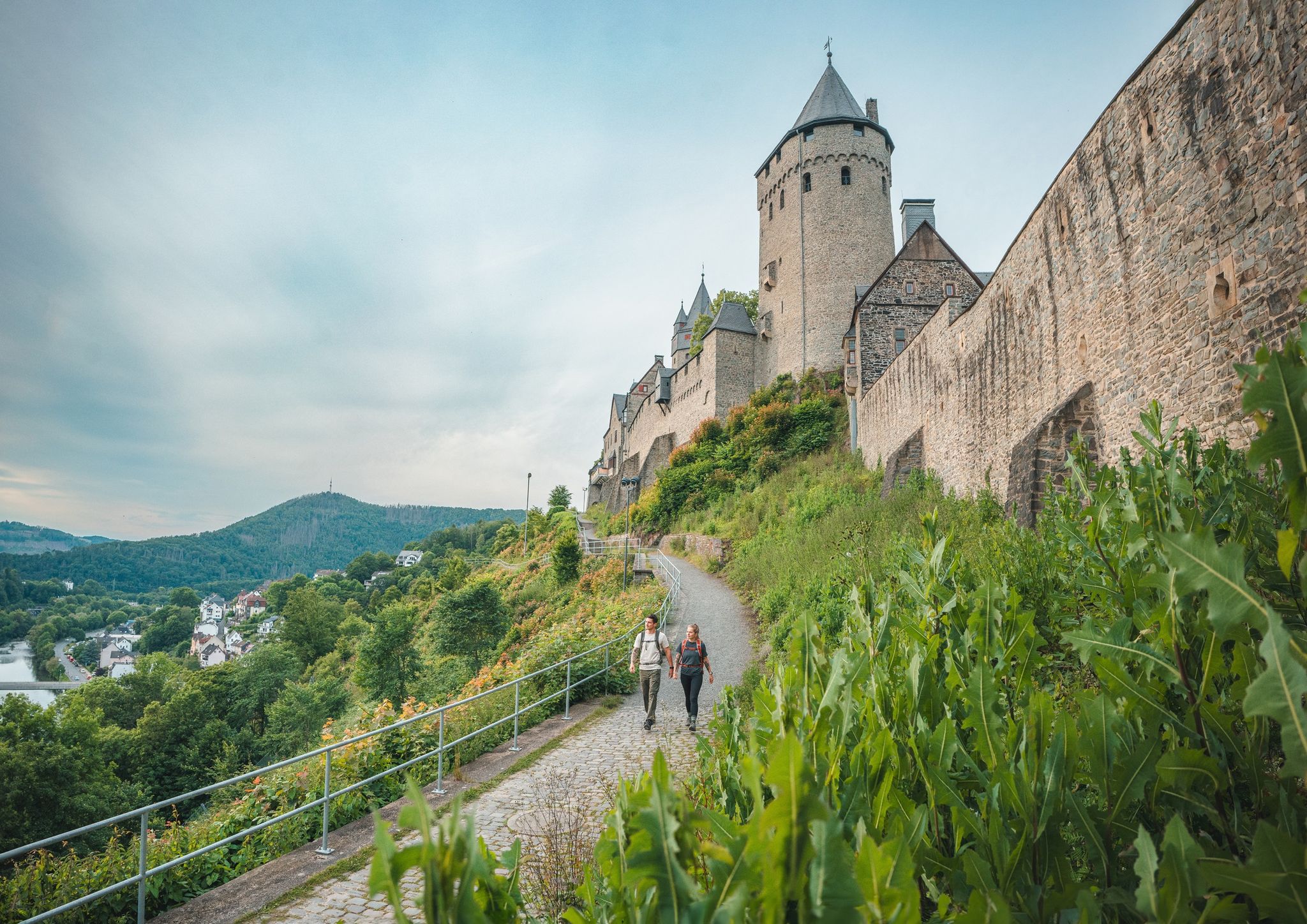
One Way Wanderlust: hiking in the Sauerland by public transport
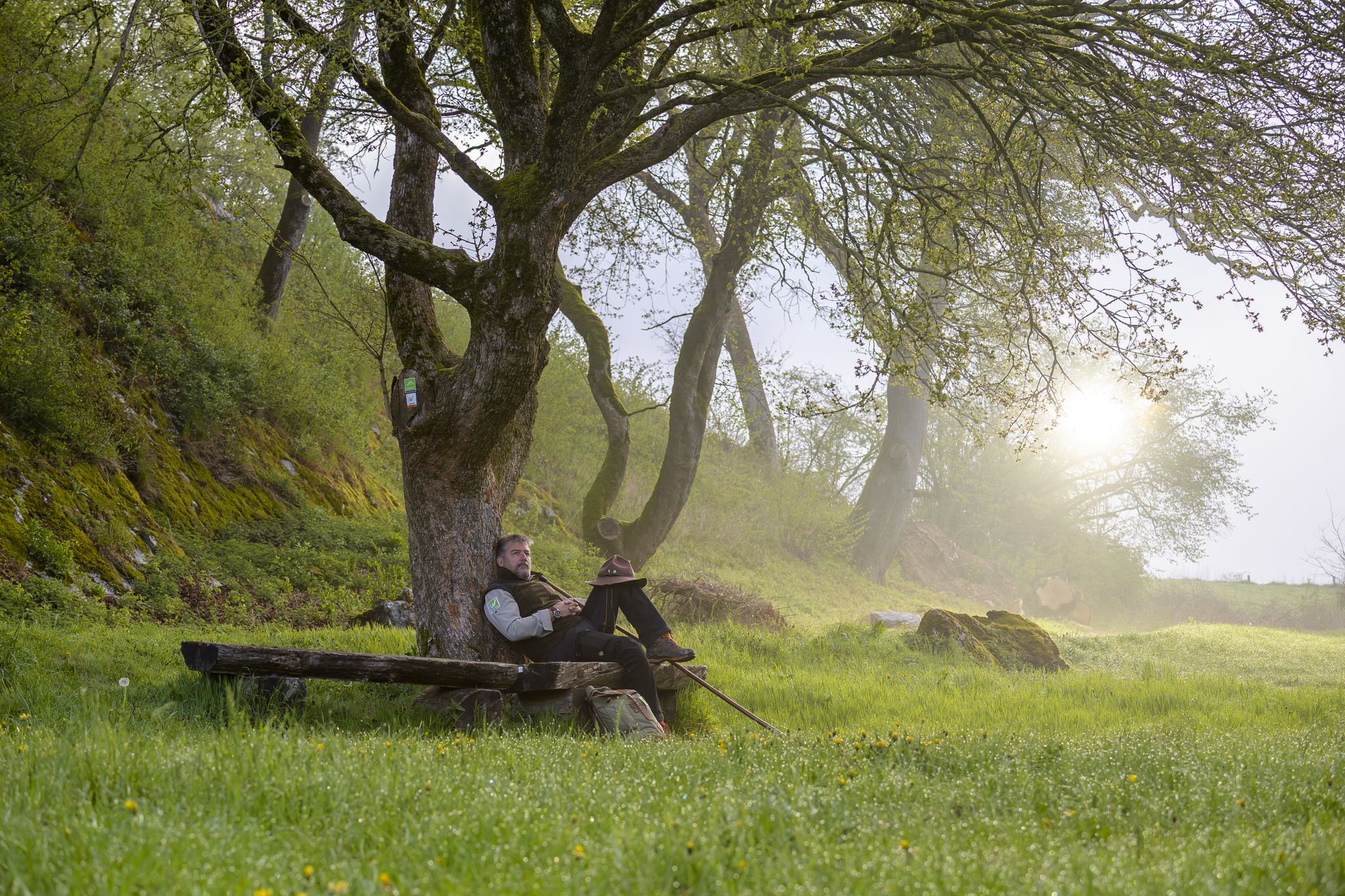
Zauberhaft mystisch - Die Sauerland-Waldroute
Hiking around Balve
Cycling around Balve
MTB Trails around Balve
Road Cycling Routes around Balve
Running Trails around Balve
Gravel biking around Balve
Other adventures around Balve


Tips from the Community

The Balver Kulturhöhle impresses right from the first step: a gigantic natural dome, up to eleven meters high, which has been used since the Old Stone Age and is today considered an extraordinary event venue. Where Neanderthals and cave bears once found shelter, you can now experience concerts, theater, and the traditional Schützenfest (marksmen's festival) in an acoustics that is second to none. The cave is only accessible as part of events or guided tours, but a glance at the mighty entrance is enough to reveal why it fascinates as Europe's largest open hall cave. https://www.sauerland.com/de/neusta-pois/balver-hoehle-europas-groesste-kulturhoehle
2
0

Large cultural cave with a restaurant right next door. The cave is said to have great acoustics. Unfortunately it was closed when we were there.
2
0

A beautiful little cave a flashlight would be an advantage but not essential. Back to the car was also a beautiful stream that you can hike along
0
0

Unfortunately, like all rocks in the Hönne Valley, it is closed for climbing.
1
1

cultural events are held regularly in the Balver cave
1
0

The Balver Cave is the largest open cultural cave in Europe with an entrance portal that is 11 meters high and 18 meters wide. In the huge hall, which is almost 90 meters deep and splits into two arms after 54 meters, around 2,000 people can celebrate or experience the unique acoustics and atmosphere at concerts. Caves only exist in limestone. This grew from dead corals in a warm sea around 360 million years ago. The enormous forces of the earth's interior fold, raise and lower the originally crack-free mass limestone. Penetrating water dissolves the lime, widens the cracks into crevices and cavities - this is how our cave was formed over tens of millions of years. During the ice ages 100,000 to 20,000 years ago, mud was deposited in the Balver Cave. The cave clay filled the cave almost to the ceiling. The farmers recognized the high fertilizer value of the phosphate-containing clay and brought it to their fields. This is how the impressive cave space was uncovered - a rock dome. During later excavations, skeletons of local animals, such as mammoths and cave bears, and around 40,000 artifacts were found.
3
0

Very nice large cave, with many side passages, you should have a torch with you.
1
0

Culture and event cave in Balve. It has been used for all sorts of purposes for thousands of years.
1
0
Frequently Asked Questions
What types of caves can I explore around Balve?
The Balve area offers a diverse range of caves, including large karst caves, significant archaeological sites, and beautiful stalactite caves. These subterranean landscapes provide insights into prehistoric life and geological processes.
Which caves in Balve have archaeological importance?
The Balver Höhle is one of Central Europe's most important Paleolithic sites, yielding over 53,000 artifacts from Ice Age animals and humans. Evidence suggests Neanderthals used it as a natural shelter. The Feldhof Cave is also considered a very interesting historical place, and archaeological discoveries have been made in the Leichenhöhle.
Are there any stalactite caves in the Balve area?
Yes, the Heinrich Cave is a notable stalactite cave near Hemer, close to Balve. It features characteristic mineral formations created by dripping water and offers 300 meters accessible to the public. There is also a small shop selling minerals at the visitor's hut.
Can I attend events or concerts in any of the Balve caves?
The Balver Höhle is renowned as Europe's largest cultural cave and serves as a unique event location due to its exceptional acoustics. It hosts a wide array of events, from concerts and theater performances to festivals like the Balver Märchenwochen and the local marksmen's festival. It's advisable to check their schedule for specific events.
What is the significance of the Felsenmeer near Balve?
The Felsenmeer (Hemer) is a protected natural monument featuring impressive rock formations, ravines, and faults. Its rugged terrain originates from the Tertiary period, with some features resulting from the formation and collapse of caves. It's a fascinating geological site to explore.
Are there family-friendly caves to visit around Balve?
Yes, the Heinrich Cave is considered family-friendly, offering an accessible insight into geological formations. The Balver Höhle also hosts family-oriented events like the Balver Märchenwochen (Fairy Tale Weeks), making it suitable for families depending on the event.
Do I need special equipment to explore caves in Balve?
For caves like the Feldhof Cave, which is freely accessible, it is essential to bring a flashlight to explore its main hall and side arms, as it can be very dark inside. For all caves, dressing warmly is recommended due to cooler temperatures underground, regardless of the outside weather.
What is the best time of year to visit the caves around Balve?
The caves can generally be visited year-round, but it's always advisable to check specific opening hours, especially for guided tours or events. The internal temperature of caves remains consistently cool, so dressing warmly is recommended regardless of the season.
Are there hiking trails near the caves in Balve?
Yes, the region around Balve offers numerous hiking opportunities. You can find various routes, including the 'Hönne Trail' which explores the enchanted Hönne Valley, or routes around the Luisenhütte. For more options, explore the hiking routes around Balve.
What other outdoor activities can I do near the Balve caves?
Beyond exploring caves, the Balve region is excellent for outdoor activities. You can find extensive networks for road cycling, with routes around the Sorpesee and Möhnesee, or challenging MTB trails. Discover more options in the road cycling routes and MTB trails around Balve.
Are there places to eat or drink near the Balve caves?
Yes, for example, the Sülberg Deele restaurant is located in a very idyllic natural setting. It's a good option for a meal or refreshment, especially if you are exploring the surrounding area. Check their specific opening hours as they can vary seasonally.
How long does it take to explore the caves around Balve?
The duration varies by cave. For instance, the accessible part of the Heinrich Cave is 300 meters long, typically taking a shorter guided tour. The Balver Höhle, being a large cultural venue, can be explored in varying times depending on whether you are just viewing or attending an event. The Feldhof Cave can be explored at your own pace with a flashlight.
Most popular routes around Balve
Most popular attractions around Balve

Get inspired with the komoot mobile app


Explore more
Extend your search for the best caves by checking out these guides of the top ones around Balve:
