Top 20 Castles around Thale
Castles around Thale, a town nestled in the Harz Mountains, offer a journey through history and natural landscapes. The region features ancient fortifications, unique rock-cut structures, and significant ruins. Visitors can explore sites that blend historical architecture with the area's rugged terrain. These locations provide insights into medieval defensive strategies and regional heritage.
Best castles around Thale
- The most popular castles is Lauenburg Castle Ruins (HWN 187), a castle that stands high above Stecklenberg. Its ruins showcase how medieval…
Last updated: July 20, 2026
Regenstein Castle and Fortress
Highlight • Castle
Translated by Google •
Tip by

Lauenburg Castle Ruins (HWN 187)
Highlight • Castle
Translated by Google •
Tip by

Sign up now to discover places like this
Get recommendations on the best single tracks, peaks, & plenty of other exciting outdoor places.
Sign up for free
Royal castle ruins (HWN 41)
Highlight • Castle
Translated by Google •
Tip by

Stecklenburg Castle Ruins
Highlight • Castle
Translated by Google •
Tip by

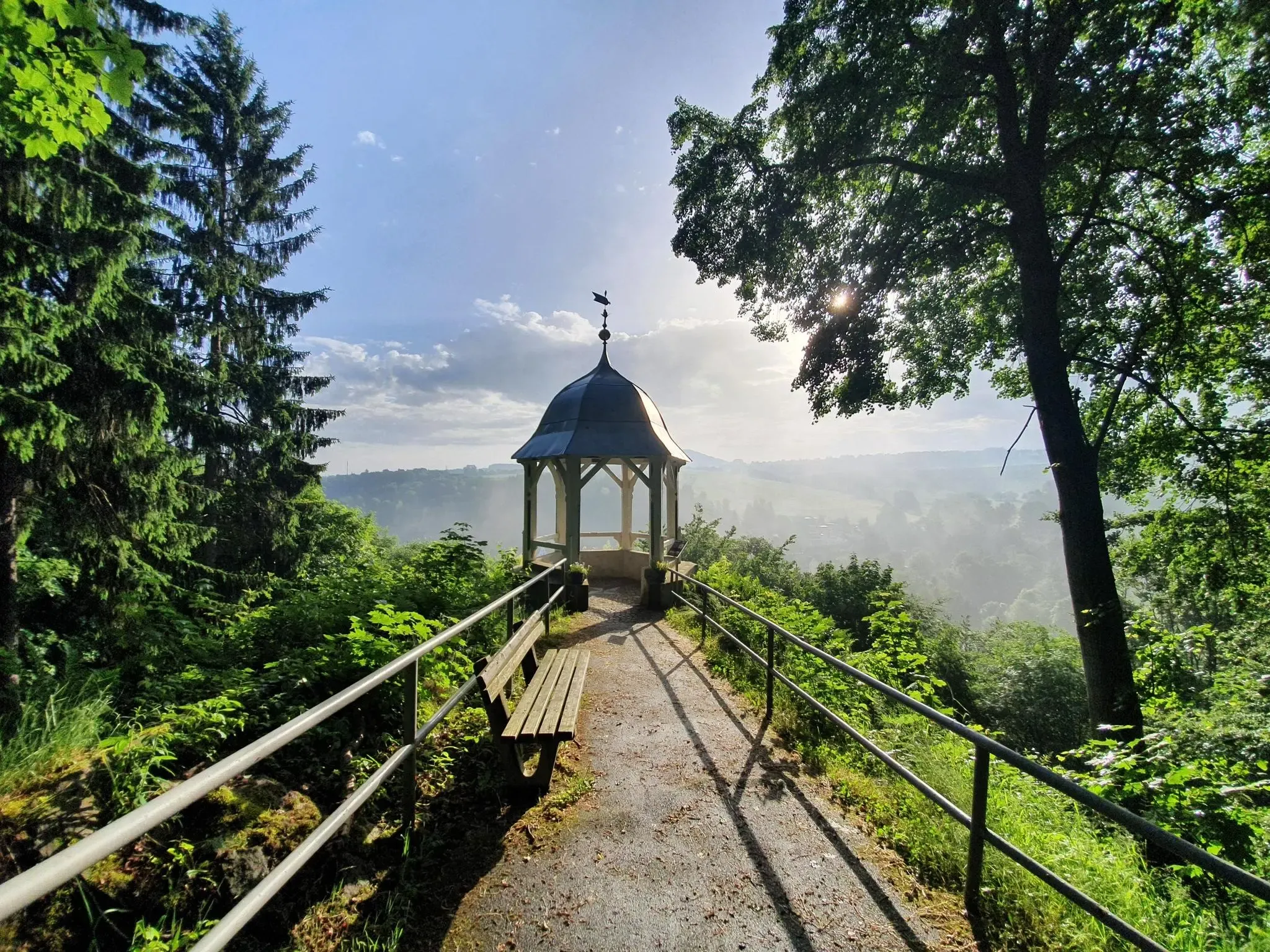
View of Treseburg from the Weißer Hirsch (HWN 67)
Highlight • Viewpoint
Translated by Google •
Tip by

Sign up for free to discover even more castles around Thale.
Sign up for free
Already have an account?
Start today with a free account
Your next adventure awaits.
Login or Signup
Popular around Thale
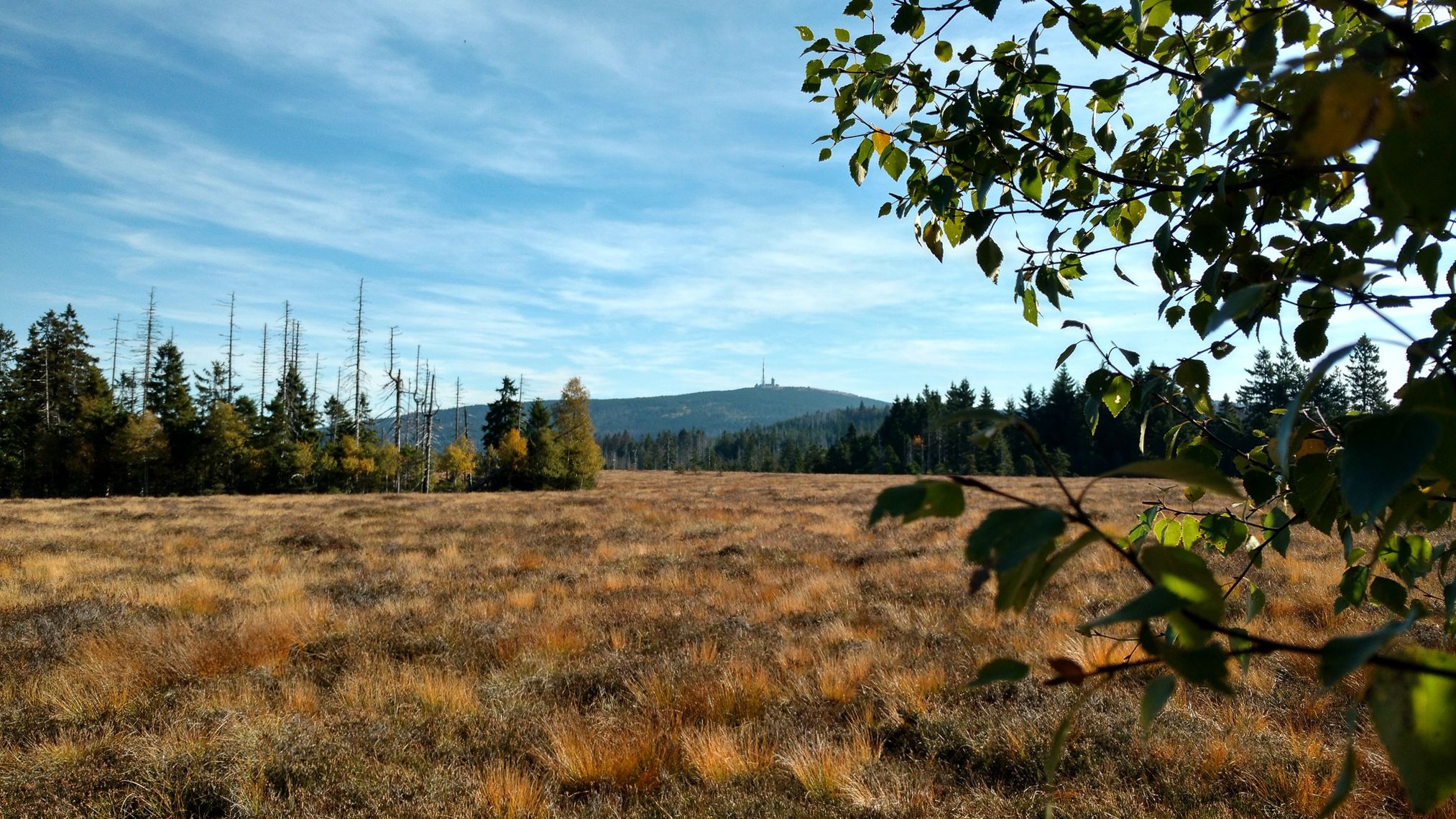
Harz Witches' Trail – A magical journey through Germany
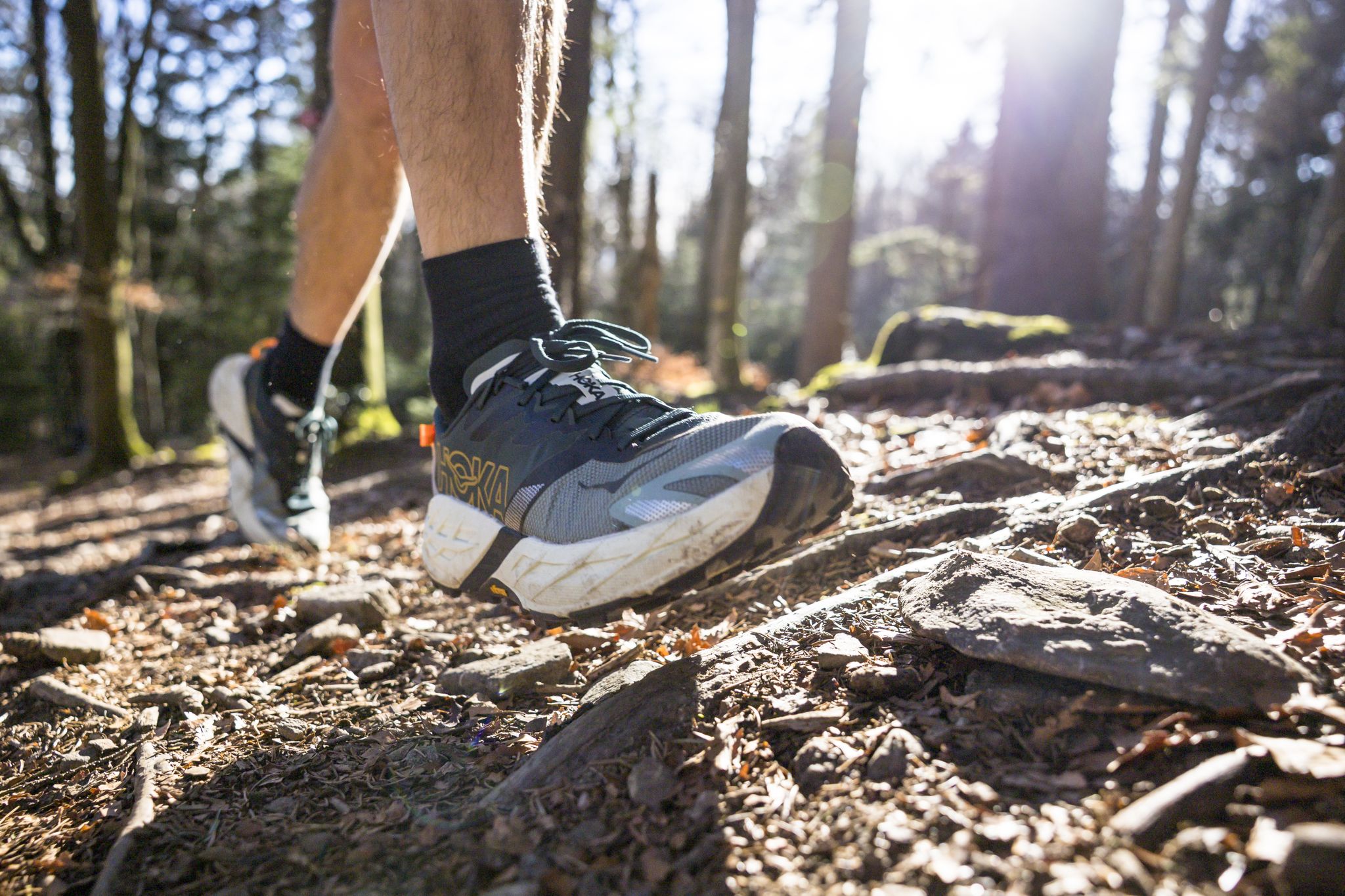
Run Wilder – six trail runs in Germany with the HOKA Speedgoat 7
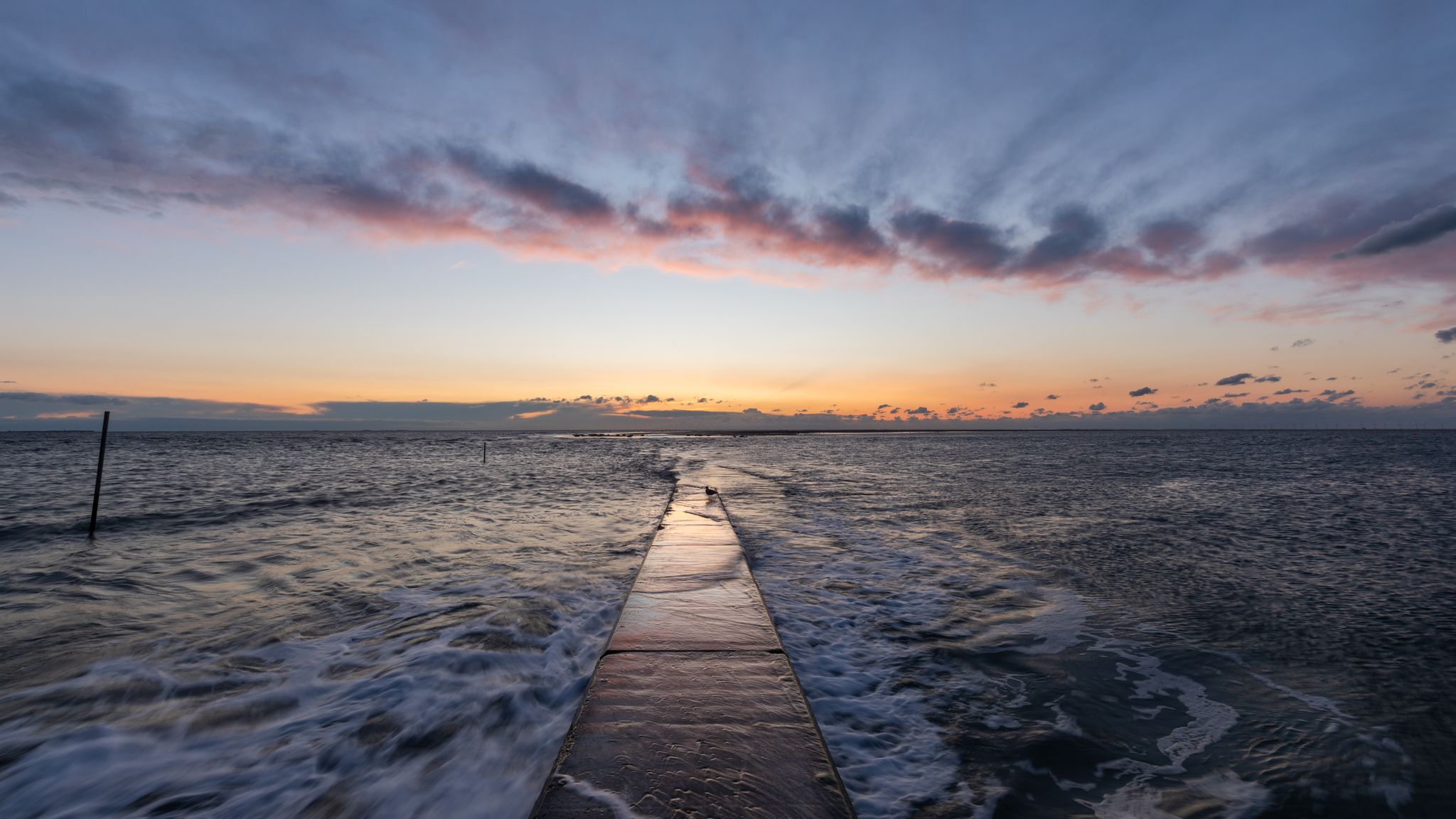
The National Natural Landscapes in Niedersachsen
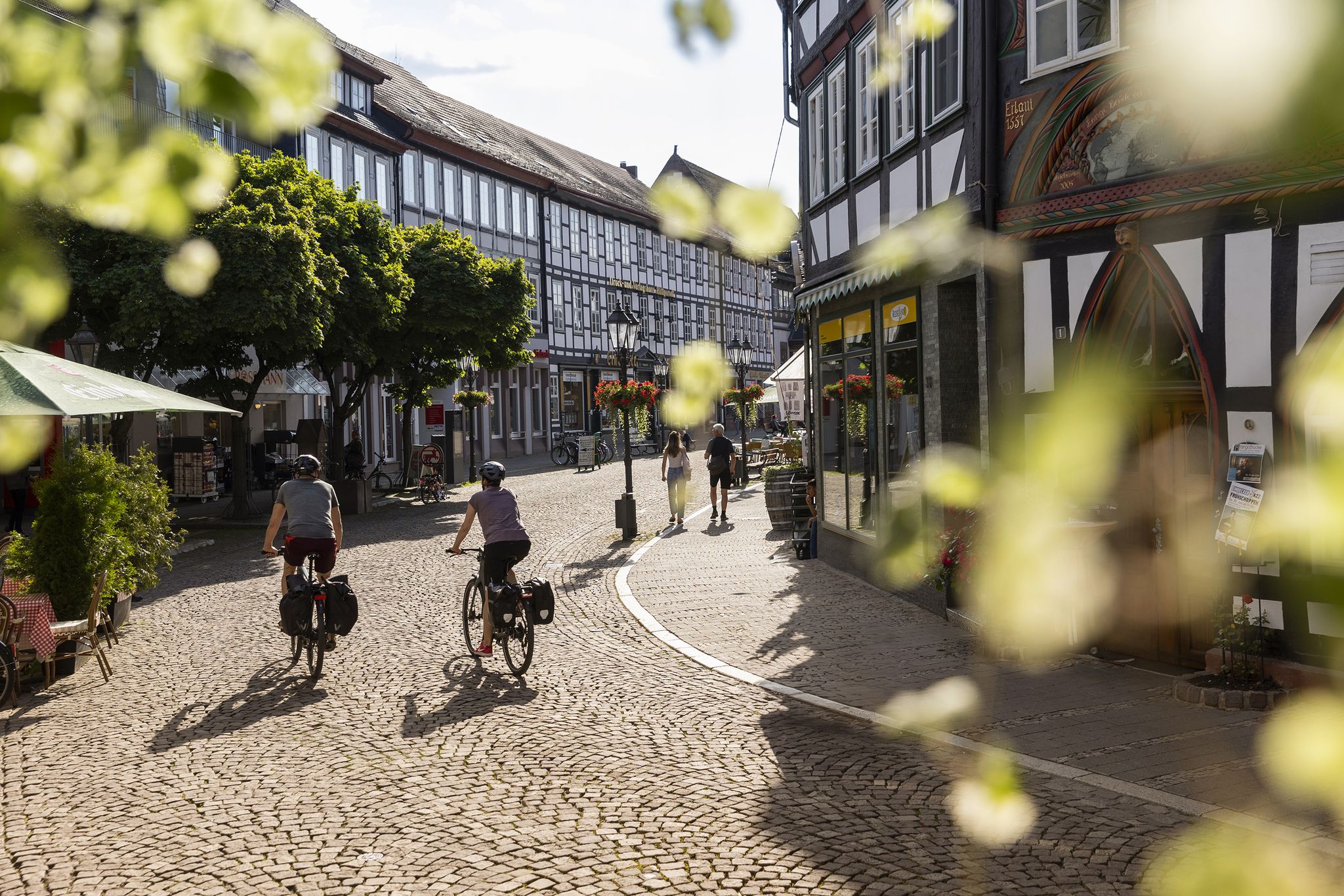
Experience cultural history on D-Route 3 – European Cycle Route R1
#GoFurther – discover the views of Germany!
Run Wild – trail running routes throughout Germany
Legendary hikes in the Harz Mountains
Hike through history in northern Germany – Harz Monastery Trail
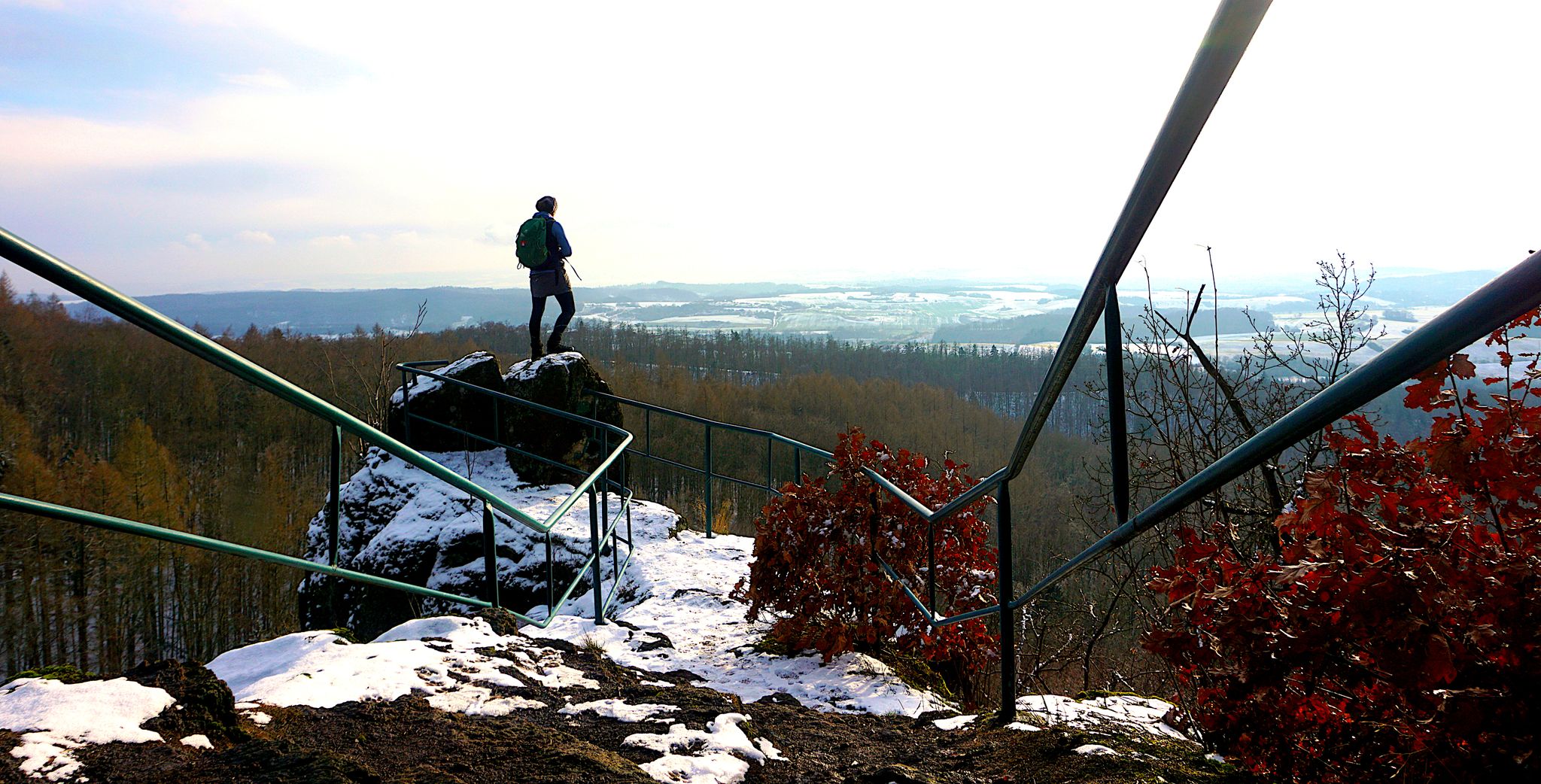
My 25 most beautiful Highlights in the Harz
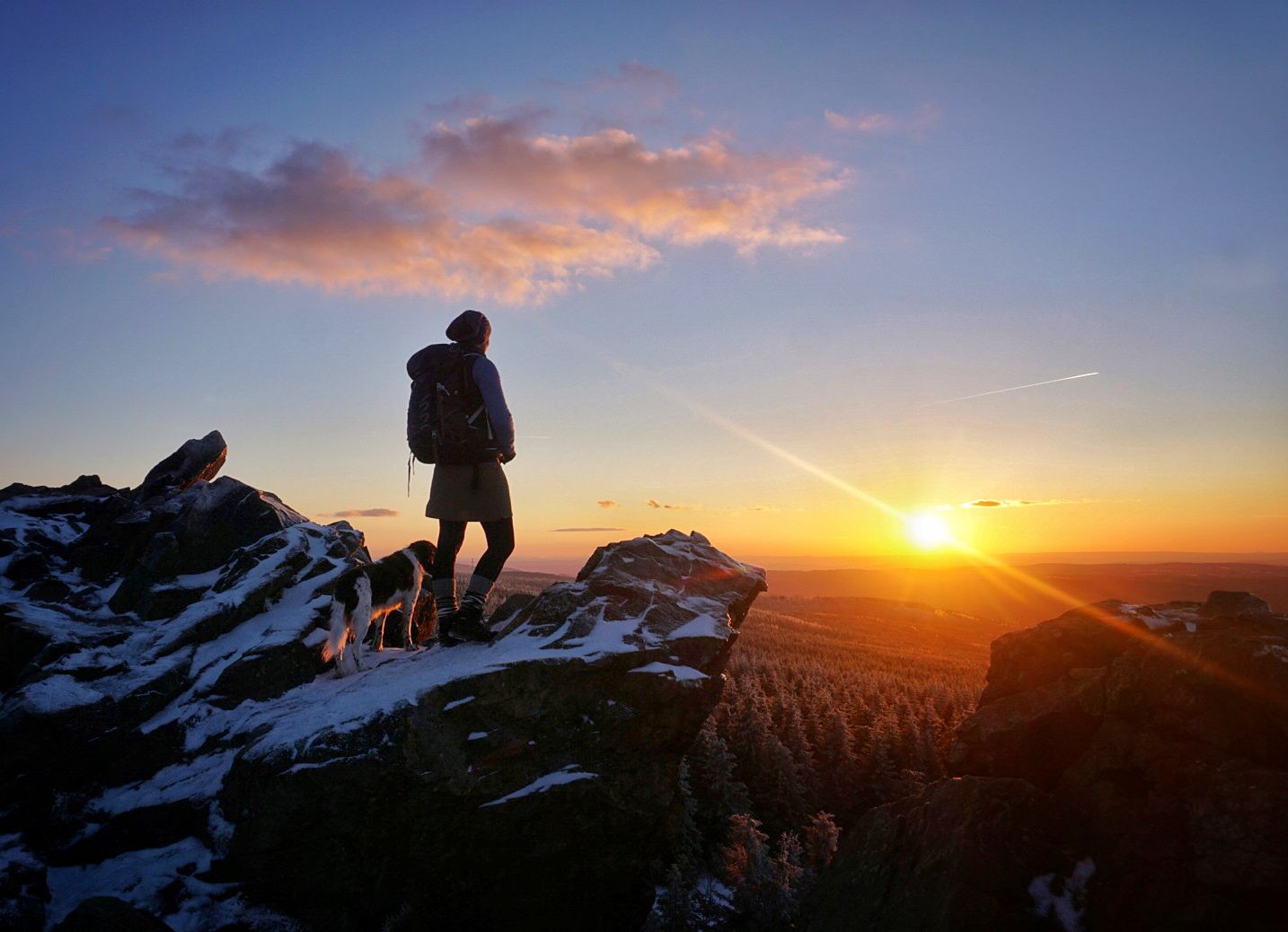
Explore beautiful winter hikes in Germany’s Harz Mountains
Other adventures around Thale


Tips from the Community

Here is the stamp location 187 Lauenburg.
15
1
A beautiful viewpoint and a good place for a rest.
10
1
The remains of the Stecklenburg ruins.
12
1

The two-part castle complex was built in the third quarter of the 11th century as an imperial castle under Henry IV and was first mentioned in documents in 1164. The construction of the outer and main castle probably took up to ten years. The purpose of the complex, which had a total length of more than 350 m, was to protect Quedlinburg and the nearby military roads. In 1180 it was conquered by Frederick I (Barbarossa) during military conflicts. In 1273 the castle was acquired by the Counts of Regenstein, which led to a power struggle between the Bishop of Halberstadt and the Counts of Regenstein. Bishop Albrecht II alone is said to have visited the castle nine times between 1326 and 1351. In 1351 the castle complex came into the possession of the bishops, who then gave the castle back to the Counts of Regenstein as a fief. From 1479 onwards the Quedlinburg Abbey was the fiefholder of the castle. Other owners of the castle were the Dukes Ernst of Saxe-Gotha-Altenburg and Albrecht of Saxe-Coburg, and from 1740 also King Frederick II of Prussia. The Prussian state later bought the castle for demolition. It then became the property of the city of Quedlinburg and in 1887 it became state property again. Source: Wikipedia
7
0
The complex was first mentioned in a document in 1312 as "castrum Königshof", when Bishop Albrecht von Halberstadt bought the castle from the squire Heinrich von Botvelde. In 1324 it was mentioned again as "castrum Köningshof acqisivit", then the castle went quiet. In 1614 the only other mention was of the keep at Königshoffe, which from 1709 onwards was only referred to as Königsburg. By then the complex had already fallen into ruins. When Paul Höfer carried out extensive excavations between 1898 and 1901, he believed that he had found the long-sought Bodfeld palace. He published several articles about it. In 1931, thanks to advances in soil research, this was proven to be a mistake by Carl Schuchhardt and confirmed a little later by Paul Grimm, who determined that the finds, especially the ceramics, were no older than the 13th century. Although these research results from the 1930s have been widely recognized in scientific research, Königshütte still advertises the fact that the Königsburg is the Bodfeld hunting palace and one of the most historic places in the Harz. Source: https://de.wikipedia.org/wiki/Ruine_K%C3%B6nigsburg
12
0

From up here you have a great view
12
2
It's just great and worth seeing😊
9
1
Frequently Asked Questions
What types of historical sites can I explore around Thale?
The Thale region offers a diverse range of historical sites, from ancient fortifications to unique rock-cut structures. You can visit traditional castle ruins like Lauenburg Castle Ruins and Stecklenburg Castle Ruins, or explore the impressive Regenstein Castle and Fortress, which is largely carved into sandstone. Additionally, the nearby UNESCO World Heritage site of Quedlinburg Castle offers a grander historical experience with its Romanesque church and museum.
Are there any castles near Thale that are integrated with natural landscapes?
Yes, several sites blend history with nature. Regenstein Castle and Fortress is a prime example, being largely worked into sandstone rock and offering fantastic views of the Harz foothills. The Lauenburg Castle Ruins and Stecklenburg Castle Ruins are also situated on hilltops, providing scenic backdrops for exploration.
What natural landmarks or viewpoints are associated with castles in the Thale area?
Beyond the castles themselves, the region boasts stunning natural features. The Rosstrappe, a 403-meter-high granite crag, offers spectacular panoramic views across the Bode Valley and is steeped in local legend. The Königstein, part of the Teufelsmauer (Devil's Wall) nature reserve, is another striking rock formation with historical interest. While not traditional castles, these sites often have historical context and provide breathtaking vistas.
Are there family-friendly options for visiting castles around Thale?
Many of the castle ruins and historical sites, such as Lauenburg Castle Ruins, are considered family-friendly, especially for those who enjoy hiking. The unique rock-cut architecture of Regenstein Castle and Fortress, with its caves and passages, can be an adventurous experience for children. Combining a visit with a hike on one of the many trails makes for a great family outing.
What outdoor activities can I do near the castles in Thale?
The castles around Thale are often integrated into the region's extensive network of outdoor trails. You can enjoy various activities like hiking, running, and mountain biking. For example, there are numerous hiking routes that pass by castle ruins, including moderate trails like the 'Papensteine Rock Formation – West Tower (Devil's Wall) loop'. You can also find running trails and challenging MTB trails in the vicinity.
What is the best time of year to visit the castles and historical sites in Thale?
The Harz Mountains, including the Thale area, are beautiful year-round. Spring and autumn offer pleasant temperatures for hiking and exploring, with vibrant foliage in the fall. Summer is ideal for longer days and outdoor activities. Even winter can be magical, with snow-covered landscapes, though some trails might be more challenging. Always check local conditions before your visit, especially for hiking.
Are there hiking trails that connect multiple castle ruins?
Yes, the region is well-suited for hiking between historical sites. For instance, Lauenburg Castle Ruins and Stecklenburg Castle Ruins are only a few hundred meters apart and can easily be combined into a single hike. Many castles are also checkpoints on the Harzer Wandernadel hiking trail network, encouraging exploration of multiple sites.
What do visitors particularly enjoy about the castles and historical sites in Thale?
Visitors frequently highlight the unique blend of history and natural beauty. The impressive views from sites like Regenstein Castle and Fortress and Lauenburg Castle Ruins are often praised. Many appreciate the adventurous exploration of rock-cut structures and the peaceful atmosphere of the ruins, often combined with rewarding hikes.
Is it possible to visit a more intact, grand castle near Thale?
While many sites directly in Thale are ruins or rock formations, the impressive Quedlinburg Castle is easily accessible from Thale. Located approximately 9 to 17 kilometers away, this UNESCO World Heritage site features a well-preserved Romanesque church and a museum, offering a deeper dive into German imperial history in a grander setting.
What is the significance of <a href="https://www.komoot.com/highlight/118486" target="_blank" rel="noopener">Luisenburg (HWN 77)</a>?
Luisenburg is a historical site, often referred to as the ruin of a summer residence. While only a few walls remain, it's a popular spot for hikers, serving as a stamp box location for the Harzer Wandernadel. It offers a wonderful panorama and a peaceful place to rest, making it a rewarding stop on a hike.
Are there any castles or ruins that offer particularly good viewpoints?
Yes, several sites are renowned for their views. Regenstein Castle and Fortress provides a fantastic all-round view of the pine forests to the north and the Harz foothills to the south. From the newly built lookout tower at Lauenburg Castle Ruins, you can overlook the Harz foreland. The Rosstrappe, a natural crag, also offers spectacular panoramic views across the Bode Valley.
What is the history behind the <a href="https://www.komoot.com/highlight/76863" target="_blank" rel="noopener">Royal castle ruins (HWN 41)</a>?
The Royal castle ruins, also known as Königsburg, were first mentioned in 1312. Despite some historical confusion regarding its origins, research indicates the finds are from the 13th century. Today, it stands as a ruin, offering a challenging ascent but rewarding visitors with great views, including of Brocken and Wurmberg from its tower.
Most popular routes around Thale
Most popular attractions around Thale

Get inspired with the komoot mobile app


Explore more
Looking for the best castles somewhere else? Discover other guides around Thale:
