Top 20 Gorges in Lazio
Best canyons in Lazio are found within a region known for its diverse natural landscapes, shaped by ancient rivers and volcanic activity. These geological formations offer varied terrain for exploration, featuring a mix of natural pools, waterfalls, and historical elements like Etruscan roads carved into rock. The region provides opportunities to experience both natural beauty and historical significance, with deep gorges carved into volcanic tuff by rivers like the Treja and Farfa. Lazio's canyons are characterized by their unique geological…
Last updated: August 4, 2026
Valle del Sorbo
Highlight • Gorge
Translated by Google •
Tip by

Via Francigena
Highlight (Segment) • Trail
Path that runs parallel to the stream and crosses it with wooden bridges in several points.
It …
Translated by Google •
Tip by
Sign up now to discover places like this
Get recommendations on the best single tracks, peaks, & plenty of other exciting outdoor places.
Sign up for free
Corchiano Historic Village and Gorges
Highlight • Settlement
Translated by Google •
Tip by

Tiberius' Grotto
Highlight • Cave
Tip by

Etruscan cut - road carved into the rock
Highlight • Historical Site
Translated by Google •
Tip by

San Michele Cave
Highlight • Cave
Translated by Google •
Tip by

Tagliata di Santo Antonio
Highlight • Gorge
Translated by Google •
Tip by

Melfa Gorge – Tracciolino of Roccasecca
Highlight • Gorge
Translated by Google •
Tip by

Vie Cave of Corchiano
Highlight • Natural Monument
Translated by Google •
Tip by

Obito Gorge
Highlight • Gorge
Translated by Google •
Tip by
Sign up for free to discover even more gorges in Lazio.
Sign up for free
Already have an account?
Start today with a free account
Your next adventure awaits.
Login or Signup
Popular around Lazio
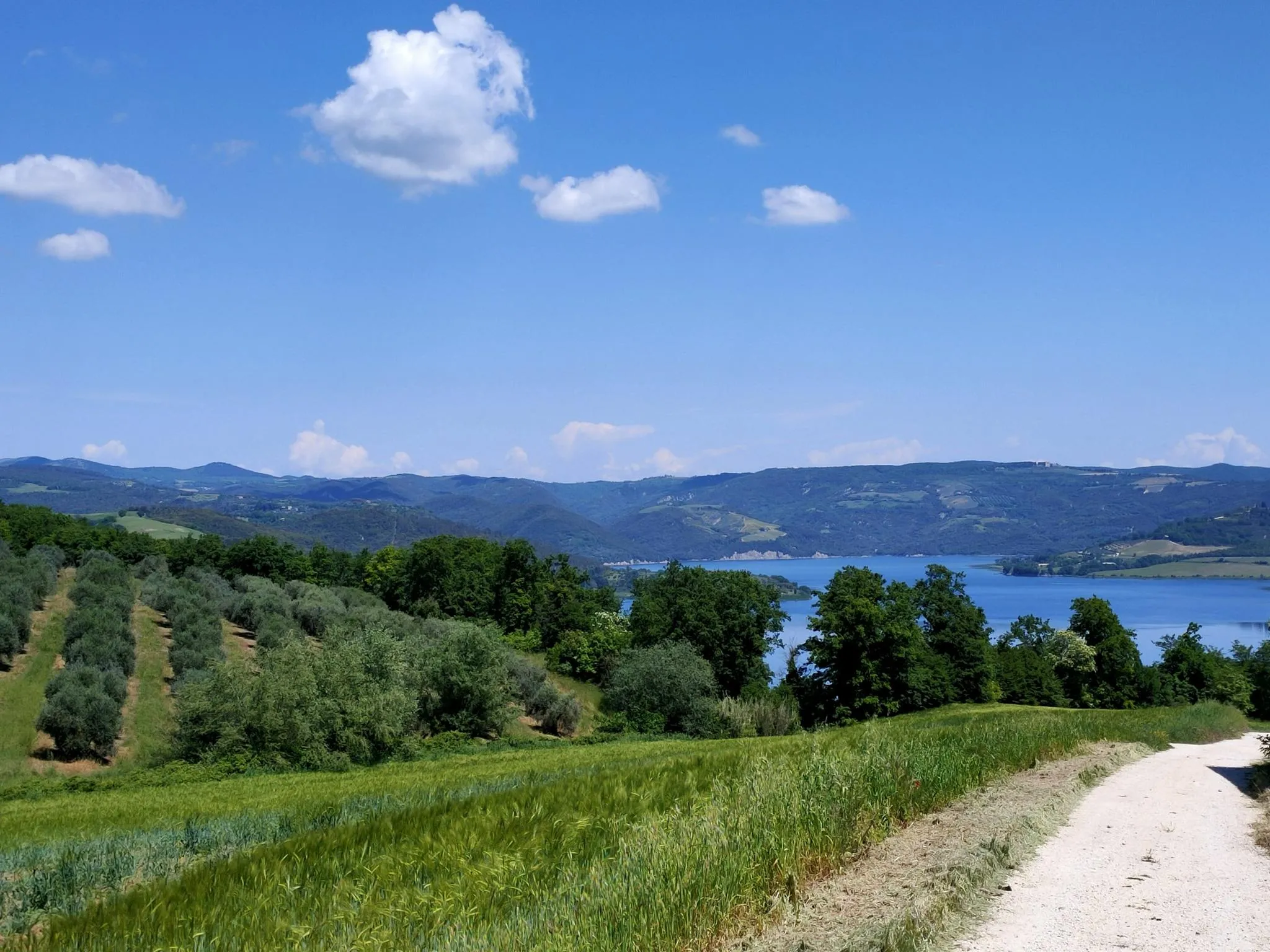
Italian Coast2Coast – From Portonovo to Orbetello
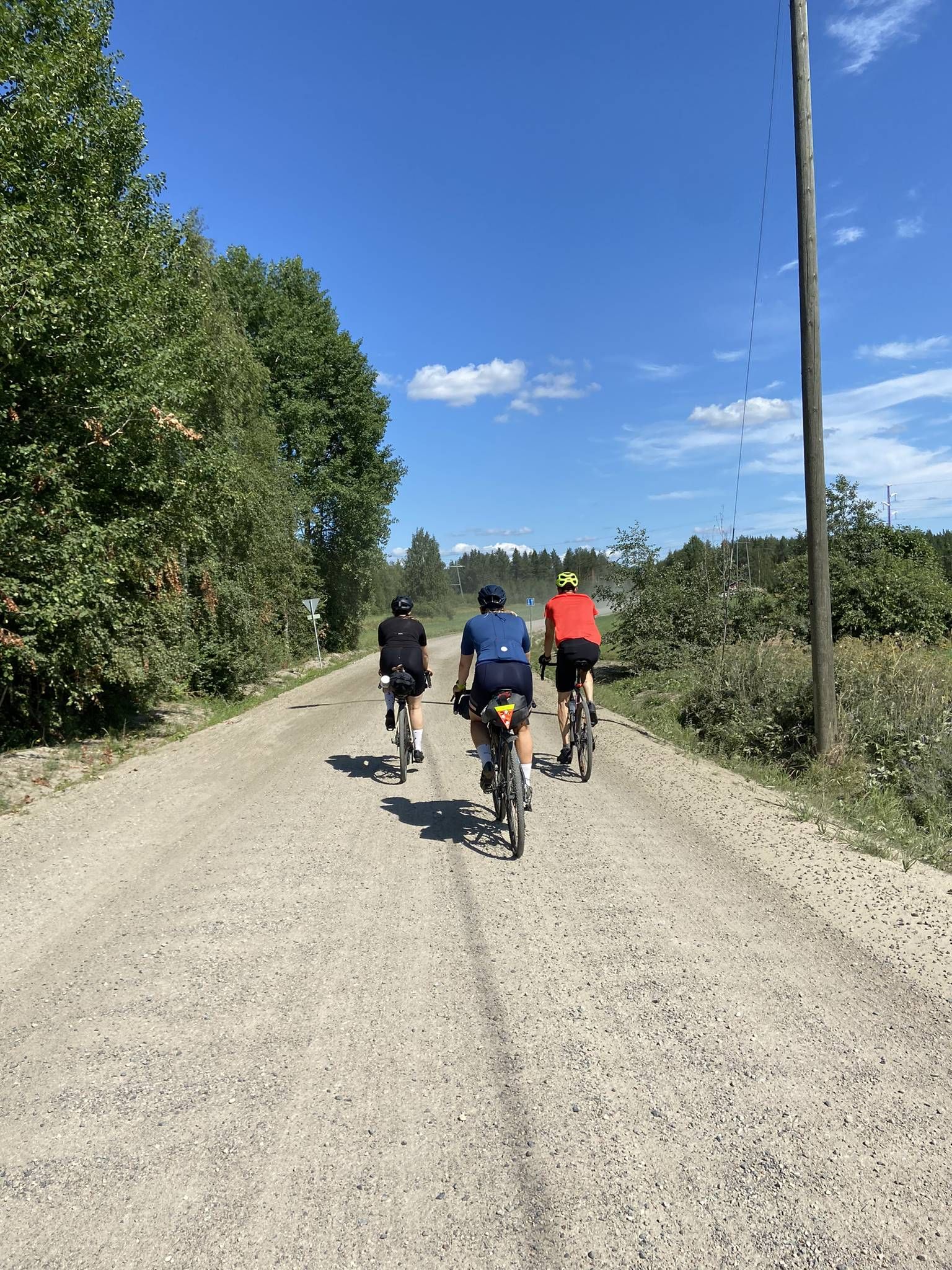
Naples to North Cape — Two friends, one purpose and many scoops of ice-cream
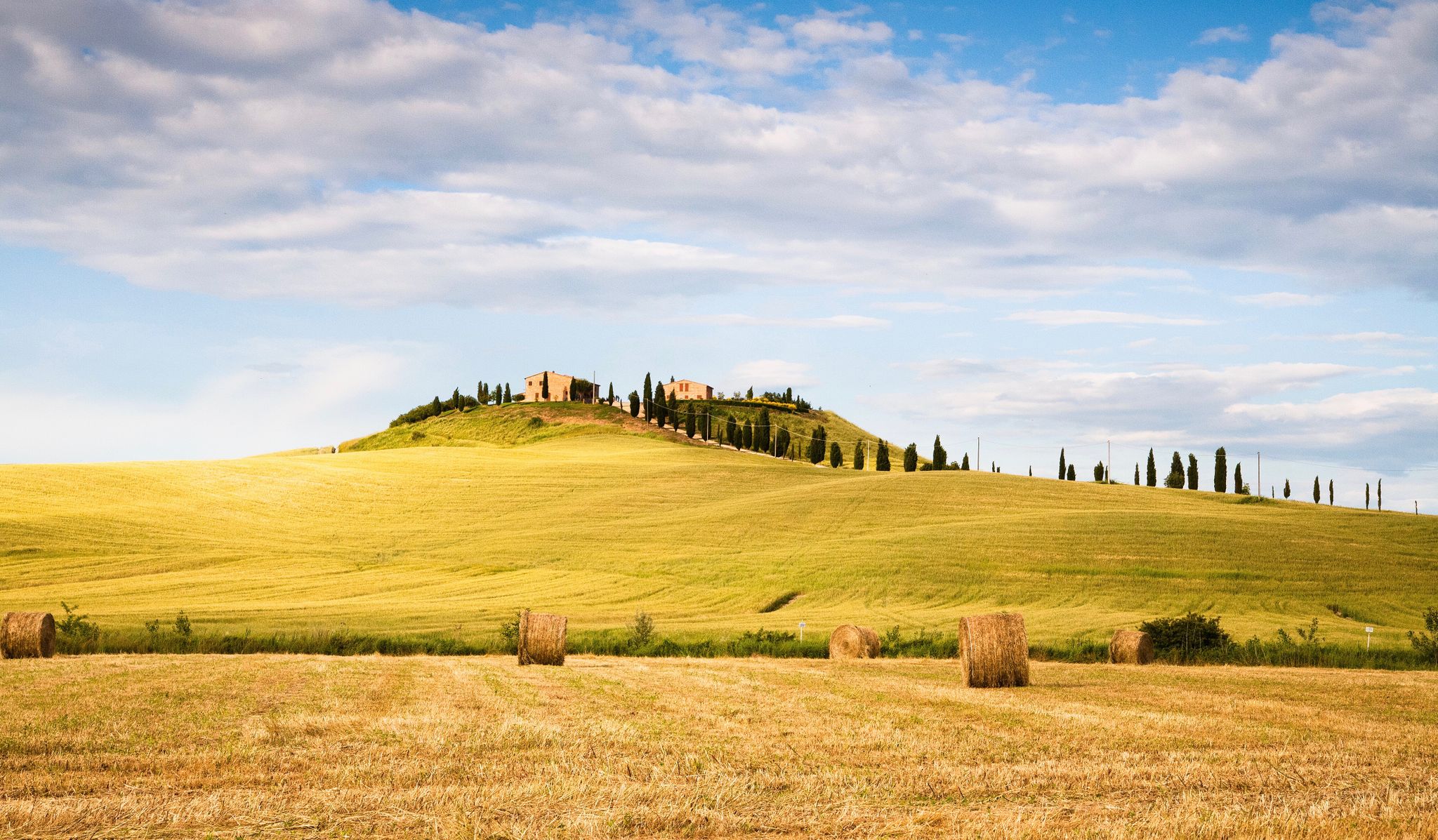
Via Francigena South — Siena to Rome
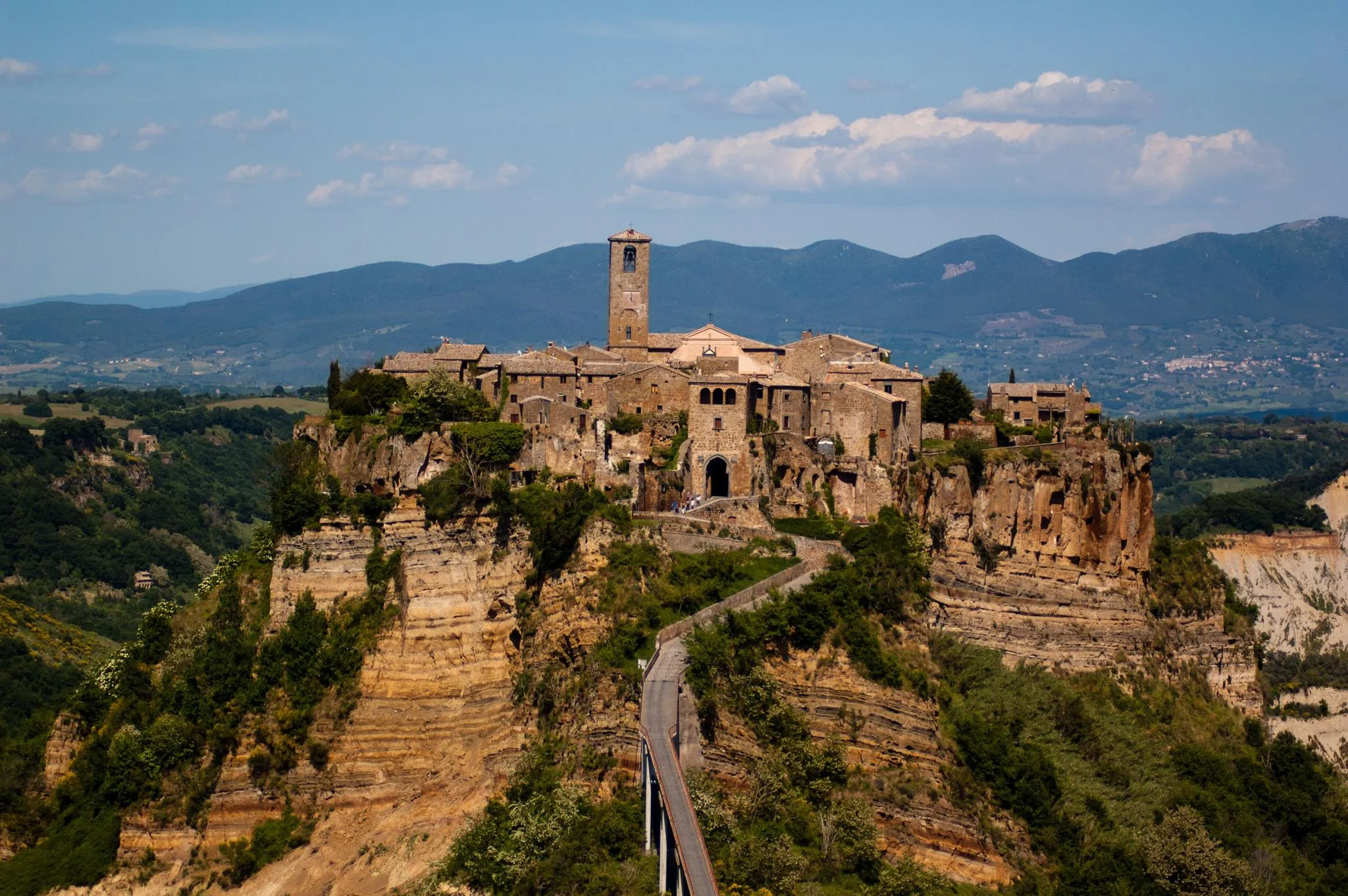
Lazio by bike – suspended villages, turquoise waters and natural parks
The Pizza Pilgrimage – Milan to Naples, fuelled by pizza
The Apennine Cycleway (Part 2) - From Umbria to Calabria
Explore Italy’s Aurunci Mountains by MTB
All roads lead to Rome – Romea Tiberina Cycleway
Hike from Rome to the Adriatic Sea – Way of St. Thomas
Ride St Francis Way in Italy – Via del Sud pilgrimage
Other adventures in Lazio


Tips from the Community

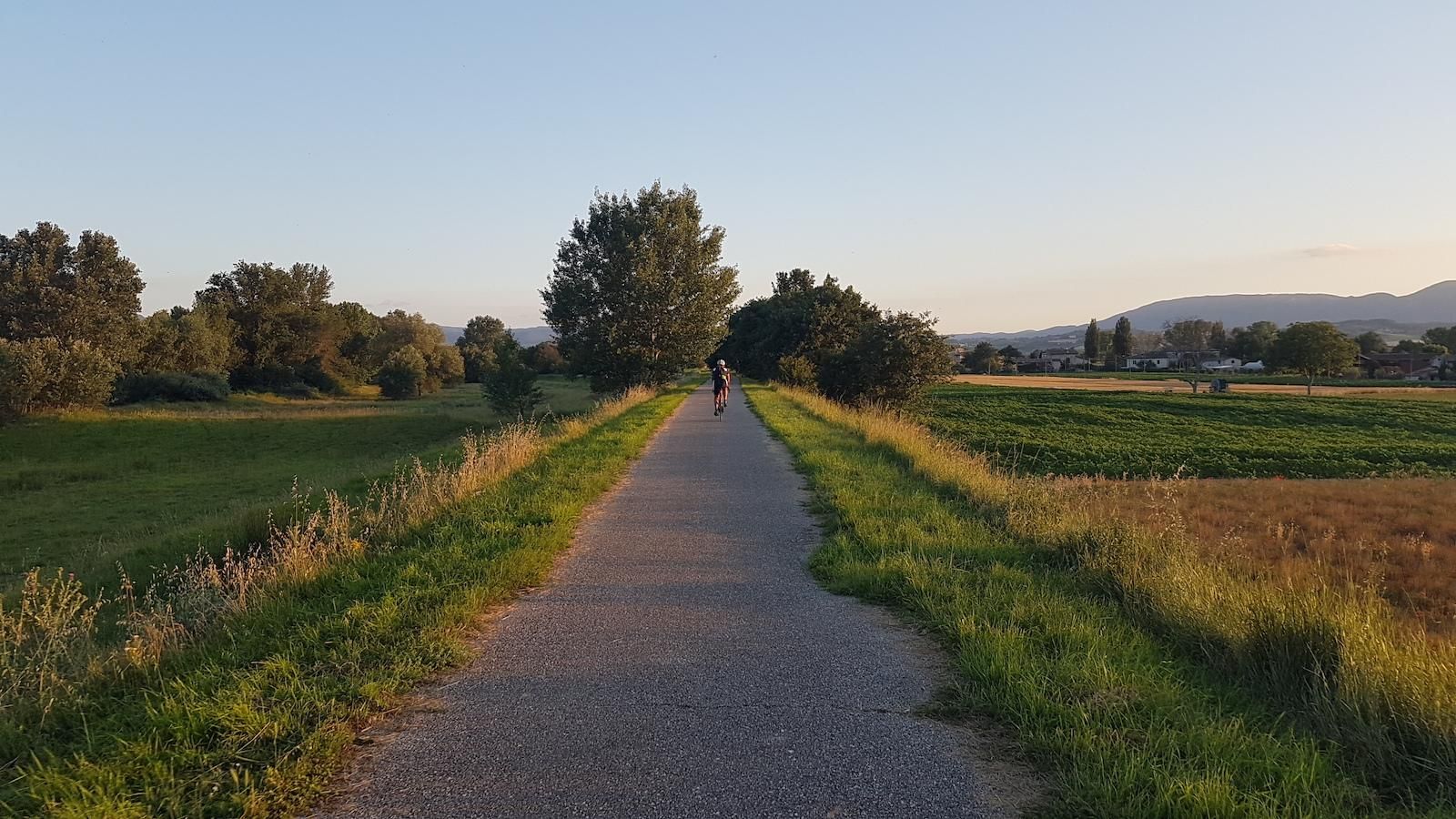
A truly fun section of the Via Francigena to cycle: but watch out for pedestrians
0
0

The Signorino road, of Etruscan origin, is a deep underground passage carved into the tuff that connects the Signorino district (named after a 15th-century family) to Porta Faul. It winds between high tuff walls that reach 12 meters at their highest points. It is also known as Cava S. Antonio (St. Anthony's Cave) after a shrine dedicated to the saint located on one of its walls. Along the road there is a cave called the Devil 's Cave , and some legends tell of strange nocturnal processions of Lucumoni (ancient Etruscan priests). For this reason, especially during the Middle Ages, crosses were carved on the tuff walls to protect travelers from the devil. The shrine dedicated to St. Anthony may have served this purpose.
0
0
The Signorino road, of Etruscan origin, is a deep underground passage carved into the tuff that connects the Signorino district (named after a 15th-century family) to Porta Faul. It winds between high tuff walls that reach 12 meters at their highest points. It is also known as Cava S. Antonio (St. Anthony's Cave) after a shrine dedicated to the saint located on one of its walls. Along the road there is a cave called the Devil 's Cave , and some legends tell of strange nocturnal processions of Lucumoni (ancient Etruscan priests). For this reason, especially during the Middle Ages, crosses were carved on the tuff walls to protect travelers from the devil. The shrine dedicated to St. Anthony may have served this purpose.
0
0

The Tagliata Etrusca is one of the most fascinating passages connecting the historic center of Viterbo with the surrounding countryside. It is an ancient road carved directly into the tuff, a typical Etruscan work, striking for its imposing vertical walls and the evocative atmosphere that permeates the landscape. Leaving from Porta Faul, the Tagliata leads out of the city along a route that was once a transit route and is now frequented by wayfarers, pilgrims, and the curious. It is a place that combines nature, history, and archaeology, offering visitors a journey back in time to the most ancient roots of Tuscia.
1
0

A beautifully constructed path through the tuff rock. Very impressive and interesting.
1
0

Walking along via S. Egidio, you will find the beginning of this short but very suggestive path inside a "via cava" (roads dug through the tuff that connected the bottom of the valley with the territories above and, in other areas, were also used to drain excess water from agricultural land). This via cava is full of caves dug directly into the tuff, probably used as stables or cellars to store wine or food.
0
0
Corchiano is a small town in the province of Viterbo, apparently similar to many others, a little modest... and yet, it has become famous for some events, such as the infiorata, which is held at the end of May and sees the entire town involved in decorating a good part of the streets of the town with flower petals, colored sawdust, coffee grounds and in general any material that can be colored and applied in designs of great beauty. Then, in December, the living nativity scene takes place in a natural setting of great suggestion, finally, the exploration on foot of the ravines should not be overlooked, a true natural monument and archaeological site of great interest... in short, a place that is worth visiting. The difficulty in walking the paths, all equipped, is generally T (tourist) and suitable for all age levels.
1
0

The Grotto of Tiberius is the most spectacular part of the Roman villa of Sperlonga. The enormous natural ravine is preceded by a large rectangular fish pond of sea water that housed an artificial island in the center that served as a summer caenatio, or the place where Tiberius and his court ate in the summer. The grotto was decorated with marble statues of enormous artistic value dedicated to the saga of Ulysses and sculpted by Greek artists from Rhodes. It is thought that these famous craftsmen stayed in the villa to finish the statues previously sketched in the workshop. The bottom of the grotto was decorated with frescoes and masonry works that divided the room into rooms and alcoves. Near the alcove, the remains of frescoes and decorations created with local shells and the spaces where the beds were probably placed are still visible. Above the external opening of the grotto there was the statue of a beautiful Ganymede kidnapped by the eagle Zeus. The fish pond communicates with the circular pool in the center of the cave where the sculptural group of the attack on the monster of Scylla, the most majestic of the four, stood out in a scenic position. Then there was the group of the blinding of Polyphemus, that of the abduction of the Palladium and that of Ulysses dragging the body of Achilles.
0
0
Frequently Asked Questions
What kind of natural features can I expect to see in Lazio's canyons?
Lazio's canyons showcase a diverse range of natural features. You'll find formations carved by ancient rivers, such as the Melfa Gorge with its river and natural scenery. Volcanic activity has also shaped areas like the Corchiano Gorges, which feature high tuff walls. Many canyons include natural pools, whirlpools, and waterfalls, especially in areas like the Gole del Farfa and the Canyons of Upper Sabina.
Are there any historical or archaeological sites within or near Lazio's canyons?
Yes, Lazio's canyons are rich in history. The Corchiano Gorges, for instance, are known for ancient Etruscan roads carved deep into the rock, some reaching up to 12 meters in height, along with prehistoric caves. The Etruscan cut near Corchiano is another example of these ancient pathways. You can also visit Tiberius' Grotto, a spectacular Roman villa and cave system with historical significance.
What outdoor activities can I do near Lazio's canyons?
Beyond exploring the canyons themselves, the Lazio region offers a variety of outdoor activities. You can find numerous hiking trails, including those that lead to waterfalls, as detailed in the Waterfall hikes in Lazio guide. For cycling enthusiasts, there are options for gravel biking and mountain biking, with routes available in the Gravel biking in Lazio and MTB Trails in Lazio guides.
Are there family-friendly canyons or trails in Lazio?
Several canyons and related trails in Lazio are suitable for families. The Corchiano Historic Village and Gorges offer paths generally rated as 'tourist' difficulty, suitable for all ages. Valle del Sorbo is another family-friendly gorge with viewpoints. Additionally, Tiberius' Grotto is described as an easy hike with fantastic views, making it accessible for families.
What is canyoning like in Lazio, and where can I do it?
Canyoning in Lazio offers thrilling experiences through natural waterways. The Gole del Farfa is an ideal spot for canyoning and water-trekking, featuring natural pools and waterfalls. The Canyons of Upper Sabina, including routes like Riancoli and Fosso della Mola, provide exhilarating elements such as natural pools, water slides, and small waterfalls, with varying difficulty levels. The Aniene Valley also offers canyoning routes from easy to medium-hard.
What is the best time of year to visit Lazio's canyons for activities like canyoning or hiking?
The best time to visit Lazio's canyons for activities like canyoning and hiking generally depends on the specific activity and water levels. For canyoning, late spring through early autumn (May to September) typically offers more favorable weather and water conditions. For hiking and exploring historical sites, spring and autumn provide pleasant temperatures, avoiding the peak heat of summer. Always check local weather conditions before your visit.
Can I find caves or grottoes within the canyons of Lazio?
Yes, Lazio's geological formations include several interesting caves and grottoes. The Grotto of Tiberius is a notable historical cave system. Within the Corchiano Gorges, you can find small prehistoric caves and even a cave known as the Devil's Cave. The San Michele Cave is another example of a cave found in the region's gorges.
Are there any specific canyons known for scenic views or photography opportunities?
Many of Lazio's canyons offer stunning scenic views. The View of Civita di Bagnoregio provides a panoramic perspective of the ancient town perched above a gorge. Fosso dell'Obito, near Lake Turano, is described as a picturesque gorge immersed in the silence of the Navegna Cervia Nature Reserve, offering tranquility and scenic views, particularly around the lake. The Valle del Sorbo is also noted as a viewpoint.
What are the 'Vie Cave' and where can I experience them in Lazio's canyons?
The 'Vie Cave' are ancient sunken roads carved into the tuff rock by the Etruscans. These impressive pathways are a unique blend of natural and historical features. You can experience them prominently in the Corchiano Gorges and the associated Vie Cave of Corchiano, where some cuts reach up to 12 meters in height. The Etruscan cut - road carved into the rock is another example of these fascinating historical routes.
Is it possible to find quiet, less-trafficked canyons for a peaceful experience?
Yes, for those seeking tranquility, Fosso dell'Obito, located between Monte Navegna and Monte Cervia near Lake Turano, offers a peaceful experience. The road crossing these gorges is closed to vehicular traffic, making it ideal for quiet cycling or walking. It's immersed in the silence of the Navegna Cervia Nature Reserve, with only the sound of the Obito river, providing a serene natural environment.
Are there any canyons in Lazio that are particularly known for their lush vegetation or unique ecosystems?
The Gole del Farfa (Farfa Gorges) are particularly noted for their lush nature. The Farfa River has sculpted these gorges, creating an environment rich in vegetation, making it an untouched natural paradise. Fosso della Mola, part of the Canyons of Upper Sabina, also offers an exciting route through dense vegetation, highlighting the region's diverse ecosystems.
What do visitors generally enjoy most about exploring the canyons in Lazio?
Visitors to Lazio's canyons appreciate the blend of natural beauty and historical intrigue. Many enjoy the unique geological formations, from river-carved gorges to volcanic tuff walls. The opportunity to explore ancient Etruscan roads and historical sites within these natural settings is a significant draw. The adventurous aspects of canyoning and water-trekking, as well as the peacefulness of less-trafficked areas, are also highly valued by the komoot community.
Most popular routes in Lazio
Most popular attractions in Lazio

Get inspired with the komoot mobile app


Didn’t find what you were looking for?
Want to see even more gorges? See the best ones in Lazio region by region:
Explore more
Already discovered everything in this region? See additional gorges in Lazio for your next adventure:
