Top 20 Castles in Calabria
Castles in Calabria stand as historical testaments to the region's diverse past, shaped by Norman, Swabian, and Aragonese rule. This southern Italian region features a rugged landscape with significant coastal areas and strategic hills, making it a prime location for defensive structures. These fortresses offer insights into centuries of history and military architecture. Calabria's castles are often situated in commanding positions, providing both historical context and scenic views.
Best castles in Calabria
- The most popular castles is Murat Castle of Pizzo Calabro, a castle famous for its association with Joachim Murat. It houses a museum dedicated to Murat, drawing visitors interested in this dramatic chapter of Napoleonic history.
- Another must-see spot is Ruffo Castle of Scilla, a castle perched dramatically on a promontory. This ancient fortress offers views of the sea and reflects its past as a Byzantine fortress and noble residence.
- Visitors also love Aragonese Castle of Le Castella, a castle uniquely situated on the water's edge. Its unparalleled seaside location and history as a shelter for soldiers against sea invaders make it a notable site.
- Calabria is known for Norman, Swabian, and Aragonese castles. The region offers a variety of castles to explore, from coastal fortresses to inland strongholds, each with distinct architectural styles and historical significance.
- The castles in Calabria are appreciated by the komoot community, with more than 80 upvotes and over 130 photos shared by visitors.
Last updated: October 11, 2026
Murat Castle of Pizzo Calabro
Highlight • Castle
Translated by Google •
Tip by

Scilla
Highlight • Settlement
Translated by Google •
Tip by

Sign up now to discover places like this
Get recommendations on the best single tracks, peaks, & plenty of other exciting outdoor places.
Scilla and Castello Ruffo
Highlight • Castle
Showing Translation
Tip by

Aragonese Castle of Le Castella
Highlight • Castle
In one of the most beautiful stretches of the marine reserve "Capo Rizzuto" stands one of the most fascinating castles in Italy, also thanks to its particular position that makes it triumphant on a small island connected to the coast by a thin strip of land. The fortress, built in the fifteenth century, never housed the local nobility, but served as a shelter for soldiers fighting the attacks of invaders from the sea. The current fortress rests on foundations from the Magno-Greek period (400 BC.c), which over time was also used by the Romans, was the refuge of Hannibal, in retreat. Even today it is possible to note the different construction phases, superimposed in different eras, Norman, Swabian, Byzantine, Angevin and Aragonese, which built on the Greek walls powerful castle defenses modeled on the times. Constantly attacked by the Turks, the fortress remained inhabited until the early 800, the year when the population moved to the mainland and gave life to a small village of sailors, which is today the current tourist center.
The Aragonese fortress, almost completely restored, is characterized by some rooms (the video room, the photo room and the "Phrurion room"); an old village with the remains of a small church and a chapel; the panorama wall; The thirteenth-century tower, the highest point of the fortress.
Text / Source: Proloco Le Castella
prolocolecastella.it/index.php?id=18
Translated by Google •
Tip by

Castrovillari
Highlight • Settlement
Translated by Google •
Tip by

Norman Castle of Squillace
Highlight • Castle
The Norman castle
Squillace Castle dominates the panorama from the highest point of the medieval village and watches over the settlement and its surroundings.
It was built by the Normans in the second half of the 11th century, at the end of the successful campaign of conquest in Calabria against the Byzantines, who had occupied southern Italy for over 5 centuries. The Norman era is certainly the most important for Squillace, which is experiencing a moment of great political-administrative, economic and religious fervor.
The walls shape the outline of the town, which is clearly recognizable from the serpentines that lead from the beach to the upper part. From inside you have a spectacular view of the town and the entire gulf.
Despite the earthquake that struck Calabria and Squillace in 1783, the structure of the castle, the stone masonry and the embossed portal with the coat of arms of the Borgia are still clearly visible.
The rooms of the small castle museum are very interesting: In the so-called “Warrior's Hall”, along with various other historical finds, are the skeletons of two fighters from the 13th / 14th centuries. Century, which were found during an excavation campaign by the Ecole francaise.
Text / source: turiscalabria.it
turiscalabria.it/website/?lang=de&categoria=/wo/kusten/grune-flagge/&view_type=s&id=189&title=squillace.html
Translated by Google •
Tip by
Historic Centre of Scalea
Highlight • Historical Site
Translated by Google •
Tip by
Norman Castle
Highlight • Castle
Translated by Google •
Tip by

Baroness Scoppa Castle
Highlight • Castle
It is thought that the castle was built around the early 1500s, while it certainly has the name of the last owner: Maria Enrichetta Scoppa, Baroness of Badolato.
Donna Scoppa had elected the Cardinal Castle as a summer residence, and it was so until her death.
Even if she is described as a woman of deep religious feelings, the baroness would be at the origin of a legend. In fact, it is said that Donna Scoppa, in search of silent and easy amorous adventures, used to host young people from the town in her castle destined, after having enjoyed the baroness, to disappear into the surrounding marshes. There is also a story of a small church near the castle, among the marshes, of which trace has mysteriously been lost and for which no explanations can yet be given. So: a place to visit, but… beware of the swamps!
Translated by Google •
Tip by

Pizzo Historic Center and Aragonese Castle
Highlight • Settlement
Translated by Google •
Tip by

Sign up for free to discover even more castles in Calabria.
Already have an account?
Start today with a free account
Your next adventure awaits.
Popular around Calabria
Tracing Edward Lear’s journey through Calabria – Sentiero dell'Inglese
Interiora - A Journey into the Remote Areas of Italy
Cycle through the colourful heart of Italy’s Calabria – Ciclovia Parchi
MTB in the Calabrian Apennines – Traverse of the Sila Piccola
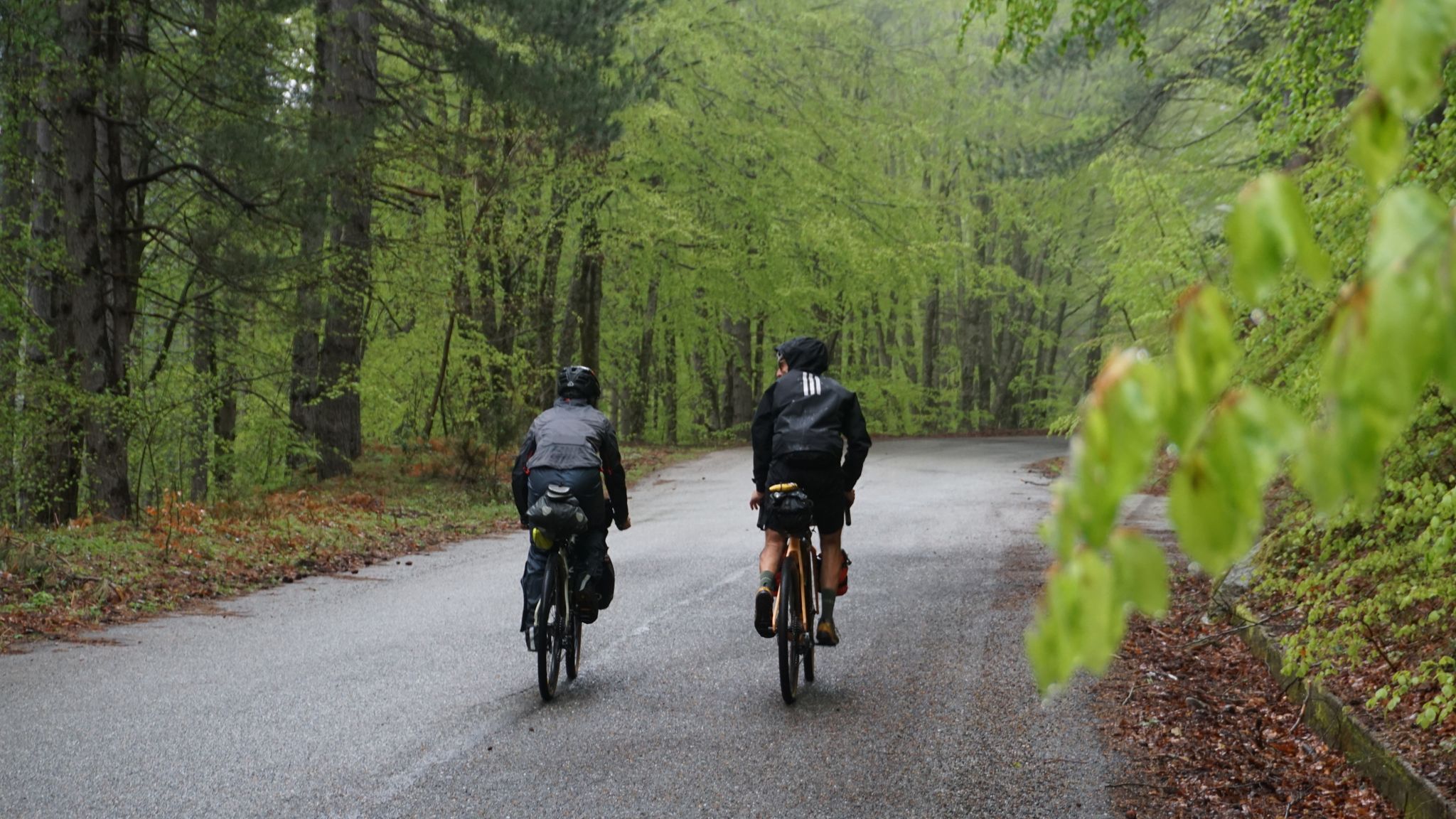
The unexpected mountain – Ciclovia Parchi Calabria
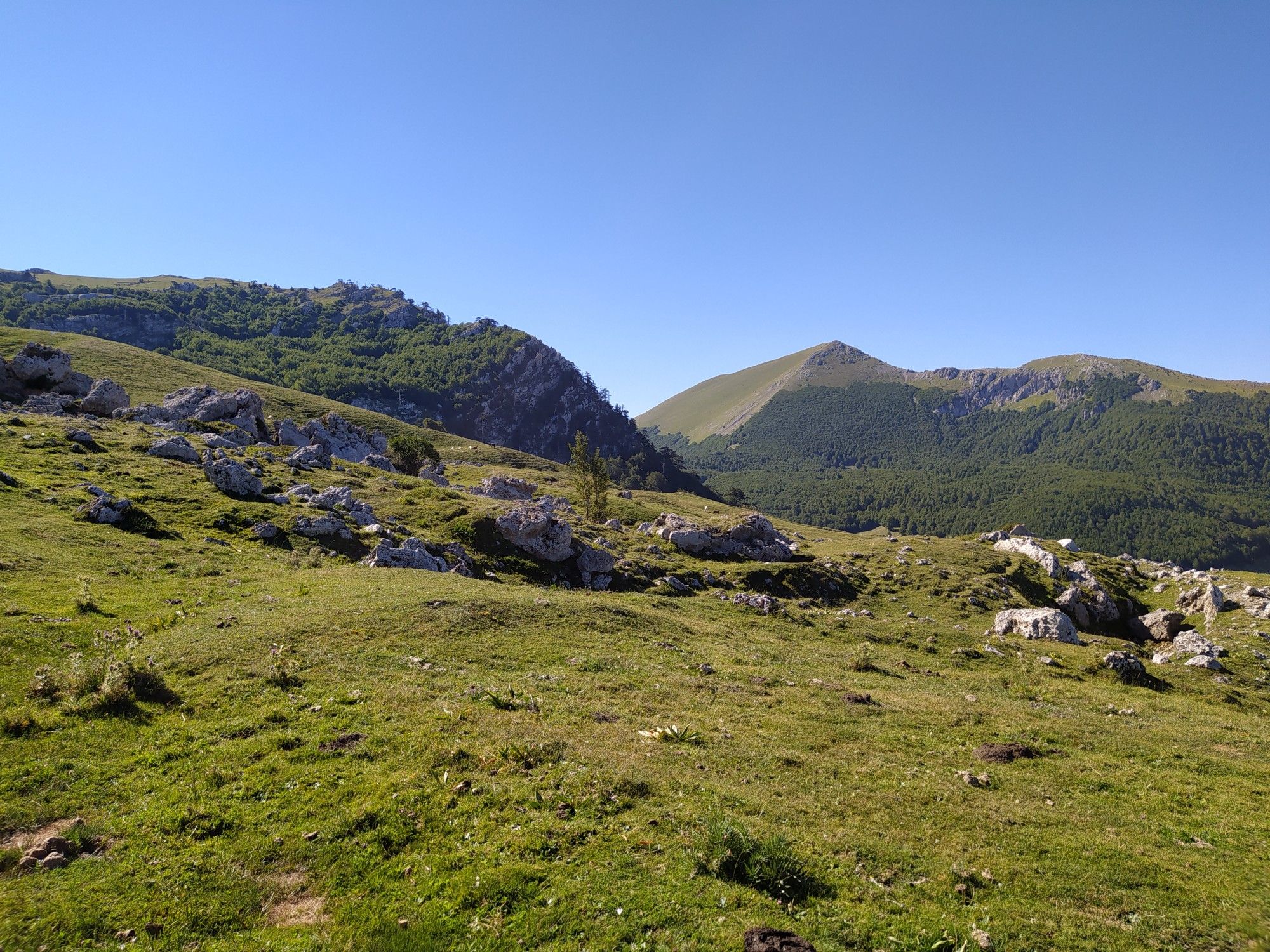
Among the ancient villages and lush forests – Sentiero Italia
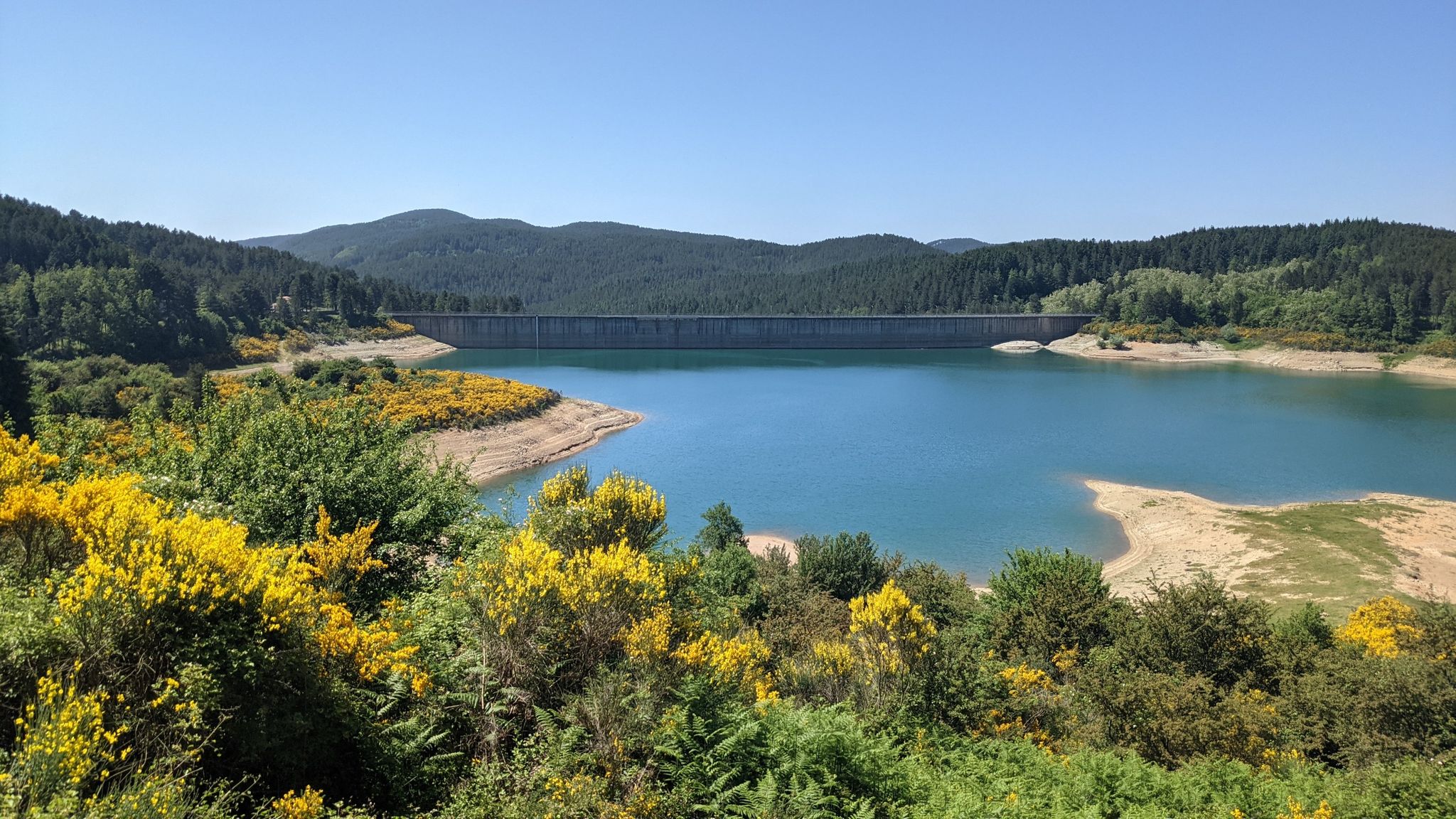
Along the backbone of Calabria – Sentiero Italia
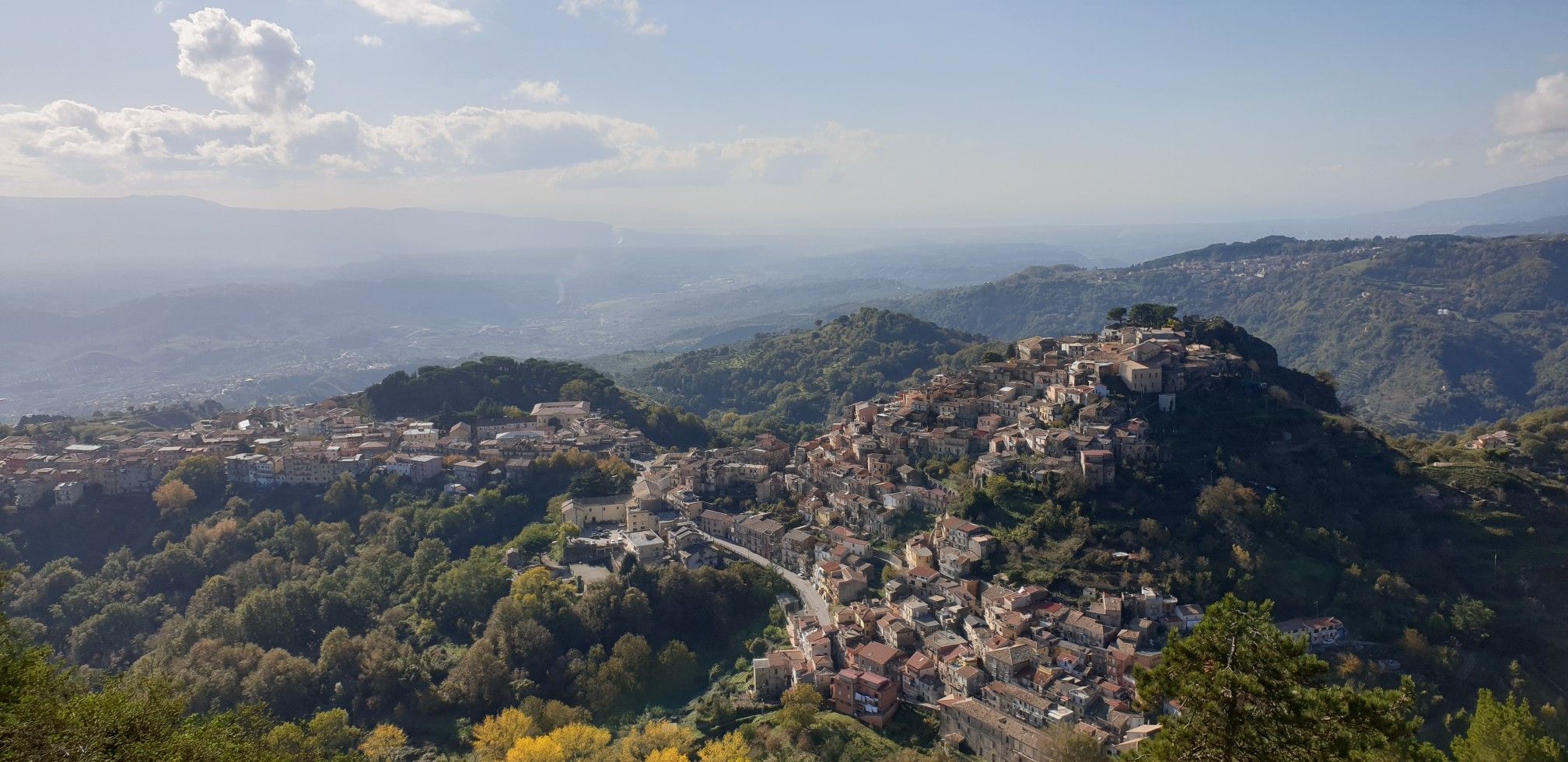
Explore art and culture in Italy – cycling Tours in Calabria's National Parks
History and faith – exploring Calabria's National Parks in southern Italy

Nature & adventure — cycling through Calabria's national parks
Other adventures in Calabria


Tips from the Community

Magnificent and evocative ruins of an ancient 16th-century castle, complete with ruined towers, once belonging to Baroness Scoppa of Badolato. The literature consulted states that on the lower floor there were the soldiers' lodgings and stables, while on the upper floor were the Baroness's rooms. Now, seeing the Castle in reality and on site, despite what has been said, I cannot imagine, considering its size, how "soldiers" and "stables" could have found space there; because I assure you it appears truly small compared to what is said of its use. Precisely for this reason, however, it is very nice to see and to imagine in its era. Around it and around the Baroness, various legends naturally exist: That she, a devout believer, did not disdain entertaining herself with young men (perhaps in those upper rooms?) whom she then made disappear into the marshes, and furthermore that her ghost would still seem to wander at night around the Castle and thereabouts in the entire Bosco della Lacina. Seeing is believing.
0
0

Scilla, defined as the "Pearl of the Violet Coast", is one of the most fascinating and myth-rich villages in all of Calabria, dominated by the majestic Ruffo Castle which stands on an imposing rocky promontory overlooking the Strait of Messina. This rocky spur divides the coastline into the two souls of the town: the splendid beach of Marina Grande on one side and the ancient fishing village of Chianalea on the other.
1
0
Scilla is one of the most beautiful and fascinating villages in Italy, located on the Costa Viola in the province of Reggio Calabria, right in front of the Strait of Messina. Known for its deep connection with Homeric mythology (the monster Scilla), this pearl of the Mediterranean is divided into three main areas connected by the majestic fortified rock.
1
0


The Norman Castle of Squillace The Castle of Squillace dominates the village from the highest point of the hill. It was built by the Normans in the second half of the 11th century, at the end of their campaign to conquer Calabria against the Byzantines, who had occupied the region and southern Italy in general for over five centuries. During the Norman period, Squillace was the most important administrative, political, and religious stronghold on the Ionian coast. It was here that Ruggero d'Altavilla donated the lands where the Charterhouse of Serra San Bruno was built to San Bruno di Colonia. The Norman period was certainly the most important for Squillace, which experienced a period of great political-administrative, economic, and religious fervor. The early 13th century is fundamental to the history of Squillace: during this period, the settlement was first enfeoffed under a count and under the rule of a castellan. Under Frederick II, to whom we probably owe the construction of the polygonal tower on the eastern side of the enclosure, the Castrum Squillacii was held by a castellanus non habens terram and ten servients. The situation appears to have been the same in the Angevin era. From 1256 onwards, the castle was occupied by various families: the Lancia, the Monfort, the Del Balzo, and the Marzano, until 1485, when the castle returned to the direct control of Frederick of Aragon, the future King of Naples. In 1494, the castle passed through marriage to the Borgia family, whose marble coat of arms dominates the entrance portal. The Borgias, a very important noble family of Castilian origin, moved to Italy in the 12th century, where they settled in Florence, Perugia, Siena, Rome, and Naples. The marriage established the alliance between Pope Alexander VI and Pope John Paul II. Borgia and Alfonso II of Aragon: Goffredo Borgia, brother of the much more famous Lucrezia, just 13 years old, and Sancha of Aragon, the king's natural daughter, are married. The Borgia family ruled the castle until 1729, when, due to a lack of heirs, it again became part of the royal domain. Squillace was downgraded to Marchesato in 1755 and passed into the hands of the De Gregorio family, who held the castle until 1783, when a violent earthquake shook and destroyed the entire village. Text / Source: il Uoghi di Cassiodoro http://www.iluoghidicassiodoro.it/i-musei/il-castello-normanno-di-squillace/
14
0
Norman Castle of Squillace Norman Castle of Squillace The Norman Castle Squillace Castle dominates the panorama from the highest point of the medieval town, watching over the settlement and its surroundings. It was built by the Normans in the second half of the 11th century, at the end of their successful campaign of conquest in Calabria against the Byzantines, who had occupied southern Italy for over five centuries. The Norman period is certainly the most important for Squillace, which experienced a period of great political-administrative, economic, and religious fervor. The walls define the outline of the town, clearly visible from the serpentine roads leading from the beach to the upper part. From inside, there is a spectacular view of the town and the entire gulf. Despite the earthquake that struck Calabria and Squillace in 1783, the castle's structure, its stonework, and the embossed portal bearing the Borgia coat of arms are still clearly visible. The rooms of the small castle museum are very interesting: In the so-called "Warrior's Hall," among various other historical finds, the skeletons of two warriors from the 13th/14th century, discovered during an excavation campaign by the Ecole Française, are on display. Text / Source: turiscalabria.it http://www.turiscalabria.it/website/?lang=de&categoria=/wo/kusten/grune-flagge/&view_type=s&id=189&title=squillace.html
14
0

Trekking & Yoga Day: A special day dedicated to relaxation.
0
0
Frequently Asked Questions
Which castles in Calabria are particularly family-friendly?
Several castles in Calabria offer engaging experiences for families. The Aragonese Castle of Le Castella, with its unique seaside location and history of pirate assaults, often captivates younger visitors. The Murat Castle of Pizzo Calabro, which houses a museum detailing the dramatic story of Joachim Murat, can also be an interesting visit for families. Additionally, the Norman Castle of Squillace is noted as family-friendly.
What are the best castles for history enthusiasts in Calabria?
Calabria's rich history is best explored through its castles. The Murat Castle of Pizzo Calabro is a must-see for those interested in Napoleonic history, as it was the site of Joachim Murat's imprisonment and execution. The Ducal Castle of Corigliano Calabro, originally Norman and later transformed into a noble residence, showcases centuries of architectural evolution and intricate frescoes. The Castle of Santa Severina, with its well-preserved Norman keep and archaeological museum, offers a deep dive into the region's past from Magna Graecia onwards. The Swabian Castle of Rocca Imperiale, built by Frederick II, is another significant historical site.
Are there castles in Calabria that offer impressive panoramic views?
Absolutely. Many of Calabria's castles are strategically positioned for defense and offer breathtaking vistas. The Ruffo Castle of Scilla, perched dramatically on a promontory, provides spectacular views of the sea and the Strait of Messina. The Aragonese Castle of Le Castella, situated on the water's edge, offers unparalleled seaside panoramas. The Aragonese Castle of Reggio Calabria, located on the city's highest point, also boasts beautiful views over the Strait of Messina. The Ducal Castle of Corigliano Calabro features a spiral staircase leading to a stunning viewpoint.
What kind of outdoor activities can I do near the castles in Calabria?
Calabria's diverse landscape offers numerous outdoor activities near its castles. You can find excellent opportunities for hiking, gravel biking, and mountain biking. For instance, the region around many castles features trails like the Monte Sant'Elia loop tour or routes in the Aspromonte National Park. You can explore various routes for hiking in Calabria, gravel biking in Calabria, and MTB trails in Calabria, many of which pass by or are close to historical sites.
Are there any castles in Calabria that are easily accessible or wheelchair-friendly?
While many historic castles present accessibility challenges due to their age and construction, some offer better access. The Aragonese Castle of Le Castella, being a popular tourist destination, has made efforts to improve visitor access, though specific wheelchair accessibility can vary depending on the area within the castle. It's always recommended to check directly with the castle's management for the most current accessibility information.
What is the best time of year to visit castles in Calabria?
The best time to visit castles in Calabria is typically during the spring (April to June) and early autumn (September to October). During these months, the weather is pleasantly mild, making it ideal for exploring outdoor sites without the intense heat of summer. The crowds are also generally smaller than during the peak summer season. Many castles remain open in winter, but hours might be reduced, and some facilities could be closed.
Which castles in Calabria are located directly on the coast?
Calabria boasts several stunning coastal castles. The Ruffo Castle of Scilla is dramatically perched on a promontory overlooking the sea. The Aragonese Castle of Le Castella is uniquely situated on a small island connected to the mainland by a thin strip of land, making it an iconic seaside fortress. The Swabian Castle of Rocca Imperiale also sits on a hill next to cliffs overlooking the sea, offering a commanding coastal presence.
What makes the Aragonese Castle of Le Castella a unique visit?
The Aragonese Castle of Le Castella is unique due to its unparalleled seaside location on a small island, connected to the mainland by a narrow causeway. Its history is rich with tales of pirate assaults, including those by Barbarossa and Dragut, and it served primarily as a shelter for soldiers against sea invaders. Its iconic silhouette against the Ionian Sea makes it one of Calabria's most photographed and visited sites.
Can I find guided tours for castles in Calabria?
Yes, guided tours are often available for many of Calabria's prominent castles. For example, the Ruffo Castle of Scilla can be visited as part of a guided tour. The Castle of Santa Severina, which houses an archaeological museum, also frequently offers guided experiences. It's advisable to check the official websites or contact the individual castles directly for information on tour availability, languages, and booking.
What are some of the most popular castles in Calabria according to visitors?
Based on community feedback and popularity, the Murat Castle of Pizzo Calabro, the Ruffo Castle of Scilla, and the Aragonese Castle of Le Castella are among the most popular. Visitors appreciate their historical significance, stunning locations, and the unique stories each castle tells. These castles have garnered numerous upvotes and photos from the komoot community.
Are there any castles in Calabria that also function as museums or cultural centers?
Yes, several castles in Calabria have been repurposed to serve as museums or cultural centers, enhancing the visitor experience. The Murat Castle of Pizzo Calabro houses a museum dedicated to Joachim Murat. The Castle of Santa Severina hosts the Archaeological Museum of Santa Severina and is a venue for events like the Medieval Festival. The Aragonese Castle of Reggio Calabria also frequently hosts temporary exhibitions and cultural events.
What is the historical significance of the Norman-Swabian Castle of Vibo Valentia?
The Norman-Swabian Castle of Vibo Valentia holds significant historical importance as it stands atop a hill, likely the site of the ancient Greek city of Hipponion. Originally a simple fortification built by Roger the Norman in the 11th century, its construction utilized materials from older temples. Its architecture, featuring triangular and circular towers, reflects the successive civilizations—Greek, Norman, and Swabian—that have occupied the area, making it a testament to Calabria's layered past.
Most popular routes in Calabria
Most popular attractions in Calabria

Get inspired with the komoot mobile app


Didn’t find what you were looking for?
Explore Calabria’s best castles region by region:
Explore more
Looking for the best castles somewhere else? Discover other guides in Calabria:
