Attractions and Places To See in Landkreis Amberg-Sulzbach - Top 20
Best attractions and places to see in Landkreis Amberg-Sulzbach include a diverse range of natural and historical sites within Bavaria, Germany. The region is characterized by its heavily wooded landscapes, the geological formations of the Franconian Jura, and the Vils River. Visitors can explore karst rock formations, historical castles, and medieval town centers. This area offers a blend of natural beauty and cultural heritage for exploration.
Best attractions and places to see in Landkreis Amberg-Sulzbach
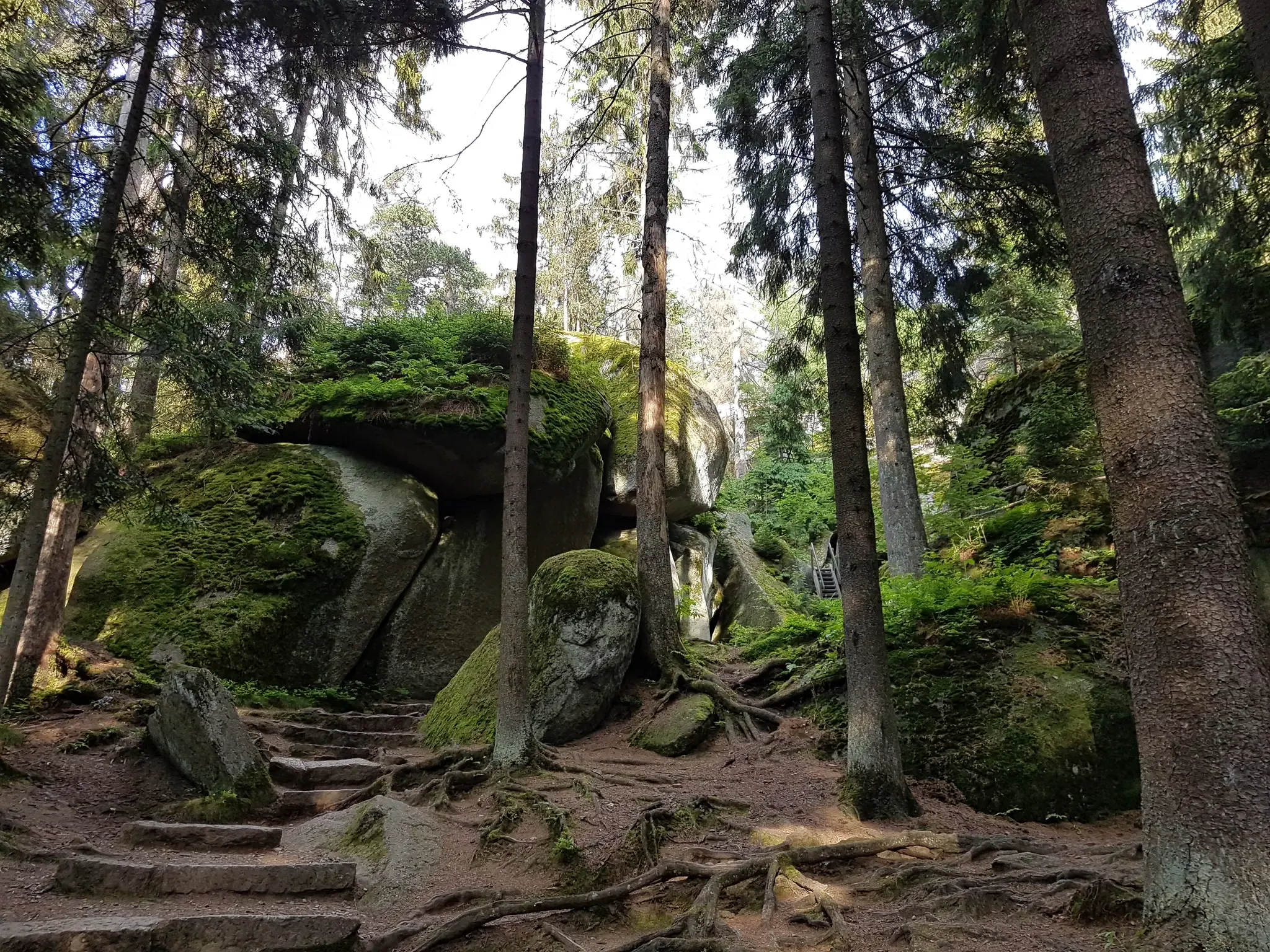
- The most popular attractions is Stone city with the "Two Brothers", a natural monument featuring a karst rock labyrinth. This site is known for its alleys, squares, and streets carved into the rock by water and wind, including distinctive mushroom rocks.
- Another must-see spot is Vogelherd Grotto, an impressive karst cave near Krottensee. This Franconian dolomite cave offers a powerful sense of calm, particularly when visited in the morning.
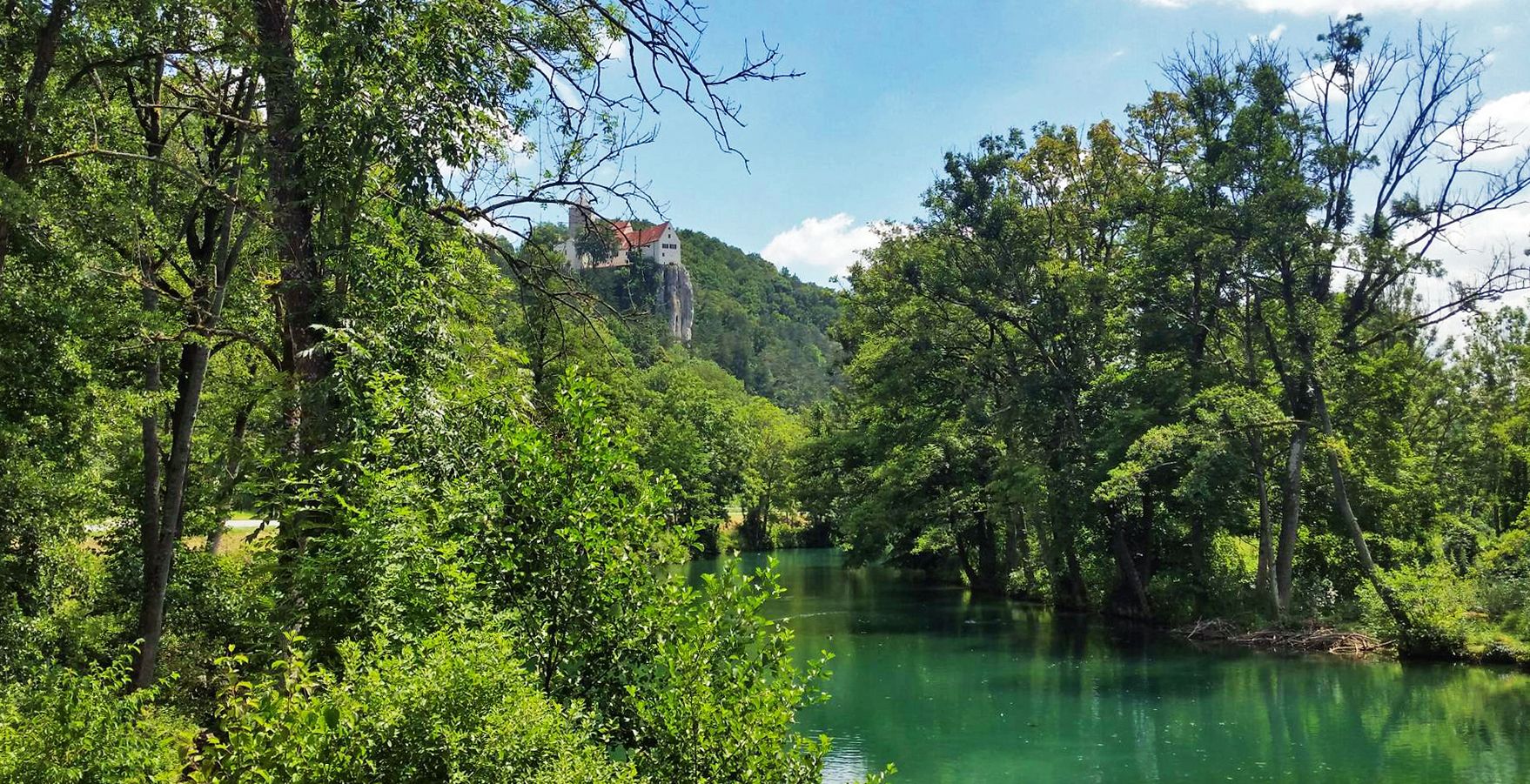
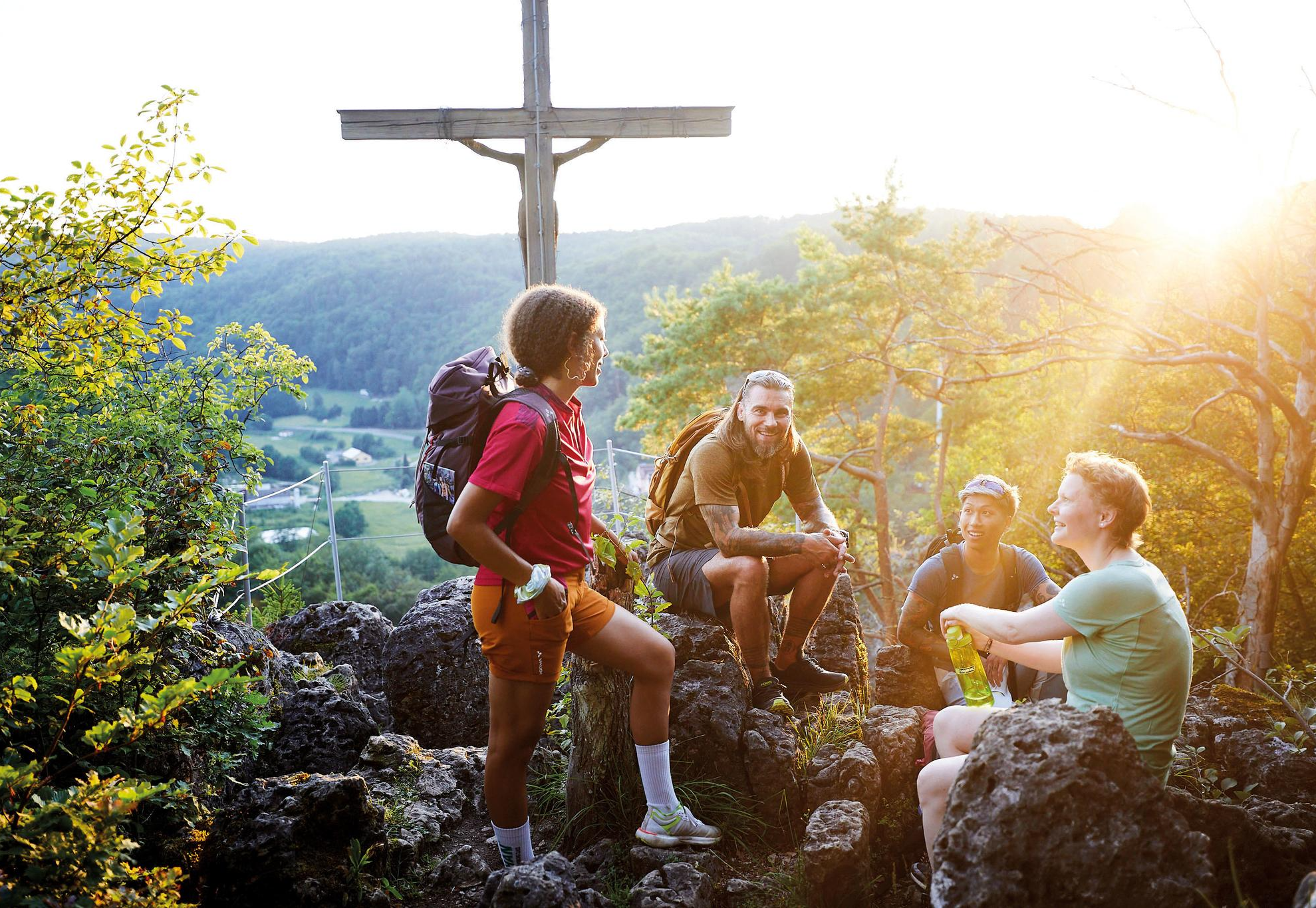
- Visitors also love Lichtenegg Castle Ruins, believed to be a medieval aristocratic castle. The ruins are freely accessible and provide magnificent views, extending to the Fichtel Mountains on clear days.
- Landkreis Amberg-Sulzbach is known for its natural monuments, historical sites, and cycling routes. The region offers a variety of attractions to see and explore, from unique rock formations to medieval architecture and scenic paths.
- The attractions in Landkreis Amberg-Sulzbach are appreciated by the komoot community, with more than 1700 upvotes and over 2100 photos shared by visitors.
Last updated: May 25, 2026
Stone city with the "Two Brothers"
Highlight • Natural Monument
Translated by Google •
Tip by

Amberg's "Stadtbrille"
Highlight • Bridge
Translated by Google •
Tip by

Sign up now to discover places like this
Get recommendations on the best single tracks, peaks, & plenty of other exciting outdoor places.
Sign up for free
Vogelherd Grotto
Highlight • Cave
But you can also enjoy this place wonderfully if you are there at the right time. The visit is particularly worthwhile in the morning and then you can feel the special flair of the Vogelherd grotto. Despite the notoriety, it can be a powerful place of calm!
Translated by Google •
Tip by

Weissingkuppe Rock Labyrinth
Highlight • Natural Monument
Translated by Google •
Tip by

Lichtenegg Castle Ruins
Highlight • Castle
Translated by Google •
Tip by
Turk's Rock
Highlight • Natural Monument
Translated by Google •
Tip by
Mystery Grotto
Highlight • Cave
Translated by Google •
Tip by
Five Rivers Cycle Route: Amberg–Schmidmühlen section along the Vils
Highlight (Segment) • Cycleway
Translated by Google •
Tip by

Hansel and Gretel Rocks
Highlight • Natural Monument
Translated by Google •
Tip by
Noris Gate
Highlight • Natural Monument
The path is well secured with clamps and wire rope.
Translated by Google •
Tip by

Sign up for free to discover even more attractions in Landkreis Amberg-Sulzbach.
Sign up for free
Already have an account?
Start today with a free account
Your next adventure awaits.
Login or Signup
Popular around Landkreis Amberg-Sulzbach
Bavaria-Bohemia long-distance cycling trail – Crossing borders
Jurasteig — hiking in the heart of Bavaria
Five Rivers Cycle Path — 5 stages along Bavaria's most beautiful rivers
The National Natural Landscapes in Bavaria
Cycling through the Nuremberg metropolitan region – nature & enjoyment
City, country, lake – VGN leisure tips 2025
Nature, the outdoors and adventure – hiking through the VGN's nature parks
11 Days on the Erzweg Quality Hiking Trail
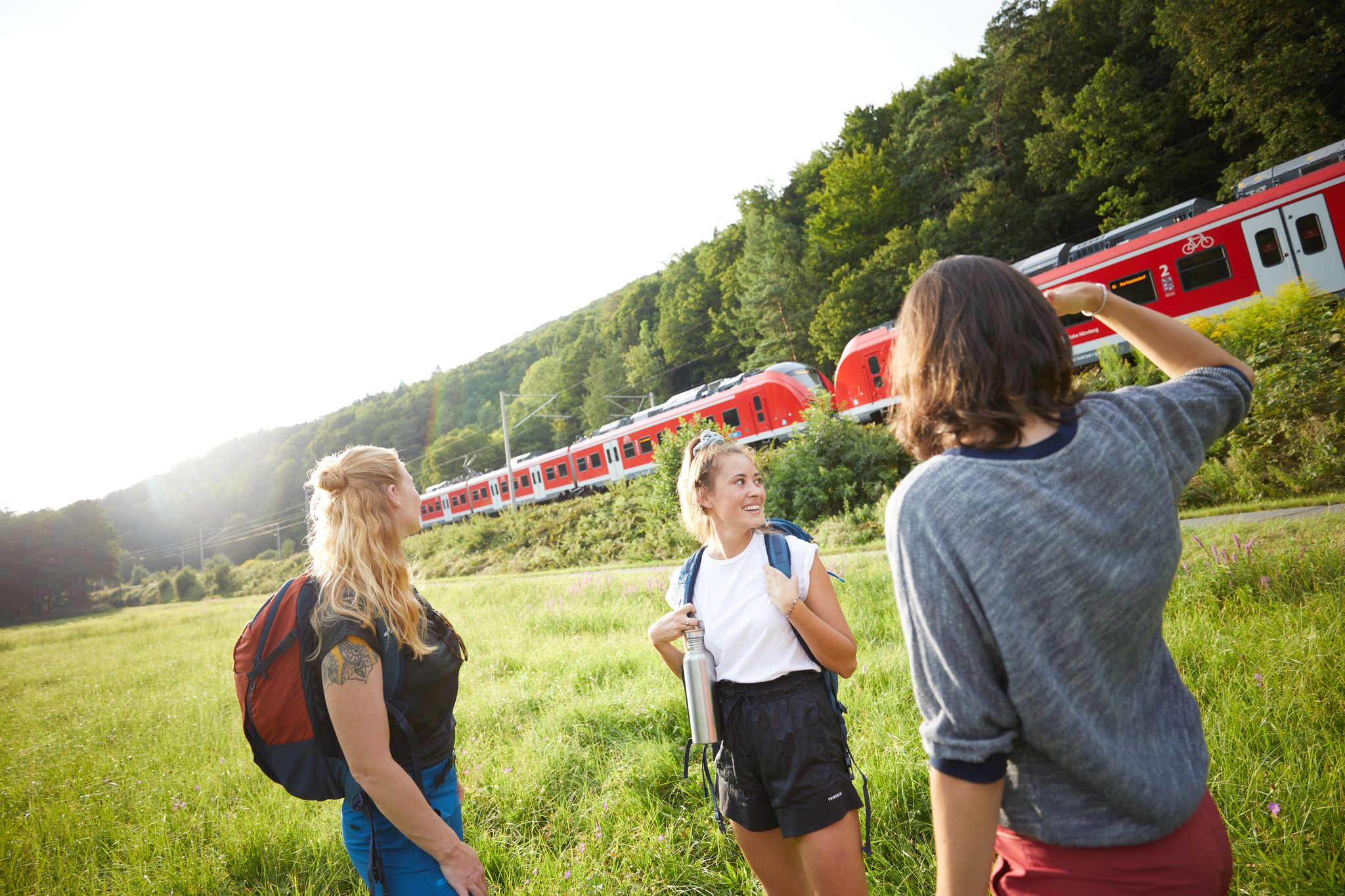
All aboard for summer hiking with Germany’s VGN
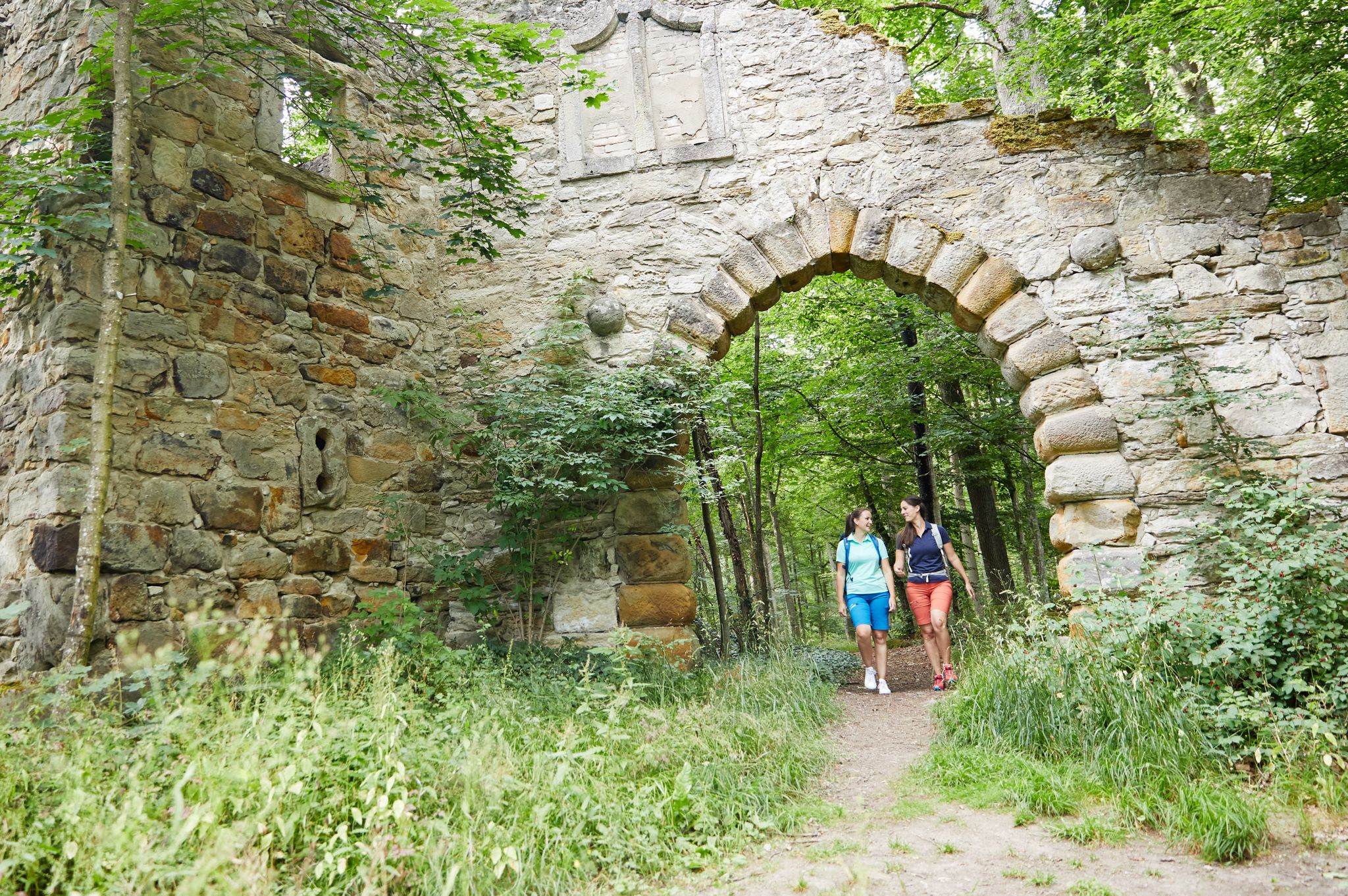
Full of views and fun – VGN leisure tips 2022
Other adventures in Landkreis Amberg-Sulzbach


Tips from the Community

Very nice bike path
2
0

The Mystery Grotto is located near Neuhaus an der Pegnitz and is part of the Karst Hiking Trail. The name of the grotto comes from a legend that tells of the "White Lady". This legend says that the cursed soul of Countess Kunigunde von Leuchtenburg, who lived in the 13th century, is said to appear in the grotto as a restless spirit. The grotto is about 12 meters wide and 16 meters long and offers an impressive hall. Beautiful ice formations can be admired, especially in winter. The entrance to the grotto is partially walled up and closed in winter during the bat protection period. The grotto is only accessible from April to September.
1
0

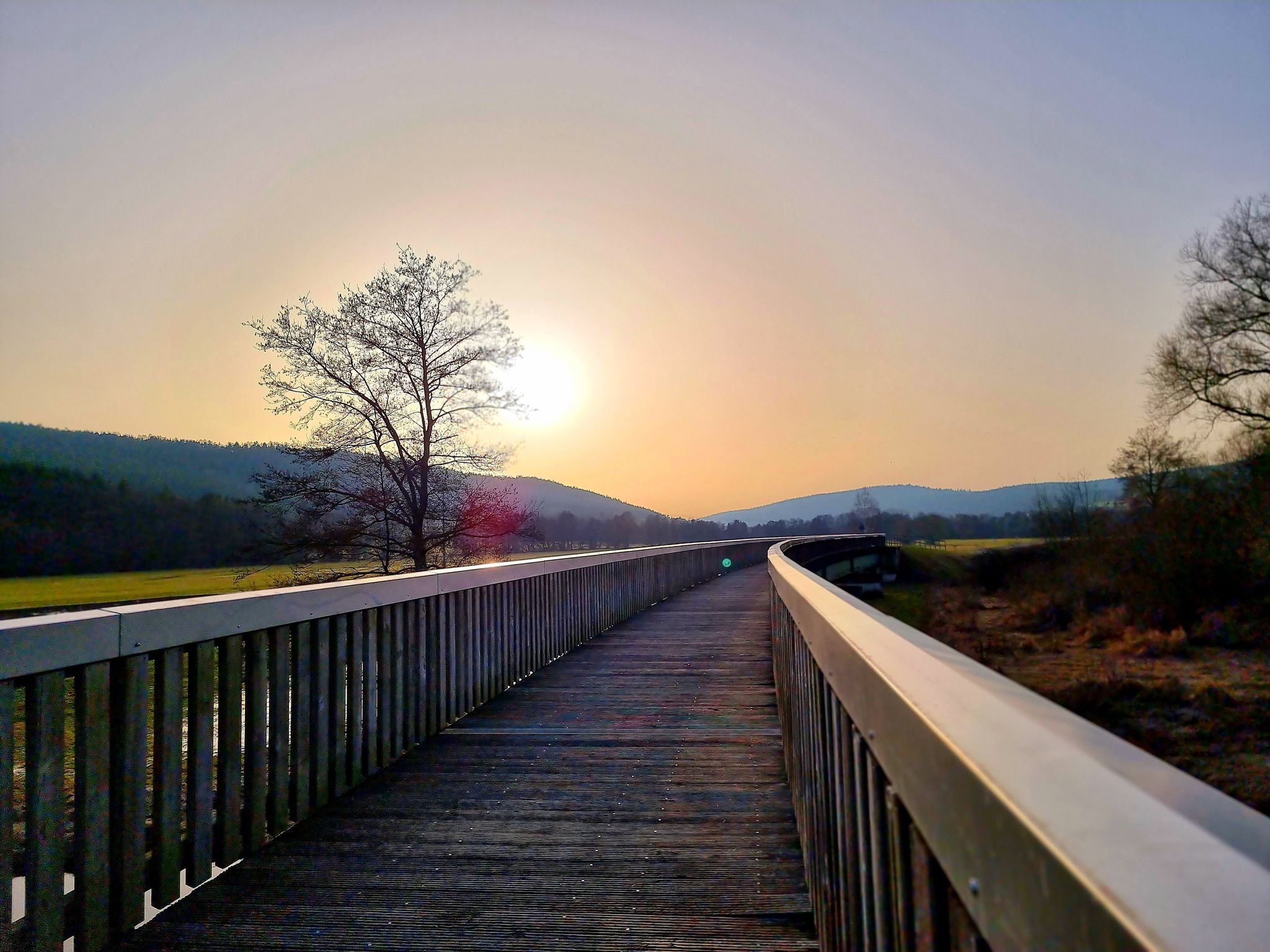
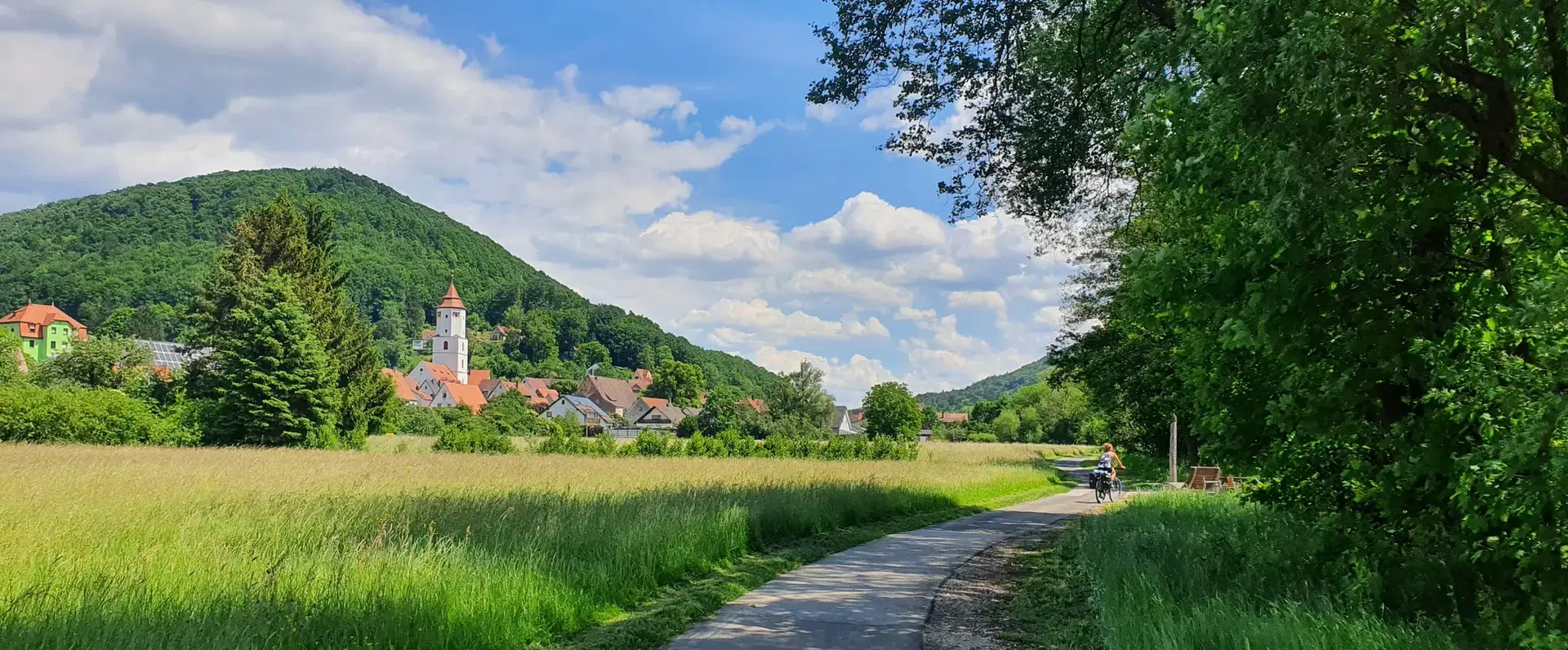
The cycle path runs mainly on water-bound paths, with occasional longer sections being asphalted. The surface is in good condition and is very easy to ride on.
2
0


A beautiful little climbing rock in front of the Noristörl on the Norissteig. The path is well secured with clamps and wire rope.
20
0

The entrance lies beautifully in the midst of the stately rocks. The cave itself is actually rather small at around 12 meters in diameter. Rather, it owes its charm to the mysterious entrance, which at first seems to duck away from the visitor. And the legend to which the name Mysteriengrotte goes back is, thanks to the scary factor, an additional mood factor. Because this is where the “White Woman” is supposed to appear again and again. And this legend even has a true origin. Because the "White Woman" is said to be the cursed soul of Countess Kunigunde von Leuchtenburg, who lived at the foot of the Plassenburg in the 13th century. She murdered her two children, believing that the infants would stand in the way of her remarriage to Albrecht the Handsome, Burgrave of Nuremberg. Despite extensive penance in later, still unmarried days and the founding of a monastery, which she presided over as abbess, her restless spirit is said to have haunted the Mystery Grotto since her death.
4
0

Beautiful section of the 5 Rivers Cycle Path on the former railway line.
3
0

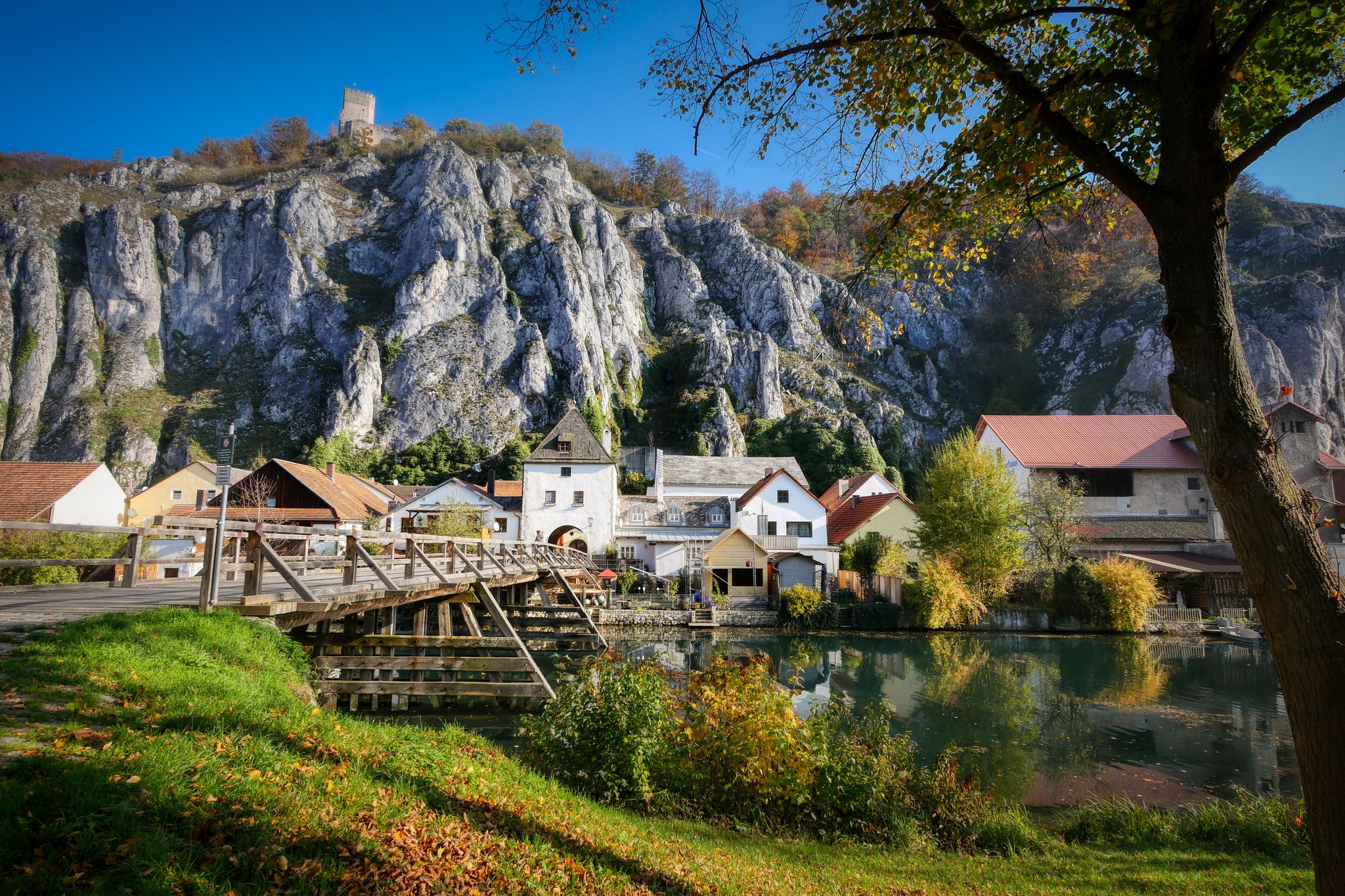
The Amberger "Stadtbrille" is a starting point for almost every city tour. Together with the reflection in the Vils, the Wassertorbau gives the impression of glasses.
8
0
Frequently Asked Questions
What unique natural landscapes can I explore in Landkreis Amberg-Sulzbach?
The region is characterized by the geological formations of the Franconian Jura, featuring jagged peaks, limestone cliffs, and various caves. A must-see is the Stone city with the "Two Brothers", an overwhelming labyrinth of karst rock formations. Another unique natural attraction is Vogelherd Grotto, an impressive karst cave near Krottensee. Don't miss Monte Kaolino in Hirschau, a 120-meter-high mound of quartz sand offering activities like sandboarding.
Are there any notable caves in the region?
Yes, the region is known for its caves. Beyond the impressive Vogelherd Grotto near Krottensee, you can also explore Maximiliansgrotte, known for Germany's largest dripstone, and Osterhöhle (Easter Cave). The Mystery Grotto is another intriguing cave to discover.
What historical sites and castles are there to visit?
Landkreis Amberg-Sulzbach boasts a rich history with numerous castles, ruins, and monasteries. The Lichtenegg Castle Ruins are freely accessible and offer magnificent views. Amberg's medieval center is captivating, featuring its iconic Amberg's "Stadtbrille", walls, towers, and gates. Other notable sites include ancient castle towns like Sulzbach-Rosenberg and Vilseck, and the impressive Hammerschloss in Theuern.
What are some family-friendly attractions in Landkreis Amberg-Sulzbach?
Families will enjoy Monte Kaolino in Hirschau, which offers a summer toboggan run, adventure golf, and a high ropes course in addition to sand activities. The region also features a 3D archery course in Hirschau, the Piratenspielplatz (Pirate Playground) in Amberg, and the Kurfürstenbad in Amberg for swimming. Many natural sites like the Stone city with the "Two Brothers" are also suitable for family outings.
Where can I find impressive rock formations and viewpoints?
The region is home to several striking rock formations. The Stone city with the "Two Brothers" is a vast karst rock labyrinth. You can also visit the Weissingkuppe Rock Labyrinth with its mushroom-shaped rock towers. For climbers and those seeking views, the Noris Gate and Turk's Rock offer unique perspectives. The Lichtenegg Castle Ruins also provide magnificent panoramic views.
What outdoor activities can I do near these attractions?
Landkreis Amberg-Sulzbach is excellent for outdoor enthusiasts. You can enjoy cycling on routes like the Five Rivers Cycle Route: Amberg–Schmidmühlen section along the Vils. For more cycling options, explore the Cycling in Landkreis Amberg-Sulzbach guide. Hiking is popular, with trails leading through the Franconian Jura and natural parks. Water sports like canoeing and Zille boat trips are available on the Vils River. Climbing is also possible at spots like the Noris Gate.
Are there hiking trails near these attractions?
Yes, the region offers many hiking opportunities. You can find trails around natural monuments like the Stone city with the "Two Brothers" and Weissingkuppe Rock Labyrinth. The Naturpark Hirschwald, entirely within the district, provides an ecologically valuable landscape for hiking. For more challenging routes, check out the Mountain Hikes in Landkreis Amberg-Sulzbach guide.
What do visitors enjoy most about Landkreis Amberg-Sulzbach?
Visitors frequently praise the region's diverse natural beauty, especially the unique karst landscapes and impressive rock formations. The historical charm of Amberg's medieval center and the panoramic views from sites like Lichtenegg Castle Ruins are also highly appreciated. The sense of calm found in places like Vogelherd Grotto and the well-marked trails for hiking and cycling are also popular highlights.
Are there opportunities for cycling or mountain biking?
Absolutely. The Landkreis Amberg-Sulzbach is a popular destination for cyclists. The former railway line 'Amberg - Schmidmühlen' is now part of the Fünf-Flüsse-Radweg (Five Rivers Cycle Path), offering scenic rides. You can find numerous routes for both road cycling and mountain biking. For detailed routes, refer to the Cycling in Landkreis Amberg-Sulzbach guide and the MTB Trails in Landkreis Amberg-Sulzbach guide.
What cultural attractions are there in Amberg?
Amberg's medieval center is a cultural highlight, with its well-preserved walls, towers, and gates, including the famous Amberg's "Stadtbrille". The Gothic town hall, numerous churches, and historic residences contribute to its charm. Amberg is also home to the unique Air Museum (Luftmuseum), which is the only one of its kind in Germany.
Are there any nature reserves in the area?
Yes, the district contains five nature reserves, including Grubenfelder Leonie, Pegnitzau zwischen Ranna und Michelfeld, Schergenbuck mit Schloß Neidstein, Unteres Pfistertal nördlich von Vilshofen, and Wüstung Großenfalz. These areas offer valuable ecological landscapes for exploration and appreciation of local flora and fauna.
What is Monte Kaolino and what can I do there?
Monte Kaolino in Hirschau is a unique, 120-meter-high mound of quartz sand, often called the 'White Mountain.' It's part of a leisure park where you can try sandboarding and sand skiing. The park also features a summer toboggan run, adventure golf, and a high ropes course, making it a great destination for active families and individuals.
Most popular routes in Landkreis Amberg-Sulzbach
Most popular attractions in Landkreis Amberg-Sulzbach

Get inspired with the komoot mobile app


Didn’t find what you were looking for?
Are you keen on exploring more awesome places nearby? Browse our guides:
Explore more
Still not found the Highlight you’re looking for? See guides of the top attractions in other regions:
