The best walks and hikes around Minnetonka Beach
4.6
(14)
240
hikers
37
hikes
Hiking around Minnetonka Beach offers a diverse landscape characterized by numerous lakes, wetlands, and woodlands. The region features extensive trail systems that wind through mixed hardwood and conifer forests, open fields, and along picturesque creeks and lakeshores. Its terrain is generally gentle, with minimal elevation changes, making it accessible for various activity levels. Over 20% of Minnetonka's land area consists of wetlands and lakes, providing serene natural public open spaces.
Best hiking trails around Minnetonka Beach
- The most popular hiking route is Wolsfeld Woods Upper and Lower Loops, a 1.6 miles (2.6 km) trail that takes about 42 minutes to complete. This easy route explores a wooded area with gentle paths.
- Another top favourite among local hikers is Dakota Rail Regional Trail, a difficult 36.1 miles (58.2 km) path. This extensive trail offers scenic views of lakes, wetlands, woodlands, and farmlands.
- Local hikers also love the Luce Line State Trail, a 93.4 miles (150.4 km) trail leading through varied landscapes, often completed in about 38 hours 15 minutes.
- Hiking around Minnetonka Beach is defined by lake views, wetland paths, and extensive woodland trails. The network offers options for different ability levels, from short, easy strolls to long-distance routes.
- The routes in Minnetonka Beach are highly rated by the komoot community with an average score of 4.7 stars from over 14 reviews. More than 220 hikers have used komoot to explore Minnetonka Beach's varied terrain.
Last updated: October 5, 2026
5.0
(1)
2
hikers
2.65km
00:42
20m
20m
The Wolsfeld Woods Upper and Lower Loops offers an easy, immersive journey into a rare "Big Woods" forest, perfect for a quick nature fix. You'll wander beneath ancient maple-basswood trees, some over two centuries old, and navigate gentle "knob and kettle" terrain with rolling hills and valleys. Keep an eye out for unique seep springs and the serene views near Wolsfeld Lake on this 1.6-mile (2.6 km) route, which features only 72 feet (22 metres) of elevation gain and takes about 41 minutes to complete.
Planning your visit to Wolsfeld Woods is straightforward, though it's important to remember its status as a Scientific and Natural Area means there are no visitor facilities like restrooms or picnic areas, ensuring a more secluded experience. The trails are well-maintained, but some sections might be mucky, especially near springs. It's a popular spot for trail running and snowshoeing, and late spring for wildflowers or fall for vibrant foliage are the best times to visit.
Wolsfeld Woods holds significant ecological value as one of Minnesota's earliest Scientific and Natural Areas, established to protect one of the state's best remaining examples of the "Big Woods" forest community. Its hilly topography historically prevented farming, which helped preserve the old-growth maple trees, some of which were part of a maple syrup operation from the 1880s to the 1940s. This rich history and unique ecosystem make it a special place to explore.
58.2km
14:50
180m
170m
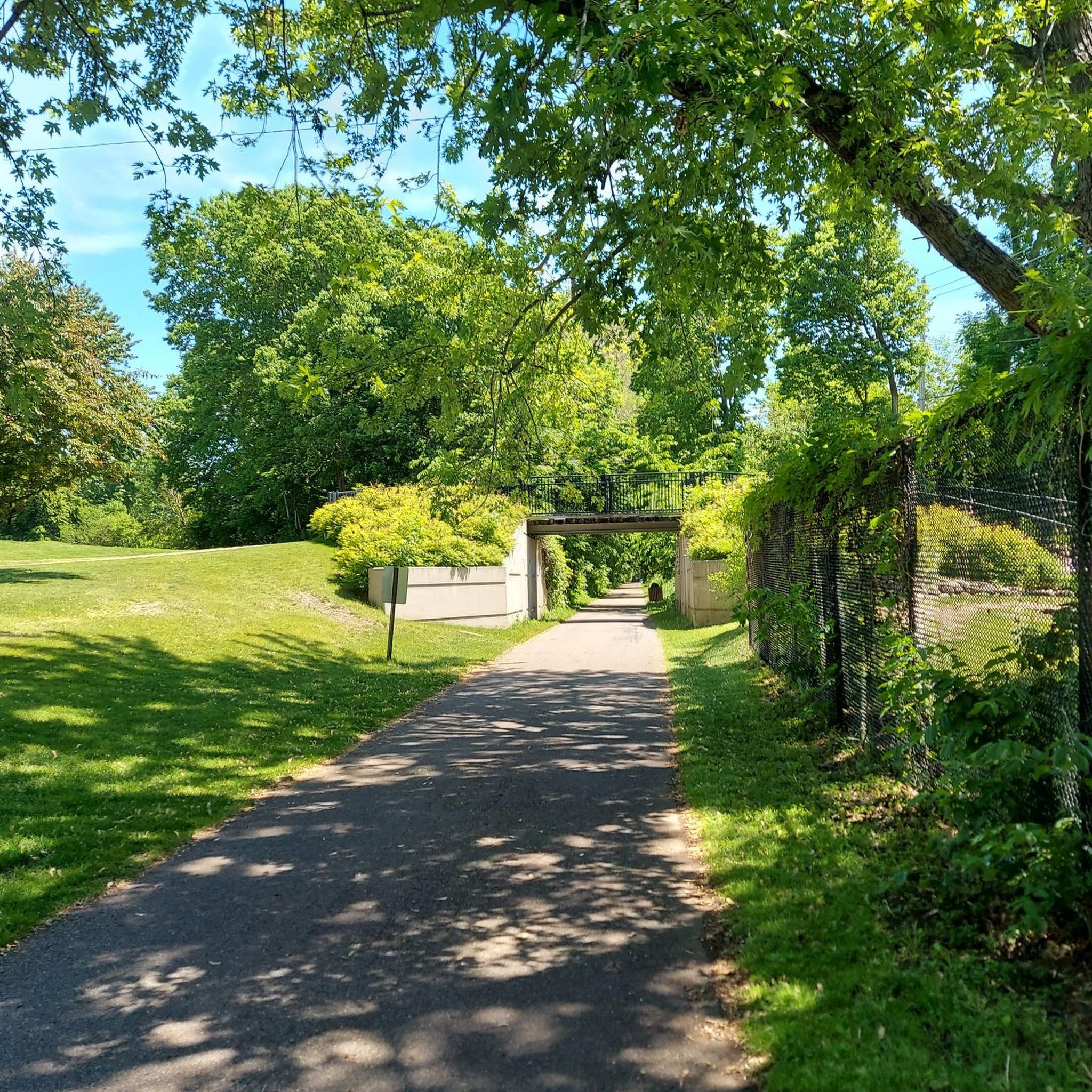
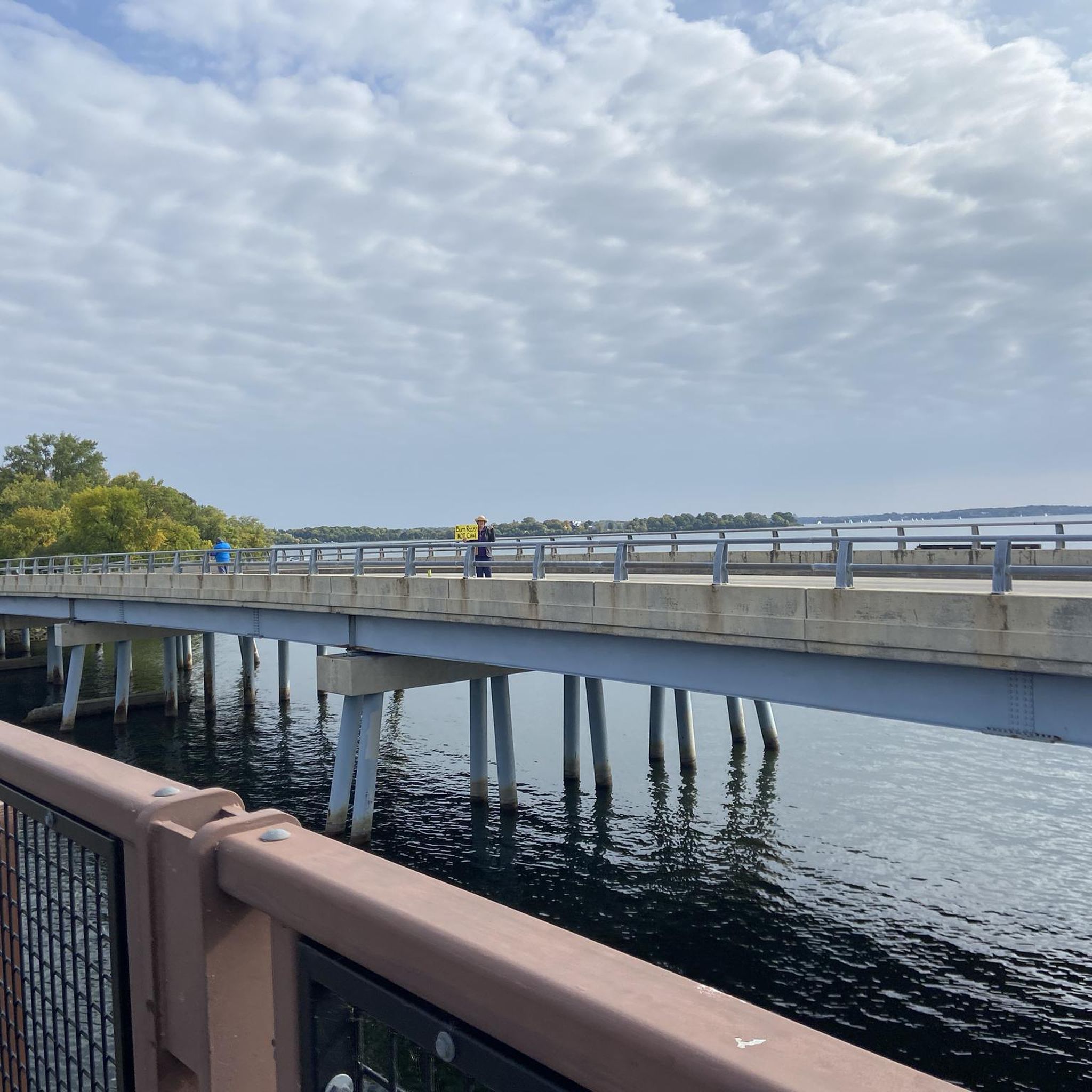
The Dakota Rail Regional Trail offers a challenging hiking experience, stretching for 36.2 miles (58.2 km) with a total elevation gain of 599 feet (183 metres). This difficult route takes approximately 14 hours and 49 minutes to complete, guiding you through a diverse landscape. You will hike along the scenic shores of Lake Minnetonka and Lake Waconia, passing through wetlands, dense wooded areas, and open agricultural land. Keep an eye out for the historic Arcola Trestle, a preserved railroad bridge that crosses Lake Minnetonka, adding a unique visual landmark to your journey. The trail also winds through several charming small towns, blending natural beauty with local community charm.
Planning your visit to the Dakota Rail Regional Trail is straightforward, as it is part of the Three Rivers Park System. You will find ample parking available at various access points along the route. The trail features clear markers throughout its multi-use corridor, making navigation simple. It is a welcoming path for hikers, bikers, and even dog walkers, provided your furry companion remains on a leash. Consider starting early to make the most of the long distance and varied scenery.
This trail stands out as a significant regional asset, offering a unique blend of natural and historical elements. Its path follows a former railway line, providing a relatively flat grade through varied terrain. The presence of the historic Arcola Trestle over Lake Minnetonka highlights the trail's past, connecting you to the region's railway heritage. The route's passage through different ecosystems, from lakefronts to agricultural fields, makes it a notable journey for those seeking a comprehensive outdoor experience in the area.

150km
38:15
440m
390m
Embark on the Luce Line State Trail, a difficult hiking route stretching 93.4 miles (150.4 km) across Minnesota. You will experience a diverse landscape, from the dense woodlands of the eastern sections, rich with sugar maple and basswood trees, to the expansive tallgrass prairie and farm fields as you head west past Hutchinson. This extensive journey involves a total elevation gain of 1429 feet (435 metres) and typically takes around 38 hours and 14 minutes to complete. Keep an eye out for local wildlife like deer and fox, especially near the marshes and lakes you'll encounter along the way. The trail offers a challenging yet rewarding experience for long-distance hikers.
Planning your visit is straightforward, with ample parking and restroom facilities available at various points along the route. Be aware that the trail's surface changes significantly, from crushed limestone in the east to mowed grass further west, so choose your footwear carefully. Also, if you plan to bring horses, note that the bridge over the Crow River in Watertown is currently closed to equestrian traffic for safety reasons. Always check for current conditions before you head out.
The Luce Line State Trail follows an abandoned railroad corridor, offering a unique perspective on Minnesota's natural and agricultural heritage. As you hike, you'll pass through remnants of the state's historic
6
hikers
4.38km
01:08
30m
30m
If you're after a tranquil forest walk that feels like stepping back in time, the Wood-Rill Scientific and Natural Area loop is a superb option. This easy 2.7-mile (4.4 km) hike guides you through an ancient Sugar Maple 'Big Woods' forest, home to trees up to 400 years old, with only 86 feet (26 metres) of elevation gain. You'll pass by Bufflehead Pond and traverse gentle glacial hills, making it a rewarding journey that takes just over an hour.
Planning your visit is straightforward; the Wood-Rill Scientific and Natural Area is easily accessible less than an hour west of the Twin Cities. The maintained hiking trails ensure a pleasant experience, and the area is known for its distinct lack of crowds, offering a peaceful alternative to busier state parks. Consider visiting in spring to witness the spectacular display of native wildflowers.
This loop offers a unique glimpse into Minnesota's rare "Big Woods" ecosystem, preserving a critical habitat that supports diverse plant and animal species, including the red-shouldered hawk. The glacial terrain creates varied landscapes, from wetlands to tamarack swamps, providing a rich ecological experience. It's a perfect family-friendly hike for those seeking natural beauty and solitude.
4.0
(1)
3
hikers
5.31km
01:24
40m
40m
Step into a preserved piece of Minnesota's "Big Woods" on the Wolsfeld Woods Scientific Natural Area loop, an easy 3.3-mile (5.3 km) hike that takes about 1 hours and 23 minutes. You'll wander through lush, rolling terrain, surrounded by ancient maple trees, some as old as 350 years. Keep an eye out for abundant wildflowers, diverse fungi, and the serene Wolsfeld Lake, where you might spot egrets or trumpeter swans, all while gaining a gentle 141 feet (43 metres) in elevation.
This trail is a peaceful escape, often less crowded than other local spots, making it ideal for quiet contemplation. It's important to note that dogs are not permitted on these trails, preserving the natural habitat for wildlife. While the paths are generally well-maintained for a Scientific and Natural Area, be mindful of potential poison ivy along the route.
Wolsfeld Woods holds significant ecological value as one of Minnesota's earliest Scientific and Natural Areas, established in 1978 to protect its unique ecosystem. It's one of the last remaining tracts of original "Big Woods" forest, characterized by its impressive old-growth maples and broad-leaf species. Beyond hiking, the area is also popular for activities like snowshoeing and Nordic skiing in winter, offering year-round enjoyment.
Get access to more routes and recommendations from other explorers.
Already have an account?
Our route recommendations are based on thousands of hikes, rides, and runs completed by other people on komoot.
Start today with a free account
Your next adventure awaits.

Tips from the Community

The springs in the Wolsfeld Woods Scientific and Natural Area are classified as gravity-fed seepage springs. In this “knob and kettle” glacial terrain, water does not usually gush from a single dramatic pipe or cave. Instead, rain and snowmelt soak into the high “knobs” (hills), and gravity pulls that water down through the soil. When the water encounters a dense layer it cannot pass through, it is diverted sideways and eventually “leaks” out where the hill meets the valley floor (the ravine). This process is visible in the “mucky” areas near the stream and in the presence of skunk cabbage and marsh marigolds, which thrive in the constant, slow-moving moisture of a seepage area.
0
0

Lots of options of bars and grills plus some coffee shops, etc.
1
0
Lake Waconia is beautiful and huge, lots of good views as you go around.
2
0
Grandy's Farm is located on the north side of the Dakota Rail Trail. It features goats, ponies, and a food stand where you can purchase food yourself.
1
0
The Winery at Sovereign Estate, located in Waconia, Minnesota, is a 30-acre vineyard that sits on a high hillside overlooking Lake Waconia. The estate cultivates and produces its own wines using cold-hardy grape varieties such as Marquette, La Crescent, Itasca, and Frontenac Blanc. Additionally, they incorporate other Minnesota-grown grapes as well as grapes from across the nation, including some vinifera varieties from Washington State, to create their wines. Their winemaking philosophy emphasizes the unique qualities of these Minnesota grapes. The winery is conveniently situated near the Dakota Rail Trail, accessible via a short, ½-mile gravel road leading up the hill. I have placed the highlight at the intersection of the Dakota Rail Trail and the road leading up to the winery.
1
0
This restaurant is located right on the Dakota Rail Trail. It has plenty of shaded outdoor seating. It's perfect to take a break on your bike ride.
2
0
Frequently Asked Questions
How many hiking trails are available around Minnetonka Beach?
Minnetonka Beach offers a wide variety of hiking experiences, with over 35 routes available. These trails cater to different preferences, from short, easy strolls to longer, more challenging treks through diverse landscapes.
What kind of terrain can I expect on hikes around Minnetonka Beach?
The terrain around Minnetonka Beach is generally gentle, featuring minimal elevation changes. You'll find trails winding through mixed hardwood and conifer forests, open fields, wetlands, and along picturesque creeks and lakeshores. Over 20% of the area is composed of wetlands and lakes, providing serene natural public open spaces.
Are there easy hiking trails suitable for beginners or casual walkers?
Yes, Minnetonka Beach is very accommodating for beginners and casual walkers. There are 25 easy routes available, perfect for a relaxed outing. For example, the Minnehaha Creek Trail offers a short, accessible path along the creek.
Are there any challenging hikes for experienced trekkers in the area?
While much of the terrain is gentle, there are a couple of more challenging options for experienced trekkers. The Luce Line State Trail, for instance, is a difficult 93.4-mile path that leads through varied landscapes, offering a significant long-distance adventure.
What natural features or landmarks can I see along the hiking trails?
Hiking around Minnetonka Beach offers views of numerous natural features. You can explore the extensive trail systems within Carver Park Reserve Trail, which features winding trails, interconnected lakes, and marshes. The Dakota Rail Regional Trail provides scenic views of lakes, wetlands, and woodlands, including the notable Arcola Trestle Bridge with panoramic vistas of Crystal Bay and Lake Minnetonka. You might also encounter Ferndale Marsh, a significant wetland area.
Are there any circular hiking routes around Minnetonka Beach?
Yes, there are several circular routes available for hikers who prefer to start and end in the same location. An example is the Wood-Rill Scientific and Natural Area loop, which offers a pleasant circuit through natural surroundings.
What is the best time of year to go hiking in Minnetonka Beach?
The Minnetonka Beach area is beautiful year-round, but fall is particularly spectacular for hiking due to the vibrant fall foliage around Lake Minnetonka. Spring and summer also offer pleasant conditions for exploring the diverse ecosystems, while winter can provide unique opportunities for snowshoeing or cross-country skiing on some trails.
Are the hiking trails around Minnetonka Beach family-friendly?
Many trails in the Minnetonka Beach area are suitable for families. The generally gentle terrain and numerous easy routes make it accessible for children. Parks like Big Willow Park and Meadow Park offer easy hikes with views of Minnehaha Creek, woodlands, and wetlands, perfect for a family outing.
Can I bring my dog on the hiking trails in Minnetonka Beach?
Many trails in the Minnetonka Beach area are dog-friendly, but it's always best to check specific park regulations or trail signage before heading out. Generally, dogs are welcome on leash in most regional parks and on paved trails like the Dakota Rail Regional Trail.
What do other hikers enjoy most about hiking in Minnetonka Beach?
The area is highly rated by the komoot community, with an average score of 4.7 stars from over 14 reviews. Hikers often praise the diverse landscapes, including the stunning lake views, peaceful wetland paths, and extensive woodland trails. The variety of routes, from easy strolls to longer treks, is also frequently highlighted.
Are there opportunities for wildlife spotting while hiking?
Absolutely. The diverse natural habitats, including wetlands and woodlands, make Minnetonka Beach an excellent spot for wildlife observation. Carver Park Reserve, in particular, offers significant opportunities to see trumpeter swans, osprey, and white-tailed deer. The numerous natural public open spaces also provide serene environments for bird watching.
Most popular attractions around Minnetonka Beach

Get inspired with the komoot mobile app


Explore more
Browse the best Hikes in other regions.
